


302 million dollar agreement/ Berisha: The opposition will not vote for unconstitutional procedures
DP leader Sali Berisha has announced that the opposition w...

DP leader Sali Berisha has announced that the opposition w...


Artificial intelligence is rapidly transforming the healthcare sector, becoming an important tool for doctors and nurses around the world. According to the new Future Health Index 2026 report, published by Philips, healthcare professionals are saving weeks of work each year thanks to the use of AI-based technologies.
The report, which surveyed more than 2,000 clinicians and over 20,000 patients in 10 countries around the world, shows that the use of artificial intelligence in healthcare settings has increased significantly over the past year. Over 80 percent of healthcare professionals are optimistic that this technology can improve patient outcomes, while seven in ten believe that the benefits now outweigh the risks.
According to the data, 46 percent of clinicians report saving at least 132 hours per year thanks to AI, a time equivalent to more than three full work weeks. The greatest benefits were seen among nurses, who used the time gained to collaborate more with colleagues and focus more on patients.
The report also highlights that 71 percent of professionals have experienced improved work efficiency, while half of them say they can now treat more patients. The same number of them report reduced stress and a better balance between professional and personal life.
Artificial intelligence is being used primarily for administrative tasks such as transcribing clinical notes, scheduling appointments, analyzing medical images, and identifying dangerous drug combinations. More than 65 percent of clinicians say its use has increased confidence in medical decision-making.
However, the report warns that healthcare systems are struggling to keep up with the pace of development and adoption of these technologies. Nearly two-thirds of healthcare professionals admit to using personal AI tools when solutions provided by their organizations do not meet their work needs.
Another challenge remains the lack of training. Seven in ten respondents said that training on the use of artificial intelligence tools is limited or not consistently provided by the institutions where they work.
Despite the enthusiasm for the technology, most professionals insist that the role of humans remains irreplaceable. Some 86 percent of them think that any results produced by artificial intelligence should be overseen by a professional, while more than 80 percent believe that it will never be able to replace the relationship between doctor and patient.
The report concludes that artificial intelligence is bringing tangible benefits to healthcare, but hospitals and organizations need to invest more in training, security and infrastructure to cope with the growing demand and ensure its safe and effective use./ CNA


Bulgaria's newly appointed Defense Minister, Dimitar Stoya...

NASA has named its crew for its next major mission to the ...

Five people have been arrested in Kosovo on suspicion of i...
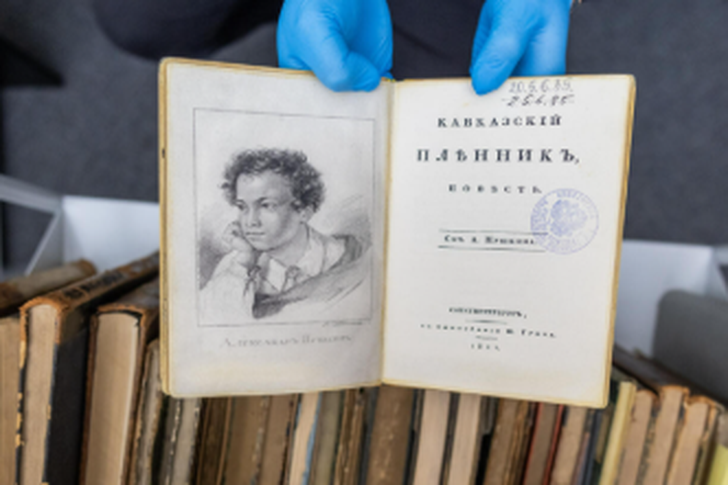
Six Georgian citizens appeared before a Paris court on Tue...

President Donald Trump has accused Iran of shooting down a...

Pope Leo XIV arrived in Barcelona this Tuesday, in what ma...

Israel has bombed the city of Tyre, killing eight people a...
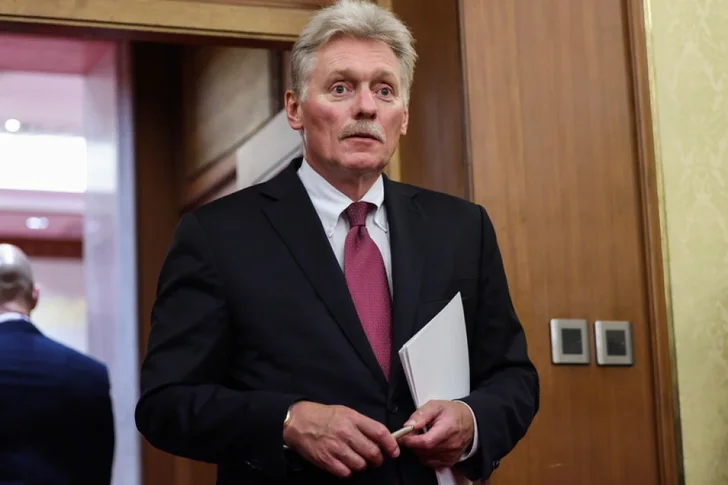
Zëdhënësi i Kremlinit, Dmitry Peskov, deklaroi sot se nuk ...

Two students and a teacher were injured in a stabbing inci...

Antonio Guterres says he is deeply alarmed by the new esca...

Two crew members of a US military helicopter that crashed ...

Authorities in the city of Utsunomiya in Japan have captur...

The European Investment Bank and the European Commission h...
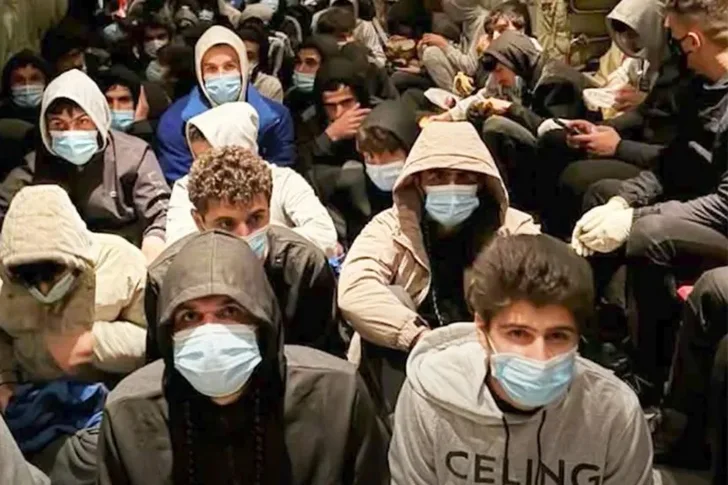
More than 300 migrants from Iraqi Kurdistan, who were tryi...
The United States said it will carefully monitor those in ...

Oil prices are falling after Israel and Iran have halted r...

Israeli military forces have launched new attacks on the c...
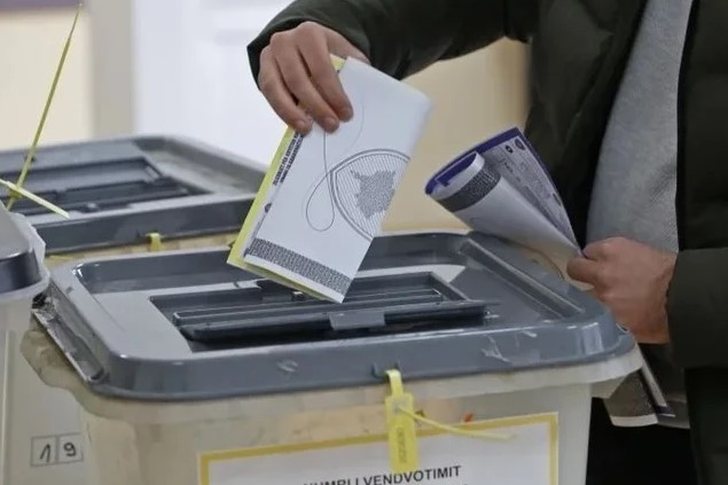
Just two days after the early parliamentary elections were...

In 2025, 65 conflicts involving at least one state were re...
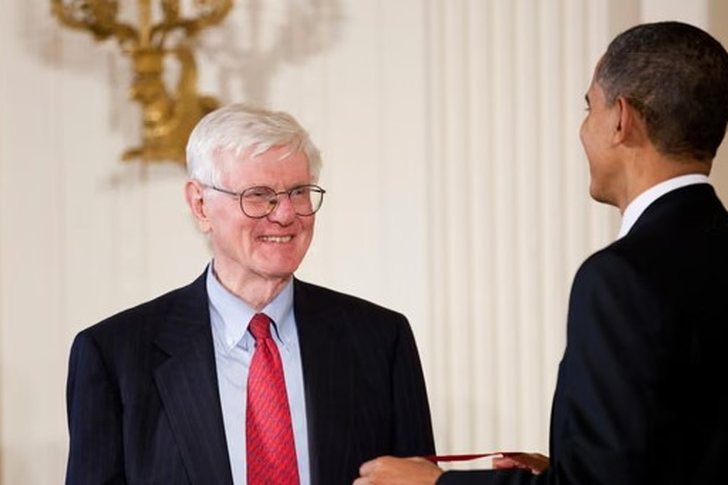
Historiani i njohur amerikan Gordon S. Wood, fitues i çmim...
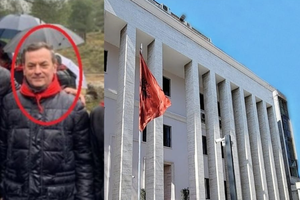
CNA has put under scanner the assets of Sokol Sadushi, the...

A 39-year-old citizen has been arrested in Lezha, after se...

CNA has launched another investigation that could lead to ...

Irfan Hysenbelliu is a businessman that we call "Irfan the...

The Special Board of Appeal (KPA) decided this Monday ...

The KPA vetting decided this Thursday to dismiss the p...

Suela Salavaçi, a prosecutor in the Prosecutor's Offic...

The Special Board of Appeal reinstated the prosecutor ...

Police have revealed details of the incident that occurred...
According to preliminary information, a person in his 60s ...

A triple accident occurred on the Peqin-Elbasan axis n...

The police have provided details regarding the accident th...

The public sector took the lead in absorbing the workforce...

Today, our country will be under the influence of unstable...

The Institute of Geosciences has today shared a forecast r...

Company leaders can improve productivity by investing in a...

Oil prices fell in early trading on Monday, falling furthe...

Although Albania does not have a developed industry on the...

North Korea is said to have achieved some impressive resul...

US Ambassador to the United Nations, Mike Waltz, said toda...
Two windows, a century of history and the metaphysics of p...

In my research at the Central State Archives, specifically...

At a time when industrial products are increasingly taking...

Trust among people is not just a three-syllable word. It c...

After strong savings growth in the years following the pan...

This Monday, one US dollar is bought for 81.5 lek and sold...

This Sunday, one US dollar is bought for 81.5 lek and sold...

This Saturday, one US dollar is bought for 81.7 lek and so...