

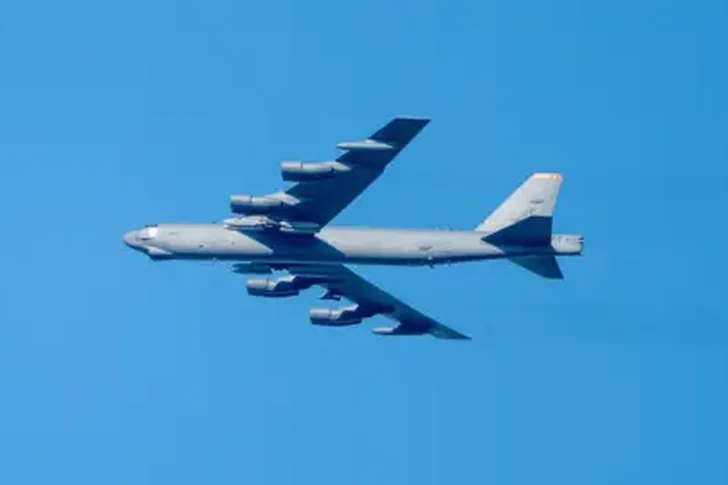
Eight dead after US Air Force B-52 bomber crashes in California
Eight people, including two Boeing employees, have been ki...



Japan's central bank has raised its key interest rate to a new record high in 31 years, following a surge in global energy prices.
On Tuesday, the Bank of Japan (BOJ) raised its so-called interest rate to 1% from 0.75% - a level not seen since 1995.
The decision comes at a time when several other central banks have raised interest rates this year, while the war in Iran has raised the cost of living.
Interest rates in Japan were cut aggressively in the 1990s to combat the fallout from falling asset prices such as property and shares. They had been near zero for two decades as prices fell and growth stagnated.
The bank has been gradually raising interest rates since March 2024 - at the time it was the country's first increase in 17 years.
"After twenty years of deflation, Japan is now in a cycle of rising inflation," Japanese economist Jesper Koll told the BBC.
"Emergency/crisis management monetary policy is no longer necessary and the Bank of Japan wants to return to normal monetary policy," he added.
The Bank of Japan has been under pressure to bring down inflation, which was extremely low in the country until relatively recently.
Higher energy prices have fueled inflation, adding pressure on countries like Japan that depend heavily on oil and gas from the Middle East.
Wholesale prices in Japan rose more than 6% in May from a year earlier, rising at the fastest pace in three years.
But the country's overall inflation rate, which was 1.4% in April, is currently below the Bank of Japan's 2% target.
The risk of a significant deterioration in Japan's economy due to the war in Iran is less likely due to government measures, including easing the impact on households from high fuel costs, the bank said on Tuesday.
But he added: “Given that medium- and longer-term inflation expectations have also continued to rise, there is a risk that core inflation could deviate above our price target.”
The Bank of Japan faces a tricky trade-off: Raising interest rates can help reduce inflation, but higher rates also make borrowing more costly, increasing spending for the government and businesses.
Bank Governor Kazuo Ueda - a central figure in setting interest rates - missed this week's meeting due to hospitalization, where he is being treated for an infected liver cyst.
But, along with other Bank of Japan policymakers, he has expressed an increasingly positive stance toward raising interest rates in recent months.
“Even if the situation remains unclear, if it is judged that the upside risks to prices outweigh the downside risks to economic activity, it will be necessary to fully discuss the pros and cons of raising the monetary policy interest rate,” Ueda said earlier this month.
Prime Minister Sanae Takaichi, known for her support for increasing domestic spending, has previously rejected the idea of ??raising interest rates, although she is under pressure to reduce inflation in Japan.
However, she has not publicly criticized the Bank of Japan's push for higher interest rates since taking office last year.
The latest interest rate hike is the second since Takaichi took office and had been expected since the BOJ raised its policy rate to "around 0.75%" in December.
The decision to raise interest rates also comes at a time when the bank aims to stabilize the yen, which is under pressure from other major currencies such as the US dollar and the euro.
"There has been a feeling that the yen is very cheap and that its currency appreciation will not hurt," said Ulrike Schaede, a business professor at the University of California, San Diego.
Even with the growth, Japan's interest rate remains low compared to other major economies.
For example, the US and the UK currently have interest rates above 3%, although both central banks are expected to keep their rates unchanged when they meet this week.

Eight people, including two Boeing employees, have been ki...

Donald Trump may decide to release a preliminary agreement...
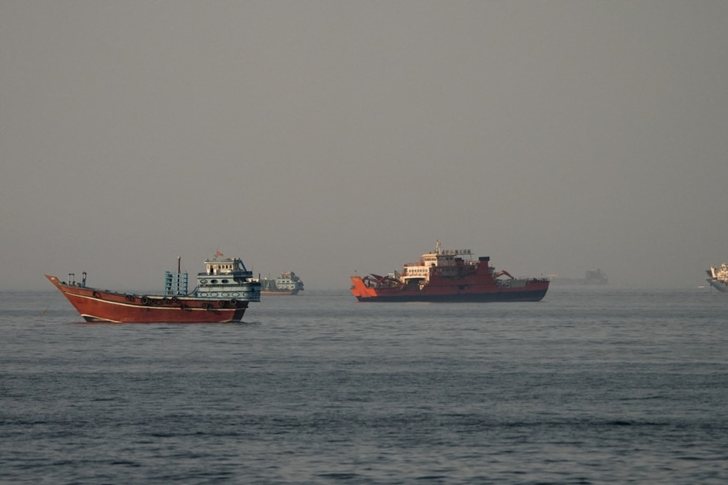
As part of the agreement to be signed this week, the Unite...
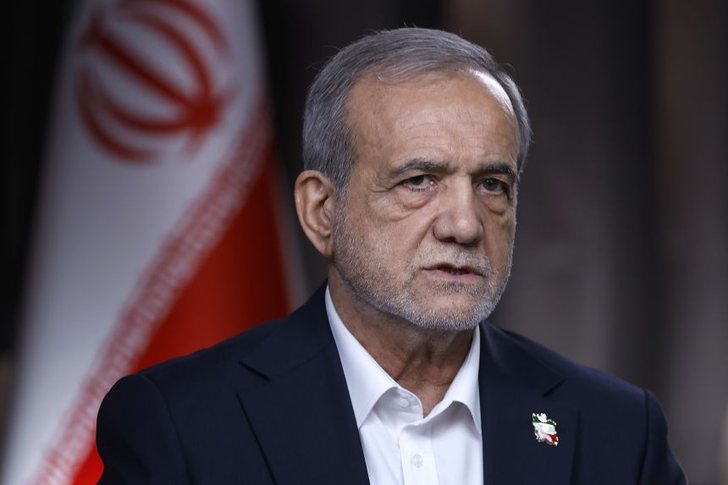
Iranian President Masoud Pezeshkian gave the first confirm...
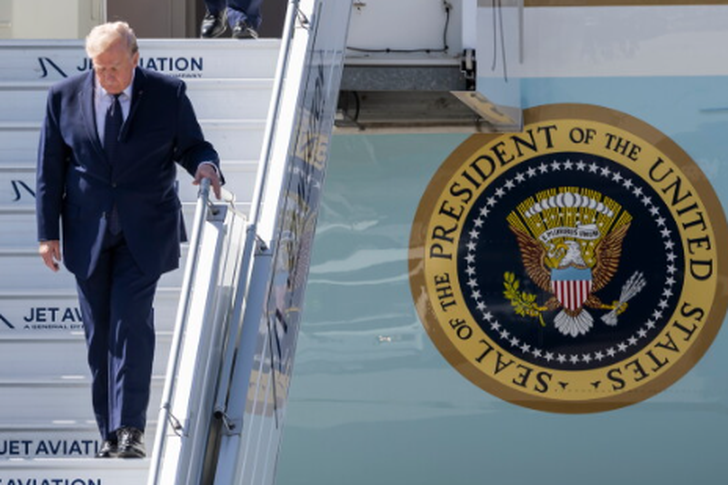
US President Donald Trump's plane has landed at Geneva air...

Russia has struck the UNESCO-protected Kyiv-Pechersk Lavra...
United States President Donald Trump has announced the ach...
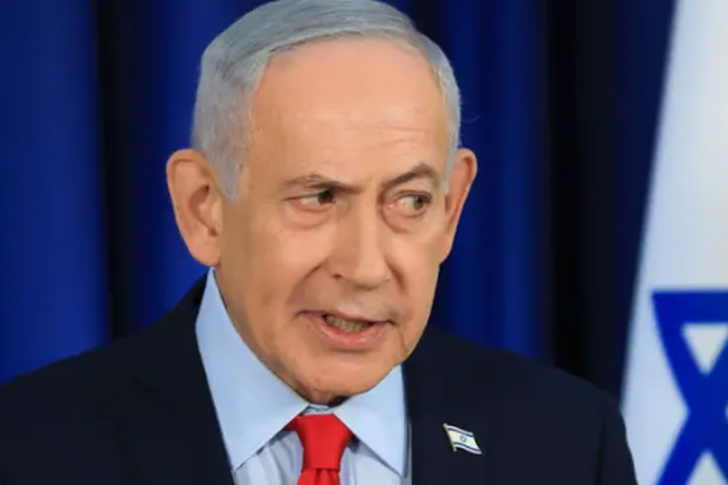
Israeli Prime Minister Benjamin Netanyahu is seeking an ur...
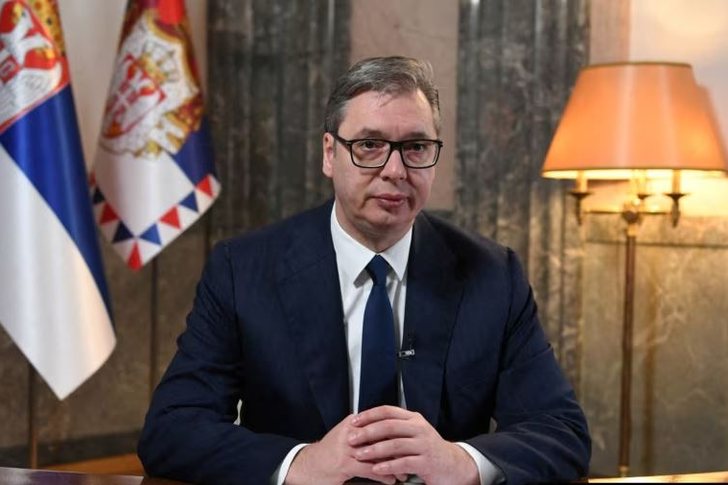
Serbian President Aleksandar Vučić announced that he plans...
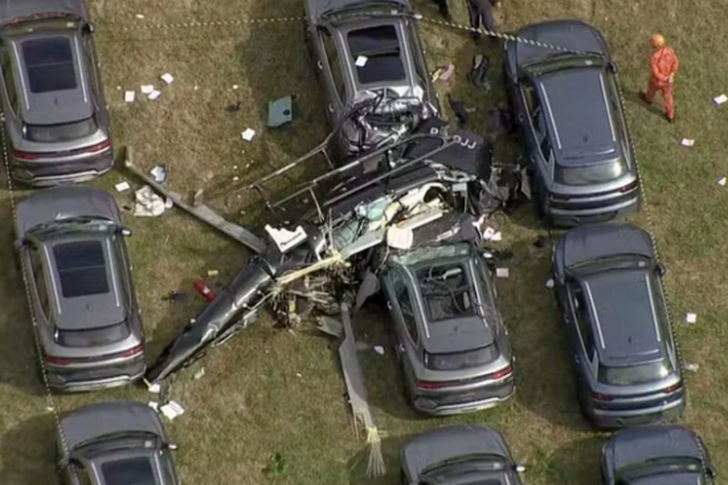
At least six people were killed on Sunday after two helico...
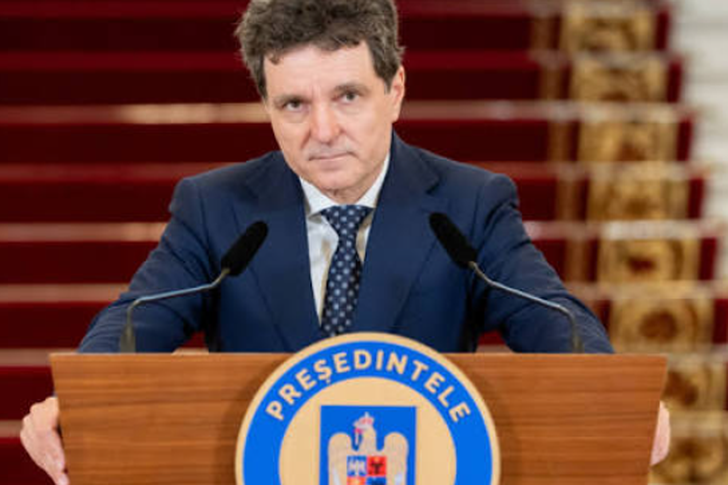
Romanian President Nicos Dan announced that he is nominati...
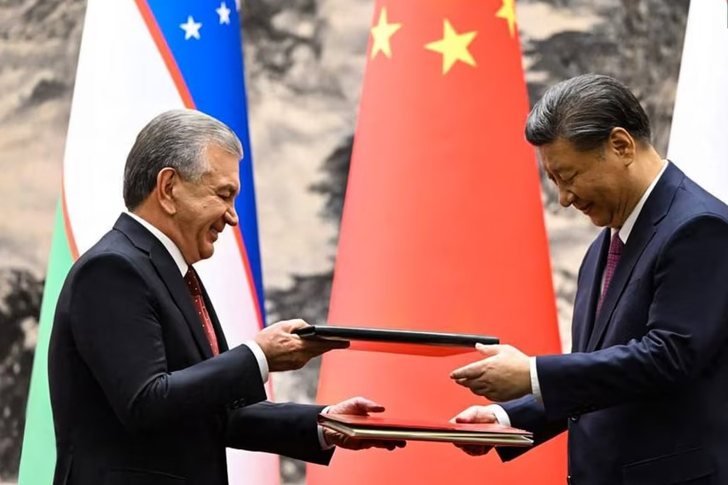
China has surpassed Russia as the largest foreign direct i...
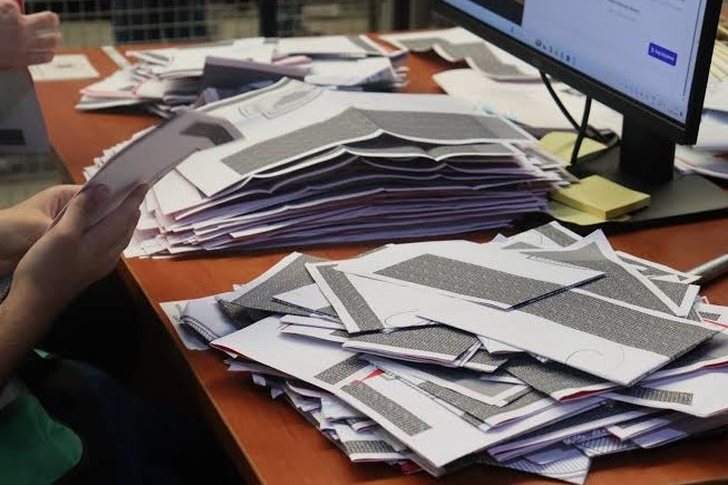
The counting process of mail-in ballots continues at the K...
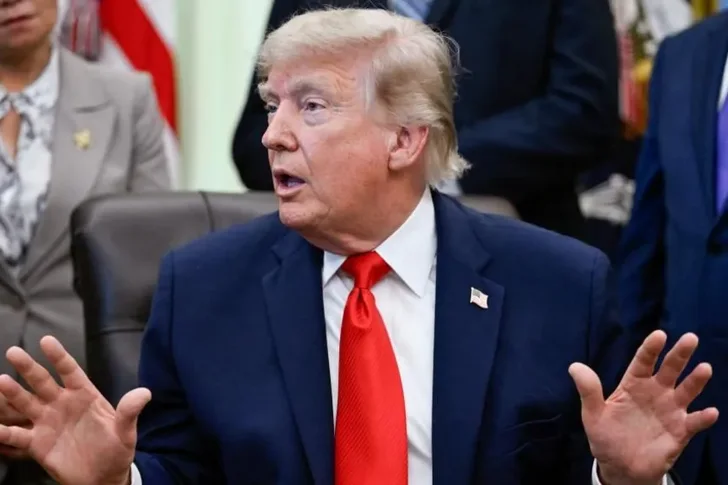
United States President Donald Trump has said that a deal ...
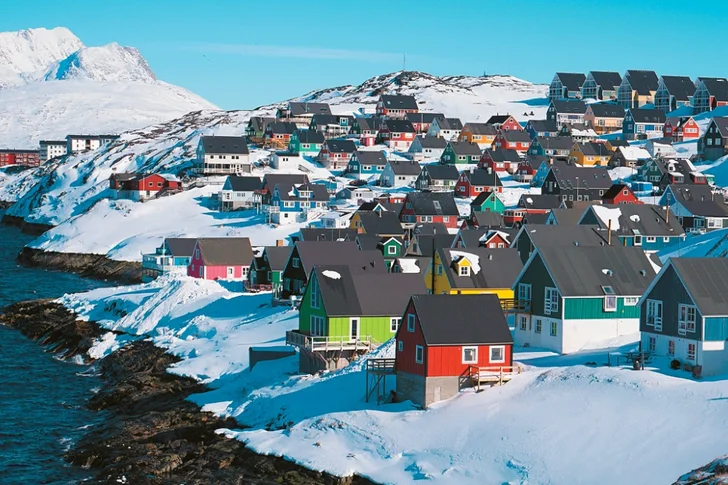
Japan is planning to send a delegation to Greenland this s...

The mayor of San Miguel Amatitlan, a town of about 7,000 r...
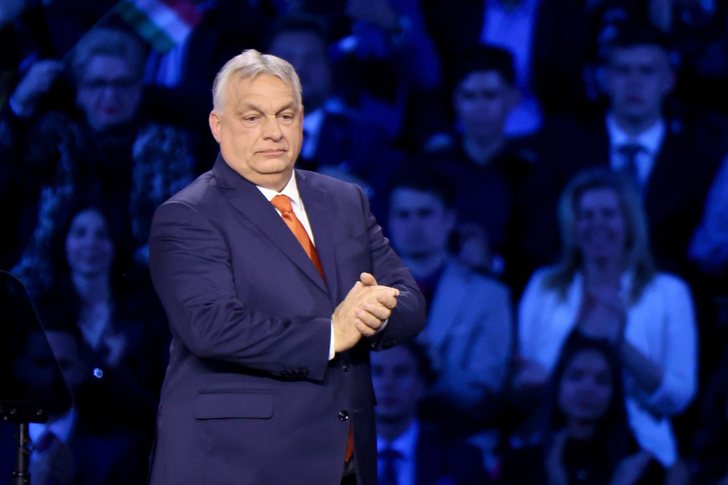
Former Hungarian Prime Minister Viktor Orban was re-electe...
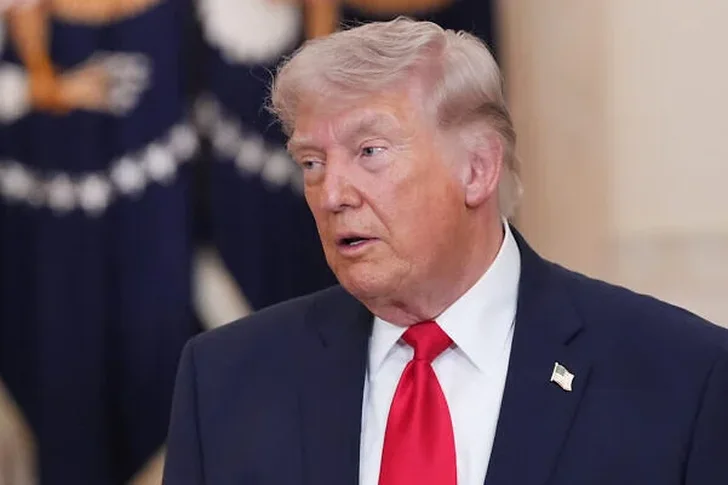
US President Donald Trump has stated that a deal with Iran...

US President Donald Trump and Ukrainian President Volodymy...
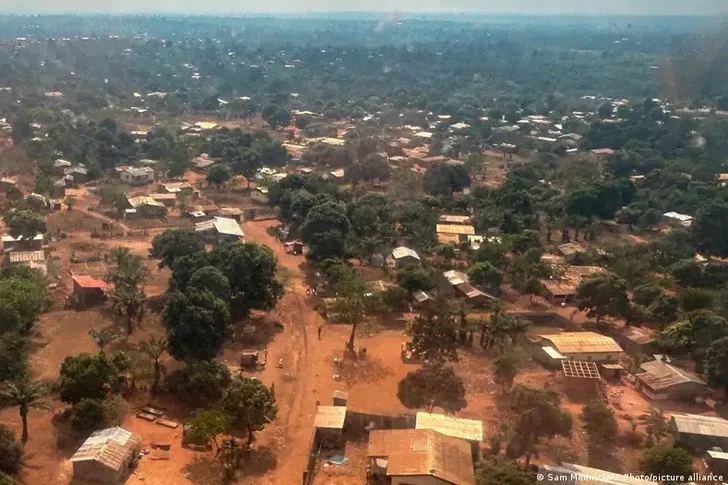
The US has deported a group of migrants to the Central Afr...

Erion Isufi is the man known in the media as Lulzim Basha'...

There have been 12 days of protests in the capital, which ...
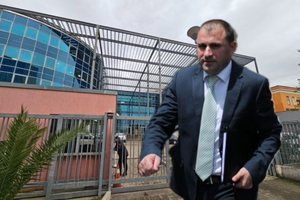
Dritan Prençi is the SPAK prosecutor who is sleeping on th...

The in-depth investigations that SPAK conducted into Ajola...

The Special Board of Appeal (KPA) decided this Monday ...

The KPA vetting decided this Thursday to dismiss the p...

Suela Salavaçi, a prosecutor in the Prosecutor's Offic...

The Special Board of Appeal reinstated the prosecutor ...

Other details have emerged from yesterday's assassination ...

Tirana Police announces that following the procedural acti...

New details emerge regarding the serious maritime accident...

A serious accident occurred today in the Bay of Ksamil. I...
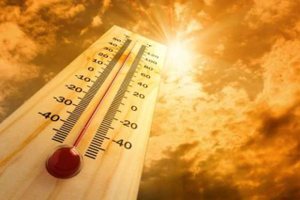
Meteorologist Tanja Porja shared some predictions today re...
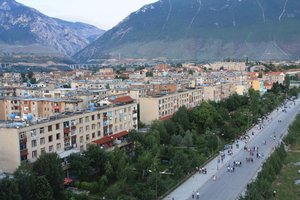
The large regions of Northern Albania are experiencing a s...
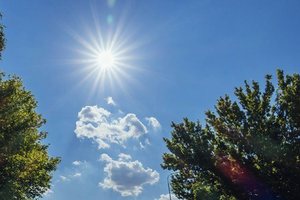
On Tuesday, our country will be affected by relatively sta...

Today, our country will be affected by relatively stable w...

CIA Director John Ratcliffe has raised doubts about Iran's...

Japan's central bank has raised its key interest rate to a...
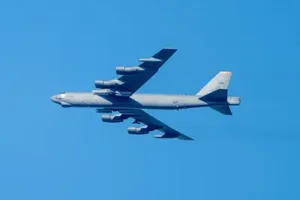
Eight people, including two Boeing employees, have been ki...

Donald Trump may decide to release a preliminary agreement...

Several archaeological excavations conducted during this s...

At the Museum of Fine Arts in Chambéry, France, an exhibit...

Korça has transformed this weekend into the capital of cel...

Korça is ready to open the summer season with one of the c...
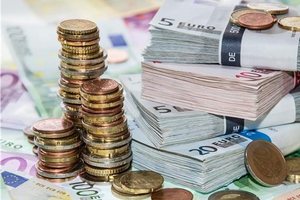
This Tuesday, one US dollar is bought for 81.3 lek and sol...

Seasonal changes, fluctuations in production and imports, ...

The dynamics of wages in the labor market continued their ...
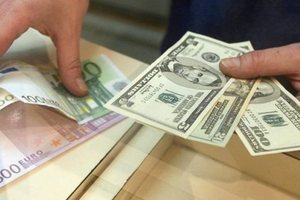
This Monday, one US dollar is bought for 81.5 lek and sold...