


The fight for Vlora Airport/ Balla in the EP: It is not an environmental issue, but competition
The head of the SP parliamentary group, Taulant Balla, in ...

The head of the SP parliamentary group, Taulant Balla, in ...

Almost a quarter of a century after the war in Kosovo, over 1,600 people, most of them Albanians, continue to be missing.
One of them is the co-wife of Fahrije Hoti, one of dozens of widows in Krushë te Madhe, a village 90 kilometers west of Pristina.
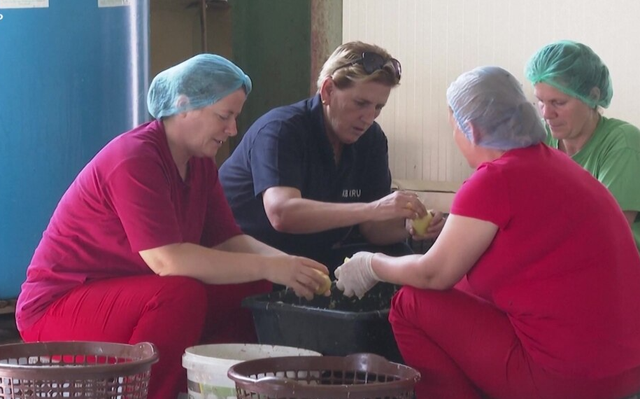
To soften the pain of the loss, Mrs. Hoti founded an agricultural cooperative, which deals with the production of ajvar and other handicraft products.
It employs about 50 women from Krusha.
Almost all are widows whose husbands and other male family members were among the 243 men forcibly taken by Serbian police and paramilitary units the day after NATO bombing began in March 1999. 64 of them are still missing.
"In the 90s, I got married in the village, in Krushë. It was a peaceful village, there were hardworking, close, loving people. In 1999, everything was destroyed. The Serbs came, looted, killed people, burned houses, left many children without parents. The situation in our village changed 100 percent. As a family, my husband was killed, today he is missing, three members of the immediate family, 11 second family members of the Axhallars, while 60 or so, mainly from the Hoti family . The situation in the village changed; we remained widows," says Mrs. Hoti.
After the war, Mrs. Hoti, now 52, ??began a commitment to find the missing men and in 2005, with several other women, began preparing ajvar.
"I, as Fahrije, organized the protests, organized several activities within the village, mainly for widows. Whereas in 2005, after we continued to plant and cultivate our lands, the men's - I was with my father-in-law and small children - and I started to conserve and engage women, maybe not for the economic and financial situation, because the benefit was and today is not who knows how big, but it was more the socialization of women. Not to forget the people who were killed, but for to overcome the pain and take life in hand. To raise children, to educate children, to educate children. Simply, to cover that part of the fathers that you children have missed, to play the role of two parents, mother and father. Let's raise it the economy, because everything was destroyed," says Mrs. Hoti.
In 2010, Mrs. Hoti registered the Krusha Agricultural Cooperative, which employs women, who prepare and sell over 60 different products. With their income, they support their families and educate their children.
This small venture has brought much-needed financial support to the families of the widows, as well as giving them back a sense of life before the war.
"Our village has returned to its previous state in terms of the economy, in terms of work, but maybe we are missing that part... The village is also missing 64 missing persons. Among them is my husband. This is a lack of every family probably in all of Kosovo and everywhere where there is war," says Mrs. Hoti.
Sadbere Hoti, works in the cooperative. Four members of her immediate family were killed in 1999. She cannot speak for them.
"During the war, it is known, in the village of Krushë, a great tragedy happened. We had great traumas, but thanks to this work and Fahrija, it helped us a lot," she says.
In addition to the social side and financial assistance, women have now also gained fame.
The film "Zgjoi" by director Blerta Basholli, which has won many awards, describes the life of Hoti and her cooperative. The film made history when it was awarded the top three prizes at the Sundance festival, and last year it was among the international Oscar nominees in this category.
Over 10,000 people were killed during the 1998 and 1999 war, most of them Kosovo Albanians. About 1 million Kosovo Albanians were driven from their homes by Serbian forces, before NATO's intervention forced Serbia to withdraw from Kosovo./ VOA

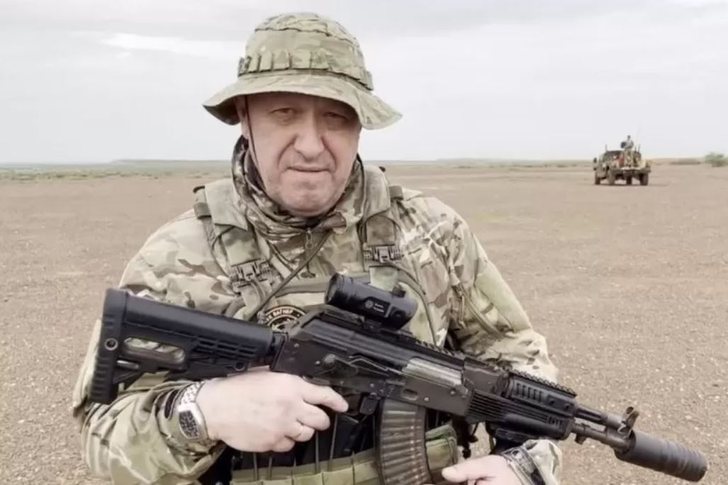
Wagner boss Yevgeny Prigozhin has been buried in a private...
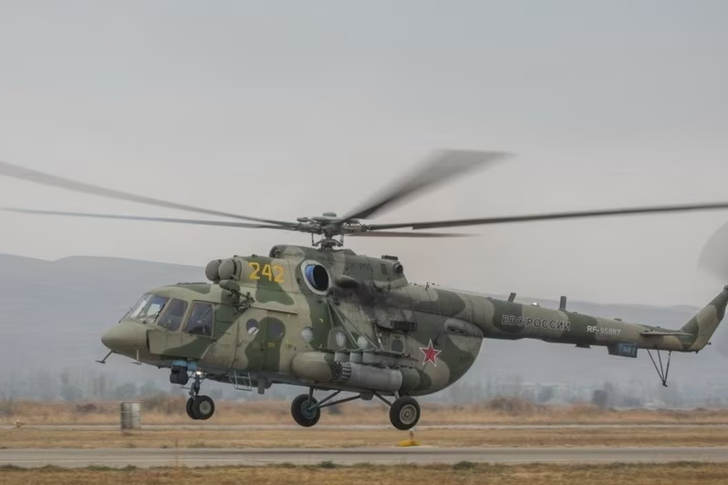
A Russian Federal Security Service (FSB) helicopter has cr...
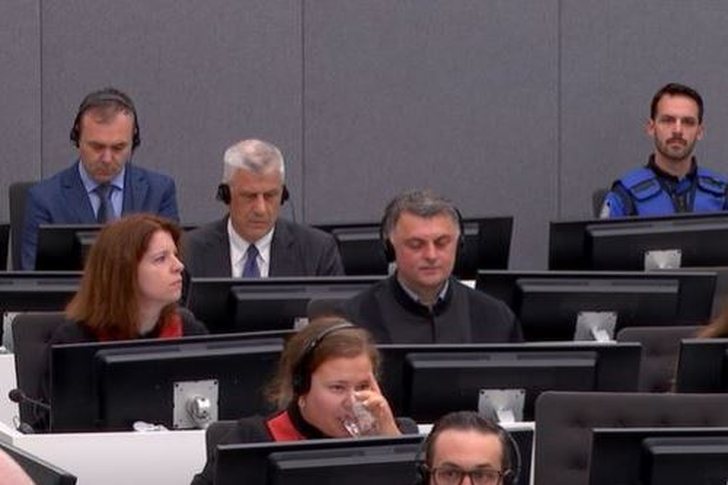
The trial of Hashim Thaçi, Kadri Veseli, Rexheo Selimi and...
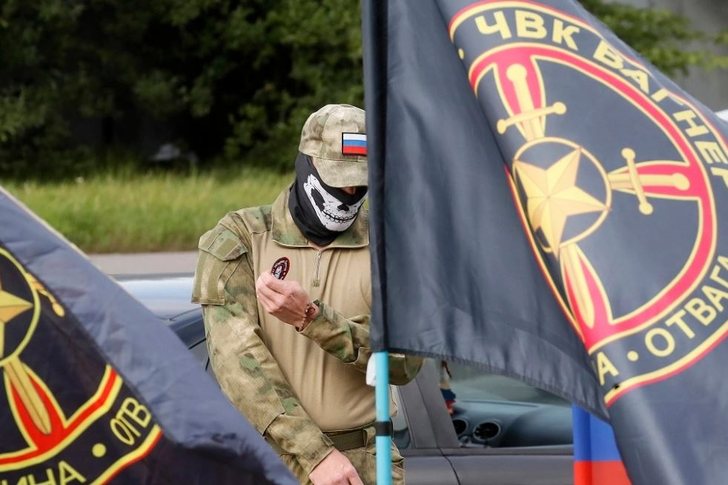
The goal of the Russian president, Vladimir Putin, is to e...
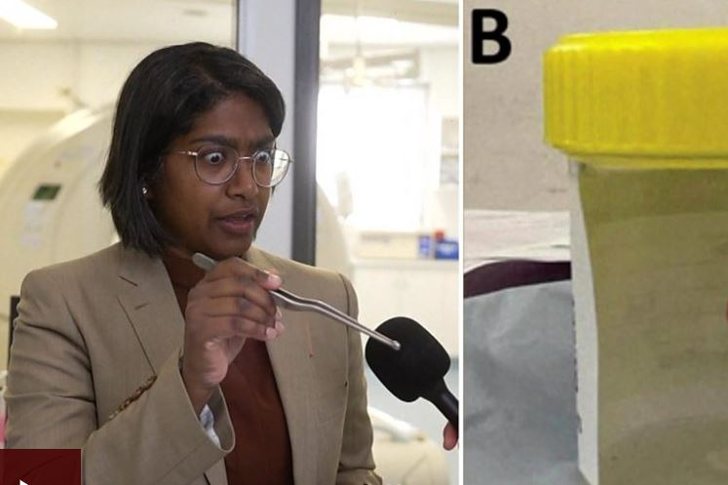
For the first time in the world, scientists say that an 8 ...
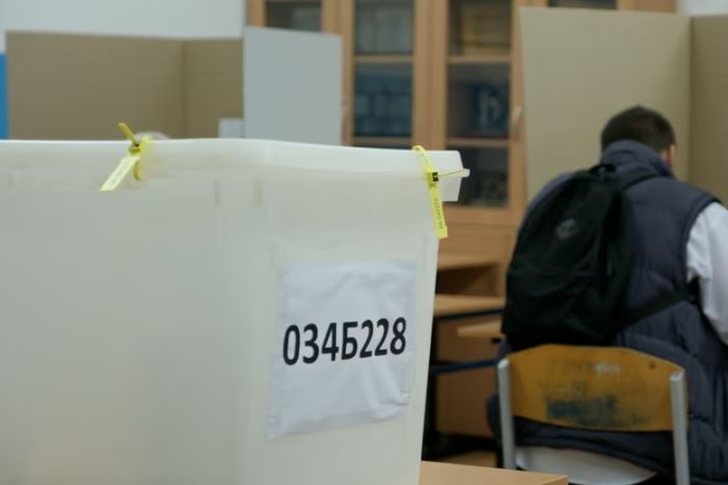
The European Court of Human Rights in Strasbourg said on T...

Berlin, Venecia, Barcelona, Majorka: përballë teprimeve ...
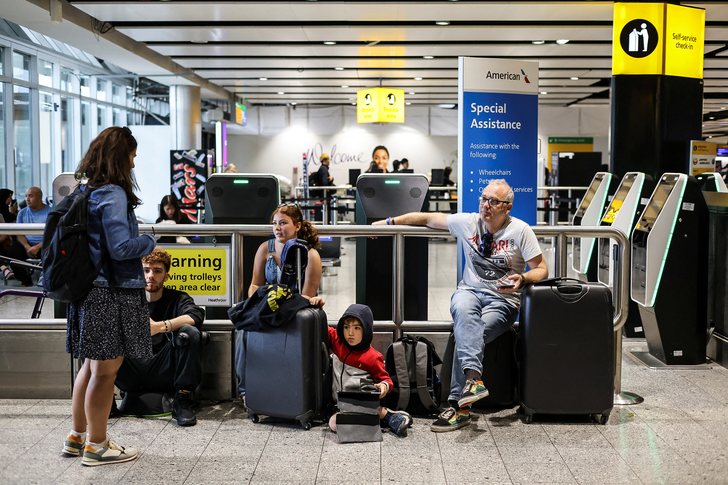
Thousands of air passengers have experienced long delays a...

The Serbian President, Aleksandar Vucic, said that the com...

The Finnish Border Guard has announced that Finns will be ...
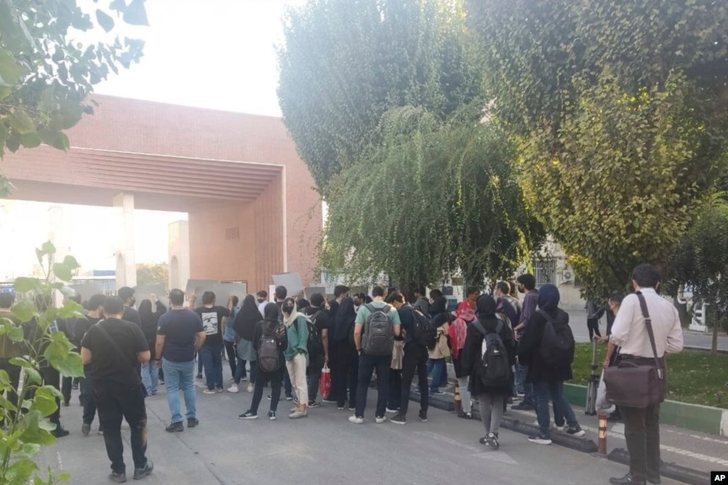
Iranian authorities have fired at least 10 university prof...
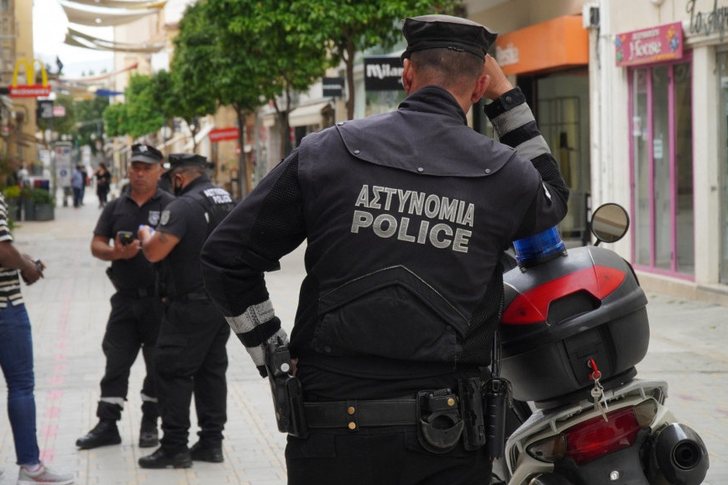
Policia qipriote ka arrestuar 21 persona pas përpalsjeve m...
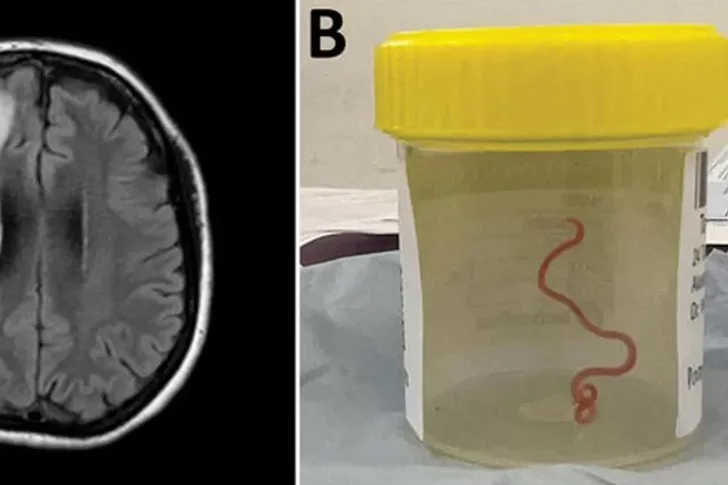
In a world first, scientists say an 8cm worm has been foun...
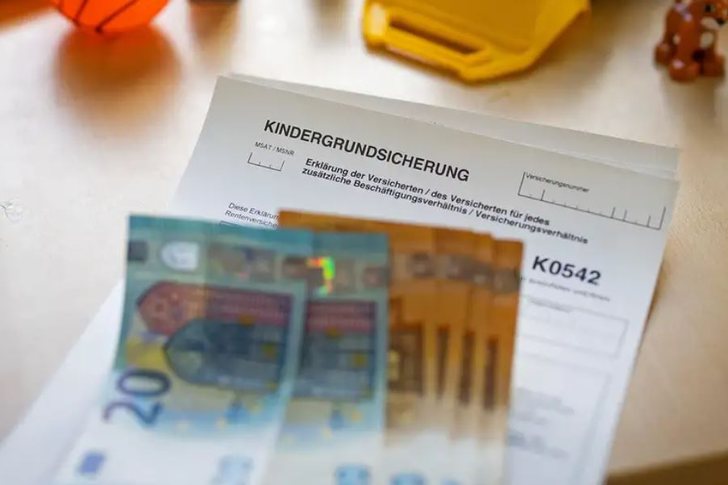
The German government talks about a "new start for family ...
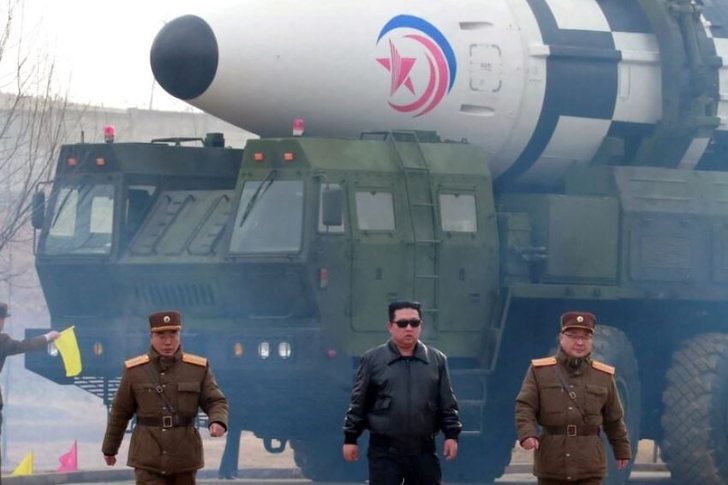
North Korean leader Kim Jong Un called for his military to...

A Chinese-Australian writer who has been arrested and jail...
Two people in Florida died after the helicopter they were ...
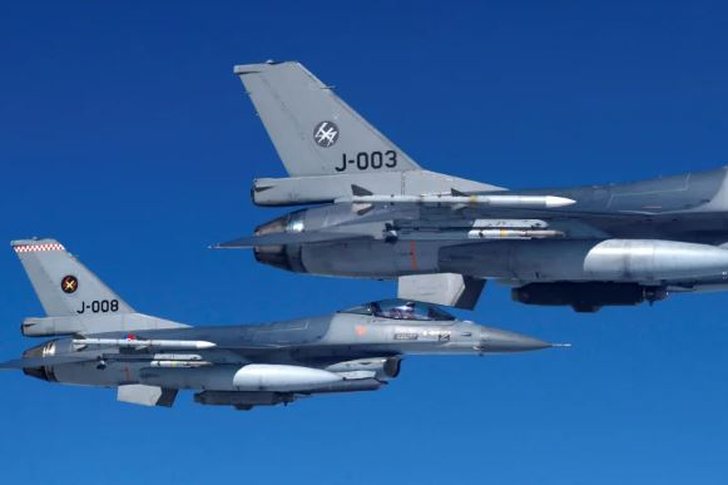
Pas muajsh lobimi intensiv, presidenti ukrainas, Volodymyr...

For Western sanctions advocates, the ruble's sharp decline...
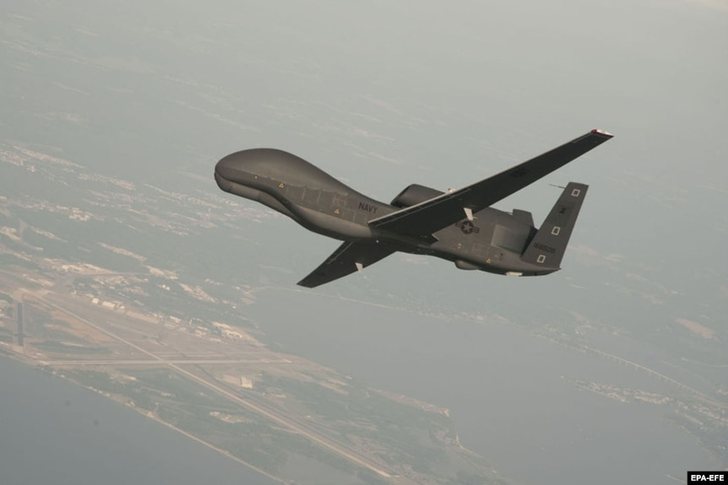
Moscow raised two warplanes in the air to intercept two Am...

For 6 months now, CNA has been sending several letters to ...
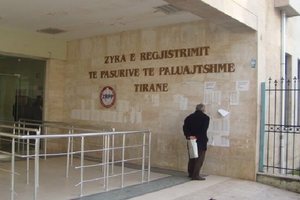
The word "fatherland" with properties is not enough. The m...

The justice reform claimed that it would bring faster, fai...
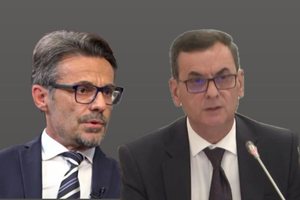
The Justice Reform and the vetting process were trumpeted ...

The Special Board of Appeal (KPA) decided this Monday ...

The KPA vetting decided this Thursday to dismiss the p...

Suela Salavaçi, a prosecutor in the Prosecutor's Offic...

The Special Board of Appeal reinstated the prosecutor ...

Three people who were traveling armed, kept weapons in the...

Around four kilograms of cocaine were seized during a rout...

The mother of the 17-year-old raped in Fier has been l...
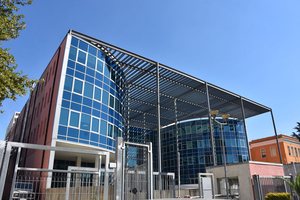
The Special Prosecution Office completed the investigation...

Emigration, an aging population, and low participation in ...

Today, our country will be affected by relatively stable w...
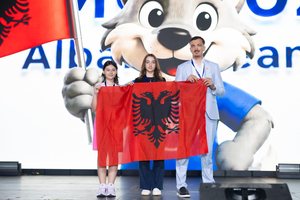
Albania has been awarded two medals of honor at the awards...
Today our country will be affected by relatively unstable ...
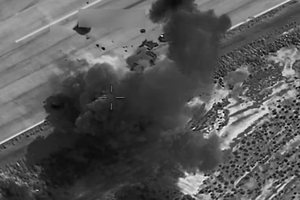
Ushtria amerikane njoftoi të mërkurën se ka kryer sulme të...

US President Donald Trump closed the NATO summit with a mo...

The trend of German companies moving abroad is weakening. ...

Heat waves don't affect everyone the same. According to he...
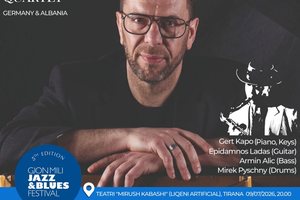
The German Embassy in Tirana has invited the Albanian publ...
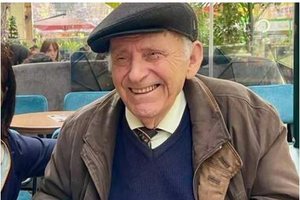
Professor and literature scholar Ali Xhiku has passed away...

During my research into the life and artistic photographic...

This year's edition of the Gjon Mili International Video A...

Although about 6 months have passed since the start of the...

Vegetable prices marked a strong increase in June, precise...

This Thursday, one US dollar is bought for 81.5 lek and so...
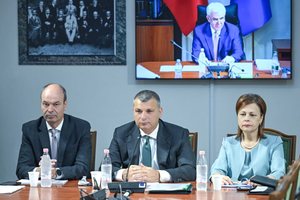
The Governor of the Bank of Albania, Gent Sejko, stated th...