


Detention of North Macedonian officials/Berisha, accusations against Rama and Lamallari
The leader of the Democratic Party, Sali Berisha, in a pre...

The leader of the Democratic Party, Sali Berisha, in a pre...

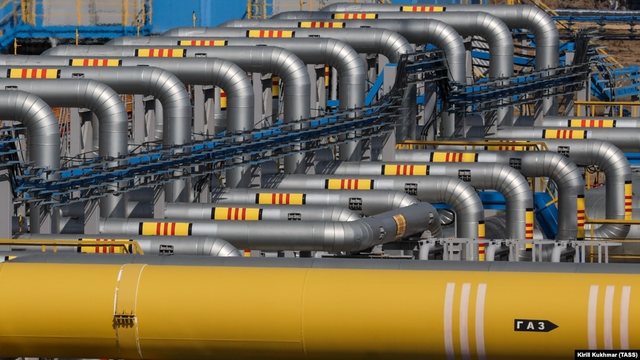
For Western sanctions advocates, the ruble's sharp decline this year is a clear signal that economic sanctions imposed on Russia over its invasion of Ukraine are having an impact.
They said the Group of Seven (G7) most industrialized nations should strike while the iron is hot and lower the ceiling price of Russian crude exports, which is now $60. The goal: To squeeze Kremlin revenues and force Russian President Vladimir Putin to choose between economic stability and military spending.
The Russian Central Bank raised interest rates to a record high of 3.5 percentage points. The decision was taken during an extraordinary meeting earlier this month, after the ruble's value fell below one US cent. The value of the Russian ruble has fallen by 30 percent since the beginning of the year, while the war in Ukraine is not in sight.
"Russia needs to raise interest rates enormously to stabilize the ruble. We have the power to give Putin the financial crisis he deserves. We need to lower the G7 price ceiling," Robin Brooks, who is chief economist at the Washington-based Institute for International Finance, wrote on August 15.
Aleksandra Prokopenko, a former analyst at the Russian Central Bank, supported this view, arguing that the sanctions are working and reducing the price Moscow receives for oil - its main source of revenue - will put Putin's economy in a difficult position.
The Russian president's determination to continue at all costs with the failed invasion of Ukraine "is putting the economy in an increasingly unstable position," said Prokopenko, who is now a non-resident scholar at the Carnegie Center for Russia and Eurasia, an institute with headquarters in Berlin.
To plunge the Russian economy further into crisis, "the West must continue to hit the Kremlin's sources of income, including by lowering the price ceiling for oil, but also similar measures for other Russian exports and closing legal loopholes that have the sanctions," she wrote in an opinion piece published in Bloomberg on August 17.
But some oil analysts argued that this could not happen so soon.
Industry analysts have warned that lowering the G7 price ceiling will only deepen concerns about global oil supplies at a time when there is record demand for the derivative. According to them, this would cause the price of crude oil to rise and many countries would suffer from this, and perhaps Russian income would not be affected so much.
"If tomorrow the G7 comes and says that the price ceiling will now be $50, you will most likely see further increases in the price of oil. The immediate reaction to tougher sanctions is always an increase in the price of oil due to fears that there will be supply disruptions," Jorge Leon, Analyst at Rystad Energy, based in Oslo, told RFE/RL.
"I think it is in the best interest of the G7 not to take such a decision," he said.
This concern is shared by many of the G7 leaders who do not want to see energy prices rise as they are facing the highest inflation in decades, experts said. The rising cost of living is widely regarded as one of the biggest potential threats to Joe Biden's re-election bid for the US presidency. American elections will be held next year.
The debate on the effectiveness of the price ceiling continued even before this measure was decided in December last year. Eight months later, there is still no consensus on how well this decision is working.
That's because the price Russia ultimately gets for its oil is also affected by an embargo on seaborne shipments to the West and production cuts by OPEC+, which includes Russia and several non-Organization of the Exporting Countries members. of Oil (OPEC).
When the oil price ceiling came into effect, along with the crude embargo, Russian oil from the Urals was already trading below $60 a barrel, and Brent crude – the European benchmark – was already priced lower.
The G7 was intended to limit Russian income, but at the same time, to keep Russian oil reaching global markets. The group rejected calls to raise the ceiling price from $30 to $40, fearing Russia would cut off exports, potentially triggering global economic turmoil. Russia is the world's second largest oil exporter, after Saudi Arabia.
The price ceiling policy prohibits Western intermediaries, such as shipping companies and insurance providers, from offering their services if Russian crude oil sells above $60 a barrel. Western intermediaries traditionally dominate such industries, so these restrictions on them isolate Russia.
To overcome the restrictions, Russia has attempted to create parallel infrastructure, acquiring hundreds of old tankers and allocating $9 billion to insure the ships. Moscow has also hidden the true prices it charges to drive up transport costs, experts said.
According to the International Energy Agency, Russian crude oil averaged $64.31 last month, surpassing the ceiling price set for oil and boosting Russia's oil export earnings to the highest level in eight months. Russian crude remains cheaper than Brent, but the gap has narrowed from $35 to around $10, another indication that the price ceiling is losing its grip.
Ben Cahill, an energy expert at the Washington-based Center for International and Strategic Studies, said the impact of sanctions tends to weaken over time as pliant individuals find ways to circumvent them.
“The story with energy sanctions in the last 10-15 years is that the market gets smart enough to avoid them. And the longer they are in place, the more avoidance we see, especially when the market is tight," he told Radio Free Europe.
US Undersecretary of the Treasury, Wally Adeyemo, said in June – before the recent rise in global oil prices – that the price ceiling was working. The money Russia allocated for securing the ships, he said, is money the Kremlin cannot use "to invest in tanks and other weapons in its illegal war in Ukraine."
Experts at the Peterson Institute for International Economics reported in July that the price ceiling had less of an impact on Russia's oil export earnings than the embargo, saying the $60 ceiling is too high to have an effect and enforcement is lacking. .
The European embargo on Russian crude oil transported by sea has forced Moscow to transport cargo from ports in the Baltic Sea and the Black Sea to China and India at a very cheap price.
"The EU embargo has reduced prices so much that they make the $60 per barrel price ceiling very irrelevant," said Peterson Institute experts.
But, the experts said that with the further reduction of the ceiling price, not so much can be achieved.
"There are a lot of voices now calling for the price ceiling to be lowered, saying that this policy is working well and we should lower the price ceiling to put more pressure on Russia," Cahill said. "But the lower the price ceiling, the more evasion there will be."
He said that with a $20 discount to Brent oil, there would be more incentive for sanctions to be better enforced.
"I think enforcement becomes very, very difficult if you go below $60 a barrel, especially if global oil prices go up," he said.
Craig Kennedy, an expert on the Russian oil industry and fellow at Harvard University's Davis Center, said the power of the G7 price ceiling is "being tested" as Russian oil prices have crossed the $60 mark and if they are not lifted soon measures to implement sanctions, the true effect of this policy will be known.
He suggested that the G7 and the European Union create a "white list" of traders and brokers authorized to provide information on prices, in order to reduce Russian evasion. Under his proposal, tankers owned or provided by the G7 must obtain a price certificate from a trader on this list in order to transport Russian oil.
He also suggested that the EU and the G7 - which includes the United States, Canada, Japan, Britain, France, Germany and Italy - ban their companies from selling tankers to Russian buyers or buyers who do not disclose their identities. .
What happens to Russian oil prices will also largely depend on Saudi Arabia and Asian buyers, said Chris Weafer, an energy expert and founder of Macro-Advisory, a consulting firm that focuses on former Soviet Union.
"The only way the current ceiling price, or a lower ceiling price, would work is if Saudi Arabia increased production or if Asian buyers refused to pay more than the ceiling price," he told Radio Free Europe.
It is unclear whether any of these will happen. With the exception of Japan, Asian countries are not subject to the price ceiling set by the Group of Seven most industrialized nations.
Saudi Arabia cut production by 1 million barrels per day in July to support prices, helping to push the price of Russian crude beyond the established ceiling, and then extended the period of production cuts until September. The US administration led by Biden had pressured Saudi Arabia to keep production high, to help reduce global inflation.
"As long as buyers in China, India and other countries in Asia get cheap oil, they are not willing to give up cheap Russian oil, demanding an even bigger discount for them by reducing the price under the specified ceiling", said Weafer./ REL

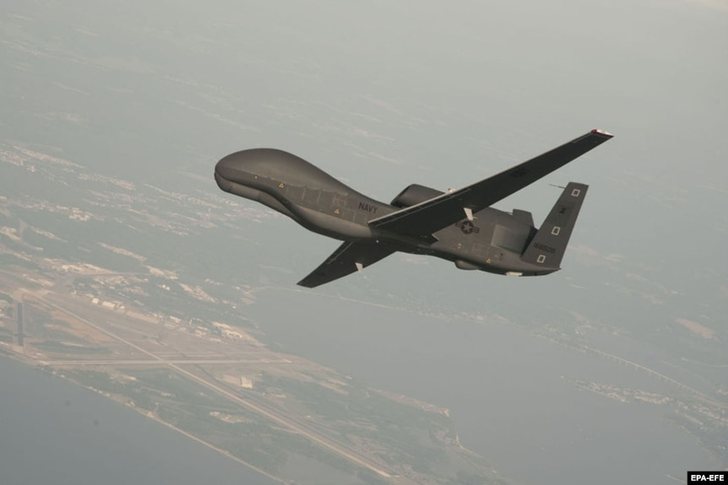
Moscow raised two warplanes in the air to intercept two Am...
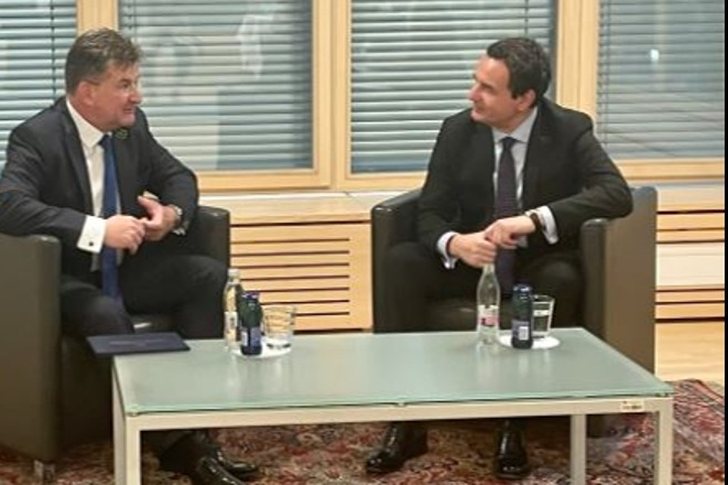
The envoy of the European Union for the Kosovo-Serbia dial...

Geopolitical developments, such as wars or the disintegrat...
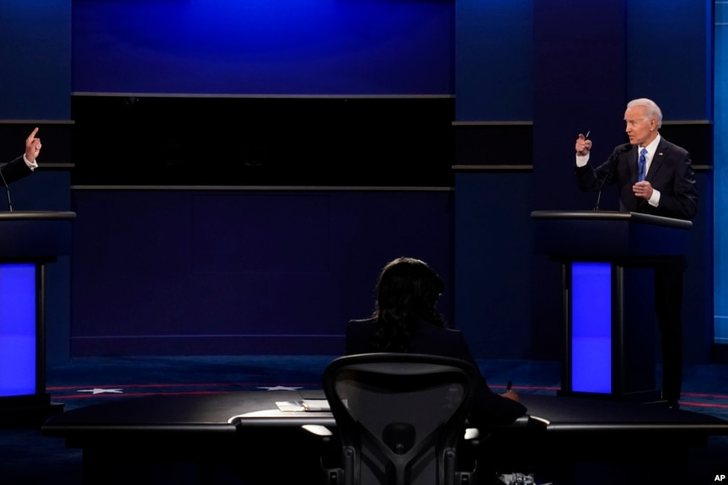
In a time of deep disagreement, American voters agree on o...
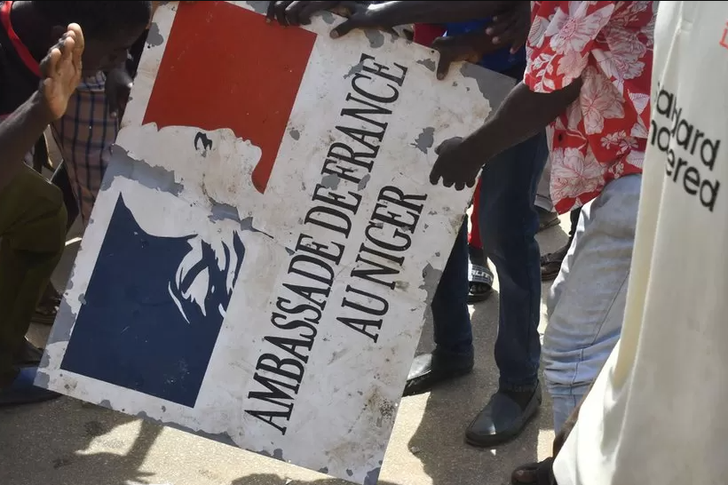
France's ambassador has remained in Niger despite being gi...
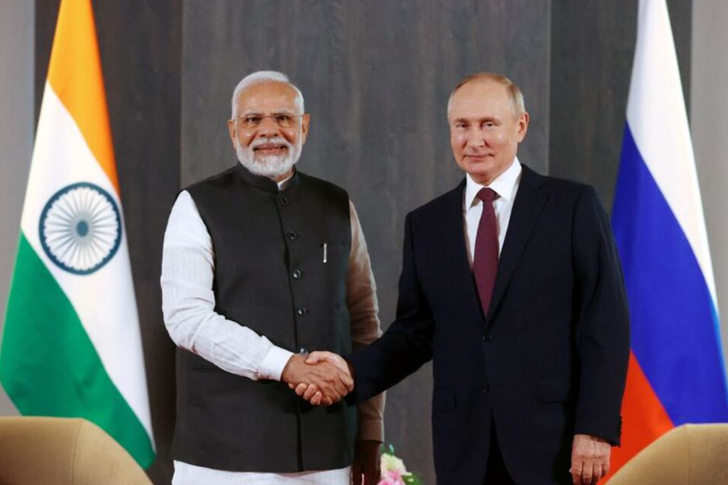
There are a few more details from the phone call betwe...
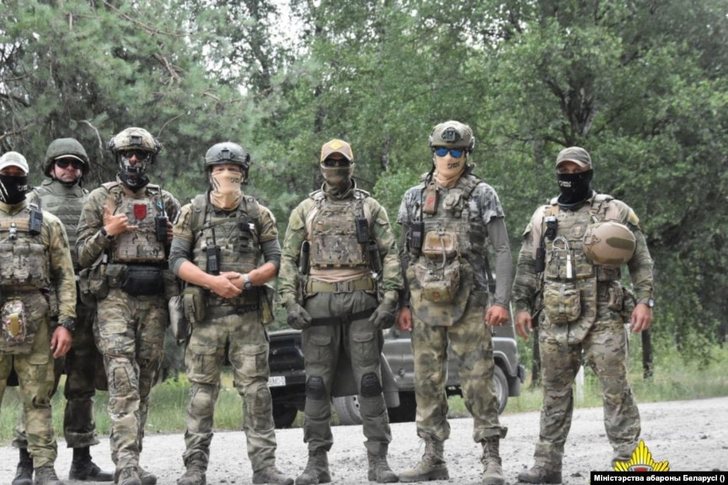
Poland and the Baltic states called on Belarus on Monday t...
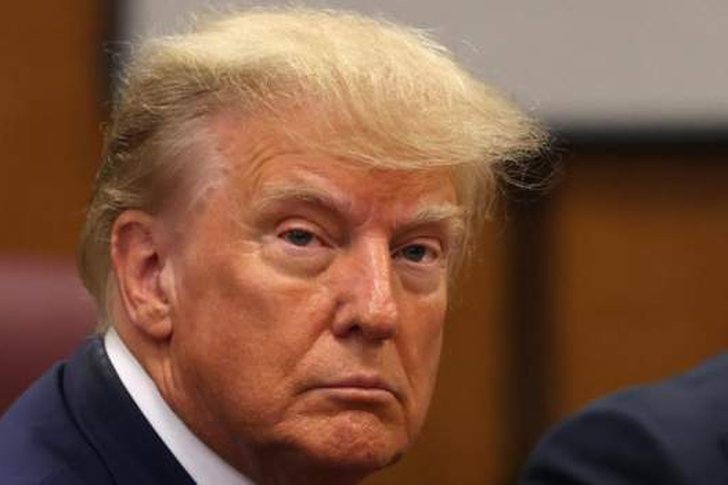
Former President Donald Trump and 18 other co-defendants w...
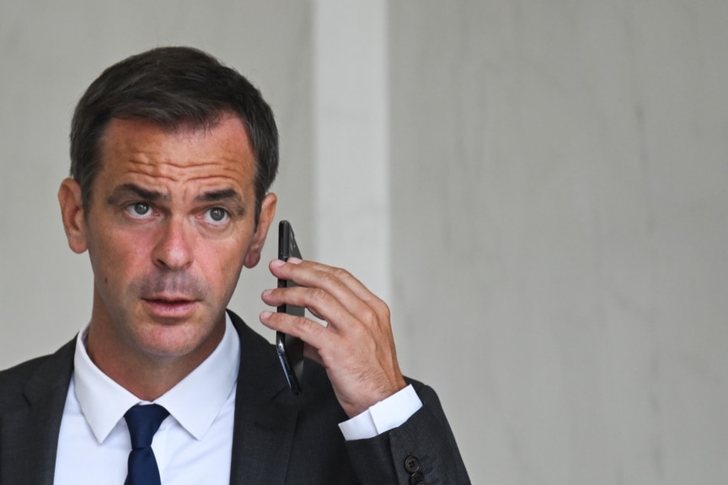
The wearing of abaya dresses by some Muslim girls in Frenc...
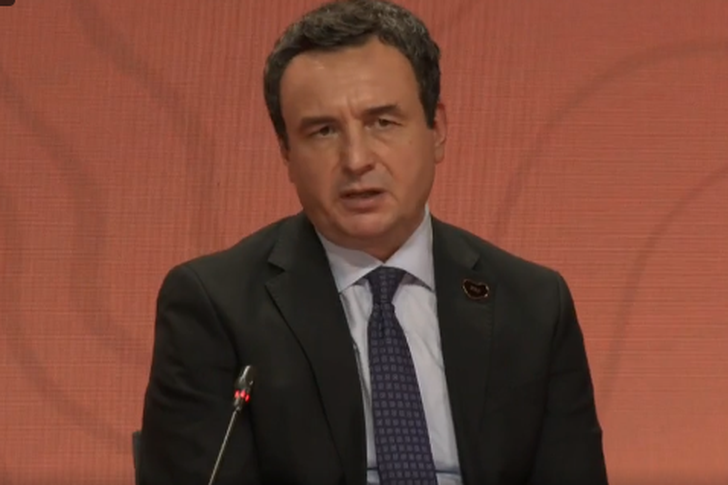
Tensions in the north of Kosovo have been part of the disc...
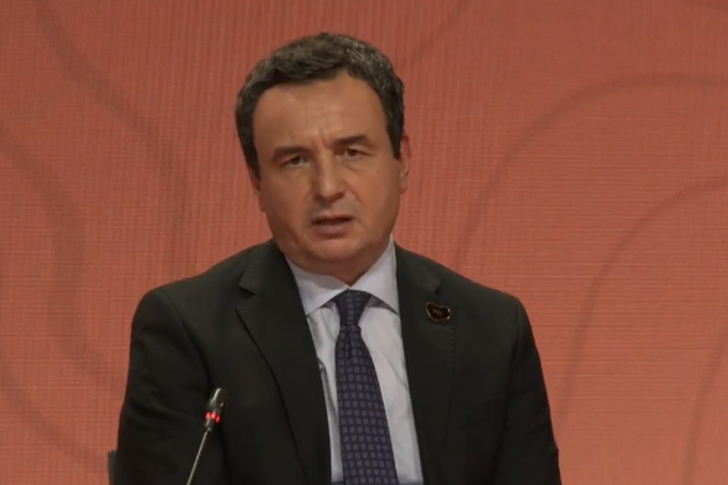
The Prime Minister of Kosovo, Albin Kurti, at the Strategi...

Slovenian Foreign Minister Tanja Fajon spoke for global so...
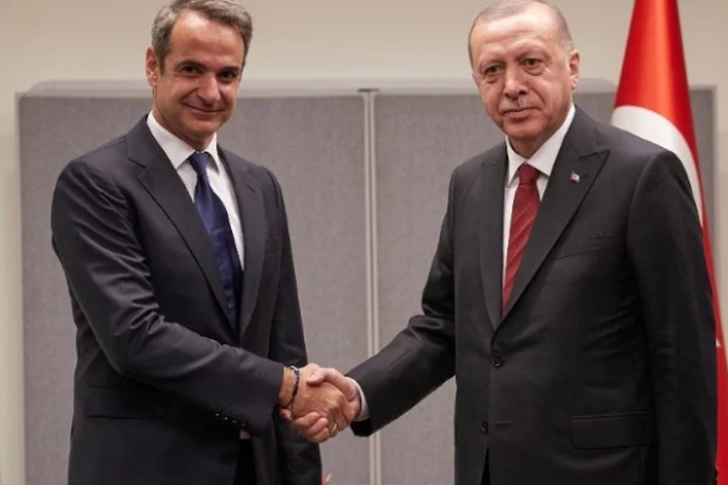
Greek Prime Minister Kyriakos Mitsotakis and Turkish Presi...
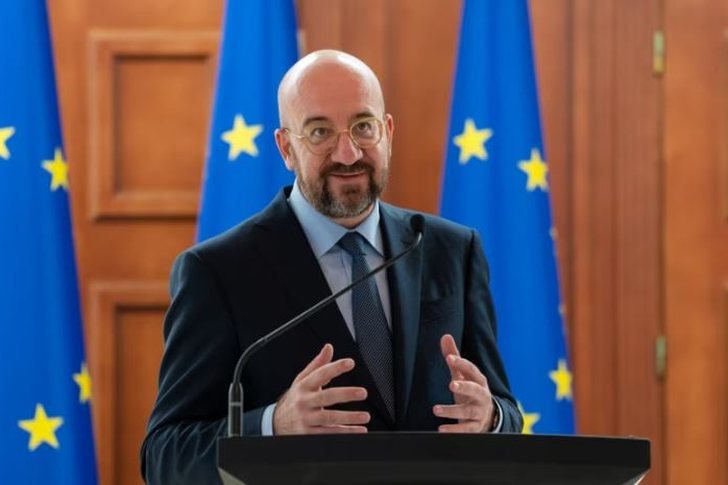
The President of the European Council, Charles Michel, cal...
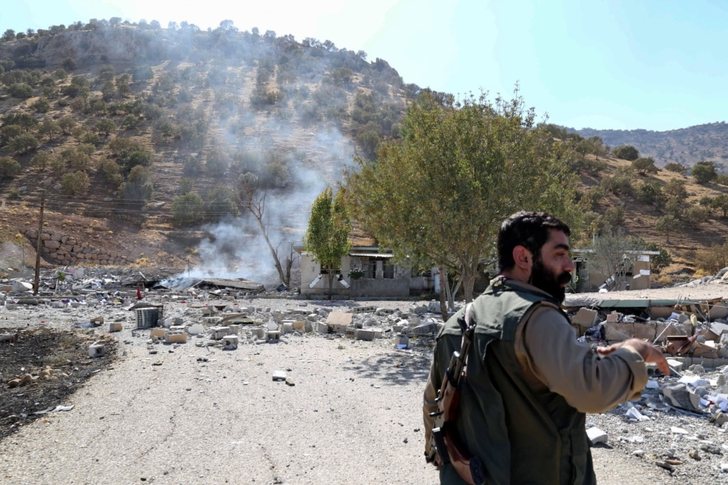
Iran and Iraq have reached an agreement on the disarmament...
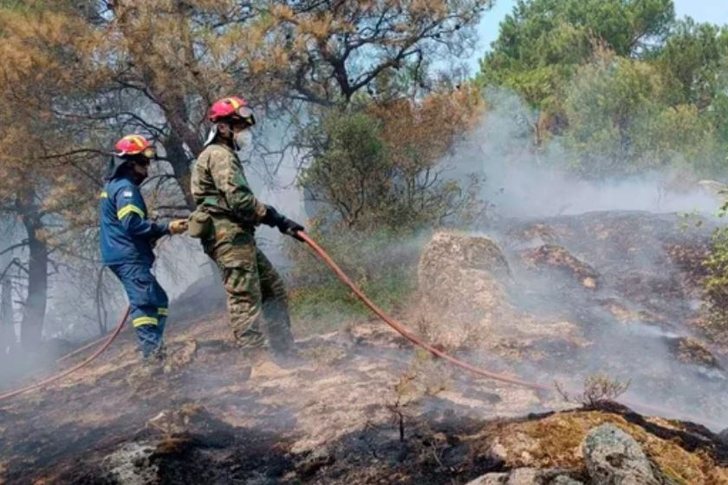
The fire a few days ago in the area of Karistos in Evia ...
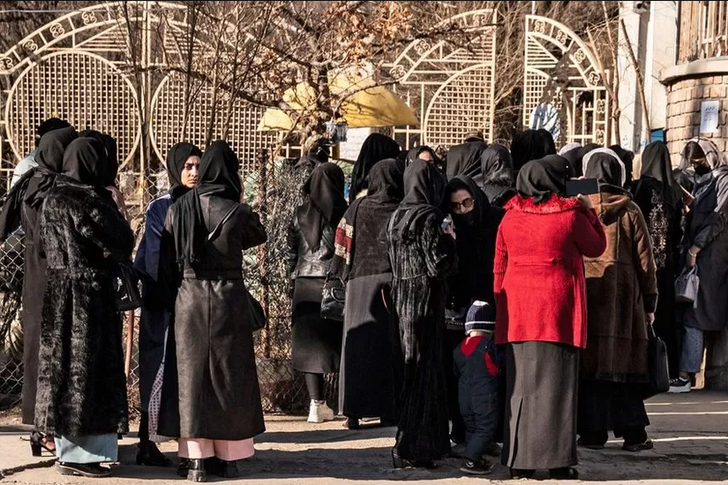
Taliban women are living a bitter reality. The universiti...
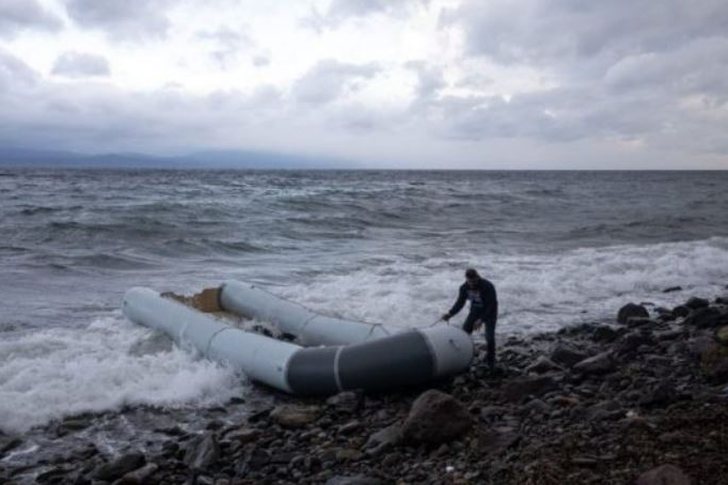
Another tragedy on the Greek coast, this time in Lesvos. A...
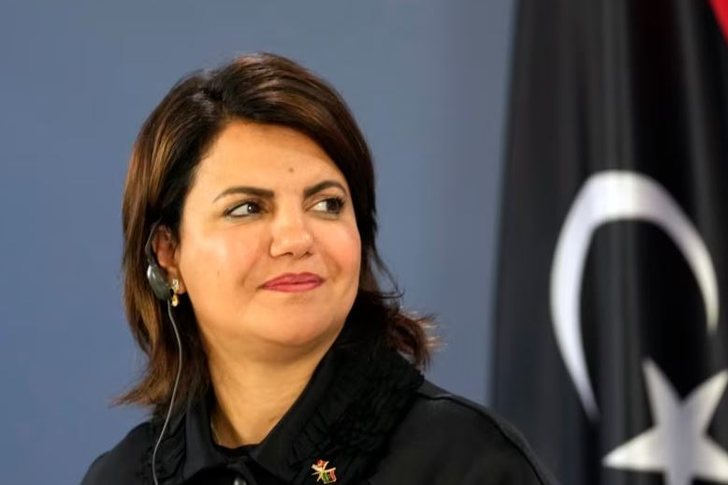
The Prime Minister of Libya, Abdul Hamid Dbeibah, has ...

The EU envoy for the Kosovo-Serbia dialogue, Miroslav Lajç...

For 6 months now, CNA has been sending several letters to ...

The word "fatherland" with properties is not enough. The m...

The justice reform claimed that it would bring faster, fai...

The Justice Reform and the vetting process were trumpeted ...

The Special Board of Appeal (KPA) decided this Monday ...

The KPA vetting decided this Thursday to dismiss the p...

Suela Salavaçi, a prosecutor in the Prosecutor's Offic...

The Special Board of Appeal reinstated the prosecutor ...

A stabbing occurred today in the city of Korça, near the "...

Three people who were traveling armed, kept weapons in the...

Around four kilograms of cocaine were seized during a rout...

The mother of the 17-year-old raped in Fier has been l...

Emigration, an aging population, and low participation in ...

Today, our country will be affected by relatively stable w...

Albania has been awarded two medals of honor at the awards...
Today our country will be affected by relatively unstable ...

Ushtria amerikane njoftoi të mërkurën se ka kryer sulme të...
US President Donald Trump closed the NATO summit with a mo...

The trend of German companies moving abroad is weakening. ...

Heat waves don't affect everyone the same. According to he...

The German Embassy in Tirana has invited the Albanian publ...

Professor and literature scholar Ali Xhiku has passed away...

During my research into the life and artistic photographic...

This year's edition of the Gjon Mili International Video A...
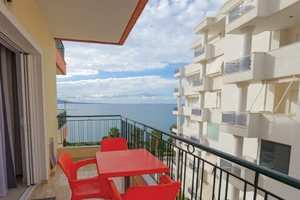
Although about 6 months have passed since the start of the...

Vegetable prices marked a strong increase in June, precise...
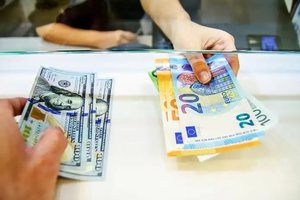
This Thursday, one US dollar is bought for 81.5 lek and so...

The Governor of the Bank of Albania, Gent Sejko, stated th...