


Tafili-Gjuzi clash/ AMP seizes officer's weapon
The Police Supervision Agency has seized the service weapo...

The Police Supervision Agency has seized the service weapo...

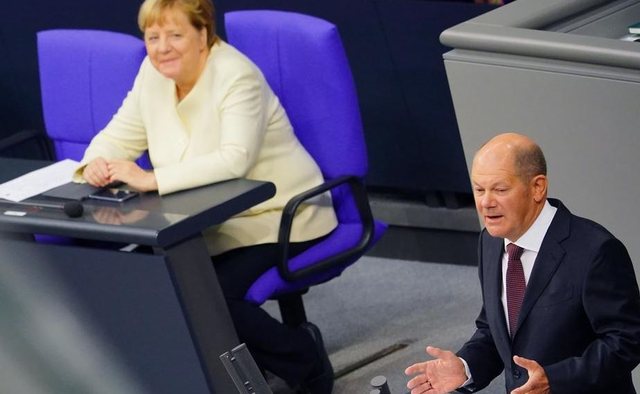
Will the employees' salaries and pensions be paid now? This question appeared in the media after the decision of the government of Chancellor Olaf Scholz to broadly freeze the country's budget. The question has its source in the parallel with the budget impasses in the USA, where political opponents put pressure on the other by not signing the transfer of funds. In Germany, civil servants' salaries and pensions will continue to be paid, they are not at risk. The unusual situation has been created after the decision of the Constitutional Court and after Chancellor Scholz's government respected the decision of the prestigious German Court within a week.
The Constitutional Court said that Chancellor Scholz's government had violated the constitutional rule on debts. Because he had transferred the loans set for recovery from the pandemic (2021) to the fund for climate protection and economic transformation, without convincing arguments. It is about a huge sum of 60 billion euros.
The judges also said that emergency loans, unconsumed, are not allowed to be kept as a reserve and used later, as the government did. The decision of the constitutional judges has caused a budget crisis, with possible political consequences. He has strongly shaken the fragile balance in the ranks of the center-left coalition between the social democrats, the greens, and the liberals in Berlin. On Thursday evening, the Minister of Finance, Christian Lindner, said that he would declare 2023 a year of emergency. With this, the debt rule is suspended and spending gains a "solid constitutional basis".
Pragmatic solution - but temporary
With this step, the government can fulfill the main promises made for the year 2023-2024. The pressure created by, among others, the steel industry, the German Bank for Reconstruction, the Armed Forces, affected by the expected cuts, is great. So the liberal Lindner decided on Thursday the quick liberating blow: next Wednesday, that is, on 29.11.2023, the government will submit to the Bundestag the request to suspend the debt rule for the fourth year in a row.
This rule fixed in the constitution prohibits the public deficit from exceeding 0.35% of the Gross Domestic Product - except in exceptional situations. The government is expected to argue that it was a state of emergency in early 2023, as the consequences of the energy crisis were evident. With an emergency resolution, an additional budget for 2023 will be approved.
This will not only legally justify the expenses already incurred. But the promised subsidies for heating, in the amount of 18 billion euros, will also be paid; the steel industry will receive 4 billion euros, to produce steel with green technology; the semiconductor company Intel in Magdeburg will receive the promised 10 billion euros and so on.
CDU/CSU: the tripartite government coalition does not know how to govern
Marcel Fratzscher, President of the German Institute for Economic Research, speaks of an "honest" mistake by the government with the reallocation of funds. With the reallocated money, the price of heating for German families was also subsidized, so people suffered less.
But for the CDU/CSU opposition parliamentary group, the formal error is new proof that the ruling tripartite government coalition simply does not know how to govern.
The budget crisis has serious economic consequences
Uncertainty about what can or cannot be spent is very damaging to the German economy. If the slight recession of the German economy deepens, because the confidence of investors is now lacking, the problems will be felt by the entire European Union.
For 2024, only a provisional budget will be in place, if the government fails to pass it at the last minute this year. As during the change of governments, after the parliamentary elections. Many new projects have been largely blocked, with costs stretching over several years.
Big question mark for special funds
The situation is complicated. After the decision of the Constitutional Court questions all the extraordinary funds of the government, planned in the last crises. According to some media, there are 30 such funds.
With the extraordinary funds, the government has bypassed the debt rule, in the successive crises of Covid-19, in the energy crisis, in the inflation crisis.
The debt brake in the constitution causes problems
Initial ideas to discipline government spending were expressed in the early 2000s. Reunification spending, high unemployment had strained state finances. But in the constitution, the debt brake was introduced in 2009, in the Merkel government.
This instrument helped in the financial stability of Germany. By 2019, debt fell below 60% of GDP, down from 81% a decade earlier. Germany returned to the fiscal benchmark for the Eurozone, with a decade of uninterrupted economic growth and near full employment.
But the geopolitical situation was different then. Germany bought cheap gas from Russia. China was not seen as a competitor, but as an eager buyer of Germany.
The constitutional debt brake brought discipline to state spending. But today many experts see it as an unintelligent instrument, since it does not distinguish between the type of spending it curbs. The inhibition of investment in education today, e.g. brings employment problems for tomorrow.
This security network has also proved problematic for the federal lands. They also have the obligation to comply with the constitutional rule on debts. But even the countries with conservative prime ministers (CDU/CSU) have tried to bypass it.
Calls to reform this constitutional mechanism have so far not been supported by the CDU. And the German constitution can only be changed with a two-thirds majority, that is, with the opposition.
Political consequences of the budget deadlock?
Political problems will be created as soon as it is discussed concretely which projects will be exempted, because now 60 billion euros are missing. Liberals want to make social cuts. But this would first affect pensions, then subsidies for education, so it would hit social cohesion. That is why the Green Social Democrats oppose this. On the other hand, the Greens demand higher taxes for the richest, but this is opposed by the Liberals.
There are also calls for cooperation with the CDU. But the CDU seems intent on pushing Germany into new elections. She says she can now sue the Economic Stabilization Fund. Therefore, Finance Minister Lindner accused the opposition of trying to throw Germany into chaos.
Behind the doors, at the same time, experts are working hard to find solutions. /REL

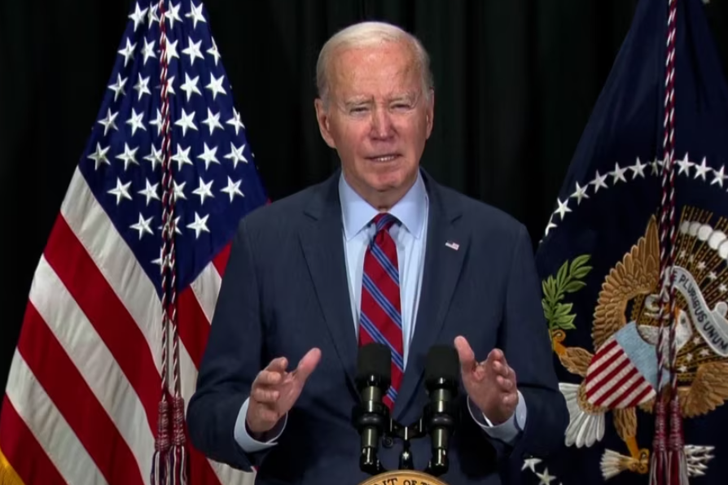
Ndërsa hyri në fuqi armëpushimi mes Izraelit dhe Hamas...

Twenty-four hostages have been released by Hamas and h...
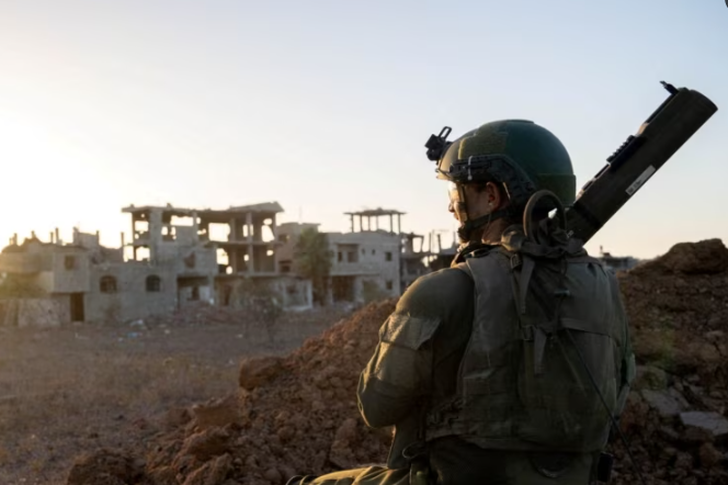
The Israeli military said that "we have reached" the heart o...
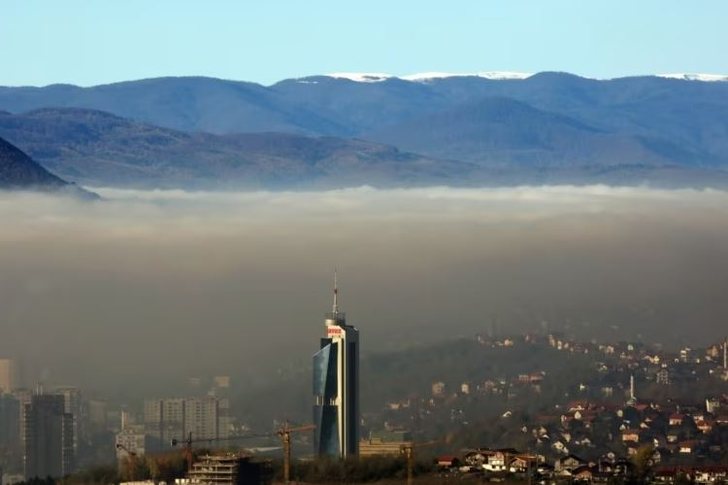
Fine air pollution caused the death of more than 250,0...

The first Spogomi World Championship took place this w...
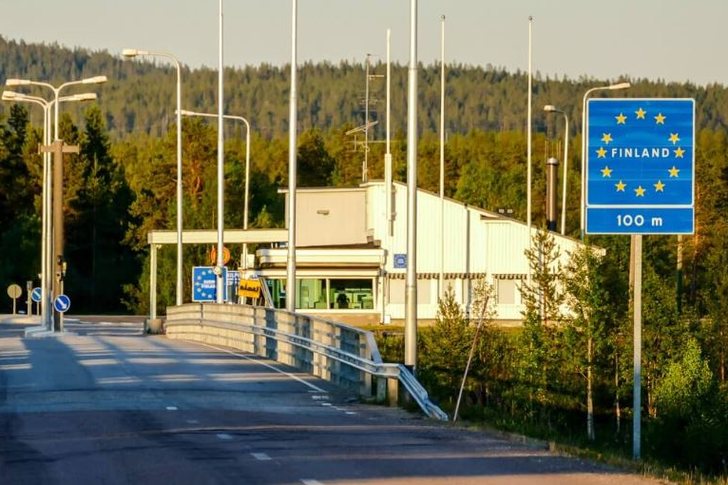
In an effort to address growing concerns about nationa...
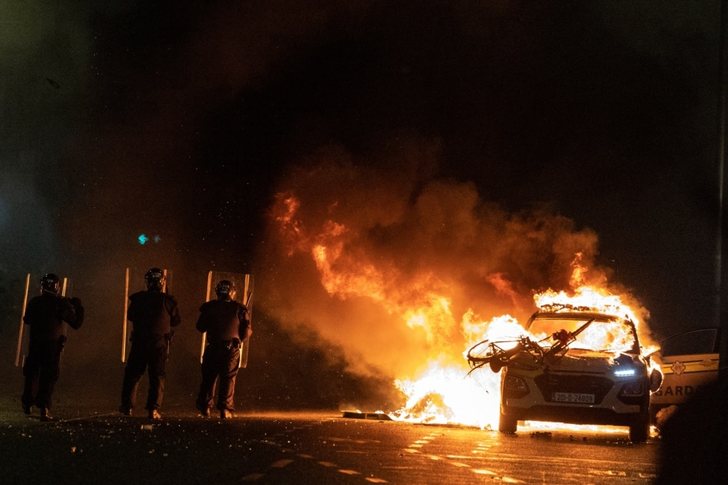
Protesters clashed with police, burned cars and looted sho...
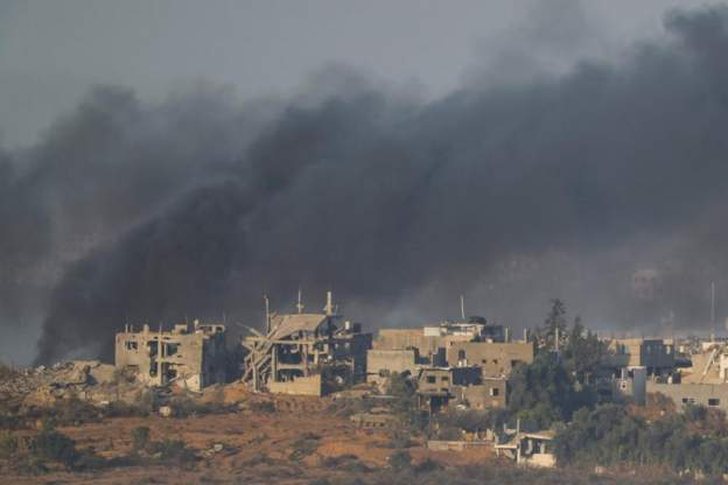
On October 7 of this year, Hamas launched several attacks ...

The Geological Survey in Brazil said on November 23 that i...

A temporary ceasefire in the war between Israel and Hamas ...

Dutch Muslims expressed shock on Thursday at the elect...
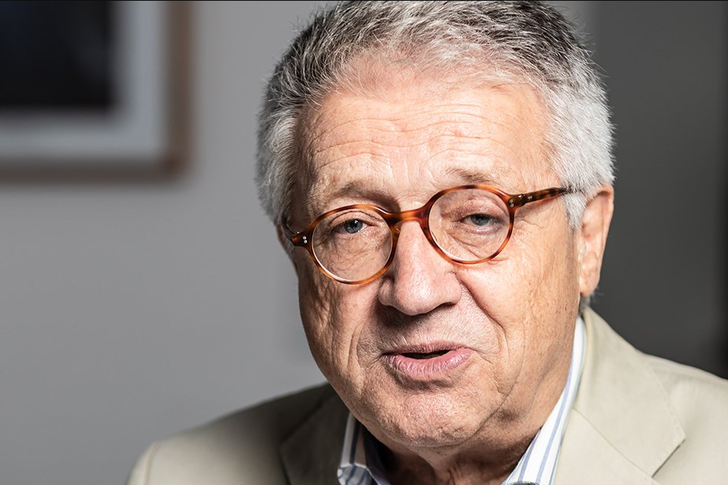
Former European Union envoy for Kosovo and Austrian diplom...
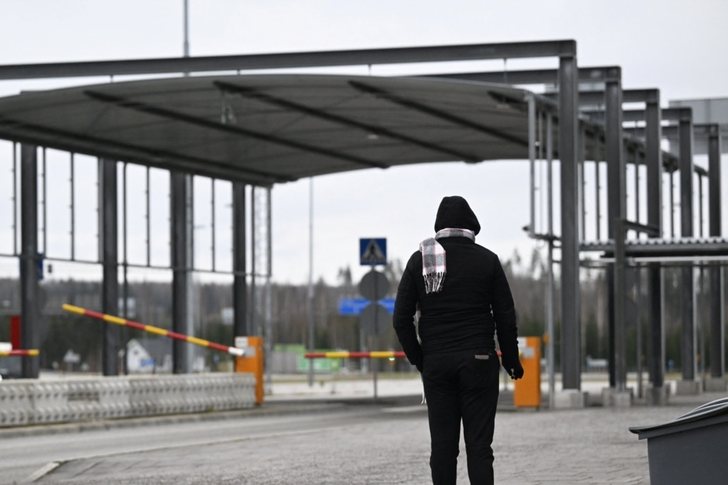
The European Union's border protection agency, Frontex...
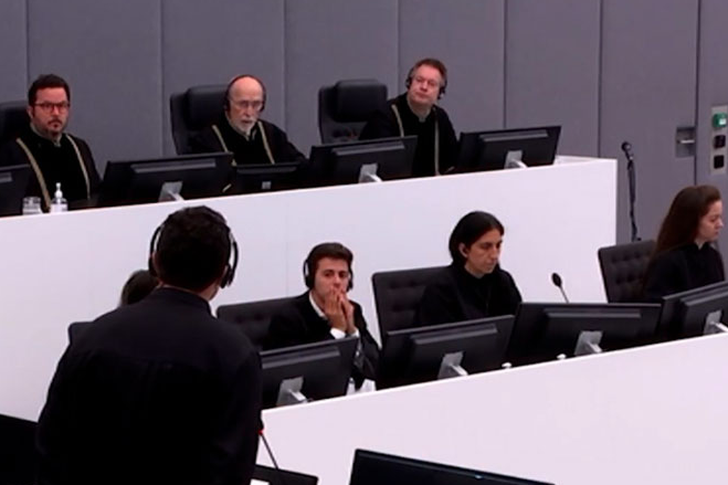
The Special Court of Kosovo has published the request ...
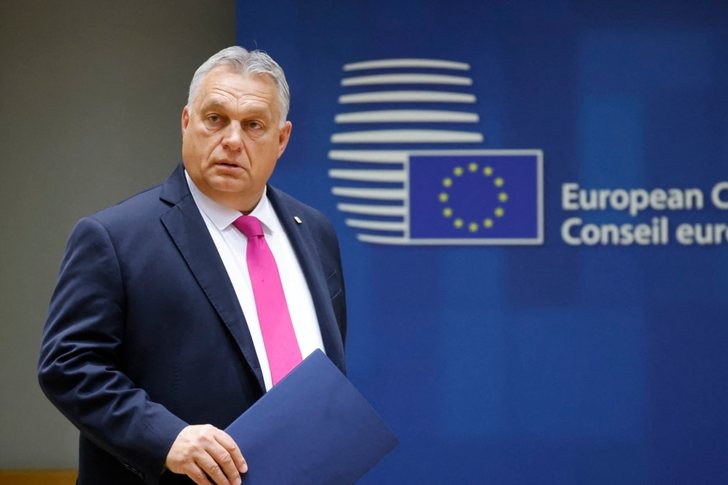
The European Commission has approved funds for Hungary...
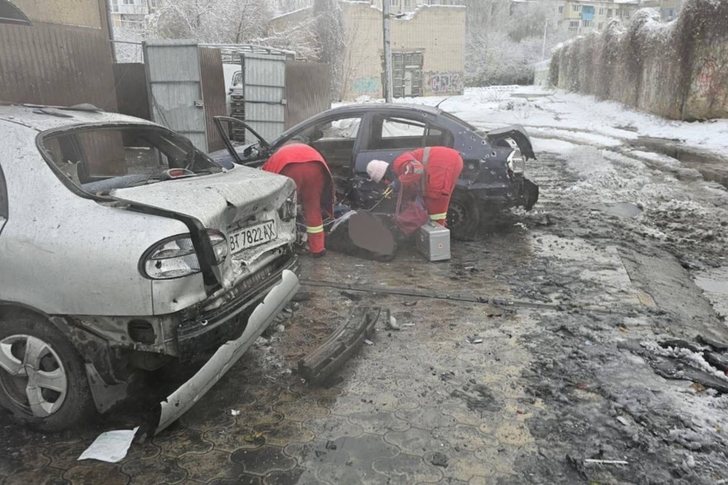
Russian troops have targeted infrastructure facilities in ...
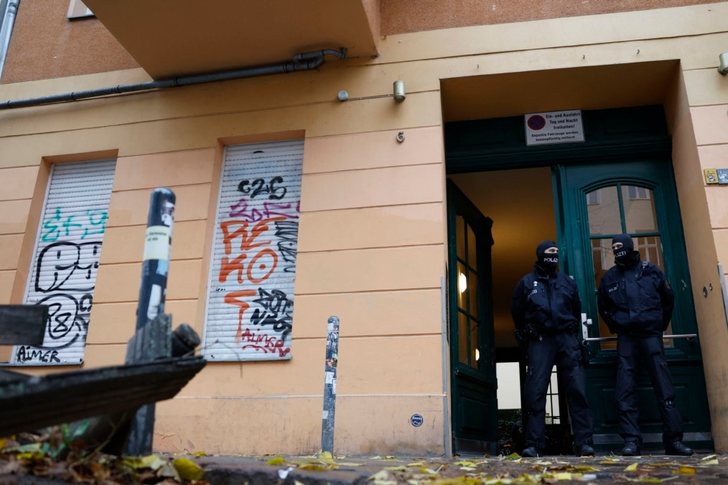
Hundreds of police officers searched the properties of Ham...

Të enjten u zhvillua në Tiranë, dita e dytë e "Samitit...
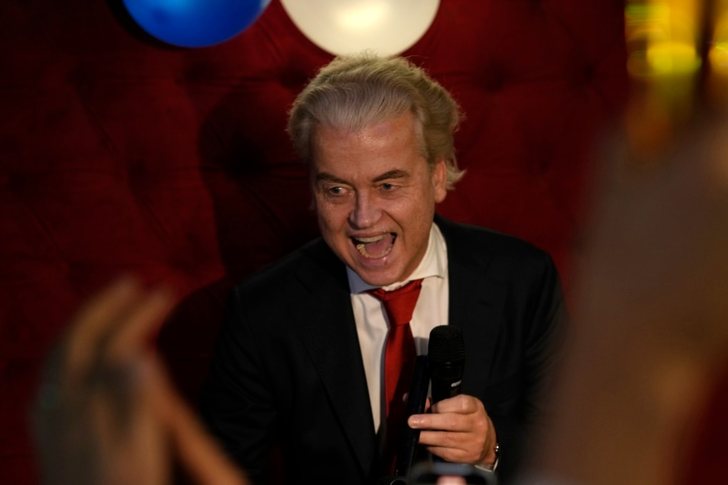
Far-right, anti-Islamic populist Geert Wilders is heading ...
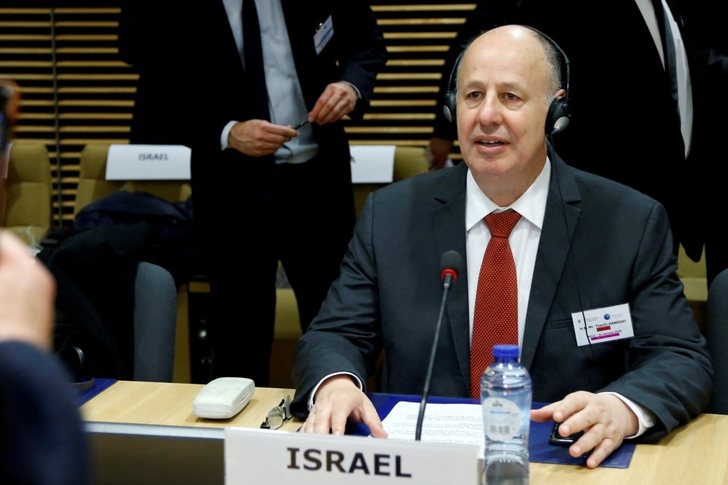
The release of hostages under a temporary ceasefire be...

A 39-year-old citizen has been arrested in Lezha, after se...

CNA has launched another investigation that could lead to ...

Irfan Hysenbelliu is a businessman that we call "Irfan the...

In March 2026, CNA launched another investigation centered...

The Special Board of Appeal (KPA) decided this Monday ...

The KPA vetting decided this Thursday to dismiss the p...

Suela Salavaçi, a prosecutor in the Prosecutor's Offic...

The Special Board of Appeal reinstated the prosecutor ...
The Police Supervision Agency has seized the service weapo...

A serious incident occurred in Lushnje, where citizen IY, ...

As a result of the investigative and procedural actions ca...

A conflict for weak motives was recorded today in the vill...

Today, our country will be under the influence of stable a...

By noon, cloudiness is expected to prevail in almost all o...

Children without parental care, for whom alternative famil...
On Thursday, our country will be under the influence of st...

Marine Le Pen is entering the decisive phase of the presid...
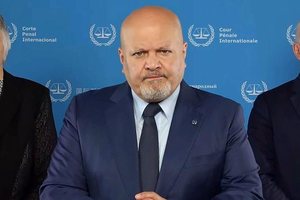
Member states of the International Criminal Court voted to...

From the declining role of exports to new public investmen...

South Korea is becoming one of the most sought-after desti...
Two windows, a century of history and the metaphysics of p...

In my research at the Central State Archives, specifically...

At a time when industrial products are increasingly taking...

Trust among people is not just a three-syllable word. It c...

This Saturday, one US dollar is bought for 81.7 lek and so...
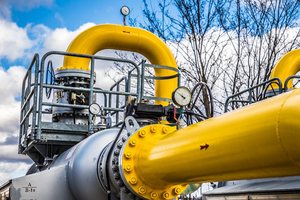
War, weather and supply disruptions could send gas prices ...
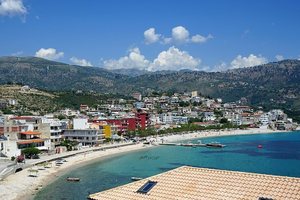
The number of active enterprises in Albania continued to g...
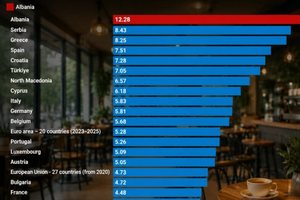
In Albania, the bar-cafe has long become an almost unique ...