


Government shutdowns are not new, but they have become longer and harsher
Millions of US government workers are being told to stay h...



Weak economic data, low poll numbers, pessimistic sentiment: The conservative-social democratic coalition government will drive a new wave of development.
Companies going bankrupt, people moving abroad, huge deficits in the social security sector, a dissatisfied population: Only 22 percent of respondents in the latest ARD poll for Germany at the beginning of September expressed satisfaction with the work of the government made up of the Christian Democratic Union/Christian Social Union (CDU/CSU) and the Social Democrats (SPD).
Chancellor Friedrich Merz (CDU) is understandably under pressure from such poll results - and that is why he invited the government cabinet to consultations at the Villa Borsig residence in Berlin. The consultations ended on Wednesday (01.10.2025). "The modernization of the state that should have been carried out on time must now advance quickly," Merz said during the government consultations. "We must verify state performance and we must become more efficient and less complicated."
Fast pace is needed, Merz believes: "Companies are partly with their shoulders against the wall or with one foot in the abyss." The German economy must grow again, Germany as an economic area must "become attractive for investment again."
Goal: Establish a business in one day
The focus of the "Modernization Agenda" is on reducing bureaucracy, streamlining the administration, strengthening digitalization and using artificial intelligence in the administration. Fax machines are still found in German offices, standing there as a symbol of the stagnation of reforms. The country has been a "node" for many years, as the Minister for State Modernization and Digitalization, Karsten Wildberger, put it.
16 billion euros should be saved by the end of the legislative period in 2029 by reducing bureaucracy, and the federation's staff should be reduced by around 8 percent.
There are around 80 separate measures. Examples: In the future, vehicles can be registered throughout Germany via a unified portal; currently there are 400 separate portals for the states and municipalities. Starting a business should be possible within one day – also via a central portal.
A digital agency "Work-and-stay-Agentur" will be created to recruit qualified foreign workers, through which visa or recognition of professional diplomas issues will be resolved in a centralized manner.
Addressing the European Union, Merz said after government consultations: "There are really too many," too many regulations, coming from Brussels.
The government consultation now taking place in Berlin is one of the latest measures by the government to give impetus to much-needed reforms in the country by harmonizing positions on many controversial topics within the coalition. Chancellor Merz emphasized that we have achieved this goal by creating "a very, very good, very collegial and open working atmosphere in this coalition." The coming weeks will show whether he is right.
Social security reform later
The really big challenges for the coalition are still ahead, such as reforming social security. Health, care and pension insurance companies are running out of money. Raising contributions for insured people would further burden entrepreneurs and further weaken Germany's competitiveness.
The state has indeed taken on new debts, but this money will not be spent on consumption, but will be used to strengthen the Bundeswehr and modernize the infrastructure. Therefore, the coalition sees savings in the social assistance sector as a way out. For reform in this sector, the relevant committees will initially compile proposals, before the government cabinet decides.
Merz initially declared an "autumn of reforms." But after it became clear that reforms could not be implemented in one season, he told the Bundestag: "Winter will come, spring, summer, and then another autumn of reforms will follow."
The government hopes that the negative mood in Germany can change for the better. According to participants in the government consultations, Vice Chancellor Lars Klingbeil (SPD) said that a cultural shift in the country is needed to create an optimistic atmosphere for a surge in development.
On the occasion of October 3, the day of German reunification, the Chancellor will give a speech, perhaps in his speech he will put the emphasis on a new impetus in the country./ DW

Millions of US government workers are being told to stay h...

The acting Prime Minister of Kosovo, Albin Kurti, remember...
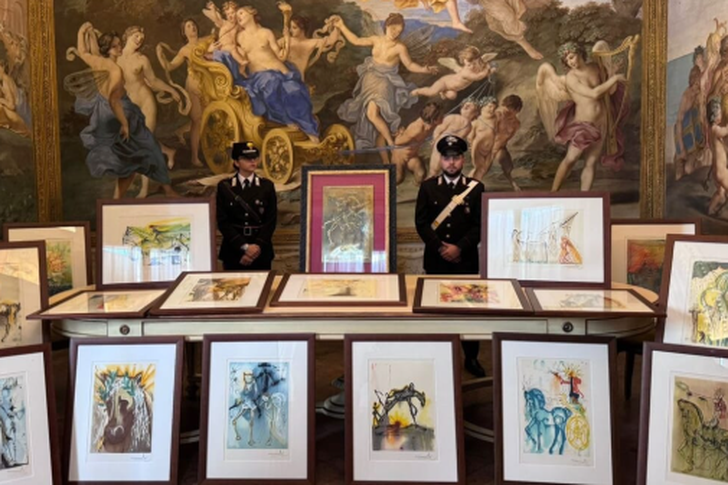
Italian police have seized 21 artworks purportedly by Salv...
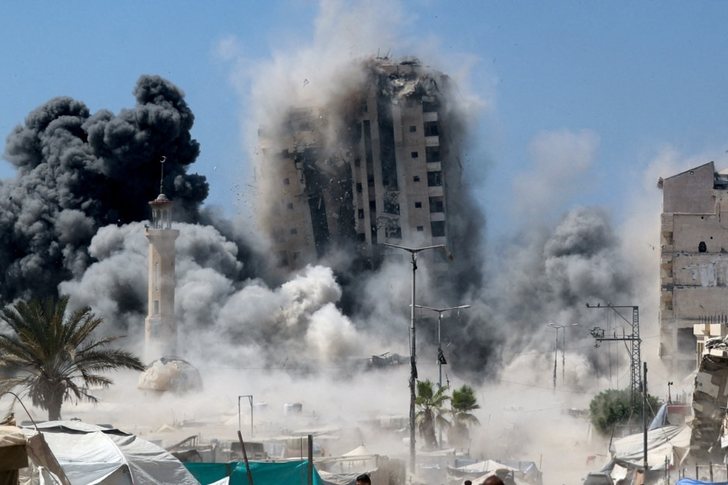
Israel issued a "final" warning on Wednesday for residents...
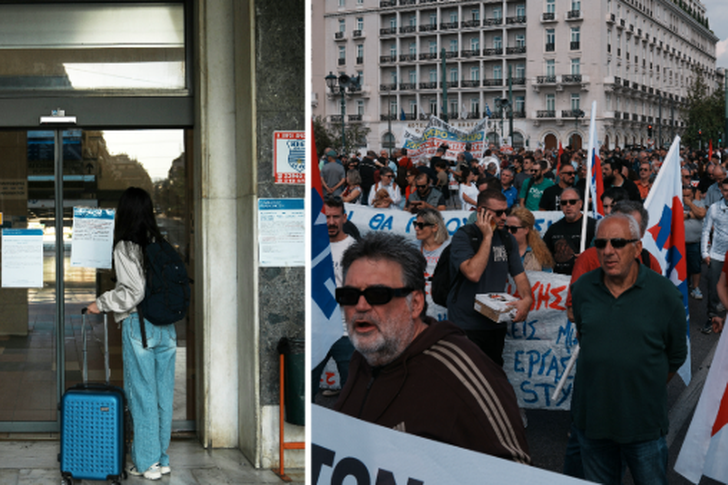
Athens was paralyzed by a general strike as thousands of p...
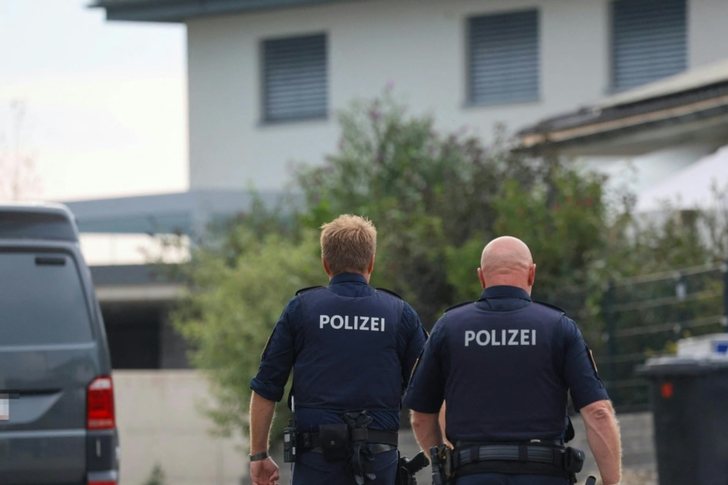
German authorities have arrested three suspected foreign H...
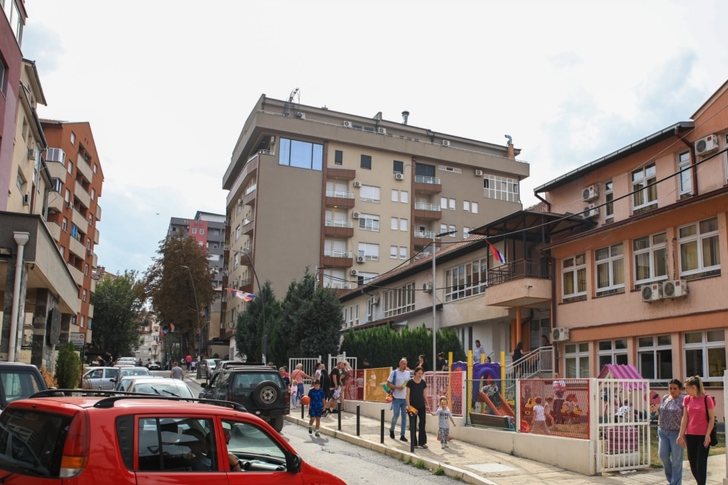
Over 30 representatives of Serbian civil society in Kosovo...

The Basic Prosecution Office in Prizren has filed an indic...
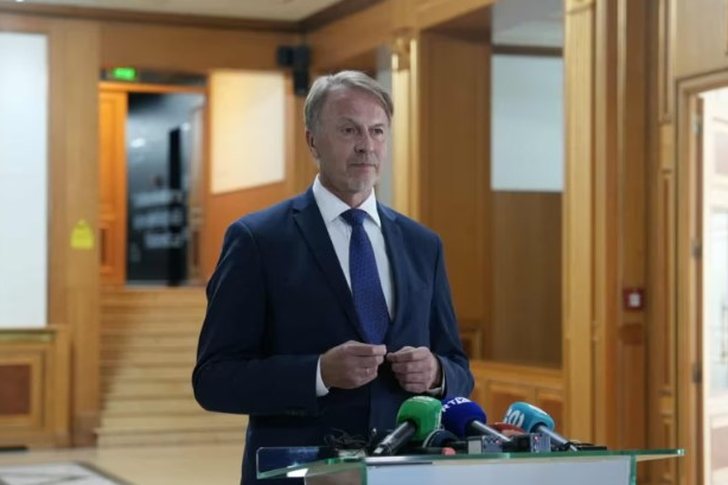
The European Union Ambassador to Kosovo, Aivo Orav, said t...
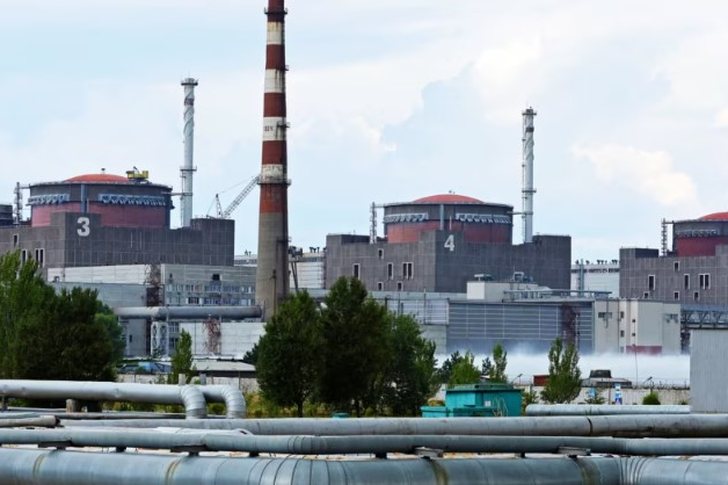
The International Atomic Energy Agency (IAEA) is working t...

Foreign media reports that 69 people have died in a 6.9 ma...
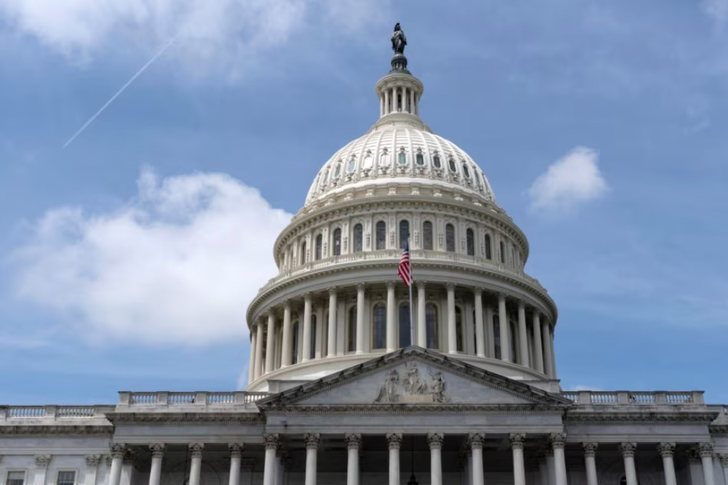
The US government has shut down after senators failed to p...
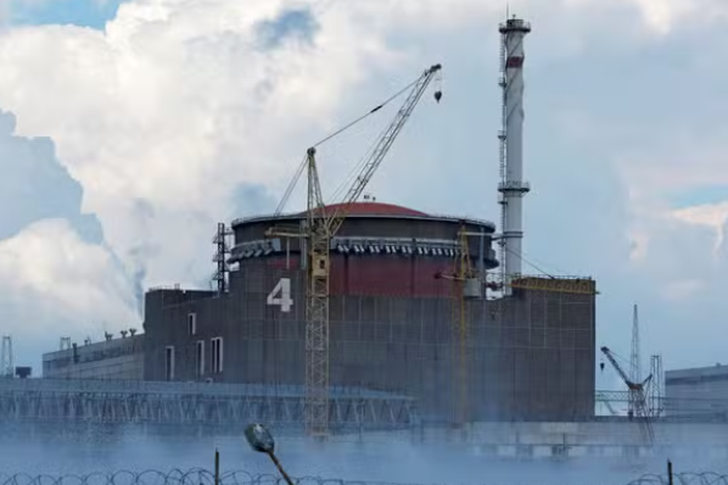
Ukrainian President Volodymyr Zelensky warned today that t...
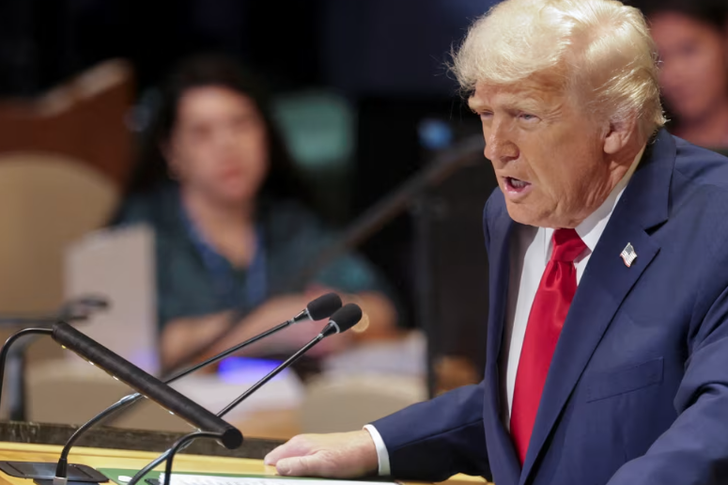
President Trump spoke to reporters at the White House and ...
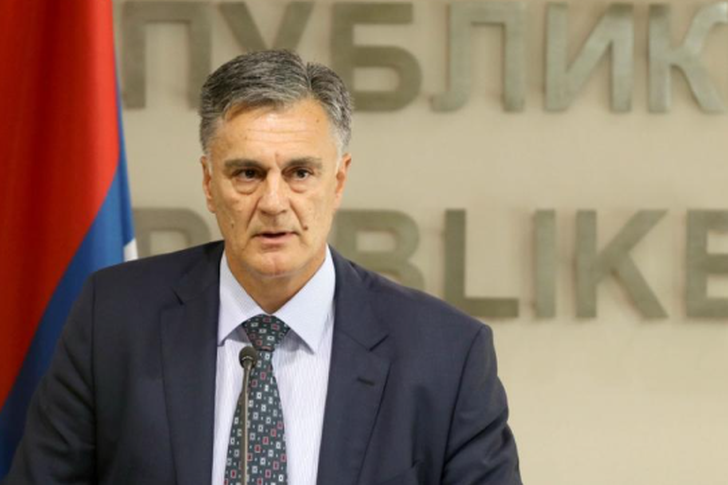
The SNSD candidate for president of Republika Srpska in th...

Hurricane Gabrielle, which hit the Spanish coast a few day...
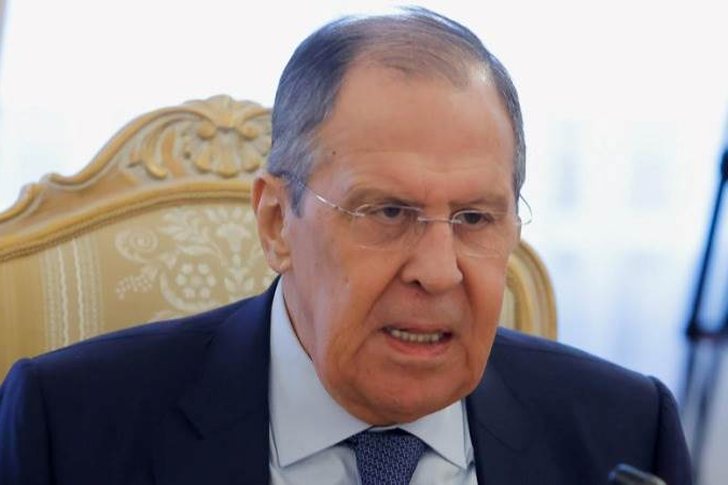
Russian Foreign Minister Sergei Lavrov on Tuesday dismisse...

US President Donald Trump, in a speech delivered to hundre...

The Albanian drug lord arrested in the Colombian city of B...
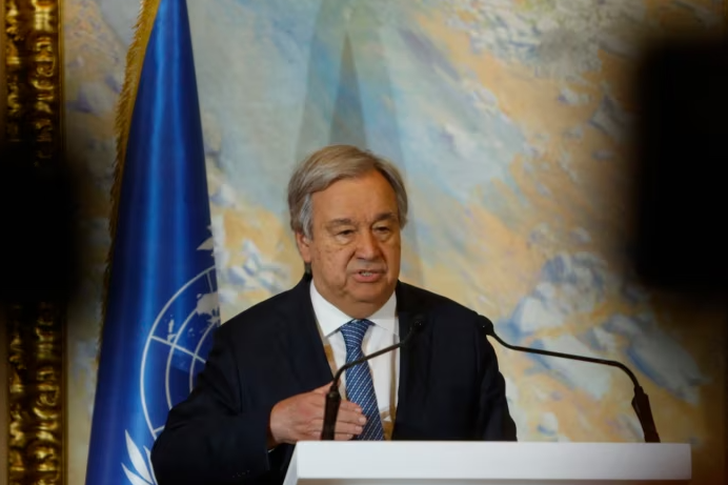
United Nations Secretary-General Antonio Guterres called...

CNA has launched another investigation that could lead to ...

Irfan Hysenbelliu is a businessman that we call "Irfan the...

In March 2026, CNA launched another investigation centered...
The arrested mayor of Tirana, Erion Veliaj, with 13 charge...

The Special Board of Appeal (KPA) decided this Monday ...

The KPA vetting decided this Thursday to dismiss the p...

Suela Salavaçi, a prosecutor in the Prosecutor's Offic...

The Special Board of Appeal reinstated the prosecutor ...

This Wednesday, around 4:00 PM, a serious accident occurre...

Tirana Police have shared details regarding the accident t...

New details have emerged regarding the accident that occur...

New details have emerged from the serious accident that oc...

A serious accident that occurred this Wednesday with the c...

The Institute of Geosciences has shared a forecast for wea...

Rising energy and fertilizer prices are expected to contin...

Over 18,000 foreign citizens from 140 countries have appli...

The trial of ousted Venezuelan President Nicolas Maduro on...

US President Donald Trump has issued another warning to Ir...

Prime Minister Andy Burnham has announced that most bus fa...

France's parliament has passed a law to ban social media f...

At a time when industrial products are increasingly taking...

Trust among people is not just a three-syllable word. It c...

Master of humor Todi Llupi has passed away at the age of 7...

The ninth edition of "MIK Festival" kicked off with one of...
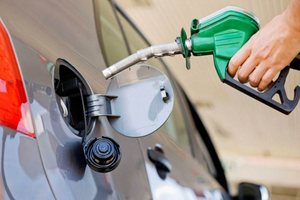
The price of diesel reached 206 lek per liter from 198 lek...

Businesses will no longer be required to simply register t...

Despite economic growth and income in recent years, Albani...
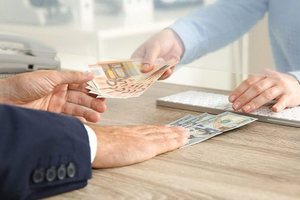
This Wednesday, one US dollar is bought for 81.4 lek and s...