


Plenary sessions resume with debates/ Rama present in Parliament, podium blocked
Plenary sessions have resumed, with Prime Minister Edi Ram...

Plenary sessions have resumed, with Prime Minister Edi Ram...

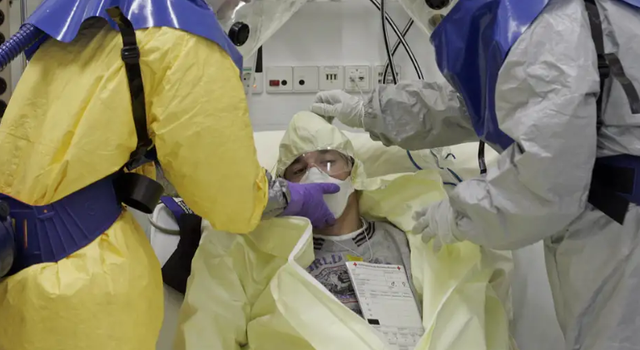
Civil protection and how to act in case of disasters: a subject that will soon be included in the curriculum in German schools?
German Interior Minister Alexander Dobrindt wants to better prepare students for war and disaster scenarios. He sees it as a sensible precaution, while others see it as alarmism. Crises, disasters and war have long been dealt with in German schools, at least on an abstract and academic level. Now, German Interior Minister Alexander Dobrindt, a member of the Christian Social Union (CSU), wants schools to offer training in these scenarios.
"Once a school year, older students should follow an in-depth learning module that covers different threat scenarios and how to manage them," Dobrindt told Handelsblatt. Crisis preparedness should be an integral part of the school curriculum.
Dobrindt's initiative aligns with statements made by Chancellor Friedrich Merz, who, in response to Russia's hybrid threats, declared: "We are not at war, but we are no longer at peace either." Many experts believe that a Russian attack on NATO territory is possible before the end of the decade. Germany wants to prepare, by strengthening the military and improving civil defense.
The teachers' association welcomes the proposal.
The German Teachers' Association (DL), which represents around 165,000 teachers, supports Dobrindt's proposal. Its president, Stefan Düll, told DW: "We have to be honest and say it clearly: war has long since entered the classroom." Young people have the right to speak openly about issues that affect them. Emergency preparedness training can help them learn about possible courses of action and build resilience.
Quentin Gärtner, Secretary General of the Federal Student Conference (BSK), Gärtner has not participated in any war or crisis training exercises. "The only thing I know is the standard fire alarm," the secretary general of the Federal Student Council (BSK), which represents the interests of young people, told DW. "It makes sense to prepare for disaster scenarios." This would promote a "resilient society." However, it is important that school social workers and psychologists accompany these courses, as not all students are mentally prepared for such scenarios.
Different political reactions
The opposition Left party has strongly criticized the proposal. The group's parliamentary chairwoman, Nicole Gohlke, told AFP that the measures were "alarming," especially in relation to children and teenagers. The AfD also expressed its disapproval. Politician Gottfried Curio accused Dobrindt of giving the impression that war is inevitable.
The Greens, on the other hand, offered their support. Party leader Felix Banaszak told RTL: "No, this is not alarmism." However, he is not convinced that one extra course per year is enough to adequately prepare students.
The federal government can only make recommendations on school education. However, decisions about school curricula are up to the federal states.
Billions for civil protection
The federal government plans to massively expand civil protection and disaster management. By 2029, around ten billion euros have been earmarked for improving shelters, warning systems, emergency vehicles and water supplies. Dobrindt also urged the public to stock up on supplies: "A few days' worth of supplies, a flashlight, batteries or a handheld radio - this is not alarmism, this is preparedness."
Japan or Poland as models?
In Japan, disaster preparedness starts in kindergarten. Regular drills are common at all school levels, given the frequency of natural disasters and the threat posed by North Korea.
Poland also follows a similar approach. Young people aged 14 to 15 attend mandatory courses on weapons and safety. They do not shoot with live ammunition, but practice disassembling, loading and unloading weapons. They also practice using lasers and blank cartridges.
Marta Stolinska, from the Nicolas Copernicus School in Skarszewy, told DW: "I think it's a good idea. Life is scary these days; you have to be prepared for anything." Students like Alan Jaron call the training "fun": "It's interesting to hold a gun and shoot." Parents and teachers support the program.
In Germany, this approach is met with considerable skepticism, as the culture is more pacifist. "German schoolyards are not parade grounds in barracks," Stefan Düll, from the teachers' association, told DW. Learning to shoot is "not the job of the students, but of the army," he added. Student representative Quentin Gärtner rejects the Polish model: "Firearms training is certainly not part of good disaster prevention."/ DW

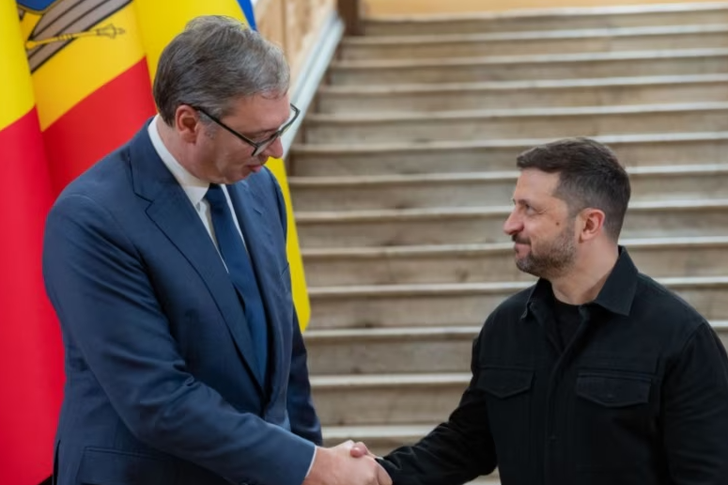
Serbian President Aleksandar Vučić said he had a telephone...

Venezuelan opposition leader Maria Corina Machado particip...
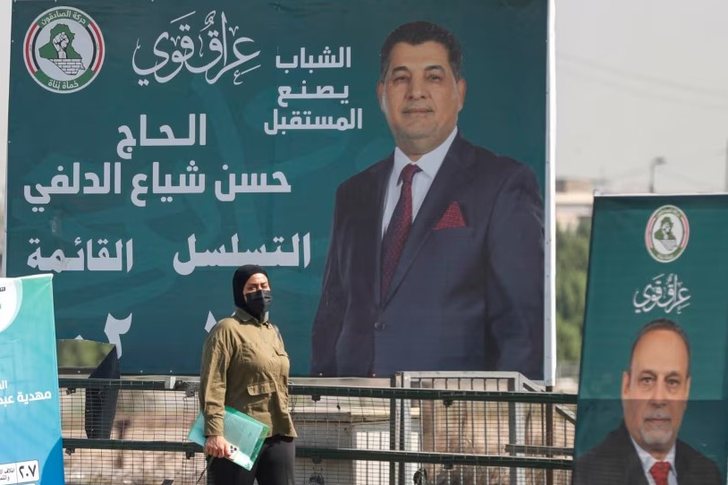
The parliamentary elections to be held in Iraq on November...
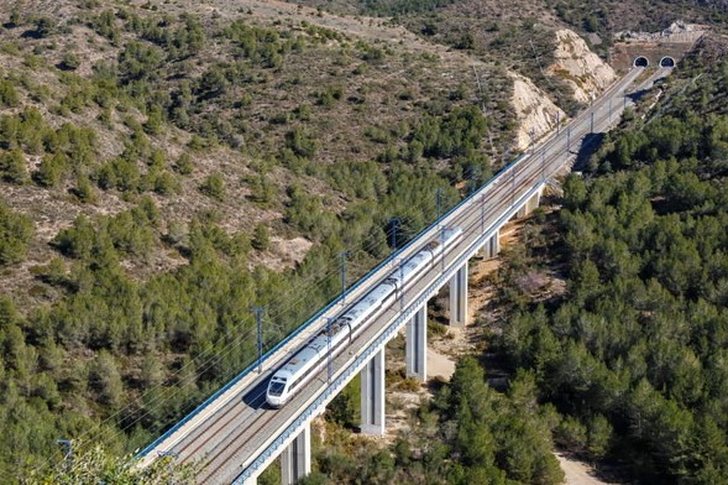
The European Commission said on Wednesday that a high-spee...

A man has been arrested in Mexico for allegedly sexual...
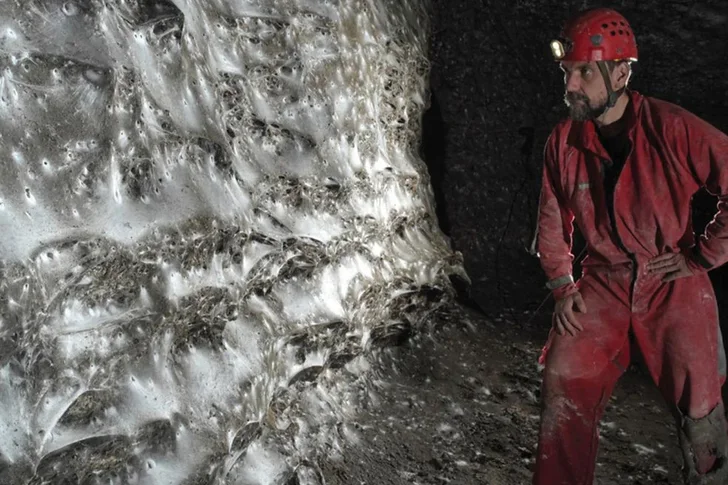
Inside a dark, sulfur-filled cave in Sarantaporo, on the A...
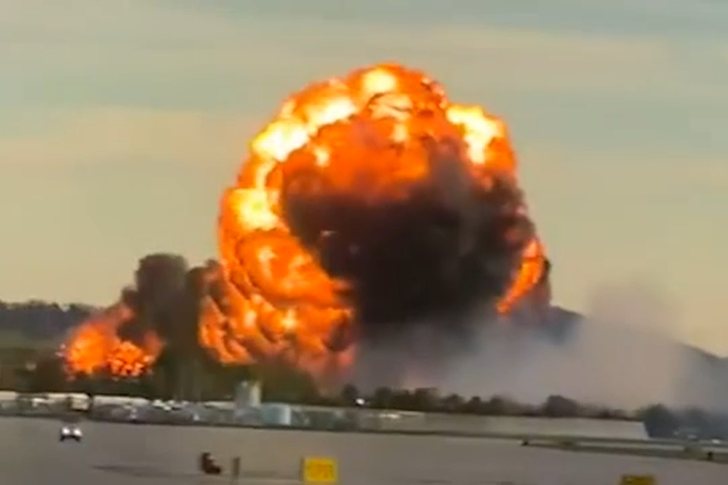
At least nine people were killed Tuesday evening when a UP...

Candidate countries for European Union membership showed o...
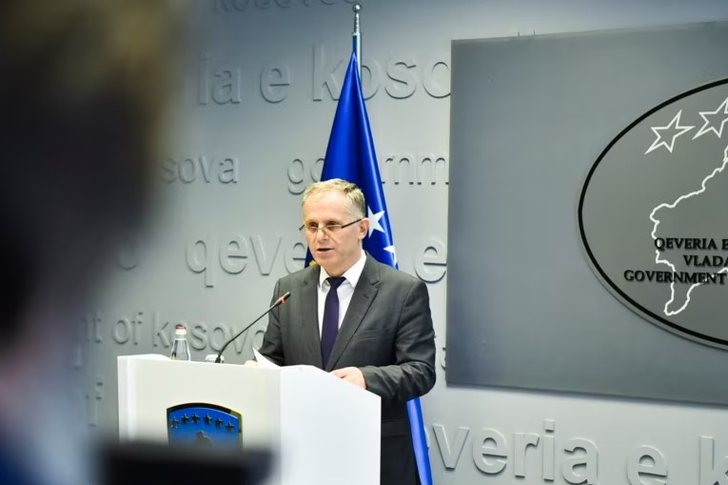
Zëvendëskryeministri në detyrë i Kosovës, Besnik Bislimi, ...
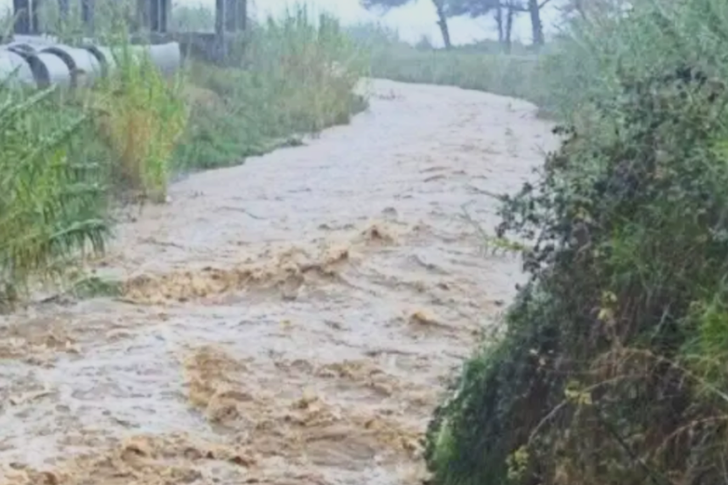
The Greek island of Skiathos suffered major flooding in ma...
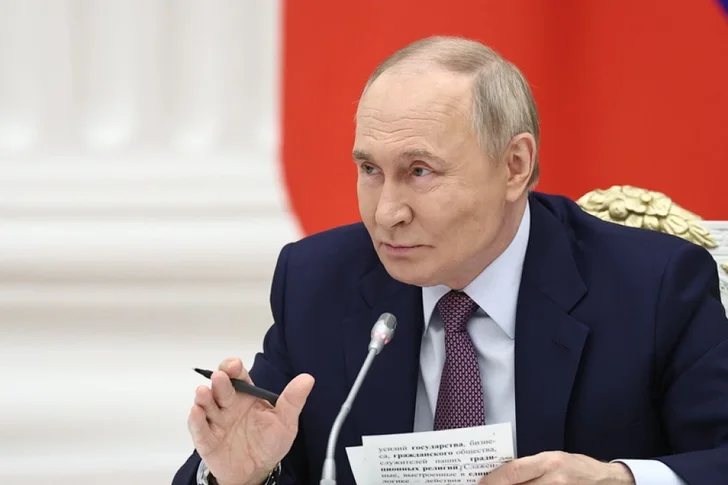
Russian leader Vladimir Putin has commented on US Presiden...
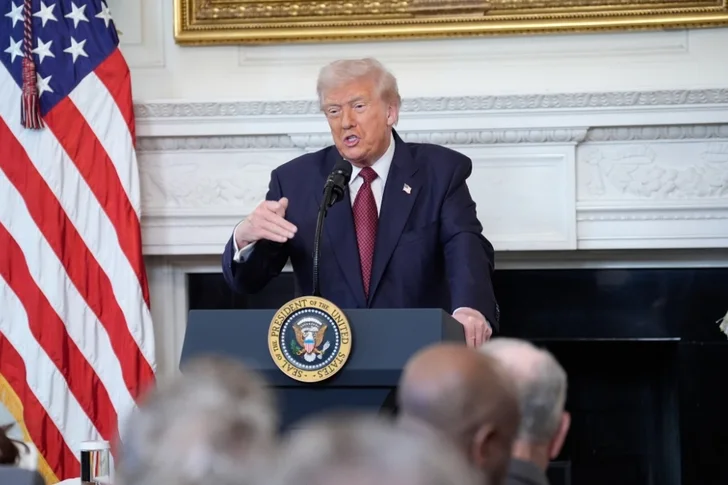
US President Donald Trump has reacted to the elections tha...
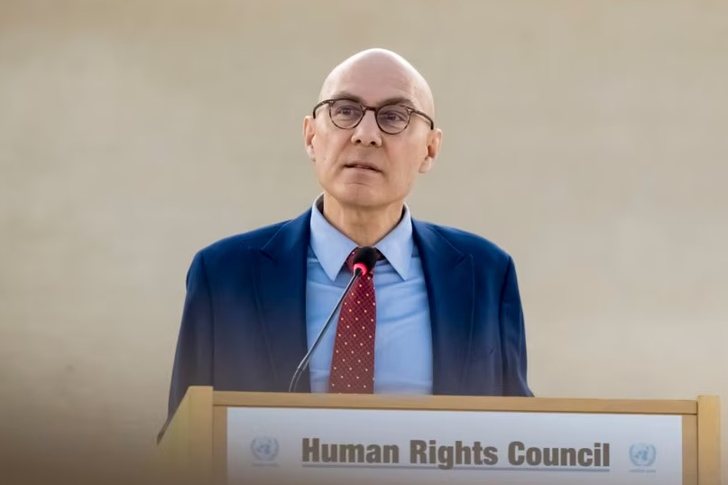
The United Nations has criticized the lack of accountabili...
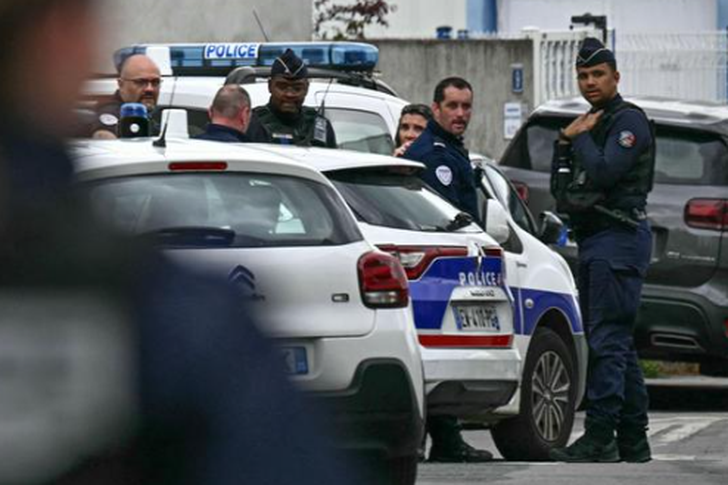
At least four people are in critical condition after a dri...
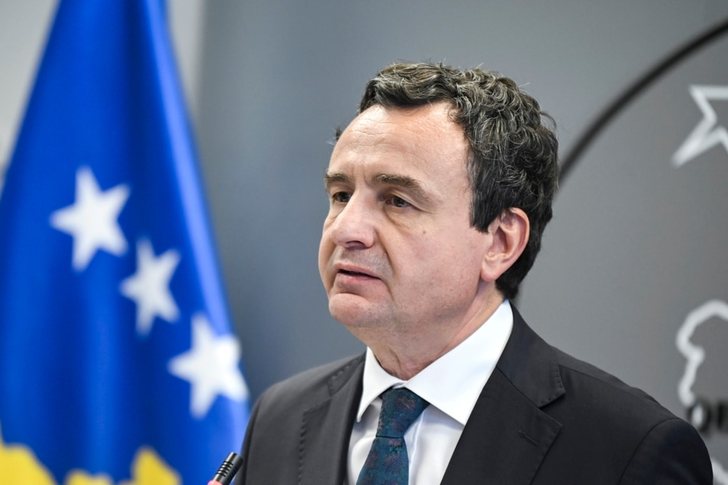
Kosovo's acting Prime Minister, Albin Kurti, believes ther...
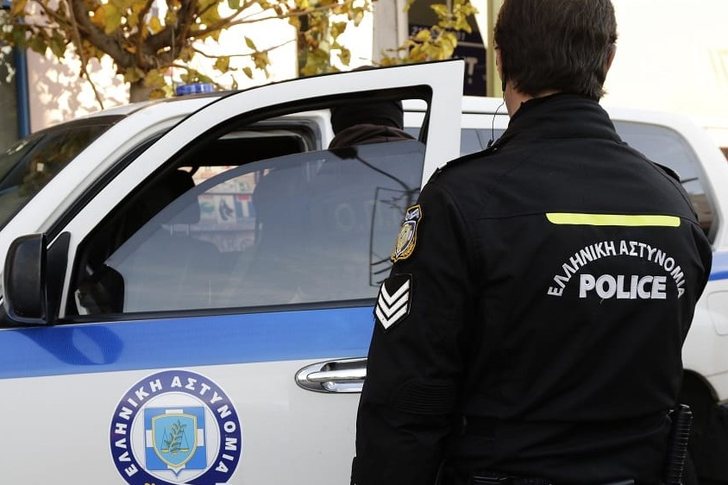
Three brothers have been declared wanted in connection wit...
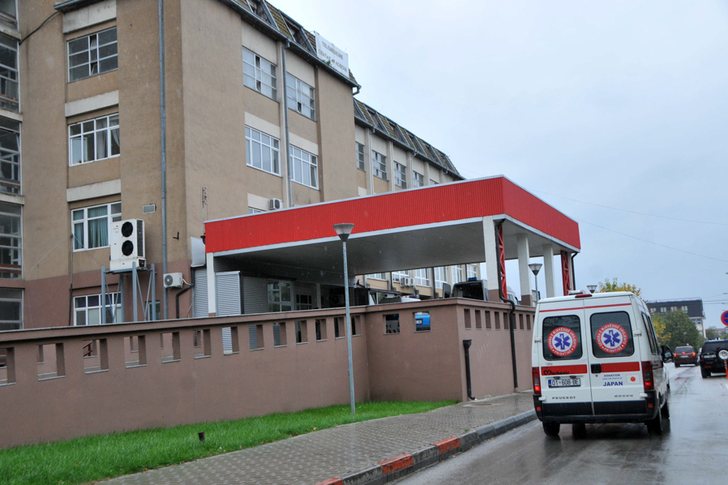
A foreigner was stabbed in Kosovo. According to Kosovo me...
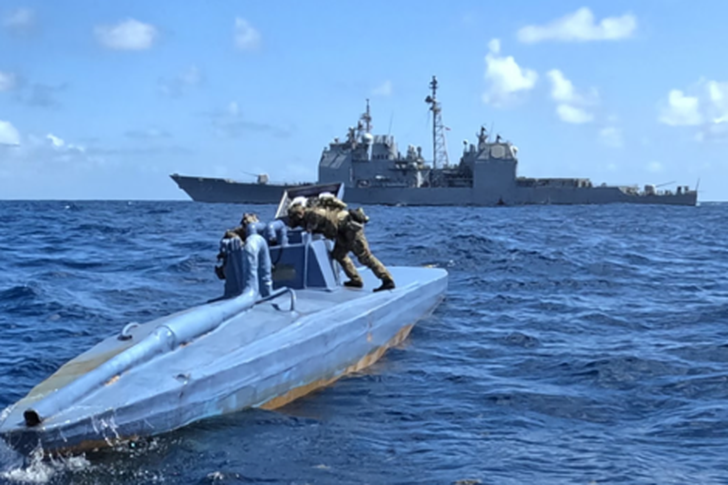
US Defense Secretary Pete Hegseth announced another deadly...
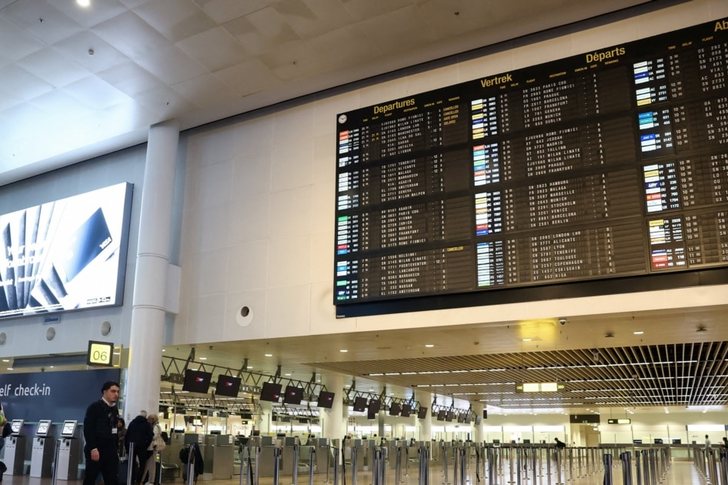
The main airport in the Belgian capital is expected to res...

An earthquake with a magnitude of 4.5 on the Richter scale...

CNA has launched another investigation that could lead to ...

Irfan Hysenbelliu is a businessman that we call "Irfan the...

In March 2026, CNA launched another investigation centered...
The arrested mayor of Tirana, Erion Veliaj, with 13 charge...

The Special Board of Appeal (KPA) decided this Monday ...

The KPA vetting decided this Thursday to dismiss the p...

Suela Salavaçi, a prosecutor in the Prosecutor's Offic...

The Special Board of Appeal reinstated the prosecutor ...
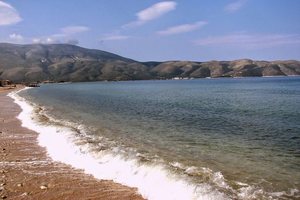
A person has died today on Orikum beach. According to repo...
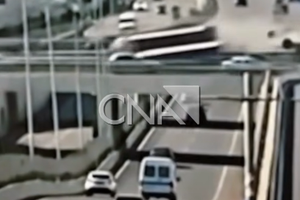
Footage emerges from the serious accident that occurred th...
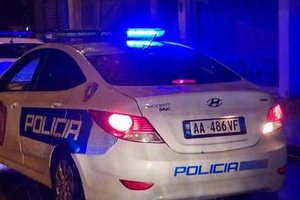
A Shkodra traffic police officer was hit with hard objects...
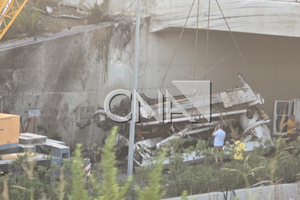
This Wednesday, around 4:00 PM, a serious accident occurre...

Children without parental care, for whom alternative famil...

On Thursday, our country will be under the influence of st...
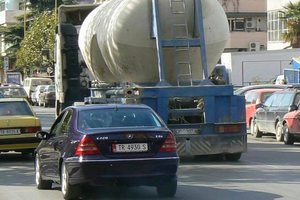
A serious accident that occurred this Wednesday with the c...

The Institute of Geosciences has shared a forecast for wea...

Artificial intelligence (AI) models from the American comp...
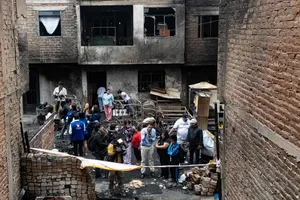
At least 10 people have died after a fire broke out in a h...

Yemen's Houthis have claimed to have attacked two Saudi oi...

The trial of ousted Venezuelan President Nicolas Maduro on...

At a time when industrial products are increasingly taking...

Trust among people is not just a three-syllable word. It c...

Master of humor Todi Llupi has passed away at the age of 7...

The ninth edition of "MIK Festival" kicked off with one of...

The average sale price of apartments in Tirana reaches rec...

This Thursday, one US dollar is bought for 81.5 lek and so...
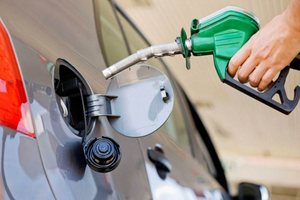
The price of diesel reached 206 lek per liter from 198 lek...

Businesses will no longer be required to simply register t...