


Plenary sessions resume with debates/ Rama present in Parliament, podium blocked
Plenary sessions have resumed, with Prime Minister Edi Ram...

Plenary sessions have resumed, with Prime Minister Edi Ram...

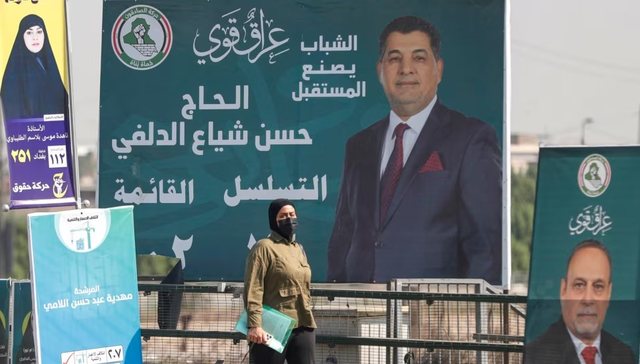
The parliamentary elections to be held in Iraq on November 11 come at a time when Tehran's regional influence is weakening, and the election result could determine whether Iran will maintain its vital anchor in its sphere of influence, financing, and deterrence, or slip into a more costly and fragmented game of managing its allies from afar.
With the stalemate in Syria and increasing restrictions on Hezbollah – declared a terrorist organization by the United States – in Lebanon, Iraq has become a necessary stage to maintain economic access and restraint in Tehran's regional architecture.
"I think the parliamentary elections could be really crucial for Iran because if its preferred candidates perform poorly, that would be yet another event that goes badly for Tehran and could cause a ripple effect where Iranian power is seen as significantly weakened ," said Colin Clarke, executive director of the Soufan Center, a New York-based think tank.
If Iran fails to achieve the desired outcome, Clarke added, it will damage Tehran's image across the region, "making its leaders look weak."
Iran's difficult battle
For years, Iran has exerted influence in neighboring Iraq by supporting a number of Shiite parties and militias – some of which were founded by the Islamic Republic's Revolutionary Guard Corps.
But its influence has waned since the US killed Quds Force commander Qassem Soleimani in 2020. Tehran's authority over these groups has waned since then, leaving room for discord and fragmentation.
Shiite factions within the Coordination Framework – a political alliance that includes Prime Minister Mohammed Shia' al-Sudani – are now divided over US-backed efforts to dismantle the Popular Mobilization Forces (PMF), an umbrella organization of militias largely linked to Iran that was integrated into the Iraqi army in 2016.
Several Shiite lists, once coordinated under Tehran's patronage, now compete against each other, reflecting not only the fading of cohesion but also a move toward transactional, interest-based politics rather than unified pro-Iran lists.
In an effort to curb these rivalries, Iran earlier in October sent Soleimani's successor, Quds Force commander Esmail Qaani, to Baghdad. It is unclear whether his mission was successful.
“Iran is not in a good position and has been greatly weakened,” Clarke said. “The way Israel has been attacking Iran and its proxies has likely created suspicions among its supporters and patrons that its leaders can be less relied on than before.”
Preventing the situation from worsening
This weakening of influence has come as a result of broader regional defeats. Over the past two years, Israel has inflicted significant damage on Iran’s network and capabilities—from destroying the military leadership of the Palestinian group Hamas, which is designated a terrorist organization by the US, and its infrastructure in Gaza, to significantly weakening Hezbollah and striking Revolutionary Guard assets in Syria and inside Iran itself. The confrontation culminated in direct war in June, exposing major weaknesses on Iran’s part.
The weakening of Hezbollah and the Iranian Revolutionary Guard's position in Syria contributed to the ouster of President Bashar al-Assad, a key ally that allowed Iran to transform Syria into a land corridor connecting its allies in Iraq and Lebanon.
For Tehran, Iraq now represents the closest and most necessary anchor for regional deterrence and political influence, at a time when alternatives in other Middle Eastern countries are increasingly narrowing.
If the election results disappoint Tehran, Clark expects persistence, not retreat.
"Iran has a difficult task ahead of it to rebuild these groups of associates and to devote more time, energy and resources - all of which it already has in short supply - to maintaining strong relations with them ," he said.
The vote in Iraq is not just another election. It is a test to see whether Iran can still influence the outcome in a region where its power is gradually weakening./REL

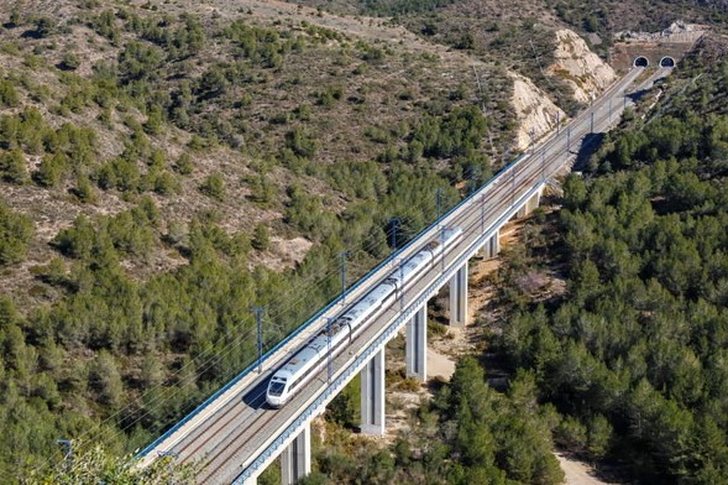
The European Commission said on Wednesday that a high-spee...
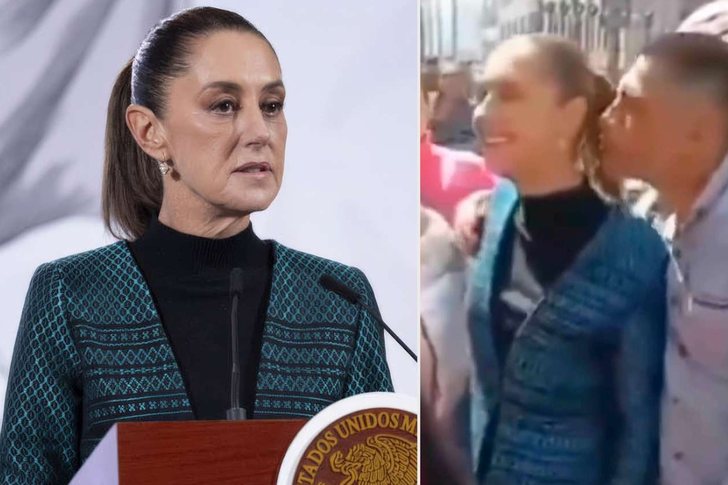
A man has been arrested in Mexico for allegedly sexual...
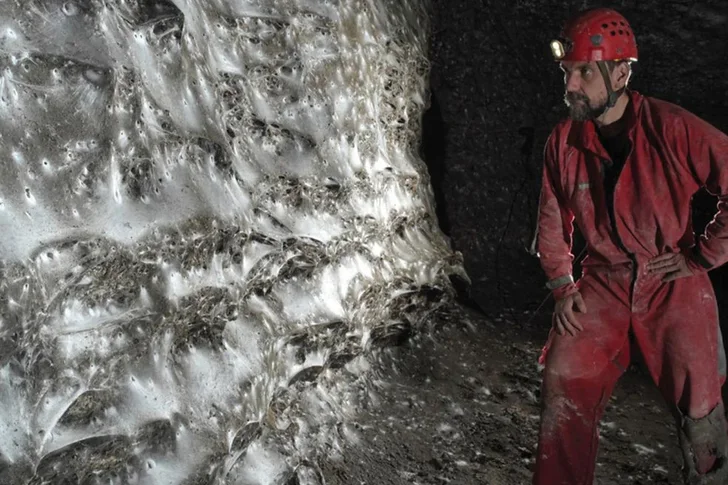
Inside a dark, sulfur-filled cave in Sarantaporo, on the A...
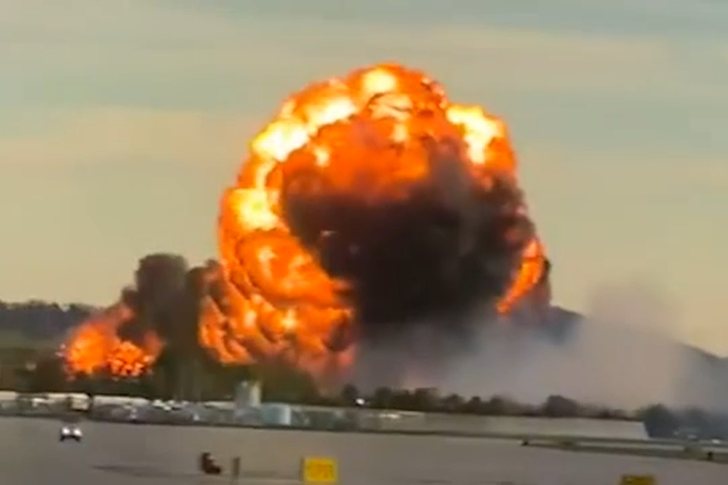
At least nine people were killed Tuesday evening when a UP...

Candidate countries for European Union membership showed o...
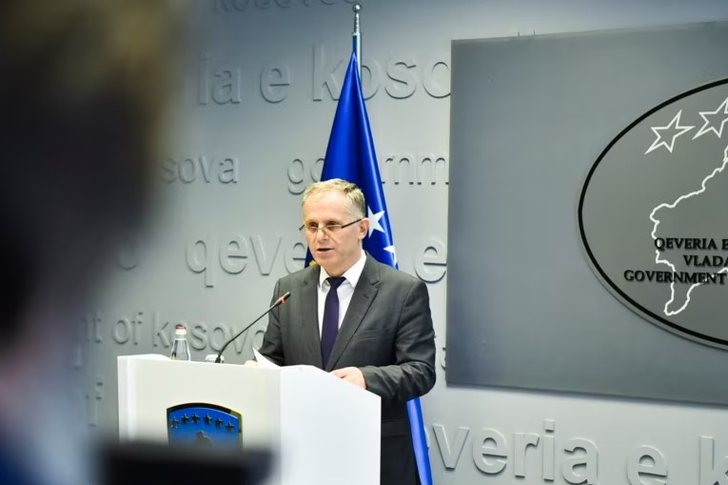
Zëvendëskryeministri në detyrë i Kosovës, Besnik Bislimi, ...
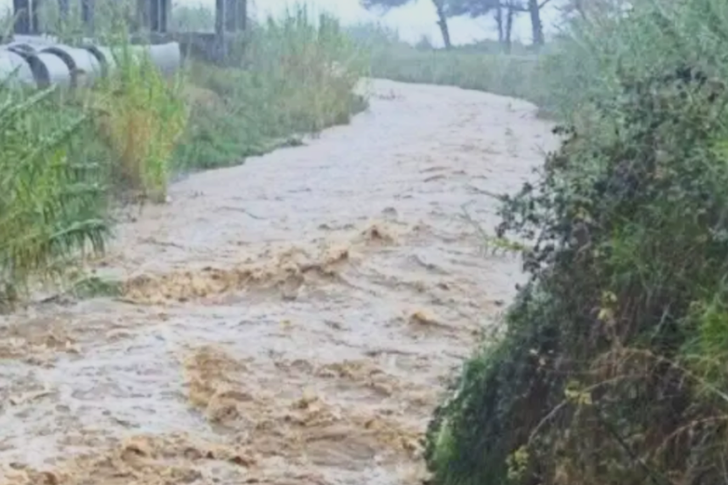
The Greek island of Skiathos suffered major flooding in ma...
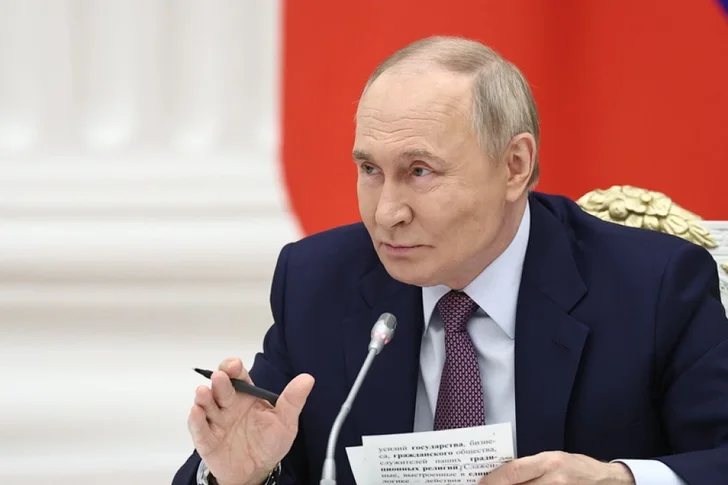
Russian leader Vladimir Putin has commented on US Presiden...
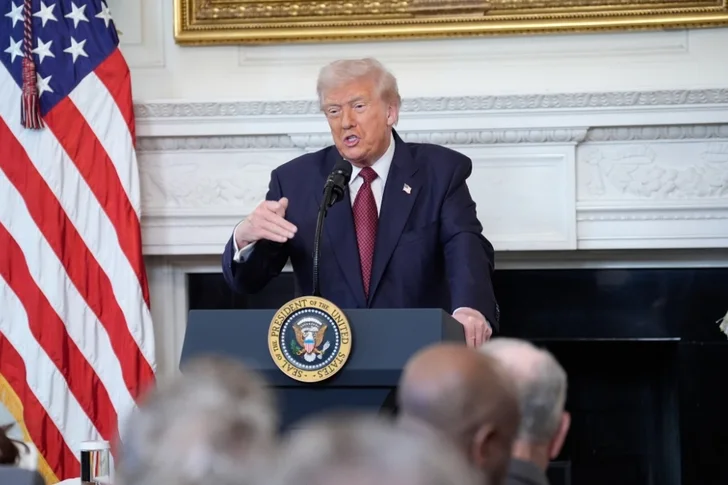
US President Donald Trump has reacted to the elections tha...
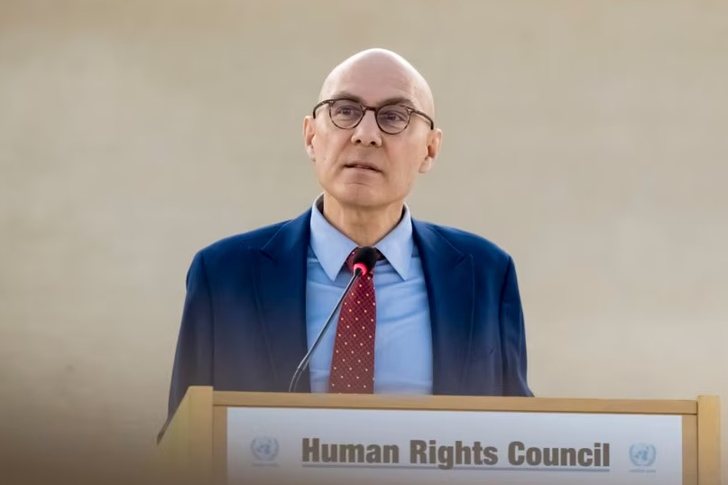
The United Nations has criticized the lack of accountabili...
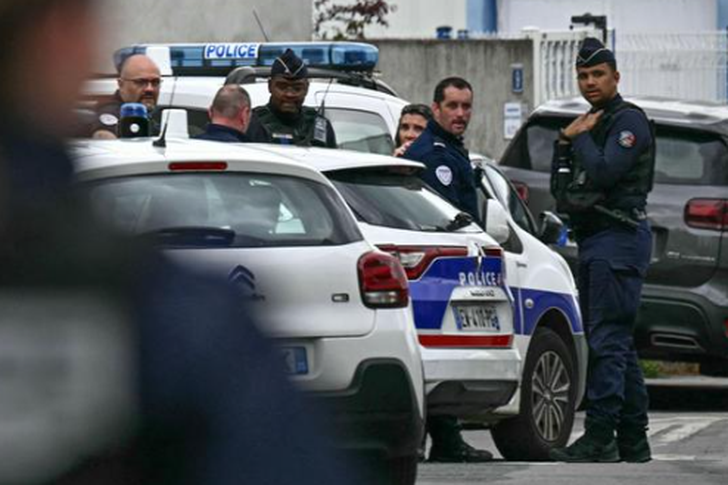
At least four people are in critical condition after a dri...
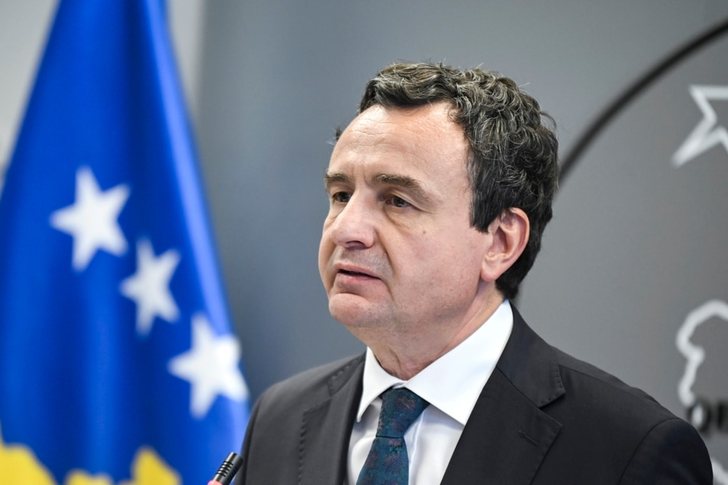
Kosovo's acting Prime Minister, Albin Kurti, believes ther...
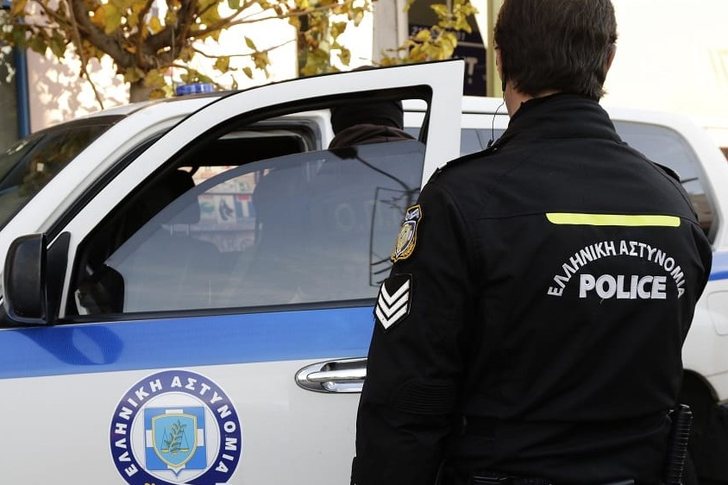
Three brothers have been declared wanted in connection wit...
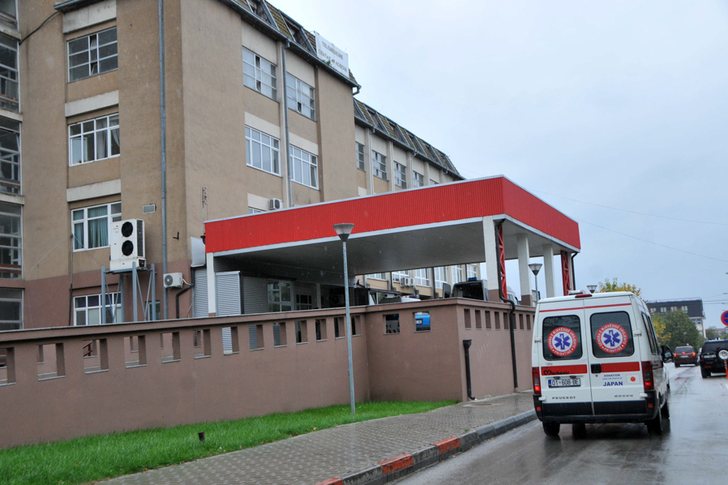
A foreigner was stabbed in Kosovo. According to Kosovo me...
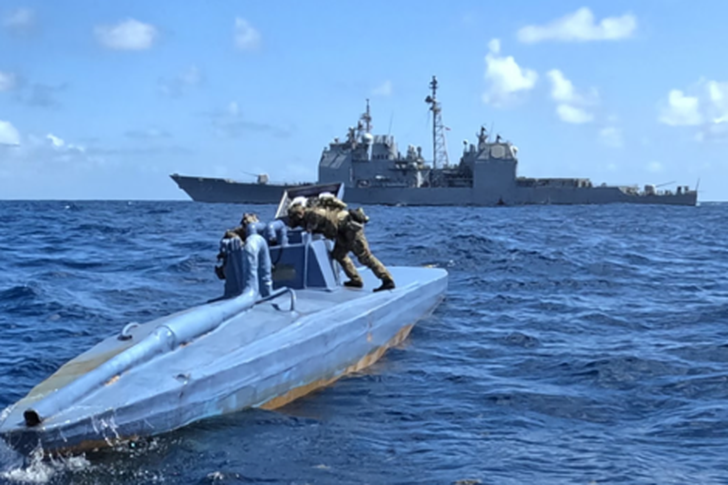
US Defense Secretary Pete Hegseth announced another deadly...
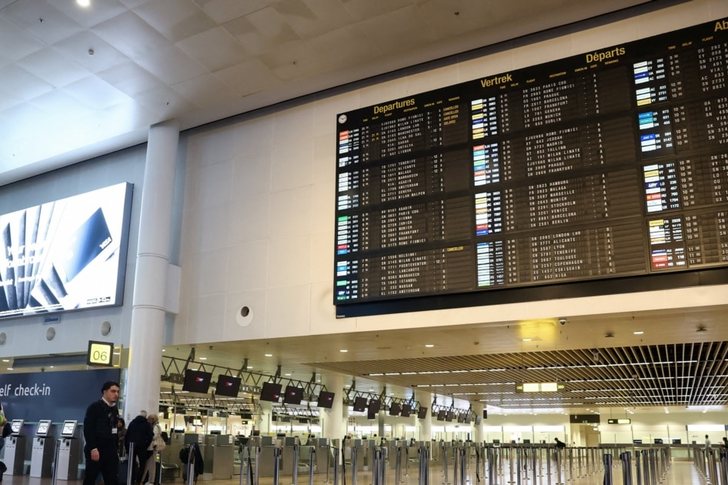
The main airport in the Belgian capital is expected to res...

An earthquake with a magnitude of 4.5 on the Richter scale...

Today marks 5 years since the arrest of former KLA leaders...
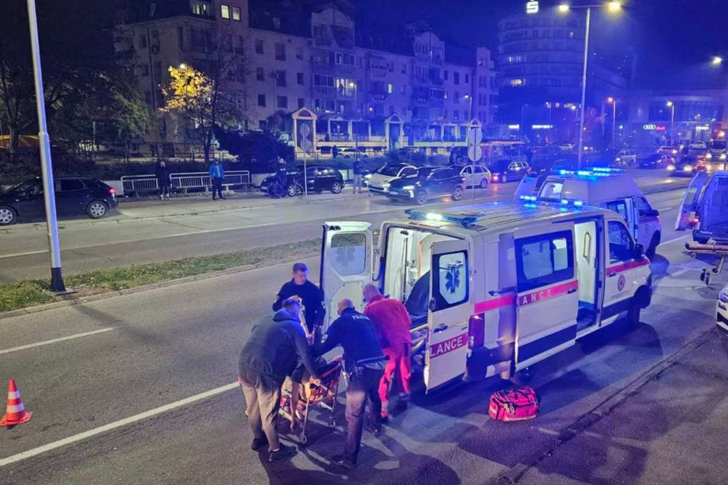
Ten people have died and around 20 others were injured in ...
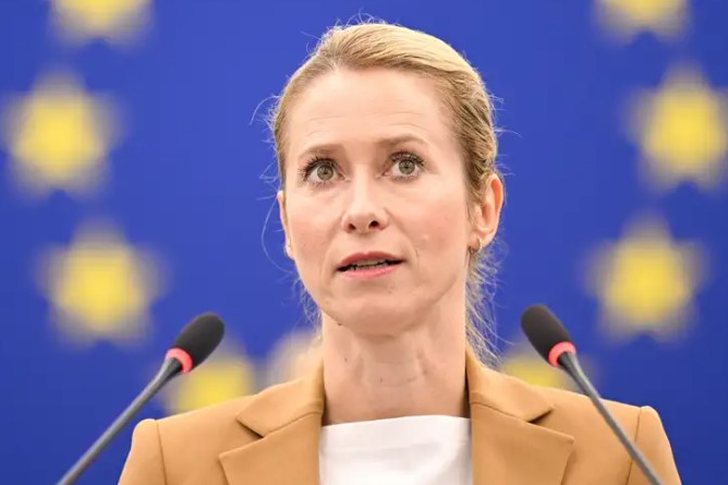
Ukraine needs to accelerate the pace of its reforms if it ...

CNA has launched another investigation that could lead to ...

Irfan Hysenbelliu is a businessman that we call "Irfan the...

In March 2026, CNA launched another investigation centered...
The arrested mayor of Tirana, Erion Veliaj, with 13 charge...

The Special Board of Appeal (KPA) decided this Monday ...

The KPA vetting decided this Thursday to dismiss the p...

Suela Salavaçi, a prosecutor in the Prosecutor's Offic...

The Special Board of Appeal reinstated the prosecutor ...
A person has died today on Orikum beach. According to repo...
Footage emerges from the serious accident that occurred th...

A Shkodra traffic police officer was hit with hard objects...
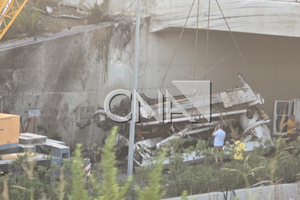
This Wednesday, around 4:00 PM, a serious accident occurre...

Children without parental care, for whom alternative famil...

On Thursday, our country will be under the influence of st...
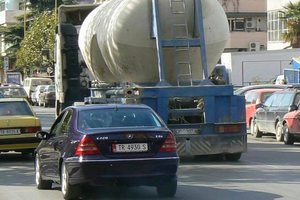
A serious accident that occurred this Wednesday with the c...

The Institute of Geosciences has shared a forecast for wea...

Artificial intelligence (AI) models from the American comp...
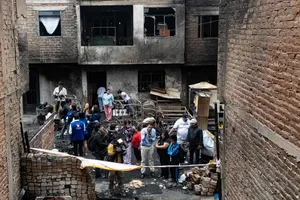
At least 10 people have died after a fire broke out in a h...
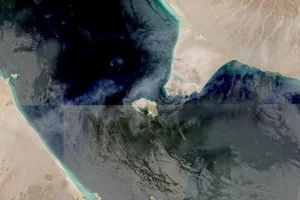
Yemen's Houthis have claimed to have attacked two Saudi oi...
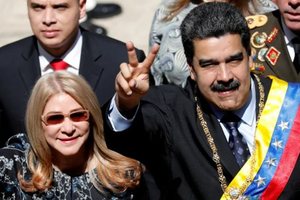
The trial of ousted Venezuelan President Nicolas Maduro on...

At a time when industrial products are increasingly taking...

Trust among people is not just a three-syllable word. It c...

Master of humor Todi Llupi has passed away at the age of 7...

The ninth edition of "MIK Festival" kicked off with one of...
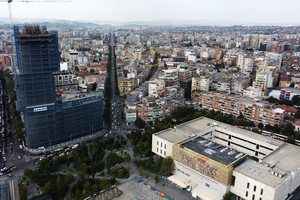
The average sale price of apartments in Tirana reaches rec...

This Thursday, one US dollar is bought for 81.5 lek and so...
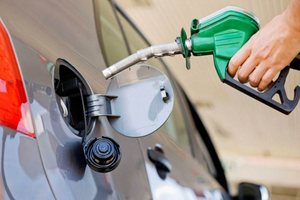
The price of diesel reached 206 lek per liter from 198 lek...

Businesses will no longer be required to simply register t...