


Lightning strikes in Dardhas/ Herd of small cattle is hit
A herd of cattle was struck by lightning this Friday in th...

A herd of cattle was struck by lightning this Friday in th...

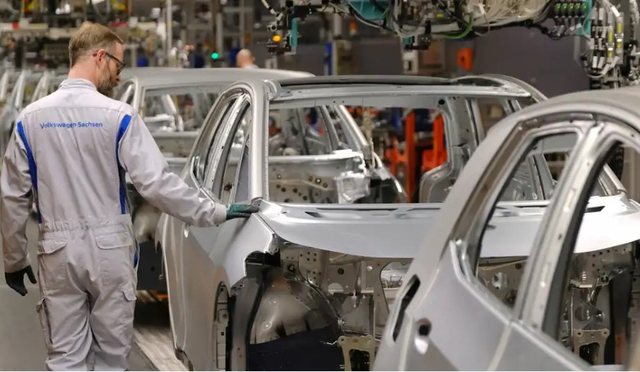
The technical tool factory Paul Horn GmbH in Tübingen has been producing precision technical and special tools since 1969, often custom-made for specific work processes in a factory.
Its most important customer is the automotive industry. Director Matthias Rommel will not forget 2023 so quickly: "It was an extraordinary year". Rommel is referring here to the great economic turbulence. "We had an excellent start in the industry, the results in the first half of the year were very good ."
But the last few months have been difficult. Orders were missing, the effects of inflation were evident in the factory. "For me, it was a year of extreme, unplanned and partly chaotic cost increases," Rommel points out.
The mood in Germany, known as the country of cars, is mixed. While manufacturers Volkswagen, Mercedes and BMW announced sales growth for the period from January to September 2023 and car exports and new registrations were again on the rise, suppliers complained of falling production and massive job cuts in the industry.
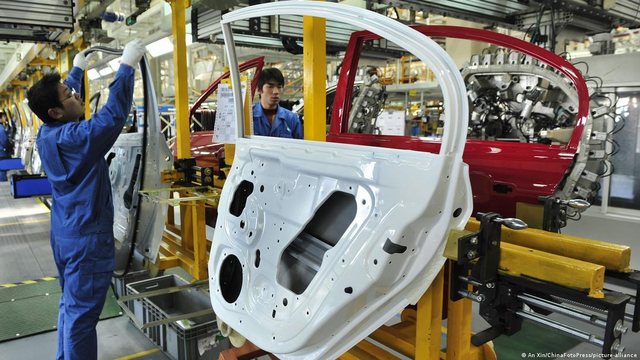
"It is now becoming increasingly clear what this transformation really means," says industry expert Stefan Bratzel from the Automotive Management Center in Bergisch Gladbach. He is not surprised by the closure of the factory for the production of tools for the automotive industry ZF Friedrichshafen.
"If electromobility gains prominence, there will be consequences for jobs across the industry," says Bratzel, who expects up to 160,000 jobs to be lost through this transformation. But his prediction is nothing new. In 2024, Bratzel believes, this trend will worsen even more.
German manufacturers should develop much more in the direction of software companies, the expert thinks. "Software will be an essential part of creating new value. The entire corporate culture must change accordingly. The established car manufacturers are facing extremely difficult times."
On the one hand, because for many years two business models had to be served: in addition to the internal combustion engine sector, also the new electromobility sector. On the other hand, large companies must learn to face the new market conditions. "The whole of Germany is now essentially in transformation. The German car industry must again take the initiative," believes Bratzel.
The expert is sure that one of the biggest problems is the competition from Asia. A current study, conducted by consulting firm Roland Berger and investment bank Lazard, concludes that Asian manufacturers and suppliers are among the winners in the market.
Therefore, they benefit from "the electrification and digitization of trains - technologies on which manufacturers in Asia have been focused for a long time and are most in demand". The authors of the "Global Automotive Supplier Study" are convinced that the supplier market in this industry will continue to grow, "but with different components, with different customers and for different suppliers".
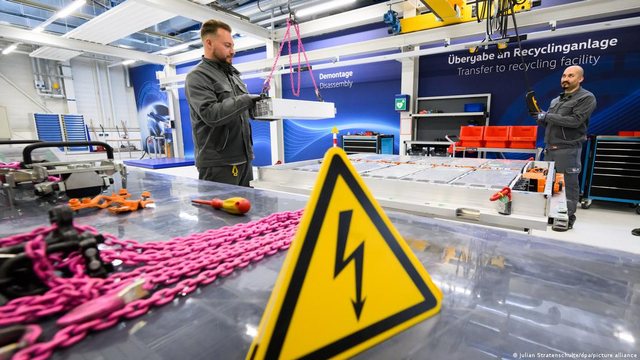
The Paul Horn plant from Tübingen is closely monitoring the market and investing more and more abroad, as, for example, the production of vehicle parts for internal combustion engines is moving to Eastern Europe. "We follow our customers," says CEO Rommel.
Germany is currently facing new trends. "If we want to become more successful again in the next 10 to 15 years, we have to be ready for what's going to happen in the market."
To achieve this, larger investments must be made, says this expert. He sees good chances in the segment of automated and autonomous car driving. According to him, German manufacturers are already leading in this segment.
The situation at the Paul Horn factory during 2024 is expected to remain tense. Director Matthias Rommel will be pleased if there is no further drop in sales. "We are forced to be optimistic", says Rommel./ DW

Despite the fact that the German government has made conce...
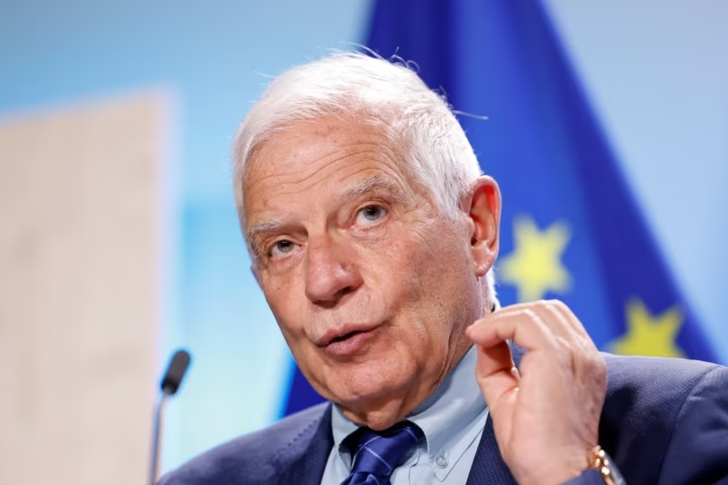
The European Union has welcomed the decision of Kosovo...
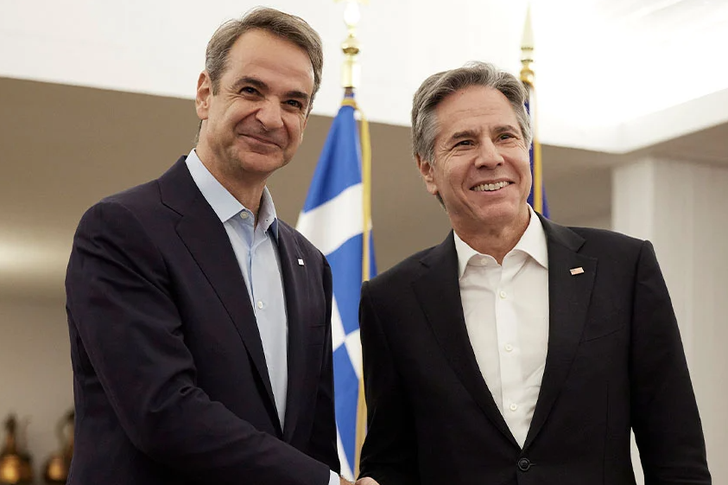
Ka përfunduar takimi mes kryeministrit grek Kyriakos M...
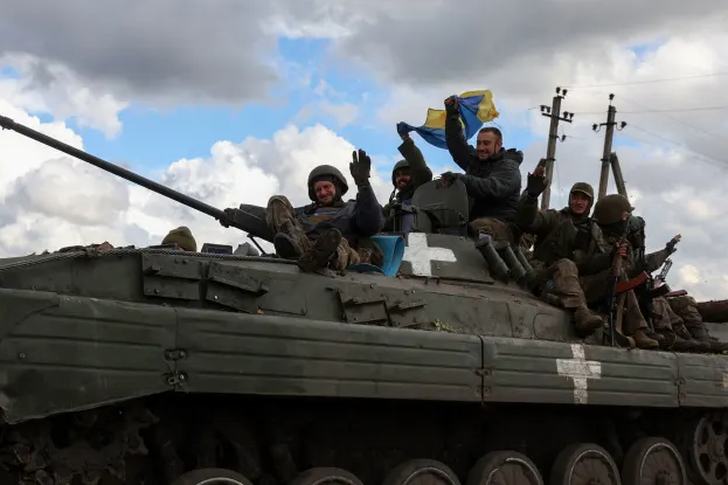
The Russian military is on track to lose 500,000 perso...
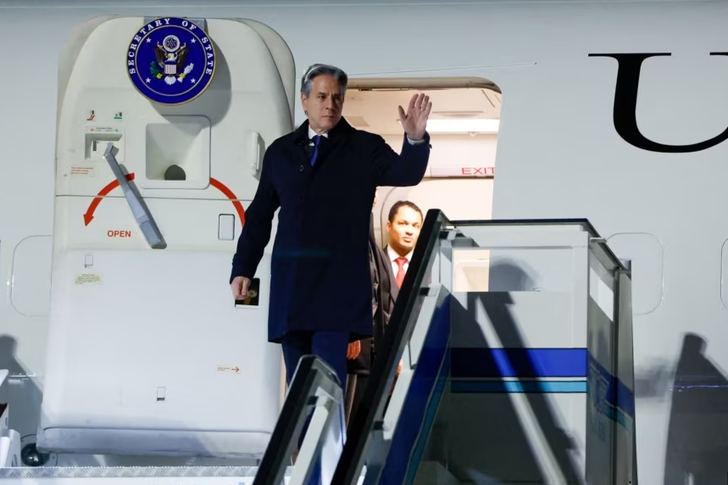
US Secretary of State Antony Blinken began his latest ...
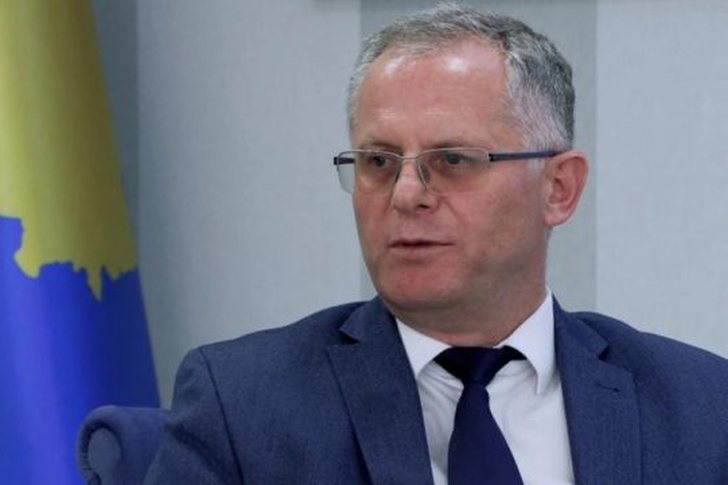
Lajm i mirë për qytetarët e Kosovës. Tashmë ata mund t...
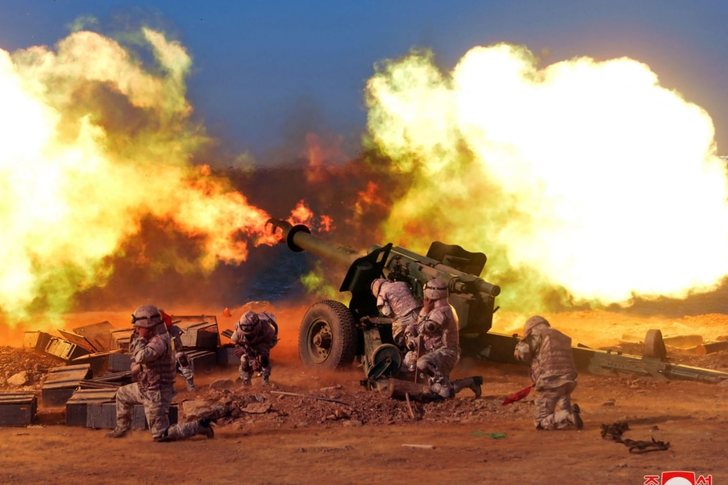
North Korea's military fired more than 60 artillery sh...

Glynn Simmons took a long look out the passenger seat ...
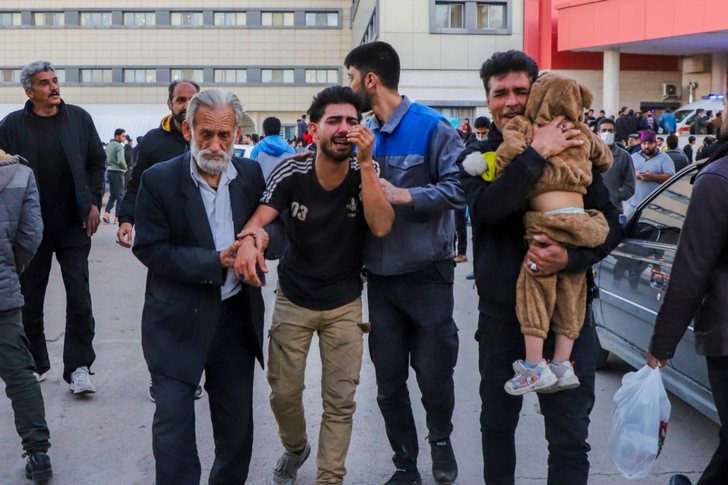
Bomb attacks in southern Iran claimed by the Islamic S...
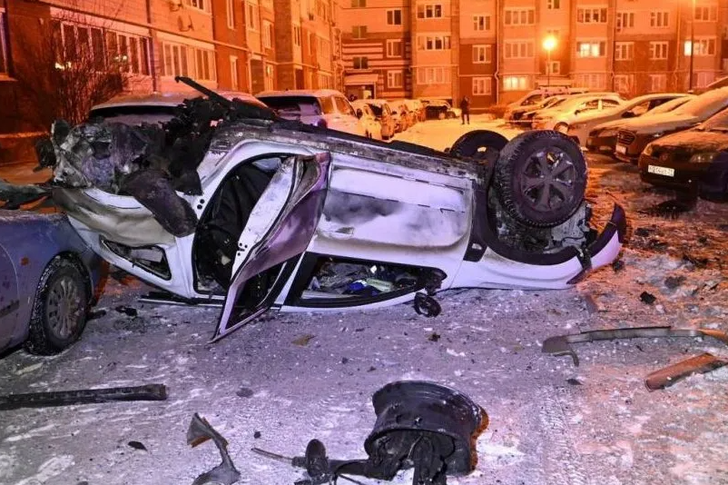
Russia has begun evacuating some residents from the ci...

Vendet evropiane janë destinacione të njohura për punë...
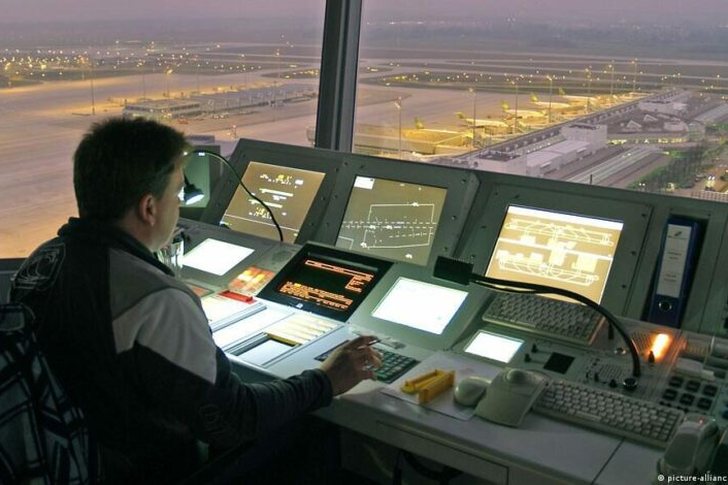
More than 36 planes were flying in the airspace of Nor...
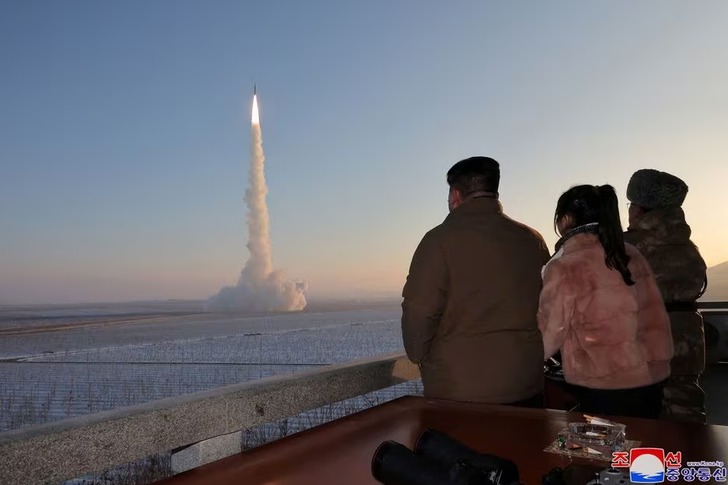
Recently, Russia has attacked Ukraine with several Nor...

The Supreme Court said Friday it will determine whethe...
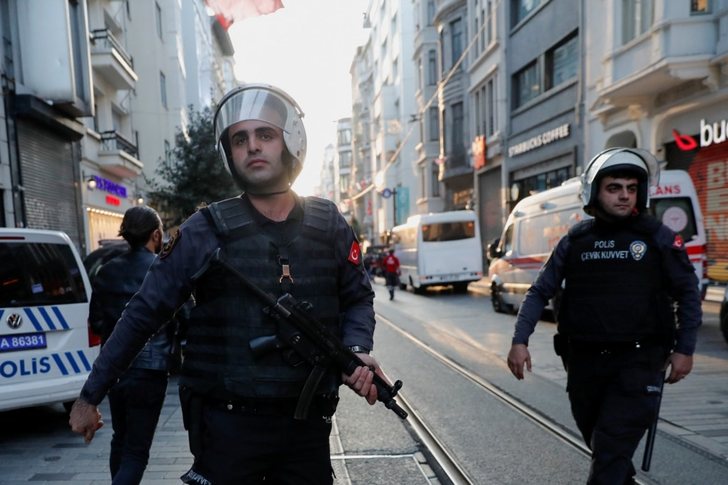
A Turkish court ruled Friday to formally arrest 15 peo...
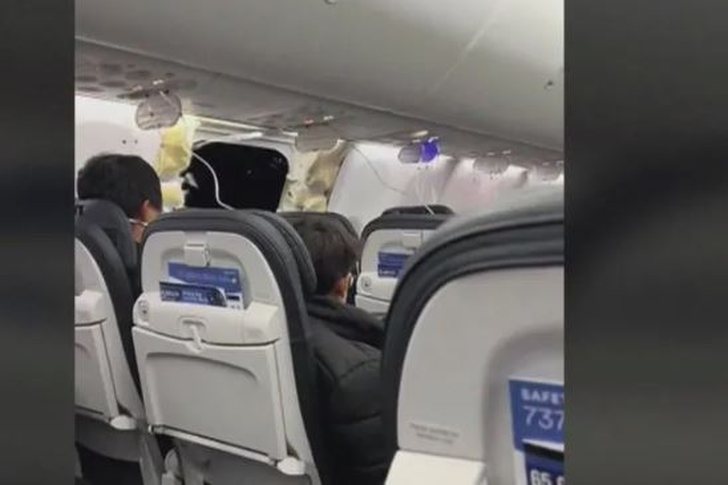
A passenger plane lost parts in mid-air, forcing it to mak...
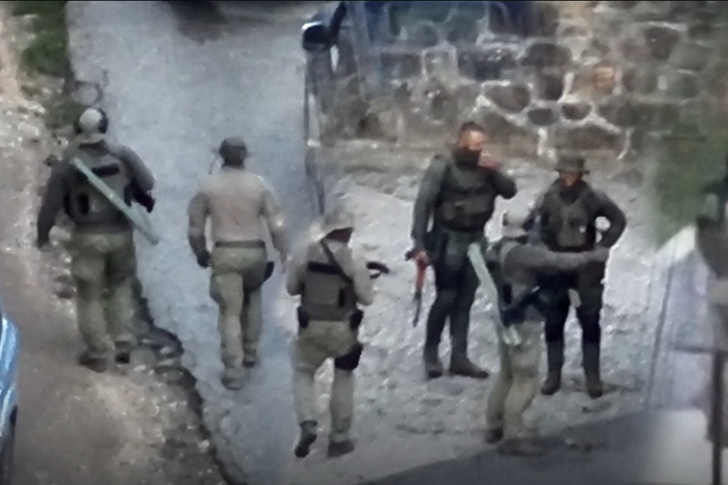
The Minister of Internal Affairs, Xhelal Sveçla, has a...

Some shipping companies are currently avoiding sailing...
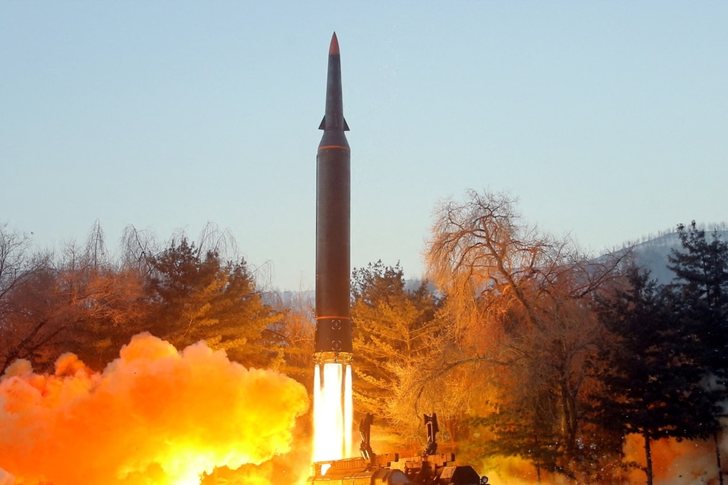
Russia has attacked Ukraine with missiles supplied by Nort...
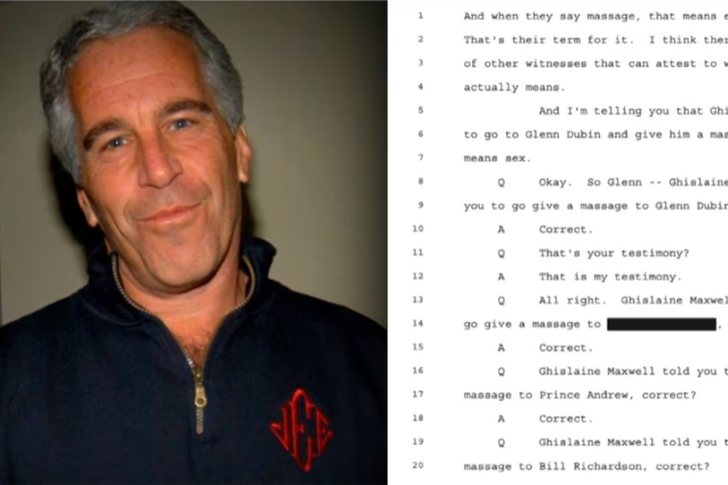
Këtë javë Departamenti amerikan i Drejtësisë bëri publik d...
A 39-year-old citizen has been arrested in Lezha, after se...

CNA has launched another investigation that could lead to ...

Irfan Hysenbelliu is a businessman that we call "Irfan the...

In March 2026, CNA launched another investigation centered...

The Special Board of Appeal (KPA) decided this Monday ...

The KPA vetting decided this Thursday to dismiss the p...

Suela Salavaçi, a prosecutor in the Prosecutor's Offic...

The Special Board of Appeal reinstated the prosecutor ...

New details from the operation being carried out in Fier t...

The 17-year-old, who was seriously injured yesterday after...

RENEA is headed towards Roskovec after the murder that occ...
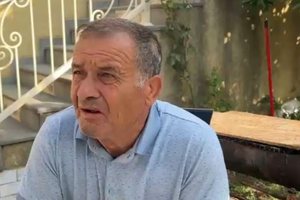
A serious incident occurred in Fier where citizen RB, 35 y...

By noon, cloudiness is expected to prevail in almost all o...

Children without parental care, for whom alternative famil...

On Thursday, our country will be under the influence of st...
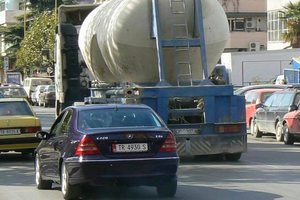
A serious accident that occurred this Wednesday with the c...
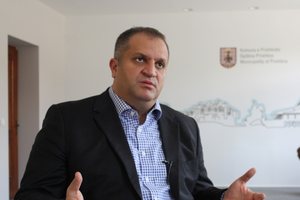
The Basic Court in Pristina found the former mayor of Pris...

The European Union Office in Kosovo has called on all poli...
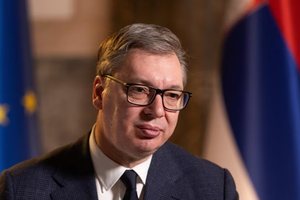
Serbian President Aleksandar Vučić, at a press conference ...
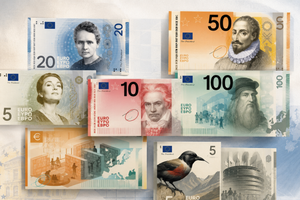
For the first time since the launch of the euro, European ...

At a time when industrial products are increasingly taking...

Trust among people is not just a three-syllable word. It c...

Master of humor Todi Llupi has passed away at the age of 7...

The ninth edition of "MIK Festival" kicked off with one of...
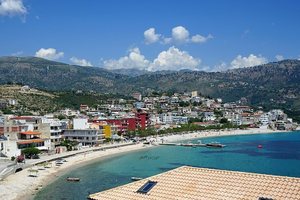
The number of active enterprises in Albania continued to g...
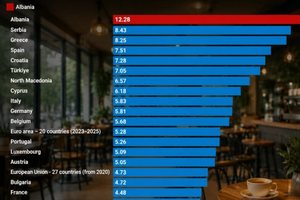
In Albania, the bar-cafe has long become an almost unique ...

This Friday, one US dollar is bought for 81.7 lek and sold...

The average sale price of apartments in Tirana reaches rec...