

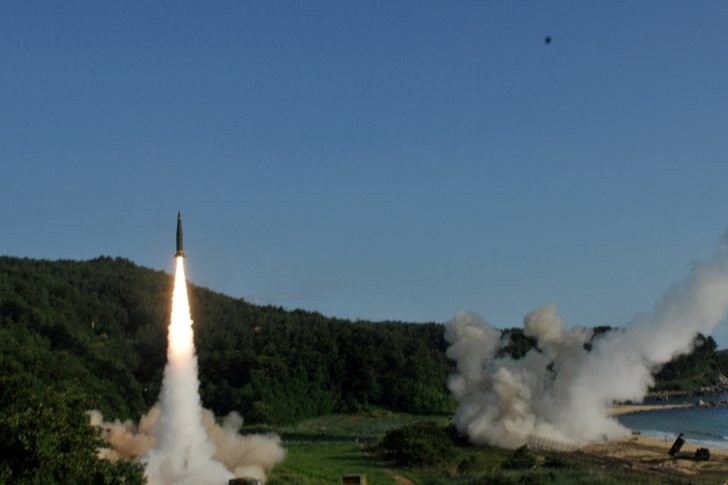
The strategic advantage of American long-range missiles
The United States decided to allow Ukraine to use long-ran...


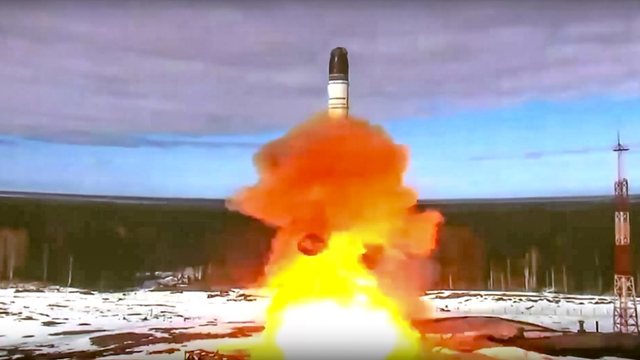
Russian President Vladimir Putin officially lowered the threshold for Russia's use of nuclear weapons. This decision follows US President Joe Biden's decision to allow Ukraine to strike targets inside Russian territory with US long-range missiles.
The decision allows for a possible nuclear response by Moscow even to a conventional attack on Russia by any state that is backed by a nuclear power.
Russia's Defense Ministry said Ukraine fired six US-made ATACMS missiles on Tuesday at a military facility in Russia's Bryansk region, near the border with Ukraine. The Russian ministry added that Russian air defense shot down five of them and damaged another.
Although the doctrine envisages a possible nuclear response by Russia to such a conventional attack, its wording is too broad to obligate the use of nuclear weapons and allows President Putin to keep the options open.
The document's approval shows the Russian president's willingness to use his nuclear arsenal to force the West to back down as Moscow continues its slow-moving offensive in Ukraine. The war in Ukraine started 1000 days ago.
Asked on Tuesday whether a Ukrainian attack by US long-range missiles could trigger a nuclear response, Kremlin spokesman Dmitry Peskov answered in the affirmative. He cited the provision of the doctrine that keeps the door open for this in response to an attack that threatens "the sovereignty and territorial integrity of Russia and its ally, Belarus."
Commenting on whether the new doctrine was deliberately published after President Biden's decision, Mr. Peskov said that the document was published "at the right time." He added that President Putin instructed the government to change the doctrine earlier this year in order to be "in line with the current situation".
President Putin first announced changes to the nuclear doctrine in September. He has previously warned the United States and its NATO allies that allowing Ukraine to use Western-supplied long-range weapons to strike Russian territory would mean Russia and NATO are at war. .
Washington allowed Ukraine to use long-range weapons to strike targets inside Russia after thousands of North Korean troops were deployed in Russia's Kursk region to fight Ukrainian forces.
British Prime Minister Keir Starmer condemned the revised nuclear doctrine as "the latest example of irresponsibility" by "the depraved Russian government," according to spokeswoman Camilla Marshall.
"Russia is the one that continues to escalate this war and the use of North Korean troops is just one example of that," Ms Marshall said. “He can withdraw his troops, return the tanks to Russia, and end the aggression and unnecessary bloodshed in both Ukraine and Russia. … We urge him to do so.”
The updated doctrine states that an attack against Russia by a non-nuclear power with the "participation or support of a nuclear power" would be seen as their "joint attack on the Russian Federation".
The doctrine says that any massive air strike on Russia could prompt a nuclear response, but avoids making that decision necessary.
The document also states that aggression against Russia by a member country of a military bloc is seen as "aggression from the entire bloc", a clear reference to NATO.
The new doctrine, however, provides more detail, compared to previous versions, about the conditions that must be met for the use of nuclear weapons. It notes that nuclear weapons could be used in the event of a massive air strike involving ballistic missiles launched from ships, planes, drones and other aircraft.
The wording appears to significantly expand the list of triggers for the possible use of nuclear weapons compared to the previous version of the document. The previous version said that Russia could use its nuclear arsenal in the event of a ballistic missile attack.
President Alexander Lukashenko, who has ruled Belarus for over 30 years and has relied on Russian subsidies and support, has allowed Russia to use his country's territory to send troops to Ukraine and to deploy some of Russia's nuclear weapons.
Since President Putin sent troops to Ukraine, he and other Russian officials and analysts have frequently threatened the West with Russia's nuclear arsenal to discourage it from increasing support for Kiev.
For months, Russia had raised demands to strengthen the doctrine, arguing that the previous version failed to deter the West from increasing aid to Ukraine, and created the impression that Moscow would not use nuclear weapons./ VOA

The United States decided to allow Ukraine to use long-ran...
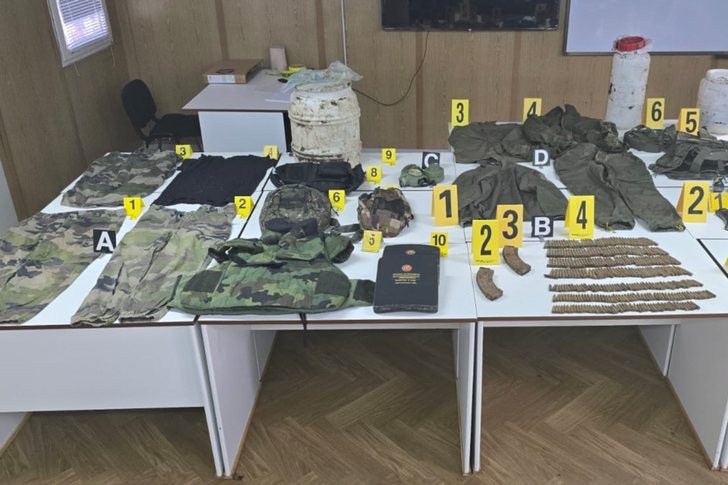
The Kosovo Police announced that on Tuesday they conducted...
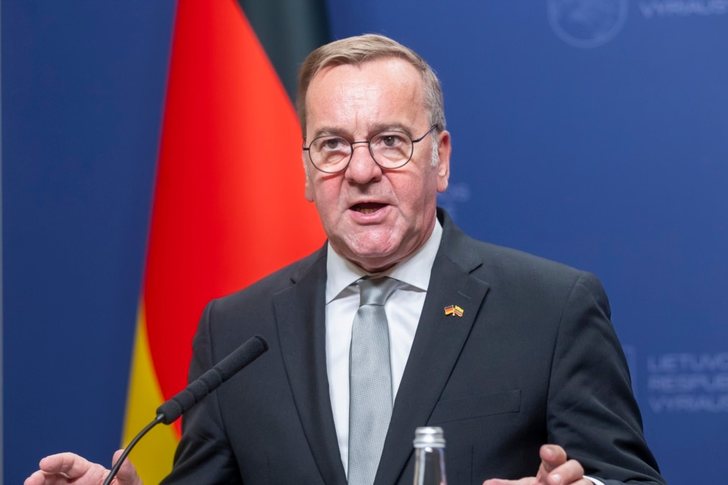
Germany says two communication cables under the Baltic Sea...
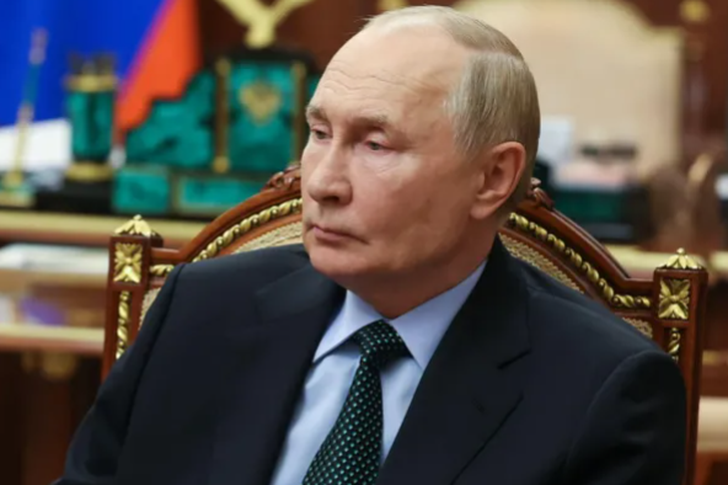
Russian President Vladimir Putin has approved changes to R...

The project for the digitization of the fiscal system in K...
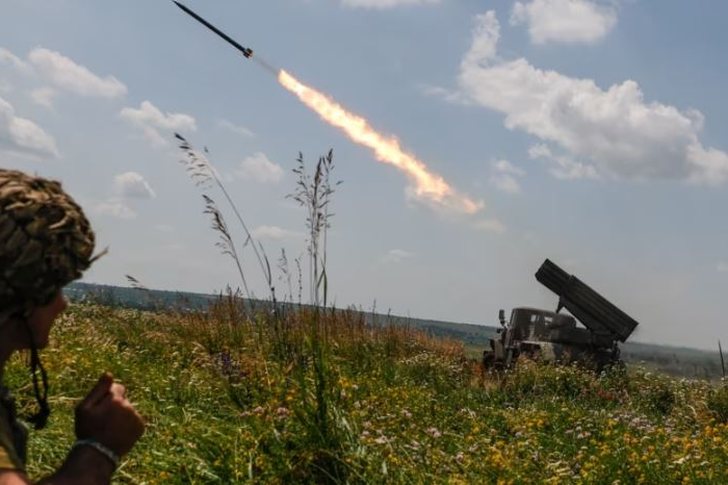
Russia has stated that Ukraine has launched long-range mis...

Russian President Vladimir Putin on Tuesday approved an up...
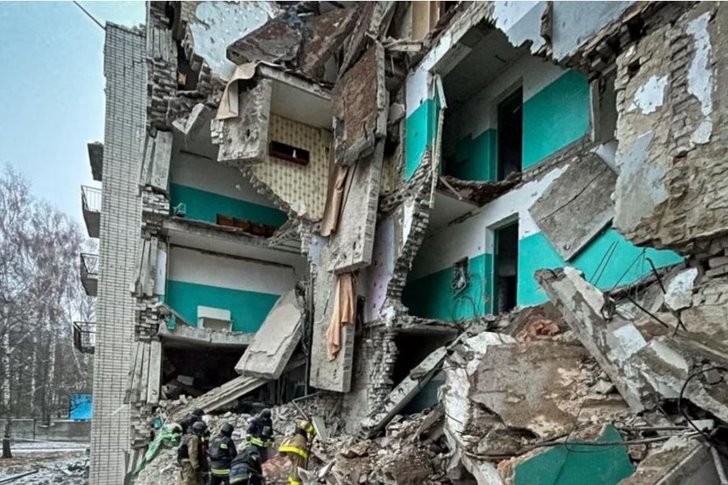
Seven people, including a child, have been killed in an ov...
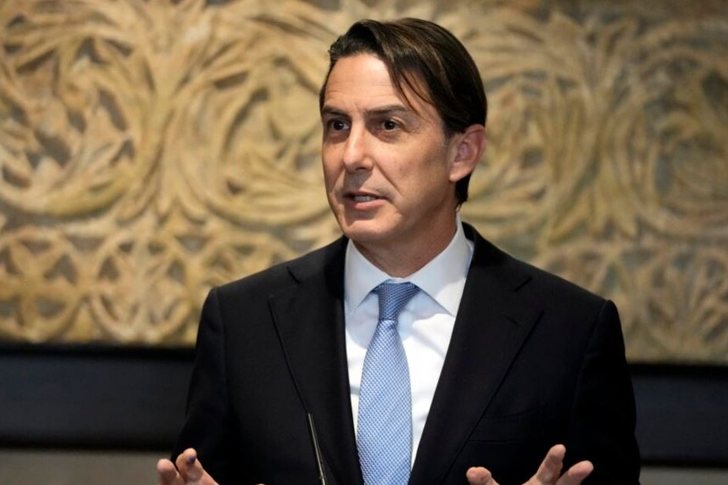
United States envoy Amos Hochstein arrived in Beirut on Tu...
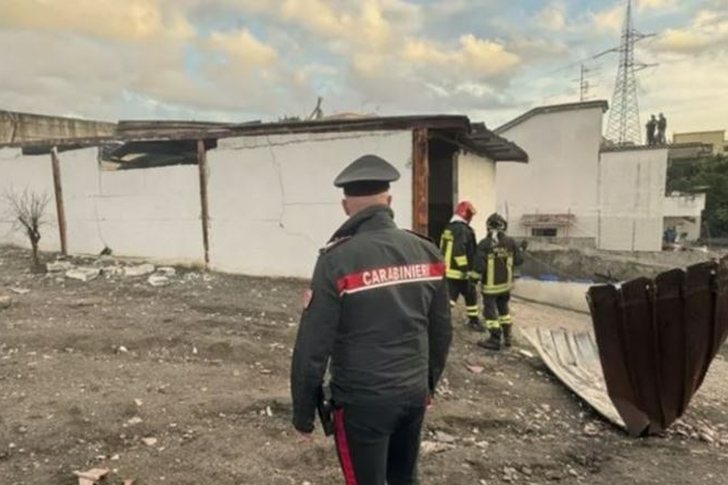
A serious event happened yesterday in Naples, Italy, where...
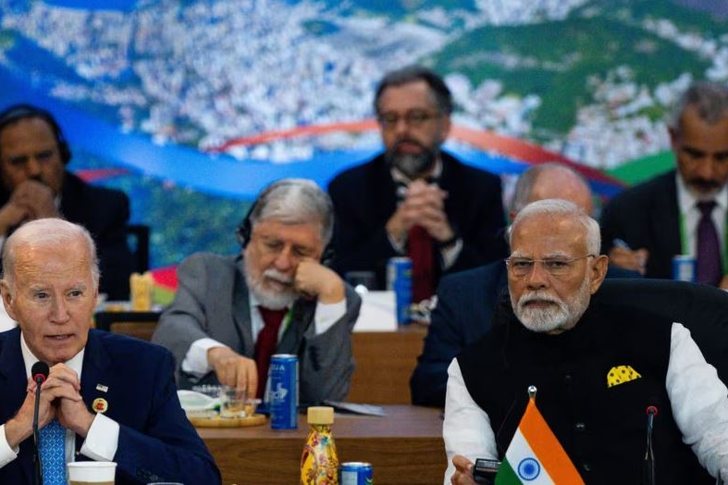
With only two months left in President Joe Biden's term, t...
Iran considers that the European Union (EU) and Great Brit...
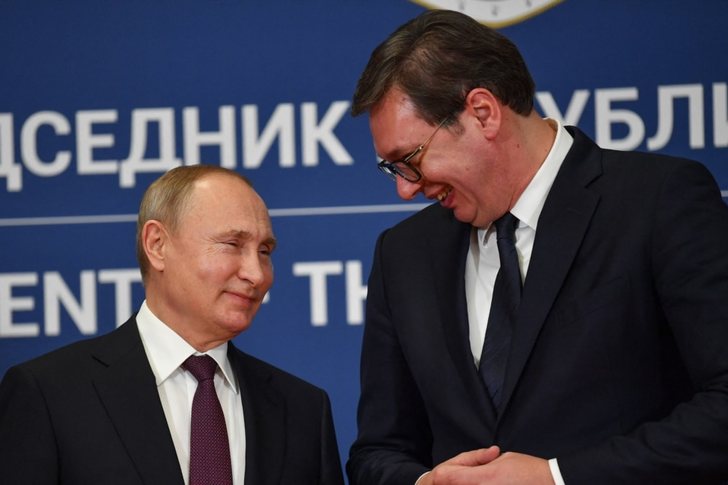
Russian President Vladimir Putin has invited Serbian P...
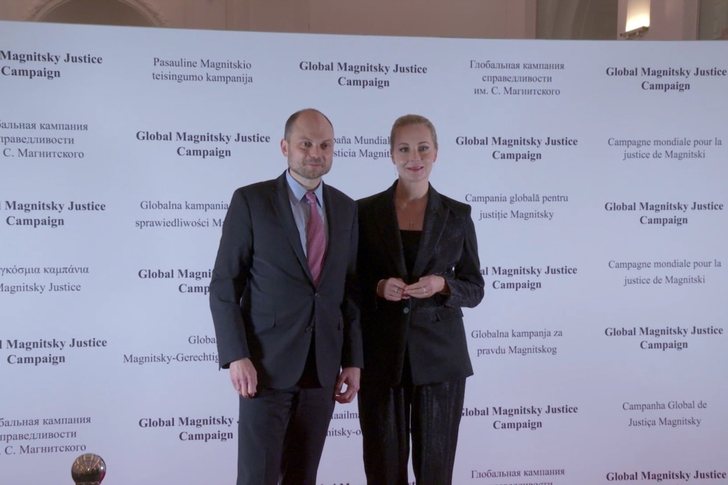
Since 2015, human rights activists in Russia have gathered...
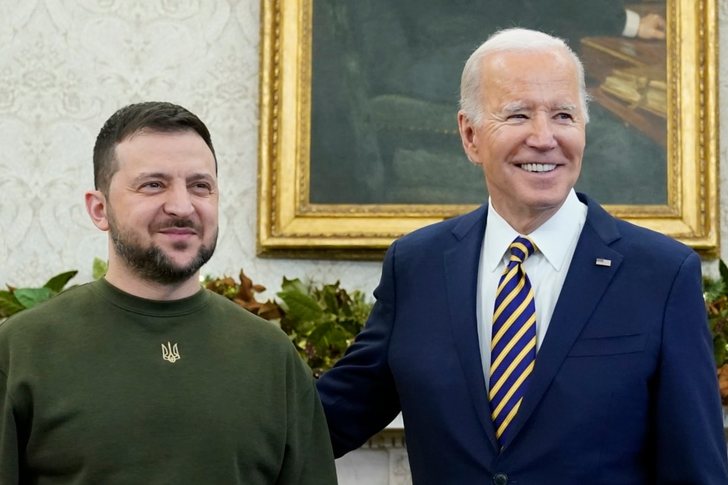
President Joe Biden's administration has lifted restrictio...
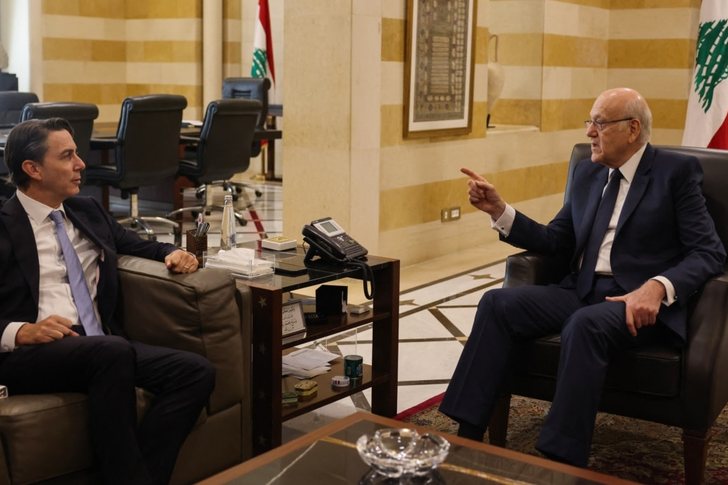
Lebanese sources announced that US envoy Amos Hochstein wi...
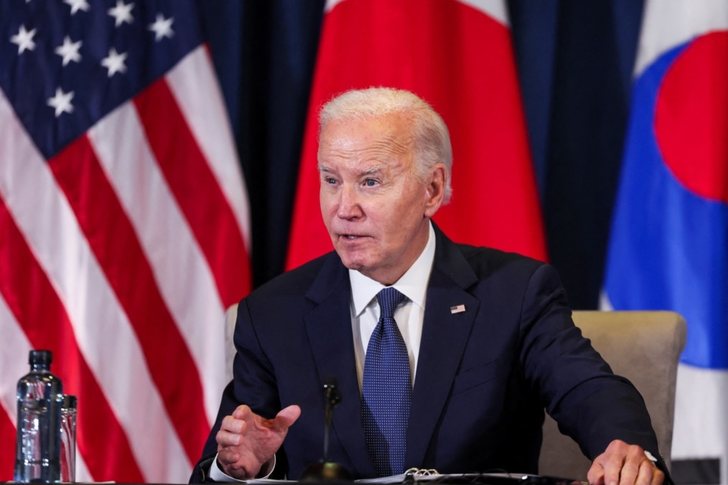
The US President, Joe Biden, has again mentioned the US Go...
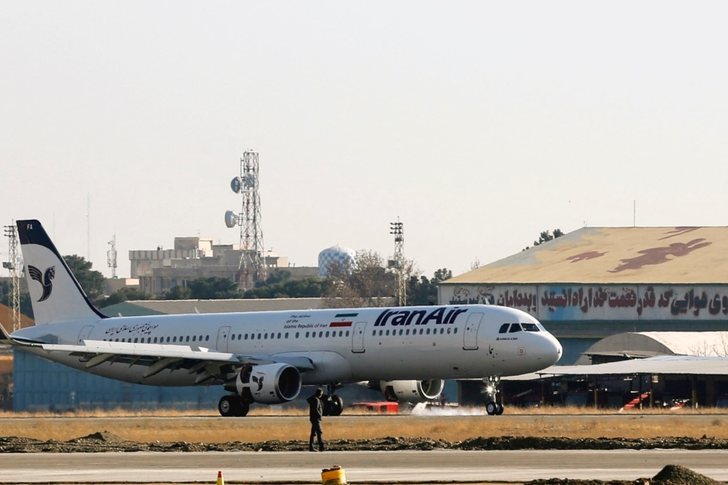
Britain imposed sanctions on Iran's state air agency and s...
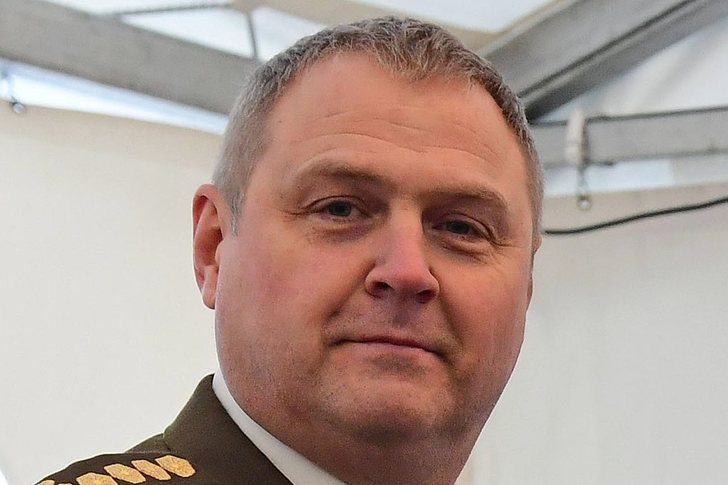
The Estonian MEP from the European People's Party (EPP...

A new package of security measures tightens rules on carry...

CNA has launched another investigation that could lead to ...

Irfan Hysenbelliu is a businessman that we call "Irfan the...

In March 2026, CNA launched another investigation centered...
The arrested mayor of Tirana, Erion Veliaj, with 13 charge...

The Special Board of Appeal (KPA) decided this Monday ...

The KPA vetting decided this Thursday to dismiss the p...

Suela Salavaçi, a prosecutor in the Prosecutor's Offic...

The Special Board of Appeal reinstated the prosecutor ...

A road accident occurred this evening on Nikolla Zoraqi St...
Three people were shot and wounded in Elbasan last night b...

A serious incident occurred this Tuesday in the Yrshek are...

An accident occurred this Tuesday on "Dituria" street in K...

This Wednesday, our country will be under the influence of...

All of Southern Europe will face changing weather conditio...
Albania was hit by temperatures significantly higher than ...

For the first time, Pogradec welcomed the Inter-Lake Chess...

Prime Minister Andy Burnham has announced that most bus fa...

France's parliament has passed a law to ban social media f...

US Secretary of State Marco Rubio arrived in Manila on Jul...
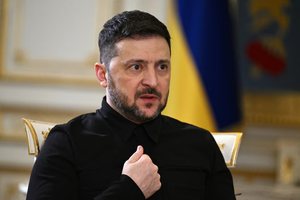
In the space of a few days, Ukrainian President Volodymyr ...

At a time when industrial products are increasingly taking...

Trust among people is not just a three-syllable word. It c...

Master of humor Todi Llupi has passed away at the age of 7...

The ninth edition of "MIK Festival" kicked off with one of...

Businesses will no longer be required to simply register t...

Despite economic growth and income in recent years, Albani...

This Wednesday, one US dollar is bought for 81.4 lek and s...

Construction company licenses will have a validity period ...