

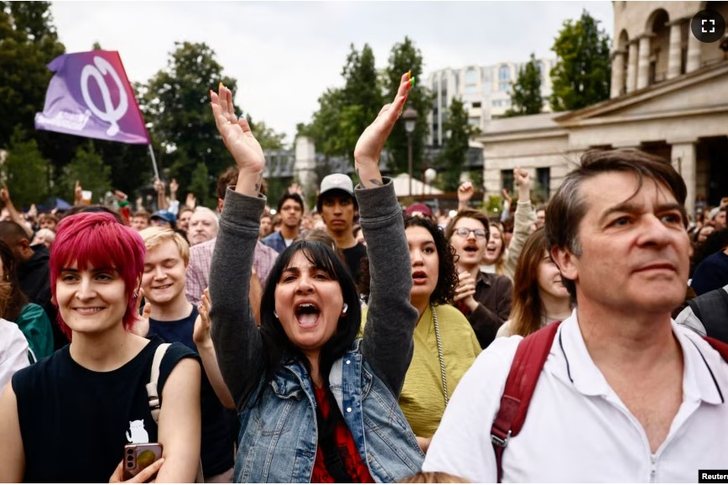
The leftist coalition leads the elections in France, according to initial forecasts
A broad leftist coalition is heading into a tight race...


NATO allies gather in Washington for a high-level meeting from July 9 to 11. The prospect of the return to power of Donald Trump, the biggest critic of the military alliance, is dominating the discussion among the allies.
NATO - made up of 32 European and North American countries committed to defending each other from armed attack - will emphasize strength through solidarity as it celebrates the 75th anniversary of its founding during a meeting starting on Tuesday.
Joe Biden, who came out to draw allies into a global network to help Ukraine fight Russian aggression, has called the alliance more unified than ever.
But behind the scenes, a dominant theme will be preparing for a possible split amid a rise in far-right parties unfriendly to NATO, both in the US and elsewhere, including France. This has raised concerns about how strong support for the alliance will be and the military aid that NATO member countries send to Ukraine.
During the first presidential debate, Mr. Biden asked Mr. Trump whether he would stay in NATO or withdraw from it. Mr. Trump's response was with gestures that created ambiguity or indifference.
President Biden's poor performance during the debate caused many concerns and questions about whether the 81-year-old is fit for office or should withdraw from the presidential race.
Even before the debate, European governments have been in constant consultation about what they can do to ensure that Nato, Western support for Ukraine and the security of each individual member of the alliance survives, even if Mr Trump wins the November election.
Discussions are also underway for a potential reduction in the American contribution to the alliance.
Some Americans and Europeans have called the effort "a Trump-impenetrable NATO" or "from the future" when it comes to the influence on the alliance of a rise in other far-right political blocs in Europe.
This week's meeting, held in the city where the mutual defense alliance was founded in 1949, was expected to be a celebration of NATO's resilience. Already, said one European official, that outlook looks "bleak."
And there are two reasons for this: Russia's advance on the battlefield in the months when Republicans in Congress, allies of Mr. Trump, delayed the release of US arms and funding to Ukraine, and the possibility of far-right governments coming to power, not friendly with NATO.
The official spoke to reporters last week on condition of anonymity.
Rachel Rizzo, a senior fellow at the non-partisan Atlantic Council institute, gives a clear message to Europeans: "fear of a second Trump term doesn't help anyone."
For allies at the meeting, she said, the key will be to resist the temptation to dwell on the details of unprecedented events in US policy and to bow their heads over preparations for Western military aid to Ukraine or a reduction of US support.
Mr. Trump, who both before and after his presidency has spoken admiringly of Russian President Vladimir Putin and harshly about NATO, often focuses his complaints on the alliance's costs and what the U.S. pays.
The collapse of the Soviet Union in 1991 led the West to believe that the Russian threat had been neutralized, leading to cuts in military spending. NATO allies are already bracing their troops against any wider aggression by Mr. Putin, and a record number of NATO countries, 23, are meeting defense spending targets.
Mr. Trump's former national security adviser, John Bolton, said that the former president, in a second term, would work to get the US out of NATO. Congress passed a law last year making this more difficult, but a president can simply stop cooperation with some or all NATO missions.
The French election also looks set to bring more power to the anti-NATO far-right party led by Marine Le Pen. Far-right forces are gaining ground in Germany as well.
Some European officials and analysts say this is simply indicative of a decline in voter loyalty to democracy, which NATO has faced before.
They cite Poland as an example, where a right-wing party lost power last year and its supporters had been among the staunchest supporters of NATO. They also point to the case of Italy, where right-wing populist Prime Minister Giorgia Meloni has won praise as an ally.
Europeans say they want to "institutionalize" support for Ukraine within NATO, reducing dependence on the US.
European allies also failed to get enough weapons to Ukraine during the delay in a US foreign aid package, outgoing NATO Secretary General Jens Stoltenberg admitted on a visit to Washington last month.
This is "one of the reasons why I believe we should have a stronger role in NATO", Mr Stoltenberg told reporters.
One initiative likely to be supported at the meeting is for NATO to take more responsibility for coordinating training and military and financial assistance to Ukrainian forces, rather than the US. Europeans are also talking about giving Ukrainians a greater presence within NATO bodies, although there is no consensus yet for Ukraine to join the alliance.
Europeans say NATO countries are coordinating statements on Ukraine to make clear, for example, that further escalation by Russia would face sanctions and other strong Western punishment, even if the U.S. under a new Trump administration, they would not act.
Officials of Mr. Trump's campaign did not immediately respond to an email for comment.
The prospect of a less dependent U.S. partner under Mr. Trump as president is fueling discussions about a greater European role in NATO's nuclear deterrence program, according to the Washington-based Center for Security Studies. Poland. The US currently plays a decisive role in the nuclear weapons deployed in Europe.
But European countries and Canada, with their smaller military budgets and economies, are years away from filling any major NATO gap the US could create.
"If an American president comes into office and says: we are done with these (NATO), there will definitely be a will in Europe to fulfill the American role," said John Deni, a senior security fellow at the Atlantic Council. "The British would take it over."
But "even they will admit that they don't have the capacity or the ability and they can't do it at the speed and scale that the US can," he adds.
"The concept that we are making NATO impenetrable by Trump or future developments, I think this is mostly a fantasy"./VOA

A broad leftist coalition is heading into a tight race...
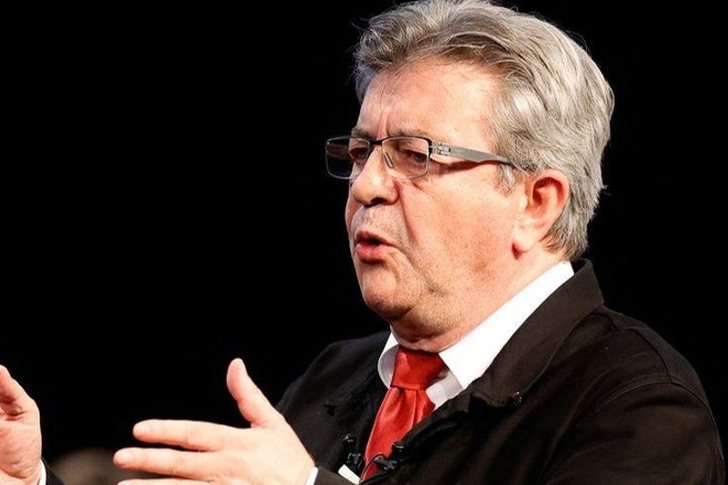
'The New Poullor Front is ready to govern'. We have ac...
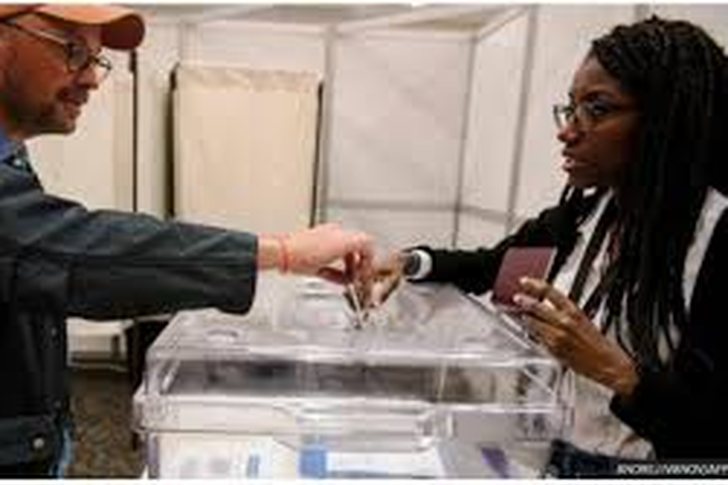
The publication of the first results from foreign medi...
It is learned that in the afternoon, Greece was hit by...

Five days after accepting a key part of the US plan to...
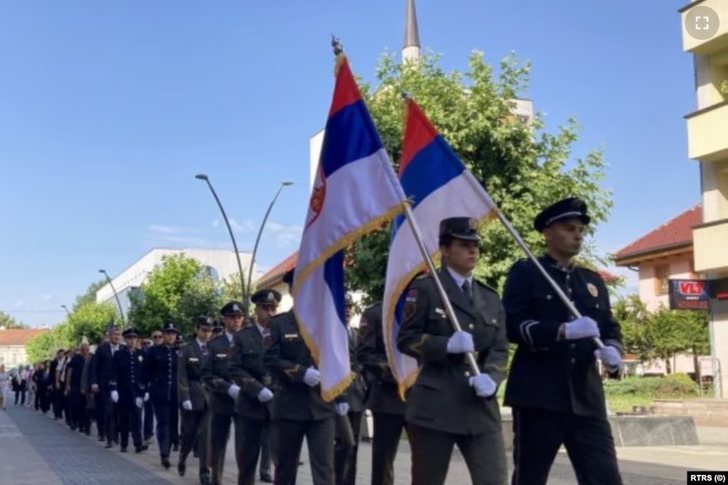
Members of the Serbian Armed Forces marched in a cerem...
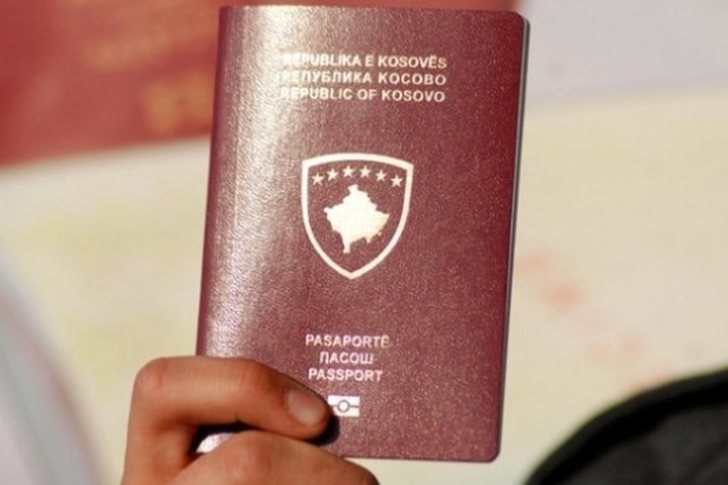
Over 7,000 Serbian citizens from the four northern mun...
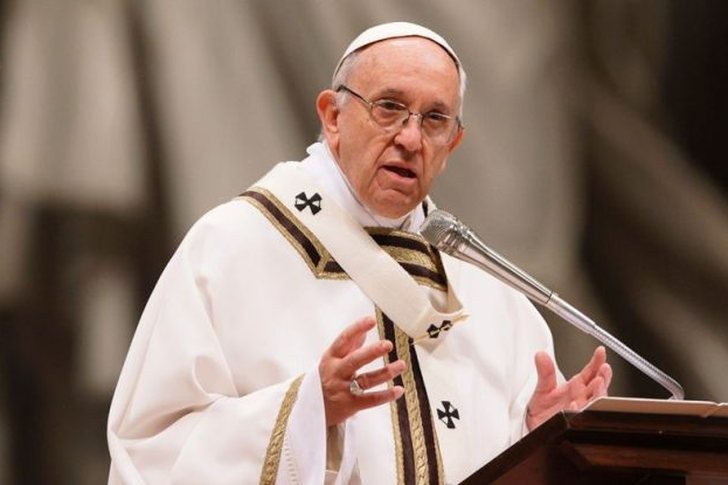
Democracy is not in good shape, Pope Francis said Sund...
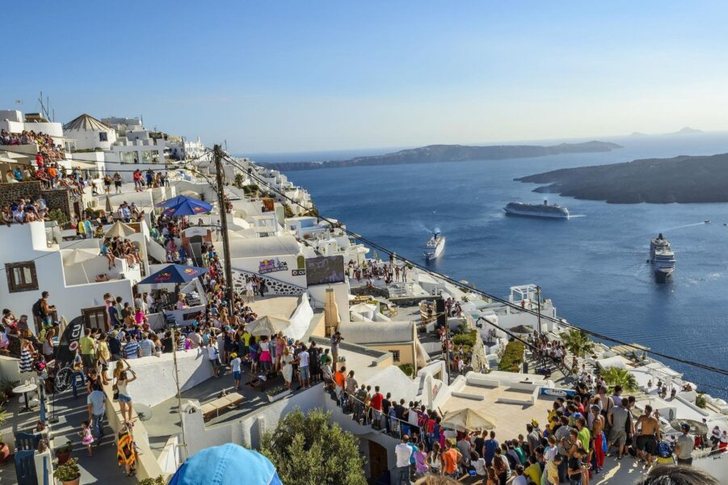
Drought has hit some of Greece's most popular destinat...
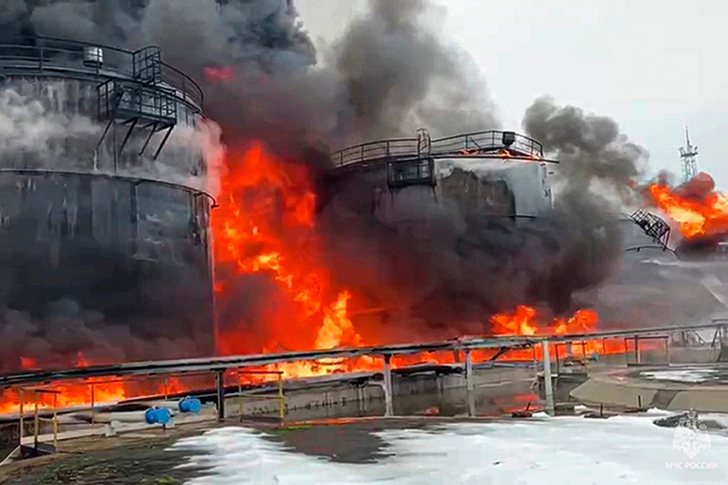
A state of emergency has been declared in parts of Rus...
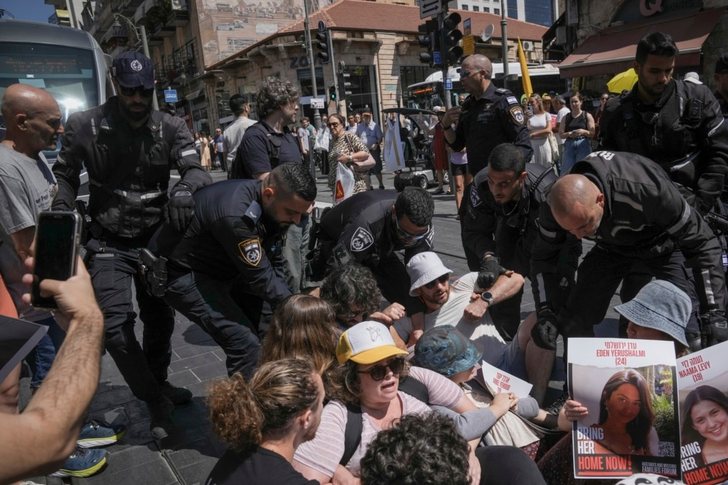
Israeli protesters blocked highways across the country on ...
The European Union (EU) has said that it is ready to e...
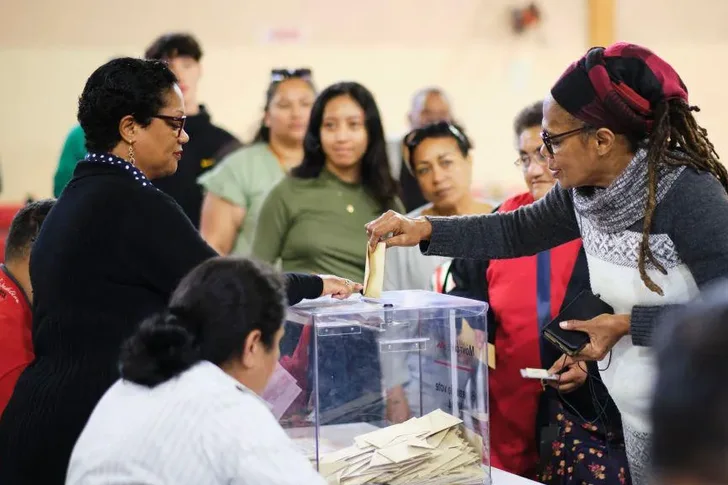
The French go to the polls again this Sunday for the s...
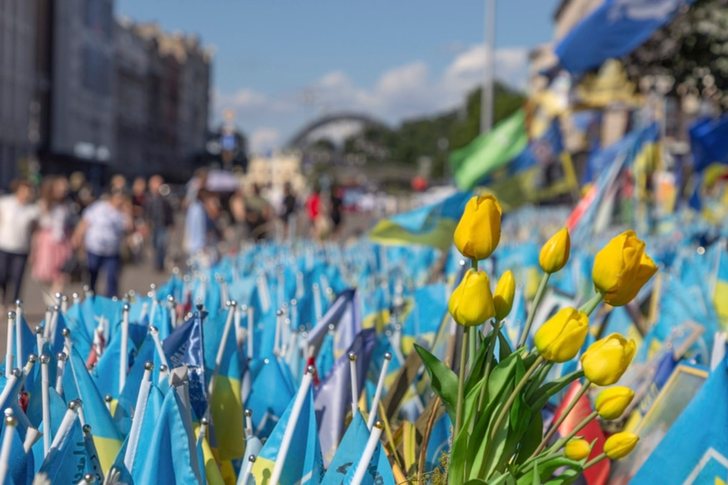
Russia carried out drone strikes across Ukraine overni...
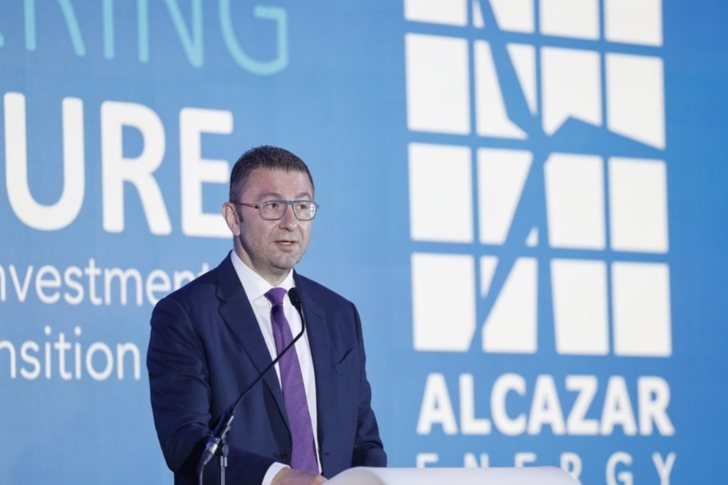
The Prime Minister of North Macedonia, Hristijan Micko...
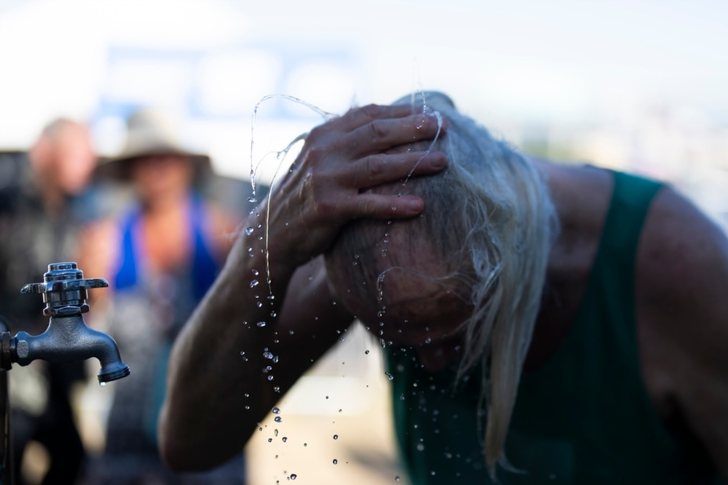
A slow-moving heat wave, accompanied by potentially re...
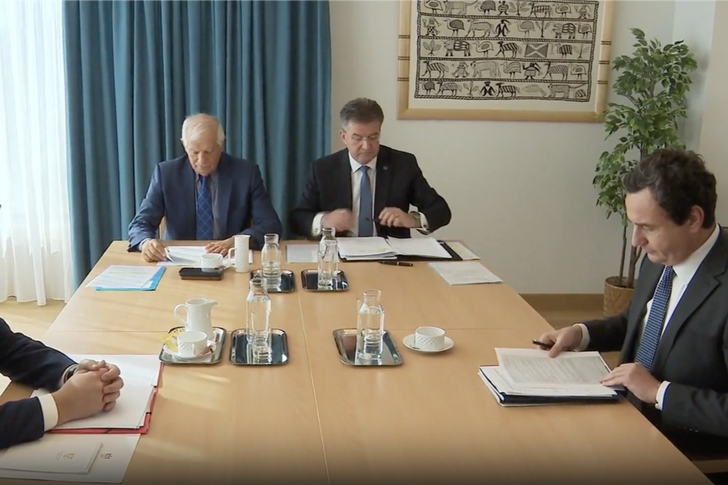
The representatives of Kosovo and Serbia are expected to s...
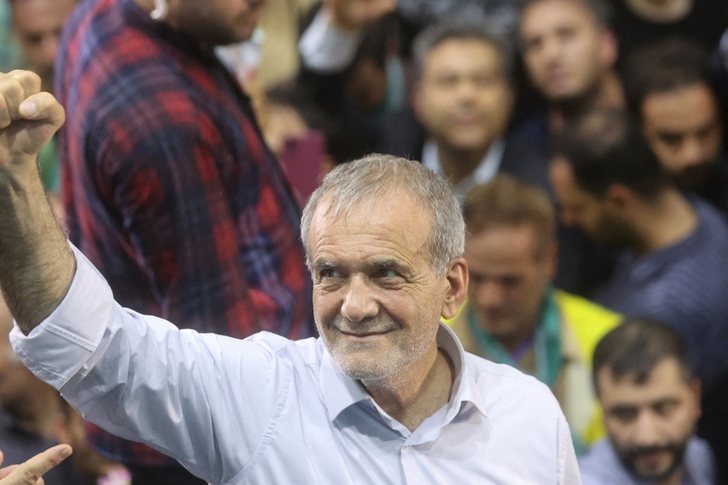
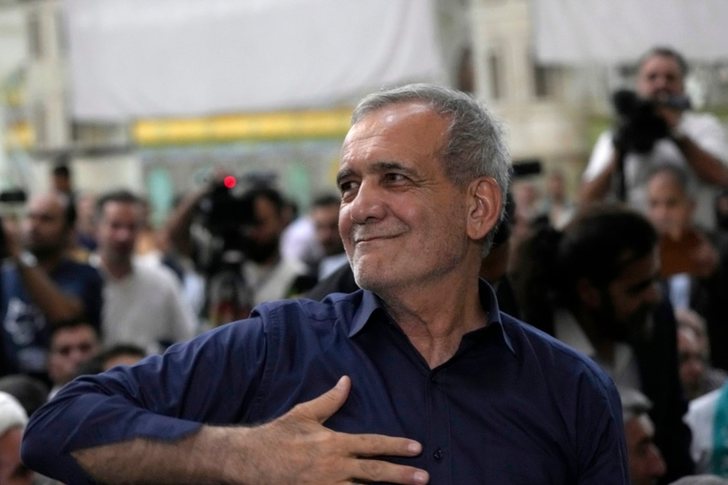
Moderate reformist Masoud Pezeshkian, who won Iran's p...
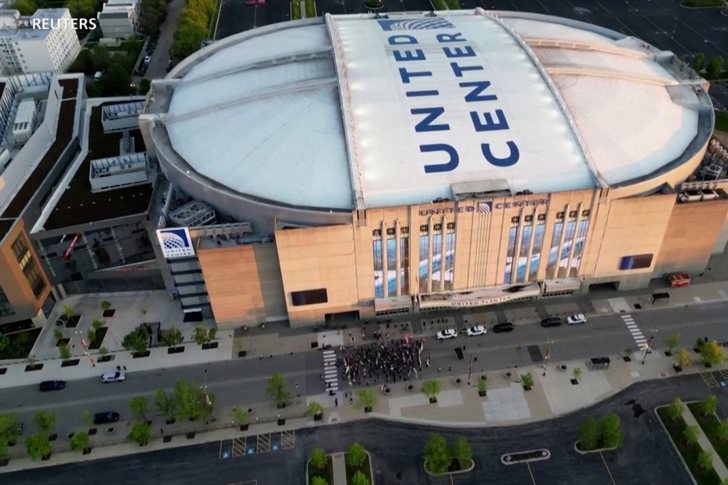
In a few weeks, the Democratic National Convention wil...
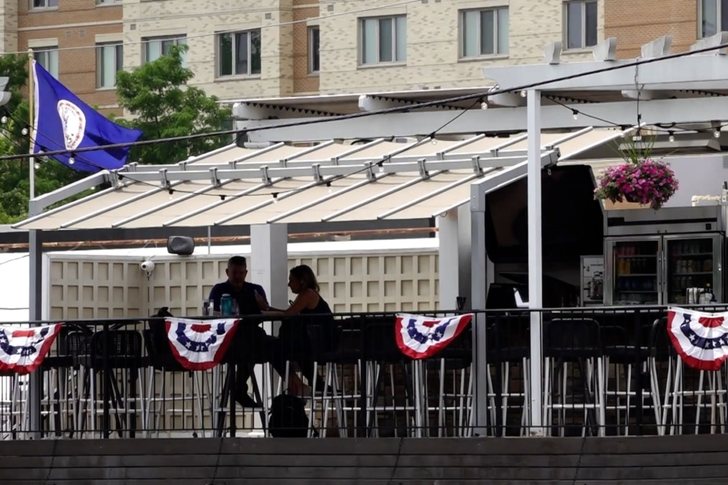
With only four months away from the presidential elect...
SPAK's standards, the way it investigates, how it secures ...

Irfan Hysenbelliu claims to be a big businessman, an hones...

The murder of officer Enea Mekolli in the line of duty has...

The next case broadcast on the show "Stop", this Thursday,...

The Special Board of Appeal (KPA) decided this Monday ...

The KPA vetting decided this Thursday to dismiss the p...

Suela Salavaçi, a prosecutor in the Prosecutor's Offic...

The Special Board of Appeal reinstated the prosecutor ...

Another gunshot wound occurred at the scene. According to...

A gunshot wound occurred this afternoon in Shijak. Accordi...
The Border Police blocked the vessel and fined the driver ...
A police operation codenamed "Zonet" has ended with the se...

More than 860 million people fall ill and 1.5 million die ...
The mother of Violand Braçellari, the perpetrator of the s...

The modern European traveler seeks a meaningful connection...

This Sunday, weather conditions are forecast to be clear a...
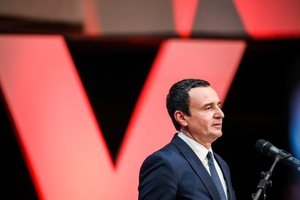
The Vetëvendosje movement has declared victory in the snap...
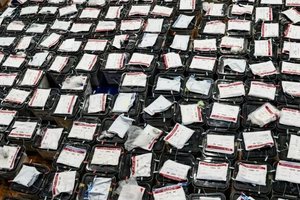
The counting of votes for political entities in Kosovo is ...

Kosovo's acting Prime Minister, Albin Kurti, has reacted a...

The counting of votes for political entities in Kosovo has...

Korça has transformed this weekend into the capital of cel...

Korça is ready to open the summer season with one of the c...

Two years after his passing, the renowned Korçë poet Skënd...

The Ethnographic Museum of Berat has opened its doors to v...
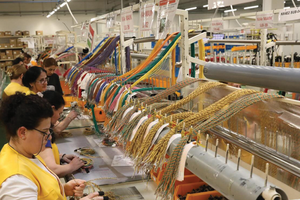
The automotive industry in Albania is currently at a turni...
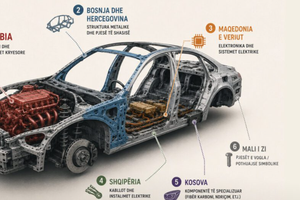
If you were to follow the industrial map of the Western Ba...

The Transparency Board, in today's meeting, decided to red...

This Saturday, one US dollar is bought for 81.4 lek and so...