

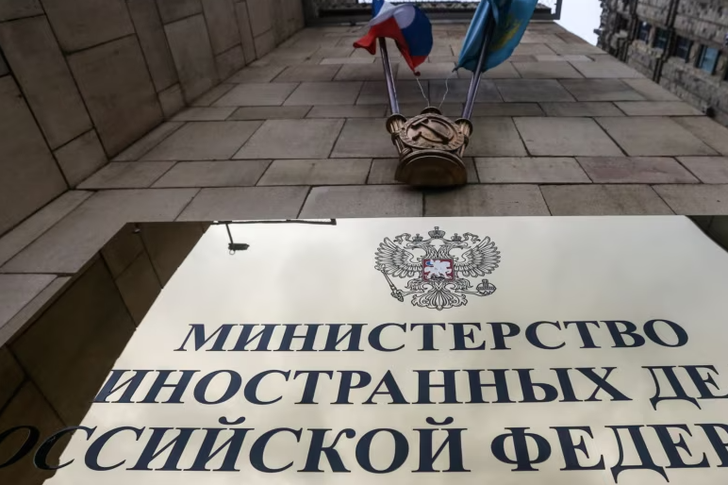
Russia adds 92 American citizens to the list of sanctions
Russia's Foreign Ministry said on August 28 that it has ad...


The latest wave of attempts at cease-fire talks in Gaza, with positions and appeals now recognized around the world, overshadows a bitter truth about the months-long effort to end the Israel-Hamas war and free the hostages. .
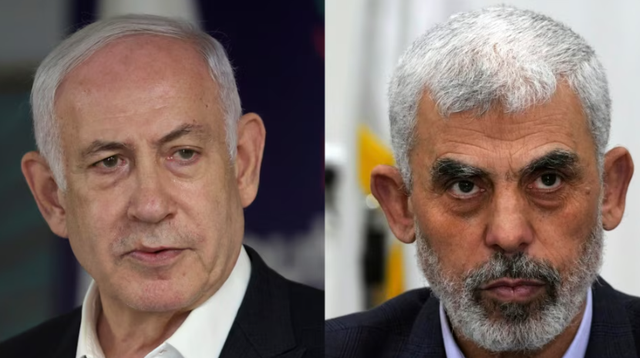
The agreement will require the signatures of two people: Israeli Prime Minister Benjamin Netanyahu and Hamas leader Yahya Sinwar.
They are sworn enemies, tough negotiators and know that the outcome of the talks will determine their legacy. In the case of Yahya Sinwari, it could be a matter of life or death.
Both have strong incentives to end the war. But they may also feel that they will win by waiting a little longer and that war is preferable to a deal that does not meet their demands.
Next let's take a look at the positions of the two leaders and the limitations they face.
Prime Minister Netanyahu has promised "total victory" over Hamas and the return of all hostages being held in Gaza - goals that many believe are incompatible with each other.
He has been under tremendous pressure from the families of the hostages and much of the Israeli public to reach a deal to bring them home, even if it allows the continued existence of the already badly damaged Hamas. Even the United States, which has provided significant military aid and diplomatic support to Israel, is pressing for such an agreement.
But Mr Netanyahu's ruling coalition is backed by far-right ministers who want to retake Gaza permanently and have threatened to topple the government if he makes too many concessions. This would trigger early elections that could remove him from power, while a corruption trial continues against him.
It would also prompt a wider assessment of the security failures of the October 7 attack, during which Hamas-led militants killed around 1,200 people in southern Israel, mostly civilians, and kidnapped around 250 others - while the country was governed by Mr. Netanyahu. He has rejected calls for a government inquiry until the end of the war.
The longer the war drags on, the more likely it is that Israel will achieve something that looks like victory – such as the killing of Yahya Sinwar, or the rescue of more hostages – and all the more time is given to Prime Minister Netanyahu to repair his political positions and shape his legacy. But it also comes with risks, as the number of soldiers killed in combat rises almost daily and Israel is increasingly isolated by the suffering it has caused the Palestinians.
Prime Minister Netanyahu disagreed with his defense minister over ending military operations. Numerous articles appear in Israeli media citing unnamed senior security officials expressing frustration with Prime Minister Netanyahu, particularly his demand for continued control over the two strategic corridors in Gaza. Some have gone so far as to accuse him of sabotaging the talks.
Israel and Hamas say they have accepted in principle different versions of a cease-fire proposal backed by the United States, suggesting changes and accusing the other of unacceptable demands.
Yohanan Plesner, head of the Israel Democracy Institute, acknowledged the existence of anger toward Prime Minister Netanyahu in the local press and segments of Israeli society, but said Yahya Sinwari bears most of the blame for the impasse, as he has shown little interest in reach a compromise.
"If we saw that Sinwari was serious about reaching an agreement, it would force Israel and Netanyahu to act with transparency," Mr. Plesner said. The current situation is "almost like negotiating with yourself."
Yahya Sinwari wants to end the war - but only on his own terms.
Israel's military operations have killed over 40,000 people, according to local health officials controlled by Hamas; 90% of Gaza's population has been displaced and its main cities destroyed. Hamas has lost thousands of fighters and much of its militant infrastructure. Yahya Sinwar has about 110 hostages still being held in Gaza, about a third of whom are believed to be dead, to use in negotiations. And he needs much more than a temporary pause in the fighting if he hopes to achieve anything resembling victory from the October 7 attack he helped orchestrate.
He needs assurances that Israel will not restart the war after some or all of the hostages are released. He also needs Israel to withdraw from all of Gaza, to ensure that the long-term consequence of the October 7 attack is not a permanent reoccupation of the territory. The release of high-profile Palestinian prisoners as part of a possible deal is a holy cause for Yahya Sinwari, who was himself imprisoned and released in a swap. And he needs assurances that Palestinians will be able to return to their homes and rebuild them.
"Sinwari is very interested in completing the negotiations, whether it's about a ceasefire or a prisoner exchange, because in both cases, Sinwari will emerge as the winner," said Nabih Awada, a Lebanese political analyst and former militant who spent years in an Israeli prison alongside Yahya Sinwari.
Extending the talks also carries risks: More hostages are likely to die or be rescued as the fighting continues. The death, destruction and hardship in Gaza will continue and may fuel resentment with Hamas among Palestinians, with further political consequences. Yahya Sinwari himself, who is at the top of Israel's most wanted list, could be killed at any time. But given the importance of martyrdom in Hamas's history and ideology, he may feel the outcome is inevitable – and preferable to a deal that might look like defeat.
Egypt and Qatar have served as key mediators with Hamas, but their influence is limited.
Pressure exerted on exiled Hamas leaders is unlikely to have much effect on Yahya Sinwari, who was appointed Hamas's general leader after the assassination of Ismail Haniyeh in Iran. Sinwari is believed to have spent most of the past 10 months in tunnels under Gaza and it is unclear how much contact he has with the outside world.
The United States has provided substantial military support to Israel throughout the conflict and defended it in the face of international calls for a ceasefire. Earlier this year, President Joe Biden intercepted a shipment of hundreds of 900-kilogram shells to pressure Israel not to attack the southern town of Rafah — something Israel did anyway.
Election season politics in the United States may also soften American pressure. President Biden has shown little inclination to pressure Prime Minister Netanyahu, and Vice President Kamala Harris has presented no concrete policy changes. Former President Donald Trump has called on Israel to end military operations, but is likely to put less pressure on Prime Minister Netanyahu, as he did during his presidency.
A US arms embargo is even less likely as Israel faces the risk of an attack by Iran in retaliation for the assassination of Ismail Haniyeh. On the contrary, the United States has increased its military presence in the region, thus easing some of the pressure on Israel.
Yahya Sinwari may have hoped that the killings of Ismail Haniyeh and a senior Hezbollah commander last month would widen the war. But that seems less likely, with Israel and Hezbollah backing down after an intense exchange of fire over the weekend.
Ceasefire talks have continued throughout this period, accompanied by moments of optimism.
Mediators have spent the past few weeks trying to work out an interim proposal with Mr. Netanyahu, but it is still a work in progress. Also, the proposal has not yet been presented to Yahya Sinwari./ Voa

Russia's Foreign Ministry said on August 28 that it has ad...
Russian President Vladimir Putin will launch a counteroffe...
White House officials welcomed the rescue of an Israeli ho...
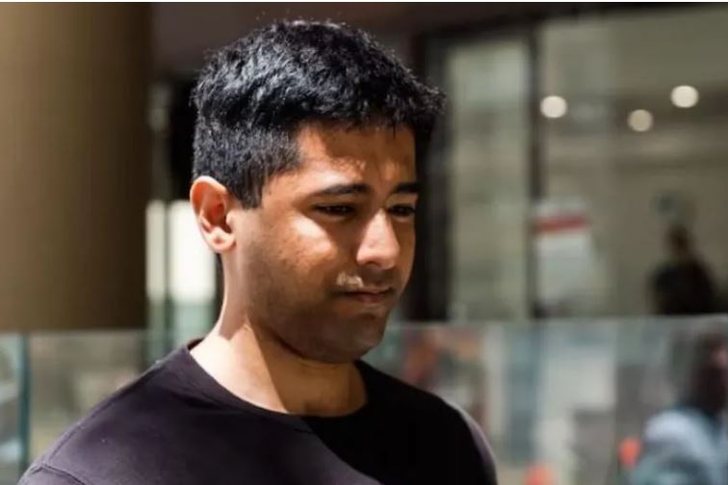
A famous YouTuber who blackmailed hundreds of girls ar...
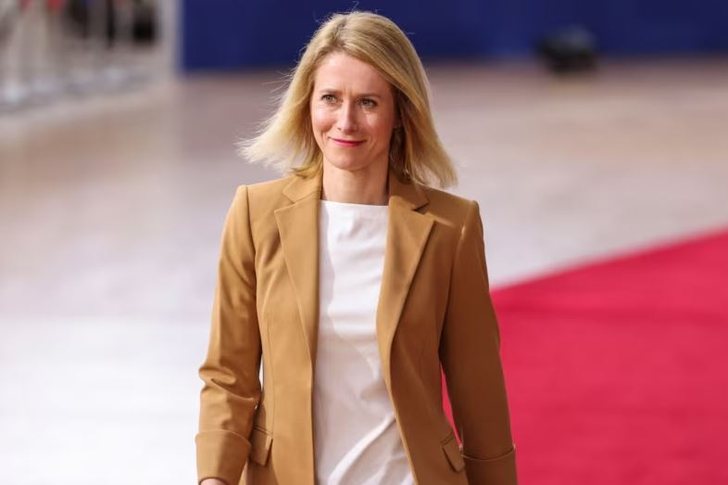
Autumn in Brussels usually kicks into high gear in mid...

After the prevention of the assassination attempt at Taylo...
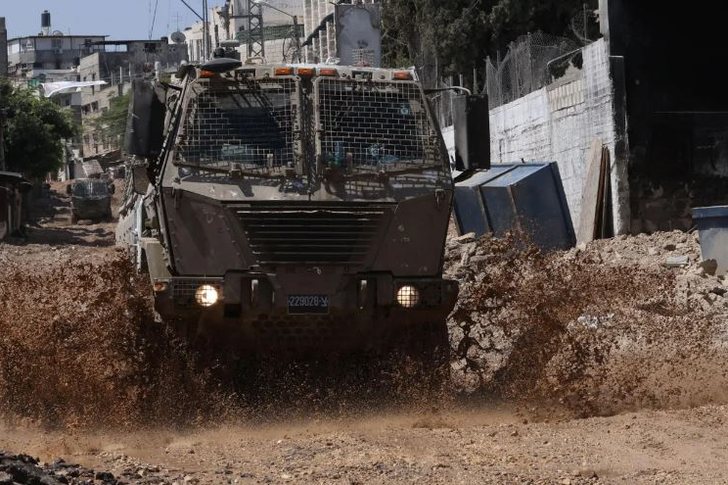
At least 11 Palestinians have been killed by Israeli force...
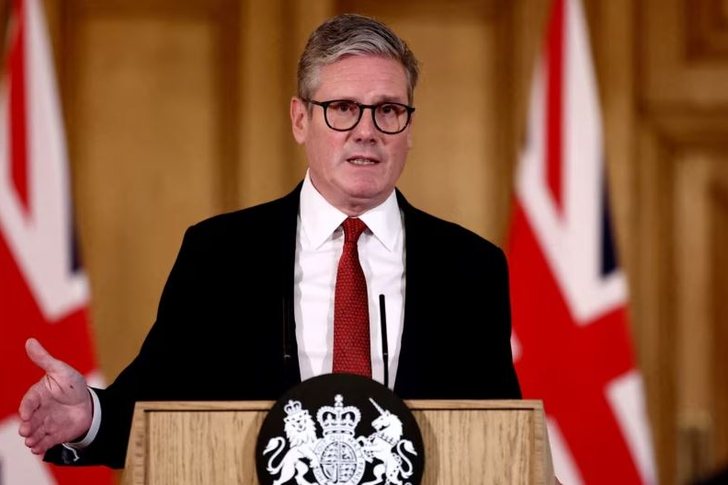
British Prime Minister Keir Starmer will discuss a landmar...
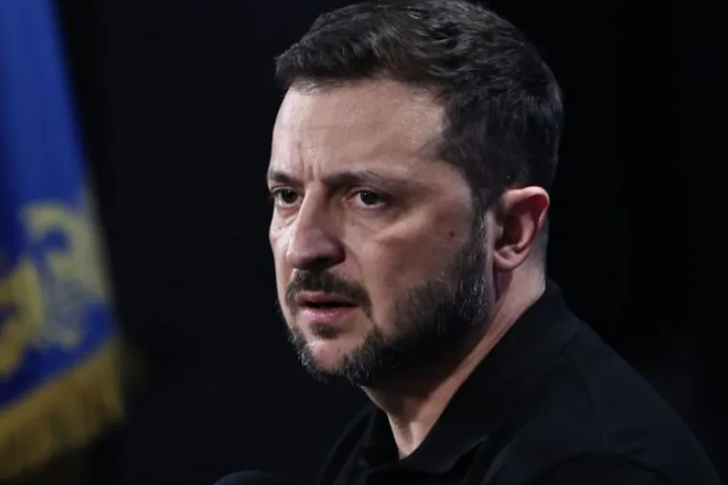
Ukrainian President Volodymyr Zelensky has said his tr...
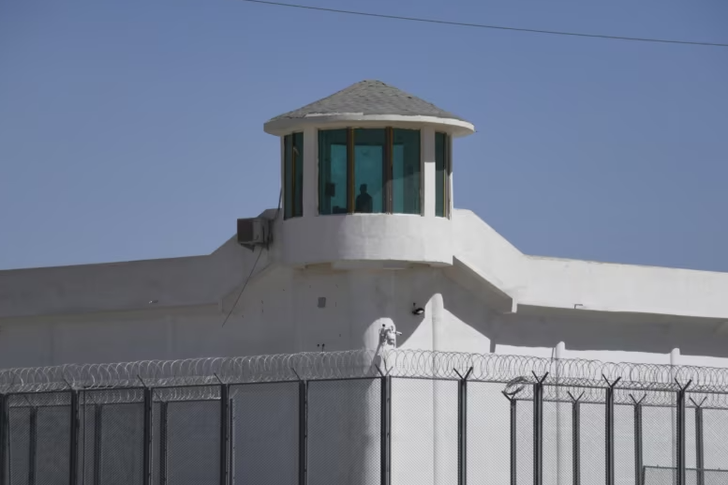
The United Nations Human Rights Office (OHCHR) said China'...
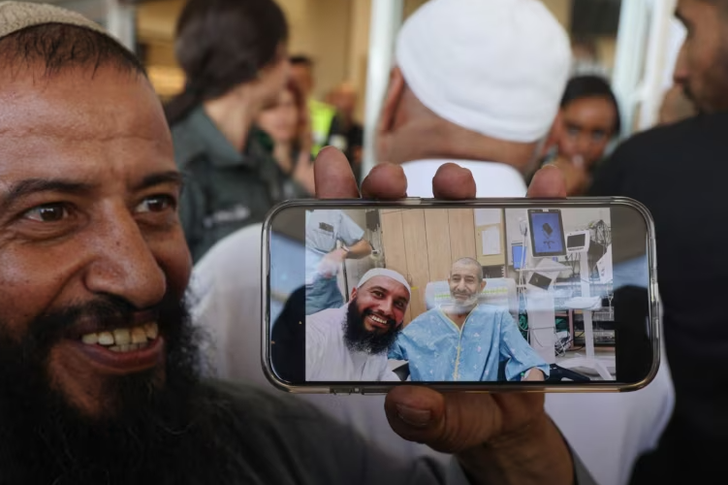
The Israeli military said it has rescued another perso...

Meta owner Mark Zuckerberg has said he regrets bowing to w...
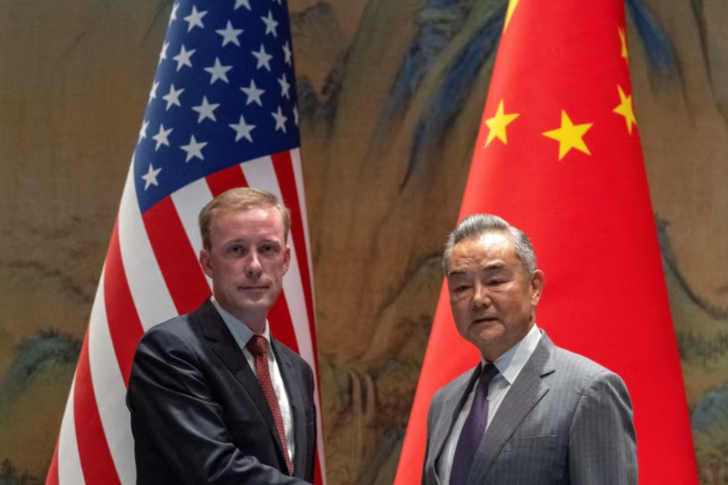
White House National Security Adviser Jake Sullivan ar...
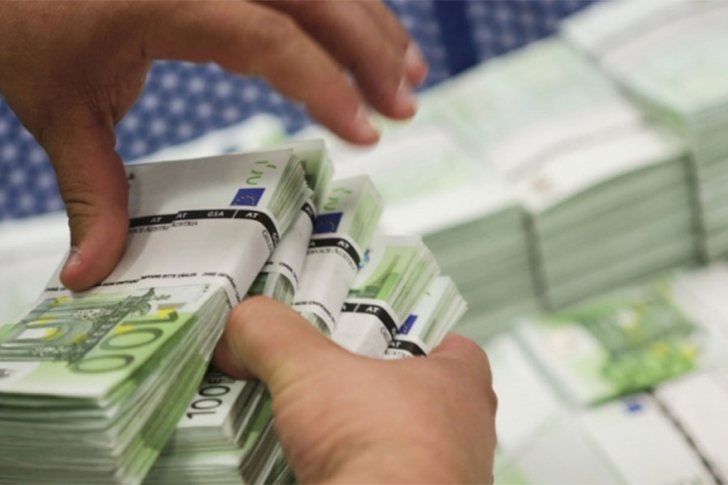
Deposits of Kosovo citizens continue to grow in commercial...

Edward P. Joseph, a lecturer at Johns Hopkins Universi...
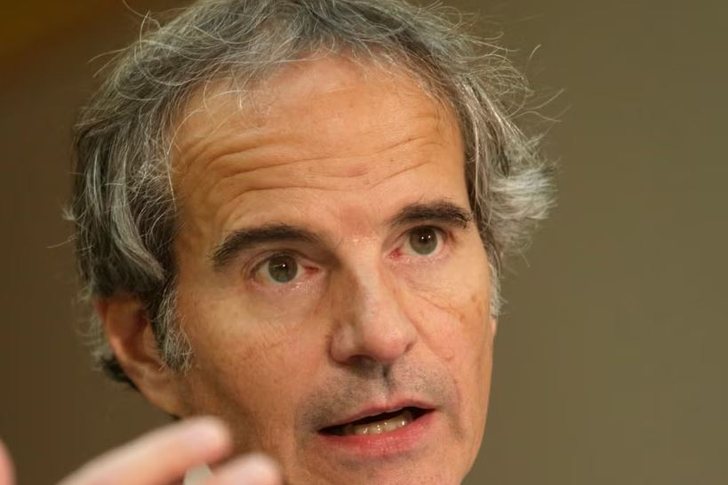
The head of the United Nations Atomic Energy Agency, Rafae...

Europol has supported the Spanish and Colombian police in ...
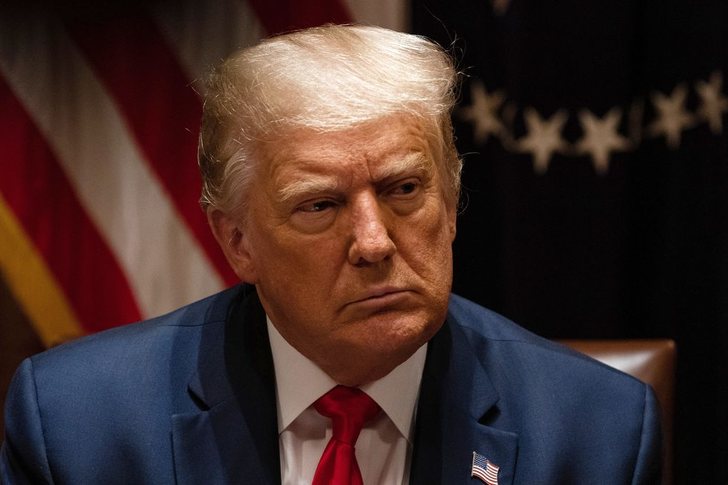
Special prosecutor Jack Smith asked a federal appeals ...

When protests erupted in Belarus in 2020 following rigged ...
The 21-year-old from Sri Lanka did not expect to be se...

Dritan Prençi is the SPAK prosecutor who is sleeping on th...

The in-depth investigations that SPAK conducted into Ajola...
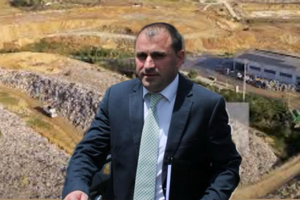
SPAK's standards, the way it investigates, how it secures ...

Irfan Hysenbelliu claims to be a big businessman, an hones...

The Special Board of Appeal (KPA) decided this Monday ...

The KPA vetting decided this Thursday to dismiss the p...

Suela Salavaçi, a prosecutor in the Prosecutor's Offic...

The Special Board of Appeal reinstated the prosecutor ...

The two German tourists who lost contact while exploring t...

After finding 7446 narcotic plants in the village of Reç i...

Following Operation "The Wanted", a 42-year-old man wanted...

As a result of intensive investigative and operational act...

The UN's World Meteorological Organization now warns that ...

Intense rainfall has caused numerous problems in the Radom...

Today our country will be affected by relatively unstable ...

On Monday, our country will be affected by relatively stab...

Bulgaria's newly appointed Defense Minister, Dimitar Stoya...

NASA has named its crew for its next major mission to the ...

Five people have been arrested in Kosovo on suspicion of i...
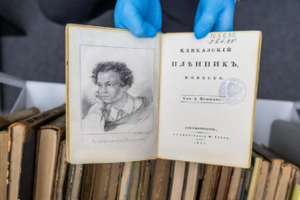
Six Georgian citizens appeared before a Paris court on Tue...

Korça has transformed this weekend into the capital of cel...

Korça is ready to open the summer season with one of the c...

Two years after his passing, the renowned Korçë poet Skënd...

The Ethnographic Museum of Berat has opened its doors to v...

Predictions of a severe oil shortage this summer have not ...

Improving the performance of public parking lots in Vlora,...

Inflation has increased in May, rising to 3% compared to 2...

Exchange rate, June 8, 2026 This Tuesday, one US dollar is...