

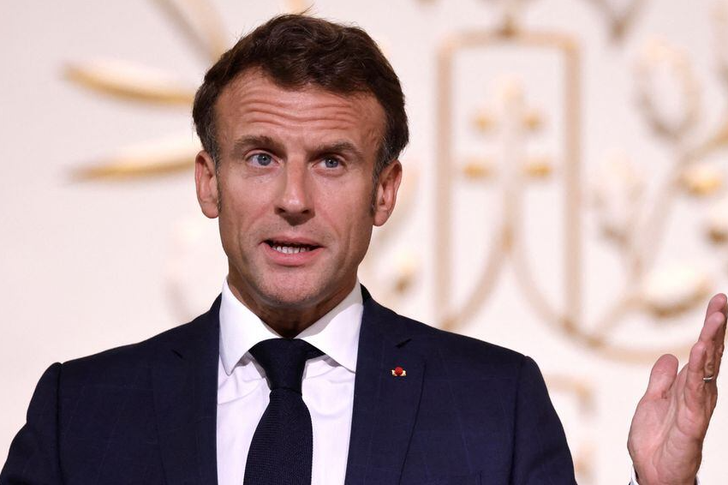
Macron: Fighting terrorism does not mean razing Gaza to the ground
The President of France Emmanuel Macron has said that ...


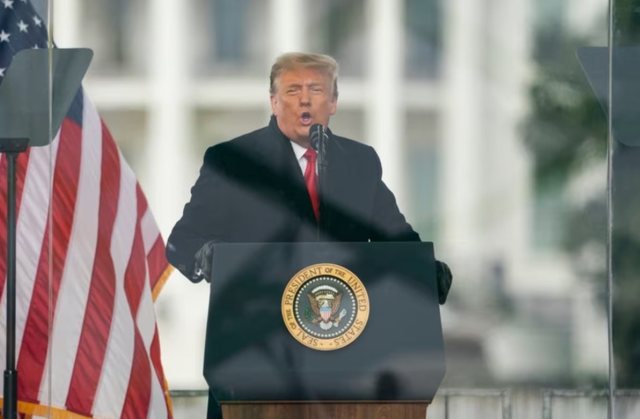
Former President Donald Trump's bid to regain the White House has been put in jeopardy by two sentences that were added to the United States Constitution 155 years ago.
The Colorado Supreme Court handed down a historic ruling on Tuesday that bars Mr. Trump from being on the ballot in that state under Section 3 of the 14th Amendment. That statutory amendment bars holding public office by an official who he swore to support the Constitution and then "engaged in rebellion" against it.
This is the first time in history that this provision has been used to stop someone from running for the White House. The United States Supreme Court will have the final say on whether the Colorado court's decision stands.
If it happens, which many legal experts say is unlikely, it would end Mr. Trump's campaign because the Supreme Court ruling would apply in all states.
It also paves the way for a new world of political warfare, as future politicians would use court rulings to disqualify their rivals under the same provision.
Some conservatives have even considered using the provision against Vice President Kamala Harris, who raised money for the bail release of detainees during the violence following the killing of Mr. George Floyd in Minneapolis. They said that this should also be considered an "insurrection" against the Constitution.
Aware that the case was likely to go to the United States Supreme Court, the 4-3 decision by the Colorado Supreme Court will not take effect until Jan. 4, the day before primary ballots are printed. in that state, or until the Supreme Court makes a decision.
Technically, Colorado's ruling only applies in that state, while secretaries of other states are issuing statements saying Mr. Trump remains on the primary ballot.
But Colorado's decision could encourage other states to remove Mr. Trump's name from the ballot.
Activists have asked state election officials to do so unilaterally, but none have. Dozens of lawsuits have been filed, but all have failed until Colorado.
The United States Supreme Court has never ruled on what Section 3 of the 14th Amendment means. An appeal by Mr. Trump's campaign is not expected to be filed this week.
The Supreme Court can make different decisions, from upholding the Colorado decision or rejecting it. Another alternative could be to avoid the essential questions. But many experts warn that it would be dangerous to leave a vital constitutional question unanswered.
"It is imperative to American political stability that we have a final legal resolution of these issues as soon as possible," Rick Hasen, a law professor at the University of California, Los Angeles, wrote shortly after the decision. "Voters need to know if the candidate they are supporting for president has the right to run."
The Supreme Court consists of nine justices, six of them appointed by Republican presidents, including three appointed by Mr. Trump himself.
In part because this is an entirely new legal framework, it is difficult to predict how individual judges will rule based on their ideology.
Some of the strongest supporters of using the provision in question against Mr. Trump have been prominent conservative theorists and lawyers, who argue that courts must apply the actual words of the Constitution. They argue that there is no room for interpretation and that Mr. Trump is clearly disqualified.
All seven justices of the Colorado Supreme Court have been appointed by Democrats. But they were split on the vote 4-3. The majority cited a decision by Mr. Neil Gorsuch from when he was a federal judge in Colorado. Mr. Gorsuch is one of Mr. Trump's Supreme Court appointees.
He had made the decision that someone born in Guyana, but who has obtained American citizenship, does not meet the conditions set by the Constitution to be on the ballot for the presidential elections.
However, courts are reluctant to limit voters' choices. The question is whether a legal dispute is better resolved by the people the voters have chosen to make the laws or by unelected judges? This is one reason why all other lawsuits against Section 3 of the 14th Amendment have so far failed.
Clause 3 of the 14th Amendment was written to keep former confederate leaders out of government positions. The statutory addition excludes from holding public office all those who have previously taken the oath but who have engaged in insurrection or rebellion against the state or aided the enemy. Clause 3 states that this provision may be amended by a two-thirds vote of each house of Congress.
The provision was used frequently in the years immediately following the Civil War, but was no longer used after Congress passed an amnesty in 1872 for many Confederate veterans.
According to researchers, the only case of using the provision in the 20th century was in 1919 against a socialist lawmaker who opposed the involvement of the United States in the First World War./ VOA

The President of France Emmanuel Macron has said that ...

The Competition Authority in Kosovo has fined the company ...
The Deputy Minister of Foreign Affairs and Diaspora, Kresh...

European Union countries welcomed an asylum deal aimed at ...
Poland's new government has reshuffled the public broa...
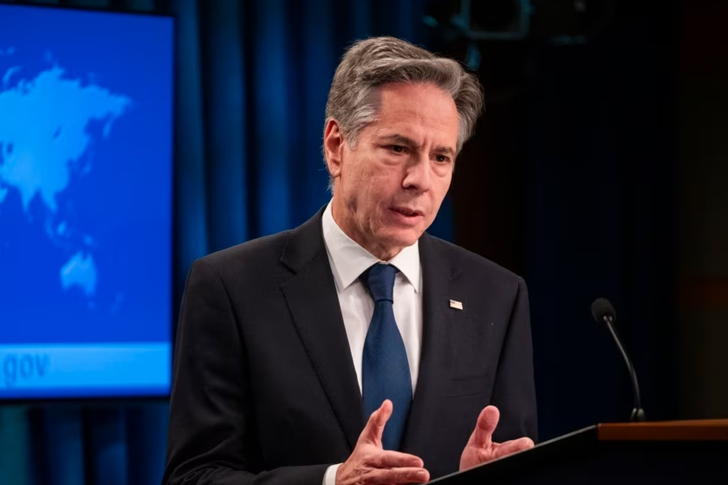
The United States expects Israel to reduce the intensi...

The former owner of the English football club Chelsea,...

A serious event has occurred in Australia. A 26-year-...
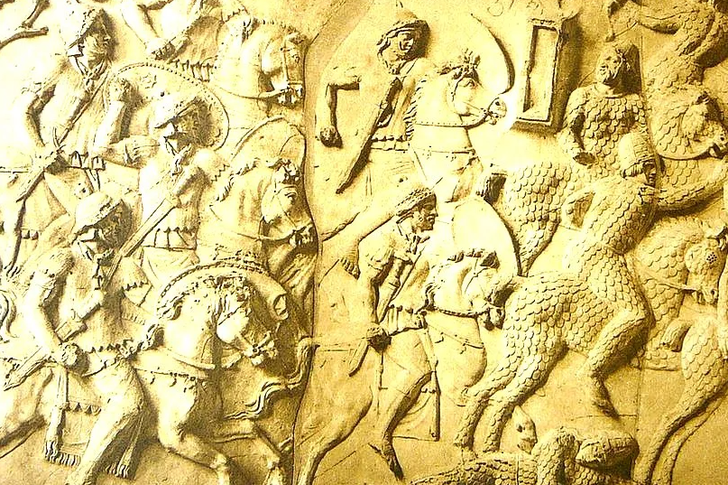
How did a young man born 2,000 years ago near what is ...
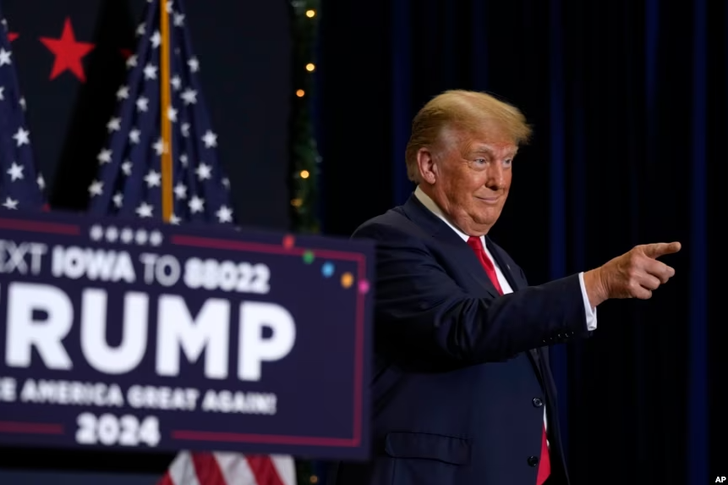
Colorado's Supreme Court ruled yesterday that Mr. Dona...
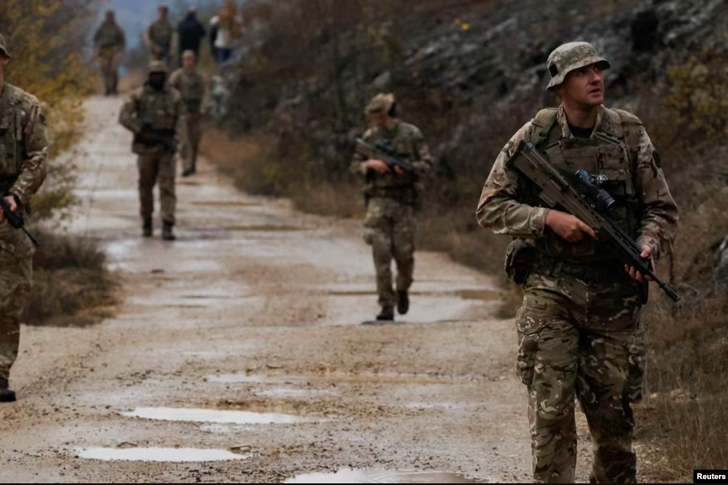
The Secretary General of NATO, Jens Stoltenberg, said ...
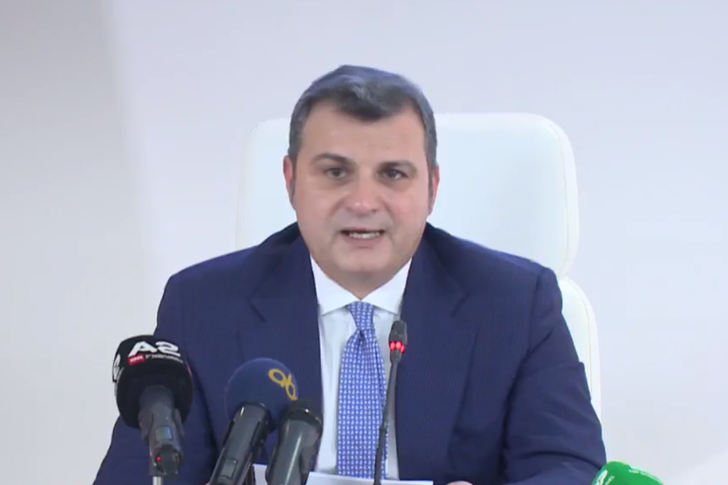
Gent Sejko, Governor of the Bank of Albania in a press con...

A study found that carrots provide an anti-cancer effe...
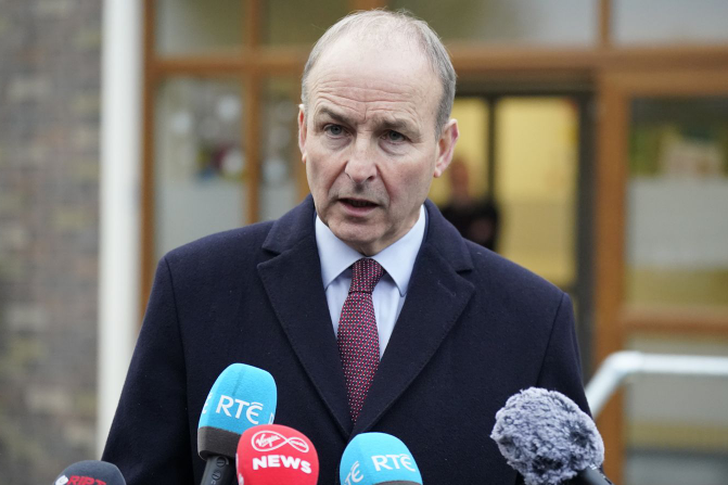
The Irish government will take legal action against th...
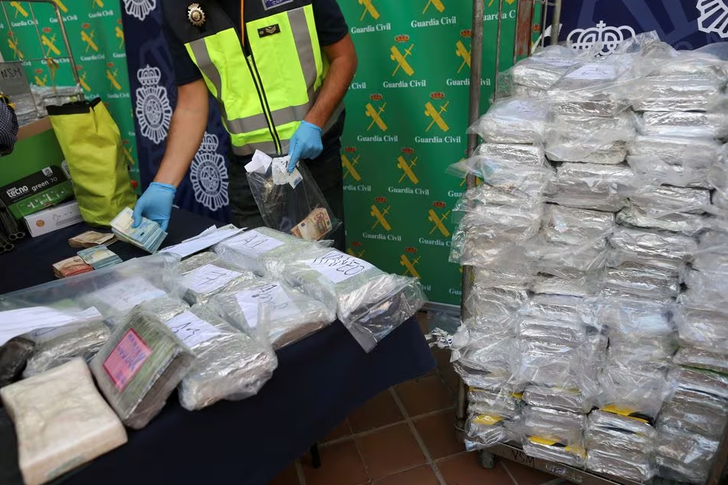
The Swiss capital is considering a pilot scheme to all...

The member countries of the European Union and the Europea...
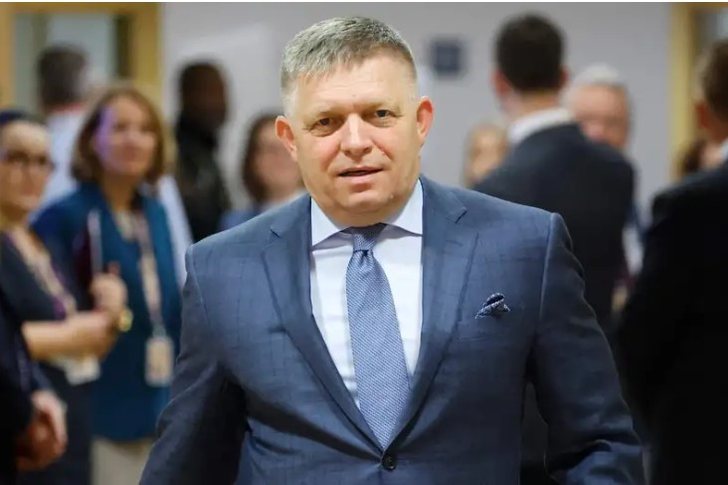
If Hungary's Prime Minister Viktor Orban hoped Robert Fico...
Poland's pro-Western government said Wednesday it has fire...

The salary increase has not convinced the doctors to s...
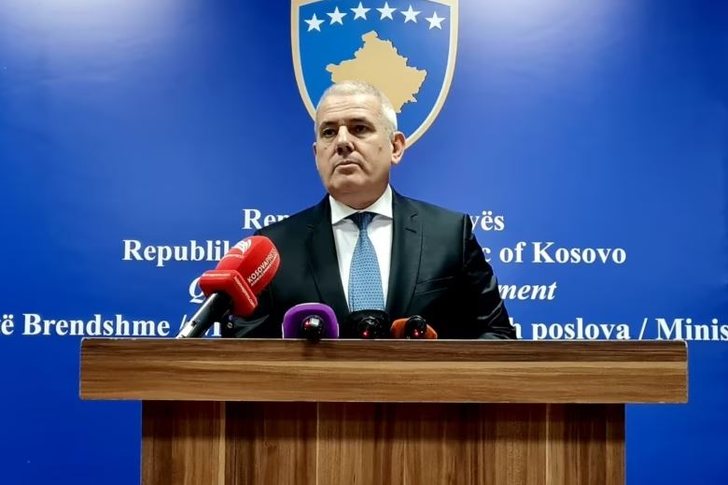
The Minister of the Interior of Kosovo, Xhelal Sveçla,...

A 39-year-old citizen has been arrested in Lezha, after se...

CNA has launched another investigation that could lead to ...

Irfan Hysenbelliu is a businessman that we call "Irfan the...

In March 2026, CNA launched another investigation centered...

The Special Board of Appeal (KPA) decided this Monday ...

The KPA vetting decided this Thursday to dismiss the p...

Suela Salavaçi, a prosecutor in the Prosecutor's Offic...

The Special Board of Appeal reinstated the prosecutor ...

A conflict for weak motives was recorded today in the vill...

An accident involving three vehicles occurred a few minute...

55-year-old Belere Plaka, who was injured today with a sho...

Police Announcement: Following preliminary information...

By noon, cloudiness is expected to prevail in almost all o...

Children without parental care, for whom alternative famil...

On Thursday, our country will be under the influence of st...

A serious accident that occurred this Wednesday with the c...
Peru and Venezuela will restore diplomatic relations, the ...
United States President Donald Trump has left open the pos...
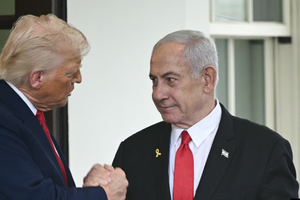
Israeli Prime Minister Benjamin Netanyahu will travel to t...
A bipartisan group of US lawmakers is calling for a Europe...
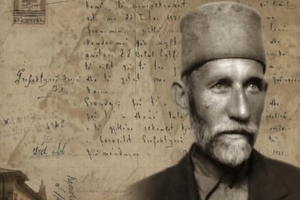
In my research at the Central State Archives, specifically...

At a time when industrial products are increasingly taking...

Trust among people is not just a three-syllable word. It c...
Master of humor Todi Llupi has passed away at the age of 7...

War, weather and supply disruptions could send gas prices ...
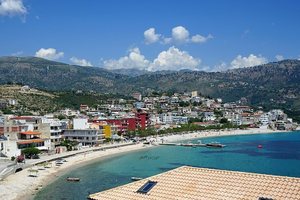
The number of active enterprises in Albania continued to g...
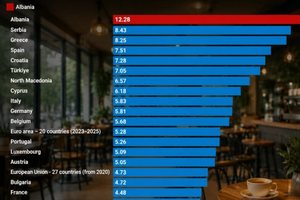
In Albania, the bar-cafe has long become an almost unique ...

This Friday, one US dollar is bought for 81.7 lek and sold...