


Poland's new government fires the heads of state television, radio and news
Poland's new government has reshuffled the public broa...



European Union countries welcomed an asylum deal aimed at a more efficient mechanism to deal with undocumented migrants, but human rights groups criticized the changes as "dangerous" and "cruel".
The European Union agreed on Wednesday to a reform of its asylum legislation, which provides for more detention centers at borders and a faster deportation process.
Migrant rights organizations criticized the changes as "dangerous" and "cruel".
EU governments, officials and MEPs hailed the preliminary agreement on the bloc's new pact on asylum and migration as "historic", saying it improves procedures for the growing flow of undocumented migrants while ensuring respect for the rights of to man.
The legislative reform, achieved after long negotiations between EU member states and EU legislators, has not yet been officially approved by the European Council and the European Parliament.
This is expected to be done before June 2024, when EU elections will determine the next parliament. Nationalist parties with anti-immigrant views are expected to win more seats in parliament, which would reflect a tougher stance among EU voters facing a high cost of living.
European Commission President Ursula von der Leyen hailed the deal as "a fair and pragmatic approach to dealing with migration". Many EU countries, including France, Germany and the Netherlands, also welcomed the agreement. Italy's Matteo Piantedosi called it a "huge success", saying frontline countries like his "no longer feel alone".
But Hungary, which opposes being forced to take in irregular migrants or pay for countries that host them, strongly opposes the deal, its foreign minister Peter Szijjarto said.
The EU reform includes faster vetting of migrants, the creation of border detention centres, accelerated deportations for those denied asylum and a mechanism to help ease the pressure on the bloc's southern countries experiencing influxes. large incomes.
The reform package, based on a commission proposal presented three years ago, maintains the existing principle that the first EU country an asylum seeker enters is responsible for their case. But to help countries facing the influx of large numbers of migrants - such as the case of Mediterranean countries such as Italy, Greece and Malta - it envisages the establishment of a so-called solidarity mechanism, which would be mandatory.
This means that a certain number of migrants are relocated to other EU countries, or that countries that refuse to accept migrants offer a financial or material contribution to those who do so something that Budapest categorically opposes.
Criticism of human rights organizations
The reform also speeds up the process of vetting asylum seekers so that those deemed ineligible can be swiftly returned to their country of origin or transit.
This procedure, which envisages the establishment of border detention centers, would be applied to irregular migrants coming from countries whose citizens' requests for asylum are rejected in more than 80 percent of cases.
The MEPs said that families with young children will have suitable conditions, that respect for human rights will be guaranteed and free legal advice will be offered.
Another proposed point is a feedback mechanism, under which safeguards for asylum seekers could be limited to periods of significant flows, as happened in 2015-2016 when more than two million asylum seekers arrived in the EU, the majority from war-torn Syria .
Dozens of charities helping migrants including Amnesty International, Oxfam, Caritas and Save the Children have criticized the changes, saying in an open letter during negotiations that the package would create a "cruel system" that is unworkable.
Reacting to Wednesday's deal, Oxfam said the new package of laws is "in many ways... far worse" than the existing system.
"It is a dangerous reversal of key principles of human rights and refugee law," said Oxfam's migration expert Stephanie Pope.
Increase in the flow of income
Caritas said there is a risk that as a result of this reform there will be "rushed asylum procedures with limited safeguards and appeals, lack of access to legal and medical aid and deficiencies in the necessary care for vulnerable groups".
Amnesty International said it could result in increased suffering "at every step of a person's journey to seek asylum in the EU".
The EU is facing a growing number of migrants and asylum requests. In the first 11 months of this year, the EU's border agency Frontex has recorded more than 355,000 irregular crossings at the bloc's borders, an increase of 17 percent.
The number of asylum seekers this year may reach one million, according to the EU Agency for Asylum./ VOA

Poland's new government has reshuffled the public broa...
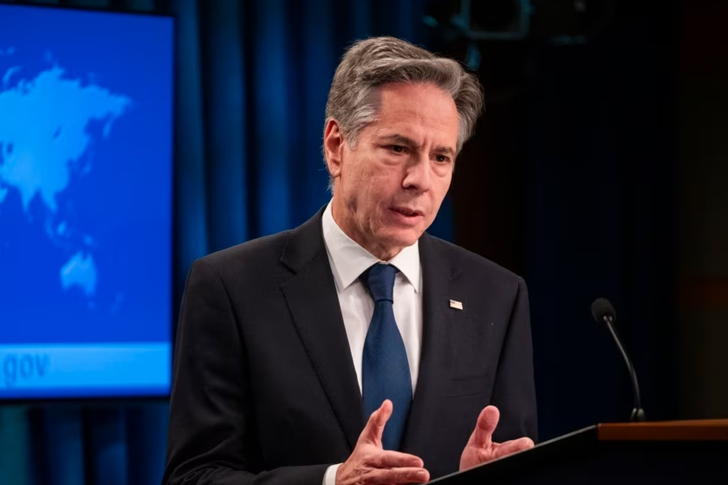
The United States expects Israel to reduce the intensi...

The former owner of the English football club Chelsea,...

A serious event has occurred in Australia. A 26-year-...

How did a young man born 2,000 years ago near what is ...

Colorado's Supreme Court ruled yesterday that Mr. Dona...
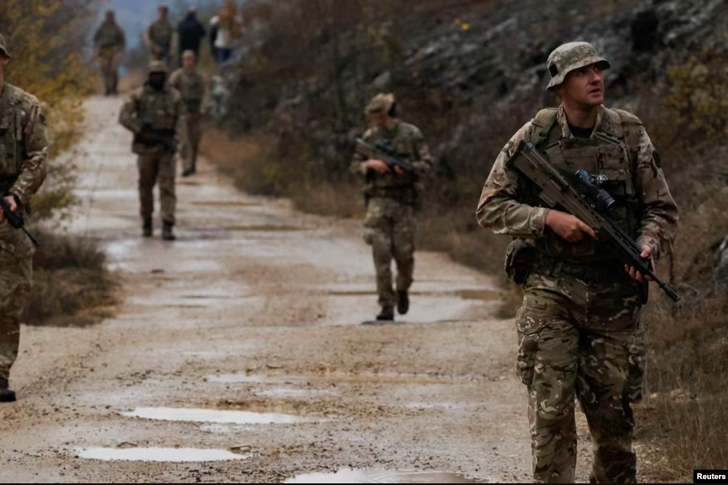
The Secretary General of NATO, Jens Stoltenberg, said ...
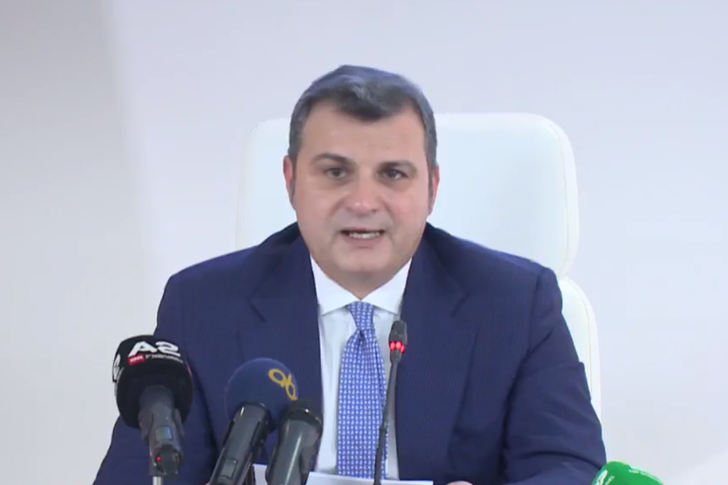
Gent Sejko, Governor of the Bank of Albania in a press con...

A study found that carrots provide an anti-cancer effe...

The Irish government will take legal action against th...

The Swiss capital is considering a pilot scheme to all...

The member countries of the European Union and the Europea...
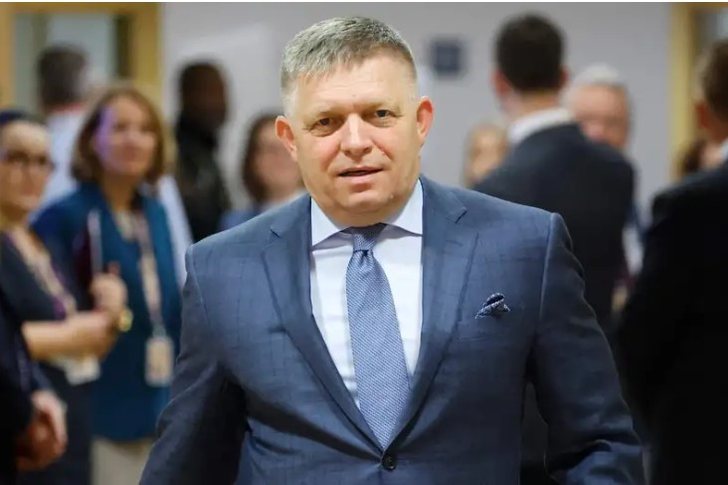
If Hungary's Prime Minister Viktor Orban hoped Robert Fico...
Poland's pro-Western government said Wednesday it has fire...

The salary increase has not convinced the doctors to s...
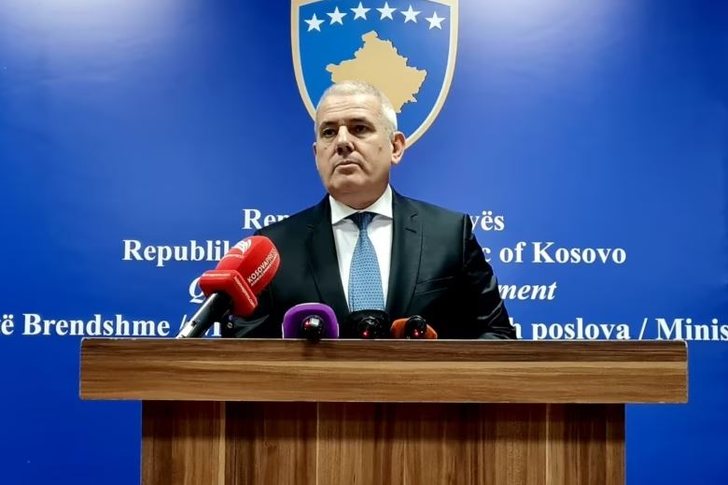
The Minister of the Interior of Kosovo, Xhelal Sveçla,...
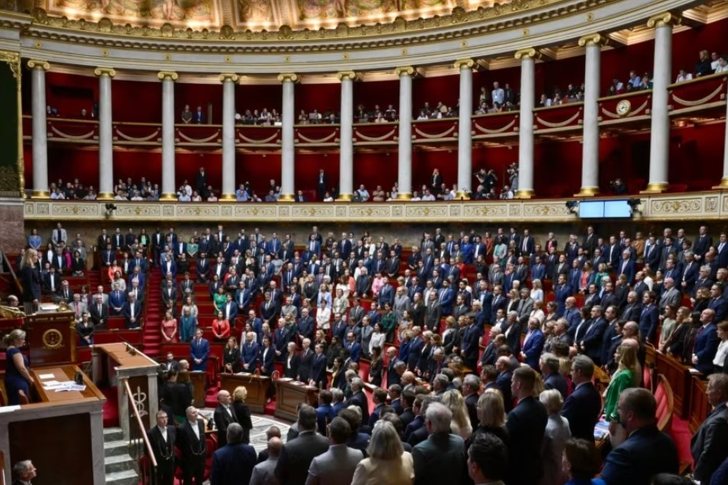
The French parliament has approved legislation that toughe...

The Israeli army has attacked various targets in the Gaza ...

The Ukrainian army intends to mobilize an additional 500,0...
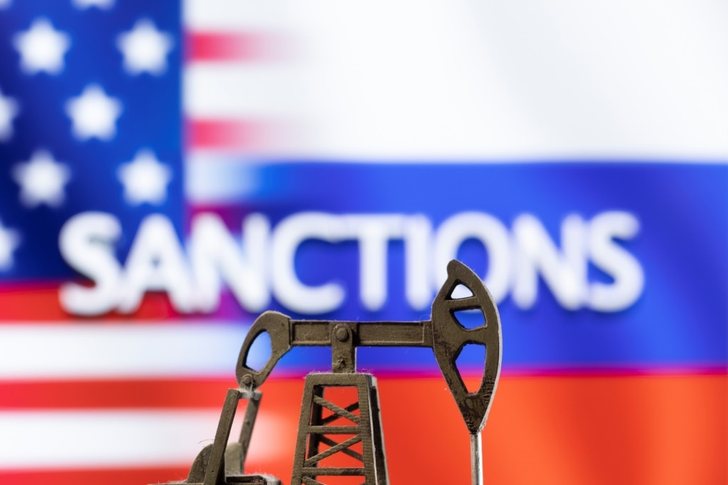
Russia was China's top supplier of oil in November despite...

A 39-year-old citizen has been arrested in Lezha, after se...

CNA has launched another investigation that could lead to ...

Irfan Hysenbelliu is a businessman that we call "Irfan the...

In March 2026, CNA launched another investigation centered...

The Special Board of Appeal (KPA) decided this Monday ...

The KPA vetting decided this Thursday to dismiss the p...

Suela Salavaçi, a prosecutor in the Prosecutor's Offic...

The Special Board of Appeal reinstated the prosecutor ...

A conflict for weak motives was recorded today in the vill...

An accident involving three vehicles occurred a few minute...

55-year-old Belere Plaka, who was injured today with a sho...

Police Announcement: Following preliminary information...

By noon, cloudiness is expected to prevail in almost all o...

Children without parental care, for whom alternative famil...

On Thursday, our country will be under the influence of st...

A serious accident that occurred this Wednesday with the c...

Peru and Venezuela will restore diplomatic relations, the ...

United States President Donald Trump has left open the pos...

Israeli Prime Minister Benjamin Netanyahu will travel to t...

A bipartisan group of US lawmakers is calling for a Europe...

In my research at the Central State Archives, specifically...

At a time when industrial products are increasingly taking...

Trust among people is not just a three-syllable word. It c...

Master of humor Todi Llupi has passed away at the age of 7...

War, weather and supply disruptions could send gas prices ...
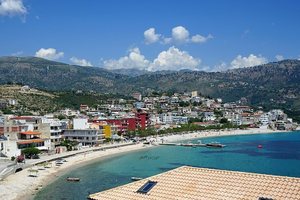
The number of active enterprises in Albania continued to g...
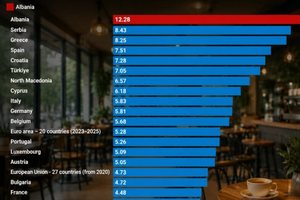
In Albania, the bar-cafe has long become an almost unique ...

This Friday, one US dollar is bought for 81.7 lek and sold...