

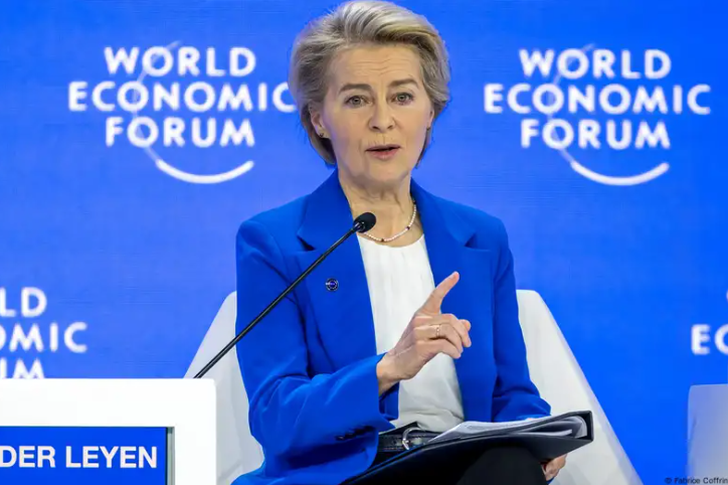
Von der Leyen: EU-US cooperation in bilateral interest
EU Commission President Ursula von der Leyen and German Ch...


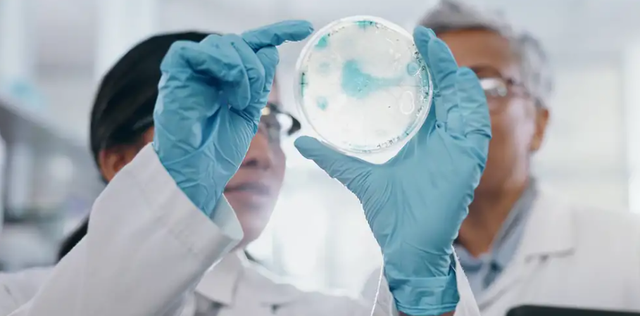
Many people trust researchers and want science to have more influence on society and politics, a global survey finds. But only as long as the research doesn't limit their freedoms.
According to a global survey of nearly 72,000 people in 68 countries, there is no general crisis of trust in science. Despite the drastic measures taken to combat the Corona pandemic, people have not turned away from science, as claimed.
The TISP study is the largest survey of trust in scientists since the pandemic. It appears that many respondents want science to be more involved in society and politics.
Overall, 78% of respondents believe that scientists are qualified to conduct quality research. 57% perceive them as honest, and 75% believe that the scientific method is the best way to discover the truth.
According to the study, women, the elderly, people with higher education, higher incomes, and those living in urban areas have greater trust in scientists. Liberal political attitudes and religiosity also have a positive effect on trust in science.
In contrast, social dominance orientation has a negative effect. Social dominance orientation (SDO) describes the desire for stronger groups to control weaker groups and is negatively associated with values ??such as equality and social justice.
Massive pressure on science under Trump
The general poll was released to coincide with Trump taking office. The pressure on research and science in the US will continue to increase. Since his first term, Trump has clashed with much of the science and questioned scientific findings.
President Trump denies the climate crisis and has placed his friends critical of science in key decision-making positions: Health Secretary Kennedy is an opponent of vaccines, Energy Secretary Wright comes from the oil and fracking industry, Defense Secretary Hegseth does not believe in infections, Education Secretary McMahon wants to leave education to parents because, according to her, many teachers and professors cannot be trusted.
It is especially scientific fields such as climate and gender research or ethnology that fear massive political influence, because they are considered left-wing or "woke" sciences in right-wing nationalist circles. There is a fear that unwanted research will be hindered, that researchers will limit themselves or turn their backs on the important place of scientific research, the USA.
The notion of "trust" is inherently vague. That's why experts welcome the fact that for the global survey, four different aspects of researchers' trustworthiness were examined using twelve different questions: the researchers' perceived competence, their honesty, their openness to criticism, and their interest in the well-being of society.
Researchers such as Hans Peter, professor at the Institute of Communication Sciences and Journalism at the Free University of Berlin, consider it particularly positive that the survey "debunks the myth of a global crisis of trust in science."
Mathias Frisch, professor at the Institute of Philosophy at the Leibniz University of Hanover, also thinks so: "Recently, public discourse has often created the impression that trust in science has declined significantly, especially after the COVID-19 pandemic. The results of this international study, impressive in its scope, contradict this widespread narrative.
However, experts are surprised to find that the majority of respondents worldwide are in favor of researchers being involved in politics. This is remarkable, explains Mathias Fritsch, especially since many researchers "are quite critical of the idea of ??scientists actively supporting political positions, because they fear (...) that they could be misused to exert political influence."
"In the case of the Corona pandemic, we typically saw the opposite, that politics uses science and scientists to avoid deciding for itself. Instead of publicly taking responsibility for a decision as a government, when politics disagreed, it was claimed that "science" had concluded that it was necessary to act this way and not otherwise," explains Kohring, a communication researcher at the University of Mannheim.
Frank Marcinkowski from Heinrich Heine University in Düsseldorf interprets this desire as "dissatisfaction with democratic politics. Those who demand that so-called experts, scientists or intelligent technologies have more influence usually do so because they no longer trust party politics to solve problems," explains the media specialist.
However, only populists promise simple solutions, which rarely exist. According to Marcinkowskitt, "we are increasingly faced, both globally and nationally, with increasingly complex problem situations that are increasingly difficult to 'solve' or at least to reconcile. For many problems, "neither science nor politics has a 'solution', but of course they do not admit this. Accordingly, political conflicts unfold even more fiercely and interest groups clash more irreconcilably." Trust ends when personal freedom is affected
When politicians make unpopular decisions based on scientific results, which limit, for example, personal freedoms or the standard of living, the desired integration of science into the decision-making process quickly reaches its limits.
This is not only evident in the field of climate change, says Matthias Kohring from the University of Mannheim. "The Corona period has shown that many people are resisting precisely this commitment, for example wearing masks, staying at home or not going on holiday," notes the media expert. Ultimately, science only provides the basis for decision-making, but it is up to politics to make the decisions. "Of course it is reasonable for politicians to make decisions based on the best available knowledge - and this is usually scientific knowledge," concludes communications specialist Marcinkowski./ DW

EU Commission President Ursula von der Leyen and German Ch...
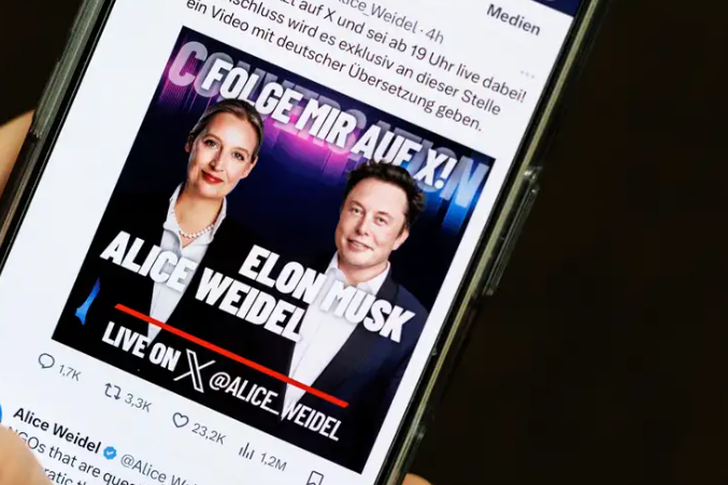
Romania reruns presidential election over alleged Russian ...
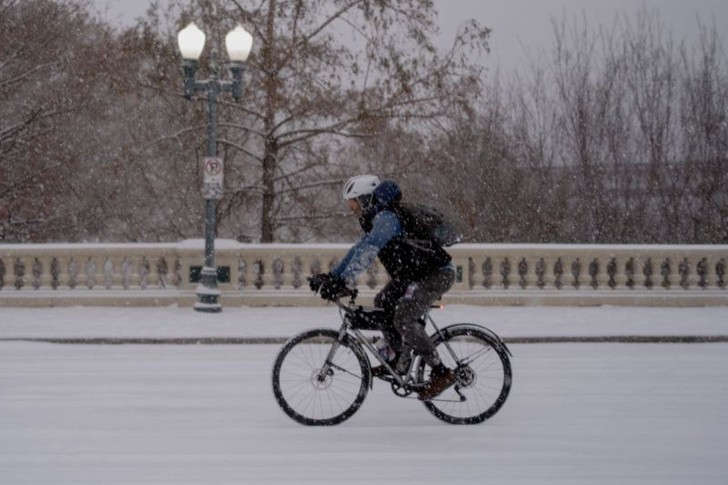
A rare winter storm is bringing snow and rain to parts of ...
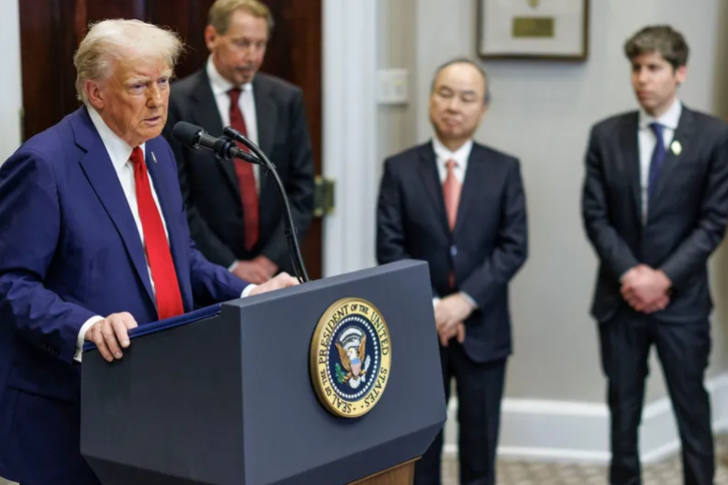
OpenAI is teaming up with Oracle and Softbank to build dat...
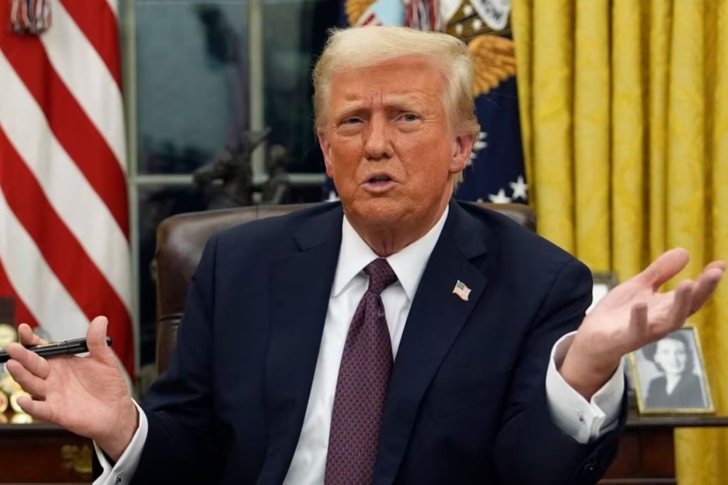
United States President Donald Trump signed a new Exec...
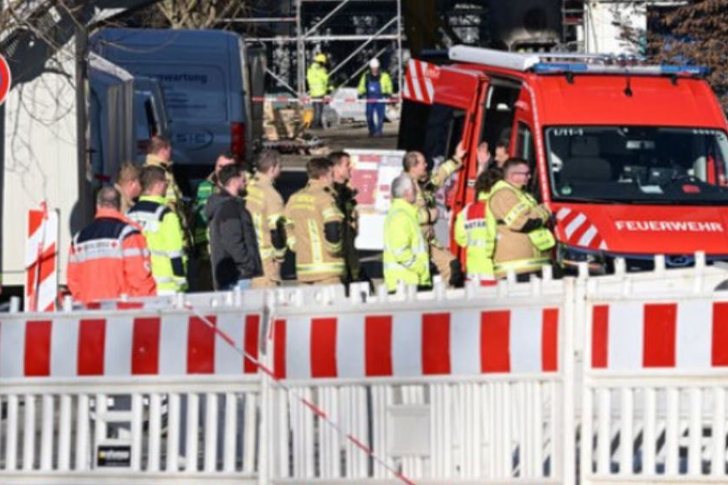
At least two people have died in an explosion at a Bosch f...
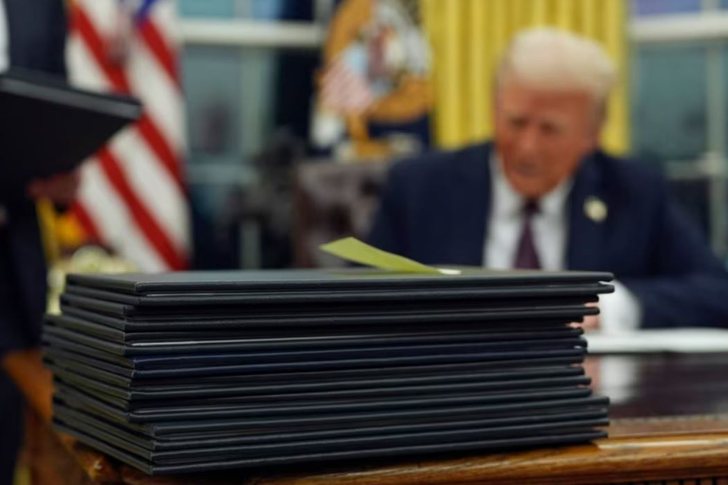
President Donald Trump signed an executive order temporari...
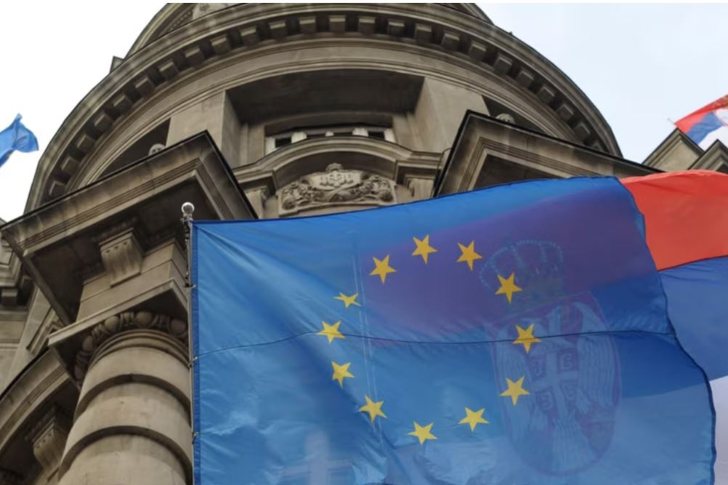
The European Union (EU) has urged authorities in Serbi...
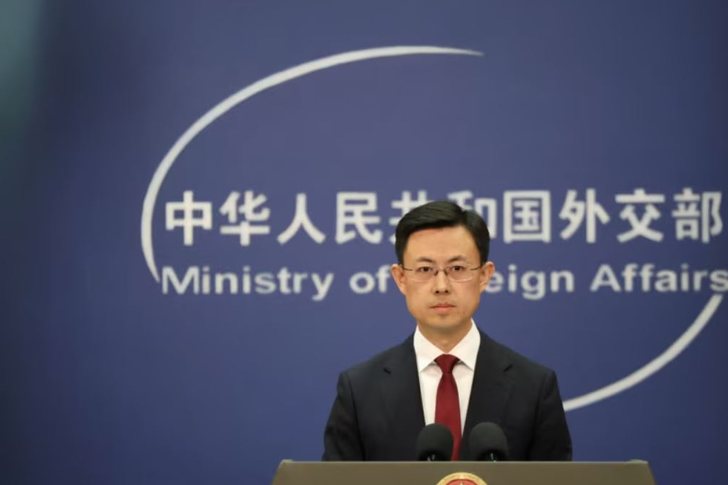
China has called on the United States to focus on hand...
United States President Donald Trump says that by not ...
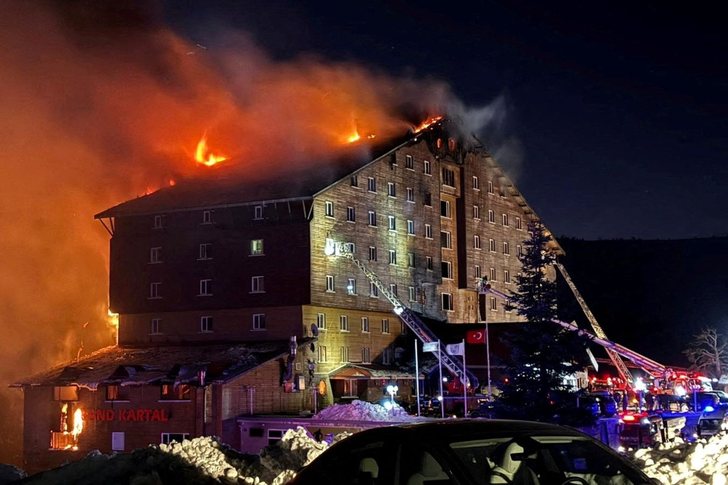
Tragedy with 66 victims in Turkey/ Erdogan declares "Natio...
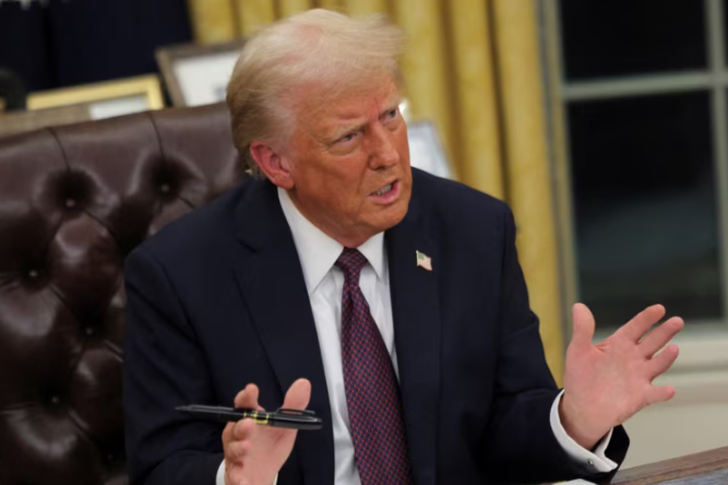
President Donald Trump has signed an executive order that ...
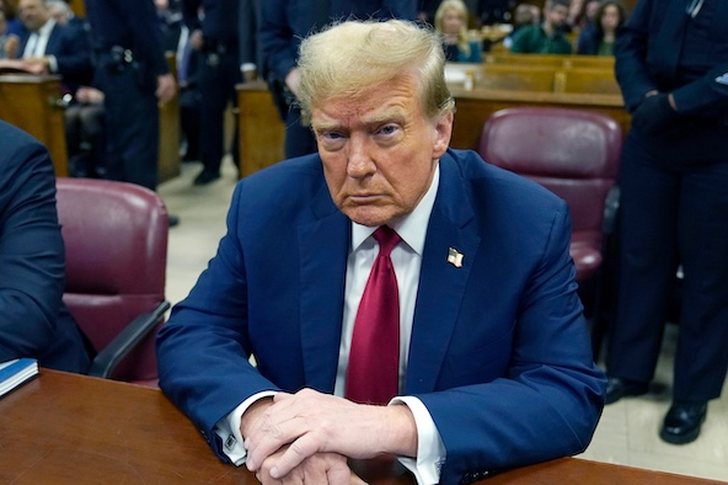
President-elect Donald Trump announced that he will releas...
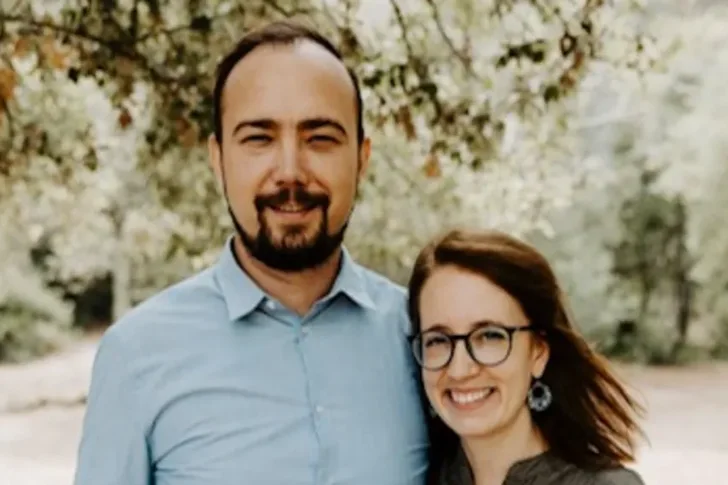
Two Americans arrested by Taliban authorities in Afghanist...
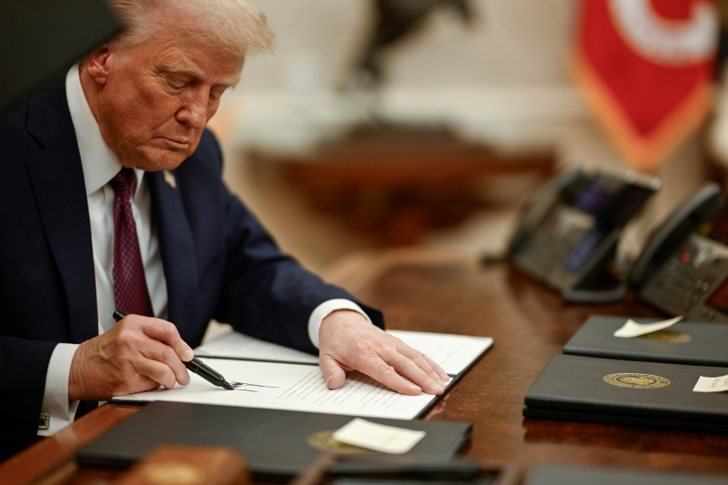
The White House and President Trump have announced the res...

Tragedy at a ski resort in Kartalkaya, Turkey, where as a ...
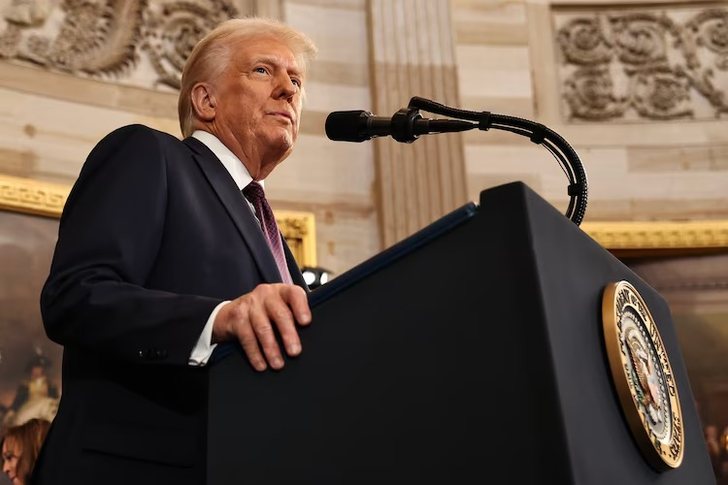
Donald Trump was sworn in as the 47th president of the Uni...

The President of Kosovo and foreign diplomatic representat...
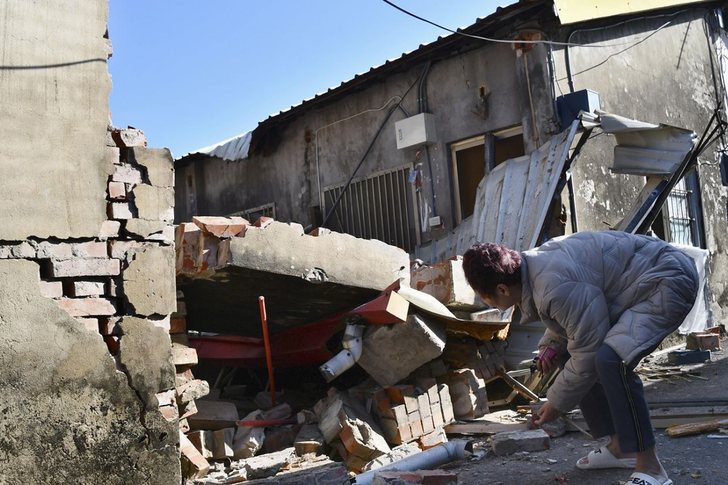
An earthquake measuring 6.4 on the Richter scale was recor...
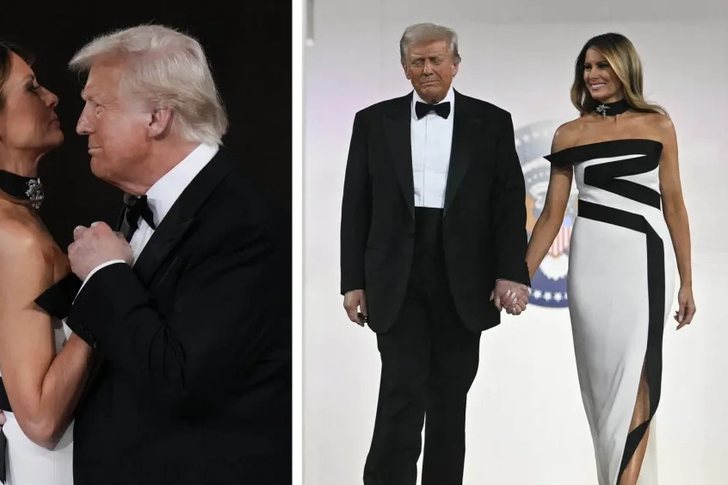
President Trump attended several balls on the night of his...

CNA has launched another investigation that could lead to ...

Irfan Hysenbelliu is a businessman that we call "Irfan the...

In March 2026, CNA launched another investigation centered...
The arrested mayor of Tirana, Erion Veliaj, with 13 charge...

The Special Board of Appeal (KPA) decided this Monday ...

The KPA vetting decided this Thursday to dismiss the p...

Suela Salavaçi, a prosecutor in the Prosecutor's Offic...

The Special Board of Appeal reinstated the prosecutor ...
A road accident occurred this evening on Nikolla Zoraqi St...
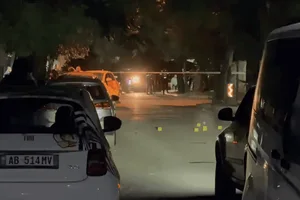
Three people were shot and wounded in Elbasan last night b...
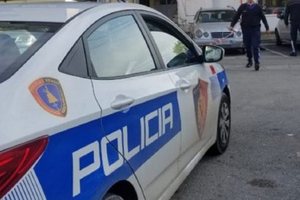
A serious incident occurred this Tuesday in the Yrshek are...

An accident occurred this Tuesday on "Dituria" street in K...
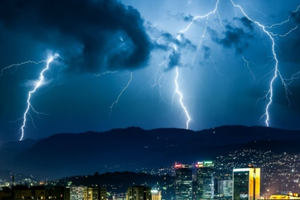
All of Southern Europe will face changing weather conditio...
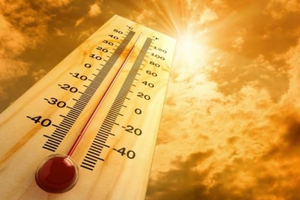
Albania was hit by temperatures significantly higher than ...

For the first time, Pogradec welcomed the Inter-Lake Chess...

Albania has achieved a record for the employment of foreig...
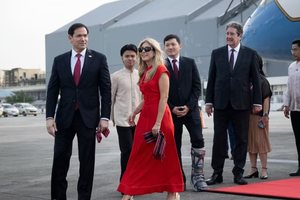
US Secretary of State Marco Rubio arrived in Manila on Jul...
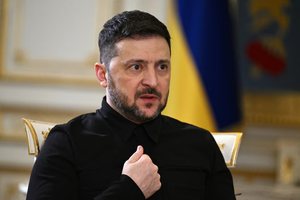
In the space of a few days, Ukrainian President Volodymyr ...
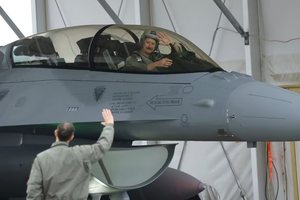
The spokesman for the Iranian Foreign Ministry warned Bulg...
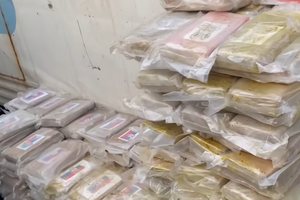
Autoritetet italiane sekuestruan pako me afër 800 kilogram...

At a time when industrial products are increasingly taking...

Trust among people is not just a three-syllable word. It c...

Master of humor Todi Llupi has passed away at the age of 7...

The ninth edition of "MIK Festival" kicked off with one of...

Construction company licenses will have a validity period ...
The Centralized Purchasing Operator recently opened a tend...
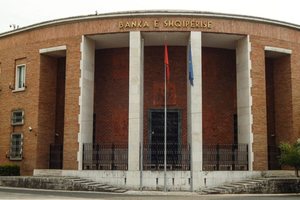
The new draft law "On the Bank of Albania" provides that t...
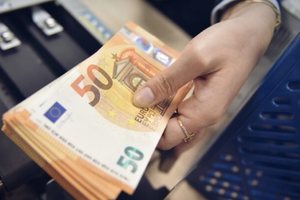
This Tuesday, one US dollar is bought for 81.2 lek and sol...