


Rare snowstorm hits southern US, 4 deaths reported
A rare winter storm is bringing snow and rain to parts of ...


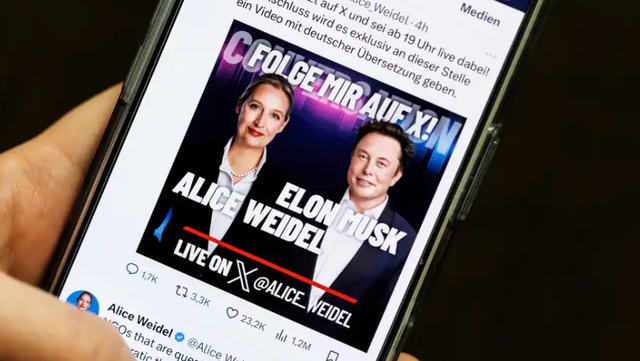
Romania reruns presidential election over alleged Russian influence on TikTok; Elon Musk advertises for AfD on X platform. Is social media changing democracy?
On February 23, 2025, parliamentary elections will be held in Germany. For multi-billionaire and Trump confidant Elon Musk, it is clear that the AfD, a party that is classified as partly right-wing extremist by the German Federal Office for the Protection of the Constitution, must win the parliamentary elections. Only the AfD can save Germany, Musk wrote on his X platform. He also offered the AfD leader, Alice Weidel, the opportunity to hold a discussion on the X platform. On German social media, the AfD is considered the most active party, especially on the Chinese social media platform TikTok. Videos with the AfD's positions are viewed on TikTok by hundreds of thousands of people.
According to political and communication expert Johannes Hillje, each AfD video was viewed an average of more than 430,000 times in 2022 and 2023. For comparison: in second place are the videos of the conservative parliamentary group CDU/CSU – with an average of around 90,000 views.
No, says Andreas Jungherr, professor of political science and digital transformation at Otto-Friedrich University in Bamberg. "The AfD has been active on social media for a long time." It has learned what approach works there.
This is a clear advantage in terms of reach – but that alone does not guarantee electoral success, says Jungherr. This is clearly seen in the campaign of US presidential candidate Kamala Harris, who had great success on social media. But as we know, this was not enough to bring her to the White House.
So-called "filter bubbles" arise in the online space because search results or content are personalized. Algorithms of online service providers determine what is shown to us on the Internet. On social media, an algorithm gives priority to content from well-known personalities or content that has been liked or commented on by many other users. On the other hand, the algorithm may no longer display certain content at all if it has been ignored frequently.
This creates a one-sided perspective: one's worldview is reinforced, while the opinions or attitudes of others are ignored. Above all, such content reinforces the values ??and beliefs one already holds.
That's why media of all kinds has only a very small influence on voters' decisions, says Judith Möller, professor of communication sciences at the Leibniz Institute for Media Research. She studies the effects of social media and says, "Voters' decisions are related to many different causes. It depends on where and how you grew up, what personal experiences you had - especially in the last weeks before the election - or who else you talk to about elections and politics." According to Möller, the same factors also influence which media we use and what effect they have.
Political movements and new parties can quickly become visible on social media. But it's essentially on social media that they reach their followers - and perhaps some undecided people. "It's hard to convince people of something new. Through the media you can only convince those who are already convinced of something."
Dealing with fake news and information will become even more problematic in the future. Fake news is likely to increase if, as announced by Marc Zuckerberg, the Meta concern gives up professional control and verification of news on the Facebook or Instagram platforms and blocks controversial content less and less frequently. We can see two effects in this, says Prof. Dr. Nicole Krämer, head of the Department of Social Psychology, Media and Communication at the University of Duisburg-Essen. On the one hand, surveys show that people do not want to fall prey to disinformation. "The more important an issue is for someone's life, the more capable he or she is of searching for information that is really helpful to them, that is, reliable and two-sided."
But on the other hand, if the false information fits into something that is already embedded in someone's brain, the person may consider that information as possible - "even if at first they think: it can't be like that," says Krämer. Another mechanism is at work here: "the more often you hear, read or see a false message, the more likely it is to remain in memory." This means that false information sometimes takes root - despite the fact that people actually want to avoid it.
The amount of false information on social media could also increase because there are fewer and fewer different opinions, says Judith Möller. The reason for this is an increasingly toxic culture of conversation and discussion characterized by insults or hate speech. "As a result, certain groups are excluded from discussions, and only those who can withstand this toxic culture of conversation continue to participate."/ DW

A rare winter storm is bringing snow and rain to parts of ...
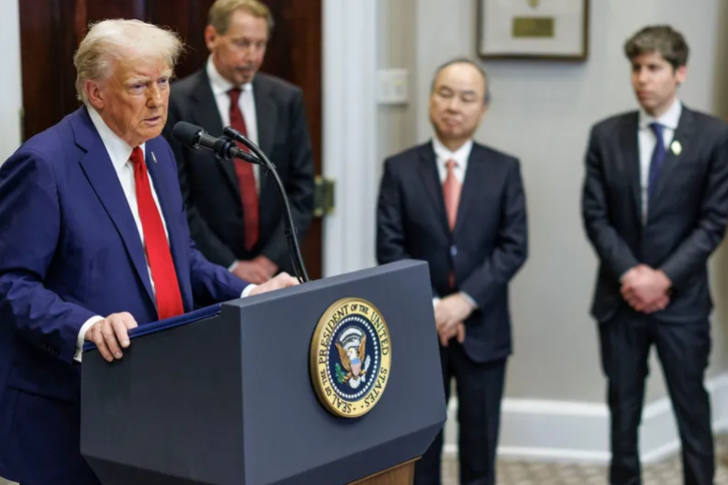
OpenAI is teaming up with Oracle and Softbank to build dat...
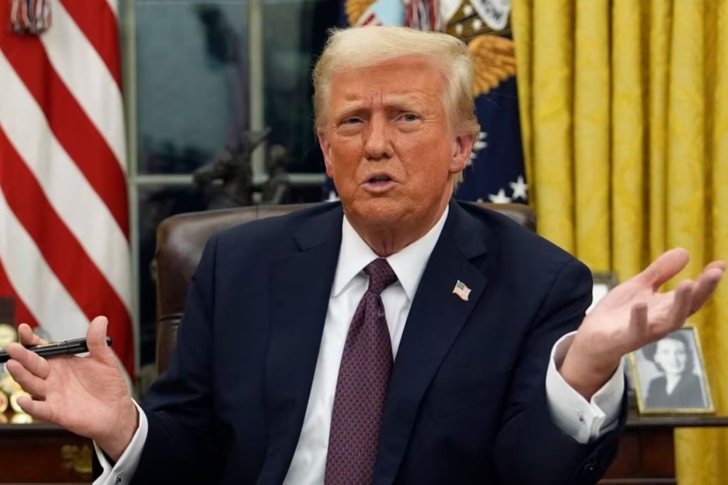
United States President Donald Trump signed a new Exec...

At least two people have died in an explosion at a Bosch f...
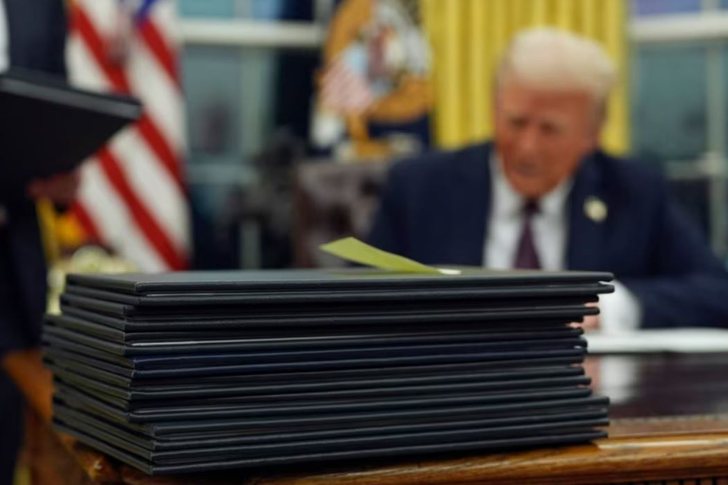
President Donald Trump signed an executive order temporari...
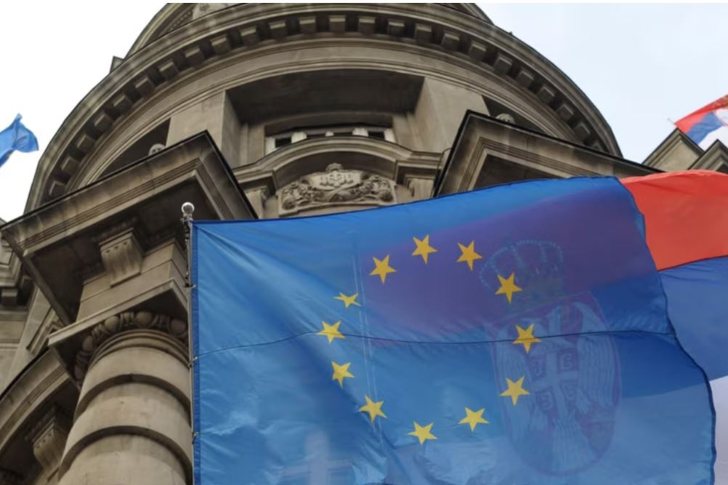
The European Union (EU) has urged authorities in Serbi...
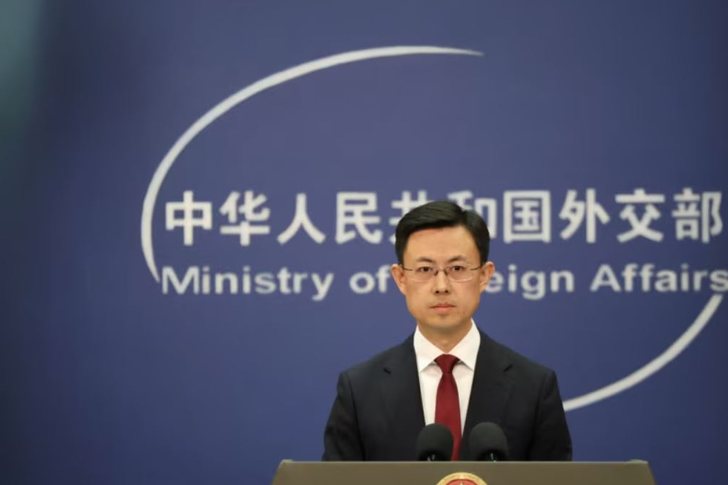
China has called on the United States to focus on hand...
United States President Donald Trump says that by not ...

Tragedy with 66 victims in Turkey/ Erdogan declares "Natio...
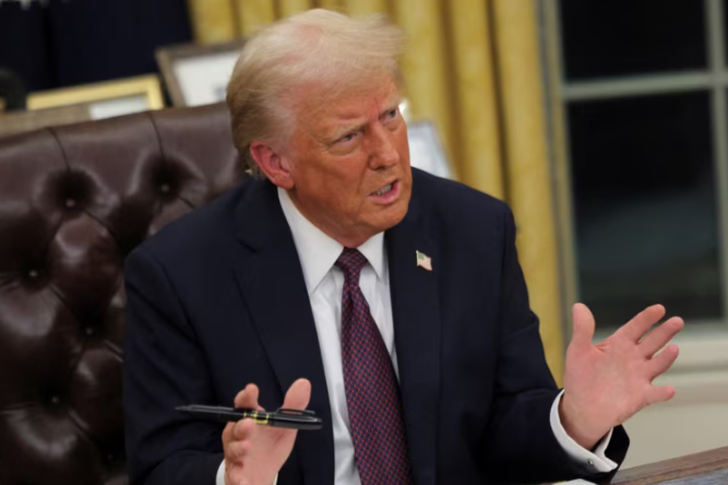
President Donald Trump has signed an executive order that ...
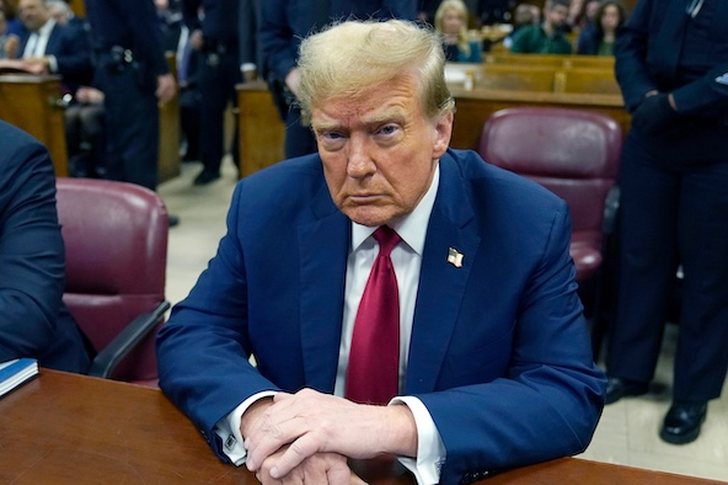
President-elect Donald Trump announced that he will releas...
Two Americans arrested by Taliban authorities in Afghanist...
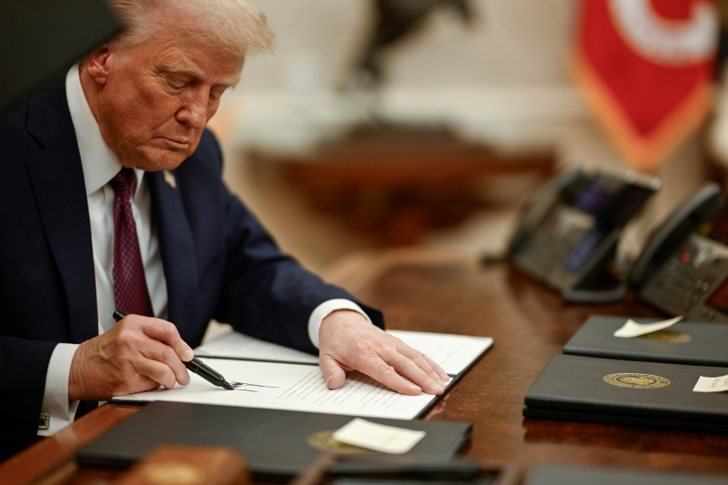
The White House and President Trump have announced the res...

Tragedy at a ski resort in Kartalkaya, Turkey, where as a ...
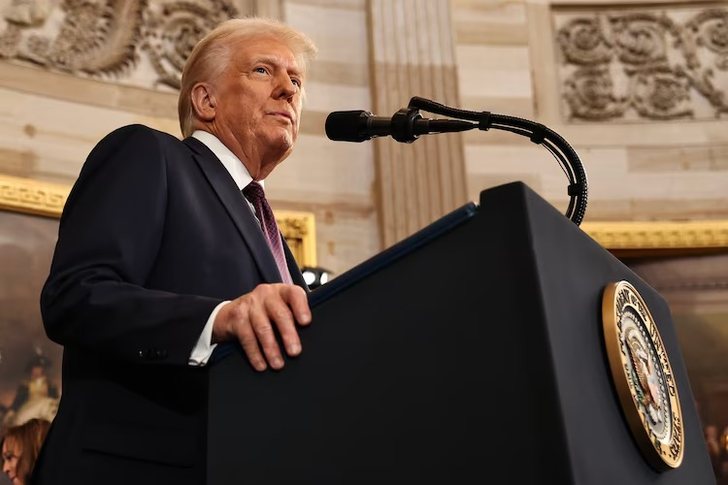
Donald Trump was sworn in as the 47th president of the Uni...

The President of Kosovo and foreign diplomatic representat...
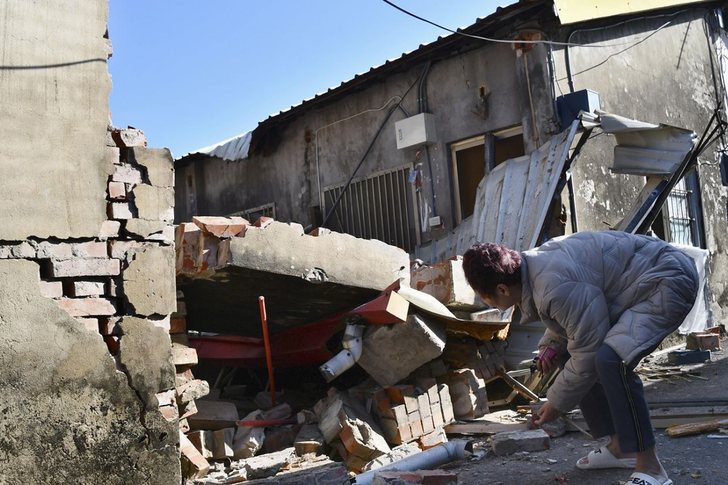
An earthquake measuring 6.4 on the Richter scale was recor...
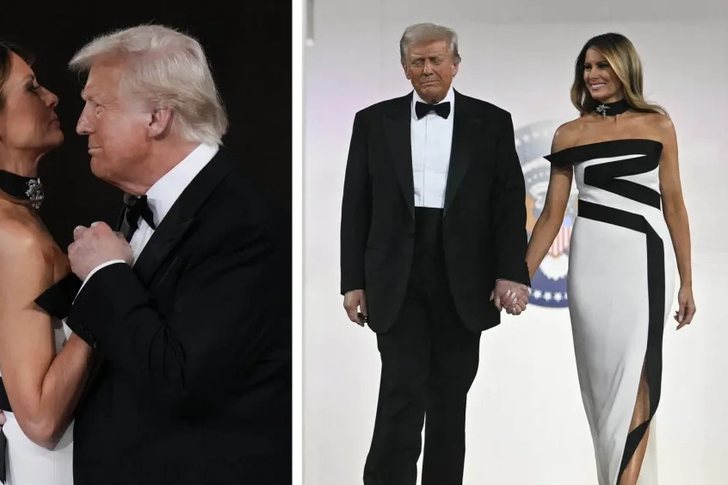
President Trump attended several balls on the night of his...
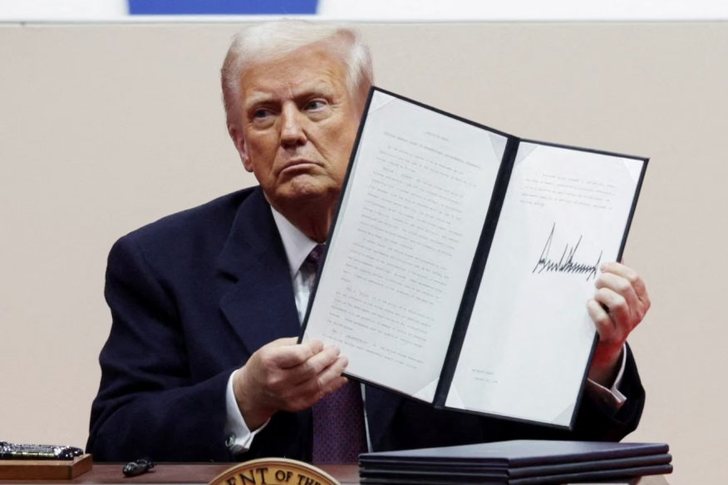
Nga Sarah Smith, BBC Kjo breshëri urdhrash presidencialë ...
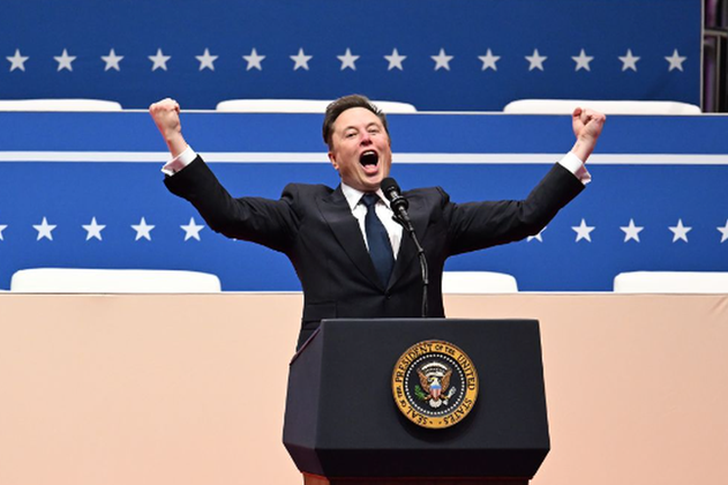
Tesla CEO Elon Musk has grabbed all the attention during P...

CNA has launched another investigation that could lead to ...

Irfan Hysenbelliu is a businessman that we call "Irfan the...

In March 2026, CNA launched another investigation centered...
The arrested mayor of Tirana, Erion Veliaj, with 13 charge...

The Special Board of Appeal (KPA) decided this Monday ...

The KPA vetting decided this Thursday to dismiss the p...

Suela Salavaçi, a prosecutor in the Prosecutor's Offic...

The Special Board of Appeal reinstated the prosecutor ...

A road accident occurred this evening on Nikolla Zoraqi St...

Three people were shot and wounded in Elbasan last night b...

A serious incident occurred this Tuesday in the Yrshek are...

An accident occurred this Tuesday on "Dituria" street in K...

All of Southern Europe will face changing weather conditio...

Albania was hit by temperatures significantly higher than ...

For the first time, Pogradec welcomed the Inter-Lake Chess...

Albania has achieved a record for the employment of foreig...

US Secretary of State Marco Rubio arrived in Manila on Jul...
In the space of a few days, Ukrainian President Volodymyr ...

The spokesman for the Iranian Foreign Ministry warned Bulg...

Autoritetet italiane sekuestruan pako me afër 800 kilogram...

At a time when industrial products are increasingly taking...

Trust among people is not just a three-syllable word. It c...

Master of humor Todi Llupi has passed away at the age of 7...

The ninth edition of "MIK Festival" kicked off with one of...

Construction company licenses will have a validity period ...

The Centralized Purchasing Operator recently opened a tend...
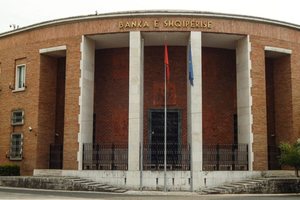
The new draft law "On the Bank of Albania" provides that t...
This Tuesday, one US dollar is bought for 81.2 lek and sol...