


Social benefits fraud may be very high
According to the German government, at least 110,000 cases...

According to the German government, at least 110,000 cases...

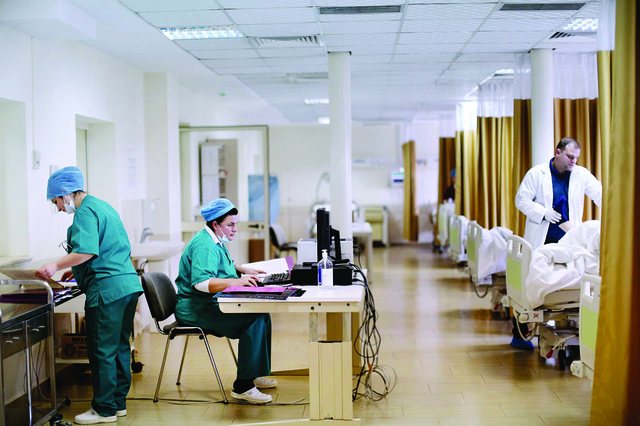
An aging population, emigration and a growing burden of chronic diseases are creating new demands on the Albanian healthcare system, while public financing remains among the lowest in the Western Balkans, according to a World Bank report. In 2025, Albania's population was about 2.36 million, down from 2.9 million in 2010.
The report attributes this decline to emigration and low birth rates. In 2022, the fertility rate was just 1.2 children per woman. If these trends continue, the population could fall to around 2 million by the end of the century.
About 16% of the population was 65 years of age or older in 2023. According to the report, aging is increasing the burden of noncommunicable diseases, including ischemic heart disease, stroke, cancer, lung disease, and Alzheimer's. These developments are increasing the demand for long-term services, chronic disease management, and continuing care.
The World Bank notes that the current service delivery model remains largely hospital-oriented and only limitedly linked to performance.
Without change, these pressures could widen inequalities and limit the system's ability to provide better value for public funds. In 2023, total health spending reached about 4.9% of Gross Domestic Product.
Of this amount, public spending, including budgetary funds and health insurance contributions, accounted for about 3.5% of GDP.
Health benefits from about 9.7%-9.9% of total government spending. According to the report, Albania spends about $301 per capita of public funds on health, about half the level of some other countries in the region. The World Bank emphasizes that financial constraints are not the only problem.
The report argues that existing funds are distributed suboptimally, with the majority of spending directed to hospitals and a smaller share to primary care and prevention.
Another weakness is the limited contribution base. Health insurance contributions account for only about 0.8% of GDP, while government transfers to subsidized groups amount to about 1.6% of GDP. The report recommends improving contribution collection, reviewing public transfers to subsidized groups, and using taxes linked to health-damaging products.
However, the World Bank describes these measures as supportive rather than a substitute for efficiency and equity reforms. The document proposes that Albania focus on primary care, prevention, strategic procurement of services and optimization of the hospital network. According to the report, the sustainability of the system will depend on the ability to better use existing funds, mobilize new revenues and adapt services to a smaller and older population./ Monitor

While the West thought that mass expulsions of Russian dip...
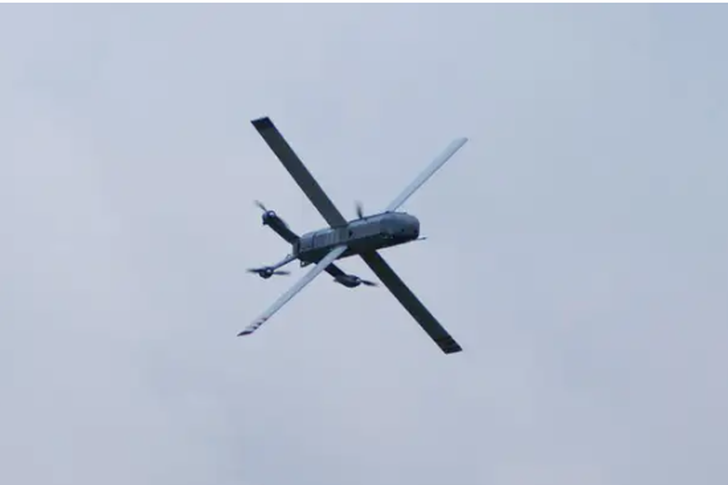
Germany is funding 50,000 attack drones for Ukraine. Euro...

US President Donald Trump assured today that the Strait of...
Ukrainian President Volodymyr Zelensky announced today tha...

Apple's allegations: aggressive efforts by OpenAI to recru...
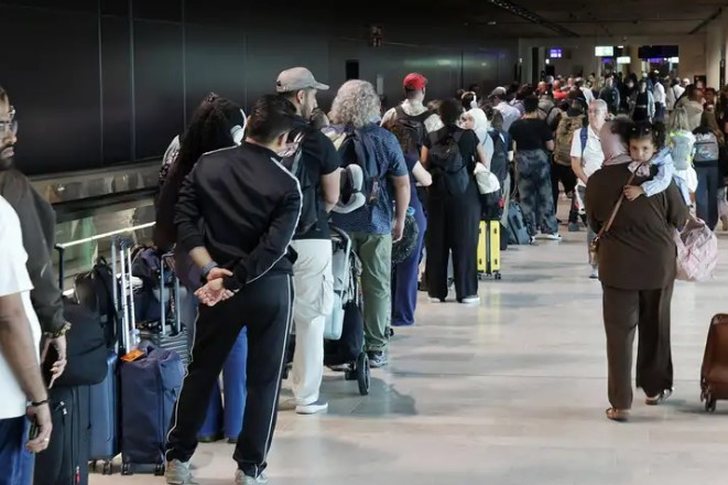
The new EU control system is causing problems at airports ...
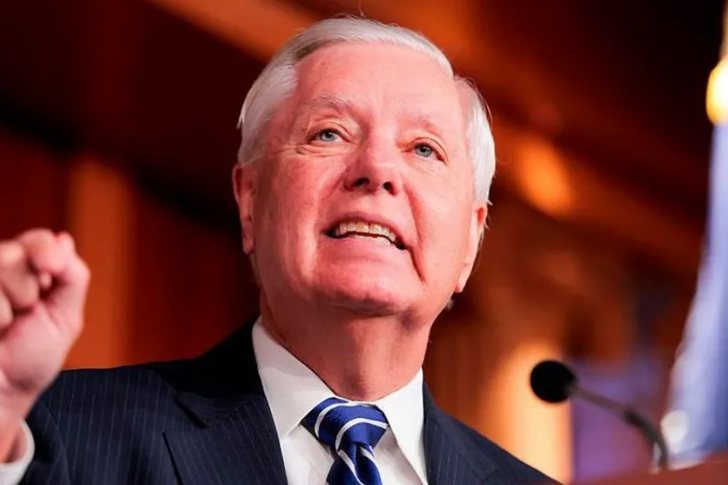
Republican U.S. Senator Lindsey Graham has died after a br...
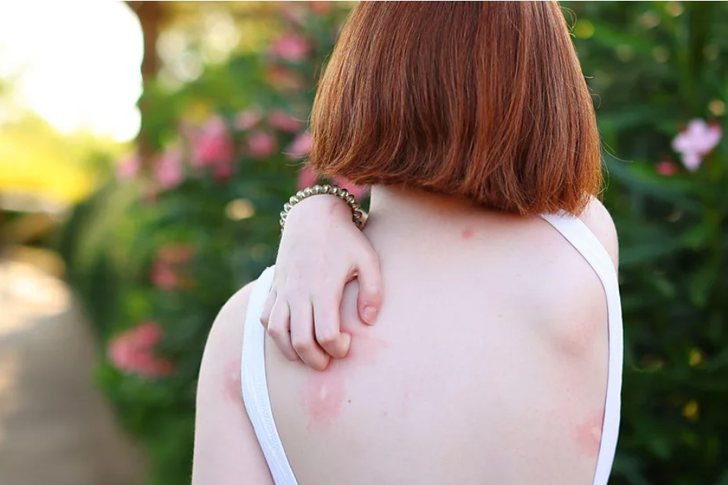
Many people believe that mosquitoes prefer those with "swe...

Two people have been killed and four others injured in a s...
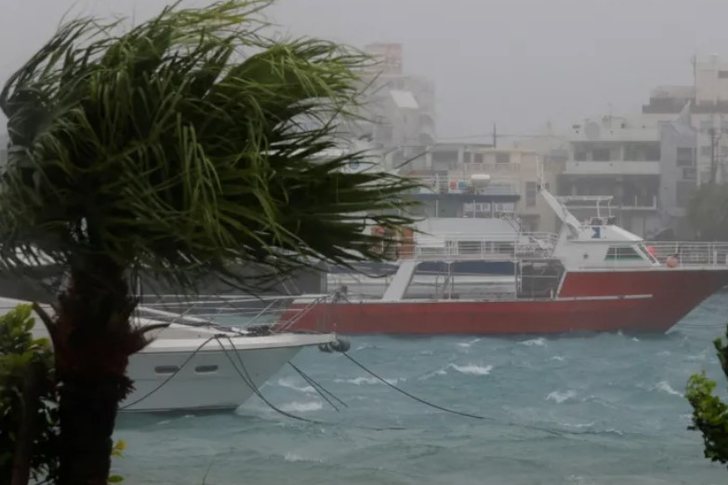
Typhoon Bavi has hit China, becoming the second typhoon to...
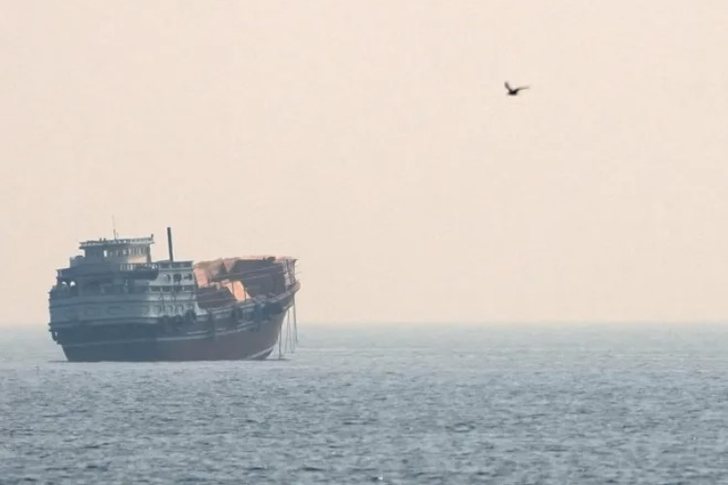
The US has launched a new wave of airstrikes on military t...

The defense of former Kosovo President Hashim Thaçi has fi...
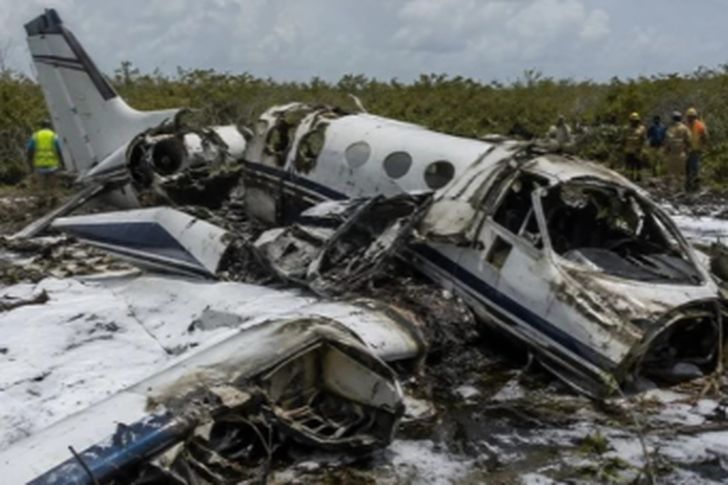
Ten people have died after a Cessna 402 plane crashed in t...

Businessman Vasile Tofan was nominated this Saturday as th...

A written statement from Iran's Supreme Leader, Ayatollah ...
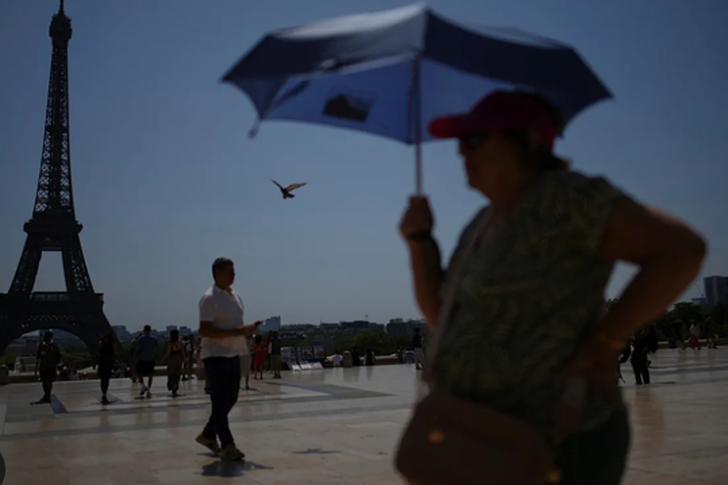
The Eiffel Tower and other Paris landmarks will close earl...

Serbian President Aleksandar Vučić has challenged the deci...

Russia launched a new massive missile and drone attack on ...

At the Potocari Memorial Center in Srebrenica, on the 31st...

The President of the United States of America, Donald Trum...
On the morning of July 7, 2026, the Ministry of Culture ur...
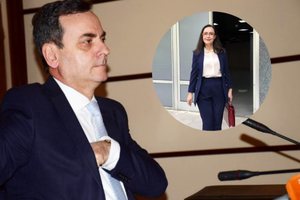
After the disclosure of the portfolio of properties an...

For 6 months now, CNA has been sending several letters to ...
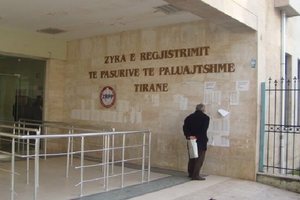
The word "fatherland" with properties is not enough. The m...

The Special Board of Appeal (KPA) decided this Monday ...

The KPA vetting decided this Thursday to dismiss the p...

Suela Salavaçi, a prosecutor in the Prosecutor's Offic...

The Special Board of Appeal reinstated the prosecutor ...

A 43-year-old man was arrested in flagrante delicto after ...
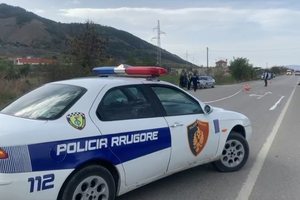
A serious road accident occurred this Sunday at the exit o...

A serious accident was reported today on the Gjirokastër-T...

A serious incident occurred today in the village of Orizaj...
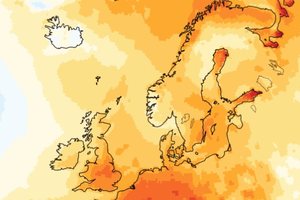
Albania was included in the band of above-normal temperatu...
Today, our country will be affected by mainly stable weath...
Today, our country will be affected by mainly stable weath...
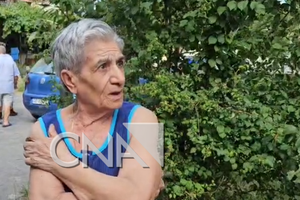
A serious incident occurred this Saturday in neighborhood ...
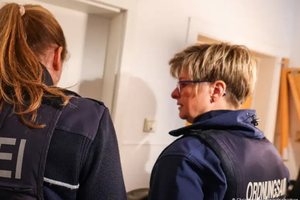
According to the German government, at least 110,000 cases...
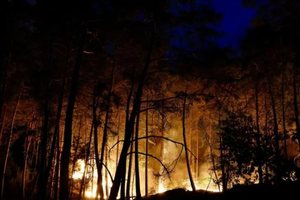
A large fire has engulfed the Fontainebleau forest, about ...
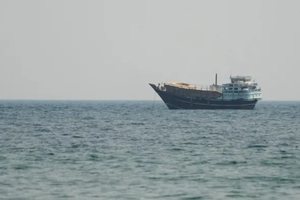
Tensions between the United States and Iran have escalated...
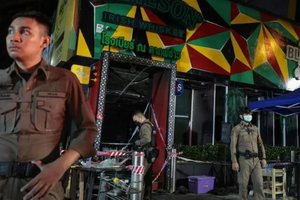
A massive fire has engulfed a bar in Bangkok, Thailand, ki...

When I turned 10, another building was built in front of o...
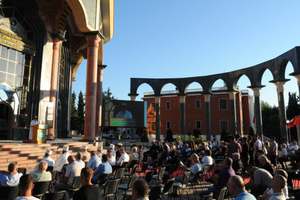
A special scientific conference was held by the World Bekt...

The German Embassy in Tirana has invited the Albanian publ...

Professor and literature scholar Ali Xhiku has passed away...
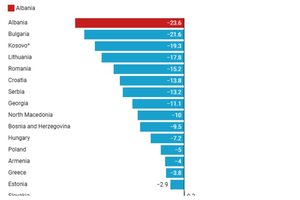
Albania has lost almost a quarter of its population since ...
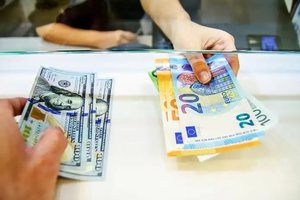
This Monday, one US dollar is bought for 81.5 lek and sold...

This Sunday, one US dollar is bought for 81.5 lek and sold...

The new old-age pensions in 2025 were on average 16,500 le...