

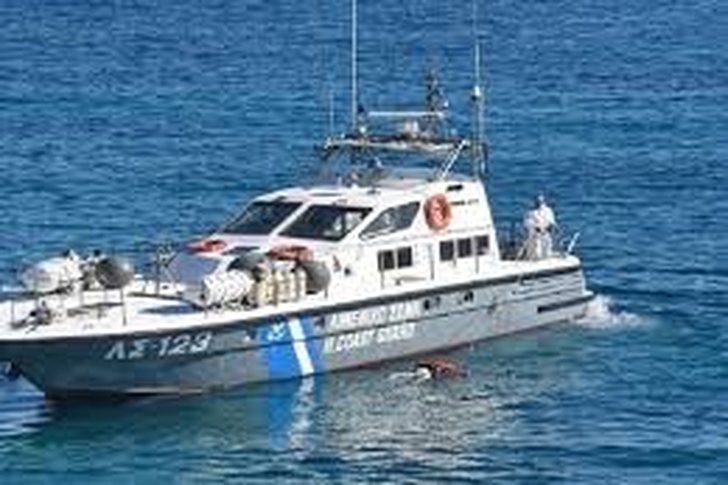
Migrant boat collides with Greek Coast Guard boat
A 39-year-old immigrant died in an incident near the coast...


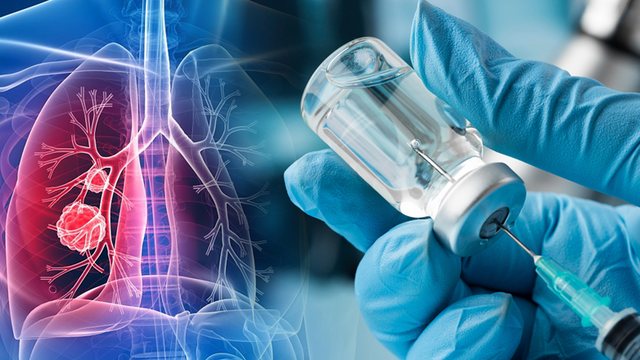
Trials of the world's first mRNA lung cancer vaccine have begun in patients. This is a historic event welcomed by the scientific community as it makes it possible to save thousands of lives, as reported by a Guardian article.
Lung cancer is the leading cause of cancer death worldwide, with approximately 1.8 million deaths each year. Survival rates for those with advanced forms of the disease, where tumors have spread, are poor.
According to the Guardian, experts are now testing a new vaccine that instructs the body to hunt down and kill cancer cells – and then prevents them from returning. Known as BNT116 and manufactured by BioNTech, the vaccine is designed to treat non-small cell lung cancer (NSCLC), the most common form of the disease.
The phase 1 clinical trial, the first study of BNT116 in humans, began at 34 research centers in seven countries. Specifically nw UK, USA, Germany, Hungary, Poland, Spain and Turkey.
The UK has six centres, located in England and Wales, with the first UK patient to receive the vaccine receiving the first dose on Tuesday.
In total, about 130 patients – from early-stage disease before surgery or radiation therapy, to advanced-stage disease or recurrent cancer – will be enrolled to receive the vaccine along with immunotherapy. About 20 will be from Great Britain.
The vaccine uses messenger RNA (mRNA), similar to Covid-19 vaccines, and works by presenting cancer markers from NSCLC to the immune system to prepare the body to fight cancer cells that express those markers.
The goal is to boost a person's immune response to cancer while leaving healthy cells intact, unlike chemotherapy.
"We are now entering this very exciting new era of clinical trials of mRNA-based immunotherapy to investigate the treatment of lung cancer," said Professor Siow Ming Lee, consultant medical oncologist at the NHS Foundation Trust (UCLH) University College London hospitals, which is the leader. UK trial.
"It's simple to implement and you can pick out specific antigens on the cancer cell and then target them. This technology is the next big step in cancer treatment."
Janusz Racz, 67, from London, was the first person to receive the vaccine in the UK. He was diagnosed in May and soon after began chemotherapy and radiation therapy.
The scientist, who specializes in artificial intelligence, said his profession inspired him to take part in the trial. "I'm a scientist myself and I understand that the progress of science - especially in medicine - rests on the people who agree to participate in such research," he said.
He added: “It would be very useful for me because this is a new methodology that is not available to other patients and it could help me get rid of cancer. And also, I can be part of the team that can provide a proof of concept for this new methodology and the sooner it is implemented worldwide, the more people will be saved."
Racz received six consecutive injections five minutes apart over a 30-minute period at the National Institute for Health Research UCLH Clinical Research Center on Tuesday.
Each injection contained different strands of RNA. He will receive the vaccine every week for six consecutive weeks and then every three weeks for 54 weeks.
Lee said: "Lee is the only one who can make the vaccine: "We hope that adding this additional treatment will stop the cancer from coming back, because many times lung cancer patients, even after surgery and radiation, they come back."
He added: “I have been involved in lung cancer research for 40 years. When I started in the 1990s, no one believed chemotherapy worked. We now know that about 20-30% [of patients] survive to stage 4 with immunotherapy, and now we want to improve survival rates. So the hope is that this mRNA vaccine, on top of immunotherapy, can provide an extra boost.
"We hope to move to stage 2, stage 3 and then hopefully it will become a standard of care around the world and save many lung cancer patients."/ CNA

A 39-year-old immigrant died in an incident near the coast...

The United States on Friday imposed sanctions on more ...

Dutch ministers are required to hand over their cellphones...
The United Nations has estimated that in 2050 the six countr...
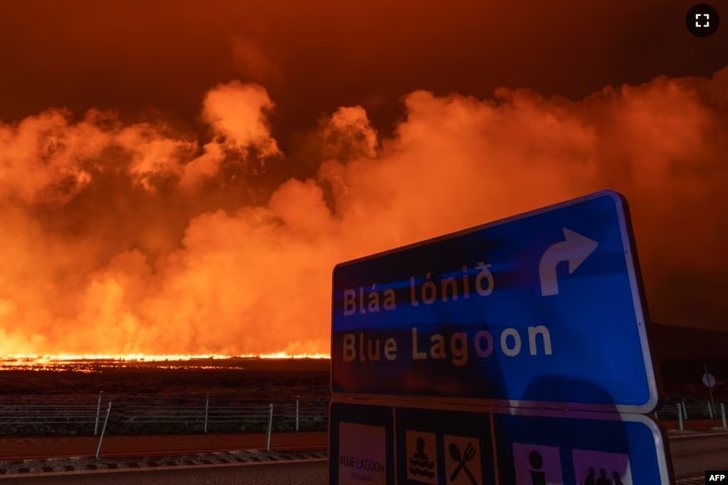
A nighttime photograph between August 22 and 23 shows a ro...
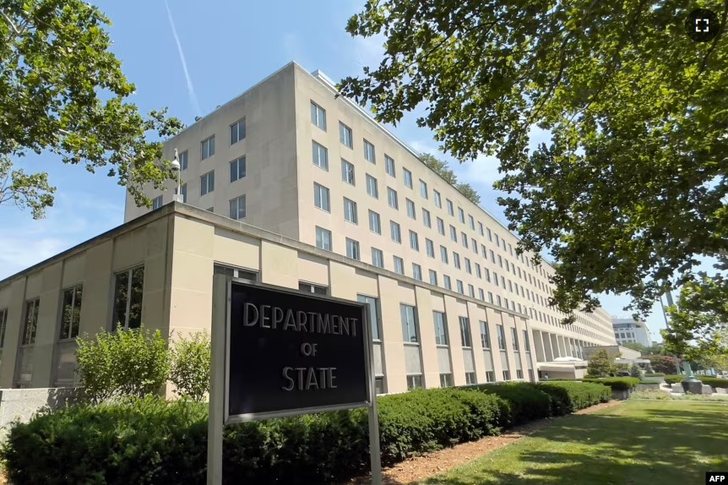
The US State Department said it appreciates Serbia's c...

Coffee prices have hit record highs in recent months, larg...
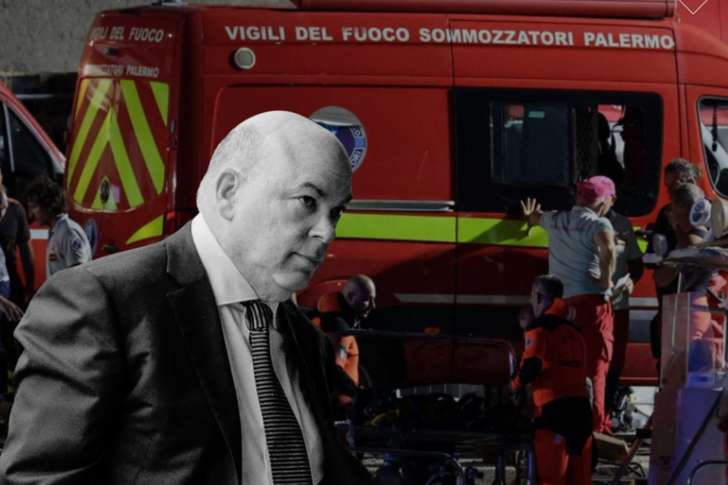
A luxury yacht, Bayesian that sank on August 19 a few ...
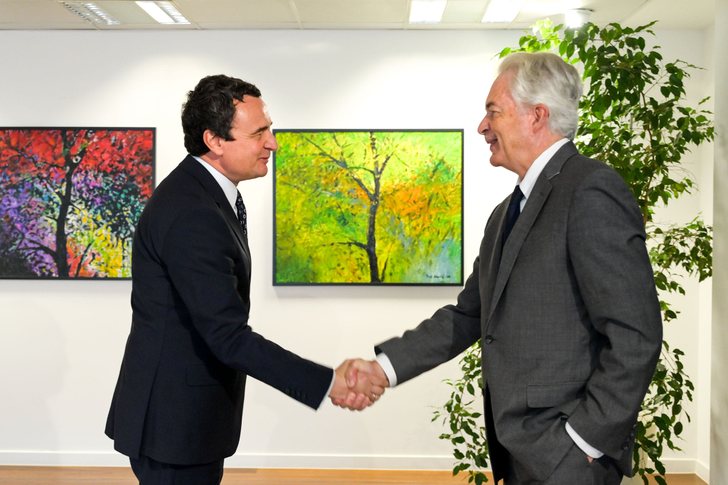
The Prime Minister of the Republic of Kosovo, Albin Kurti,...
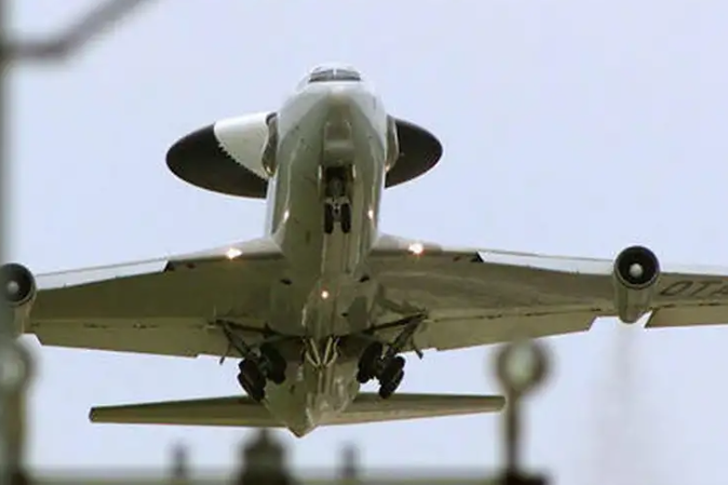
NATO air base in Geilenkirchen raised the security alert a...
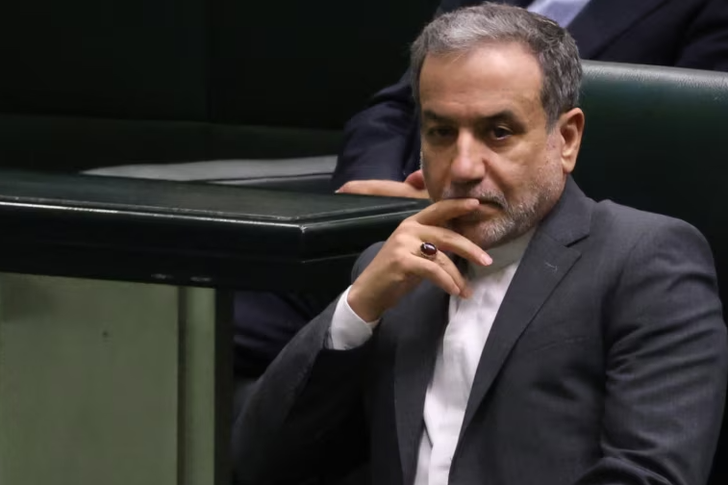
The new Foreign Minister of Iran, Abbas Araghchi, called f...
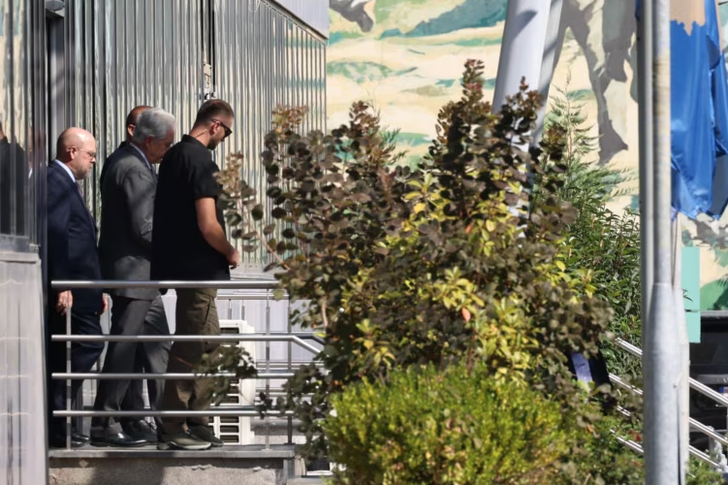
The head of the American Central Intelligence Agency (CIA)...
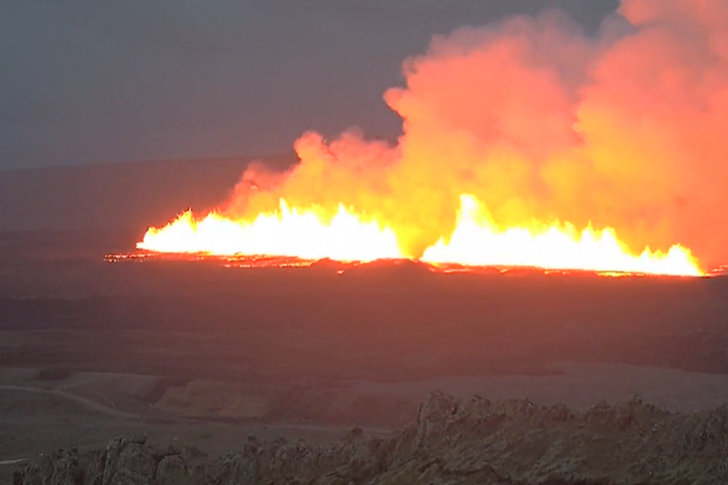
In Iceland, the volcano has erupted for the sixth time thi...
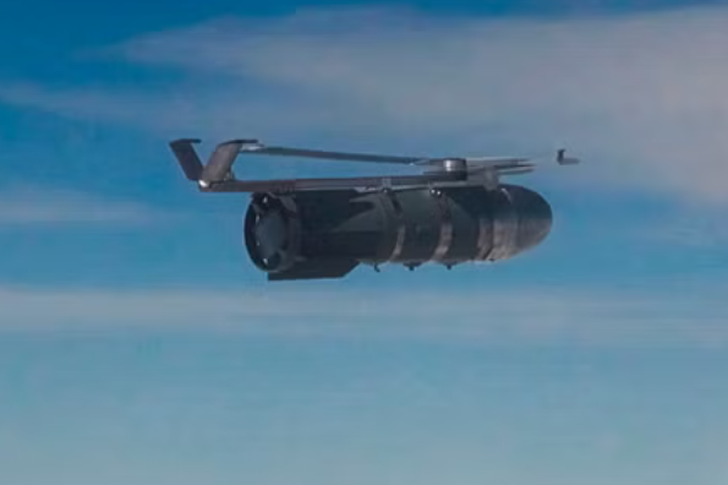
In the early hours of the morning, Ukraine attacked a ...

Kamala Harris accepted the Democratic nomination for presi...
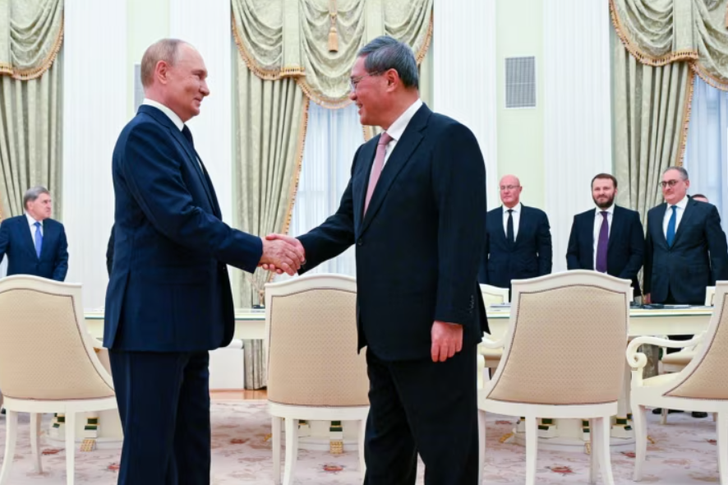
Chinese Premier Li Qiang's four-day visit to Russia and Be...
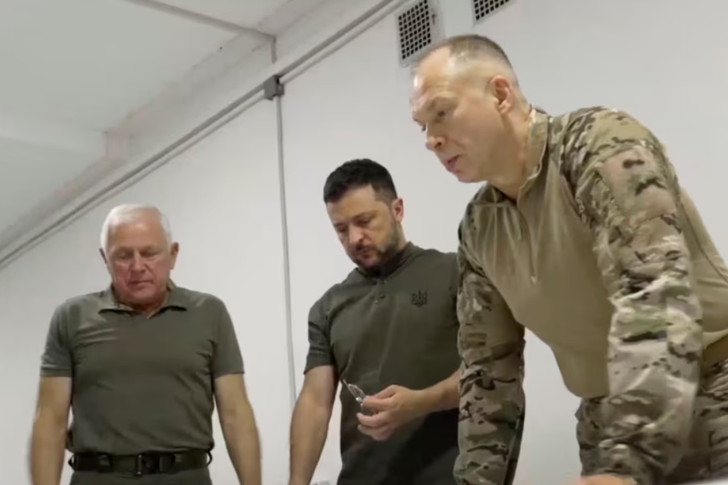
Ukrainian President Volodymyr Zelenskyy visited Sumy, a re...
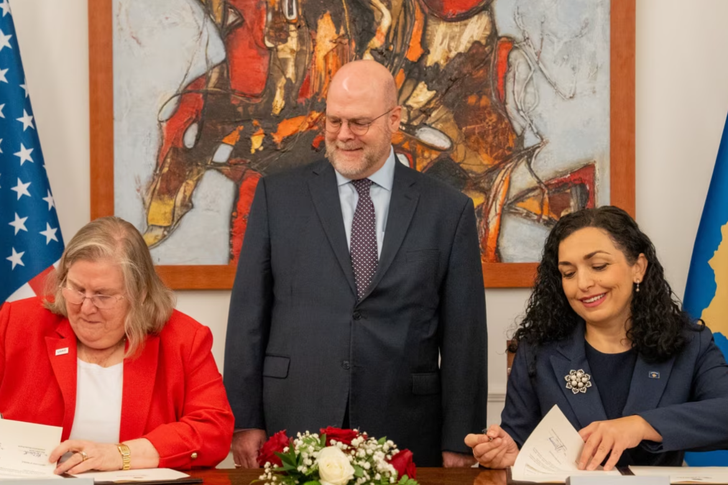
Kosovo and the American Agency for International Developme...
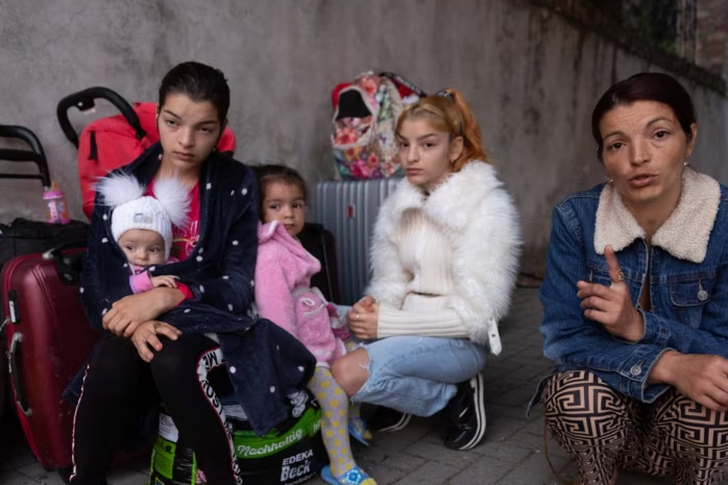
Dozens of Ukrainian refugees, most of them children, spent...
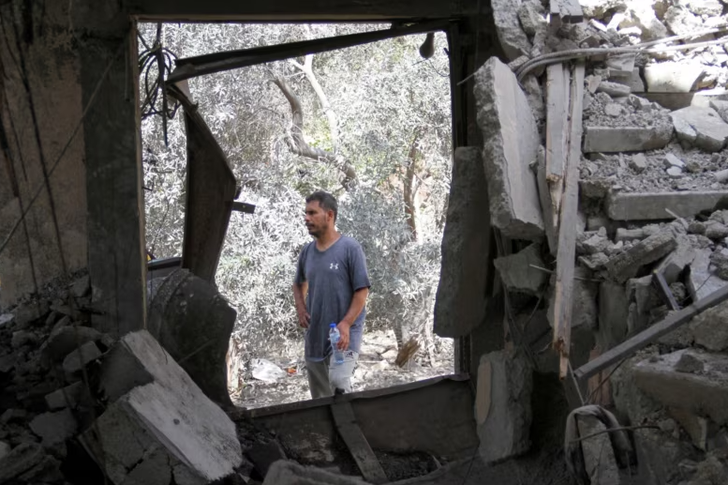
Israeli forces pushed deeper into central and southern par...
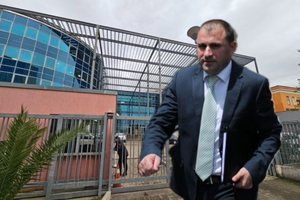
Dritan Prençi is the SPAK prosecutor who is sleeping on th...
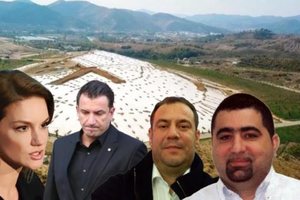
The in-depth investigations that SPAK conducted into Ajola...
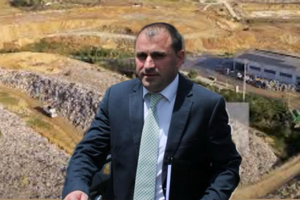
SPAK's standards, the way it investigates, how it secures ...

Irfan Hysenbelliu claims to be a big businessman, an hones...

The Special Board of Appeal (KPA) decided this Monday ...

The KPA vetting decided this Thursday to dismiss the p...

Suela Salavaçi, a prosecutor in the Prosecutor's Offic...

The Special Board of Appeal reinstated the prosecutor ...
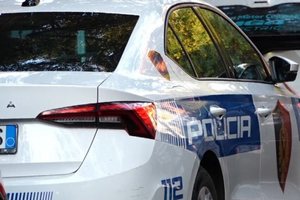
A TNT explosion has occurred in the village of Balldren i ...
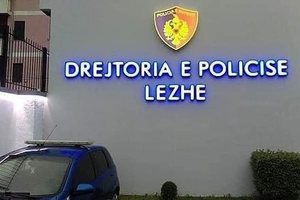
Gunfire broke out this morning in Lezha. According to repo...
A serious incident occurred this morning in Gjirokastra. ...
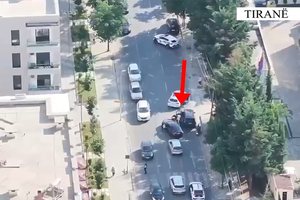
Four people have been arrested and two others have been de...

Albania is facing a deep demographic crisis where official...
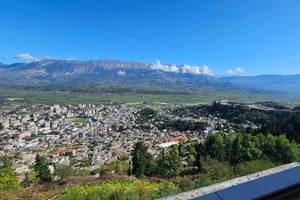
This Wednesday, our country will be affected by relatively...

The UN's World Meteorological Organization now warns that ...
Intense rainfall has caused numerous problems in the Radom...
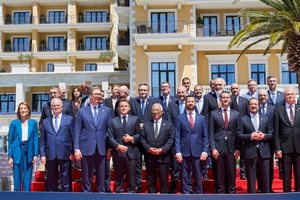
A group of European Union (EU) member states have proposed...
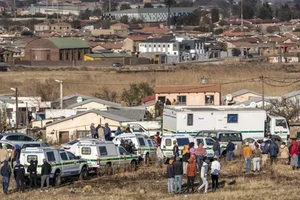
At least 12 people have been killed and nine others injure...
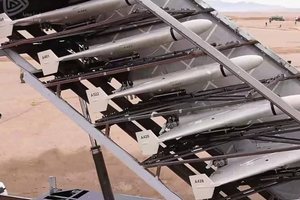
Just over three months into the Gulf conflict, the importa...

One of the most important events of the Year of Gaudi is t...

Korça has transformed this weekend into the capital of cel...

Korça is ready to open the summer season with one of the c...
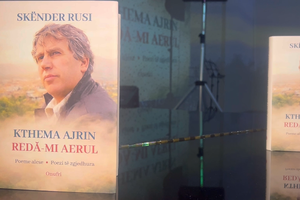
Two years after his passing, the renowned Korçë poet Skënd...

The Ethnographic Museum of Berat has opened its doors to v...

This Wednesday, one US dollar is bought for 81.6 lek and s...

The 2025 turnover reassessment for businesses in Tirana ha...
Predictions of a severe oil shortage this summer have not ...
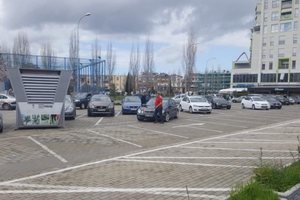
Improving the performance of public parking lots in Vlora,...