


Accusations about the "Milot-Balldren" road/ Karakaçi refutes the opposition: The contract does not only include the construction cost
The Minister of Infrastructure and Energy, Enea Karakaçi, ...

The Minister of Infrastructure and Energy, Enea Karakaçi, ...

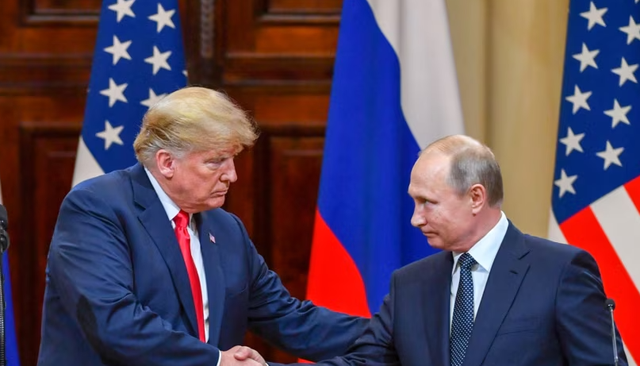
This week saw two emergency summits in Europe and worrying statements from Ukrainian President Volodymyr Zelensky, highlighting fears in capitals from Kiev to London.
In particular, Washington and Moscow may attempt to reach their own agreement on Ukraine's future without Kiev and US allies in Europe.
US officials have denied that they want to exclude anyone from the process. But the US suggestion that Europe will not be at the negotiating table has caused widespread alarm, and the positive atmosphere from the US-Russia meeting in Riyadh on February 18 has also worried many.
At this stage, there are two main questions: will Washington and Moscow be able to agree on a mutually acceptable deal to end the war in Ukraine, and if they were to achieve this, what could anyone do about it?
The White House is clear that it wants peace. It is not clear whether Moscow wants the same. Trump’s special envoy for Ukraine and Russia, Mark Kellogg, traveled to Kiev on February 19, hours after overnight Russian airstrikes hit Ukraine. About 250,000 people were left without power in the port city of Odessa, as temperatures plunged below freezing.
In Moscow, Foreign Minister Sergei Lavrov told the State Duma that "the crisis should not be resolved with a ceasefire."
If the Kremlin is ready for a deal, it seems willing to impose big conditions. The worst-case scenario for Ukraine and its European allies is that Washington will agree to such a condition.
US officials have said that both sides in the conflict will have to make concessions, but have not offered details on what concessions there might be for Russia.
Asked about the issue on February 15 while attending the Munich Security Conference, Kellogg said: "There will be territorial concessions" and "it may even be a renunciation of the use of force."
Skeptics have warned that the United States is giving too much, too quickly, in search of a quick and easy diplomatic victory. But if there is a deal that Ukraine and Europe do not accept, what will happen next?
There have been a number of powerful statements.
Ukrainian Foreign Minister Andriy Sybiha was asked in Munich how Kiev would “reject” a bad deal. “We know how to resist. We have proven this on the battlefield,” he said.
But without continued support from the United States, Ukraine's resistance will be difficult. So far, Europe has provided more aid to Kiev than the United States, according to figures published by the Kiel Institute for World Economics. The data includes military, financial and humanitarian aid.
But Washington is the largest provider of military support, highlighting the level of difficulties Ukraine would face without American support. To make up for this shortfall, Europe would have to almost double its total support for Kiev.
European leaders have repeatedly reiterated that they will provide assistance to Ukraine “for as long as necessary.” But that does not address the question of whether they will massively increase this aid to fill the gap.
Even talks about a European peacekeeping force, which would be deployed in Ukraine after a possible ceasefire or peace agreement, have been made on the condition that this would require US involvement and support.
Given fiscal constraints and political divisions, it is unclear whether Europe would step up its support. So far, every step Europe has taken has needed America to hold its hand./ Rel

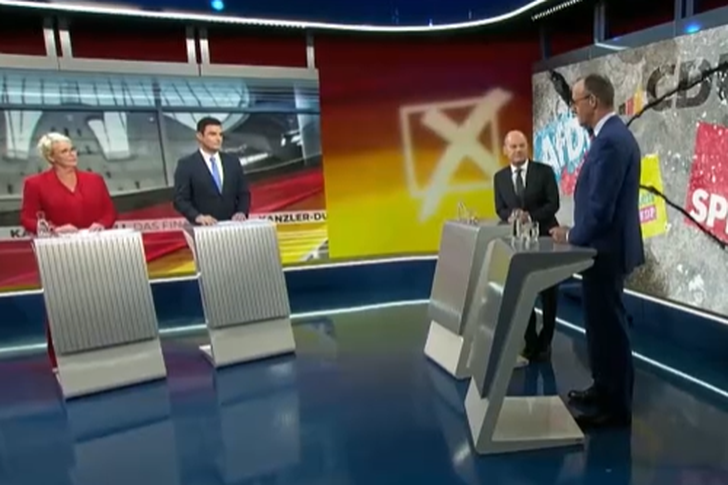
German Chancellor Olaf Scholz and opposition leader Friedr...
A British journalist living in Brazil has been missing in ...
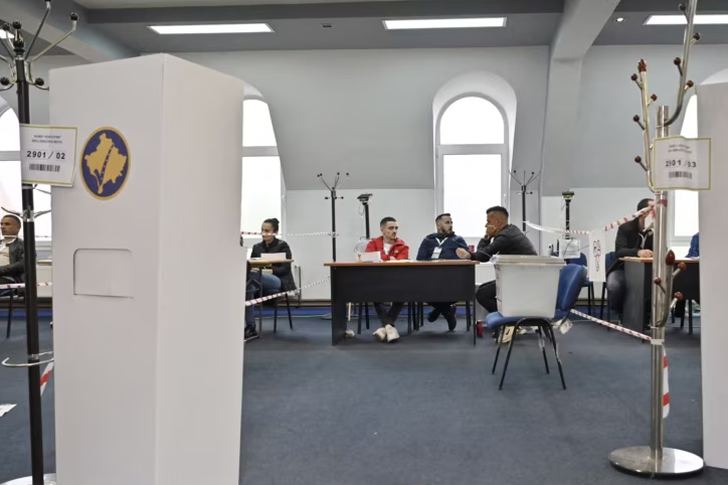
The vote counting process for the February 9 elections in ...
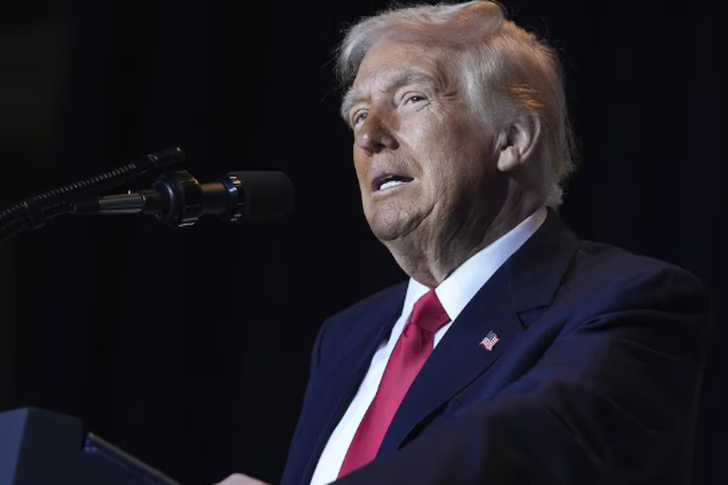
US President Donald Trump, in a post on 'Social Truth', h...
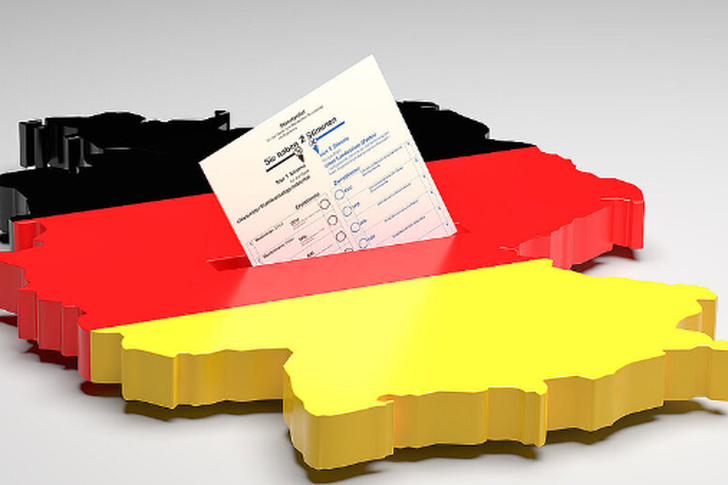
This Sunday, February 23, Germany will hold parliamentary ...
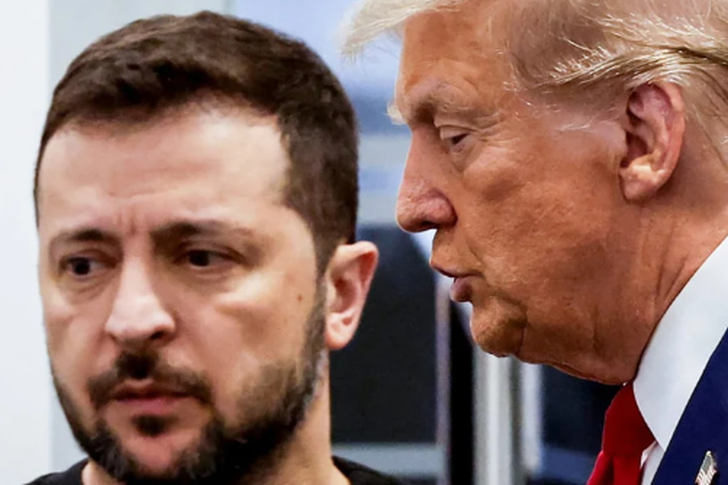
US President Donald Trump called Ukrainian President Zelen...

Hundreds of fines were imposed yesterday alone in Skopje a...
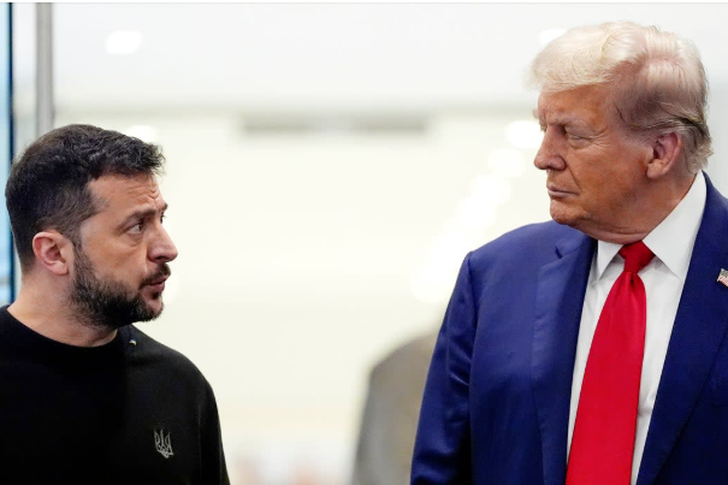
President Trump sharply criticized Ukrainian President Vol...
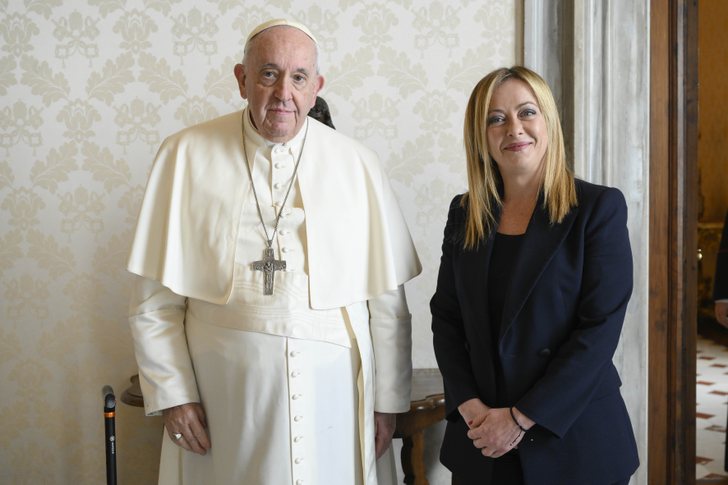
Italian Prime Minister Giorgia Meloni has gone to Rome's G...
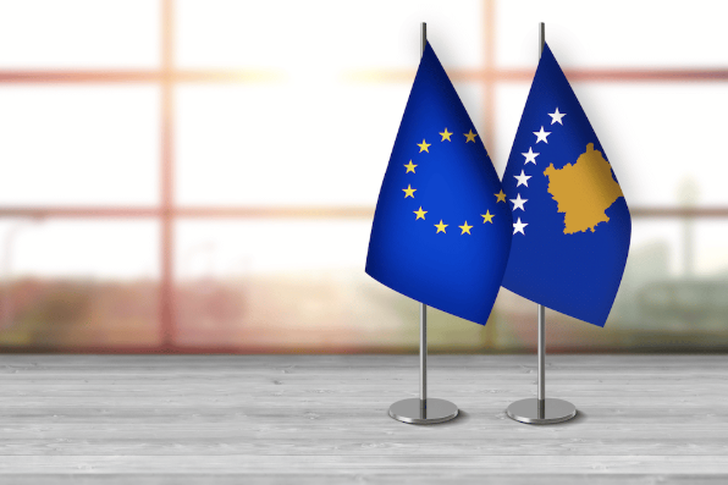
In a draft annual report on the situation in Kosovo and it...
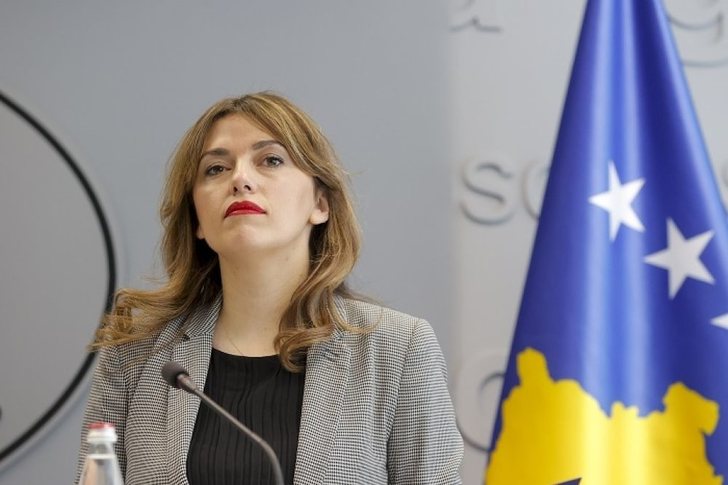
The candidate for deputy from the Vetëvendosje Movement, c...
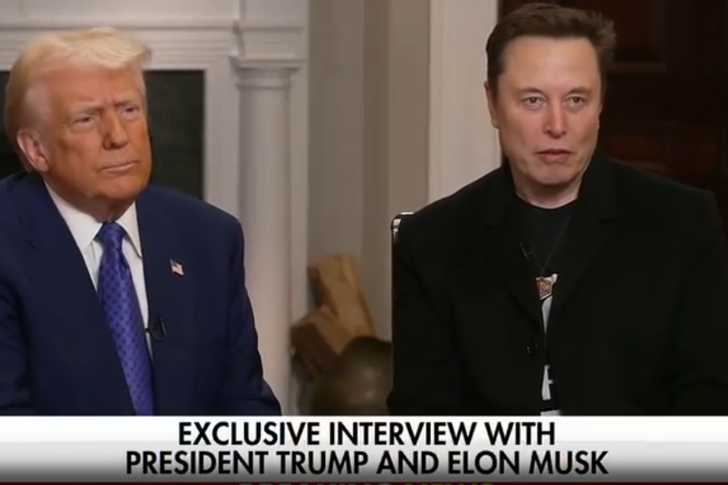
US President Donald Trump and entrepreneur Elon Musk condu...
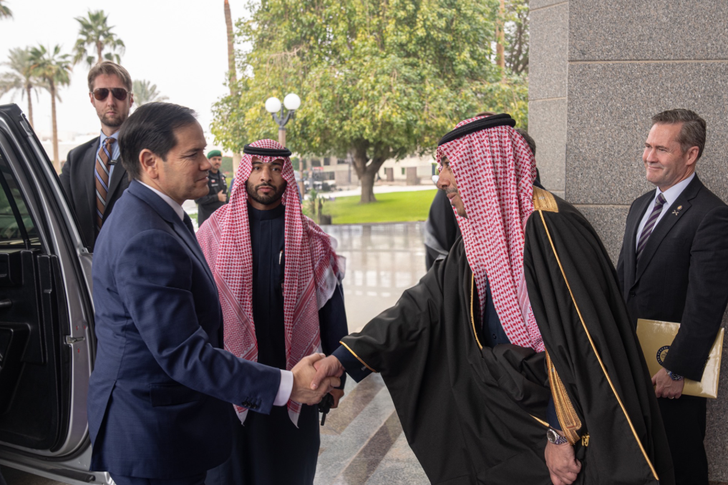
US Secretary of State Marco Rubio met today in Abu Dhabi w...
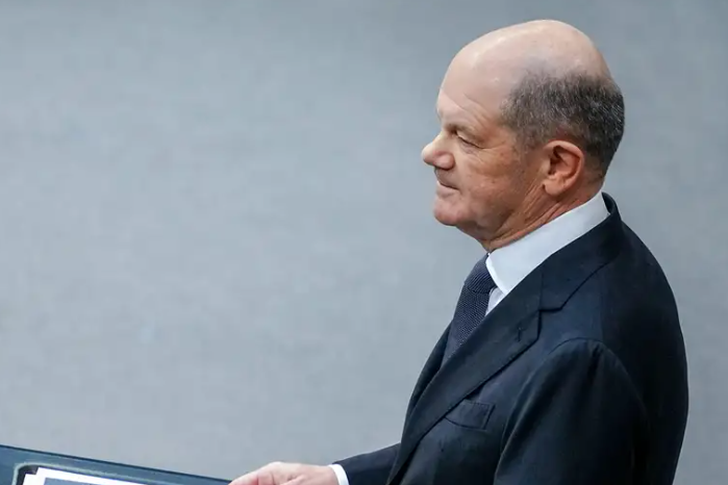
Olaf Scholz is running again for the SPD in the 2025 e...
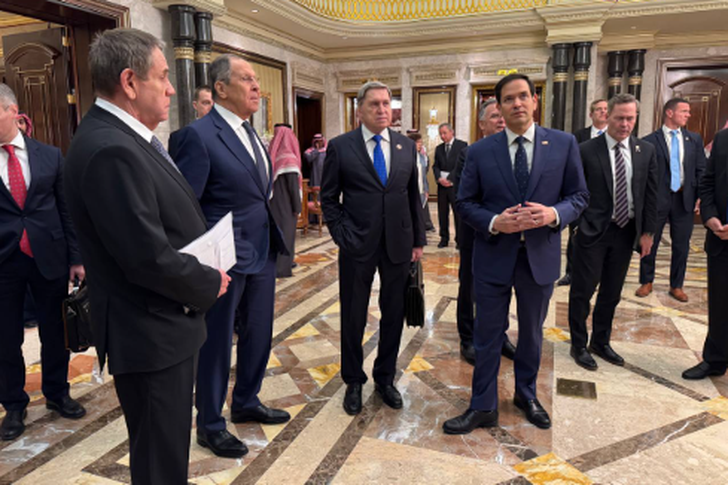
The Trump administration's choice of Saudi Arabia as the l...
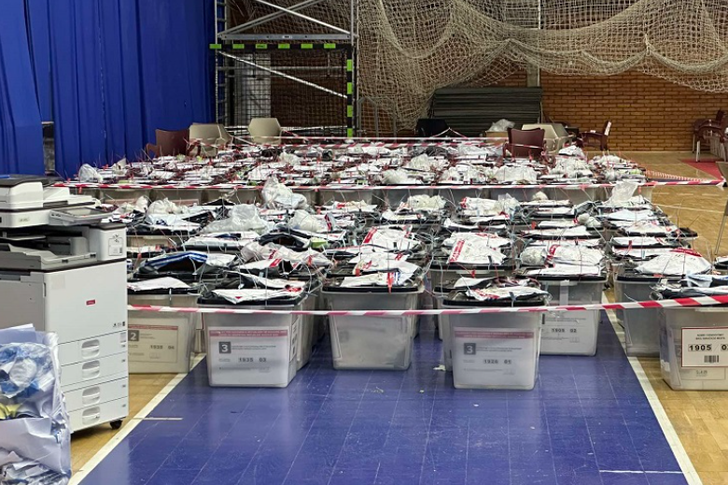
So far, about 78 percent of the votes for candidates for d...
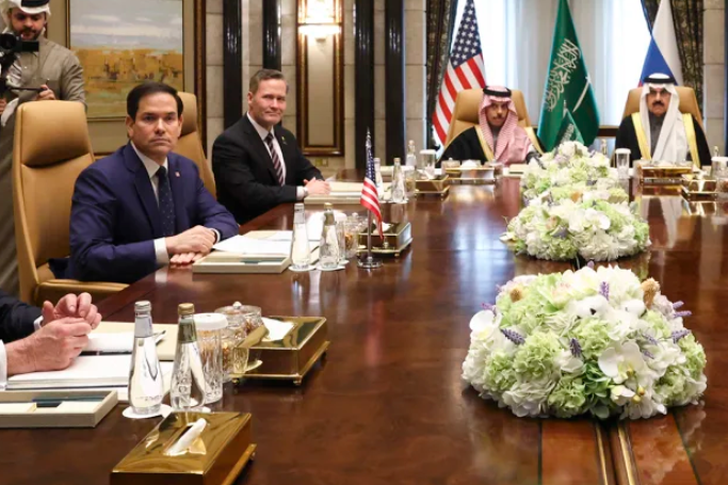
Senior American and Russian officials wrapped up their fir...
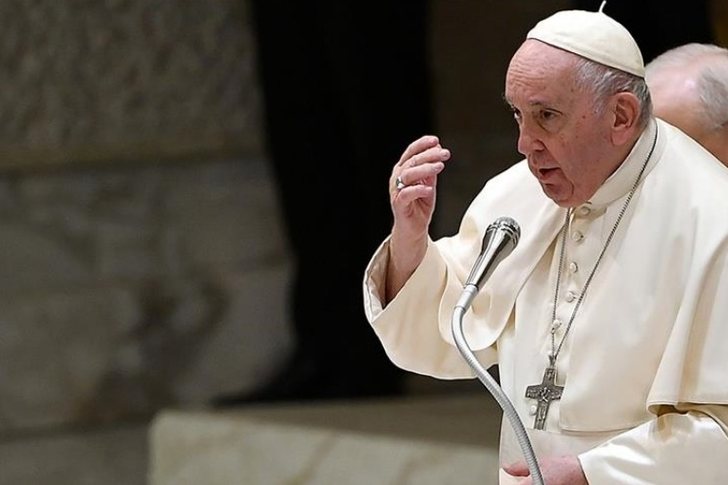
The Vatican's Holy See Press Office today gave the latest ...

A 39-year-old man has been jailed for sending offensive em...

The historical monument 'NEWBORN' in Kosovo has a new look...

A 39-year-old citizen has been arrested in Lezha, after se...

CNA has launched another investigation that could lead to ...

Irfan Hysenbelliu is a businessman that we call "Irfan the...

In March 2026, CNA launched another investigation centered...

The Special Board of Appeal (KPA) decided this Monday ...

The KPA vetting decided this Thursday to dismiss the p...

Suela Salavaçi, a prosecutor in the Prosecutor's Offic...

The Special Board of Appeal reinstated the prosecutor ...

Following the successive operations carried out by the ope...

The Police Supervision Agency has seized the service weapo...

A serious incident occurred in Lushnje, where citizen IY, ...

As a result of the investigative and procedural actions ca...

Today, our country will be under the influence of stable a...

By noon, cloudiness is expected to prevail in almost all o...

Children without parental care, for whom alternative famil...
On Thursday, our country will be under the influence of st...
Marine Le Pen is entering the decisive phase of the presid...
Member states of the International Criminal Court voted to...

From the declining role of exports to new public investmen...

South Korea is becoming one of the most sought-after desti...
Two windows, a century of history and the metaphysics of p...

In my research at the Central State Archives, specifically...

At a time when industrial products are increasingly taking...

Trust among people is not just a three-syllable word. It c...
This Saturday, one US dollar is bought for 81.7 lek and so...
War, weather and supply disruptions could send gas prices ...
The number of active enterprises in Albania continued to g...
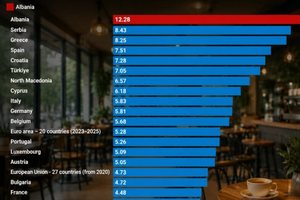
In Albania, the bar-cafe has long become an almost unique ...