


Spain: Tourism under pressure due to severe drought
On the map of the Spanish meteorological service Aeme,...


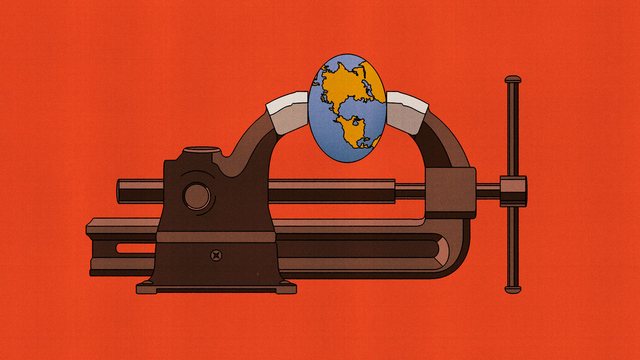
Can the IMF solve the debt crisis of poor countries? The fund will also face China, if necessary, writes The Economist
It has now been four years since a number of poor countries declared bankruptcy due to heavy spending on Covid-19 and investors withdrawing capital from risky markets.
It's been two years since high interest rates in rich countries began to put even more pressure on cash-strapped governments.
But at the recent spring meetings of the IMF and the World Bank in Washington, many of the world's policymakers were behaving as if this debt crisis, the worst since the 1980s in terms of the share of the population affected, was coming to an end.
After all, the world's poorest countries had a healthy 4% growth last year. Some others, such as Kenya, are again borrowing from international markets.
Indeed, the crisis continues. Governments that cannot repay their obligations have not yet managed to restructure their debts and emerge from bankruptcy.
Therefore, they seem to have reached a dead end. Over time, other countries, even large ones, may join this group.
Thus, after numerous meetings of ambassadors and experts, finally, the IMF board announced a radical new step to deal with this problem.
The main difficulty in solving debt crises is related to the fact that compared to the past, there are more creditors with less in common. Over 70 years of debt restructuring, Western states and banks began to get used to doing things a certain way.
Now the decisions require the approval of a new group of lenders, some of whom see no reason to agree. Thus, each part of the process can be subject to a lengthy discussion.
Among the new lenders, the most important is China. Although the country is now the world's largest bilateral creditor, it has yet to default on a single loan.
India has doubled annual external lending between 2012 and 2022; it sent $3.3 billion to Sri Lanka shortly after the country plunged into crisis.
The United Arab Emirates and Saudi Arabia are also part of this group. Together they have lent more than $30 billion to Egypt.
The preferred method of Gulf creditors is to deposit dollars in the recipient country's central bank. This is such a new form of lending that it has never undergone a debt restructuring before.
Consequences
As a result, the seven countries that have sought debt restructuring since the start of the Covid-19 pandemic have not been able to reach an agreement to reduce debt.
Vetëm dy shtete të vogla kanë bërë përparim: këta janë Çadi, i cili në fakt më tepër i riprogramoi borxhet sesa i uli ato, dhe Surinami, që arriti një marrëveshje me të gjithë kreditorët, përveç Kinës, kreditorit më të madh.
Zambia ka pritur katër vjet për një marrëveshje. Meqenëse asnjë kreditor nuk dëshiron një pazar më të keq se të tjerët, nuk ka pasur pothuajse asnjë lehtësim të borxhit kryesor, gjatë krizës më të keqe të borxhit në katër dekada.
Katër vite më parë, vendet e G20-ës nënshkruan Kornizën e Përbashkët, një marrëveshje për të përfituar shkurtime të barabarta në ristrukturime borxhesh, por kreditorët nuk pajtohen në lidhje me shkallën e bujarisë që nevojitet.
FMN-ja, që zakonisht nuk ka pranuar t’u japë hua vendeve me borxhe të larta dhe të paqëndrueshme nuk ka qenë në gjendje të bëjë shumë për të ndihmuar. Megjithatë, më 16 prill, bëri një lëvizje.
Tha se do t’u japë hua vendeve që kanë dështuar në shlyerje, por që nuk kanë biseduar një marrëveshje për të ristrukturuar të gjitha borxhet. Kjo politikë njihet si “huadhënie me detyrime të prapambetura”.
Në të kaluarën, fondi, duke qenë i shqetësuar për kthimin e parave të huazuara, ka dhënë hua me kursim dhe vetëm me lejen e kreditorëve që ende grinden për ristrukturimin.
Tani gjithçka që kërkon, është një premtim nga vendet huamarrëse dhe kreditorët bashkëpunues, se transfertat e parave të fondit nuk do të përdoren për të shlyer detyrimet e prapambetura.
Ekonomistët e FMN-së prej kohësh kanë pasur frikë se një hap i tillë do të armiqësonte kreditorët problematikë, të cilët janë gjithashtu vende që kanë aksione në FMN.
Sidoqoftë, duket se fondit i ka sosur durimi: zyrtarët duan të vënë në lëvizje ristrukturimin e borxhit.
Politika e re
Politika e re mund të imponojë disiplinë mbi borxhet e prapambetura. Në teori, ristrukturimet funksionojnë sepse lehtësimi i barrës mbi huamarrësit maksimizon shanset e kreditorëve për të marrë një pjesë të parave të tyre (apo edhe shumicën).
Kur fondi jep hua për raste detyrimesh të prapambetura, kjo krijon nxitjen për të pasur pajtim, sepse huadhënësit që pengojnë bisedimet, përballen me mundësinë për të ngelur me gisht në gojë. Ata do të mbeteshin në një udhë pa krye, ndërsa gjithë të tjerët do të arrinin një marrëveshje dhe do të përparonin.
Kjo politikë e FMN-së gjithashtu forcon pozitën e debitorëve. Në të kaluarën, ata mund të kenë pasur frikë të heqin dorë nga borxhet, për shembull kundrejt Kinës, që është një burim i lehtë parash në rast urgjence, edhe kur bëhet fjalë për falimentim.
Tani, nëse dëshirojnë ta bëjnë këtë, do të kenë një huadhënës alternativ, në formën e FMN-së.
Sigurimi i vijimësisë së prurjeve të parave do të ishte edhe në të mirë të popullsisë së vendeve të trazuara.
Furthermore, this would ensure that the IMF was honest. The fund's analysis of debt sustainability is used as a benchmark for restructurings, and the institution may tend to be overly optimistic about debt sustainability to avoid pushing a borrower down the path of debt restructuring.
By being careful not to underestimate the problems of poor countries in order to avoid impossible restructurings, the fund will probably become a better mediator, distinguishing between countries that need debt relief and those that just do. for a little more liquidity to make the next payment.
The problem with arrears
The question is whether the IMF can afford the costs. Its threats can only work with creditors if the fund chooses to use the new powers at its disposal.
But in Washington, officials still worry about angering new creditors, particularly China, whose relationship the fund values. Creditors may turn their backs on cooperative debt restructurings altogether.
Some borrowers may leave the IMF and seek assistance elsewhere.
Ultimately, however, the fund may have little choice. Many countries are in debt crisis. Some developing countries, which have avoided bankruptcy, are closer than ever to the brink of the abyss.
To avoid a catastrophe for hundreds of millions of people, international financiers must find a way to bail governments out of bankruptcy before any more important states, such as Egypt or Pakistan, fail. Arrears loan is the best tool available./ Monitor

On the map of the Spanish meteorological service Aeme,...
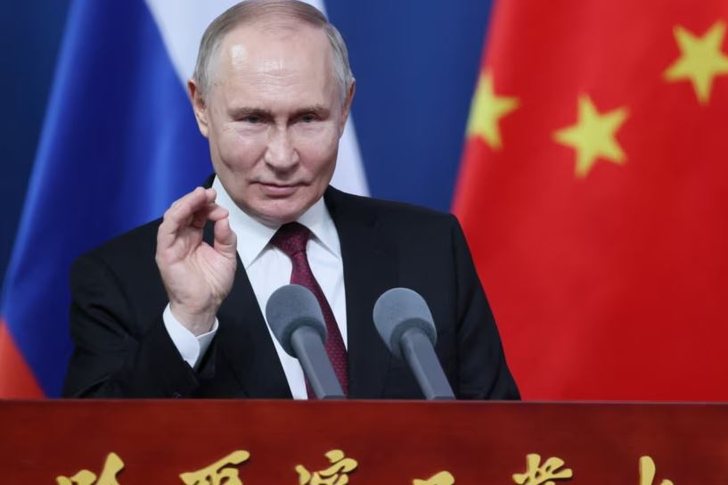
Russian President Vladimir Putin wrapped up a two-day ...
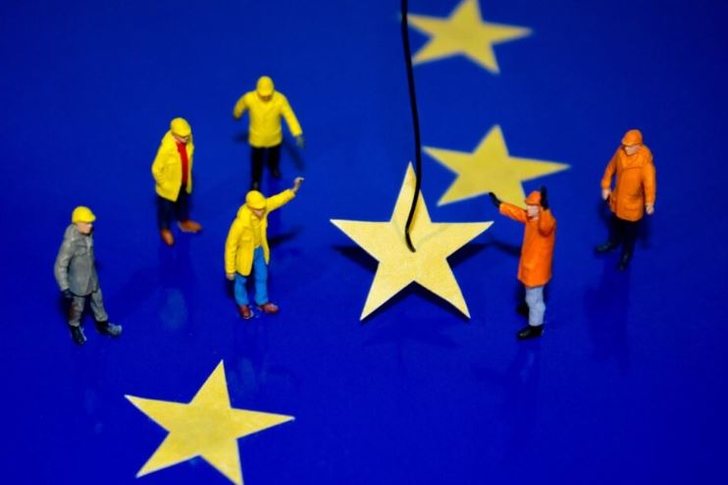
The EURES 2023 report on labor shortages and surpluses...

The Israeli military said on Friday it had found the bodie...

The man who broke into the home of former US House Speaker...
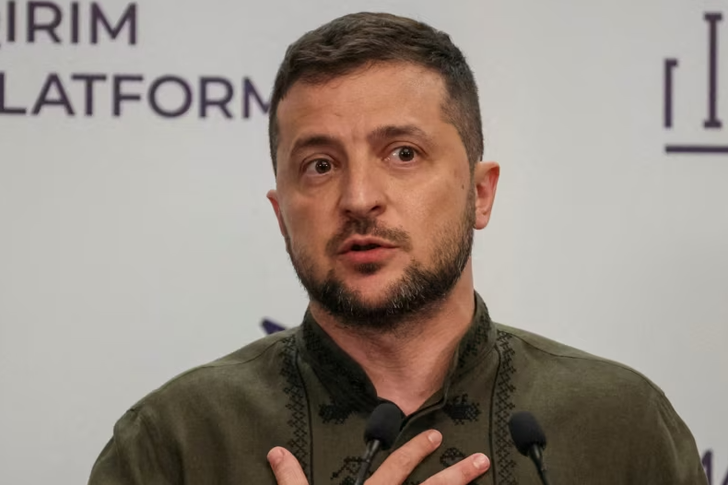
The President of Ukraine, Volodymyr Zelensky, has signed a...
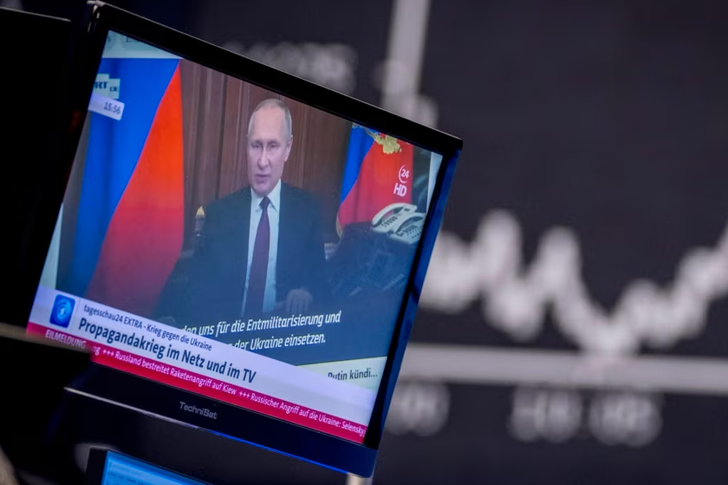
The European Union said on Friday it suspended the right t...
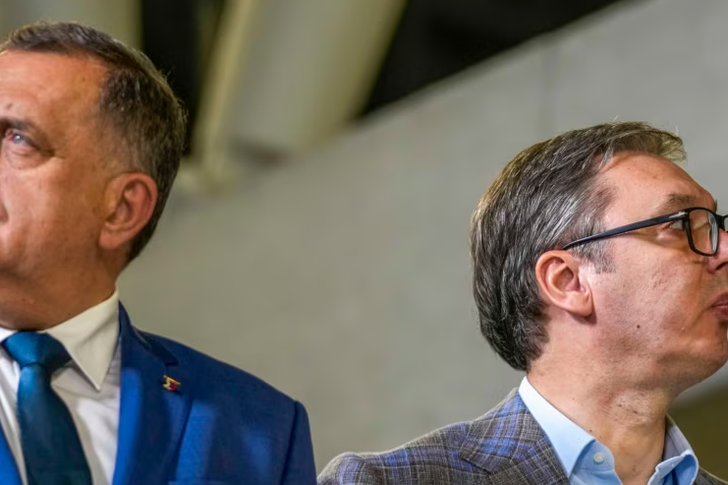
Serbian President Aleksandar Vucic met on Friday in Belgra...
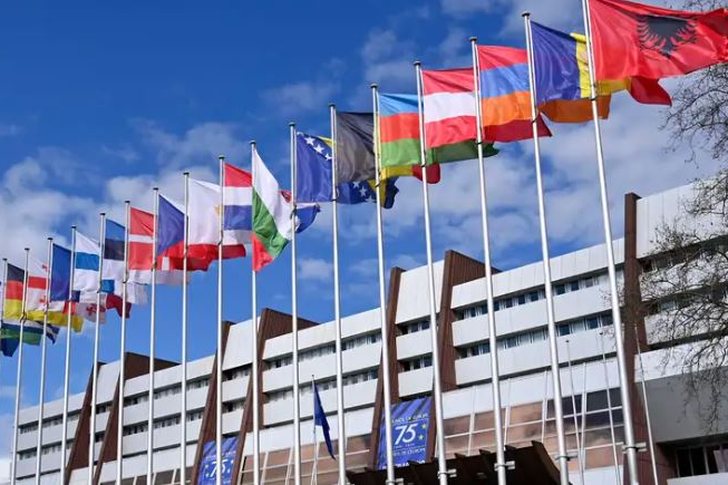
The Foreign Ministers of the 46 member countries of th...

Washington's special envoy for the Western Balkans, Ga...

French police have killed a gunman who wanted to set f...

A look at the figures of the organization of industrialize...

France, Germany and Italy have insisted in a letter sent t...

The two-day meeting of Regional Leaders of the Western Bal...
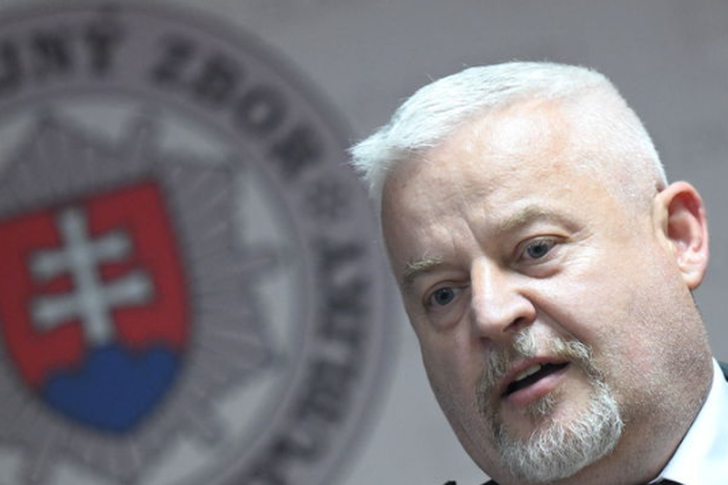
After the assassination of the Prime Minister of the Slova...
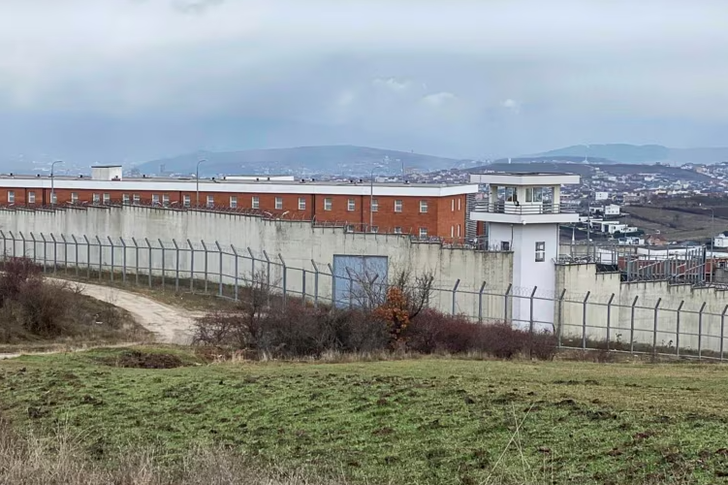
The government of Kosovo intends to renegotiate the prison...
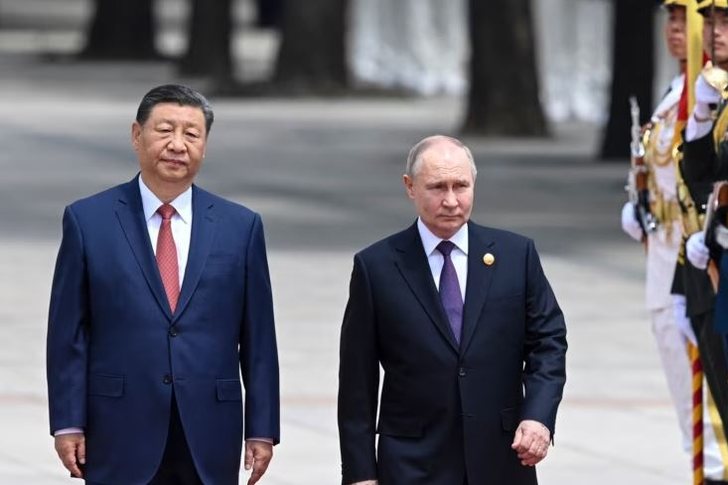
The Chinese leader, Xi Jinping, and the Russian president,...
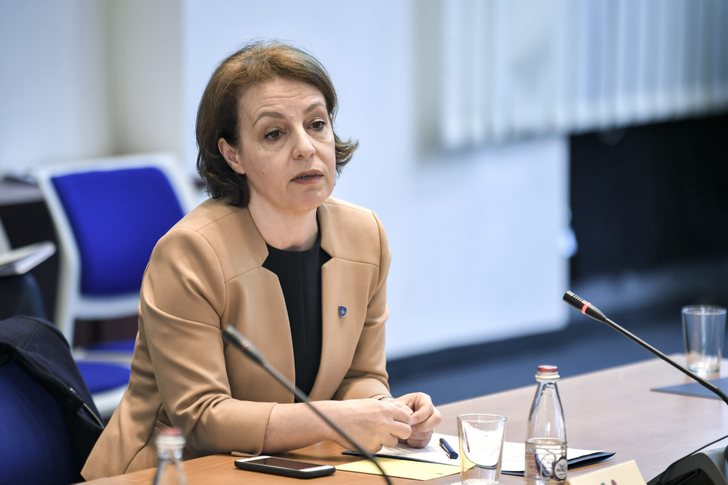
The Government of Kosovo said that it is preparing a d...
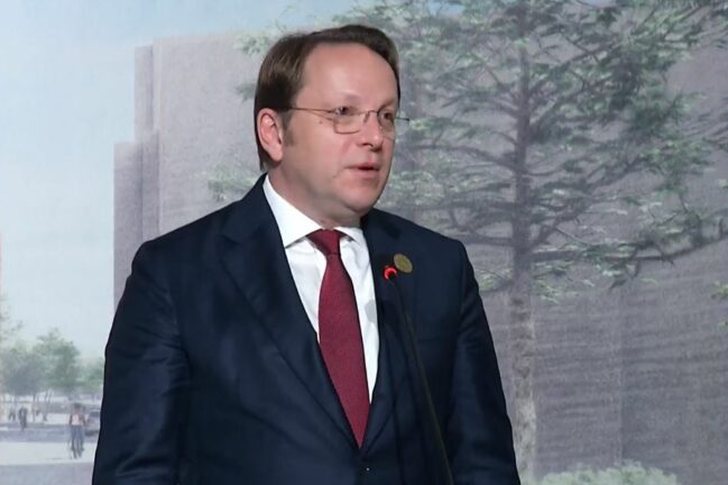
The European Commissioner for Neighborhood and Enlarge...
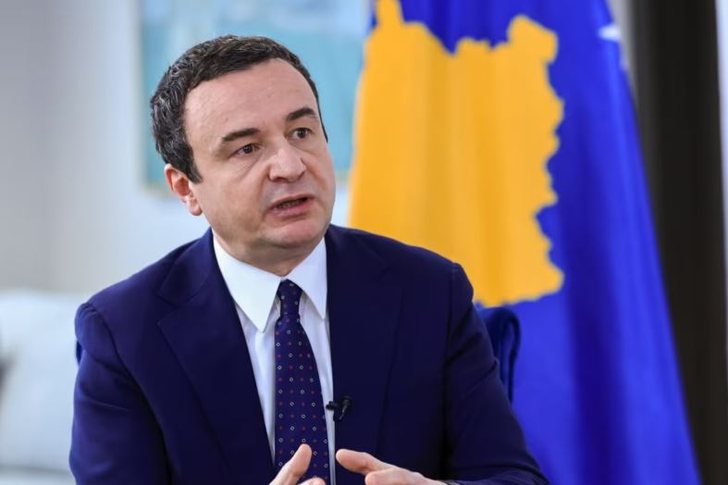
The Prime Minister of Kosovo, Albin Kurti, in his spee...

CNA has launched another investigation that could lead to ...

Irfan Hysenbelliu is a businessman that we call "Irfan the...

In March 2026, CNA launched another investigation centered...
The arrested mayor of Tirana, Erion Veliaj, with 13 charge...

The Special Board of Appeal (KPA) decided this Monday ...

The KPA vetting decided this Thursday to dismiss the p...

Suela Salavaçi, a prosecutor in the Prosecutor's Offic...

The Special Board of Appeal reinstated the prosecutor ...

A serious incident has occurred in Morina, Kukes. Citizen...

The bad weather that swept the country on Tuesday evening ...

A road accident occurred this evening on Nikolla Zoraqi St...

Three people were shot and wounded in Elbasan last night b...

This Wednesday, our country will be under the influence of...

All of Southern Europe will face changing weather conditio...

Albania was hit by temperatures significantly higher than ...

For the first time, Pogradec welcomed the Inter-Lake Chess...

Prime Minister Andy Burnham has announced that most bus fa...

France's parliament has passed a law to ban social media f...

US Secretary of State Marco Rubio arrived in Manila on Jul...
In the space of a few days, Ukrainian President Volodymyr ...

At a time when industrial products are increasingly taking...

Trust among people is not just a three-syllable word. It c...

Master of humor Todi Llupi has passed away at the age of 7...

The ninth edition of "MIK Festival" kicked off with one of...

Businesses will no longer be required to simply register t...

Despite economic growth and income in recent years, Albani...

This Wednesday, one US dollar is bought for 81.4 lek and s...

Construction company licenses will have a validity period ...