


Bad weather grips the country/ How the situation is in Saranda, Durrës and Fier
Yesterday evening, several areas of the country were hit b...

Yesterday evening, several areas of the country were hit b...


A look at the figures of the organization of industrialized countries, OECD, surprises you. According to her, in 2022, an average American will have worked 1,800 hours a year, while every average German has only done 1,340 hours. This does not mean that the conclusion should be drawn from these figures, that the Germans have become lazy, says the labor market expert, Enzo Weber. He studies at the Institute for the Labor Market and Occupations (IAB), an institute of the German Employment Agency.
"Germany has a high employment rate of women compared to many other countries," says Weber. About one in two women work part-time. This reduces the average working time in a year.
Example: When two men work at one place for ten hours, then the average working time is ten hours (10+10):2=10. When in another country two men work ten hours and one woman works four hours, then the average working time becomes 8 hours: (10+10+4):3=8.
Germans work harder, not less
"So the numbers do not mean that there is less work in Germany," says Weber. "On the contrary, more work is done because otherwise these women would not be part of the statistics at all." Even the OECD says that the data are inadequate to make comparisons at the international level.
Gone are the days in Germany when men worked full time and women stayed at home. Meanwhile, 77 percent of women work, so the share of women in the world of work has increased greatly in the last 30 years, even if many of them work reduced hours.
The desire for less work is present
But Germans would like to work less. Polls have shown this. According to an IAB study, nearly half of full-time working women would like to reduce their working hours to six hours. Among men, almost 60 percent would like to work 5.5 hours less. These desires have existed for decades and over time they have not changed.
Even generation Z is better than what we have
As for the desire to work, the situation of the so-called generation Z, i.e. the young people who were born between 1995 and 2010, is very bad. They want more free time and higher salaries. But this is an often mistaken assumption. Enzo Weber does not confirm such a thing. For most Gen Zers, success at work is important. At this point they don't differ much from previous generations, says Weber.
"I think everyone wants as much free time as possible and high wages. You can't be against that. What we see in young people is that there are no unusual developments in the desire for working time, there is no decline unusual work engagement, there are no more workplace changes than previous youth."
Enabling the week with X-days
Përveç kësaj, modelet e jetës së gjermanëve kanë ndryshuar ndërkohë. „Ekonomia shtëpiake vetëm me një rrogë e periudhës së bumit ekonomik gjerman, pothuajse nuk ekziston më," thotë Weber. Ndërkohë zakonisht punojnë të dy partnerët dhe prandaj kanë nevojë për një fleksibilitet të caktuar. „Secili duhet të ketë mundësi të zgjedhë i lirë në cilën fazë të jetës punon më shumë," mendon Weber. "Ne nuk kemi më nevojë për javën me 5 ose 4 ditë pune, por për javën me X ditë pune dhe fleksibilizim të punës në gjithë periudhën e jetës." Me modelet e punës së fleksibilizuar mund të motivohen edhe njerëzit që kanë dalë në pension, që të punojnë sërish.
Pandemia e Coronës tregoi se modeli fleksibël dhe mobil i kohës së punës mund të funksionojë, mendon Weber. Ky zhvillim nuk mund të kthehet mbrapsht. Dhe ka kuptim që puna të organizohet në mënyrë të tillë, që njerëzit të jenë të kënaqur me të.
Zhvendosje postesh drejtuese në tregun e punës
Kërkesat për kohë pune më të shkurtër dhe më fleksibël janë më të realizueshme në kohërat e mungesës së forcave të specializuara dhe me përvojat e fituara gjatë kohës së pandemisë, se sa në fillimin të mijëvjeçarit të ri, kur kishte papunësi të madhe.
Por si përshtatet "më pak puna" me nevojën në rritje për forca të specializuara dhe dëshirën për të mos pasur rënie të mirëqënies? Vetëm prej zhvillimeve demografike pritet që deri në vitin 2035, tregun gjerman i punës të ketë shtatë milionë njerëz më pak.
Faktor kyç- produktiviteti
Një zgjidhje, nëse numri i orëve të punës nuk rritet ose madje ulet, është cilësia në punë, pra rritja e produktivitetit. Enzo Weber mendon se nuk ka kuptim që të ushtrosh presion mbi njeriun për të dhënë kohën maksimale në punë. Ai mendon se ka më shumë kuptim, të rritet cilësia në punë nëpërmjet shkollimit, nëpërmjet investimeve në digjitalizim, investimeve në inteligjencën artificiale dhe kthimin e ekonomisë në ekonomi ekologjike.
E rëndësishme është një politikë proaktive kualifikimi, mendon Weber. Nuk duhet pritur deri sa dikush të mbetet në mes të rrugës për shkak të ndryshimeve strukturore, për të filluar marrjen e masave të shpëtimit të tij. Shumë më tepër duhet që njerëzve t'u krijohet mundësia që të jenë në gjendje të marrin vetë iniciativa dhe të luajnë vetë një rol aktiv.
Rritja e produktivitetit është ngadalësuar
Aktualisht gjendja nuk është shumë e mirë, sa i përket produktivitetit. Weber ankohet, se këtu kemi stanjiacion. Nga viti 1997 deri në vitin 2007 në Gjermani rritja e produktivitetit ka qenë 1,6 përqind, thotë një studim i institutit McKinsey Global (MGI). Në periudhën nga 2012 deri 2019, kjo shifër është përgjysmuar dhe ka arritur në 0,8 përqind.
Kjo ka të bëjë mes të tjerash me krijimin e vendeve të reja të punës me produktivitet të ulët, si përshembull në shërbimet me personel intensiv. Në kujdesin shëndetësor, edukim ose në fushën e shëndetësisë rritja e produktivitetit është pjesërisht e mundshme.
All-economic productivity has fallen also because the conjuncture has weakened and many enterprises continue to keep employees at work despite the lack of specialized forces, thus not reducing expenses. This reduces productivity. Even on the topics of investment in technological development, digitalization and ecological transformation, more can be done, says Weber, who chairs the digitalization council of the BDA (Federal League of Employers' Associations).
Despite developments in productivity, there are still many workforces with untapped potential. "This concerns not only the employment of women and the increase of working hours for people who work short hours, but also the many migrants and Germans who have not completed general or vocational school and whose they are often not given the chance to be a productive part of the world of work," says Marcel Fratzscher from the German Institute for Economic Studies (DIW) in Berlin./ DW


France, Germany and Italy have insisted in a letter sent t...
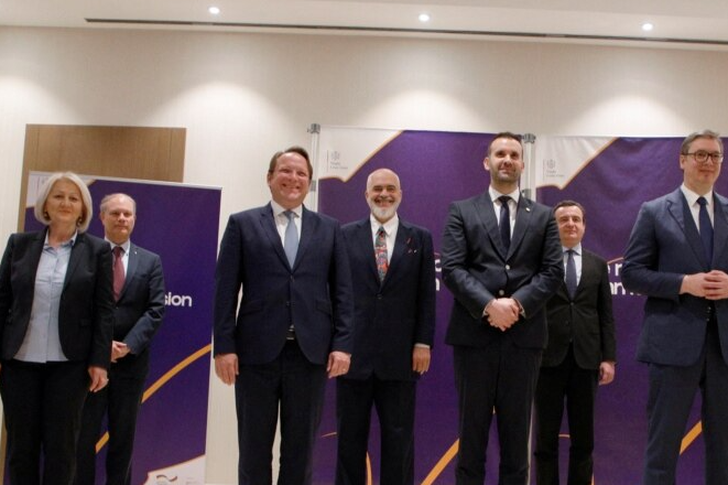
The two-day meeting of Regional Leaders of the Western Bal...
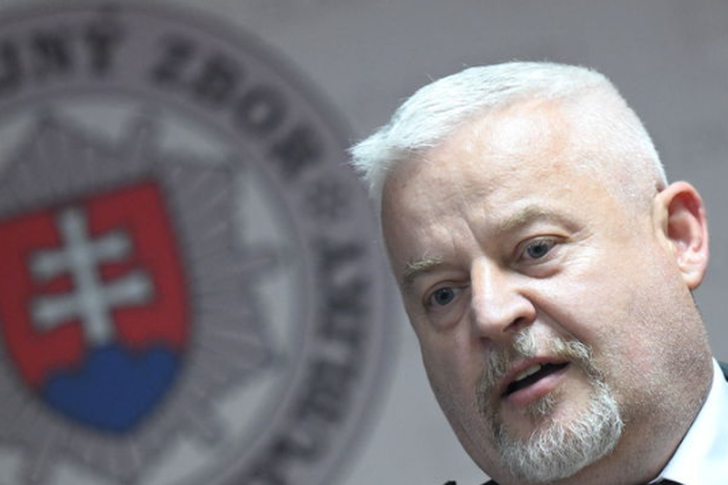
After the assassination of the Prime Minister of the Slova...
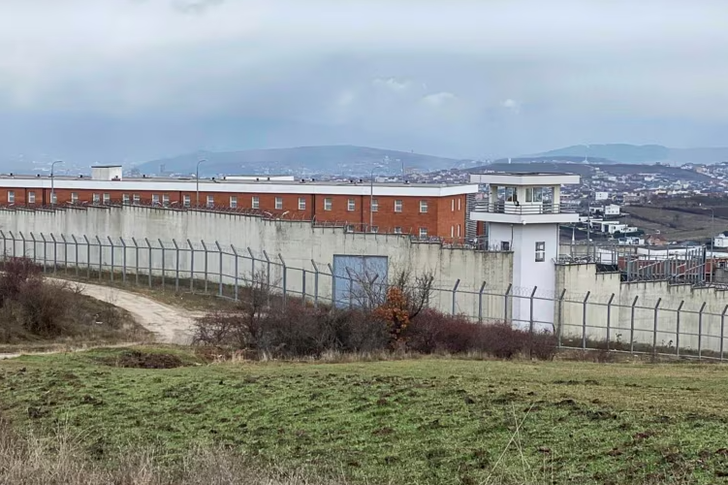
The government of Kosovo intends to renegotiate the prison...

The Chinese leader, Xi Jinping, and the Russian president,...
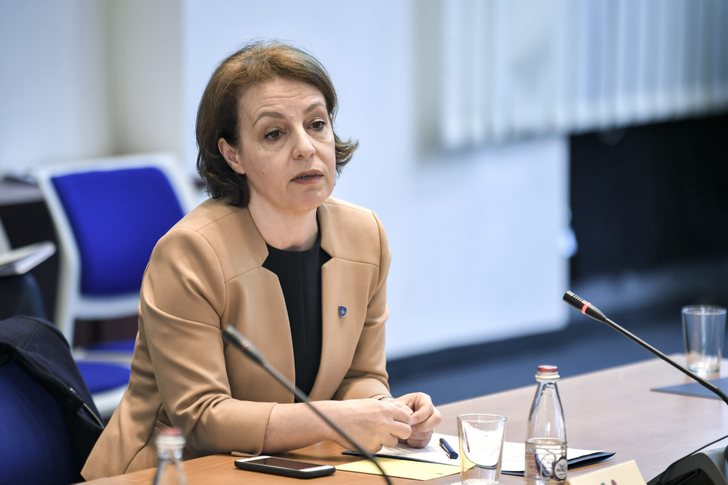
The Government of Kosovo said that it is preparing a d...
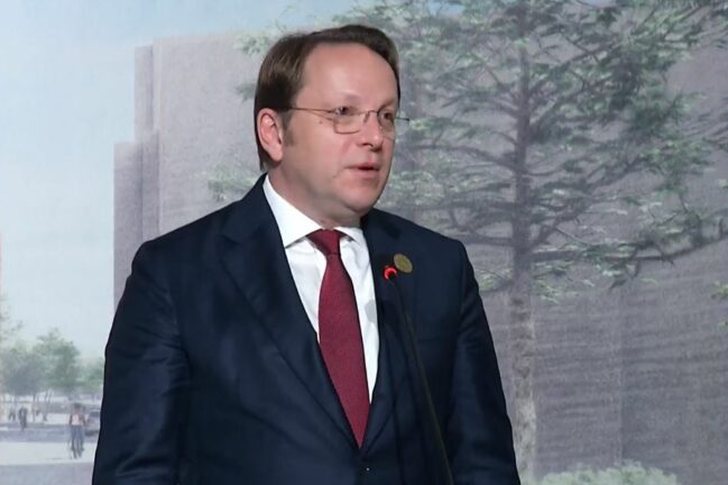
The European Commissioner for Neighborhood and Enlarge...
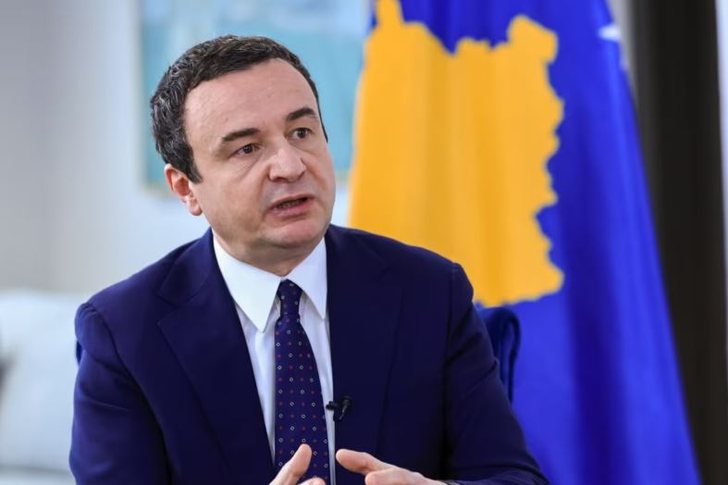
The Prime Minister of Kosovo, Albin Kurti, in his spee...
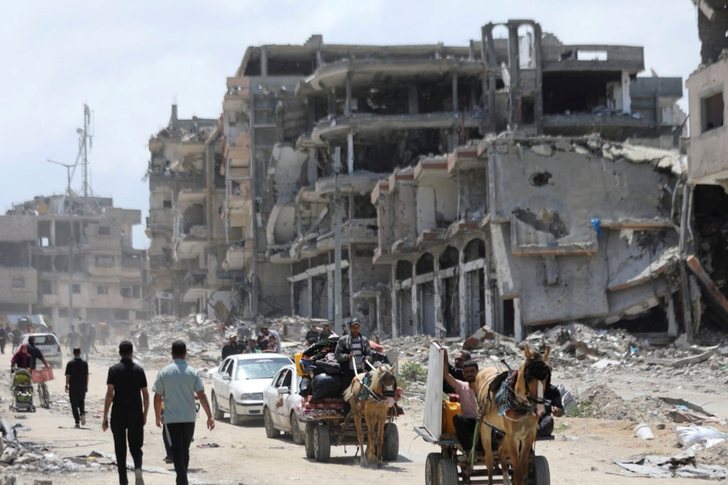
Arab leaders meet in Bahrain on May 16 for the summit, whi...
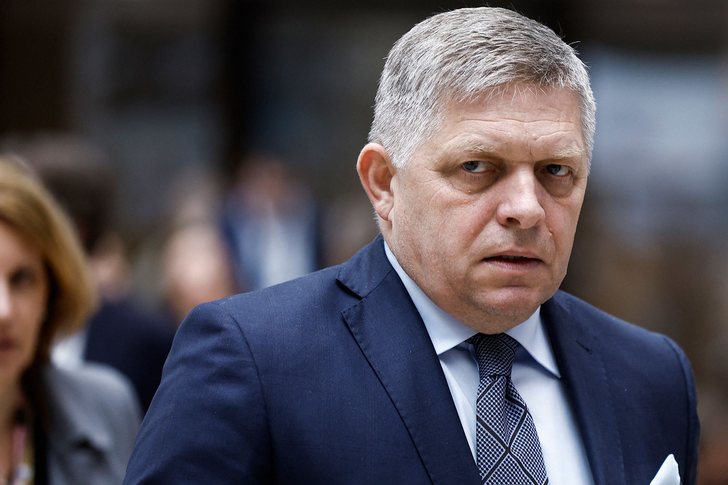
The Slovak Prime Minister, Robert Fico, was attacked w...
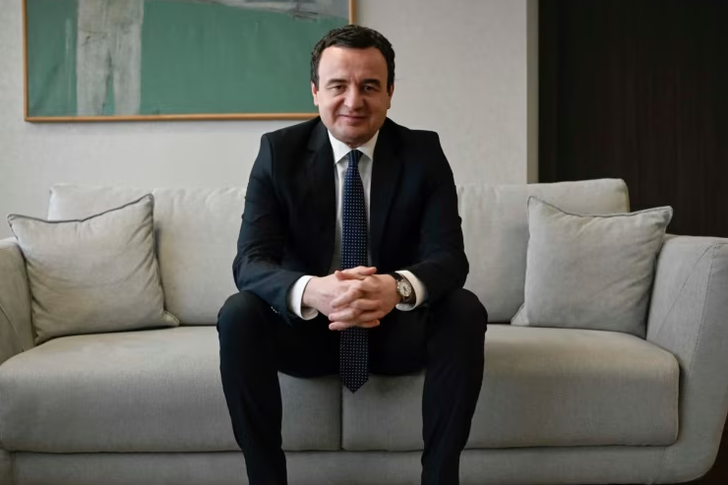
The Prime Minister of Kosovo, Albin Kurti, has stated ...
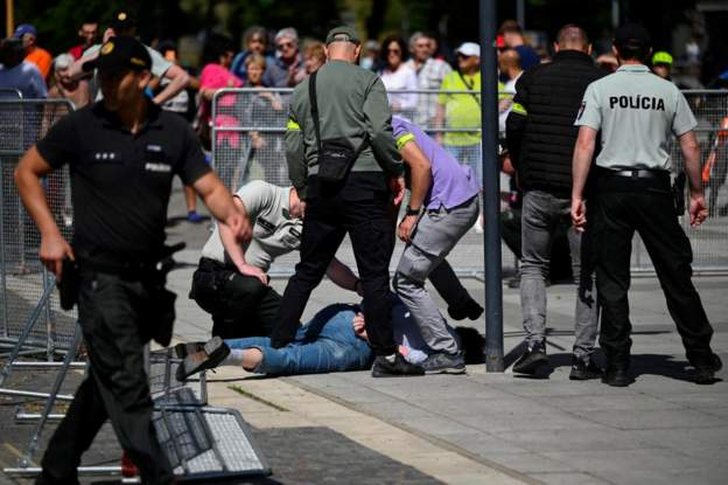
According to the local media, the author who shot the Slov...
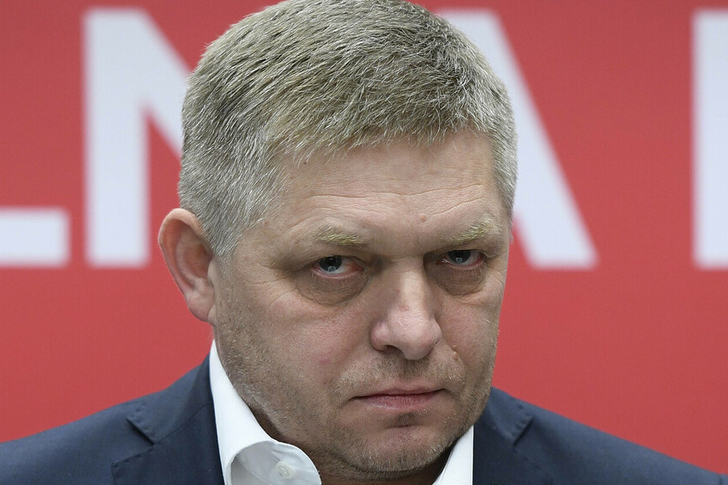
New details are coming to light from the assassination of ...
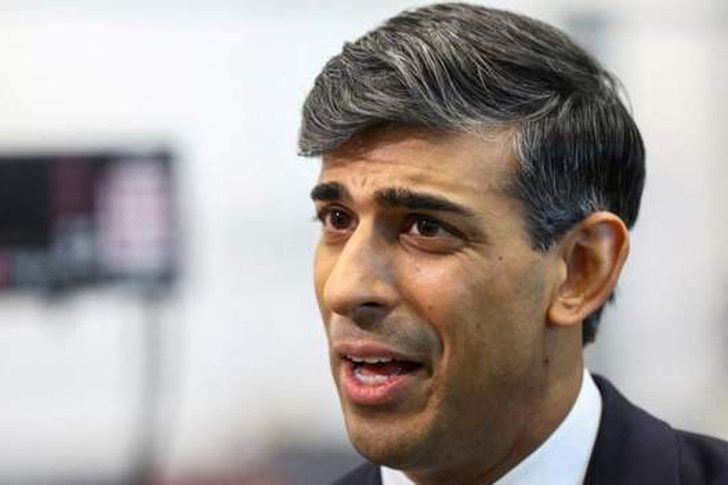
The Prime Minister of Great Britain, Rishi Sunak, reacted ...
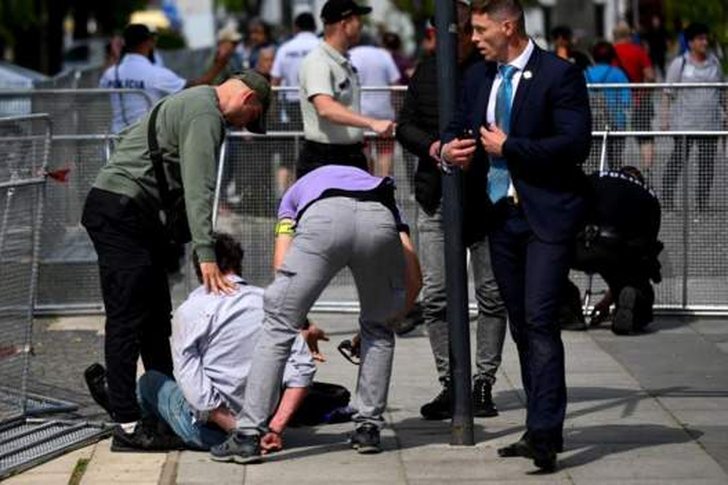
At noon on Wednesday, the Slovak Prime Minister, Rober...
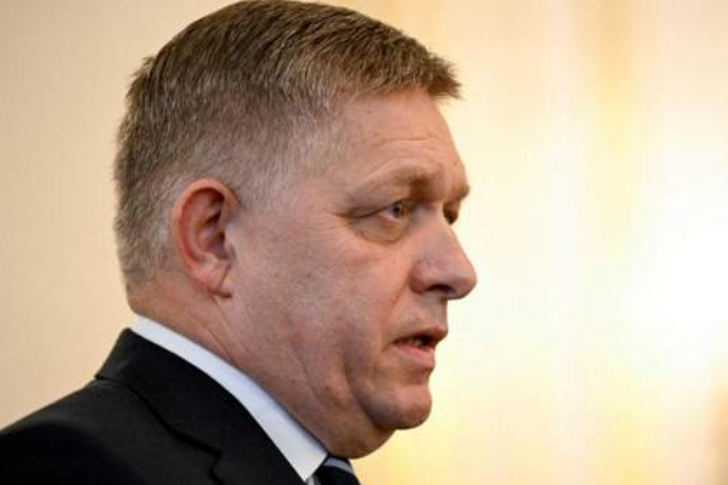
Slovak Prime Minister Robert Fico is in serious health...
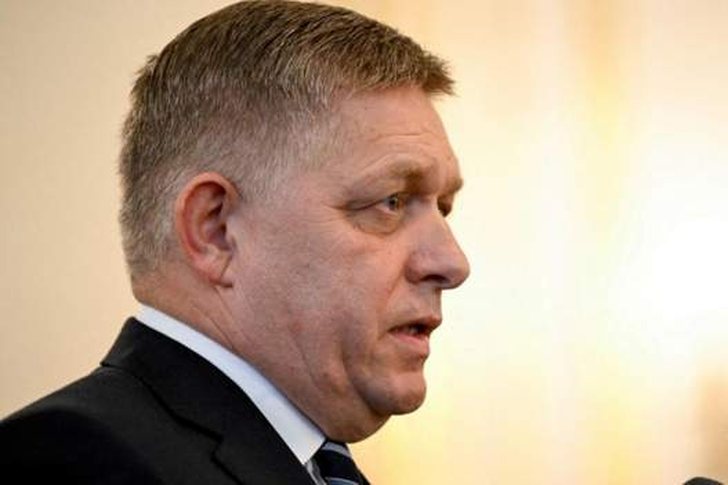
At noon on Wednesday, the Slovak Prime Minister was wo...
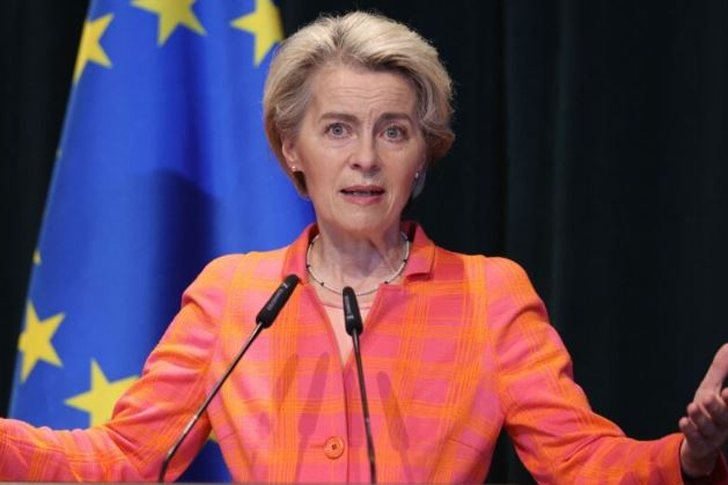
The President of the European Commission, Ursula von der L...
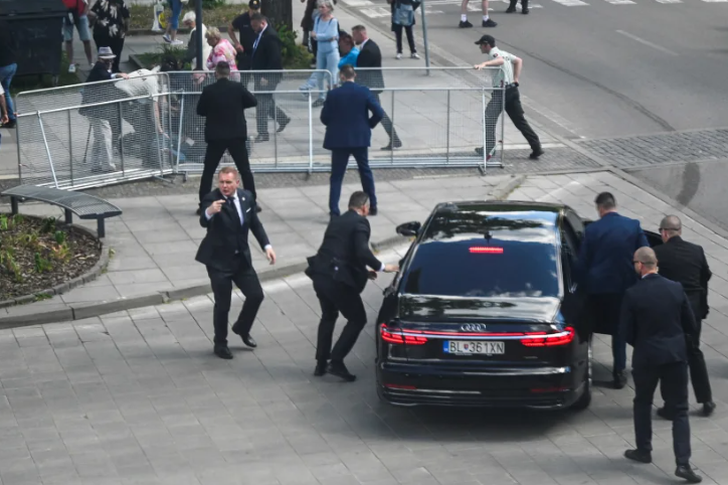
This Wednesday a serious event happened in Slovakia. Prim...

At noon on Wednesday, the Slovak Prime Minister, Rober...

CNA has launched another investigation that could lead to ...

Irfan Hysenbelliu is a businessman that we call "Irfan the...

In March 2026, CNA launched another investigation centered...
The arrested mayor of Tirana, Erion Veliaj, with 13 charge...

The Special Board of Appeal (KPA) decided this Monday ...

The KPA vetting decided this Thursday to dismiss the p...

Suela Salavaçi, a prosecutor in the Prosecutor's Offic...

The Special Board of Appeal reinstated the prosecutor ...

A serious accident has occurred on the Lezhë-Shëngjin axis...
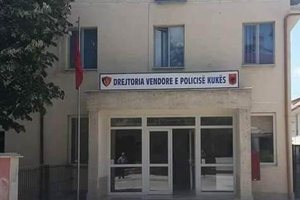
A serious incident has occurred in Morina, Kukes. Citizen...

The bad weather that swept the country on Tuesday evening ...

A road accident occurred this evening on Nikolla Zoraqi St...

This Wednesday, our country will be under the influence of...

All of Southern Europe will face changing weather conditio...

Albania was hit by temperatures significantly higher than ...

For the first time, Pogradec welcomed the Inter-Lake Chess...

Prime Minister Andy Burnham has announced that most bus fa...

France's parliament has passed a law to ban social media f...

US Secretary of State Marco Rubio arrived in Manila on Jul...

In the space of a few days, Ukrainian President Volodymyr ...

At a time when industrial products are increasingly taking...

Trust among people is not just a three-syllable word. It c...

Master of humor Todi Llupi has passed away at the age of 7...

The ninth edition of "MIK Festival" kicked off with one of...
Businesses will no longer be required to simply register t...

Despite economic growth and income in recent years, Albani...

This Wednesday, one US dollar is bought for 81.4 lek and s...

Construction company licenses will have a validity period ...