


Hita's absence from the commission irritates the opposition: If he is not capable, he should leave
The Head of the State Police, Skënder Hita, did not appear...

The Head of the State Police, Skënder Hita, did not appear...

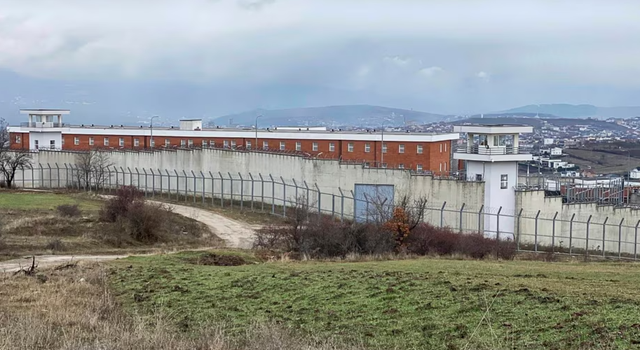
The government of Kosovo intends to renegotiate the prison agreement with Denmark to house hundreds of prisoners from this country, after the failure of the Assembly to ratify its Treaty on Thursday.
The Kosovo authorities are expected to officially notify Denmark today of the failure of ratification in the Assembly of this Treaty, for which these two countries had initially reached an agreement in 2021.
"Now we have to negotiate with Denmark whether we should go with this variant, or how we should act further, I can't say now what will happen, but our goal is to re-address this agreement again. It also depends on the Danish authorities how we will proceed", says Blerim Sallahu - Deputy Minister of Justice for Radio Free Europe (REL).
Regarding this, REL has also asked the Government of Denmark, but has not received an answer until the publication of this article.
Kosovo and Denmark signed a letter of consent for the transfer of 300 prisoners from the Danish state to Kosovo in December 2021. In April 2022, the document was transformed into a Treaty, according to which it was foreseen that the transfer of prisoners would take place at the beginning of of 2023.
But the Assembly failed to pass the Treaty on Thursday, as it was supported by only 75 of the necessary 80 votes of the deputies.
"Today's failure of two international agreements means that they return to zero - in the sense that legally they can no longer be brought back to the Assembly for reconsideration", said Eugen Cakolli, from the Democratic Institute of Kosovo, which observes the work of the Assembly.
The treaty with Denmark and the loan agreement for the public finance and economic growth program between Kosovo and the OPEC Fund for International Development were the only two international agreements that were not approved on Thursday by the Assembly of Kosovo.
The adoption of the Treaty with Denmark failed as it lacked the support of the majority of MPs of the two largest opposition parties in the country, the Democratic Party of Kosovo (PDK) and the Democratic League of Kosovo (LDK).
According to the law in Kosovo, international agreements can only be ratified with the votes of two-thirds of the deputies.
The non-support of this agreement, according to Sallah, "has severely damaged the bilateral relations between Denmark and Kosovo".
"Also, [non-support] has lost Kosovo 210 million euros for 10 years that Kosovo would have earned. We would spend that money for maintenance in other Correctional Centers, and for the rule of law, etc.," Sallahu emphasized.
After the failure in the Assembly, Sallahu says that there was no legal misunderstanding regarding the implementation of this agreement, while he considered the action of the non-supporting deputies "unfounded".
"Until today, no correct, fair reasoning on this agreement has been given by any MP of Kosovo, except that it seemed strange to them as a practice", says Sallahu.
He informs that they are interested in seeing all modalities for further actions in order to reach the serial delivery of this agreement to the institutions of Kosovo, to the Government and then to the Assembly.
The treaty had a duration of ten years. There it was foreseen that Denmark would take into use cells, single and shared, in the prison of Gjilan - the eastern part of Kosovo.
In exchange for this, Kosovo would have benefited over 200 million euros.
From the amount of 200 million euros - how much Kosovo was expected to benefit - 30 million were planned to go for renewable energy, while the rest for investments in the Correctional Service of Kosovo.
Denmark, upon the entry into force of the agreement, would hand over to Kosovo an initial fee of five million euros.
While the payment would be made in quarterly rates, during the first 12 months of the use of the prison, in accordance with the number of prisoners that the facility can accommodate.
According to the Treaty, Denmark would not send prisoners convicted of terrorist offences, prisoners convicted of war crimes and prisoners diagnosed with serious mental disorders who need medical care outside the prison.
The leaders and guards at the Gjilan prison will be from the state of Denmark and the Kosovo Correctional Service.
Authorities in Denmark have previously said that their prison capacity is 100% full, as the number of prisoners has increased by almost 20% since 2015.
Security experts in Kosovo have previously told REL that there is no reason to worry about the security situation due to the arrival of prisoners from Denmark. However, representatives of some non-governmental organizations have said that this transfer may affect the standard of local prisoners./ Rel

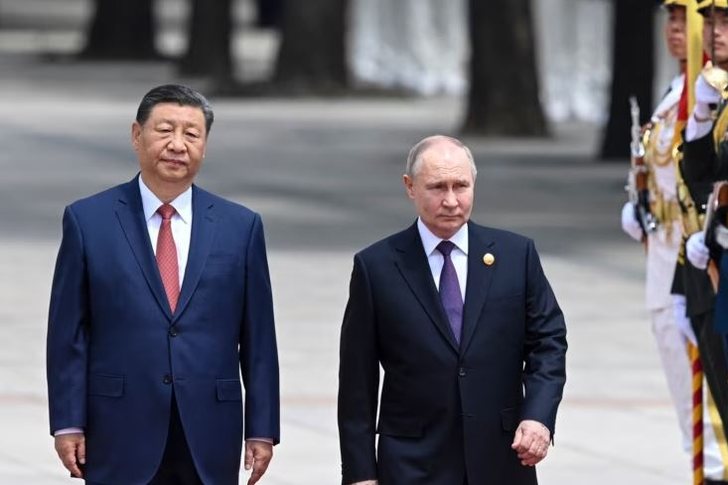
The Chinese leader, Xi Jinping, and the Russian president,...
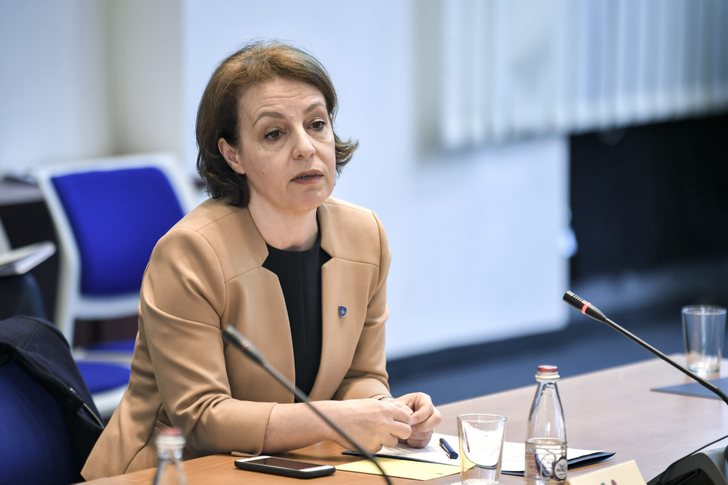
The Government of Kosovo said that it is preparing a d...
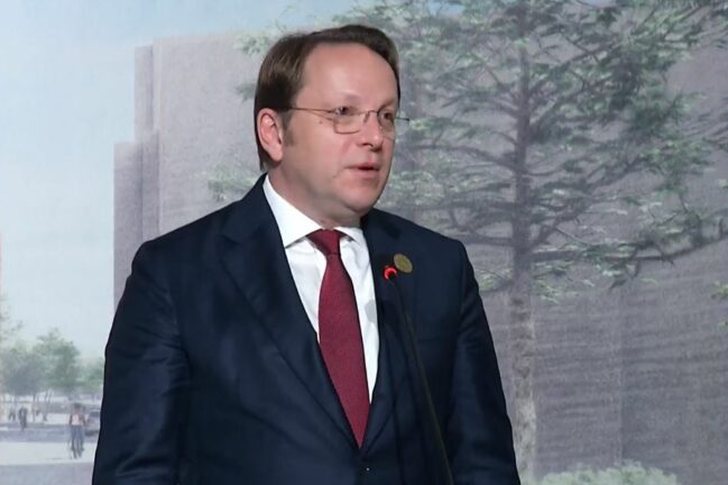
The European Commissioner for Neighborhood and Enlarge...
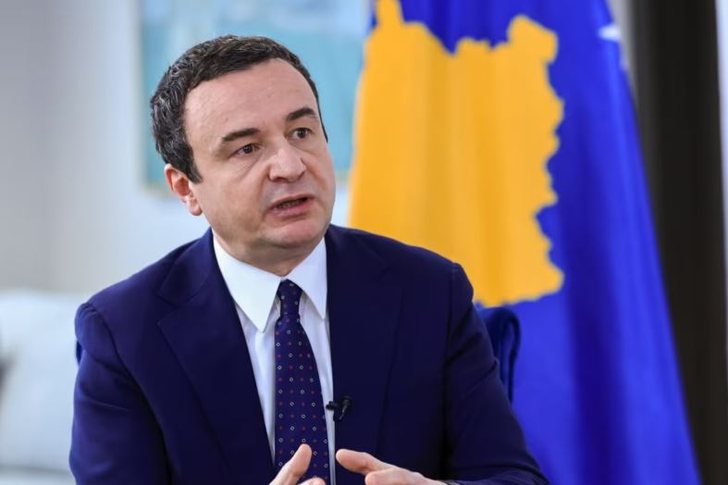
The Prime Minister of Kosovo, Albin Kurti, in his spee...
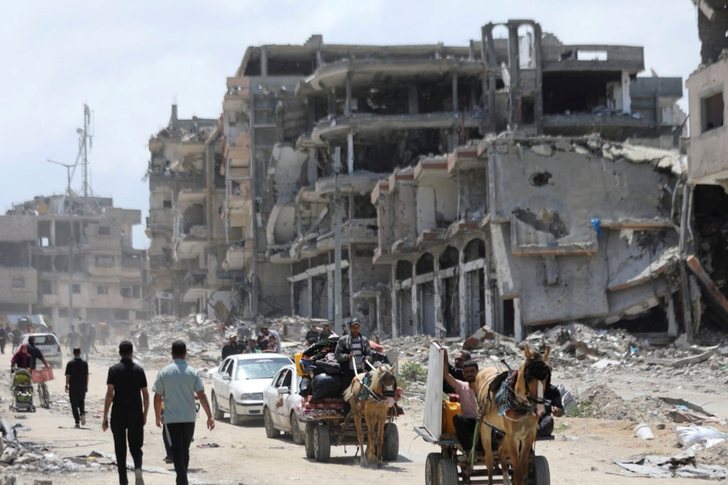
Arab leaders meet in Bahrain on May 16 for the summit, whi...
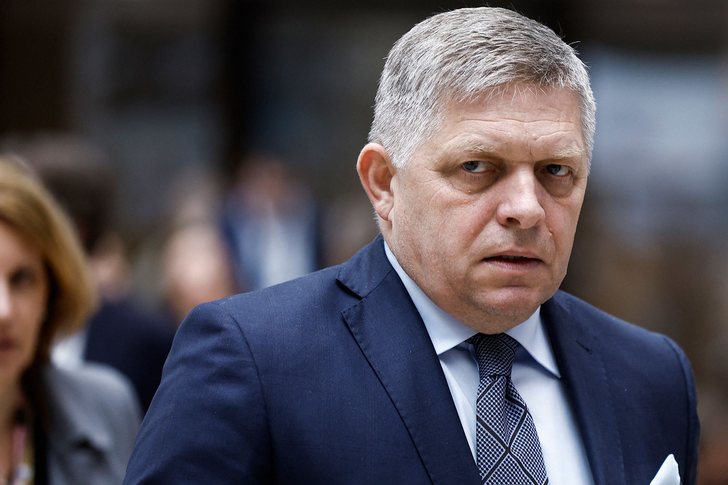
The Slovak Prime Minister, Robert Fico, was attacked w...
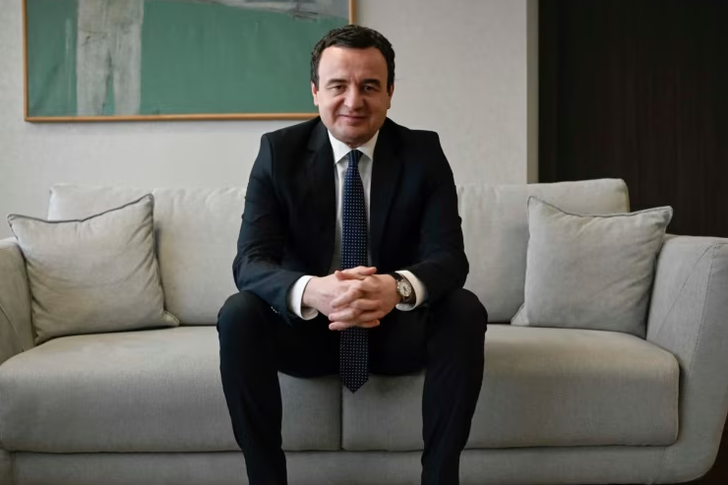
The Prime Minister of Kosovo, Albin Kurti, has stated ...
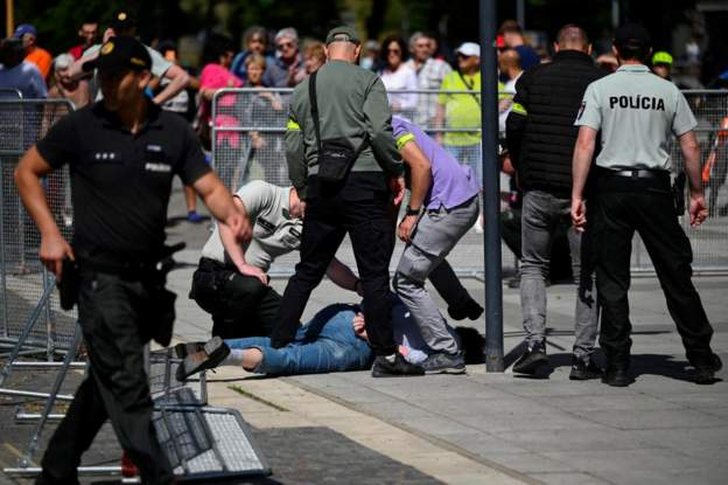
According to the local media, the author who shot the Slov...
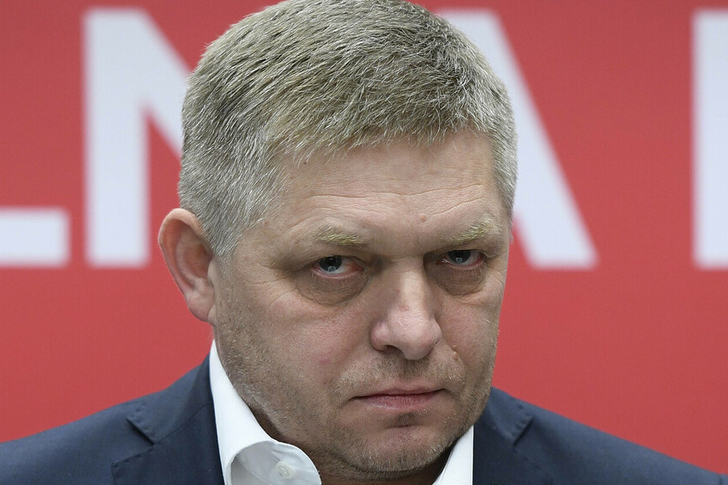
New details are coming to light from the assassination of ...
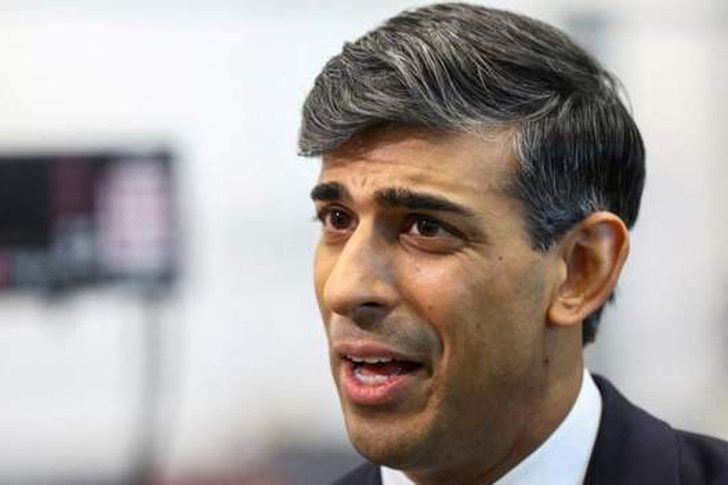
The Prime Minister of Great Britain, Rishi Sunak, reacted ...
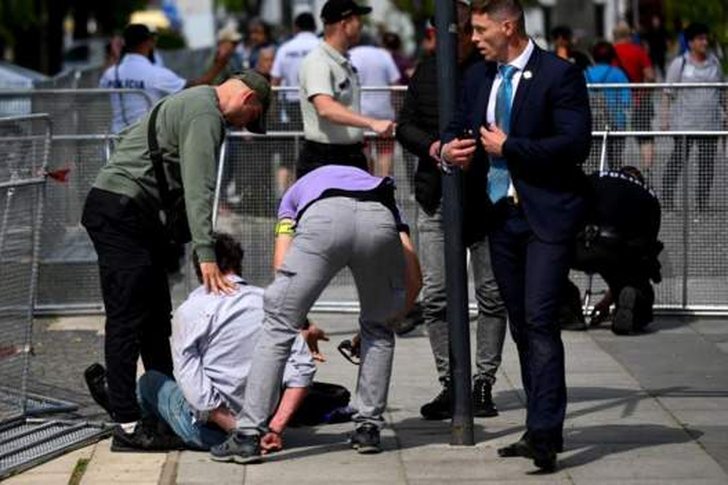
At noon on Wednesday, the Slovak Prime Minister, Rober...
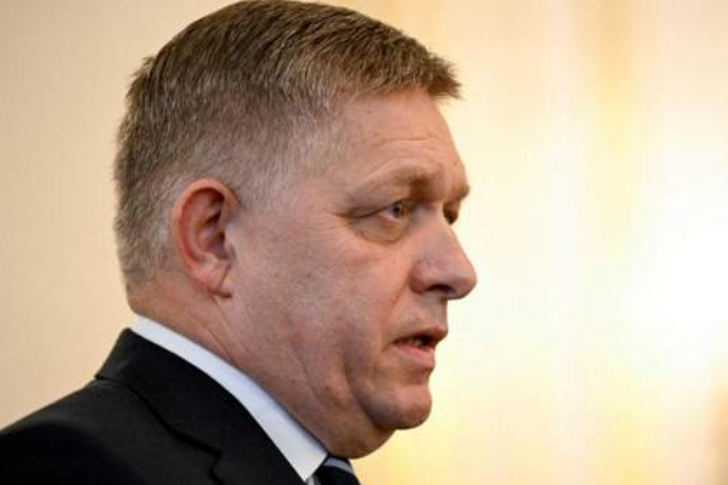
Slovak Prime Minister Robert Fico is in serious health...
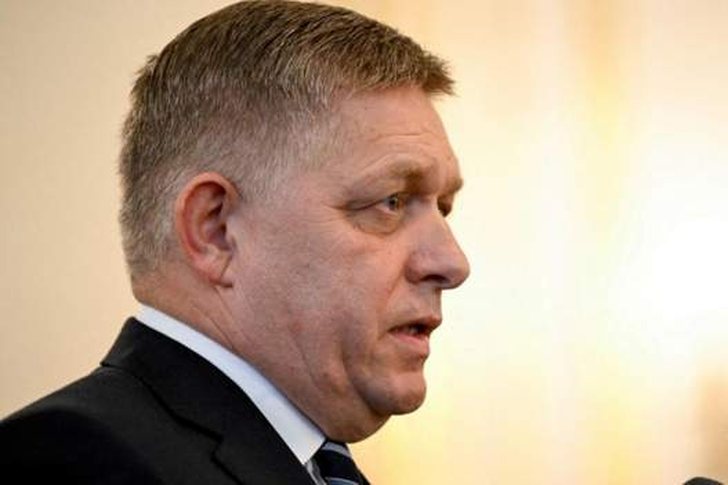
At noon on Wednesday, the Slovak Prime Minister was wo...
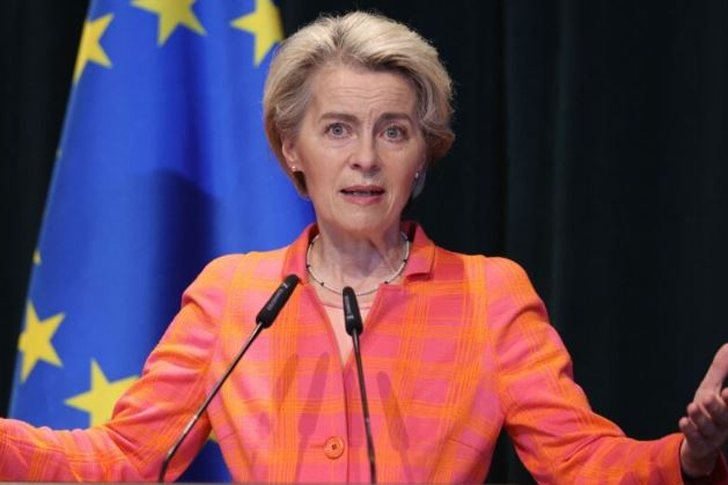
The President of the European Commission, Ursula von der L...
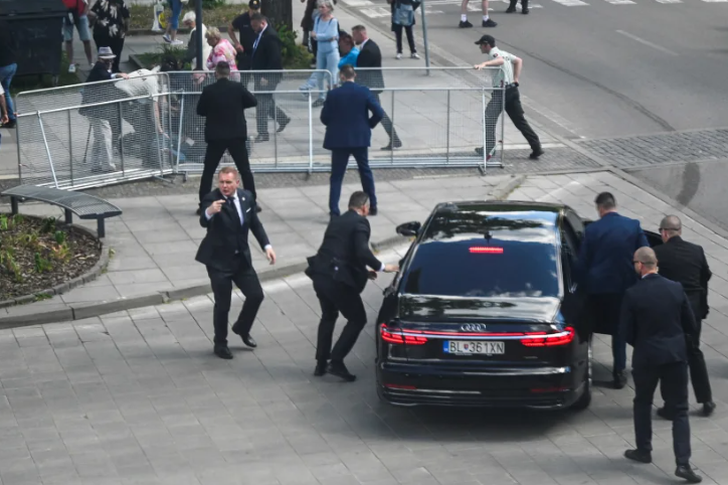
This Wednesday a serious event happened in Slovakia. Prim...

At noon on Wednesday, the Slovak Prime Minister, Rober...
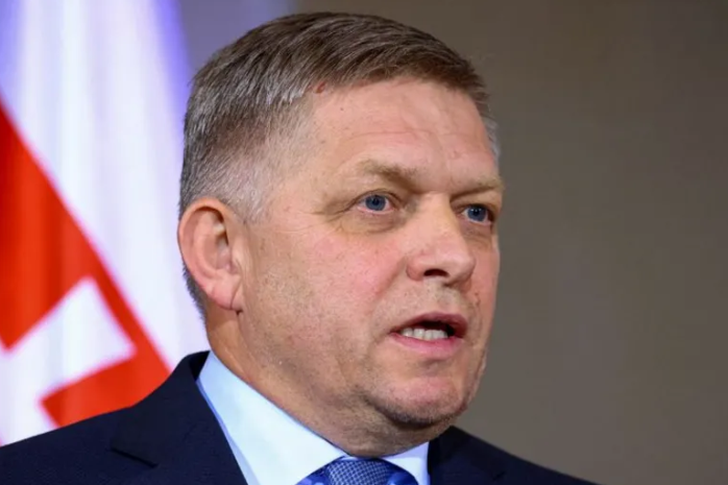
The President of Slovakia, Zuzana Caputova, reacted after ...
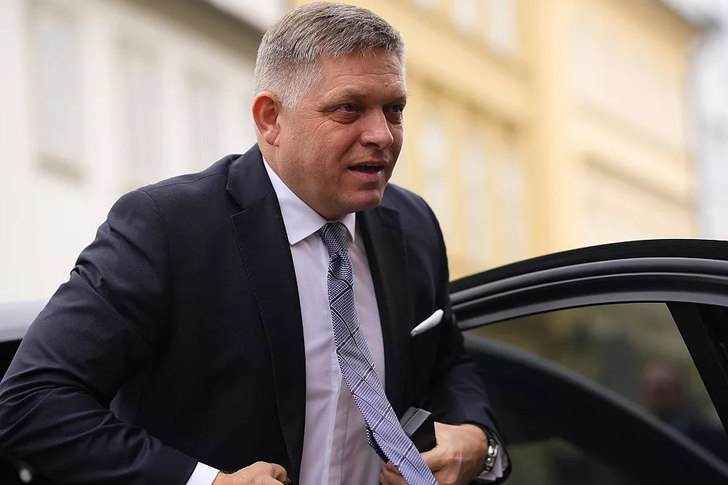
Robert Fico, the prime minister of Slovakia, was injur...
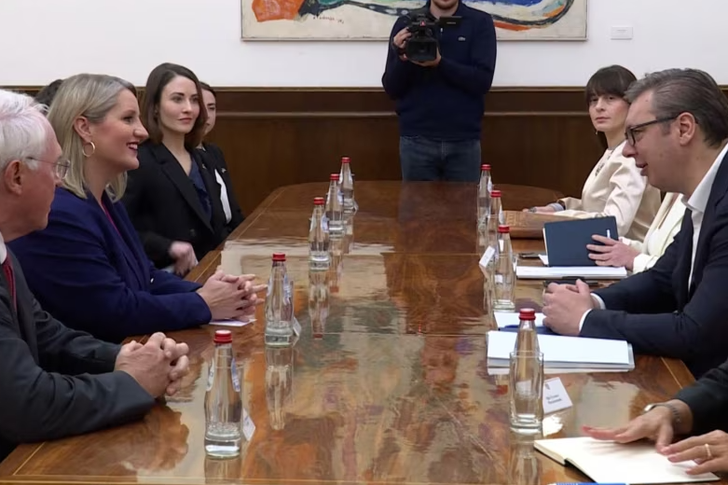
The US Undersecretary of State for Public Affairs and Dipl...
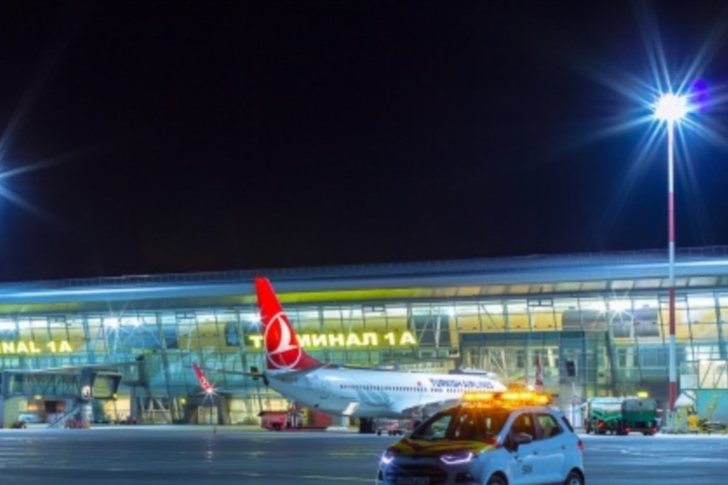
Authorities in Russia's Tatarstan region closed two major ...

CNA has launched another investigation that could lead to ...

Irfan Hysenbelliu is a businessman that we call "Irfan the...

In March 2026, CNA launched another investigation centered...
The arrested mayor of Tirana, Erion Veliaj, with 13 charge...

The Special Board of Appeal (KPA) decided this Monday ...

The KPA vetting decided this Thursday to dismiss the p...

Suela Salavaçi, a prosecutor in the Prosecutor's Offic...

The Special Board of Appeal reinstated the prosecutor ...

A serious accident has occurred on the Lezhë-Shëngjin axis...
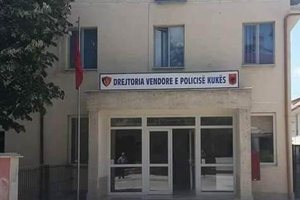
A serious incident has occurred in Morina, Kukes. Citizen...
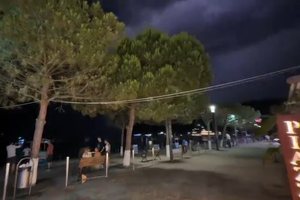
The bad weather that swept the country on Tuesday evening ...

A road accident occurred this evening on Nikolla Zoraqi St...
This Wednesday, our country will be under the influence of...
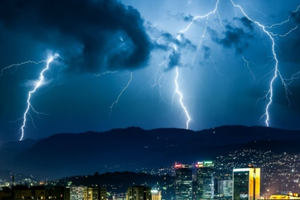
All of Southern Europe will face changing weather conditio...
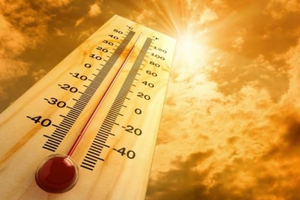
Albania was hit by temperatures significantly higher than ...

For the first time, Pogradec welcomed the Inter-Lake Chess...
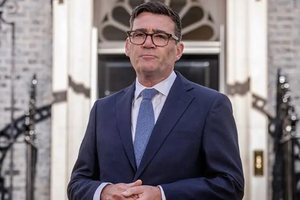
Prime Minister Andy Burnham has announced that most bus fa...
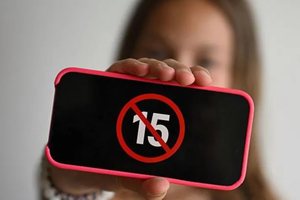
France's parliament has passed a law to ban social media f...

US Secretary of State Marco Rubio arrived in Manila on Jul...
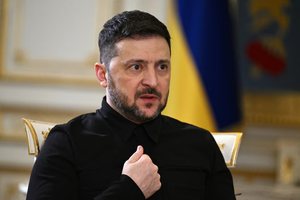
In the space of a few days, Ukrainian President Volodymyr ...

At a time when industrial products are increasingly taking...

Trust among people is not just a three-syllable word. It c...

Master of humor Todi Llupi has passed away at the age of 7...

The ninth edition of "MIK Festival" kicked off with one of...

Businesses will no longer be required to simply register t...

Despite economic growth and income in recent years, Albani...

This Wednesday, one US dollar is bought for 81.4 lek and s...

Construction company licenses will have a validity period ...