

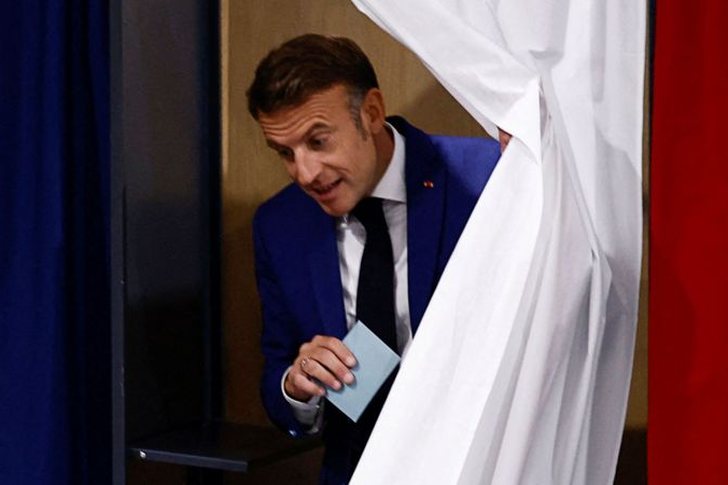
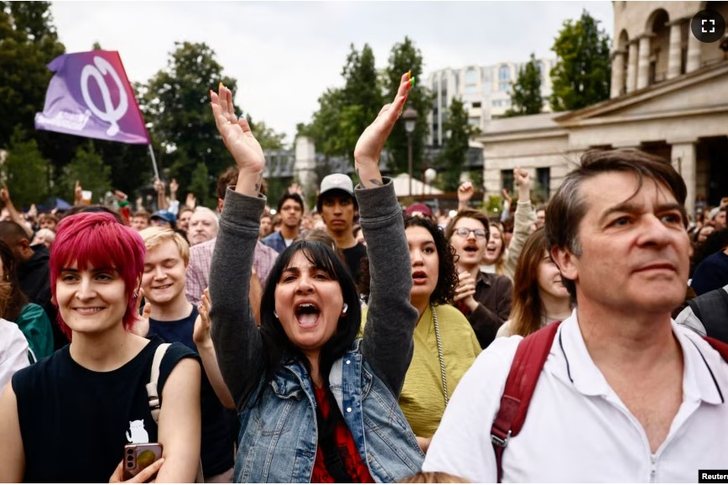
Unexpected result/ The left wins the majority of seats in the French parliament
A coalition of the French left that suddenly came toge...


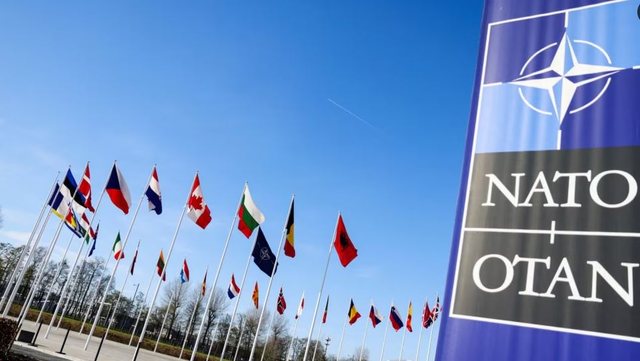
In his 1949 speech during the signing of the North Atlantic Treaty in Washington, the president of the United States of America, Harry Truman, used simple words to convey a direct message.
"For us, war is not inevitable," Truman said. "Men of courage and vision can determine their own destiny. They can choose slavery or freedom, war or peace. I have no doubt what they will choose."
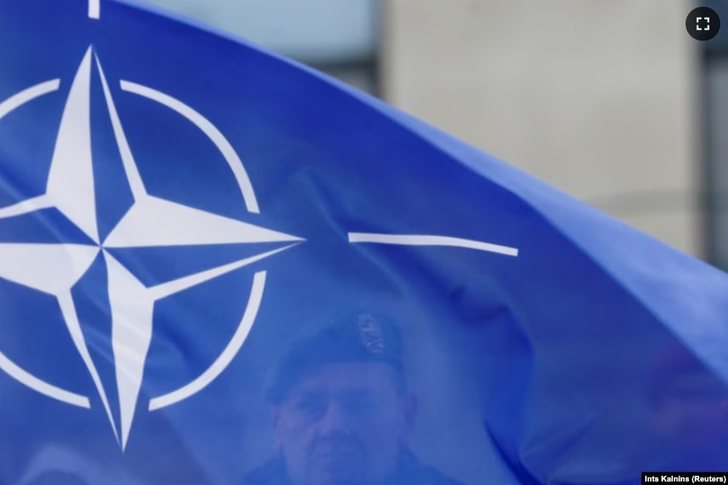
Seventy-five years later this week, the organization that was founded by the Treaty, NATO, will mark the moment when the 12 Allies signed the pledge for transatlantic relations and to address the Soviet threat to peace and security in Europe.
After seeing the continent torn apart by the Iron Curtain, 12 countries – Belgium, Canada, Denmark, France, Iceland, Italy, Luxembourg, the Netherlands, Norway, Portugal, the United Kingdom and the United States – agreed to collective defence, a principle that constitutes the core of NATO today.
Defined in Article 5 of the NATO Treaty, the principle states that if one of the signatory countries is attacked, it will be considered an attack on all other signatories.
Of course, during the conference it will be emphasized that Article 5 has been used only once - after the terrorist attacks of September 11, 2001 against the United States.
Ironically, during the founding of NATO, the United States was among the most skeptical of the Treaty and Article 5.
For the US, whose nuclear guarantee would later lend weight to the treaty, the automatic declaration of war was a concern because the US Constitution gives only Congress the power to declare war, says John Deni, a NATO historian. at the same time a professor at the US Army War College, in a statement for Radio Free Europe.
But Washington had previously signed the Rio Pact in 1947, which provided mutual aid throughout the Western Hemisphere but did not include any military commitments. Danny says this opened the door for five European partners – Belgium, France, Luxembourg, the Netherlands and the United Kingdom – to talk to the US about common European defence.
"We were reluctant partners", claims Deni. "This was the creation of the British. The US wanted economic renaissance from Europe".
Although the American public was told that the Treaty was a way to oppose communism, Denny says that an "ulterior motive" for the alliance came from the American need for stability and economic success in Europe.
According to Truman's words, NATO would be "the shield that will enable us... to ensure a fuller and happier life for all our citizens."
Deni pohon se ngjarjet e 1948-tës – një puç në Çekosllovaki dhe bllokada sovjetike e Berlinit – kishin alarmuar SHBA-në për ndikimin e paqëndrueshmërisë në ekonominë evropiane, dhe “ndryshuan mendjet në Uashington”.
Por, Traktati u shkrua “në mënyrën që ne amerikanët e kërkuam”, thotë Deni. Ai nuk parashikoi shpallje automatike të luftës, dhe rrjedhimisht siguroi mbështetje dypartiake në Kongres.
Në fillim të 1949-tës u bë gati një projekttraktat, i cili do të nënshkruhej më 4 prill, në Uashington, në një takim të krerëve të shteteve të 12 vendeve themeluese. Bashkimi Sovjetik u njoftua se Organizata e Traktatit të Atlantikut Verior nënkuptonte reagimin e përbashkët për mbrojtje të anëtarëve të saj.
Teksa Uashingtoni po bëhet gati të jetë mikpritës i Samitit të NATO-s, nga 9 deri më 11 korrik, dhe të shënojë 75-vjetorin e aleancës, rëndësia e Nenit 5 dhe arritjet e NATO-s qenë në agjendën e disa organizimeve të bëra nga organizatat joqeveritare në kryeqendrën amerikane.
Disa folës theksuan se uniteti i NATO-s u testua në fund të Luftës së Ftohtë, kur aleanca më nuk përballej me kërcënimin sovjetik që Max Bergmann, drejtor i Programit të Evropës të Qendrës për Studime Strategjike dhe Ndërkombëtare (CSIS), thotë se ajo ishte “themeluar për ta adresuar”.
Folës të tjerë kujtuan se disa politikëbërës dhe politikanë argumentuan asokohe se NATO-ja më nuk ishte e nevojshme, përderisa të tjerë parapëlqenin adaptimin me rendin e ri botëror.
Phillippe Dickinson, zëvendësdrejtor i Iniciativës për Siguri Transatlantike në Këshillin e Atlantikut, thotë se fundi i Luftës së Ftohtë nxiti “një ndryshim të vërtetë në qëndrimin dhe qëllimin e NATO-s në botë”.
NATO-ja krijoi programin e saj të Partneritetit për Paqe gjatë asaj periudhe, duke ftuar Rusinë më 1994 për t’u bërë pjesë e tij, një marrëveshje që zgjati 20 vjet, derisa Moska aneksoi ilegalisht Krimenë më 2014. Më pas ndodhën dy valë të mëdha të zgjerimit pas Luftës së Ftohtë, më 1999 dhe më 2004, kur disa vende evropiane dhe të Baltikut iu bashkuan organizatës.
Aleanca më vonë zhvendosi fokusin në operacionet ndërkombëtare, në kundërterrorizëm dhe në menaxhim krizash. Aleatët e NATO-s, po ashtu, nisën misione paqeruajtëse përtej Atlantikut Verior, përfshirë në Irak dhe në Kosovë. Përveç ruajtjes së paqes, NATO-ja ka rritur bashkëpunimin me vendet përtej Atlantikut Verior, veçanërisht në rajonin e Indo-Paqësorit.
Katër prej 35 vendeve partnere të NATO-s – Australia, Japonia, Zelanda e Re dhe Koreja e Jugut – janë ftuar në diskutimet e aleancës rreth kërcënimeve në Indo-Paqësor, në samitin e ardhshëm.
Përveç Indo-Paqësorit, shumica e 31 vendeve tjera partnere të NATO-s janë nga Evropa Lindore, Mesdheu dhe Lindja e Mesme.
All NATO members and partners, with the exception of Afghanistan, Belarus and Russia - suspended - have been invited to attend the summit. Georgia has also received an invitation, despite the May 28 approval of what many are calling the "Foreign Agents Law" - inspired by Russia - and Ukraine, which is expected to be included in the next NATO expansion.
Russia's large-scale invasion of Ukraine and new regional threats to NATO are expected to be key topics at the summit, but it will also be clear that in its 75 years of existence, the alliance has evolved to deal with more more than just the Soviet threat, the prevention of which was the reason it was founded.
Despite the evolution, the words Truman spoke in 1949 still stand: "Our method of achieving international unity, through the voluntary association of diverse countries committed to a common cause, is an effective step toward bringing order to our troubled world." "./ REL

A coalition of the French left that suddenly came toge...
An earthquake with a magnitude of 3.1 was registered on Su...
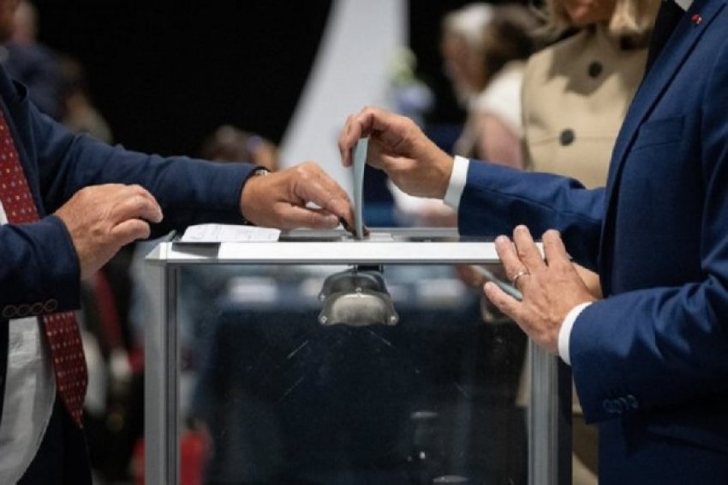
French President Emmanuel Macron has promised that the...
By Ali Salaj VOA Analysts estimate that the current gover...
Following the preliminary results, French Prime Minist...
NATO allies gather in Washington for a high-level meet...
A broad leftist coalition is heading into a tight race...
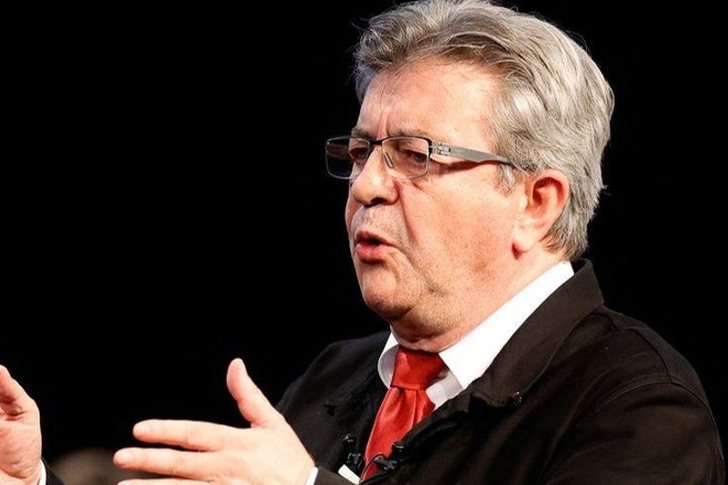
'The New Poullor Front is ready to govern'. We have ac...
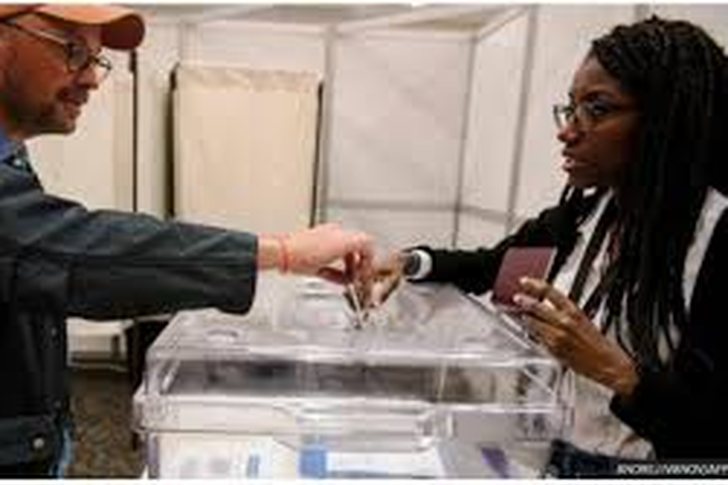
The publication of the first results from foreign medi...
It is learned that in the afternoon, Greece was hit by...
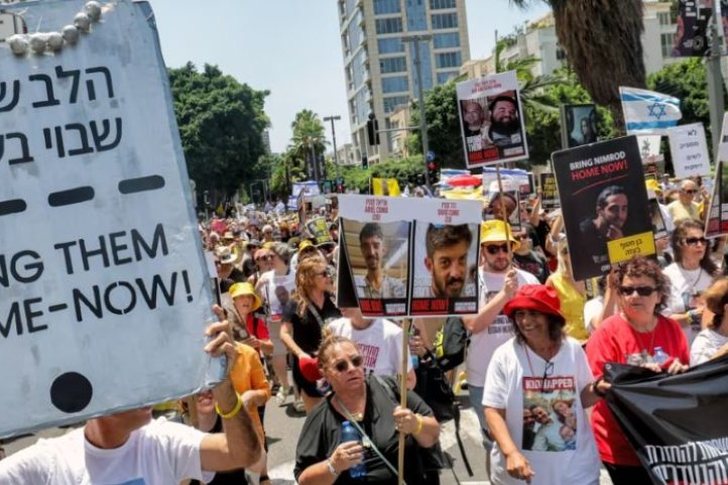
Five days after accepting a key part of the US plan to...
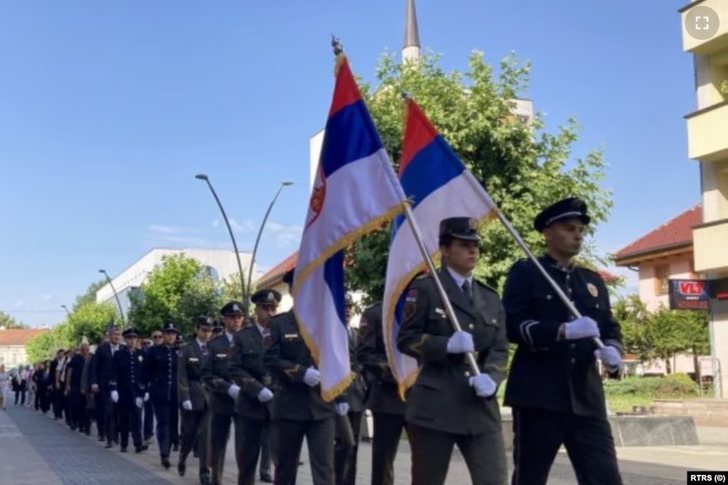
Members of the Serbian Armed Forces marched in a cerem...
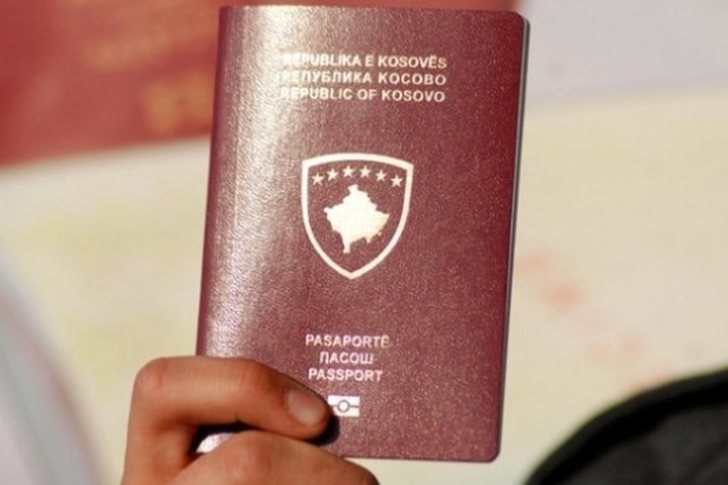
Over 7,000 Serbian citizens from the four northern mun...
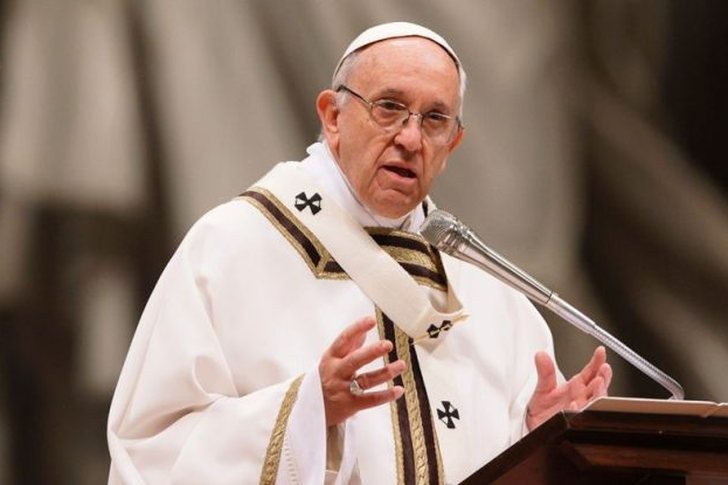
Democracy is not in good shape, Pope Francis said Sund...
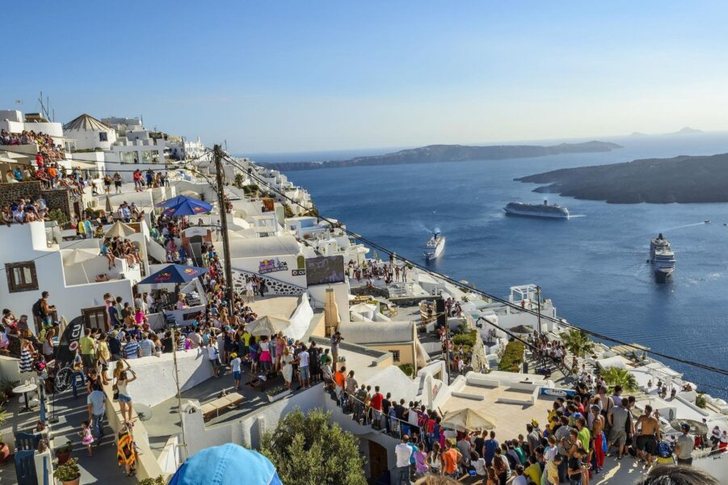
Drought has hit some of Greece's most popular destinat...
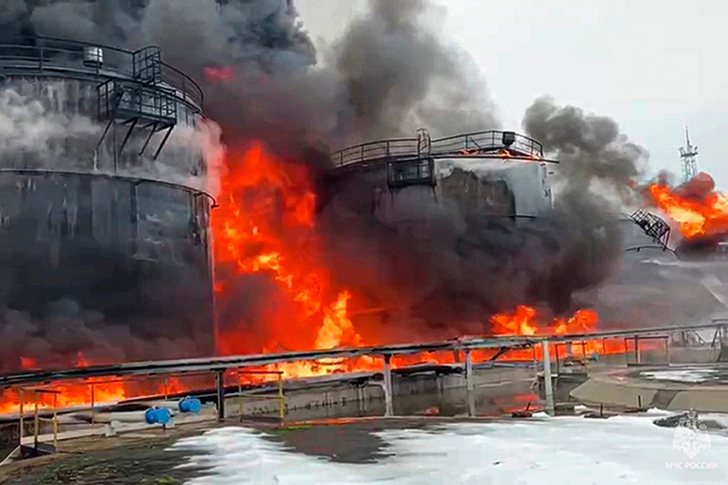
A state of emergency has been declared in parts of Rus...
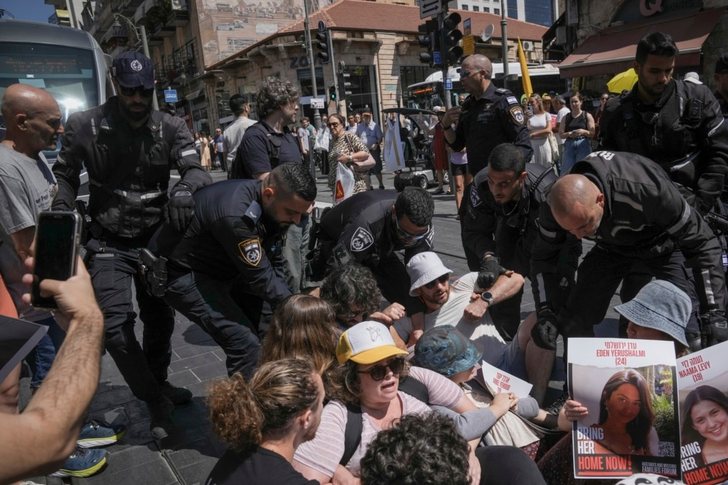
Israeli protesters blocked highways across the country on ...
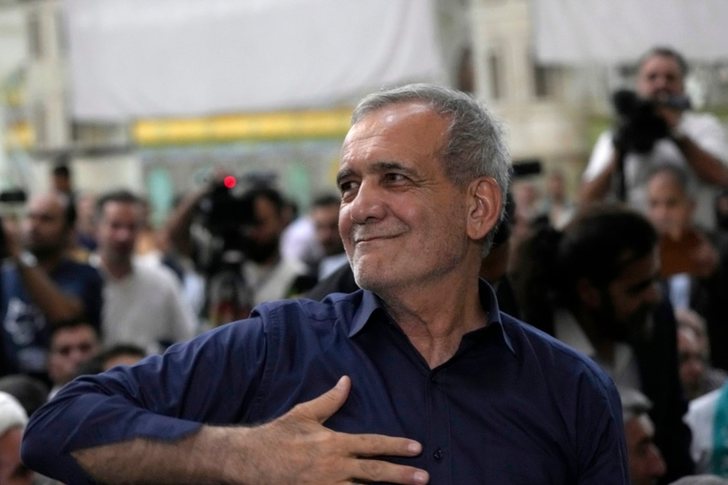
The European Union (EU) has said that it is ready to e...
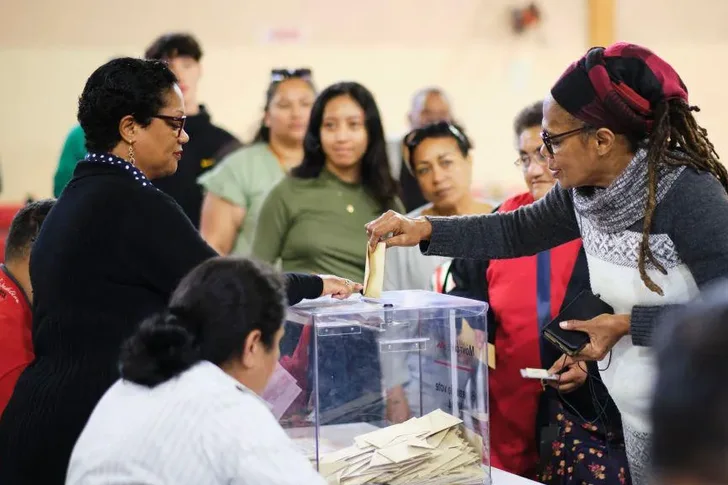
The French go to the polls again this Sunday for the s...
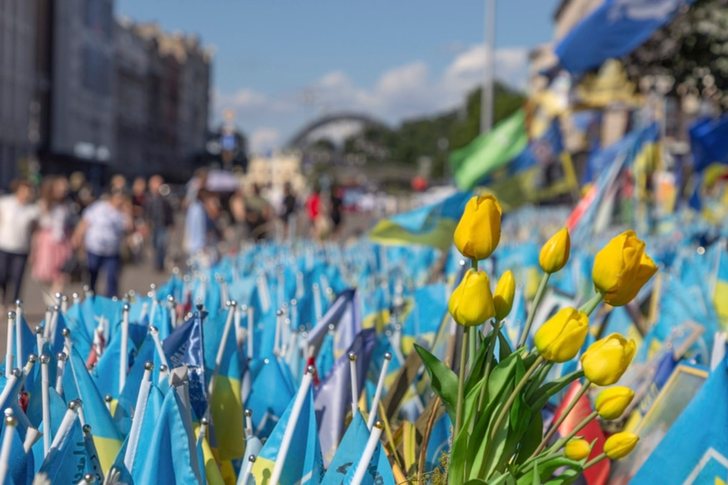
Russia carried out drone strikes across Ukraine overni...
SPAK's standards, the way it investigates, how it secures ...
Irfan Hysenbelliu claims to be a big businessman, an hones...

The murder of officer Enea Mekolli in the line of duty has...
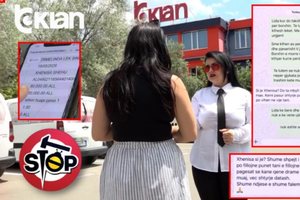
The next case broadcast on the show "Stop", this Thursday,...

The Special Board of Appeal (KPA) decided this Monday ...

The KPA vetting decided this Thursday to dismiss the p...

Suela Salavaçi, a prosecutor in the Prosecutor's Offic...

The Special Board of Appeal reinstated the prosecutor ...
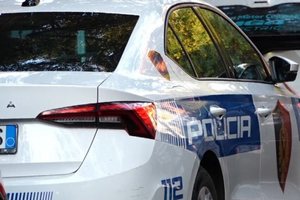
Another gunshot wound occurred at the scene. According to...

A gunshot wound occurred this afternoon in Shijak. Accordi...
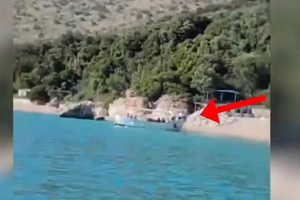
The Border Police blocked the vessel and fined the driver ...
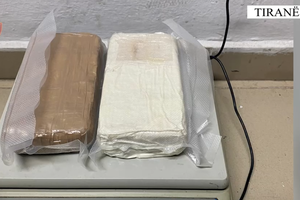
A police operation codenamed "Zonet" has ended with the se...

More than 860 million people fall ill and 1.5 million die ...
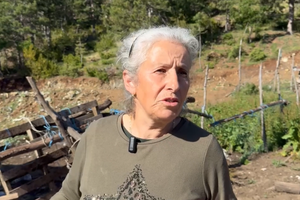
The mother of Violand Braçellari, the perpetrator of the s...
The modern European traveler seeks a meaningful connection...
This Sunday, weather conditions are forecast to be clear a...
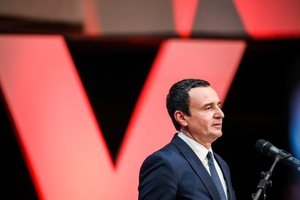
The Vetëvendosje movement has declared victory in the snap...
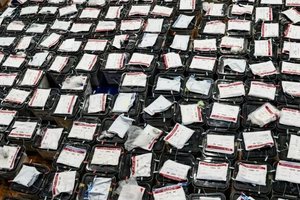
The counting of votes for political entities in Kosovo is ...
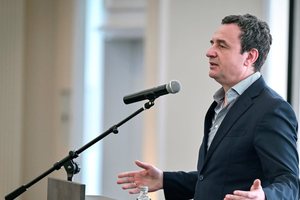
Kosovo's acting Prime Minister, Albin Kurti, has reacted a...
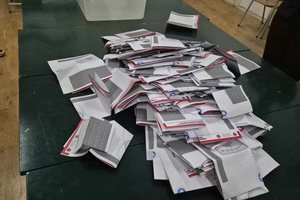
The counting of votes for political entities in Kosovo has...
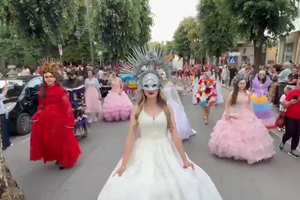
Korça has transformed this weekend into the capital of cel...
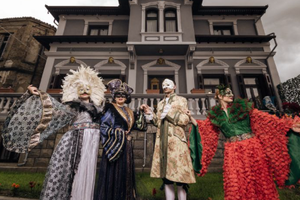
Korça is ready to open the summer season with one of the c...
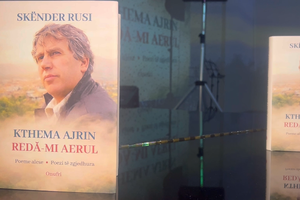
Two years after his passing, the renowned Korçë poet Skënd...

The Ethnographic Museum of Berat has opened its doors to v...
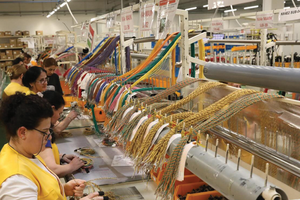
The automotive industry in Albania is currently at a turni...
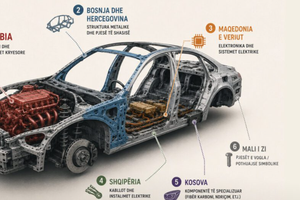
If you were to follow the industrial map of the Western Ba...

The Transparency Board, in today's meeting, decided to red...

This Saturday, one US dollar is bought for 81.4 lek and so...