


Scandal with Rama's international exhibitions/PD demands transparency for their financing
The Democratic Party's Anti-Corruption Spokesperson, Genta...

The Democratic Party's Anti-Corruption Spokesperson, Genta...

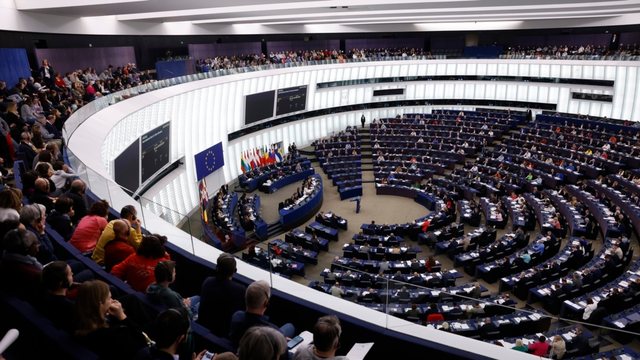
Some 400 million European Union citizens will vote this week to elect members of the European Parliament, in one of the largest global democratic events. The rising cost of living, farmers' discontent and the wars in Gaza and Ukraine are top issues on voters' minds. At least one analyst thinks that the growth of far-right parties is certain, and the main question according to her is how big will this growth be?
Between June 6 and 9, EU citizens will vote for members of the European Parliament. As the wars in the Middle East and Ukraine continue, the key campaign issues are defense and security.
The economy, jobs, poverty, public health, environmental change and the future of Europe are also issues rated as important to EU voters.
One of the most important questions after the election is whether European Commission President Ursula von der Leyen will remain in charge as the most recognizable face of the EU.
Currently the largest political group is the centre-right 'European People's Party', with 176 seats, followed by the Party of European Socialists group with 139 seats. They are followed by the group of pro-European liberals with 102 seats and the group of green and regional parties with 72 seats.
Two far-right groups, the European Conservatives and Reformists (ECR) and Identity and Democracy (ID), could emerge as the third and fourth groups after the election.
In Italy, the Democratic Party hopes to win more seats than Prime Minister Giorgia Meloni's Brothers of Italy party.
"These elections are not only European elections, they are important elections for the country. The Democratic Party must secure one more vote than Giorgia", says Rocco Castelli, supporter of the Italian Democratic Party.
In Portugal, André Ventura's far-right 'Chega' party had a big boost in the country's May elections.
Mr. Ventura hopes to take advantage of this in the EU elections as well.
His supporters want restrictions on immigration.
"The European Union must understand that having a good heart does not mean keeping the door open for every person who wants to come. We have our traditions and they must also be respected. I respect the traditions of others, if I go to a Muslim country I cover my head as required", says Rosa Viegas, supporter of the Chega party
Maria Demertzis, an analyst at the Bruegel Institute, predicts a rise of the right.
"The question is, how big will this increase be?" she says.
"It is impossible to think that any single country will be able to tackle the huge challenges we face, from climate change to defence. So, the role of Europe, in trying to have influence, is becoming more and more important and therefore countries should be careful how these decisions are being made in Europe", says Mrs. Demertzis.
EU elections are held every five years in the 27-member bloc. This year marks the 10th parliamentary election since the first election in 1979 and the first after Britain's exit from the EU.
The first results will be released in the evening of June 9 after the polling stations have closed in all member countries. The first country to open voting centers is the Netherlands.
The number of MPs elected in each country depends on the size of the population. Malta, Cyprus and Luxembourg each have six MPs, while Germany has the largest number, 96 MPs.
In 2019, the European Parliament had 751 legislators.
Following Britain's departure from the EU in 2020, the number of MEPs fell to 705. Some of the 73 seats previously held by British MEPs were redistributed to other member states.
After these elections, the European Parliament will have 15 more MEPs, bringing the total to 720. Twelve countries will receive additional MEPs./ VOA

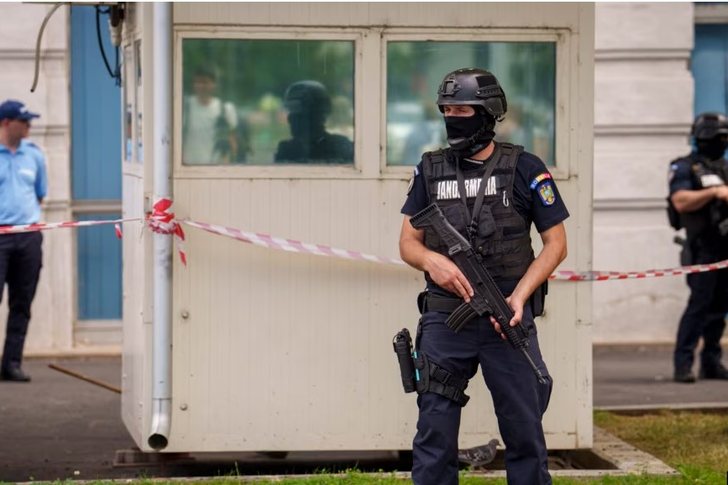
A 34-year-old man was detained in the capital of Roman...
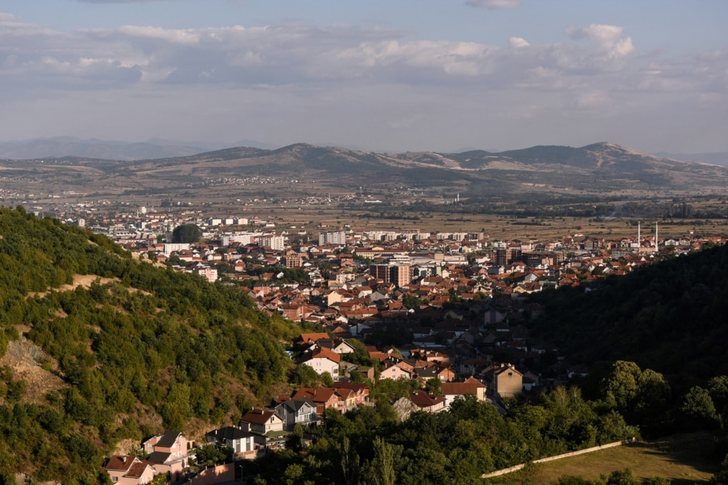
The Party for Democratic Action, led in Presevo by Ardita ...
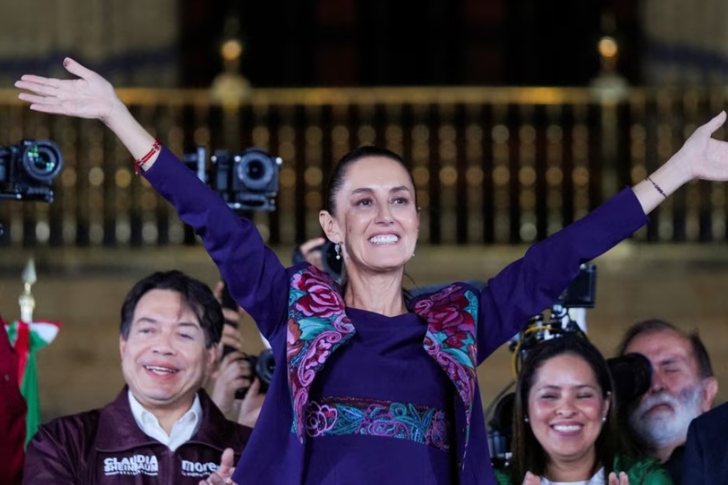
Official preliminary voting results released early Monday ...
More than 50 people died in India during the last three da...
Nikos Michaloliakos was arrested on Monday afternoon, a fe...
Serbia's ruling Serbian Progressive Party (SNS) appear...
Claudia Sheinbaum is expected to become the first female p...
China has accused the UK's Secret Intelligence Service MI6...
Presidential candidates Joe Biden and Donald Trump have ve...
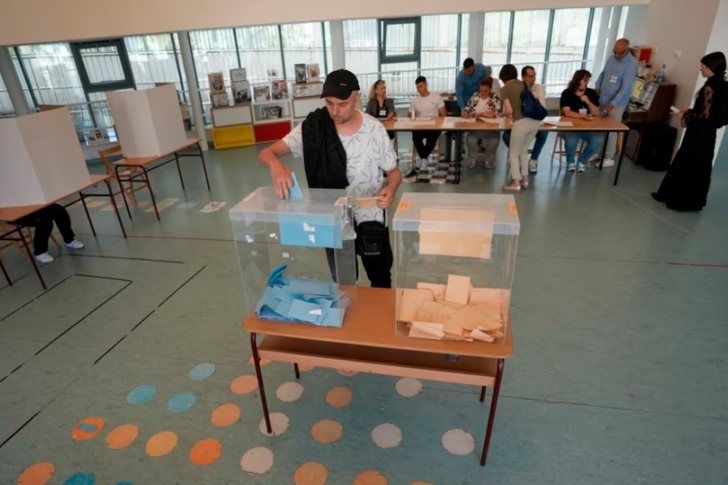
Serbian President Aleksandar Vucic's Serbian Progressive P...
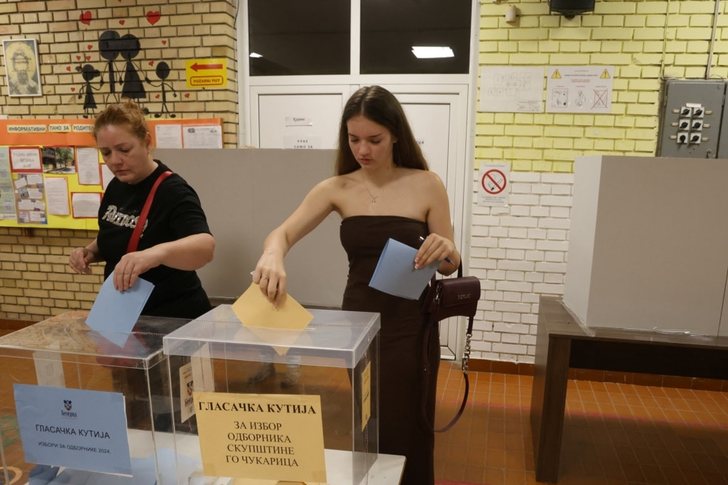
Serbia held local elections in Belgrade and 88 other citie...
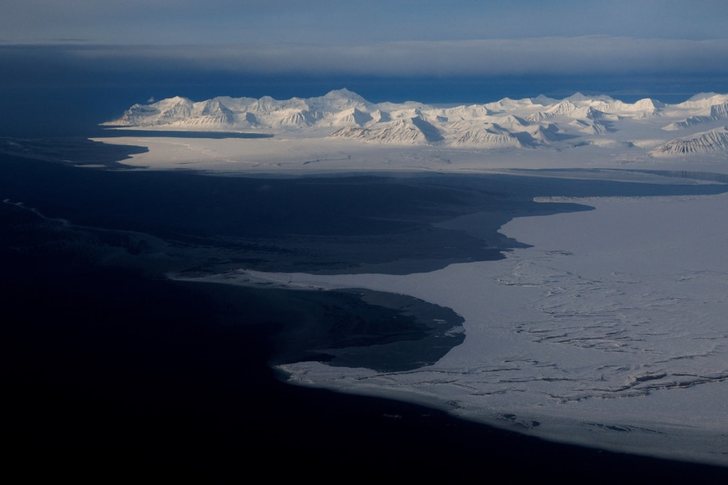
Norway's Svalbard region is a visa-free zone for anyone wh...

US and Chinese defense officials offered different positio...
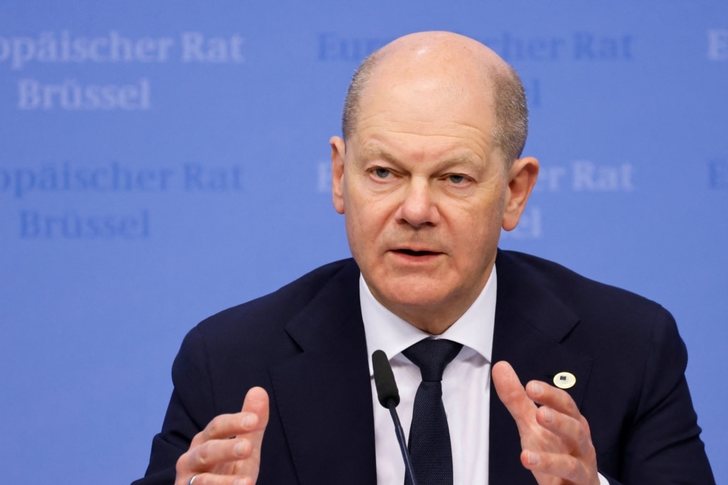
NATO's recent decision to reinforce its eastern border is ...
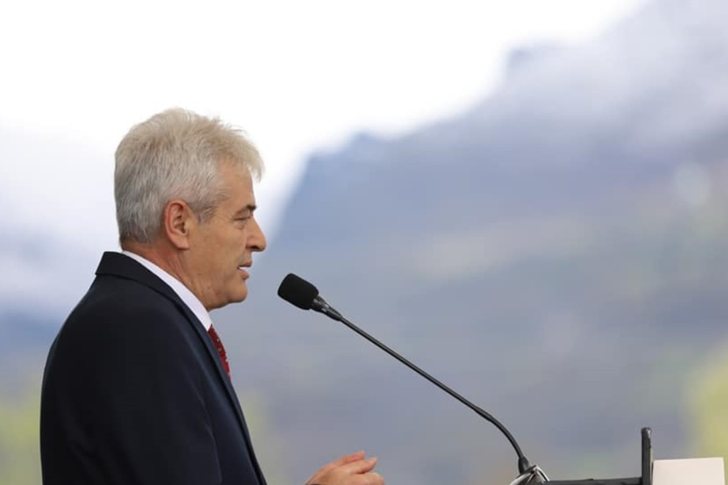
The parties of the European Front, led by the Democratic U...
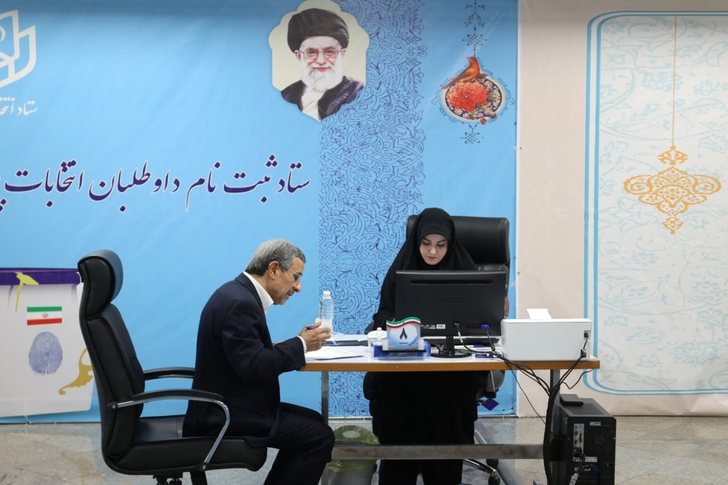
Former hardline Iranian President Mahmoud Ahmadinejad regi...
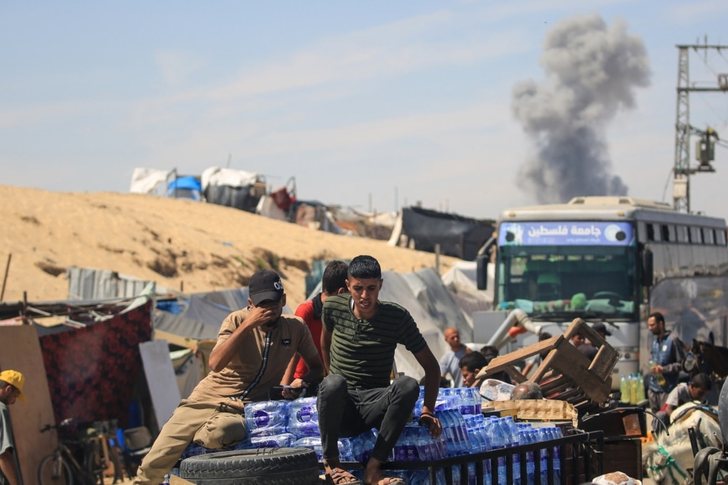
An aide to Israeli Prime Minister Benjamin Netanyahu confi...

A viral game on the social network "TikTok" that is endang...
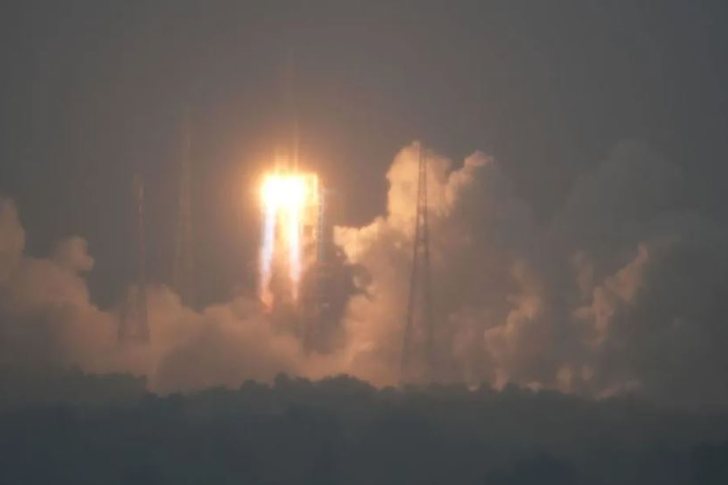
China has announced that its unmanned mission has succ...
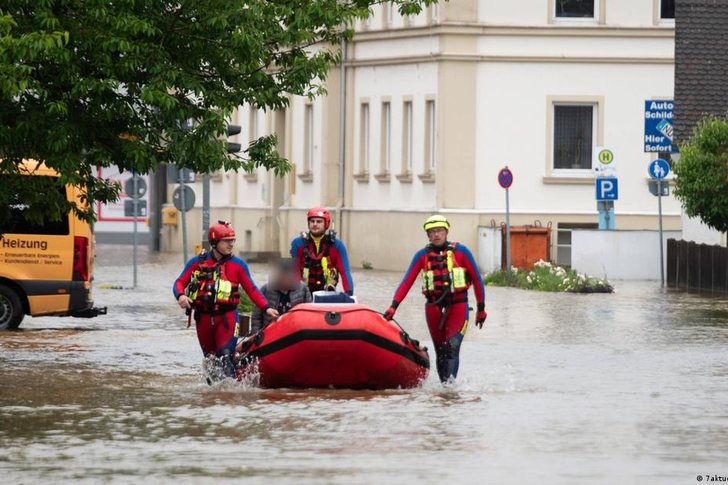
Rain, rain and only rain in Germany in recent weeks. Heavy...

CNA has launched another investigation that could lead to ...

Irfan Hysenbelliu is a businessman that we call "Irfan the...

In March 2026, CNA launched another investigation centered...
The arrested mayor of Tirana, Erion Veliaj, with 13 charge...

The Special Board of Appeal (KPA) decided this Monday ...

The KPA vetting decided this Thursday to dismiss the p...

Suela Salavaçi, a prosecutor in the Prosecutor's Offic...

The Special Board of Appeal reinstated the prosecutor ...
Another phase of the international operation, codenamed "T...
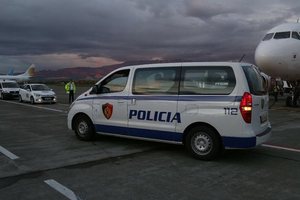
Police have arrested a 34-year-old woman at Rinas Airport ...

A serious accident has occurred on the Lezhë-Shëngjin axis...
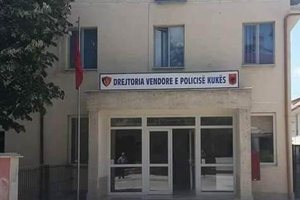
A serious incident has occurred in Morina, Kukes. Citizen...

This Wednesday, our country will be under the influence of...

All of Southern Europe will face changing weather conditio...
Albania was hit by temperatures significantly higher than ...

For the first time, Pogradec welcomed the Inter-Lake Chess...
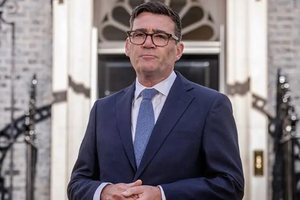
Prime Minister Andy Burnham has announced that most bus fa...

France's parliament has passed a law to ban social media f...

US Secretary of State Marco Rubio arrived in Manila on Jul...
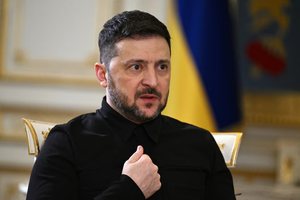
In the space of a few days, Ukrainian President Volodymyr ...

At a time when industrial products are increasingly taking...

Trust among people is not just a three-syllable word. It c...

Master of humor Todi Llupi has passed away at the age of 7...

The ninth edition of "MIK Festival" kicked off with one of...

Businesses will no longer be required to simply register t...

Despite economic growth and income in recent years, Albani...

This Wednesday, one US dollar is bought for 81.4 lek and s...

Construction company licenses will have a validity period ...