




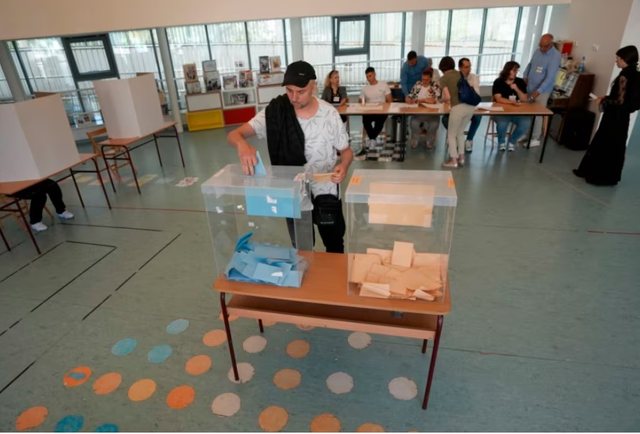
Serbian President Aleksandar Vucic's Serbian Progressive Party is claiming a landslide victory in Sunday's local government elections, including a runoff in Belgrade.
The Serbian president, announcing the victory, said that his party will have the majority in the Belgrade assembly of 110 seats. "This is an incredible victory," he said during a press conference.
But some opposition parties said the polls were conducted with major irregularities.
The main opposition candidate from the "Movement and Change" list Savo Manojlovic said that his alliance will not recognize the results. "This was the most irregular election ever," he told supporters.
Earlier in the day, opposition supporters clashed with activists of the Serbian Progressive Party in Belgrade and the northern city of Novi Sad.
Law enforcement authorities in Serbia said the elections were peaceful and there were no serious incidents.
Serbian President Aleksandar Vu?i?'s Progressive Party will further strengthen its broad control over power in the country, amid criticism for suppressing democracy.
Elections in the Serbian capital were repeated after reports of widespread irregularities last December fueled political tensions and accusations that President Aleksandar Vucic's Serbian Progressive Party rigged the vote. The ruling populists were accused in December last year by the opposition and independent observers of busing voters from other parts of Serbia and from neighboring Bosnia, which they have denied. Similar reports were published by opposition supporters on social media on Sunday.
President Vu?i? officially wants his troubled nation to join the European Union, but has repeatedly moved away from European values ??of democracy while maintaining close ties to Russia and China. Serbia has refused to join Western sanctions against Moscow over its aggression in Ukraine. The Serbian Progressive Party has presented itself as the only political force capable of running the country and keeping it safe in a time of global turmoil.
Pro-Western opposition groups have accused President Vu?i? of ties to crime, rampant corruption and suppression of democracy. But a broad alliance behind last year's massive anti-government street protests has split and former allies have turned on each other, fueling apathy among Serbia's 6.5 million voters.
President Vu?i?'s ruling party is expected to win on Sunday. It has controlled all levels of power in Serbia for more than a decade, so if the opposition manages to win some of the municipal assemblies, not to mention the big cities, it would be a significant change.
Opposition groups were divided over whether to participate in the elections or continue with demands for free and fair elections. Those who competed for power in the city of Belgrade, campaigned under the slogan "We choose to fight"!
International election observers said last December's parliamentary and local elections were held under "unfair conditions", in part because of the president's involvement and systemic advantages for the ruling party.
An OSCE/ODIHR report said the elections were "damaged by harsh rhetoric, bias in the media, pressure on public sector workers and misuse of public resources".
Local election observers said not much had changed despite a series of recommendations issued by international observers after the December vote.
Local government elections were also held in two of the three municipalities inhabited by Albanians in the south of Serbia.
In the municipality of Presheva, there were 6 Albanian political parties and one Serbian party in competition, in Bujanoc, meanwhile, there were 4 Albanian parties, 4 Serbs and a party of the Roma national minority in competition.
The representatives of the Albanians say that the difficulties that the region faces, from the lack of economic investments to the non-recognition of diplomas and especially the process of "passivation" of the addresses of the Albanians, have affected the ethnic balance and consequently the political representation of the Albanians from this region. ./ VOA

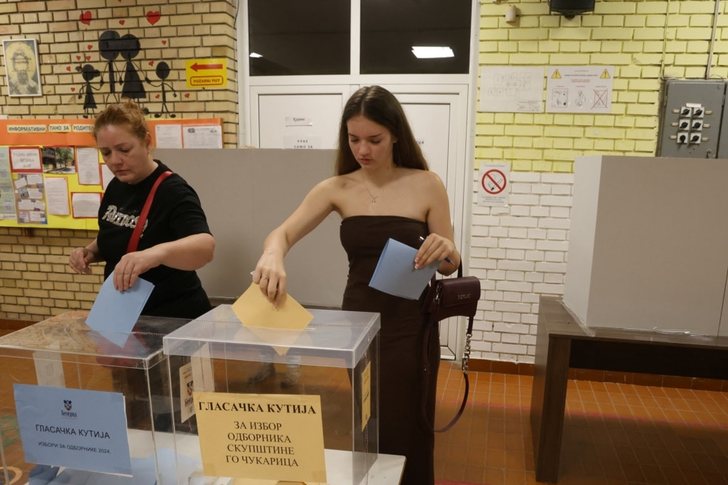
Serbia held local elections in Belgrade and 88 other citie...
Norway's Svalbard region is a visa-free zone for anyone wh...

US and Chinese defense officials offered different positio...
NATO's recent decision to reinforce its eastern border is ...
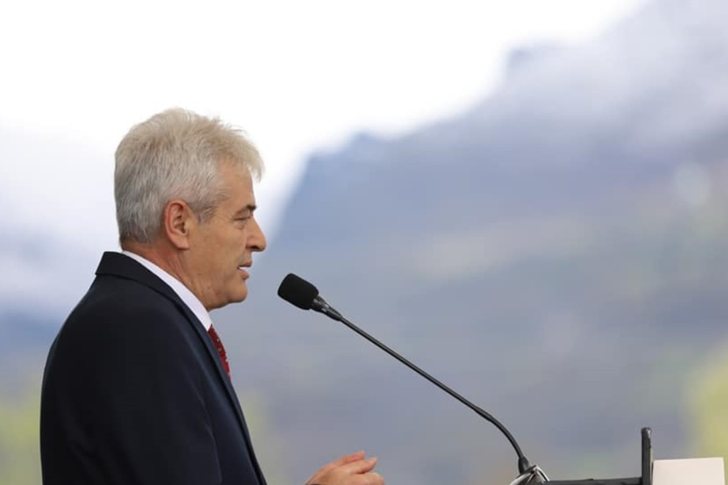
The parties of the European Front, led by the Democratic U...
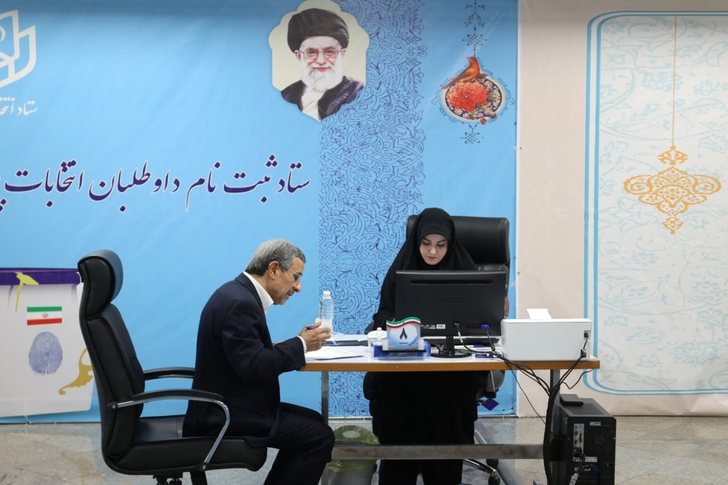
Former hardline Iranian President Mahmoud Ahmadinejad regi...
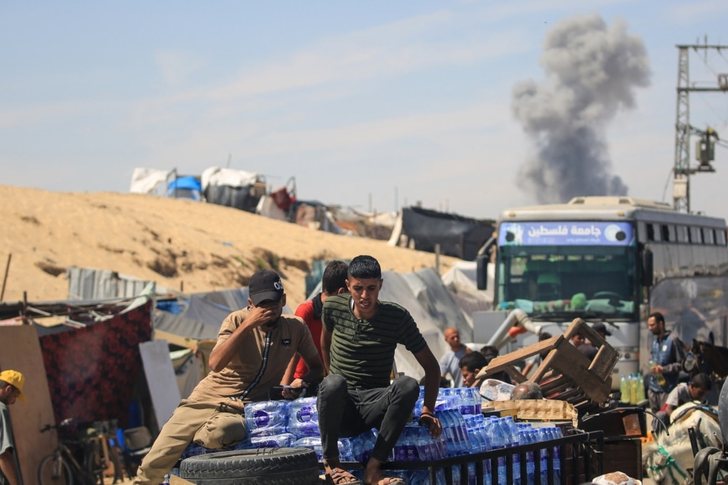
An aide to Israeli Prime Minister Benjamin Netanyahu confi...

A viral game on the social network "TikTok" that is endang...

China has announced that its unmanned mission has succ...
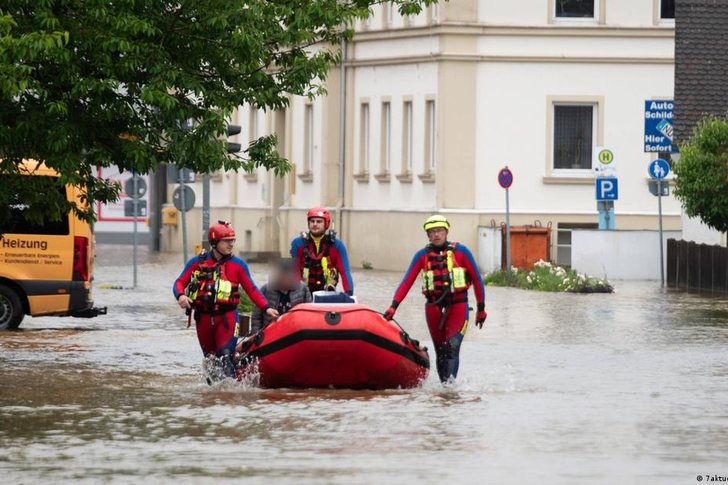
Rain, rain and only rain in Germany in recent weeks. Heavy...
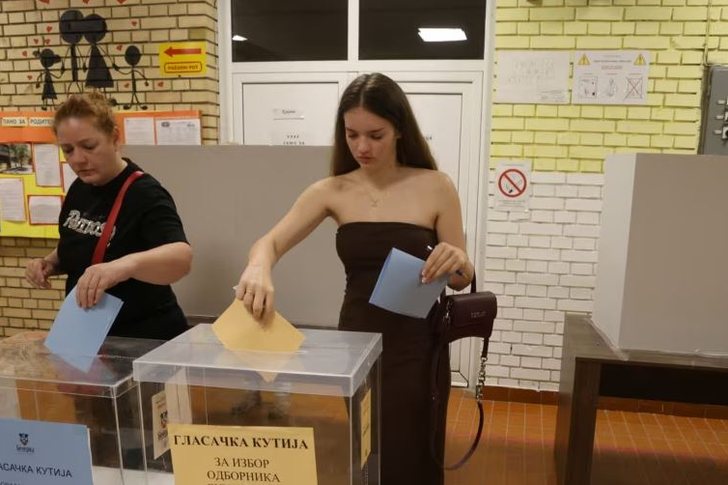
Serbian citizens are voting on June 2 in local elections i...

Supermodel sisters Bella and Gigi Hadid donate $1 mill...
Almost 100 million voters will elect this Sunday the f...
Zohre Elahian became the first woman to register for Iran'...
The Ministry of Foreign Affairs and Diaspora of Kosovo (MP...
It is the biggest democratic election in the world, if we ...

Two far-right Israeli ministers have threatened to quit an...

Donald Trump, the most likely candidate of the Republican ...
The opposition Movement for National Unity party of Georgi...
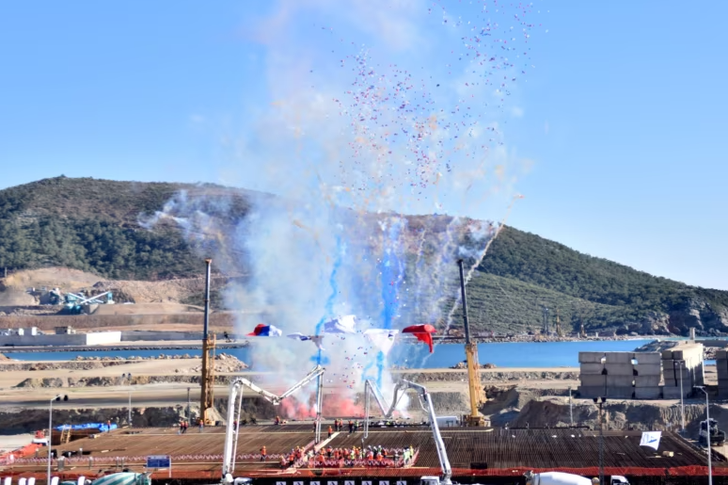
Turkey has announced that it will put its first nuclear po...

CNA has launched another investigation that could lead to ...

Irfan Hysenbelliu is a businessman that we call "Irfan the...

In March 2026, CNA launched another investigation centered...
The arrested mayor of Tirana, Erion Veliaj, with 13 charge...

The Special Board of Appeal (KPA) decided this Monday ...

The KPA vetting decided this Thursday to dismiss the p...

Suela Salavaçi, a prosecutor in the Prosecutor's Offic...

The Special Board of Appeal reinstated the prosecutor ...
A road accident occurred this evening on Nikolla Zoraqi St...

Three people were shot and wounded in Elbasan last night b...

A serious incident occurred this Tuesday in the Yrshek are...

An accident occurred this Tuesday on "Dituria" street in K...
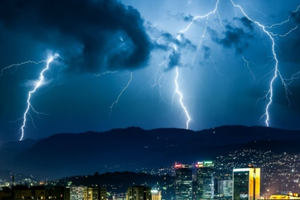
All of Southern Europe will face changing weather conditio...

Albania was hit by temperatures significantly higher than ...

For the first time, Pogradec welcomed the Inter-Lake Chess...

Albania has achieved a record for the employment of foreig...

US Secretary of State Marco Rubio arrived in Manila on Jul...
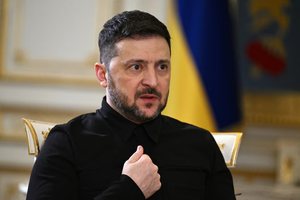
In the space of a few days, Ukrainian President Volodymyr ...

The spokesman for the Iranian Foreign Ministry warned Bulg...

Autoritetet italiane sekuestruan pako me afër 800 kilogram...

At a time when industrial products are increasingly taking...

Trust among people is not just a three-syllable word. It c...

Master of humor Todi Llupi has passed away at the age of 7...

The ninth edition of "MIK Festival" kicked off with one of...

Construction company licenses will have a validity period ...
The Centralized Purchasing Operator recently opened a tend...
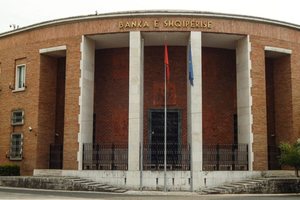
The new draft law "On the Bank of Albania" provides that t...
This Tuesday, one US dollar is bought for 81.2 lek and sol...