

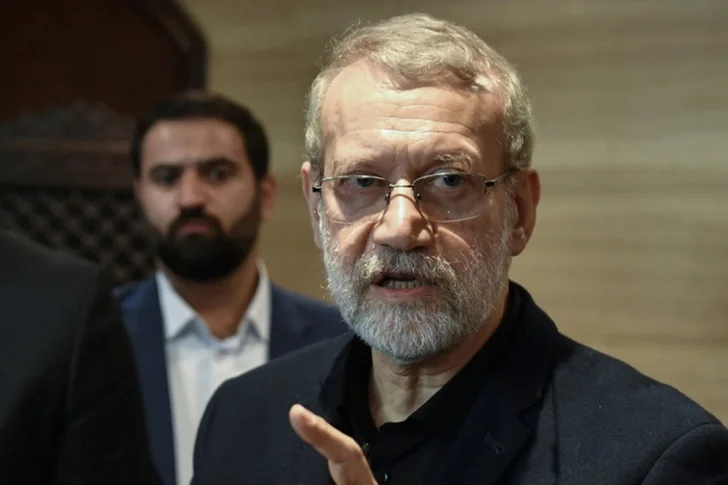
Ali Larijani-Trump: We can cut off electricity to the entire Middle East in half an hour
The Secretary of Iran's Supreme National Security Council,...


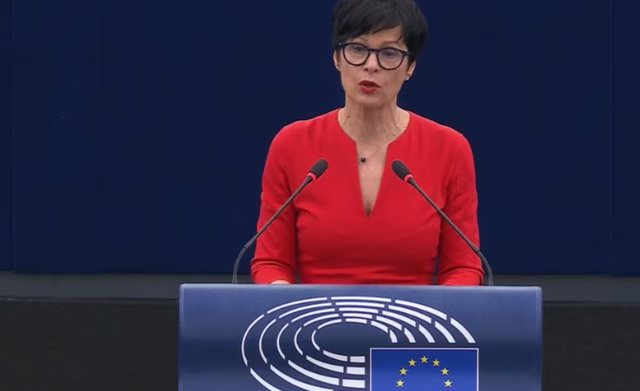
"There are no Trojan horses. Countries that would harm us from within cannot become members of the European Union. We must be absolutely sure of this. Countries that join the EU must be strong democracies - capable of resisting the toxic influence of Russia and others."
This was stated by the European Commissioner for Enlargement, Marta Kos, before the European Parliament this week.
She did not clarify which countries she was referring to, but the situation in the ten countries involved in the enlargement process probably leads to the same conclusion.
According to a European official who commented unofficially on Kos's statements, "Serbia and Georgia are among the usual suspects."
The EU enlargement group includes six countries from the Western Balkans region, although with uneven progress in the accession process.
Of the Eastern Partnership countries, this group includes Ukraine, Moldova and Georgia. Turkey, although still with candidate status, has frozen accession negotiations with the EU.
A message for Serbia to reconsider its European path
Serbia is the only country in the Western Balkans and a candidate country for EU membership that has rejected calls from Brussels to align with EU foreign policy and impose sanctions on Russia, following its full-scale invasion of Ukraine.
This is the main reason why membership negotiations are frozen - the country has not opened any chapters since December 2021, two months before the war in Ukraine began.
Until recently, Serbia was considered one of the leading countries in the accession process in Brussels.
"The EU has been very clear with our partners, including candidate countries like Serbia: relations with Russia cannot continue as usual with [Vladimir] Putin's regime and after the unprovoked and unjustified Russian aggression against Ukraine," said Guillaume Mercier, the European Commission's spokesman for the enlargement process, in a statement to Radio Free Europe.
Nemanja Todorovic Stipllija, executive director of the non-governmental Center for Contemporary Politics in Belgrade, believes that the EU, during its previous enlargements, has not developed sufficient mechanisms to protect it from this type of external influence.
"There is no other country that can be defined in the way Commissioner Kos defined it," says Todorovic.
According to him, the EU has enough examples with countries like Hungary, which are part of the bloc and which harm unity within the EU.
He believes that, in the context of the debate on EU enlargement reform, some mechanisms will be found to prevent this from happening in the future.
Otherwise, these mechanisms were alluded to in some way by Commissioner Kos herself, when she spoke about Montenegro's admission as a future member of the EU.
Në një konferencë për zgjerimin në kryeqytetin estonez, Talin, më 13 shkurt, ajo tha se marrëveshja e ardhshme për pranimin e Malit të Zi në BE do të përfshijë të ashtuquajturat masa mbrojtëse, në rast të ndonjë pengese në demokraci apo sundim të ligjit.
Mospërputhja me politikën evropiane të sanksioneve është një nga arsyet kryesore, por jo e vetmja, përse Serbia ka ngecur në procesin e anëtarësimit. BE-ja ka vënë re, kohëve të fundit, edhe pengesa në disa fusha të rëndësishme, të tilla si sundimi i ligjit dhe liria e medias.
“Serbia e ka bllokuar veten në rrugën e saj evropiane, për shkak të gjendjes së demokracisë, sundimit të ligjit, lirisë së medias dhe lirive të tjera që janë shkelur. Nga ana tjetër, harmonizimi me politikën e jashtme [evropiane] dhe të sigurisë është e vetmja çështje që mund të tregojë unitetin e plotë të BE-së në këtë moment, dhe Serbia ka dështuar. Në momentin kur filloi lufta në Ukrainë dhe kur të gjitha vendet evropiane mbështetën masat kundër Rusisë, Serbia ishte ajo që nuk e bëri”, thotë Todoroviq për Radion Evropa e Lirë.
Sipas tij, deklarata e fundit e komisionares Kos është një mesazh për Serbinë që ta rishqyrtojë harmonizimin e politikës së jashtme dhe të sigurisë dhe të mendojë për rrugën e saj evropiane.
A është Mali i Zi, si lider në procesin e anëtarësimit, rezistent ndaj ndikimit rus?
Mali i Zi, aktualisht, është në vendin e parë për anëtarësim. Zyrtarët e BE-së besojnë se është reale të pritet që ky vend të përfundojë procesin e negociatave deri në fund të vitit 2026, në mënyrë që t’i krijojë kushtet për anëtarësim deri në fund të vitit 2028.
Shqipëria, tash për tash, mban vendin e dytë, të cilin e mori nga Serbia pasi hapi të gjithë kapitujt e negociatave vitin e kaluar, në kohë rekord.
Megjithatë, përparimi i këtyre vendeve nuk nënkupton se ato nuk do të jenë nën vëzhgimin e Brukselit kur bëhet fjalë për reformat - veçanërisht ato thelbësore që lidhen me sundimin e ligjit.
Në të njëjtin fjalim, më 10 mars, Kos kishte një mesazh edhe për këto dy vende - “pozicioni i liderit në procesin e pranimit nuk garanton status të veçantë”, tha ajo.
Dina Bajramspahiq, aktiviste e shoqërisë civile në Mal të Zi, thotë se, duke pasur parasysh se Mali i Zi ka përparuar më shumë në negociata, do të duhej të pritej që ai të ishte më i suksesshmi në frenimin e ndikimit të keq. Megjithatë, ajo beson se ky nuk është rasti.
“Përkundrazi, për herë të parë në dekadat e fundit, ndikimi i huaj është institucionalizuar: aktorët që ndjekin hapur politika pro [presidentit serb, Aleksandar] Vuçiq dhe pro Putinit, janë pjesë e institucioneve shtetërore dhe lokale. Dhe, pas një hezitimi të shkurtër, janë pranuar edhe nga partnerët perëndimorë”, thotë Bajramspahiq për Radion Evropa e Lirë.
Ajo vlerëson se Mali i Zi nuk është imun ndaj ndikimeve të huaja toksike, por paralajmëron se Plani i Veprimit i Qeverisë nuk përfshin asnjë masë të vetme që adreson në mënyrë efektive ndikimin e huaj dhe manipulimin e informacionit.
She recalls that this country has recently adopted highly controversial laws - the Law on Internal Affairs and the Law on the National Security Agency - which, according to her, have lowered the standards of respect for human rights - which, she says, will inevitably create space for additional politicization of this sector.
"The impression is created that assessments of who the Trojan horse is will be very arbitrary. If there is a lack of connection between political messages and the conditions of negotiations, there is a risk that warnings about 'Trojan horses' will remain mainly political rhetoric," says Bajramspahic.
The case of Georgia as an example of the consequences of close relations with Russia
Georgia's European integration process is practically frozen. Senior European officials repeatedly reiterate that Georgia is a candidate country for EU membership "only on paper."
The country is seen as politically moving away from the European path and closer to Russia. Tensions have intensified, especially after Georgian authorities passed a controversial law on foreign agents, which is seen as similar to Russian legislation and restricts the work of civil society and independent media.
The EU has assessed that such movements pose obstacles in the areas of democracy and the rule of law, which are key conditions for progress towards membership.
The European Commission has recently suspended the visa-free regime for holders of diplomatic, service and special Georgian passports. The decision has entered into force immediately and will be valid for 12 months, until 6 March 2027.
He also left open the possibility of extending these measures to all citizens of Georgia, not just civil servants and diplomats. /REL

The Secretary of Iran's Supreme National Security Council,...
A man was arrested at Jomo Kenyatta International Airport ...

Authorities in Los Angeles have imposed very tight securit...
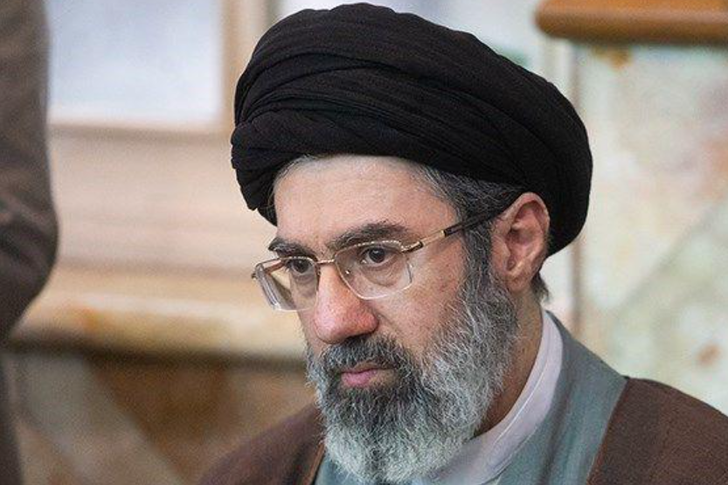
A presenter on Iranian state television read a message fro...
Iranian state media announced that Iran's new supreme lead...

The FBI warned police departments in California that Iran ...
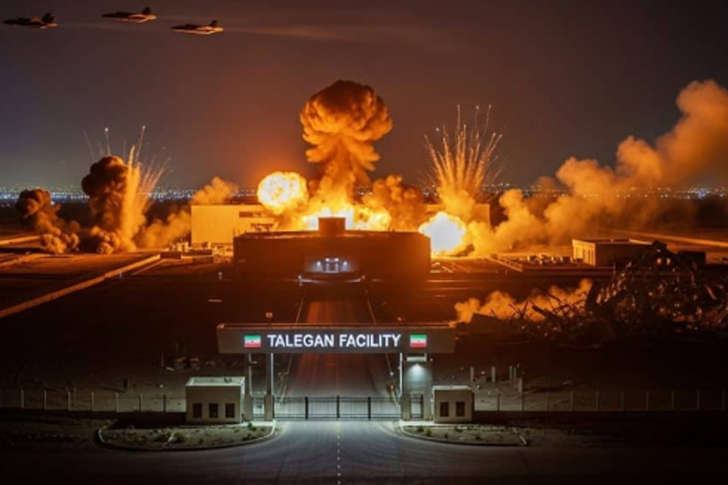
According to a statement from the Israeli military, an att...
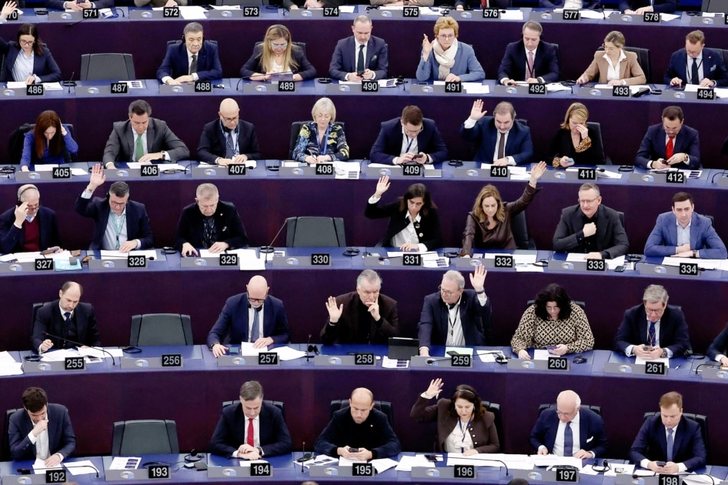
Members of the European Parliament have approved a strateg...
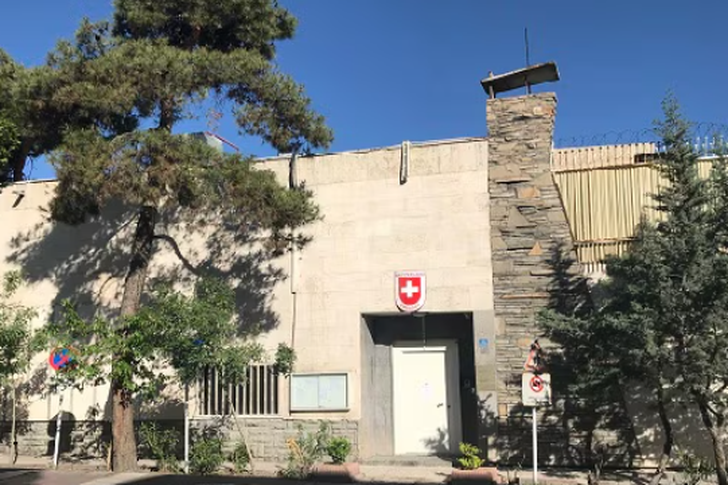
Switzerland has temporarily closed its embassy in Tehran, ...
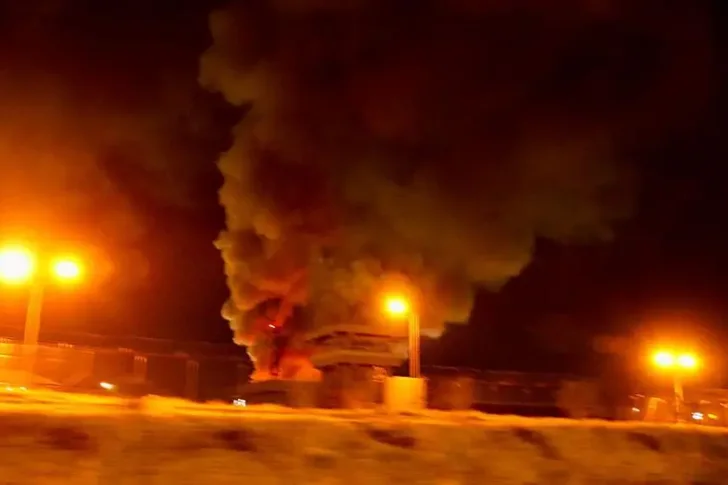
The ongoing Iranian attacks have sparked fires across the ...
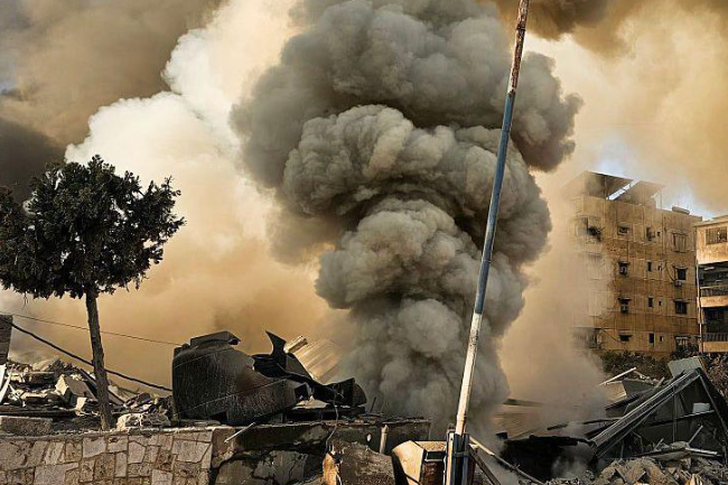
The first six days of the war against Iran cost the United...
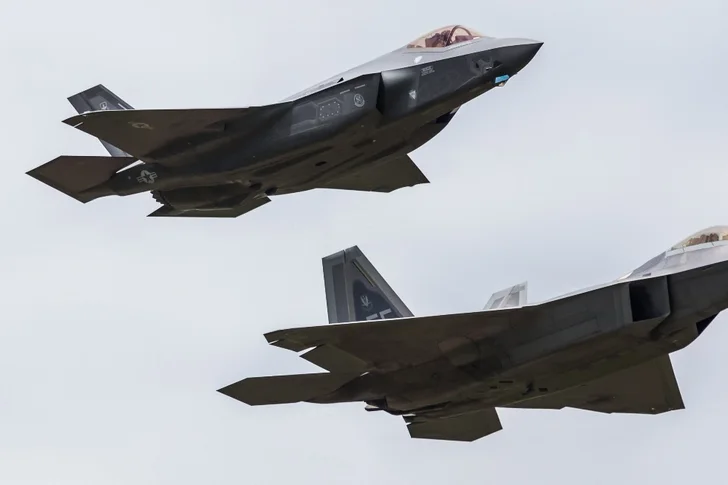
The Israeli Air Force (IAF) has released a conversation b...
US President Donald Trump has reacted to the IEA's decisio...
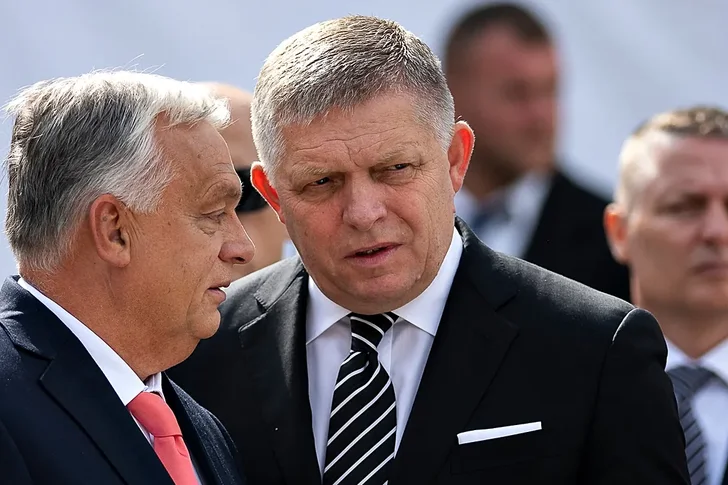
Hungary and Slovakia are opposing a renewal of sanctions b...
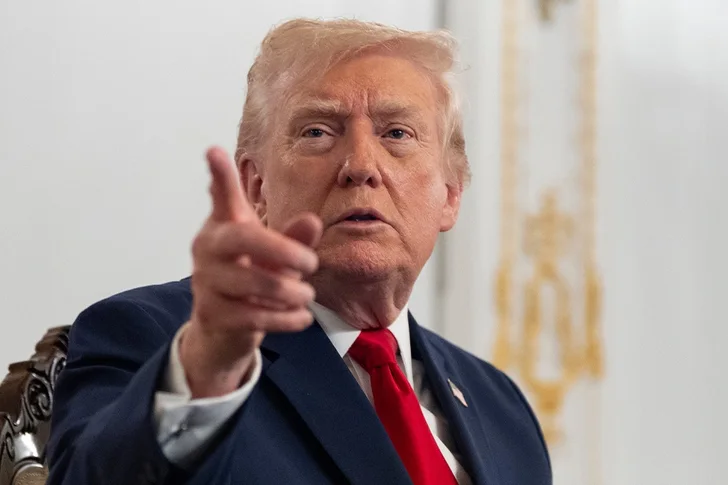
United States President Donald Trump has praised the stren...
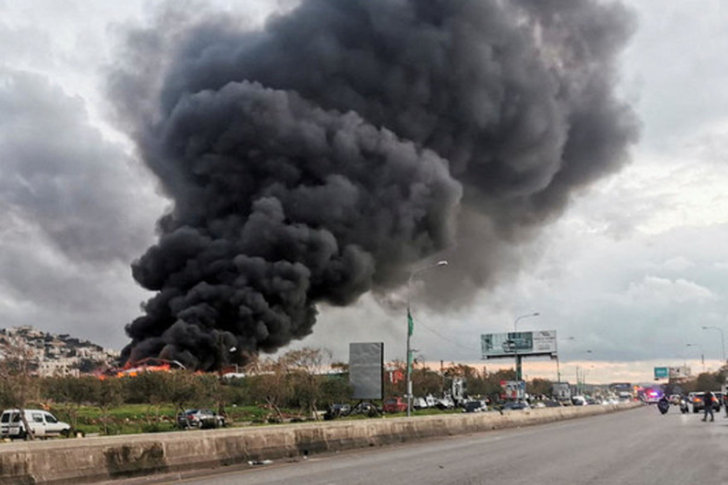
Foreign media are reporting Israeli airstrikes and artille...
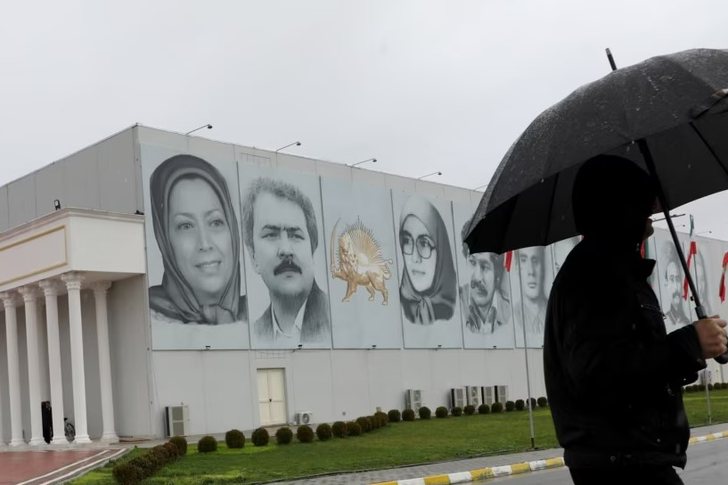
"Coming soon" and "We have given you our warnings" - these...
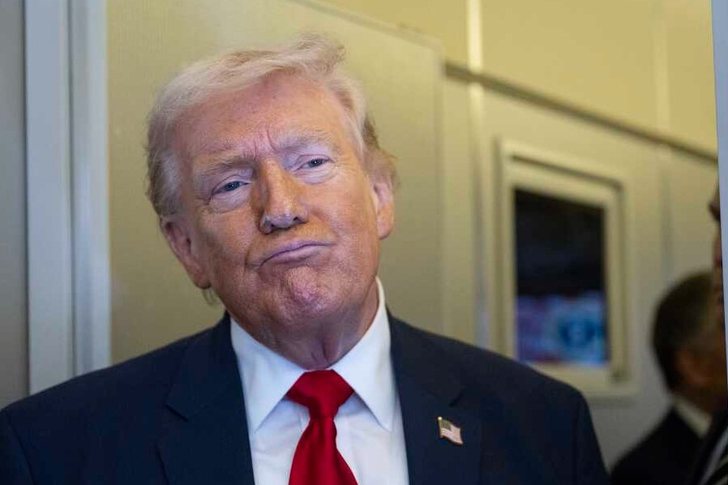
United States President Donald Trump has spoken about the ...
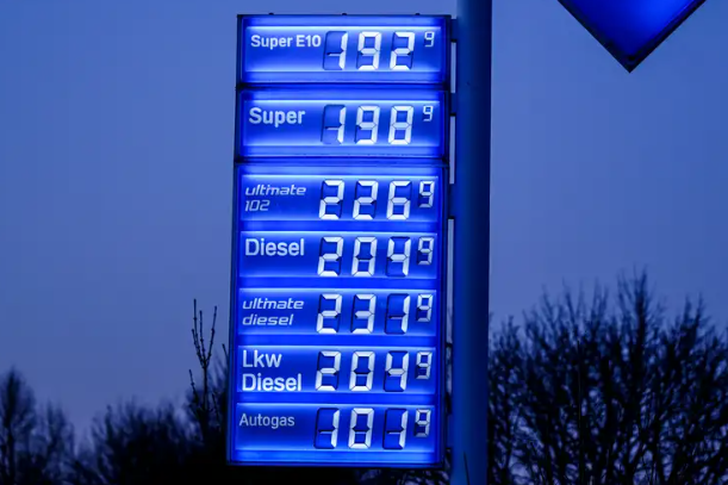
Germany authorizes the use of part of its oil reserves to ...
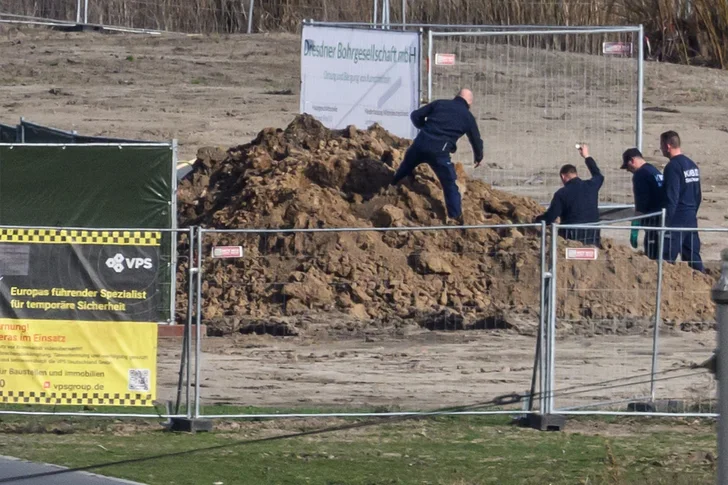
About 18,000 residents were forced to flee their homes in ...

CNA has launched another investigation that could lead to ...

Irfan Hysenbelliu is a businessman that we call "Irfan the...

In March 2026, CNA launched another investigation centered...
The arrested mayor of Tirana, Erion Veliaj, with 13 charge...

The Special Board of Appeal (KPA) decided this Monday ...

The KPA vetting decided this Thursday to dismiss the p...

Suela Salavaçi, a prosecutor in the Prosecutor's Offic...

The Special Board of Appeal reinstated the prosecutor ...
Footage emerges from the serious accident that occurred th...
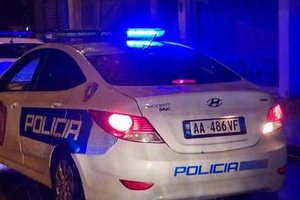
A Shkodra traffic police officer was hit with hard objects...
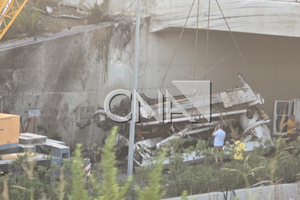
This Wednesday, around 4:00 PM, a serious accident occurre...
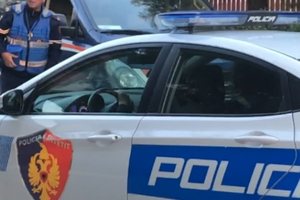
Tirana Police have shared details regarding the accident t...
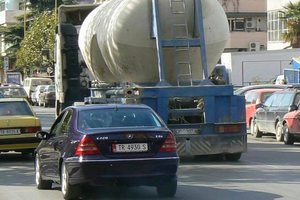
A serious accident that occurred this Wednesday with the c...

The Institute of Geosciences has shared a forecast for wea...
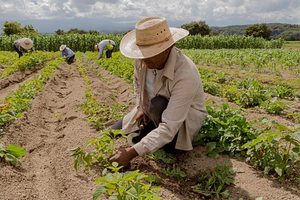
Rising energy and fertilizer prices are expected to contin...
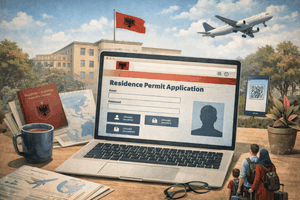
Over 18,000 foreign citizens from 140 countries have appli...
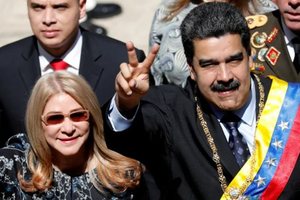
The trial of ousted Venezuelan President Nicolas Maduro on...
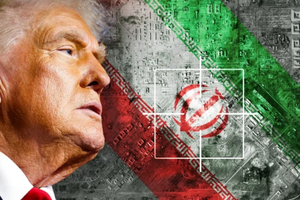
US President Donald Trump has issued another warning to Ir...
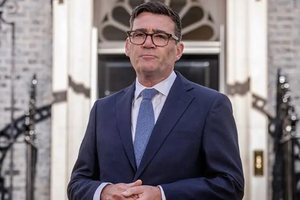
Prime Minister Andy Burnham has announced that most bus fa...

France's parliament has passed a law to ban social media f...

At a time when industrial products are increasingly taking...

Trust among people is not just a three-syllable word. It c...

Master of humor Todi Llupi has passed away at the age of 7...

The ninth edition of "MIK Festival" kicked off with one of...
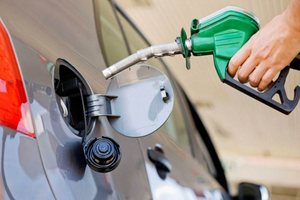
The price of diesel reached 206 lek per liter from 198 lek...

Businesses will no longer be required to simply register t...

Despite economic growth and income in recent years, Albani...

This Wednesday, one US dollar is bought for 81.4 lek and s...