


Rama "shoots" the ministers
Prime Minister Edi Rama, at a meeting of the Socialist Par...

Prime Minister Edi Rama, at a meeting of the Socialist Par...

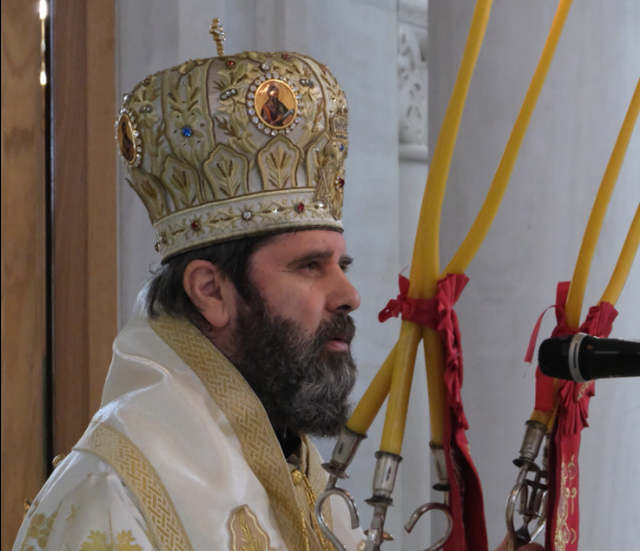
The Archbishop of Tirana, Durrës and All Albania, His Beatitude, Joan, shared a valuable message from the Gospel today.
During this Sunday's sermon, the Archbishop told part of the story of the Apostle and Evangelist Matthew, who repented and God rewarded him by protecting, forgiving, and converting him to Christianity.
The Archbishop said that today's Gospel is a cure, just like a doctor for the sick.
His Beatitude said that true repentance for a person occurs when he begins to carry out the commandments of God.
Archbishop Joan's full sermon:
Today we celebrate and commemorate the Evangelist and Apostle Matthew. His life, like the lives of all the saints, is very important for each of us. For just as icons are not simply portraits, but are a window to create a communion with the other divine dimension, so too are the lives of the saints not simply biographies, but are a memory for us and an experience together with them.
In a deep spiritual sense, everything that is touched by the Holy Spirit is transformed. Their lives were touched by the Holy Spirit and transformed. And our experience through their lives can illuminate our hearts as well.
The life story of the Apostle Matthew is very significant. He was a tax collector. At that time, tax collectors were among the most hated people in the Jewish people and were synonymous with the word sinner. Matthew himself, who writes in the Gospel, mentions this several times. If someone does not obey the leader of the Church, consider him a pagan and a tax collector. And the Lord called him precisely this. He called him because God sees something else, which we do not see.
Inside every person is the icon of God. Perhaps covered with mud, obscured, that precious treasure always remains inside every person. And the saints knew how to distinguish these things, and undoubtedly God even more so. As a great saint, Saint John of Kronstadt, writes, we are not interested in the mud that has been thrown over the gold, we are trying to remove the mud in order to find the gold. Just as those who search for gold take a large basket, perhaps with holes, collect sand, mud and everything else in it, and sift it to find a piece of gold, and when they find it, they rejoice greatly. God does this with us too. He seeks what is inside us, his icon within us.
And Matthew, according to the tradition of the Church, all the wealth he had accumulated, perhaps unjustly, because the tax collectors of that time were famous for fraud and theft, they collected more taxes than they should, paid a part to the Roman Empire and kept the rest for themselves. And he distributed to all those from whom he had taken unjustly, four times that much, according to the law of Moses. And the rest he distributed to the poor and went after God.
And he was a witness to the crucifixion and Resurrection of the Lord and all his preaching, which he wrote with great accuracy in every detail of the Lord's life and activity. Tradition says that he spent a long time in Judea and Jerusalem, preaching and spreading the Gospel, and there he wrote the first Gospel. He wrote it in Aramaic, which was soon translated into Greek. Tradition says that it was Saint James, the first bishop of Jerusalem, who translated it. And we can look at his book, even if it was translated into another language, and see some things that are similar to the Semitic mentality, linguistically, culturally and historically.
And his Gospel was written for the Jews first, for those who lived in Jerusalem, to show them that Christ was the Messiah. And then he went and preached the Gospel in many other countries. He went to Persia, to Parthia, to Media, and finally he went all the way to Ethiopia.
In Ethiopia, history says that he performed many miracles. He even converted a prince named Fulvian to Christianity. But before he decided to convert and become a Christian, he had great doubts. After Saint Matthew healed his wife and son, who were possessed by a demon, and after performing many miracles, he again had great doubts. And seeing that the people were turning and going towards the Apostle, he became very angry. He decided to kill him.
They arrested him, tied him up with his feet and head down, and set a huge fire there to burn him, so that he would die of fire and suffocation. But God again performed some very great miracles. The fire did not harm him at all. In fact, the fire spread, burning everything around them. The life of the ruler, the prince of that time, was even endangered, who called them to pray to God, Matthew, to save him. And although he was in that state under the fire, his heart was still cleansed by the Holy Spirit and by the teachings of Jesus Christ. And not only did he forgive him, he also prayed to God to save him. And God also saved the prince, he did not let him burn. At that time, Matthew breathed his last and said: "Into your hands, O God, I commit my spirit."
Princi u pendua për çfarë kishte bërë, po përsëri kishte dyshime. E mendonte se mos kishte ndonjë diçka magjike që ky dukej sikur shërohej ose bënte gjëra të tjera, si gjithmonë dyshojnë njerëzit. Ai njeri që dyshon, çfarëdo lloj provash t'i japësh, përsëri do dyshojë. Jepi prova pafund, përsëri do të dyshojë. Se një njeri që ka besim, nuk ka nevojë për prova të shumta, sepse besimi i jep atij siguri.
Dhe urdhëroi që trupi i tij të vendosej në një arkivol hekuri e të hidhej në det. Duke menduar, duke thënë, nëse ky është me gjithë mend një njeri i Perëndisë, Perëndia do gjejë një mënyrë që ta shpëtojë dhe nga uji. Dhe mbas dy ditësh, Shën Matheu iu shfaq Peshkopit, Platonit, në atë kohë në Etiopi, duke i urdhëruar që së bashku me priftërinjtë të dilnin në një vend të caktuar që ia tregoi, dhe atje arkivoli kishte dalë.
Kur pa princi këtë, u pendua akoma dhe më shumë. U pendua dhe çfarë kishte bërë dhe u lut që shenjti t'ia falte për gjithçka tjetër. Dhe Platoni e pagëzoi. Dhe historia thotë që ky jo vetëm që u kthye dhe u bë i krishterë dhe u bë prift, po kur ndërroi jetë Platoni, ky u bë dhe peshkopi i saj. Dhe është një shenjt i Kishës sot. Shën Fulviani, ndonëse ia ndërroi emrin në pagëzim, e vuri Mateu, në nderim të Shenjtit të Madh, i cili kishte bërë mrekullira dhe kishte përhapur Ungjillin në Etiopi.
Po do të doja të daleshin në dy-tre pika shumë të rëndësishme të jetës së tij. Ai ishte publikan, tagrambledhës. Ishte një mëkatar në sytë e judejve. Romanët i urrenin tagrambledhësit sepse ishin hebrenj. Hebrenjtë i urrenin sepse bashkëpunonin me romanët. E këta ishin njerëz të përjashtuar nga jeta sociale. Siç thashë pak dhe më parë, ishin sinonim i fjalës mëkatar. E megjithatë kur farisenjtë kritikuan Zotin, ku i thanë nxënësve që, "Përse mësuesi juaj rri me mëkatarët?"
Dhe Zoti u përgjigj e tha këto fjalë: "Të shëndetshmit nuk kanë nevojë për mjekun. Të sëmurët kanë nevojë për mjekun." Dhe Kisha nuk është një gjykatë, sepse shpeshherë shumë njerëz dhe brenda Kishës gjykojnë të gjithë njerëzit që janë jashtë. Ne nuk jemi gjykatë. Kisha është një spital.
Dhe kam dëgjuar shpeshherë që më thonë për ndonjërin, "Pse e pranoni atë në kishë? Ai është mëkatar." Është njësoj si të thuhet, thotë një njeri në spital, "Pse e pranoni këtë sepse ai është i sëmurë?" Po spitali pikërisht për të sëmurët është. Edhe Kisha pikërisht për këtë gjë është. Sepse Ungjilli është një mjekim, dhe mjekimi është për të sëmurët. Prandaj dhe Zoti thotë që të sëmurët kanë nevojë për mjekun. Dhe "nuk erdha të thërras të drejtët", thotë, "po të thërras mëkatarët në pendim".
Të gjithë ne jemi mëkatarë. Dikush më shumë e dikush më pak. E të gjithë ne kemi nevojë të pendohemi. Dhe Zoti i dhimbshur pranon çdo njeri që vjen, nëse pendohet sinqerisht. Dhe historia e Matheut është dhe një thirrje për gjithsecilin nga ne, për të vazhduar pendimin. Sepse sado që të shenjtërohemi, përsëri mbetet diçka që duhet pastruar. Në krahasim me Zotin, të gjithë ne nuk jemi të pastër.
Shenjtorë shumë të mëdhenj, kur kanë pasur vizione të dimensionit hyjnor, çfarë kanë thënë? Çfarë tha Pjetri kur pa që personi i Jezu Krishtit është perëndia? I tha: "Largohu prej meje Zot, sepse jam mëkatar." Çfarë tha profeti Isaia kur pa Fronin e të Lartit dhe Mbretin e Lavdisë? Tha: "Mjerë unë", thotë, "një njeri me buzë të ndyra, pashë mbretin e lavdisë."
Kur shenjtorë e profetë kaq të mëdhenj thënë këto fjalë, çfarë fjalësh duhet të themi ne? Ne nuk i themi këto fjalë se jetojmë në errësirë e nuk ndriçohemi nga drita. Nëse do të ndriçoheshim nga drita e Perëndisë dhe nga prania e tij, do kuptojmë mijëra e mijëra njolla brenda shpirtit tonë e do kuptojmë që jemi mëkatarë e do kërkojmë që të pendohemi. Dhe pendimi i vërtetë është kur fillojmë zbatojmë urdhërimet e Zotit.
Po të njëjtën gjë thonte edhe Shën Joan Gojarti. Një herë në një predikim në kishë, iu tha njerëzve që ishin në kishë: "Nëse dikush nga ju mendon se është i drejtë, le të dalë jashtë nga kisha. Unë s'kam ungjill për të drejtët." Gjë që do të thotë ungjilli është një mjekim, dhe mjekimi është për të sëmurët. Duke thënë këto fjalë, ai po citonte fjalët e Zotit. I thotë: "Të sëmurët kanë nevojë për mjekun e të sëmurët kanë nevojë për mjekimin." E nëse ne kemi nevojë për Ungjillin, pikërisht sepse jemi të sëmurë. E kemi nevojë për mësimin e Zotit sepse ai është një mjekim, nuk është një dënim.
Çdo gjë që Zoti na thotë ne mos ta bëjmë, mos vidh, mos vrit e shumë mos të tjera, nuk janë për të na dëmtuar ne, po janë për të na mbrojtur. Sepse ato gjëra na shkatërrojnë vetë ne. Një njeri që jeton në errësirë, shkatërron veten e tij e shkatërron dhe njerëzit që janë rrotull.
Prandaj duhet ta kemi gjithmonë parasysh që kisha është një spital. E gjithkush që punon në Kishë dhe i është dhënë një detyrë për të shërbyer, duhet të kuptojë që është në një spital e nuk është për të gjykuar njerëzit rrotull, po është për t'i ndihmuar. Një mjek, sa qesharake do të dukej për shembull, që një mjek të grindet me pacientët, "Pse jeni sëmurë? E pse keni ardhur në spital?" Po pikërisht, kanë ardhur në spital se janë sëmurë. Dhe mjeku është pikërisht për të sëmurët, nuk është për të shëndetshmit. E njëjta gjë ndodh edhe në kishë. Në jetën shpirtërore, të gjithë ne jemi të sëmurë e kemi nevojë për mjekimin.
And today's Gospel reminds us of precisely this, that the Lord came to raise up those who were fallen, to heal those who were sick, and to enlighten those who were in darkness. That is why Saint John Gojarti often says loudly in his wonderful sermons, he says: "Let no one who lives in vice despair. The Lord came to call him too. And let no one who lives in virtue sleep, because if he were to be overcome by laziness, he could lose his virtue."
That is why today's Gospel is a call to each of us. By reading the lives of the saints, we must imitate them. The saints do not need us to admire them, they need us to imitate them. They were modeled by imitating Christ, and we must be modeled by reading their lives and practicing it in our daily lives.
Let us pray to the Great Saint, to pray before God, that God may grant us the Great Grace of repentance, and the grace of repentance is what brings humility and brings our healing. And by healing ourselves, we certainly have the opportunity to help the people around us. Amen! /CNA

Albania is a small country with big scandals. As if affair...
MP Ina Zhupa has filed a complaint from Saranda. The MP ha...
This Sunday, the Speaker of the Parliament, Niko Peleshi, ...
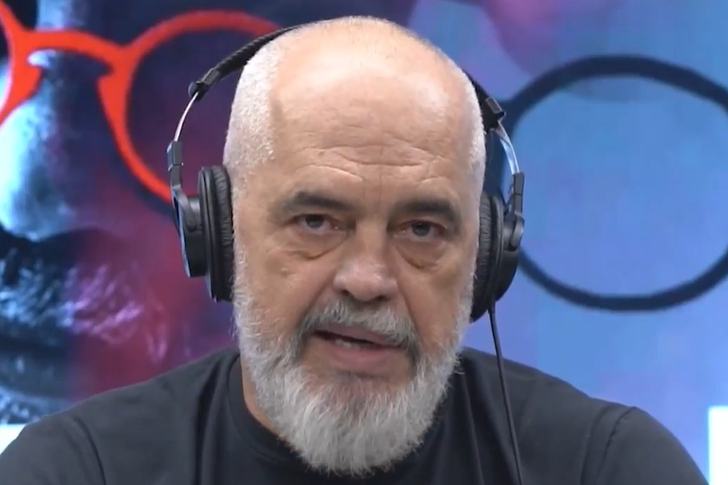
Prime Minister Edi Rama has announced that the national el...
The State Police has drafted a plan of measures for the in...
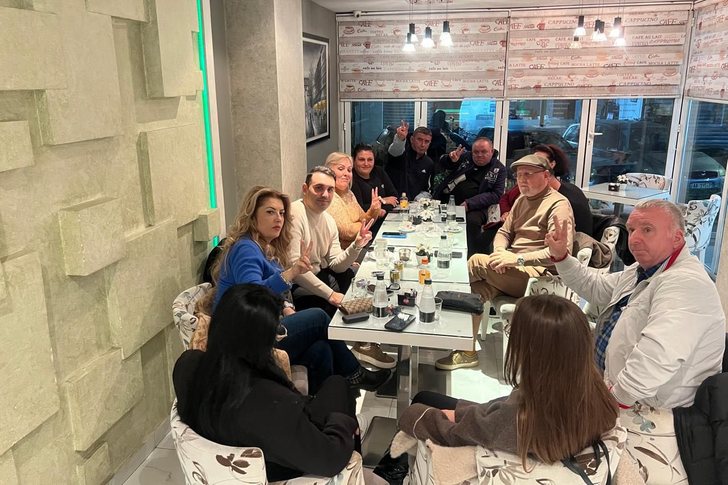
Democratic Party MP Belind Këlliçi held meetings with the ...
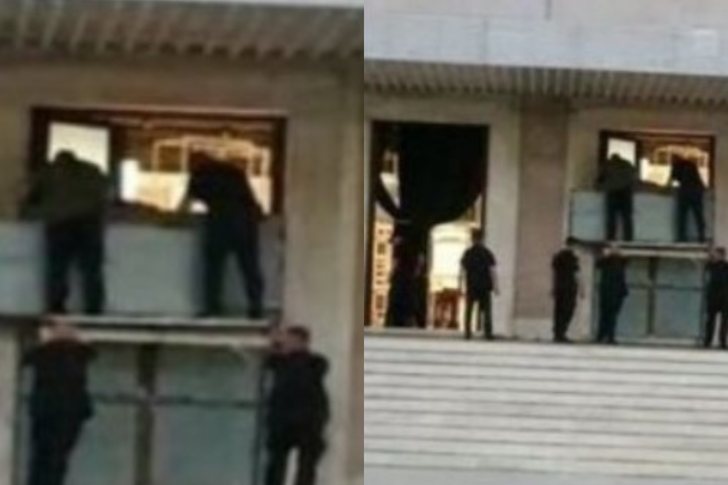
The Democratic Party will protest in front of the Prime Mi...
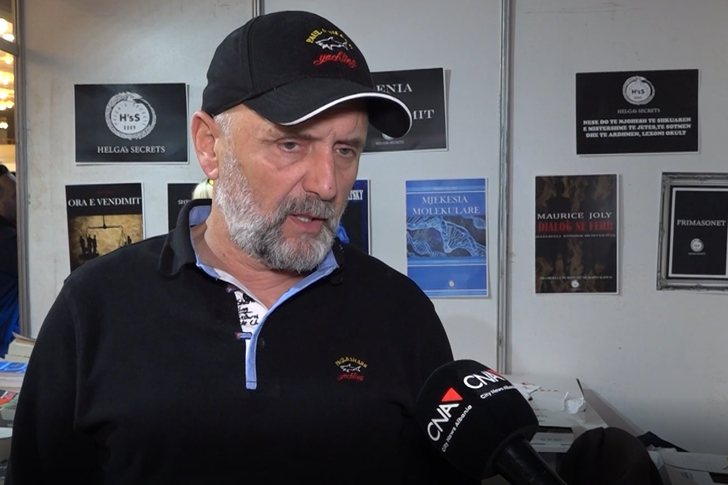
On the second floor of the Book Fair, there is a stand by ...
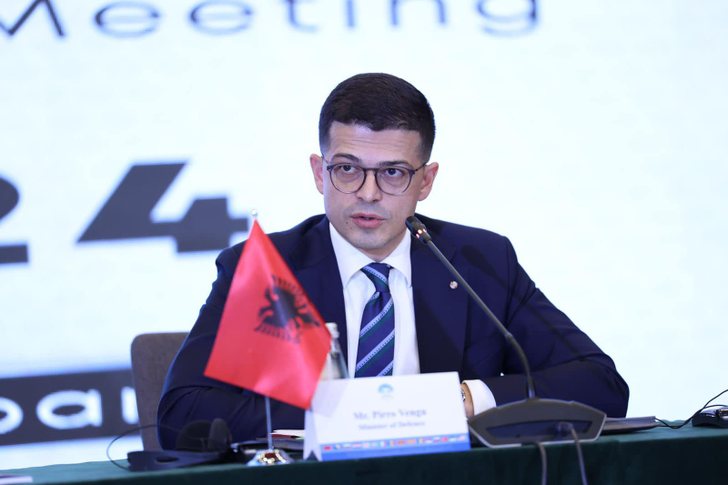
Minister of Defense, Pirro Vengu, shared this evening deta...

Former member of the Democratic Party, Adriana Kalaja, in ...

Renowned actress Elia Zaharia comes to the 28th edition of...
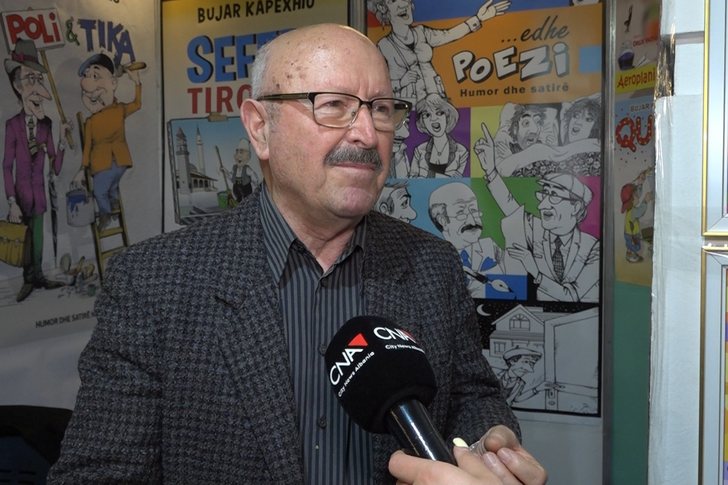
He is known for his sharp pen, a satire that subtly and wi...
The opposition councilor in the Municipality of Vlora, Ati...
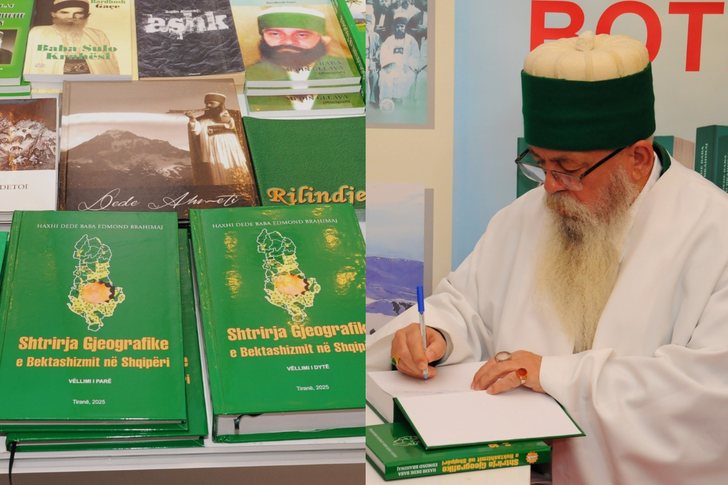
The World Grand Patriarch of the Bektashis, Haxhi Dede Edm...
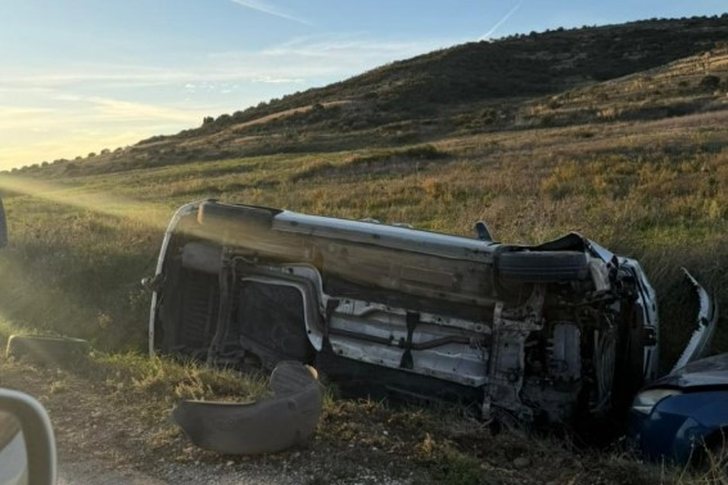
A road accident occurred this afternoon on the Vlora-K...
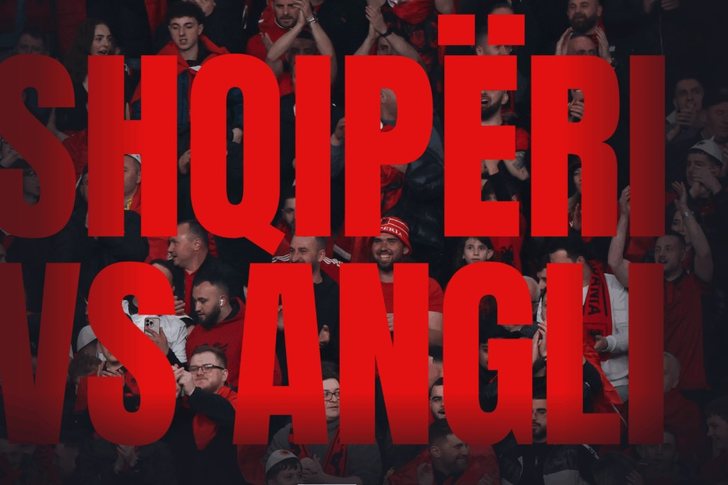
The police have published a plan of measures for the smoot...
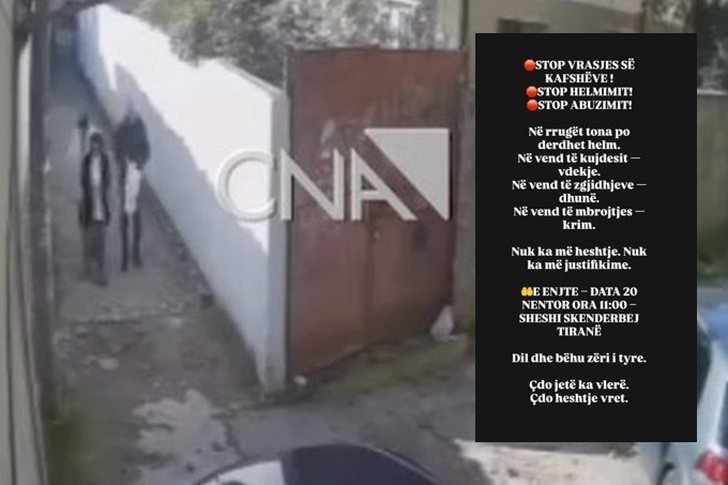
A protest for animal protection will take place on Novembe...

The Criminal Court of Tirana has decided to declare the ar...

The Consumer Protection Agency has reacted to today's comp...
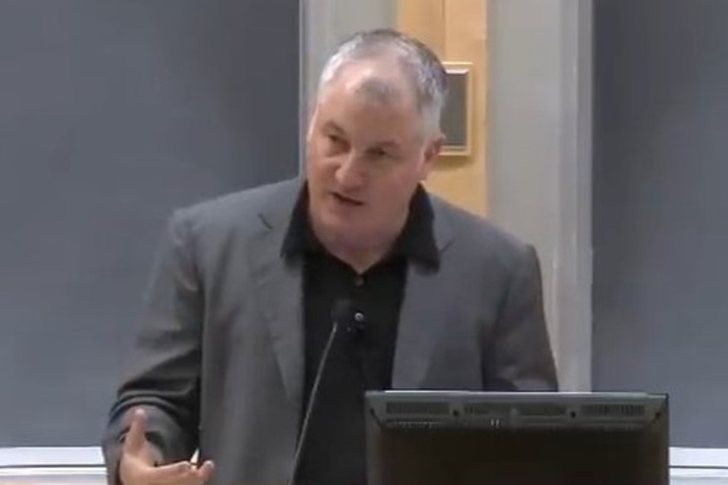
CNA TV has acquired exclusive rights from renowned profess...

CNA has launched another investigation that could lead to ...

Irfan Hysenbelliu is a businessman that we call "Irfan the...

In March 2026, CNA launched another investigation centered...
The arrested mayor of Tirana, Erion Veliaj, with 13 charge...

The Special Board of Appeal (KPA) decided this Monday ...

The KPA vetting decided this Thursday to dismiss the p...

Suela Salavaçi, a prosecutor in the Prosecutor's Offic...

The Special Board of Appeal reinstated the prosecutor ...
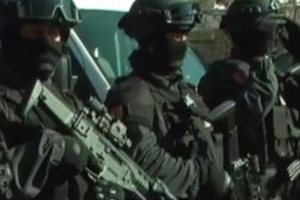
New details from the operation being carried out in Fier t...
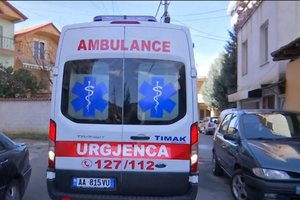
The 17-year-old, who was seriously injured yesterday after...
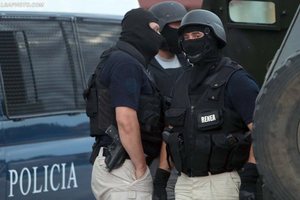
RENEA is headed towards Roskovec after the murder that occ...
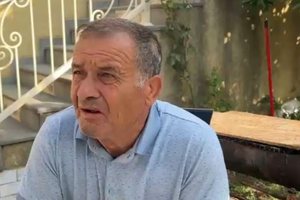
A serious incident occurred in Fier where citizen RB, 35 y...

By noon, cloudiness is expected to prevail in almost all o...

Children without parental care, for whom alternative famil...

On Thursday, our country will be under the influence of st...
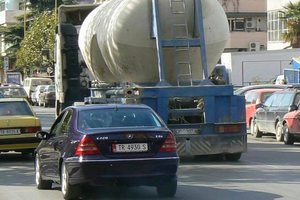
A serious accident that occurred this Wednesday with the c...

The European Union Office in Kosovo has called on all poli...
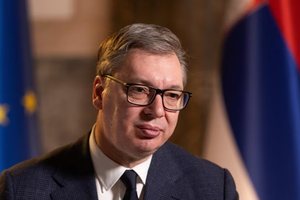
Serbian President Aleksandar Vučić, at a press conference ...
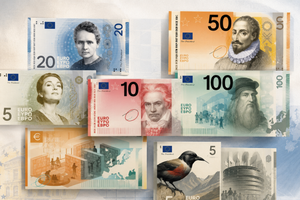
For the first time since the launch of the euro, European ...

Artificial intelligence (AI) models from the American comp...

At a time when industrial products are increasingly taking...

Trust among people is not just a three-syllable word. It c...

Master of humor Todi Llupi has passed away at the age of 7...
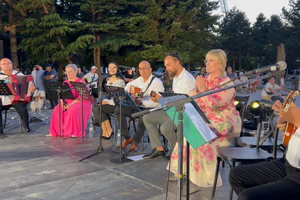
The ninth edition of "MIK Festival" kicked off with one of...
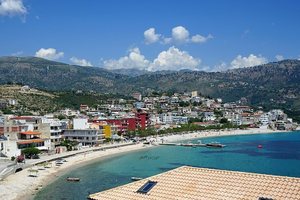
The number of active enterprises in Albania continued to g...
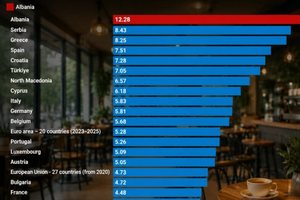
In Albania, the bar-cafe has long become an almost unique ...

This Friday, one US dollar is bought for 81.7 lek and sold...
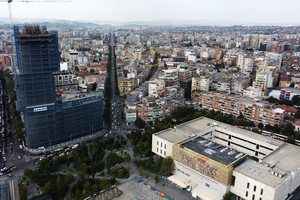
The average sale price of apartments in Tirana reaches rec...