


TXEX continues to be active, members are threatened with losing money if they leak information
Following media reports, the National Cyber Security Aut...


The new draft law on PPPs and concessions has been submitted to parliament for approval, but in the meantime, interest groups and the International Monetary Fund have issued a series of remarks about the legal package, which instead of improving problematic PPP contracts, worsens the situation in some cases.
The IMF Fiscal Affairs Department has conducted an analysis of the amendments to the draft law with about 22 observations, from which it can be seen that the new draft law "lacks mention of the annual ceiling for budgetary payments for PPPs (currently 5% of revenues)". In the current law, the annual financing of PPP contracts from the budget should not exceed 5% of the tax revenues of the previous year. In the new legal amendments, this limitation is valid mainly for local governments. Despite the fact that so far the financing of PPPs with public funds has not exceeded this threshold, its presence in the law was a guarantee to restrain the government and entities from increasing the financing from taxes for PPP concession contracts.
The IMF suggested that the new law should categorize risks as contractual or implicit, not simply as direct/indirect. It also called for the elimination of unsolicited proposals, as they account for 80% of PPPs and increase the risk of non-transparent decision-making. The Fund called for the removal of reimbursement for feasibility studies for rejected projects, as it creates incentives for many low-quality proposals.
In the framework of the discussions, the IMF has recommended to the Albanian government a series of strict measures to reform the legal and institutional framework of concessions and public-private partnerships (PPPs). One of the main recommendations is the early and active involvement of the Ministry of Finance in all phases of the PPP project cycle, from identification and planning, to risk assessment and contract approval. This is expected to ensure that projects are consistent with the budget strategy and minimize the government's fiscal exposure.
The IMF also urges the government to clearly categorize fiscal risks and establish stronger monitoring mechanisms for long-term liabilities arising from concession contracts. Detailed and periodic reporting on these risks is considered necessary to ensure sustainable management of public finances.
Another important point of the recommendations is the avoidance of conflicts of interest by contracting authorities and the limitation of changes to contracts after signing. The IMF argues that frequent changes to contracts create uncertainty and undermine trust in public procurement processes.
In line with these recommendations, the IMF also requires that the new legal framework be fully harmonized with the Public Investment Management Law and existing budget regulations, establishing clear criteria for the selection of projects of national importance.
The Albanian government has already announced the initiative to draft a new draft law on PPPs and concessions, which aims to eliminate unsolicited proposals, strengthen cost-benefit analysis and increase transparency in the management of public funds. But the implementation of the IMF recommendations will be crucial to avoid scenarios where PPPs could become a burden on public finances and to ensure a more favorable climate for private investment as has happened so far.
The IMF also gave "language lessons" to the Albanian government, asking it not to use the terms "explicit" and "implicit" in the law, which are not found in the terminology of Albanian legislation, and instead to use "direct" and "indirect".
IMF's main observations on the new PPP draft law
Lack of 5% budget cap – The new draft law no longer mentions the annual budget payment cap for PPPs, which is currently 5% of tax revenues. This creates a risk of exceeding fiscal obligations.
Unclear fiscal risks – The IMF requires that the law clearly categorize fiscal risks as contractual or implicit, instead of the terms "explicit" and "implicit" used in the draft law.
Unsolicited Proposals – The Fund recommends eliminating unsolicited proposals for PPPs, as they account for over 80% of current contracts and increase the risk of non-transparent decision-making.
Reimbursement of studies – The provision that provides for reimbursement for feasibility studies for rejected projects is being removed. The IMF argues that this encourages numerous low-quality proposals.
Involvement of the Ministry of Finance - It is suggested that the Ministry of Finance be involved in all phases of a PPP cycle: from project identification, planning, risk analysis, to approval and management.
Harmonization with existing laws – The IMF requires that the new legal framework be fully compliant with the Law on Public Investment Management and current budget regulations.
More detailed reporting – A detailed annual report on the risks and long-term liabilities arising from PPP contracts is required to ensure fiscal transparency.
Monitoring mechanisms – The IMF seeks to strengthen mechanisms for monitoring long-term liabilities and to ensure better control of fiscal exposure.
More in-depth cost-benefit analysis – Every PPP project must undergo a thorough process of assessing costs, benefits, and risks, to avoid unnecessary burdens on the budget.
Transparency in contracts – The need for contracts and their amendments to be fully published is emphasized, to avoid secret agreements and arbitrary decisions.
Limited post-signature changes – The IMF recommends that post-signature changes to PPP contracts be limited and only for major reasons, to maintain the stability of the agreements.
Project selection criteria – The new law should establish clear criteria for selecting projects of national importance, avoiding misuse of public funds.
The risk of hidden debt – The lack of clear constraints on PPP financing can create hidden debt that threatens fiscal stability in the long term.
Institutional coordination – The IMF requires the creation of a coordination mechanism between institutions that approve and monitor PPPs, to avoid overlaps and legal gaps.
Periodic reporting to Parliament - The Ministry of Finance must submit a detailed report to Parliament every year on all PPP contracts and their impact on the state budget.
Avoiding conflict of interest – The IMF emphasizes the need for contracting authorities to have clear rules for managing conflicts of interest at all stages of the project.
Macroeconomic impact assessment – ??It is required that every PPP project be accompanied by a macroeconomic impact analysis to look at its effects on GDP, employment, and fiscal stability.
Management of government guarantees – The IMF recommends stricter rules for issuing and managing financial guarantees for PPPs, to avoid unforeseen liabilities.
Improving the tendering process – There should be clearer rules and guarantees for real competition in the tendering processes for PPPs, avoiding monopolistic practices.
Prohibition of double contracts – The IMF recommends that contracting authorities prohibit the practice of parallel contracts that create additional obligations for the state.
Standardization of contracts – It is suggested to draft a standard model of PPP contracts, which would guarantee equal conditions and avoid individual favoritism.
Use of unified legal terms – The IMF requires that the law use clear terminology in Albanian, replacing borrowed terms such as "explicit" and "implicit" with "direct" and "indirect", to avoid legal confusion./ Monitor

Following media reports, the National Cyber Security Aut...
Entrepreneur Behgjet Pacolli has reacted to the allegation...

The Ministry of Environment has released a draft law on hu...
The University of Tirana continues to remain the main ...
Democratic Party MP Jorida Tabaku has reacted after the gove...
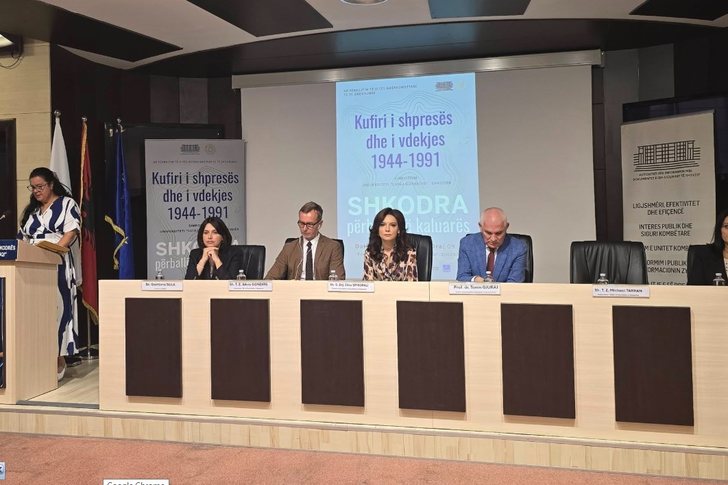
The Files Authority, in collaboration with the "Luigj Gura...
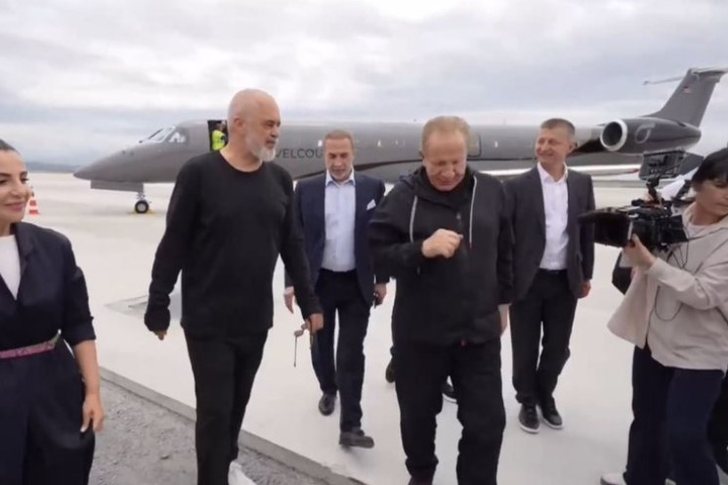
Kapitali Axhenda e Edi Ramës ka qenë e ngjeshur me takime d...
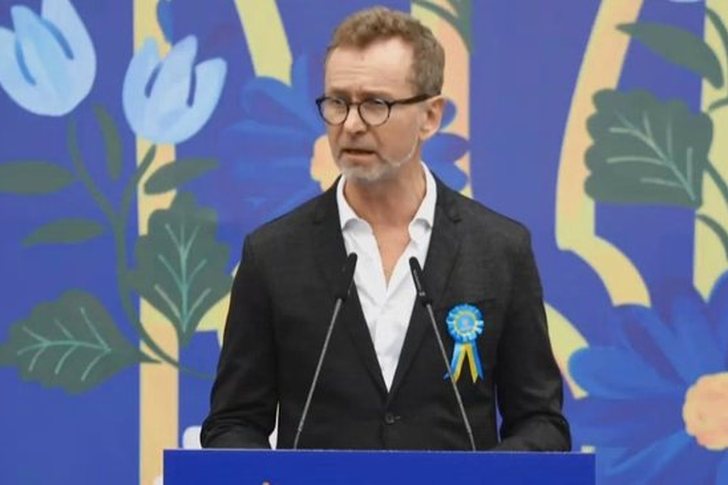
This Thursday, a scientific symposium was held in Shko...
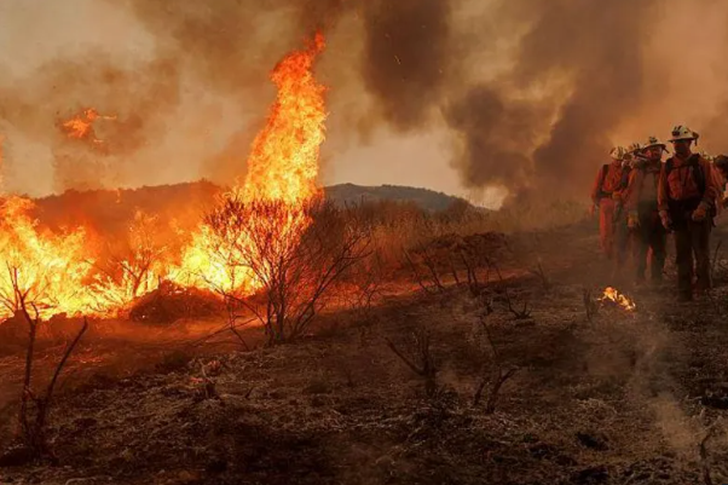
The fire that broke out this afternoon in the village of B...
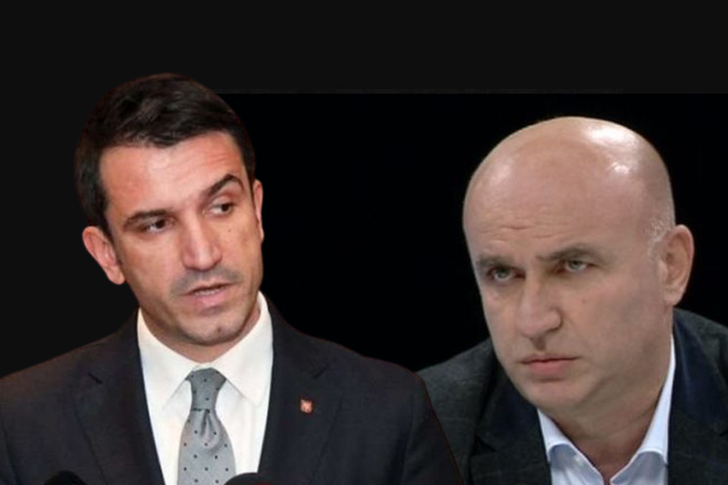
Still no "trace" from Erion Veliaj and Mero Baze. A full 1...
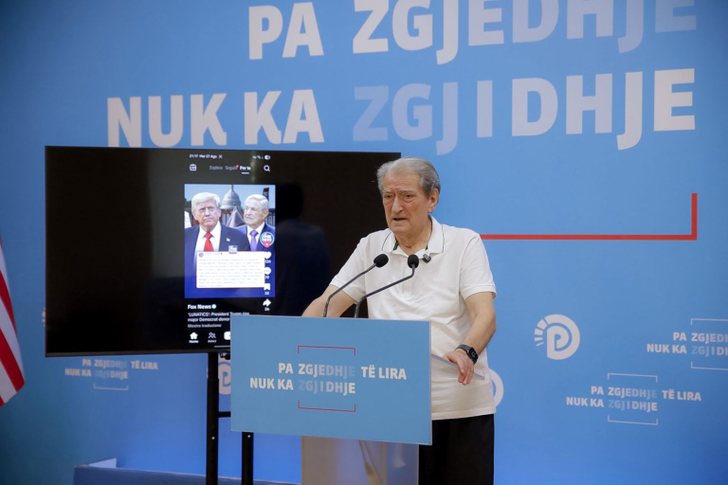
Democratic Party leader Sali Berisha has reacted to US Pre...
The State Police has continued investigations to prevent a...

The Corruption Investigation Sector in the Directorate for...
Former Foreign Minister Ditmir Bushati has shared with the...
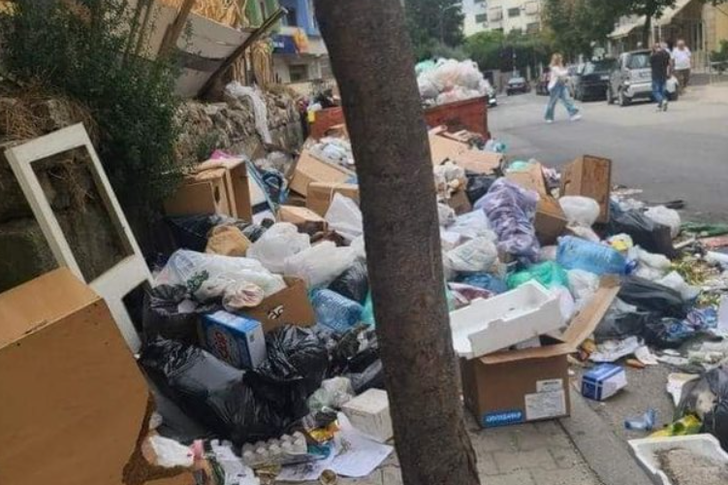
Starting January 1, 2026, businesses will have to manage t...

The National Cyber Security Authority has made a stateme...
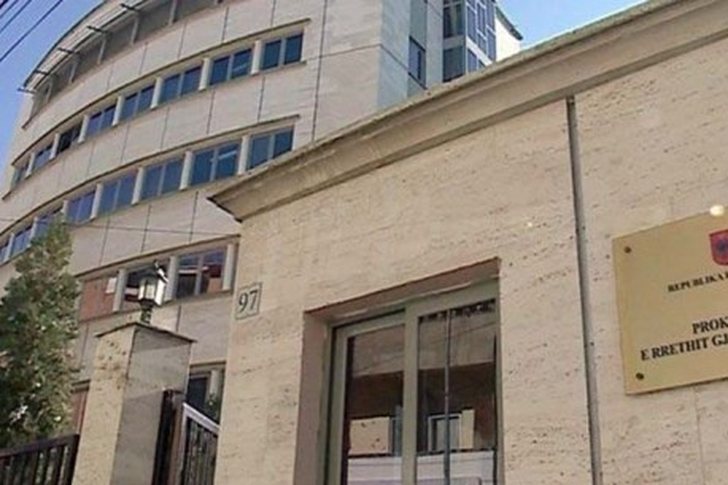
The Tirana Prosecution Office has seized several assets ow...
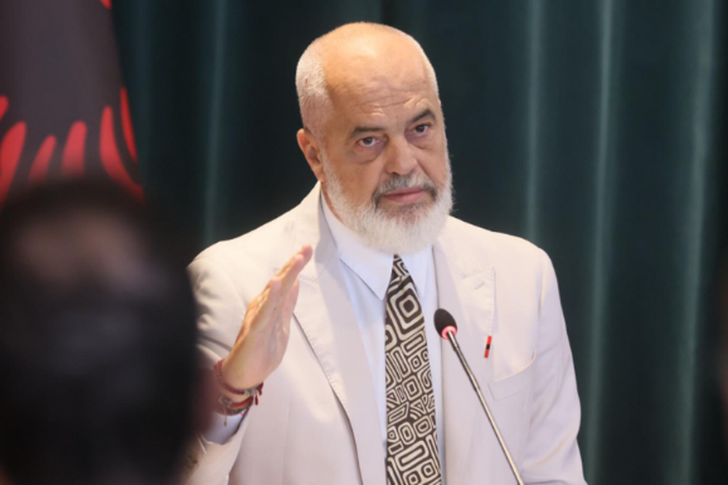
Prime Minister Edi Rama, at an event for the Integrated Wa...

Looking at EuroBasket, the European Basketball Championshi...
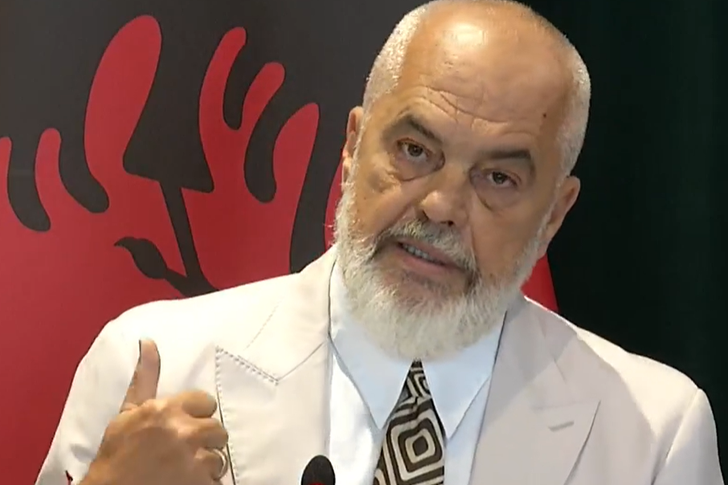
Prime Minister Edi Rama, during his speech at the Integrat...
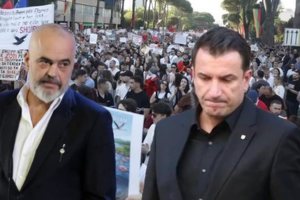
There have been 12 days of protests in the capital, which ...
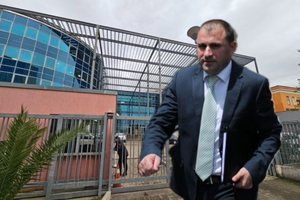
Dritan Prençi is the SPAK prosecutor who is sleeping on th...
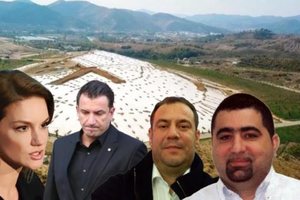
The in-depth investigations that SPAK conducted into Ajola...
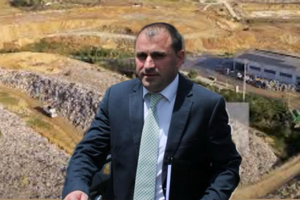
SPAK's standards, the way it investigates, how it secures ...

The Special Board of Appeal (KPA) decided this Monday ...

The KPA vetting decided this Thursday to dismiss the p...

Suela Salavaçi, a prosecutor in the Prosecutor's Offic...

The Special Board of Appeal reinstated the prosecutor ...

A 25-year-old man was found dead in his Astir apartment in...

An explosion with explosives occurred in the early hours o...

A serious incident is reported to have occurred in the ear...
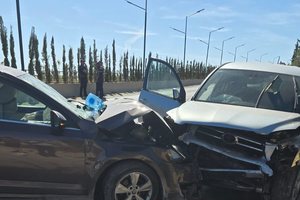
A road accident occurred today in Dhërmi. According to in...

On Sunday, our country will be affected by stable weather ...

Today our country will be affected by stable weather condi...
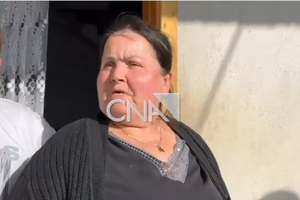
A tragic accident occurred this Friday afternoon in Kameni...

Today our country will be affected by unstable weather con...
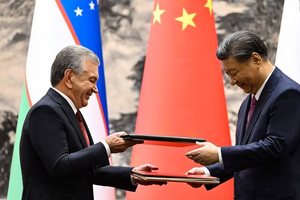
China has surpassed Russia as the largest foreign direct i...
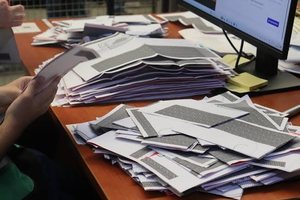
The counting process of mail-in ballots continues at the K...
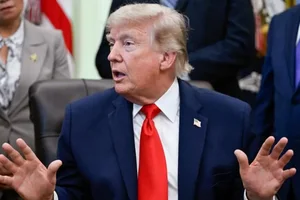
United States President Donald Trump has said that a deal ...
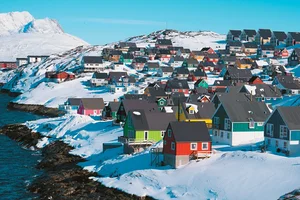
Japan is planning to send a delegation to Greenland this s...
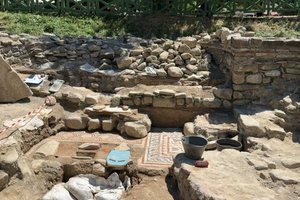
Several archaeological excavations conducted during this s...

At the Museum of Fine Arts in Chambéry, France, an exhibit...
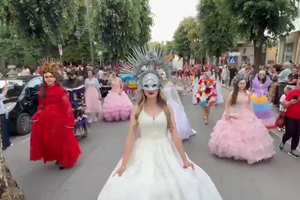
Korça has transformed this weekend into the capital of cel...

Korça is ready to open the summer season with one of the c...

This Sunday, one US dollar is bought for 81.5 lek and sold...

The labor market is facing increasing polarization where w...

This Saturday, one US dollar is bought for 81.5 lek and so...
The Governor of the Bank of Albania, Gent Sejko, shared to...