

SPAK presents to the GJKKO the bimonthly report of the investigations against Erion Veliaj
The Special Prosecution Office presents today to the Crimi...


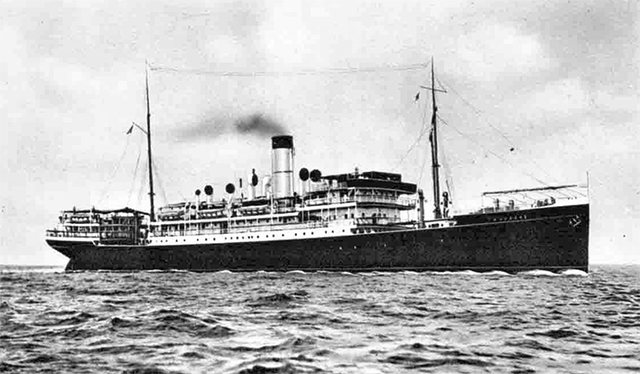
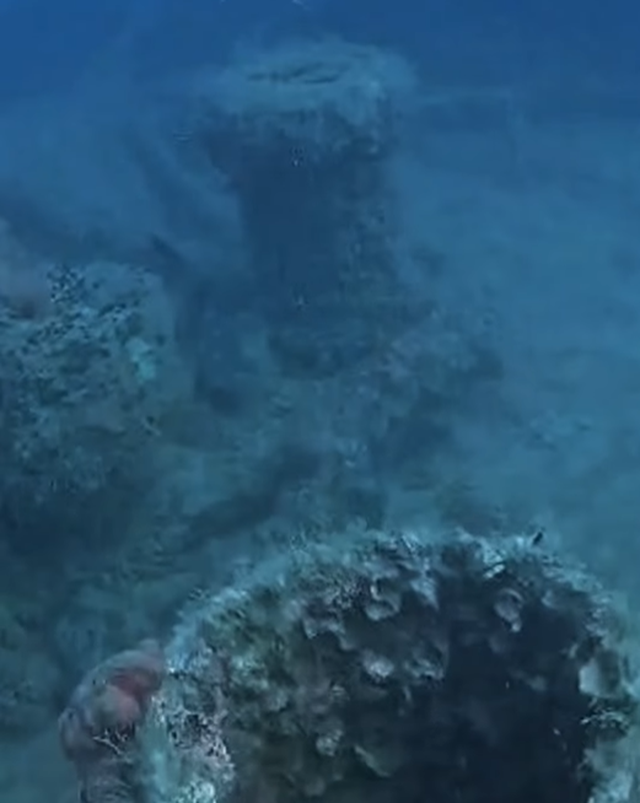
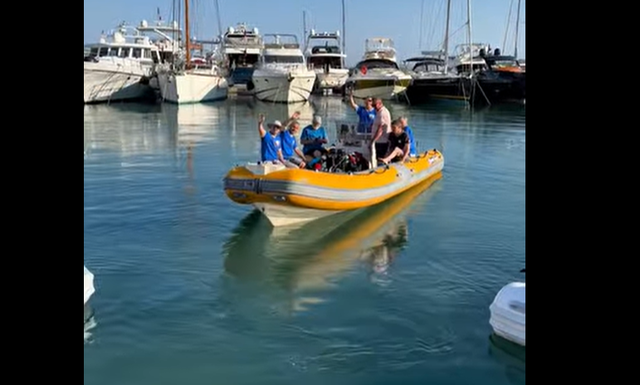
The joint team from "Reliti in Albania", the Albanian Diving Federation and the "CZECH Diving Team" has officially launched the full exploration and documentation of the shipwreck on December 24, 1940, originally called "Roma" which was later renamed Firenze, sunk during World War II by the Greek submarine Papanikolis on December 24, 1940, where 93 people lost their lives in the sinking of the ship, while 903 others were rescued by the auxiliary cruiser Barletta and the torpedo boat Andromeda.
Traces of this ship were found and identified on September 27, 2012, by Albanian diver Igli Pustina of the Blusub company in Tirana.
The ship is located at a depth of just over 30 meters at position 40.567° North and 19.033° East (slightly north of Vlora), approximately 25 miles from the point where it was last seen on December 24, 1940.
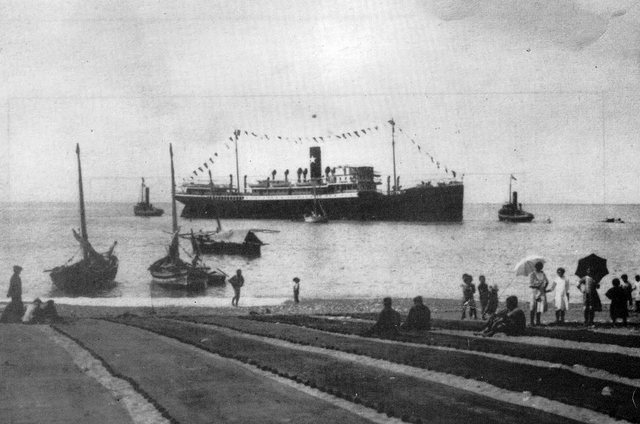
The identification was made possible, in addition to the comparison of general characteristics, by the discovery of the ship's two bells, which, after seventy years, still clearly bore the name Firenze and traces of the previous name Roma.
Igli Pustina, the president of the Albanian Diving Federation, today leads this historic expedition to the depths.
"After more than a decade since the initial discovery, the joint team from Reliti in Albania, the Albanian Diving Federation and the CZECH Diving Team has officially begun the full exploration and documentation of the sunken ship. A forgotten part of history is coming to light again – thanks to passion, dedication and international cooperation," writes Igli Pustina on social media.
The diving expedition is being carried out to find the causes of the shipwreck and to explore it, to draw conclusions that this ship was sunk by the Greek submarine with a "Papanikolis" torpedo.
The expedition began on June 13 and ends on June 20 and is an expedition that will be carried out by Czech divers and the Albanian Diving Federation.
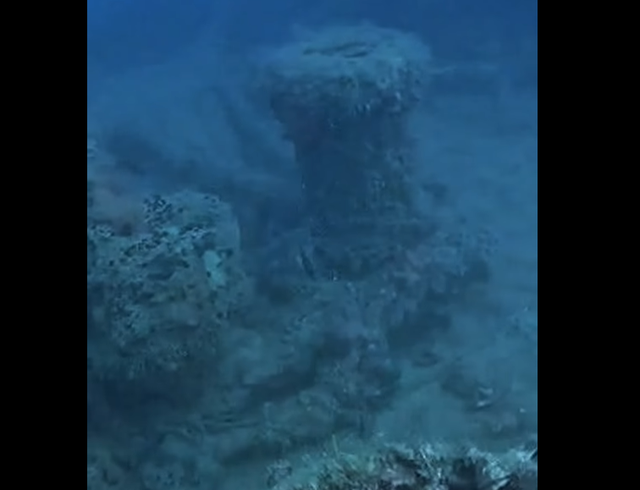
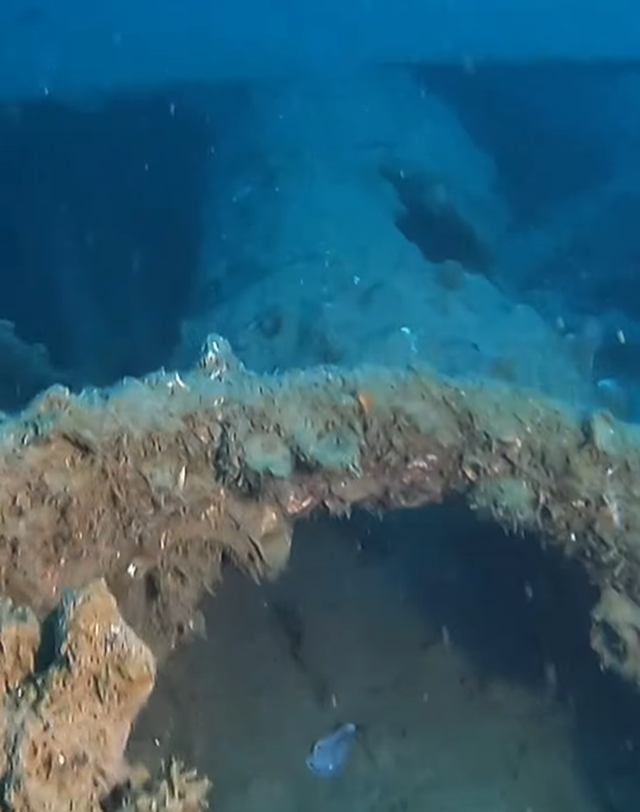
The steamship "Roma" was a passenger ship of modest dimensions: 106 meters long and 13.6 meters wide, had a tonnage of 3,952 tons and was powered by two piston steam engines with a total power of 3,800 horsepower.
It could carry a maximum of 1,250 passengers, for whom 29 first-class cabins, 14 second-class cabins, and 146 beds in dormitories or third-class cabins were available; common areas included a 150-seat lounge, a music room, and dining rooms for first and second class.
The steamship "Roma" was built in 1912 at the Cantieri Navali di Riva Trigoso of the Società Esercizio Bacini on behalf of the Società Nazionale di Servizi Marittimi of Rome.
In 1923, it was sold to Società Anonima Italia, and in 1924 it passed to Compagnia Italiana Transatlantica (CITRA).
In 1926, Rome was renamed Florence.
On 27 September 1936, during a voyage to the Mediterranean, the Firenze was stranded in the port of Valletta (Malta) due to a cable becoming tangled around the port propeller. Among the passengers on board was Luigi Ferraro, who went overboard and, with repeated dives, was also injured, but managed to free the propeller himself. On 5 May 1940, the ship departed Syracuse with 303 Jewish refugees on board, bound for Benghazi, where she arrived on 7 May.
After the Kingdom of Italy entered the war on 10 June 1940, on 18 October, on the eve of the start of war operations against Greece, the ship was requisitioned by the Royal Navy.
On 28 October, Firenze and the steamships Argentina and Premuda departed Bari at 17:00 heading for Vlora, transporting 1871 soldiers, 150 quadrupeds, 27 vehicles and 184 tons of material; the ships arrived in Vlora at 6:30 on 29 October.
On November 5, Firenze and Argentina departed Vlora at 00:00, arriving in Bari at 13:15.
On 8 November 1940, the Firenze, Argentina, steamship Italia and motor ship Città di Marsala, with 3,219 men and 287 tons of supplies on board, departed Bari at 23:30, arriving in Durrës the next day at 10:00. The ships departed again for Italy at 16:00 on 10 November, arriving in Bari at 08:10 on 11 November.
On November 13, 1940, Firenze, Italy, Città di Marsala and another steamer, the Galilea, departed Bari at 2:00 AM carrying 1,662 soldiers and 48 quadrupeds, arriving in Vlora at 4:20 PM.
On 15 November, Firenze and Italia sailed from Durrës and returned to Brindisi, via Bari, where they arrived at 7:00 am on 17 November.
On 22 November, Firenze and the cargo ship Barbarigo departed Brindisi at 5:40 am, carrying 781 men, 38 quadrupeds and 59 tons of supplies, and arrived in Durrës at 11:45 am.
Firenze, together with the motor mail ships Piero Foscari and Filippo Grimani, accompanied by the destroyer Augusto Riboty, departed Durrës to arrive in Brindisi at 19:00.
On 29 November, the Firenze, the steamer Milano and the Città di Marsala, with a total of 2,683 soldiers, 107 quadrupeds and 120 tons of material on board, departed Bari at 00:30, arriving in Durazzo at 15:40. On 1 December, all three ships departed Durrës at 20:30, arriving in Bari at 14:45 the next day.
On December 5, Florence, Milan, and Città di Marsala, accompanied by two torpedo boats, departed Bari with 2,674 men and 301.5 tons for Durrës.
On the 9th, the three ships, accompanied by the torpedo boat Angelo Bassini, departed Durrës at 01:10 and arrived in Bari at 17:30.
On 14 December, Florence, Milan and Aventino, having embarked 3,660 soldiers, 138 quadrupeds and 205 tons of supplies, departed Bari at 22:00, arriving in Durrës at 10:00 the next day. The three ships departed Durrës at 03:40 on 16 December, returning to Bari at 16:35.
On 21 December 1940, Firenze, anchored in the port of Bari, began loading a new group of soldiers to be transported to Albania, Alpine troops belonging to the 2nd Regiment of the 4th Alpine Division "Cuneense". On 22 and 23 December, the ship remained in port due to rough seas, departing at 01:00 on 24 December together with the steamer Italia, bound for Vlora.
The two ships joined before Brindisi a troop transport convoy consisting of the steamers Zeno and Monrosa and the motor ship Barbarigo, forming a second with the steamer Argentina and the motor ship Narenta.
The escort consisted of the auxiliary cruiser Barletta and the torpedo boat Andromeda.
The four transports of the second convoy had on board 3,070 officers and soldiers heading to Albania, 711 quadrupeds, 334 tons of food and 1,095 tons of other materials.
A total of 996 men embarked on the Firenze, including crew members and soldiers going to Vlora.
The ship was under the command of long-distance captain Antonino Cacace. The convoy departed at 7:30 at a speed of 12 knots, with an expected arrival in Vlora at 14:30 that day. The ships proceeded in a zigzag course.
At 12:25, about twenty miles northwest of Sasseno, Barletta avoided a torpedo fired by a submarine and the convoy continued sailing, but at 13:20, Firenze was hit by a torpedo fired by the Greek submarine Papanikolis (Commander of the Corvette Miltiadis Iatridis) and remained stationary, immediately sounding the distress signal, at point 40°34' N and 19°02' E.
The torpedo had struck at engine room height and the explosion was so powerful that the cargo masts fell onto the deck.
Given the severity of the damage, Commander Cacace ordered the ship to be abandoned, which happened in a chaotic manner. Barletta and Andromeda stopped to help the drowning men, while the other ships continued on their way.
During the evacuation operations, many of the Alpine soldiers died, many of whom did not know how to swim.
The Firenze was sinking from the stern, so much so that the men on board were struggling to stay afloat. Commander Cacace, who had managed to close the watertight doors and the ship remained afloat for the time being, ordered them to stay on board, and those in the water to climb back up the rope ladders.
The first ship to offer assistance was the Barletta, which, in a dangerous maneuver, so much so that the auxiliary cruiser suffered damage to nine frames, approached the Firenze. Both ships were secured with ropes and the Alpine soldiers were gradually transferred to the auxiliary cruiser. A total of 874 men were transferred from Firenze to Barletta, or were taken out of the sea by the auxiliary cruiser.
Meanwhile, Andromeda had been searching for the attack submarine Papanikolis, which, having descended to a depth of 30 meters, avoided the depth charges which were set to explode at a greater depth.
One of the bombs fell on the submarine's deck and remained there for some time without exploding; the enemy ship then fled and headed for the base at Salamis. After abandoning the search, Andromeda took part in rescue operations for those drowned on board.
In total, the torpedo boat pulled 29 survivors and 13 bodies from the sea.
Commander Cacace was the last to abandon ship. After the transfer was completed, Barletta arrived in Vlora during the night.
The ships returned to port, while the wreck of Firenze, still afloat, was left to drift. At dawn on 25 December, the Marina Valona sent the torpedo boat Solferino to search for any other survivors and to find the wreck of Firenze, in case it had not yet sunk; although supported in the search by several aircraft, Solferino did not see the wreck or any other sunken ships. A captain of the Alpine Battalion "Borgo San Dalmazzo" would later write a song, entitled Il destino (24 December 1940), in which he recalled the sinking of Firenze and promised revenge against the "English".
Thanks to the work of rescuers, 903 people were saved, of whom about twenty were injured. The victims were 93, three crew members and 90 Alpine soldiers./ CNA

The Special Prosecution Office presents today to the Crimi...
The European Commission has compiled a draft report on the...
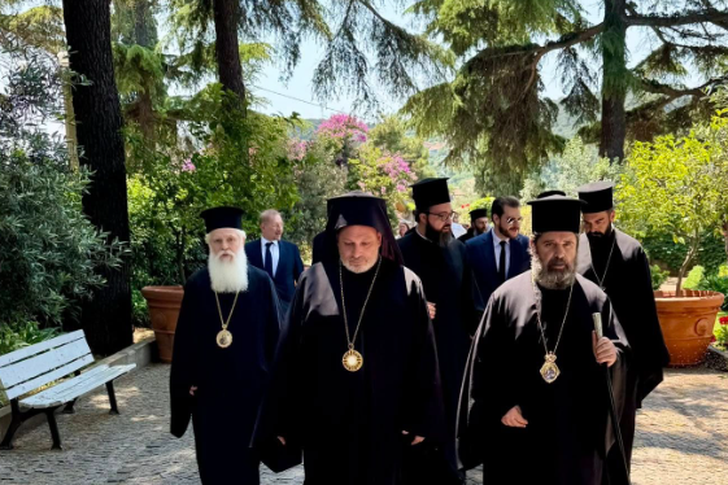
As part of his official visit to the Ecumenical Patriarcha...

The GJKKO upholds the seizure of the apartment of the arre...
To guarantee order and security during the 2025 summer sea...
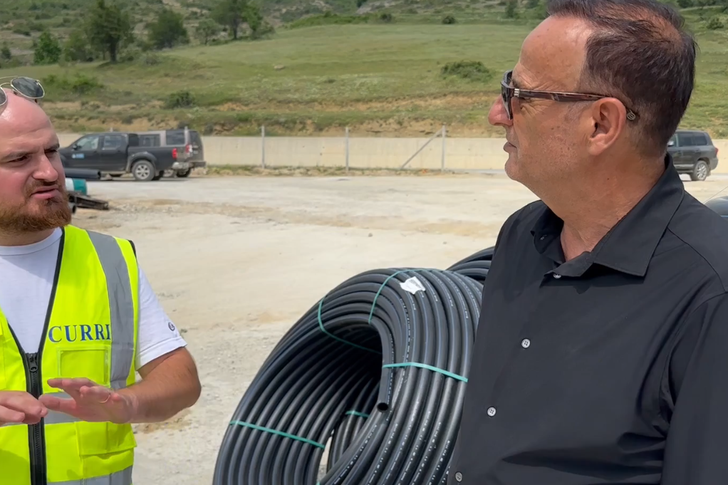
A significant investment in the water supply system has be...
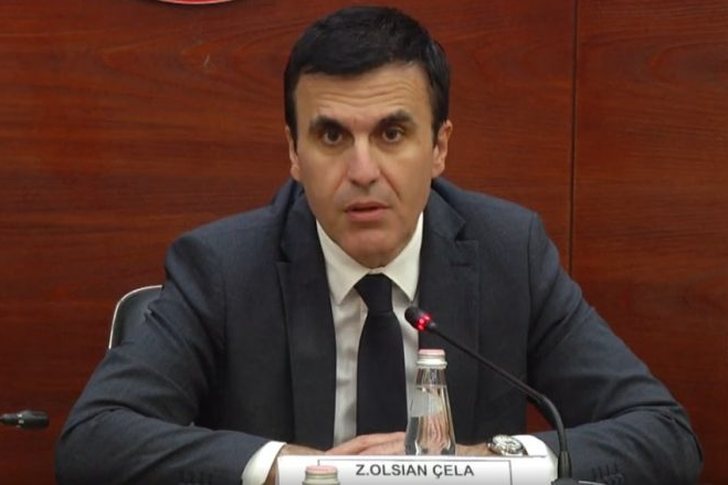
Prosecutor General Olsjan Çela, in his speech at the Weste...
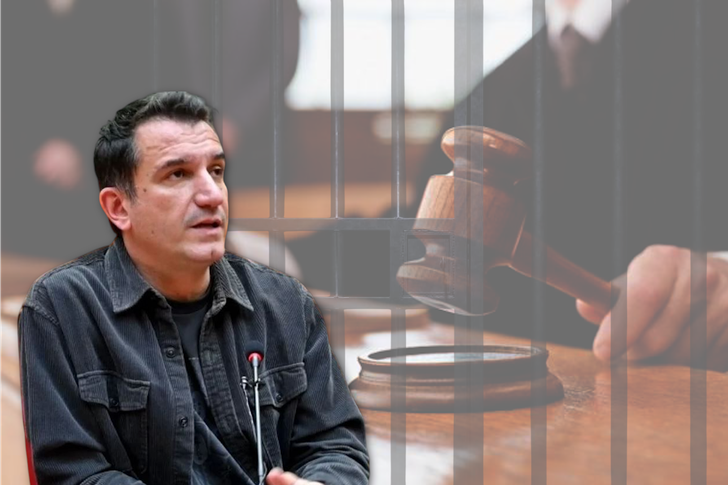
On July 8, a court hearing will be held at the High Court ...
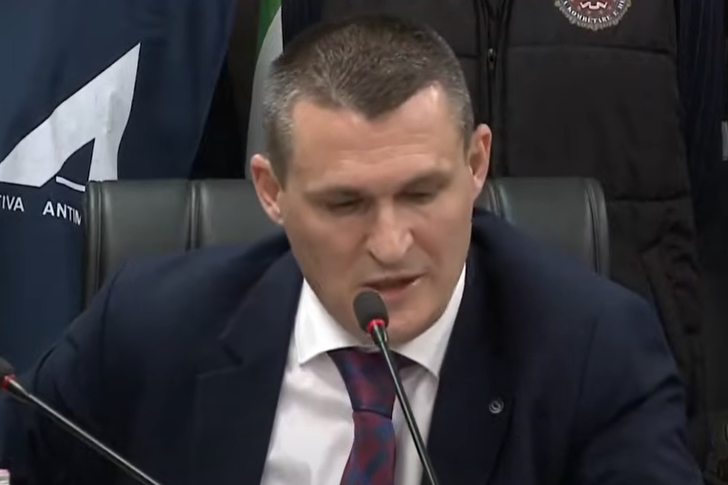
The head of SPAK, Altin Dumani, in his speech at the Weste...
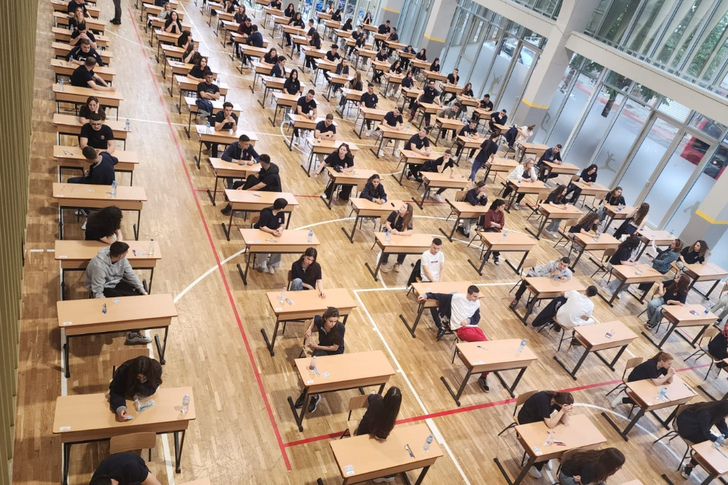
Today, 27,000 high school graduates are taking the Mathema...
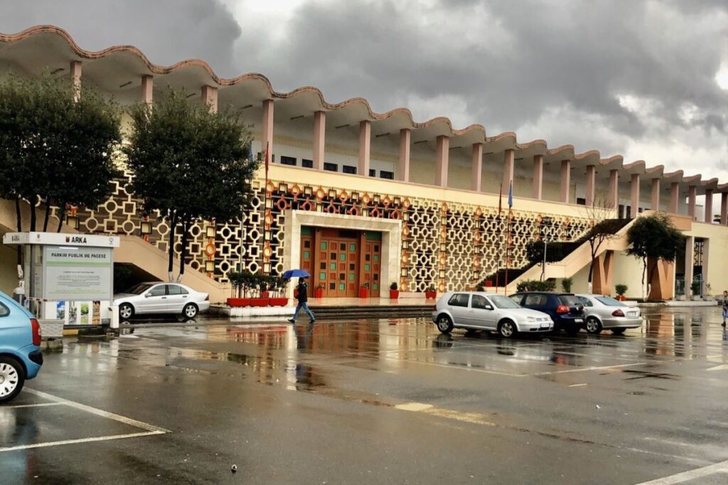
The Albanian Investment Corporation recently opened the ca...

Journalist Klodiana Lala, invited to MCN TV, spoke about t...
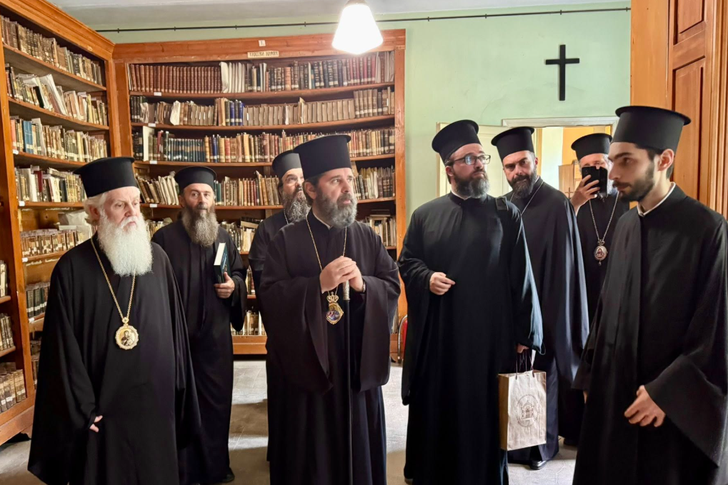
Following his official visit to the Ecumenical Patriarchat...
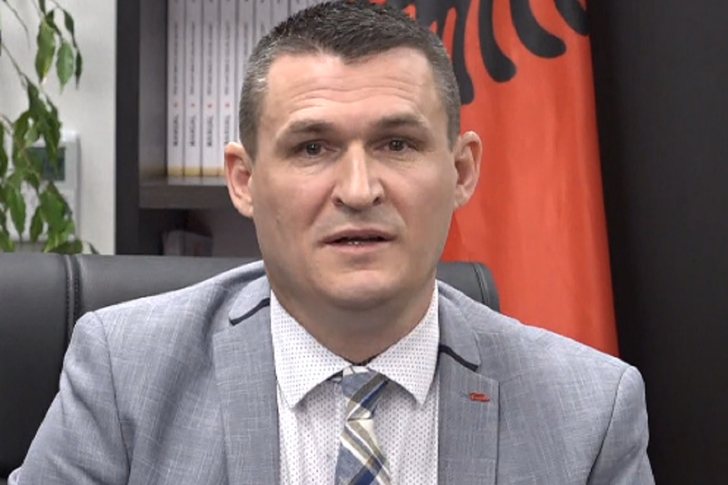
The European Commission has compiled a draft report on the...
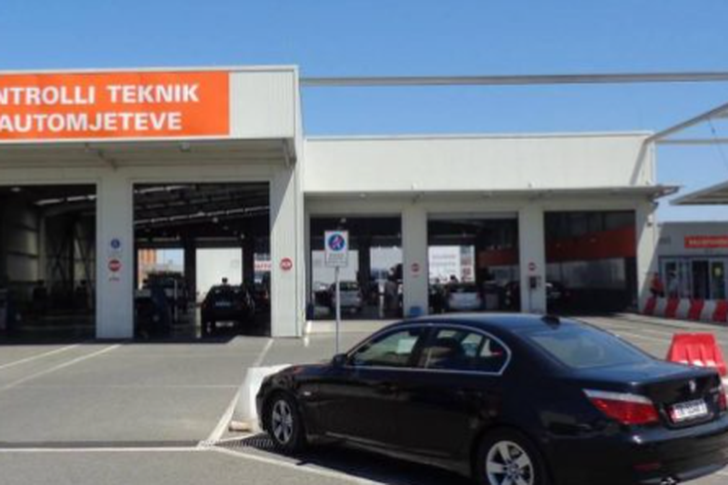
The General Directorate of Road Transport Services has sha...
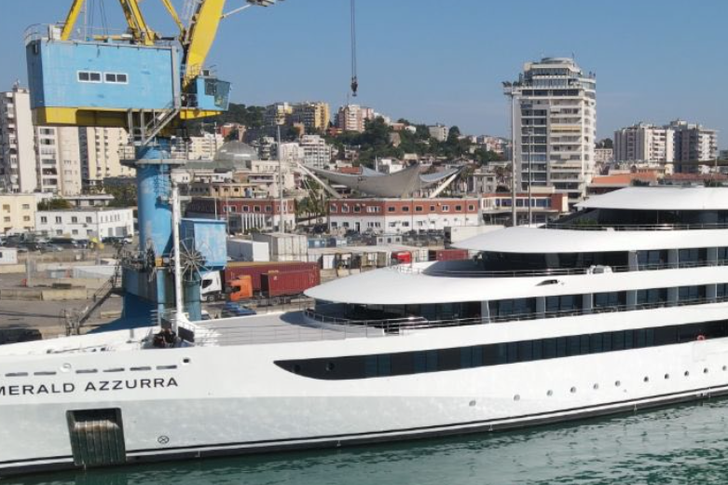
“Emerald Azzurra”, jahti luksoz australian, ndaloi sot për...
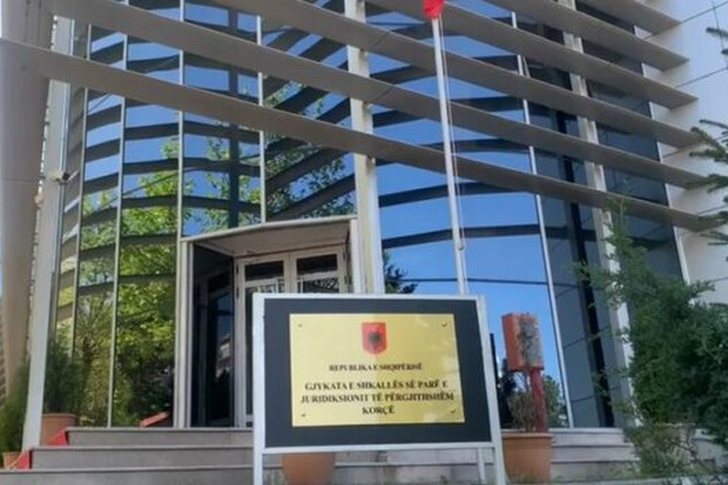
In the session held today at the Korça Court, it was decid...
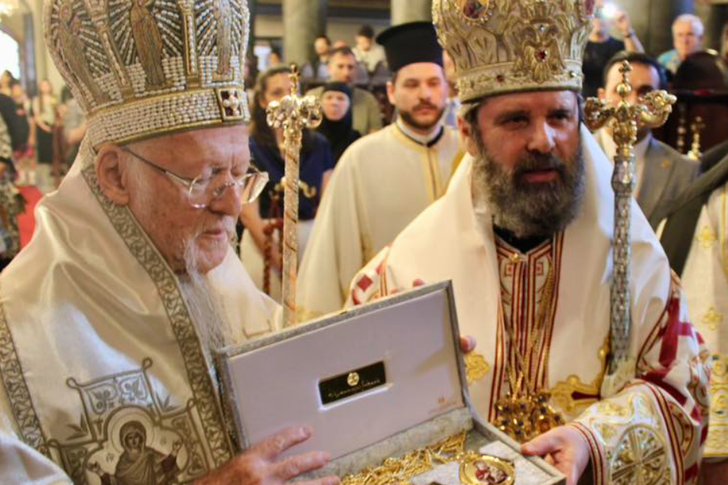
On Sunday, at the historic church of Saint George in Istan...
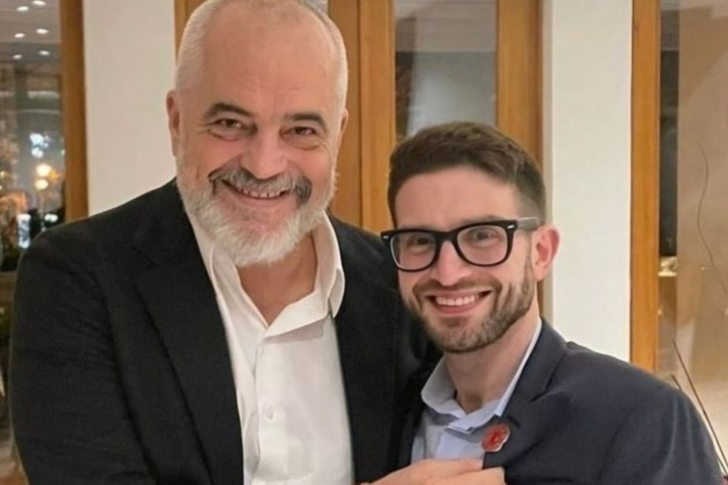
Rama's friend and "brother" of Erion Veliaj (the mayor arr...
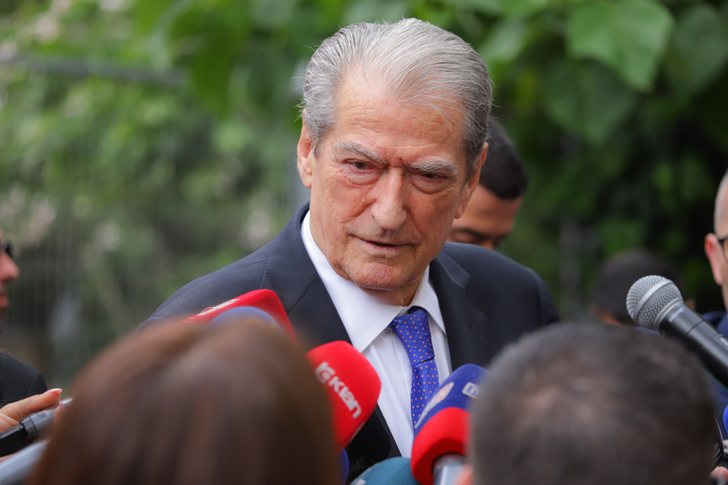
The leader of the Democratic Party, Sali Berisha, has not ...
A mountain of documents for a flagrant case, in the na...
The Democratic Party has denounced a tender held by the Hi...
Since the summer of 2020, the Mayor of Tirana, Erion Velia...
The leader of the Democratic Party, Sali Berisha, denounce...

The Special Board of Appeal (KPA) decided this Monday ...

The KPA vetting decided this Thursday to dismiss the p...

Suela Salavaçi, a prosecutor in the Prosecutor's Offic...

The Special Board of Appeal reinstated the prosecutor ...
Following intensive controls and work based on police inte...
A road accident was recorded on Saturday morning on the Le...
A serious incident is reported to have occurred today in G...
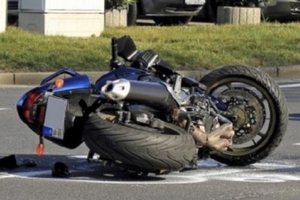
A fatal accident has been recorded on the Fier-Lushnjë hig...
Today our country will be affected by stable weather condi...
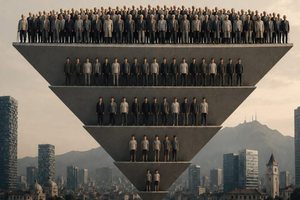
Albania is leading a painful demographic process that plac...
On Friday, our country will be affected by stable weather ...
On Thursday, our country will be affected by stable weathe...

US President Donald Trump announced in a post on the Truth...
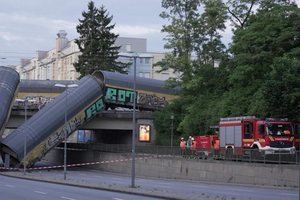
A serious rail accident occurred today in Munich, Germany....
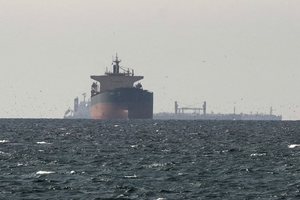
The Iranian Central Military Command, Khatam al-Anbiya, an...
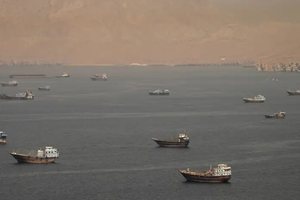
Four months of war have fundamentally changed relations be...

The promotion of the book by author Aleksandër Ikonomidhi ...
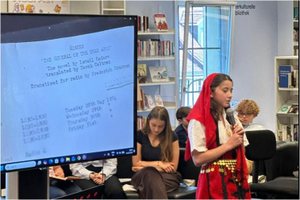
The Albanian Embassy in Switzerland has organized an eveni...
This Wednesday, the prominent actor of Albanian cinema, Gj...
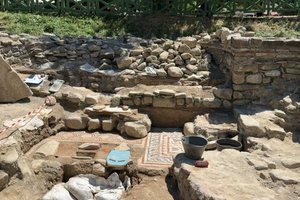
Several archaeological excavations conducted during this s...
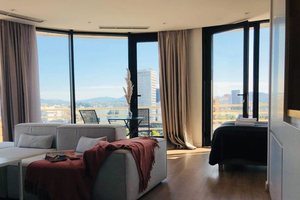
In the Balkans, few tourism markets are expanding at the p...

Demographic experts Ilir Gëdeshi and Russell King conclude...

This Saturday, one US dollar is bought for 81.8 lek and so...

Urban development, transport, energy, forestry and agricul...