


Interreligious dialogue/Baba Mondi at the 60th anniversary of "Nostra Aetare" in the Vatican
On Tuesday afternoon, a grand ceremony was held at the Vat...


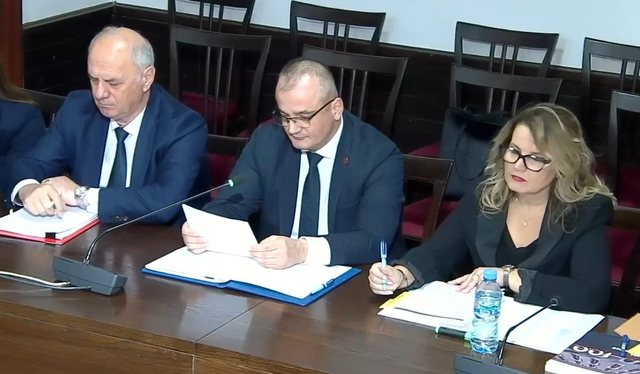
The Chairman of the Supreme State Audit Office, Arben Shehu, is reporting on the annual activity of 2024 to the Economy Committee and the Committee on Civic Initiatives.
Shehu stated that during 2024, the SAI conducted 15 audits in areas of public sensitivity such as: health, education, culture, gender equality, environment, and public services.
Regarding health, he said that audits revealed problems in the management and distribution of medical equipment. During his speech, Shehu also highlighted the problems identified in the field of procurement.
"In the health sector, audits revealed problems in the management and distribution of medical equipment. In hospitals such as QSUNT and the Trauma Hospital, the lack of bio-medical engineers has created dependence on external services for the maintenance and repair of equipment. This has not only led to increased costs, but has also created uncertainty in the management of resources. Furthermore, national strategies for the distribution of these equipment do not reflect the demographic reality and the needs of the population, resulting in inefficient distribution and unmet health needs. Another critical issue is the care of patients with mental health problems in specialized hospital services. The audit highlighted the lack of an approach to bringing about appropriate payments.
Audits conducted during 2024 found problems in the field of procurement, widespread in central and local administration institutions, universities, hospitals and public enterprises. They are mainly related to ineffective procurement planning, restriction of competition, irregularities in the drafting and implementation of contracts, as well as the lack of internal control. In the audited municipalities, annual procurement plans were often not harmonized with budgets or real needs. In some cases, qualification criteria were set in such a way that limited competition, while in others there was a lack of supporting documentation for the evaluation and selection of operators. Procedures with only one competing operator, tender documents with unjustified or biased criteria, as well as unsubstantiated determination of the limit fund were also found. In some cases, procurement was used for services that were covered by existing contracts, leading to duplication of costs. Meanwhile, delays in the implementation of contracts, lack of application of penalties, payment for unfinished or incompletely completed works have been found. The structure of technical supervision and contract administration is often missing or does not function properly. Problems in the administration of human resources in various public institutions were also identified. One of the most repeated findings was related to unfair dismissals and the lack of supporting documentation for the relevant decision-making. Cases have been identified where dismissals have been made in violation of the Labor Code and specific civil service laws, without a regular disciplinary process or without providing an opportunity for appeal. These practices have brought additional costs to the state budget, for the decisions of the court winners, including for their treatment, while psychiatric hospitals face serious shortages in accommodation and service capacities. "The Psychiatric Hospital in Elbasan and the one in Vlora continue to face challenges in treating chronic patients, while insufficient cooperation between the Ministry of Health, Social Affairs and Health and the Ministry of Justice has prevented the creation of specialized institutions," said Shehu.
Meanwhile, regarding the environmental field, the head of the ALSAI said that serious problems have been identified in the treatment and elimination of urban and hospital waste.
He announced that the four audited municipalities, especially Durrës and Vlora, have failed to implement integrated waste management, leaving it to be deposited in inappropriate conditions that endanger the health of the population.
"Në fushën e mjedisit, auditimet e kryera identifikuan problematika serioze në trajtimin dhe eliminimin e mbetjeve urbane dhe spitalore. Katër bashkitë e audituara, në veçanti Durrësi dhe Vlora, nuk kanë arritur të zbatojnë një menaxhim të integruar të mbetjeve, duke i lënë ato të depozitohen në kushte të papërshtatshme që rrezikojnë shëndetin e popullatës dhe ndotin mjedisin. Një situatë veçanërisht alarmante është ajo e mbetjeve që digjen në hapësira të hapura, ku çlirimi i substancave të rrezikshme paraqet një kërcënim të madh për mjedisin dhe komunitetin lokal. Në lidhje me mbetjet spitalore, spitalet rajonale në Shkodër, Durrës, Vlorë dhe Korçë kanë treguar mangësi serioze në dokumentacion dhe infrastrukturë për trajtimin dhe magazinimin e mbetjeve të rrezikshme.
Ndryshimet klimatike janë një tjetër sfidë e madhe për Shqipërinë, ku angazhimi i përgjithshëm mbetet i kufizuar. Plani Kombëtar për Përshtatjen ndaj Ndryshimeve Klimatike, i hartuar në bashkëpunim me UNDP në vitin 2023, është ende i pa miratuar dhe nuk ka fuqi ligjore për zbatim.
Në fushën sociale dhe të barazisë gjinore, auditimet zbuluan problematika në procesin e birësimeve dhe fuqizimin e grave në zonat rurale. Procedurat ligjore të birësimeve janë shpesh të ndërlikuara, me kufizime të forta që nuk garantojnë gjithmonë interesin më të lartë të fëmijës. Mungesa e një kornize të harmonizuar ligjore dhe administrative për birësimet, ka krijuar vonesa të konsiderueshme dhe komplikime që ndonjëherë pengojnë adoptuesit potencialë. Barazia gjinore, veçanërisht në zonat rurale, është gjithashtu një sfidë kritike që kërkon vëmendje të posaçme. Gratë në këto zona vazhdojnë të përballen me kufizime në aksesin ndaj burimeve dhe shërbimeve që janë thelbësore për zhvillimin e tyre personal dhe profesional. Mungesa e transportit publik, çerdheve dhe kopshteve, ndikon negativisht në mundësitë e tyre për punësim dhe përfshirje në tregun e punës, duke krijuar pengesa për rritjen ekonomike dhe sociale të tyre.", u shpreh ai.
Për sa i përket fushës së arsimit dhe kulturës, në lidhje me Fondin e Ekselencës për studentët, kreu i KLSH tha se auditimi zbuloi mbivendosje të përgjegjësive ndërmjet institucioneve që menaxhojnë fondin, duke rezultuar në mungesë koordinimi dhe transparence.
"In the field of education and culture, in relation to the Excellence Fund for students, the audit revealed overlapping responsibilities between the institutions managing the fund, resulting in a lack of coordination and transparency. Career orientation for young people in the pre-university education system is another aspect where the lack of sustainable mechanisms has made the process inefficient. The audit highlighted that many young people do not receive the appropriate support to identify and develop their potential. As for culture, the audit found that Albanian cultural assets listed in UNESCO, such as Berat and Gjirokastra, face serious challenges in their preservation and administration. The lack of approved management plans and dedicated funds has limited interventions for maintenance and restoration, endangering not only their physical condition, but also their status as part of the world heritage.
In the field of public space management, public beaches constitute an important asset for citizens, but audits have identified significant shortcomings in meeting safety and quality standards. In many cases, public beach structures are disorganized and do not meet the minimum criteria for access and comfort. Furthermore, the increase in contracted beach areas has not been proportionally linked to the revenues collected from the relevant fees. This disproportion has resulted in the lack of sustainable investments in improving these spaces, limiting citizens' access to quality areas for recreation and rest. The lack of strategic interventions and investments in infrastructure has negatively affected the value and functionality of these spaces, indicating the need for a more coordinated and transparent approach. Overall, the performance audits for 2024 have identified that the orientation of public institutions towards results and the lack of impact measurement have not been sufficiently consolidated as a management approach. "Inter-institutional lack of coordination, inefficient use of resources and weaknesses in planning and monitoring speak of a lack of efficiency and effectiveness of programs/policies/strategies, undermining the quality of public services and citizens' trust in the activities of public institutions," said Shehu. /CNA

On Tuesday afternoon, a grand ceremony was held at the Vat...
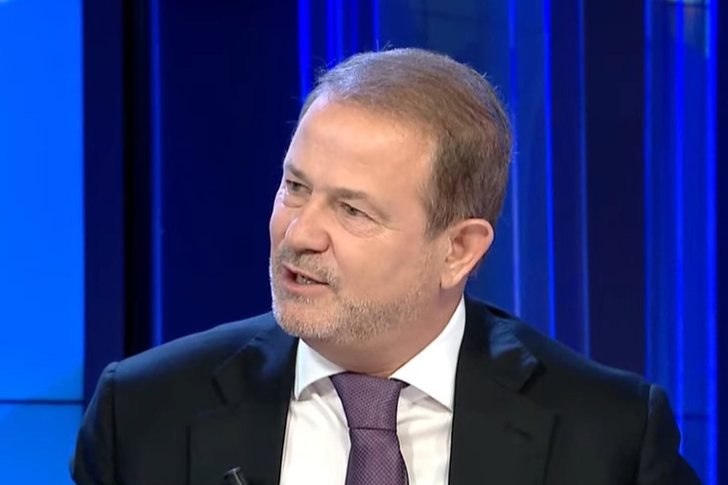
Democratic Party MP, Gjin Gjoni, spoke this morning about ...
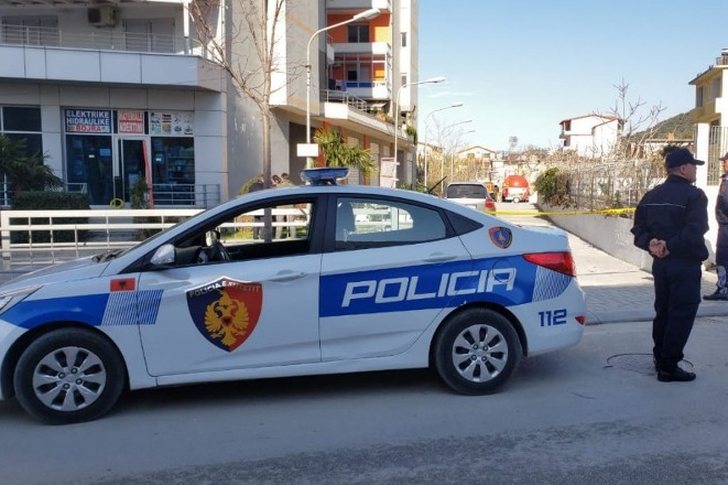
An investigation is underway into the alienation of proper...
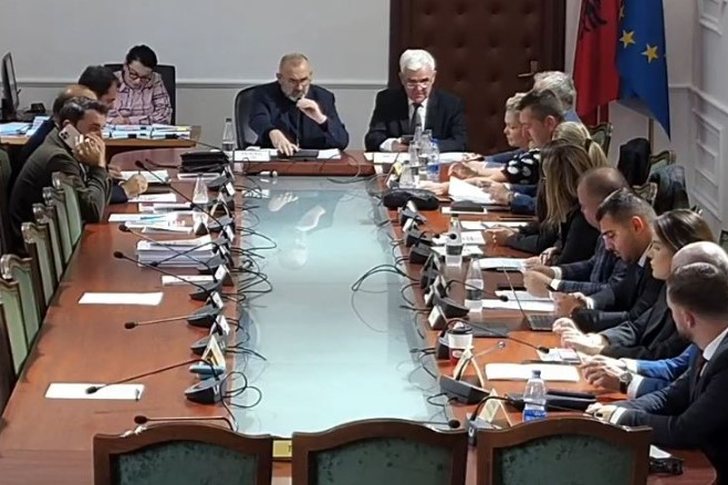
Today, 7 committees will meet: the Committee on Civic Init...
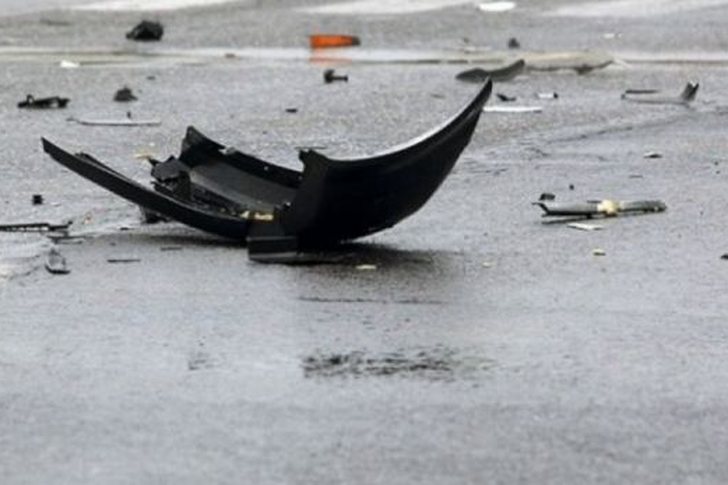
A road accident occurred the day before on the "Tepelena-B...

This Wednesday we are introducing you to some of the main ...

Journalist Klodiana Lala, invited to "A Krasta Show" on Sy...
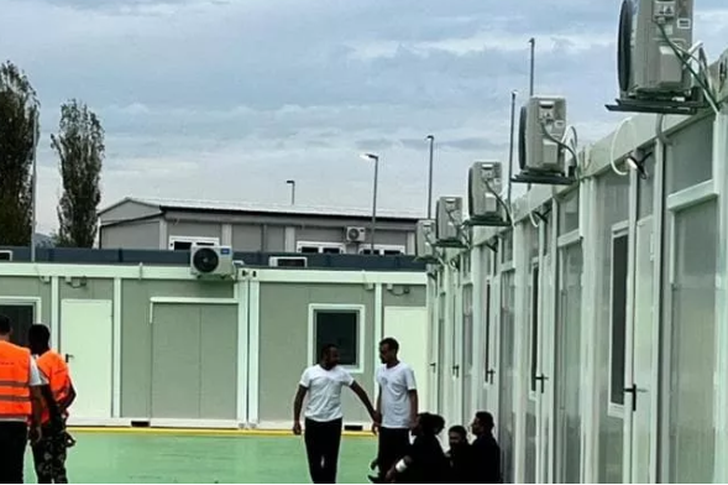
Three Italian MPs have conducted an inspection at the Gjad...
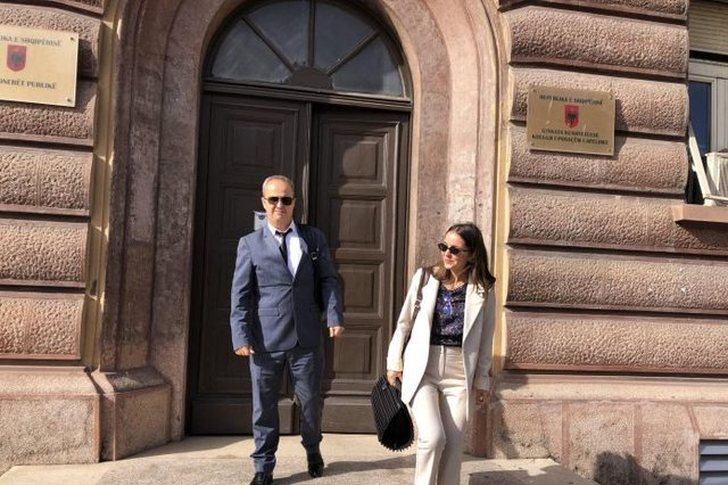
The Special Appeals Chamber decided today to dismiss the v...
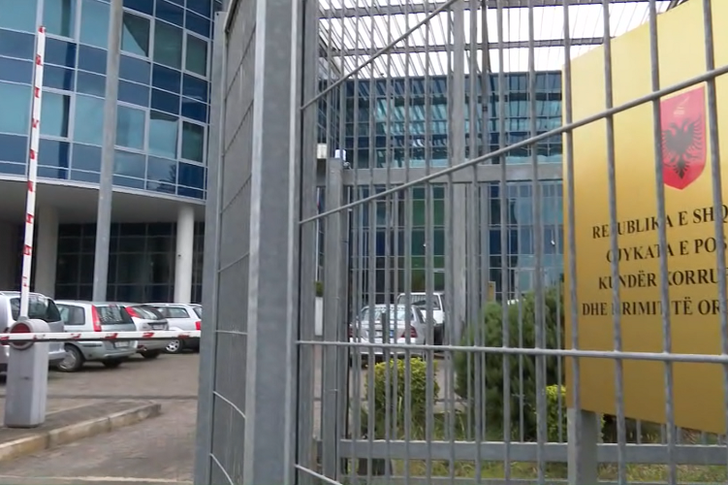
The Special Court has sentenced Ervis Civilon, accused by ...
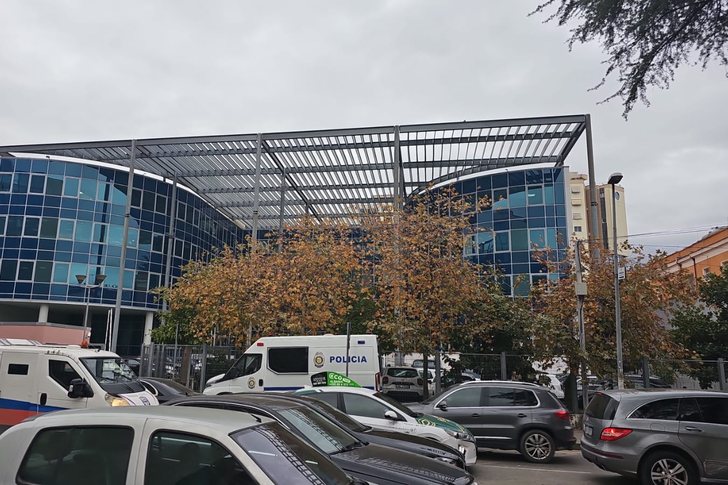
The Special Court has convicted 16 people accused by SPAK ...

As EU enlargement gains new political momentum, a new poll...
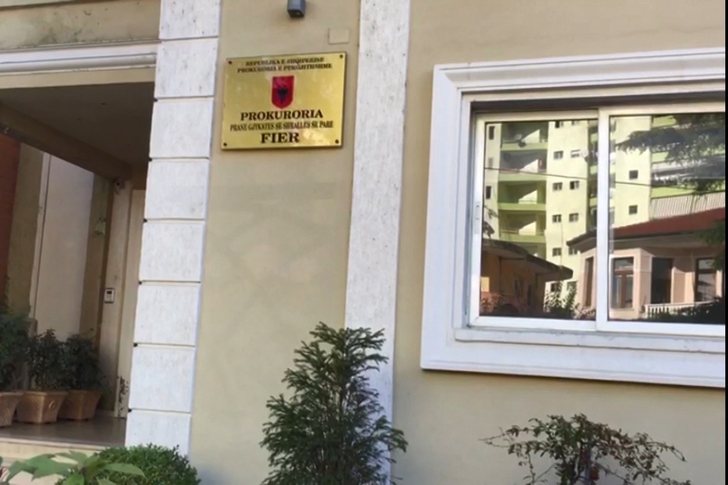
The Fier Prosecutor's Office has decided to send citizen B...

The National Inspectorate of Territorial Protection (IKMT)...

The Special Prosecution Office closed the investigations a...
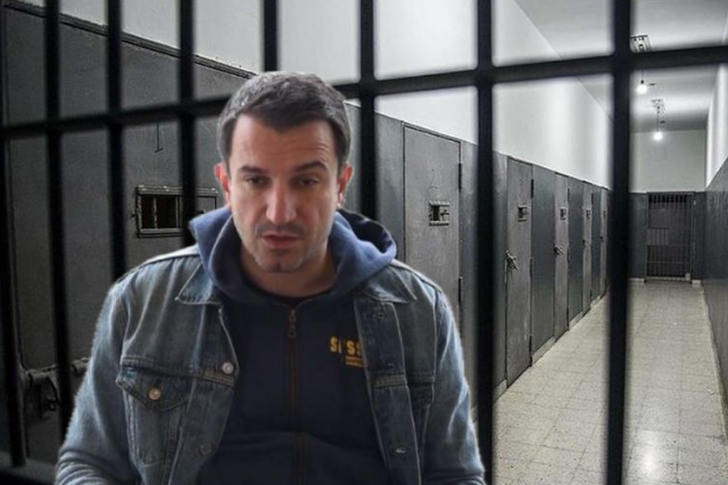
Today, the law firms lobbying for the dismissed mayor of T...
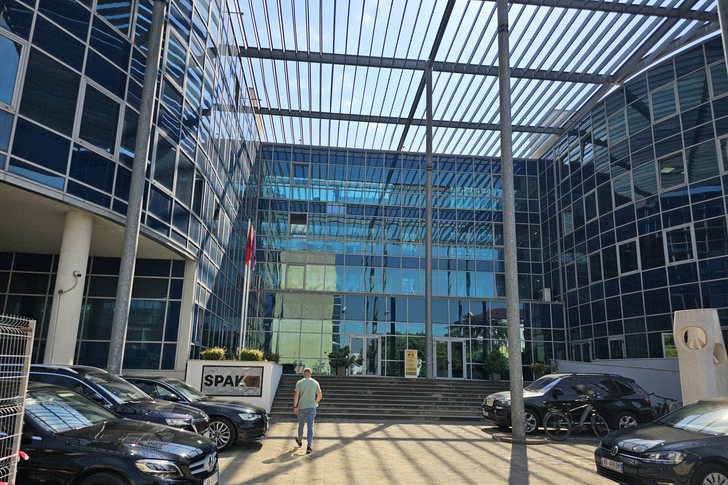
The Special Prosecution Office against Corruption and Orga...
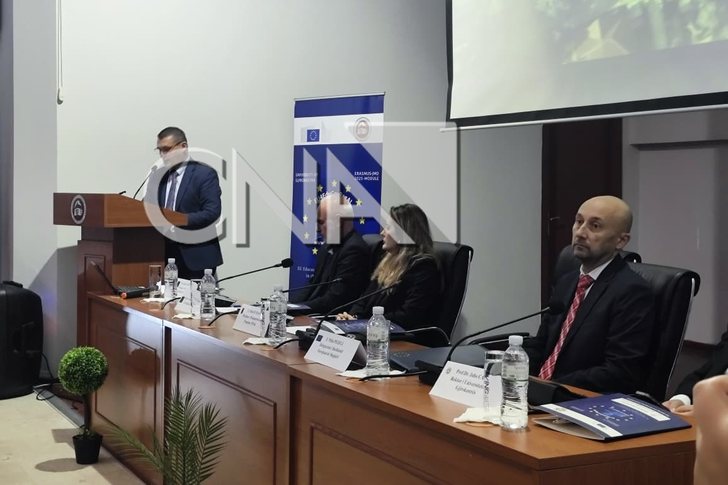
SPAK Head Altin Dumani stated to students at Eqrem Çabej U...

The Constitutional Court has confirmed that Erion Veliaj h...
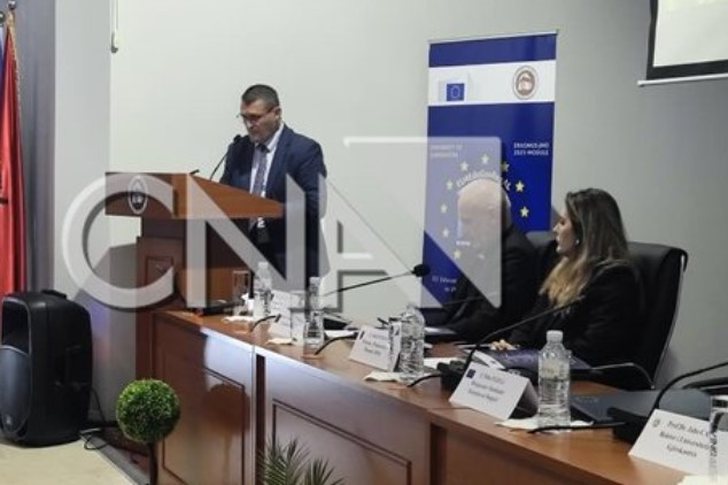
The head of SPAK, Altin Dumani, concluded his speech to th...
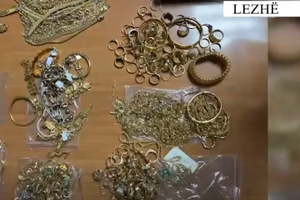
A 39-year-old citizen has been arrested in Lezha, after se...

CNA has launched another investigation that could lead to ...

Irfan Hysenbelliu is a businessman that we call "Irfan the...

In March 2026, CNA launched another investigation centered...

The Special Board of Appeal (KPA) decided this Monday ...

The KPA vetting decided this Thursday to dismiss the p...

Suela Salavaçi, a prosecutor in the Prosecutor's Offic...

The Special Board of Appeal reinstated the prosecutor ...
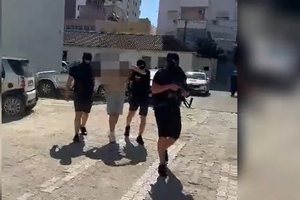
Following the successive operations carried out by the ope...
The Police Supervision Agency has seized the service weapo...
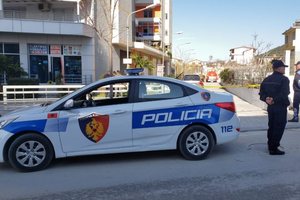
A serious incident occurred in Lushnje, where citizen IY, ...
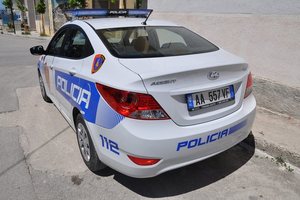
As a result of the investigative and procedural actions ca...

As the year 2026 is in its second half, the world is exper...

Today, our country will be under the influence of stable a...

By noon, cloudiness is expected to prevail in almost all o...

Children without parental care, for whom alternative famil...
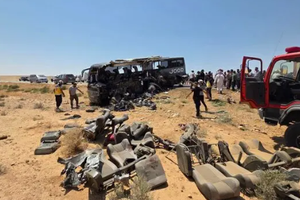
Thirty-five people were killed and 30 others were injured ...

US President Donald Trump has announced that he will seek ...

Almost half of people living in France, Germany, Italy and...

Marine Le Pen is entering the decisive phase of the presid...
Two windows, a century of history and the metaphysics of p...

In my research at the Central State Archives, specifically...

At a time when industrial products are increasingly taking...

Trust among people is not just a three-syllable word. It c...

This Saturday, one US dollar is bought for 81.7 lek and so...
War, weather and supply disruptions could send gas prices ...
The number of active enterprises in Albania continued to g...
In Albania, the bar-cafe has long become an almost unique ...