

DW: Albania and Montenegro are getting closer to EU membership
The European Commission praised the progress made by Alban...


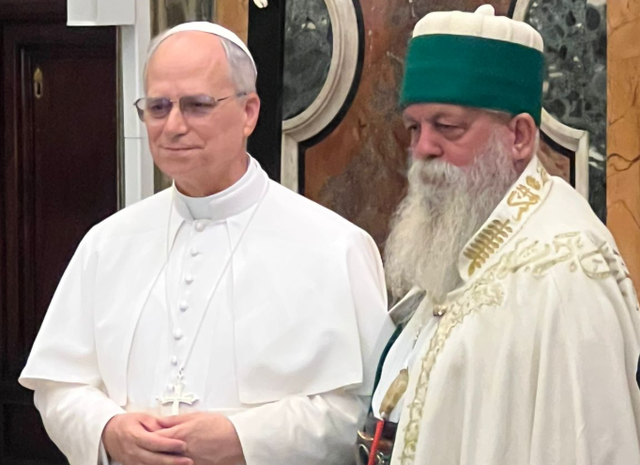
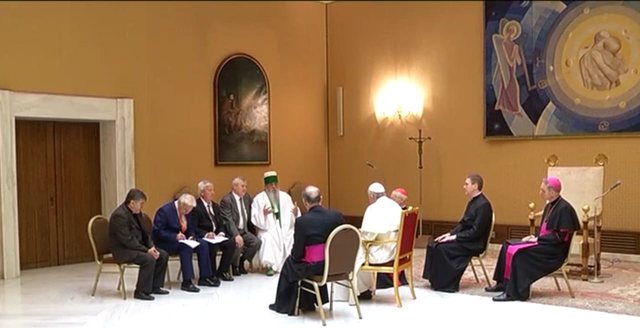
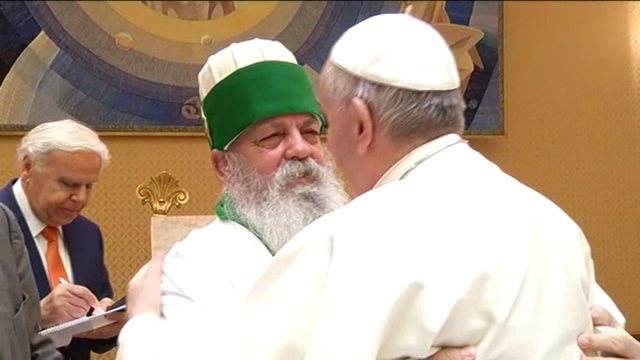
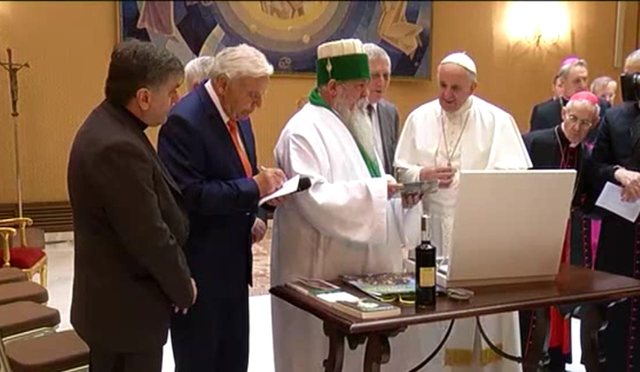
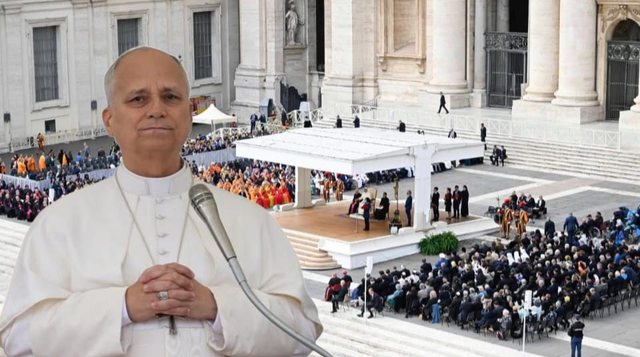
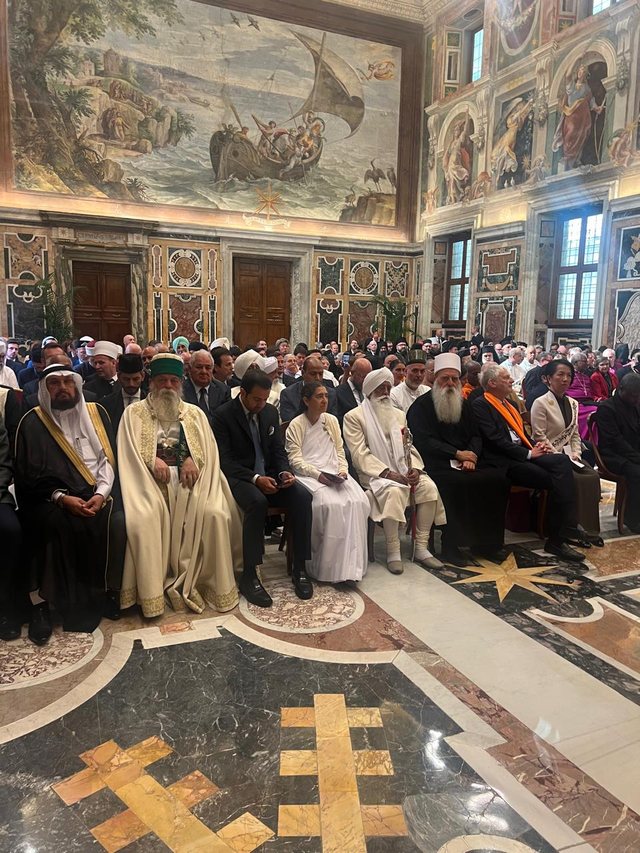
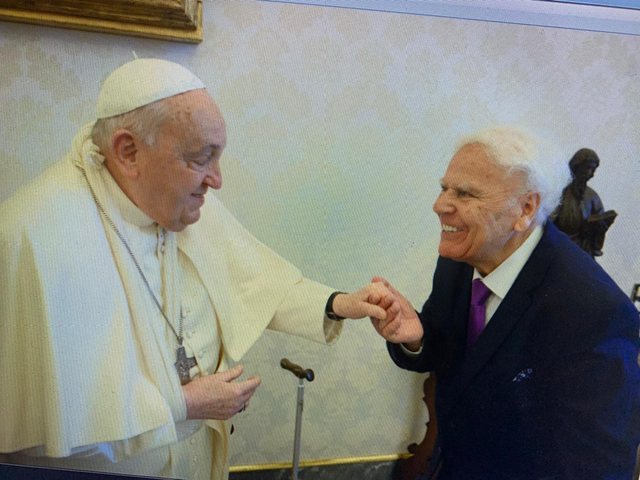
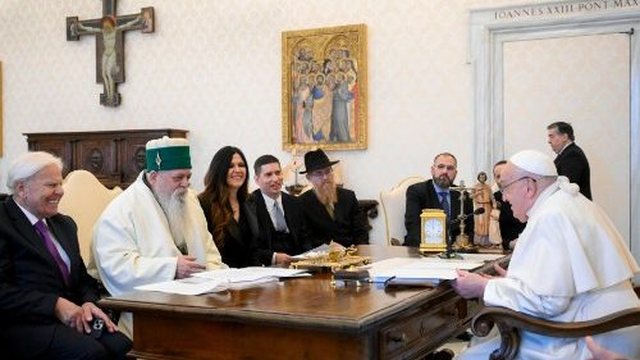
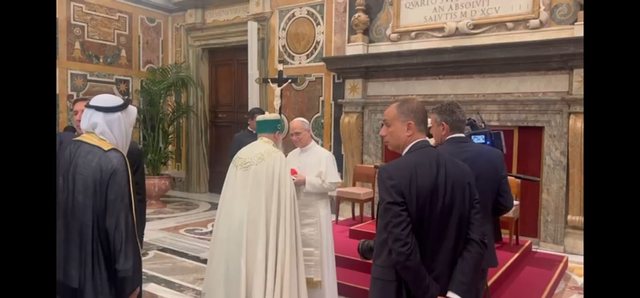
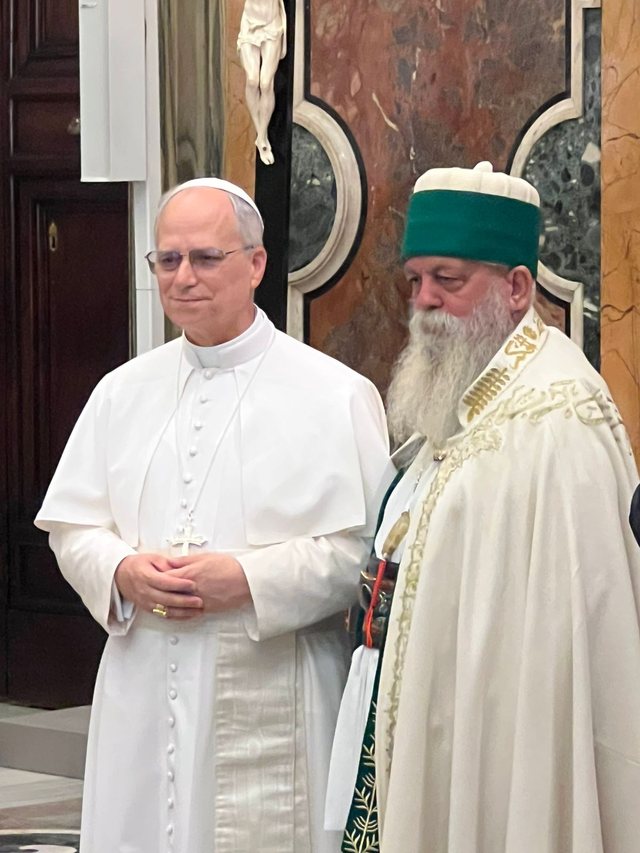
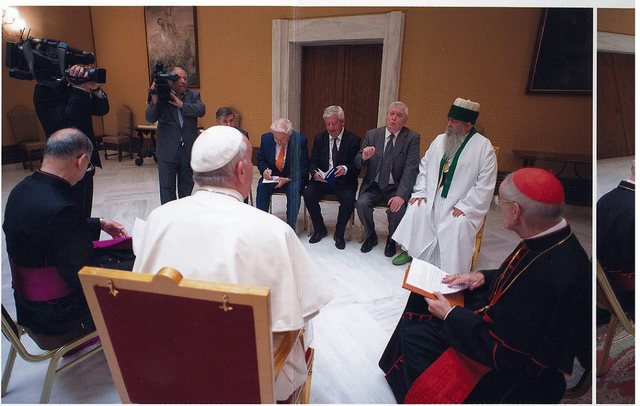
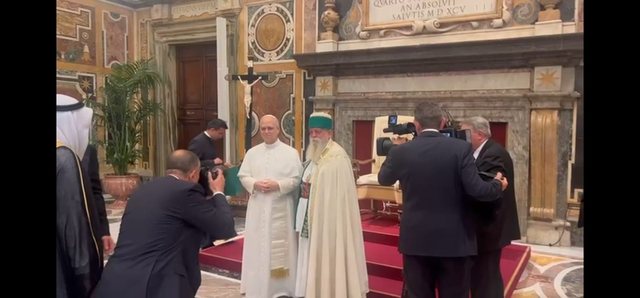
At Nostra Aetate, invited from Albania is the world's Grandfather Dede Edmond Brahimaj
Instead of a prologue...
At all times, in history, spiritual cohesion has guided man as a divine cosmic being, has caused his existence to be not only present, but to understand that his existence is essential, and to play his role, in the overall cohesion of the divine existence of the universe.
At different times, man, his conscious being, tends to be part of the cosmic universe but in time, has dictated many of the conditions of his existence. Based on the motive that guides and makes him conscious, the more he becomes conscious as a creative being, the more sophisticated his presence in life becomes.
This thought has motivated the cosmic being to be as exalted as possible and to precede it, in the history of its existence, in the entire development of the universe and human society.
The greater understanding of existence itself, of man's own role, of his most active participation in this existence, has made man's role, his spiritual cohesion, more demanding and has defined his spiritual contours and dimension.
His spiritual cohesion, motivated as the divine being of his existence, prevails over the values ??that guide him, to elevate and orient him in this cosmicity of the global universe.
The story of a path of hope...
Aggravated spiritual cohesion, after war. Lives lost, people bleeding, souls killed, oppressed.
Among people, races, peoples, nations, and religions, hatred, division, and separation cannot exist without agreement between them.
A meeting, October 28, 1965, which was preceded, even before its drafting, by the meeting between Pope John XXIII and the Jewish historian Jules Isaac, who presented the Pope with a "Denkschrift", June 13, 1960, a memorandum with a request to promote a new vision of the relationship between the Church and Judaism.
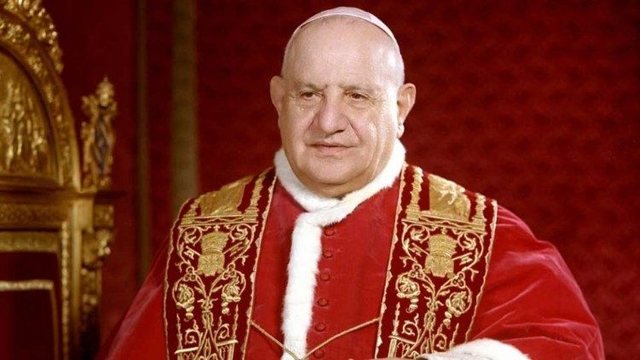
Initially, Pope John XXIII commissioned Cardinal Augustin Bea to present a document that would outline a new relationship between the Catholic Church and Judaism. It was a time when the wounds caused by World War II were still deep.
“Nostra Aetate” was born in a historical context following the Shoah, Nazi Germany’s attempt to impose its supremacy and exterminate the Jews. Nostra Aetate immediately establishes a central aspect of humanity: the interconnectedness of peoples.
As recorded in the scriptures, the human family has a single origin: the saving plan and merciful love of God encompass all.
Differences are accepted, but a fundamental unity is recognized: “The different peoples constitute a single community. They have a single origin, because God has made all mankind dwell on the face of the earth.”
One is the community of all peoples, one is their origin, for God created the entire human race to live on the face of the earth. One is also their ultimate purpose: God. His providence, the manifestations of His goodness, His saving plan extend over all men, until the time when the elect will be united in the Holy City, the city that shines with the glory of God, where the nations will walk in His light.
It is impossible to exclude God, Pope Paul VI emphasizes in the general audience of December 18, 1968.
Based on the principle that “all men constitute a single community” and that the Church “has the obligation to promote unity and love” among peoples, the Council “rejects nothing of what is true and holy” in other religions and proclaims to all: Christ, “the way, the truth and the life”, in whom people find “the fullness of religious life”.
Religions, which are linked to the different cultures of countries and peoples, all recognize a supreme being, even a Father.
The Catholic Church sees them as principles and teachings that, although they differ in many respects from those that it itself holds and proclaims, nevertheless often reflect a ray of Truth that illuminates all people.
"We do not say that before Jesus Christ, God was unknown: the Old Testament is already a revelation, and forms its worshippers in a wonderful and always valid spirituality: it is enough to think of the Psalms, which still nourish the prayer of the Church today, with an incomparable wealth of feelings and language. Even in non-Christian religions, one can find a religious sensitivity and a knowledge of the Divinity, which the Council asks us to respect and honor."
"The Church of Christ recognizes that the beginnings of her faith and election are already found, according to the divine mystery of salvation, in the patriarchs, in Moses, and in the prophets."
It affirms that all who believe in Christ – the children of Abraham by faith – are included in the same calling, that of the Patriarch, and that the salvation of the Church is mysteriously foreshadowed by the exodus of the chosen people from the land of slavery.
Therefore, the Church cannot forget that she received the revelation of the Old Covenant through the people with whom God, in His ineffable mercy, established the Ancient Covenant.
The Church always remembers the words of the Apostle about his relatives: “To them belong the adoption, and the glory, and the covenants, and the giving of the law, and the worship, and the promises; to them belong the fathers, and from them is Christ according to the flesh” (Rom. 9:4-5), the Son of the Virgin Mary. She also remembers that the Apostles, the pillar and foundation of the Church, as well as the majority of the early disciples, who proclaimed the Gospel of Christ to the world, came from the Jewish people.
Since the common spiritual heritage between Christians and Jews is so great, the Holy Synod wishes to encourage and recommend mutual understanding and respect.
The Church, aware of the heritage it shares with the Jews and motivated not by political reasons but by the spiritual love of the Gospel, condemns hatred, persecutions and manifestations of anti-Semitism, directed against Jews at all times and by anyone.
Furthermore, as it has always believed and still believes today, the Church teaches that Christ freely accepted His suffering and death for the sins of men and out of infinite love, so that all might attain salvation. Therefore, it is the duty of the Church's preaching to proclaim the cross of Christ as a sign of God's all-encompassing love and as the source from which flows every grace, for every creature, for every faith that it represents.
We cannot truly approach God, the Father of all, if we refuse to behave in a fraternal manner with every person, created as he is in the image of God. Man's relationship with God the Father and his relationship with men as brothers are so closely linked that Scripture says: "He who does not love does not know God" (1 John 4:8).
Therefore, there is no basis for any theory or practice that leads to discrimination between man and man, or between peoples, with regard to human dignity and the rights that flow from it.
The Church condemns, as alien to the mind of Christ, any discrimination against people or harassment of them on grounds of race, color, social status or religion. On the contrary, following in the footsteps of the Holy Apostles Peter and Paul, the Holy Synod fervently entreats the Christian faithful to “maintain good conduct among the nations” (1 Pet 2:12) and, if possible, to live, as far as is possible, in peace with all men, so that they may truly be children of the Father who is in heaven.
The Church is fully aware that the Holy Scriptures testify that the Jewish people, this community of believers and guardians of a thousand-year-old tradition, is an essential part of the "mystery" of revelation and salvation.
Meaningfully, the relationship of the Catholic Church with the church community's attitude towards non-Christian religions is vital.
Nostra Aetate exhorts members of the Catholic Church, at various levels, to promote respectful relationships and dialogue with people of other religions. Regarding the Islamic faith, “The Church values ??Muslims who worship the one God, living and eternal, merciful and almighty, creator of heaven and earth, who has spoken to men.”
Forty years after the publication of the declaration on the Church's relations with non-Christian religions, Pope Benedict XVI, in the Angelus prayer on October 30, 2005, emphasizes that this document is current and promotes contemporary values ??for beliefs as something authentically divine.
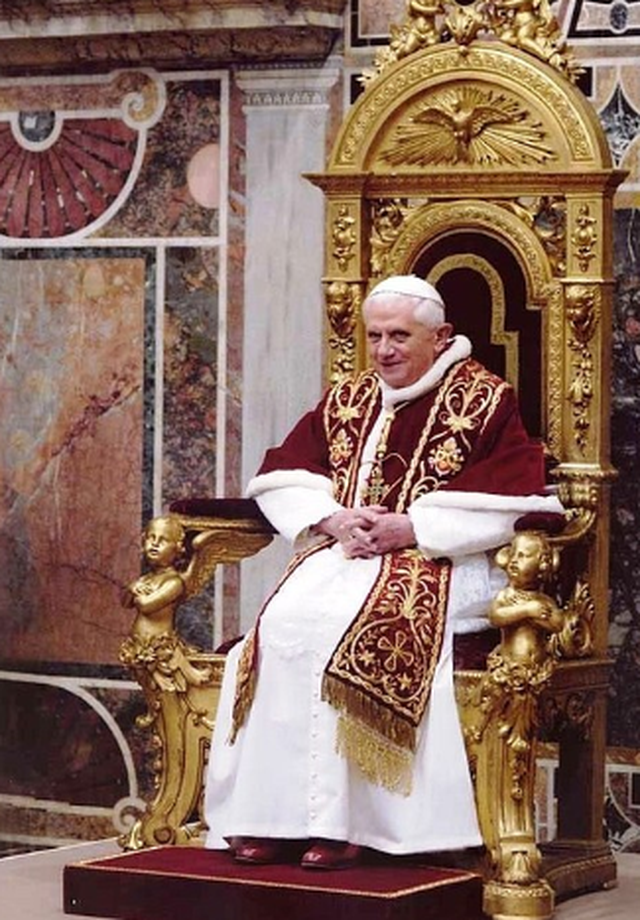
In Hinduism, people explore the divine mystery and express it with the inexhaustible fertility of myths and the penetrating efforts of philosophy.” In Buddhism, “the radical inadequacy of this changing world is recognized and a path is taught through which people, with devoted and trusting hearts, are able to reach the state of perfect liberation.” Other religions, too, try to overcome “the anguish of the human heart by proposing paths, that is, doctrines, principles of life, and sacred rites.”
"We cannot call upon God as Father of all men if we refuse to behave as non-brothers towards those who are created in the image of God."
Pope Francis, in the general audience of October 28, 2015, shows the path of fraternity. “We are brothers,” affirms the Holy Father, addressing Jews and Muslims, Hindus and Buddhists, Jains and Sikhs, representatives of Confucianism, Tenrikyo and traditional African religions.
"We are brothers" called to follow the path of dialogue, emphasizes the Argentine Pope, who on February 4, 2019, together with the Grand Imam of Al-Azhar, Ahmad Al-Tayyeb, signed in Abu Dhabi the "Document on Human Fraternity for World Peace and Coexistence."
Mutual respect for the rights of others to life, to physical integrity, to fundamental freedoms, to freedom of conscience, to freedom of thought, expression and religion. The world today asks us all to cooperate with each other in good will, it asks us for concrete answers to many issues: peace, hunger, poverty that affects millions of people, the environmental crisis, violence – especially that committed in the name of religion – corruption, moral degradation, crises of the family, of the economy, of finance, and above all of hope.
The International Day of Human Fraternity, in the wake of Nostra Aetate, promotes mutual understanding and cooperation between different cultures and religions. Established by the United Nations, this day emphasizes the fundamental role of dialogue and solidarity in building a more just and harmonious world.
Importantly, this day highlights the need to break down the walls of division and hatred, promoting social cohesion and mutual respect. In this regard, the teachings of Pope Francis, one of the main supporters of this day, underline the importance of fraternity as a pillar of human coexistence.
May all people of good will work for peace and universal brotherhood. Pope Francis has often reaffirmed that brotherhood is not just a Christian value, but a global principle that should guide the actions of every individual, regardless of their faith.
The Pope calls us to put aside our differences and seek what unites us, not what divides us. Let us journey together in the hope that people can overcome prejudice and discrimination, building bridges of understanding and friendship.
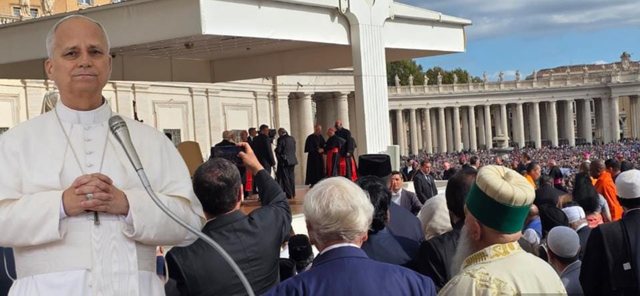
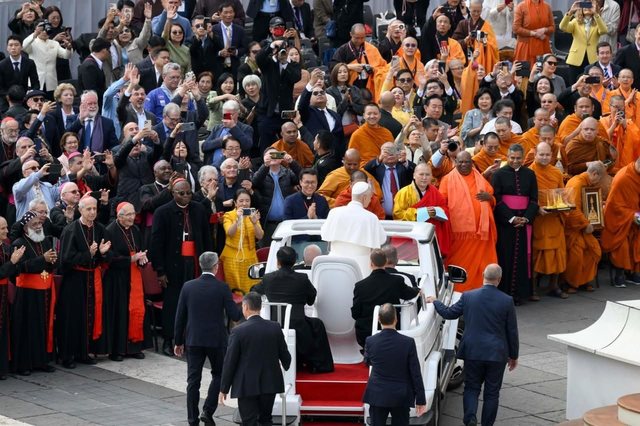
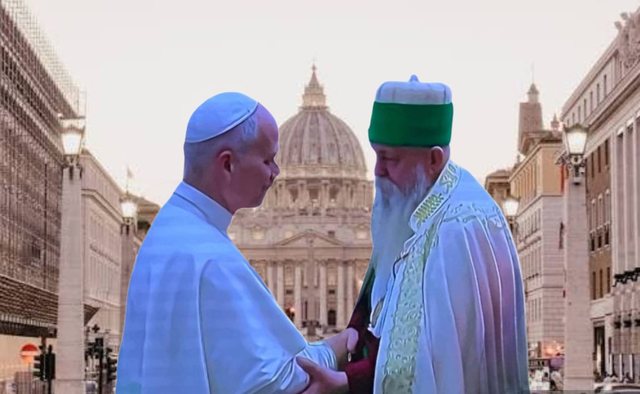
Nostra Aetate, which was commemorated these days for its 60th anniversary in the Vatican, attended by the World Patriarch His Holiness Haxhi Dede Edmond Brahimaj, journalist Ferdinand Samarxhi, Secretary General of the Council of Churches Genti Kruja, and the International Day of Human Fraternity, reminds us that we are all part of one human family and that only through unity and cooperation can we face global challenges such as conflicts, inequalities and environmental crises.
It represents an opportunity to reflect on our role in building a more peaceful and united world. By doing so, our common home will become a better place where everyone can feel welcome./ CNA

The European Commission praised the progress made by Alban...
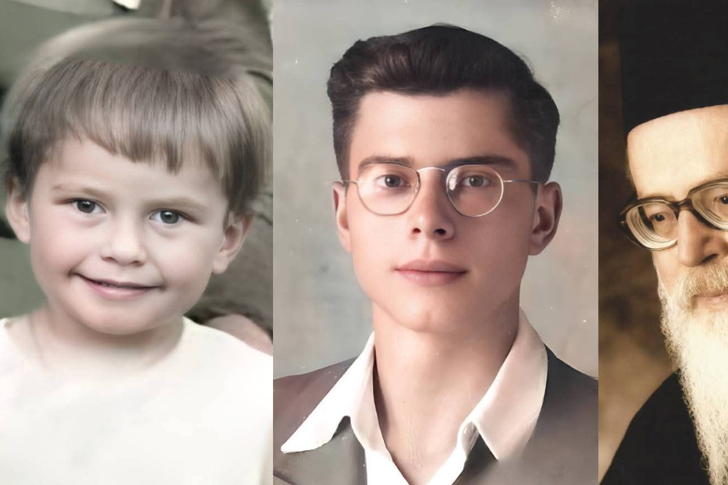
On November 4, 1929, Anastas Janullatos was born in Piraeu...
The General Director of the Albanian Land Registry Agency,...
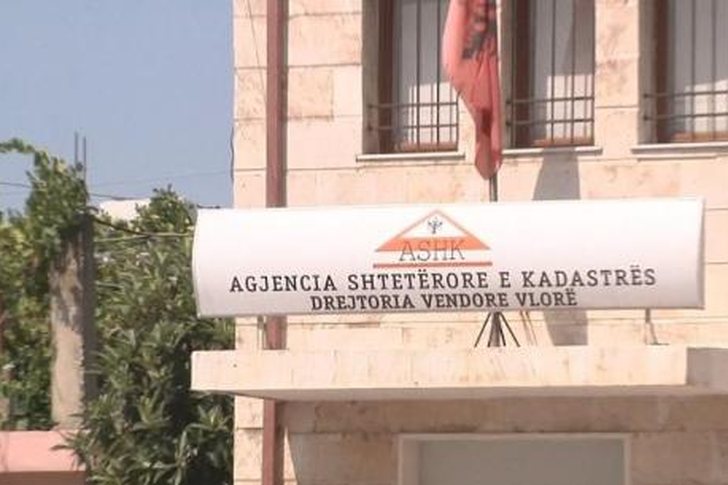
The head of the Vlora Cadastre, Genc Deromemaj, has resign...
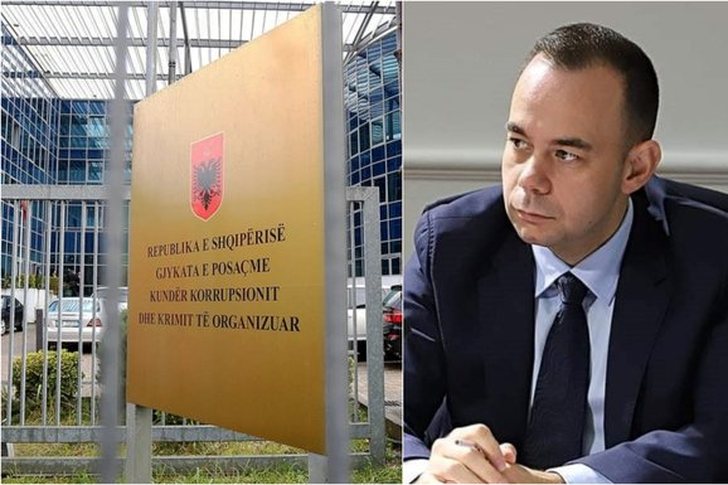
Former Socialist Party MP Alqi Bllako is expected to be re...

A road accident occurred this evening on the Lushnje-Berat...
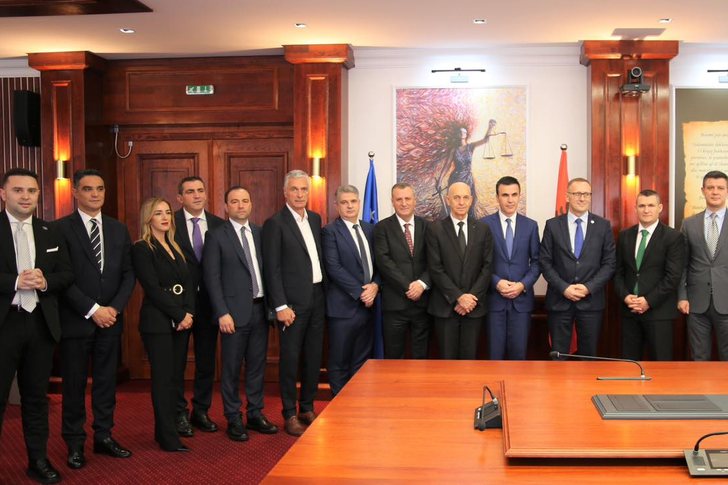
Kosovo Chief Prosecutor Besim Kelmendi hosted Chief Prosec...
The Criminal Court of Appeal has announced the verdict for...
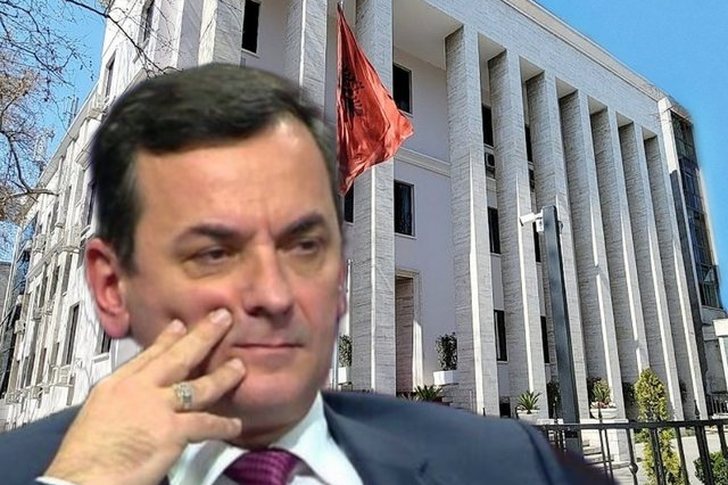
Amidst the professional arrogance and the expression "no o...
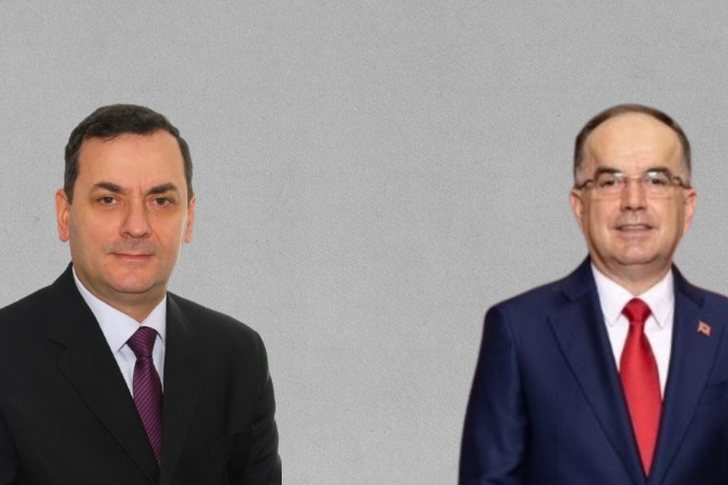
Sokol Sadushi has built a scheme according to which the de...
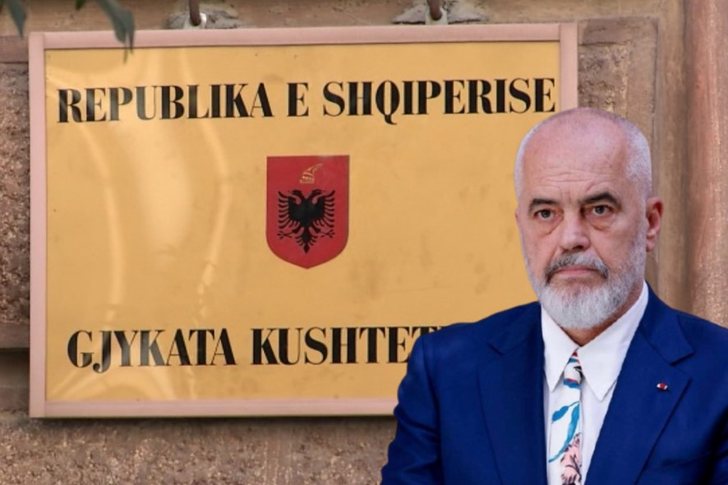
Prime Minister Edi Rama, at the Socialist Party Assembly o...
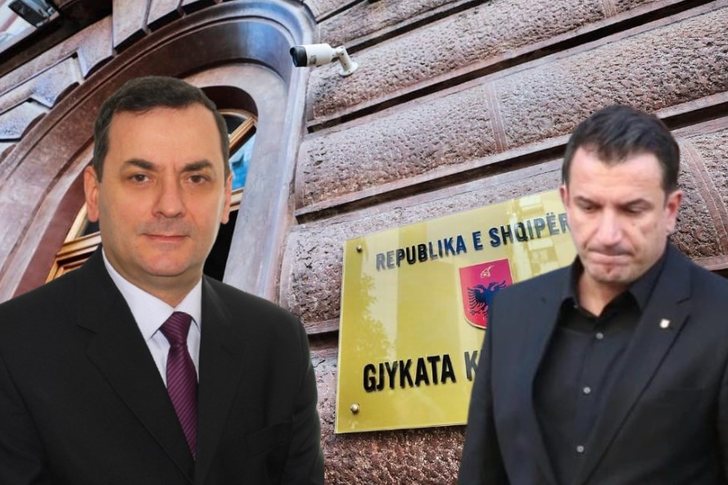
There is a feverish stream of analysts who have rushed to ...

The High Prosecutorial Council (HPC) has approved the regu...
A progress report on Albania for 2025, published by the Eu...
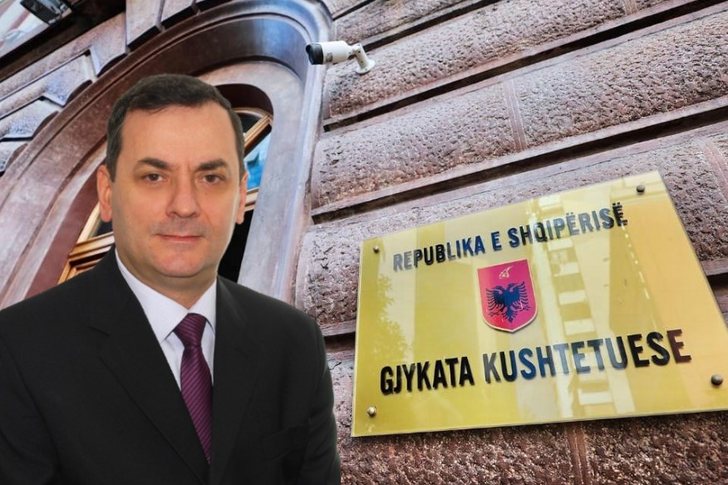
Sokol Sadushi is continuing to serve the scheme for his tr...
The Korça Court has accepted the Prosecution's request and...
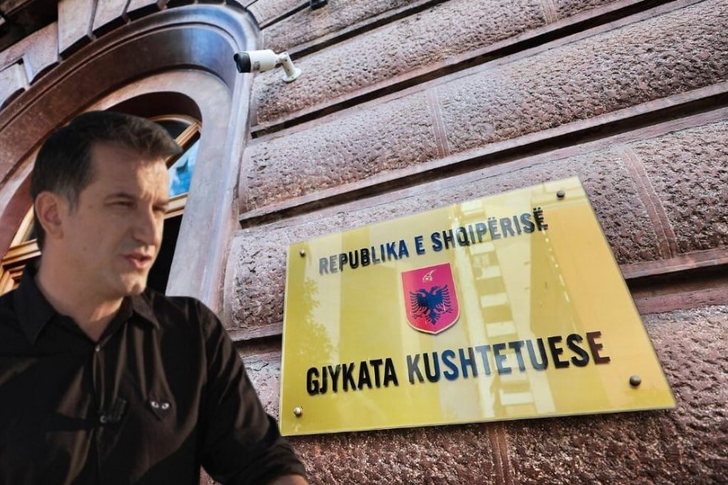
Yesterday, the Constitutional Court issued a decision on t...
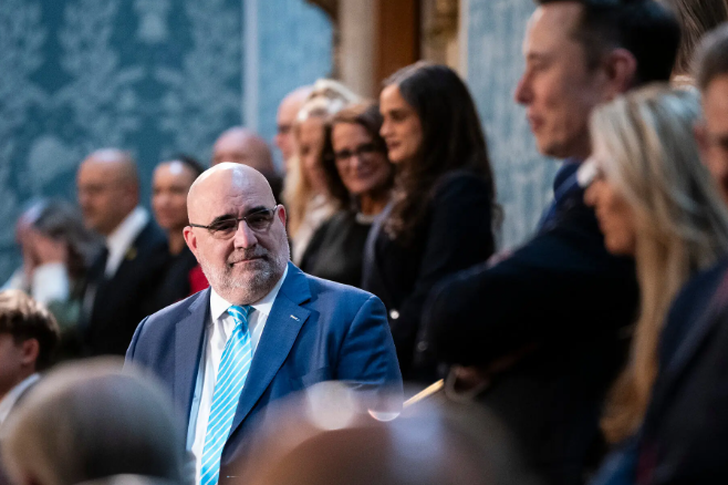
The prestigious American media outlet "The New York Times"...
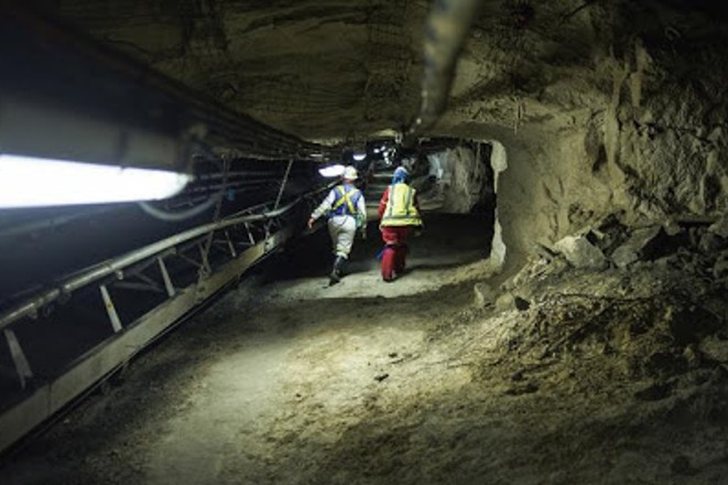
The company "TETE Albania" has fired 40 miners from the Sp...

It began with a 2-1 decision to admit Veliaj's appeal for ...
A 39-year-old citizen has been arrested in Lezha, after se...

CNA has launched another investigation that could lead to ...

Irfan Hysenbelliu is a businessman that we call "Irfan the...

In March 2026, CNA launched another investigation centered...

The Special Board of Appeal (KPA) decided this Monday ...

The KPA vetting decided this Thursday to dismiss the p...

Suela Salavaçi, a prosecutor in the Prosecutor's Offic...

The Special Board of Appeal reinstated the prosecutor ...
A conflict for weak motives was recorded today in the vill...

An accident involving three vehicles occurred a few minute...

55-year-old Belere Plaka, who was injured today with a sho...
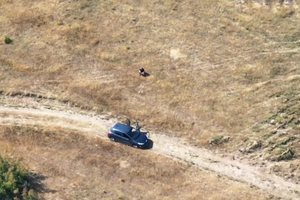
Police Announcement: Following preliminary information...

By noon, cloudiness is expected to prevail in almost all o...
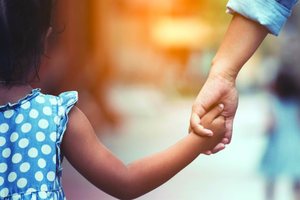
Children without parental care, for whom alternative famil...

On Thursday, our country will be under the influence of st...
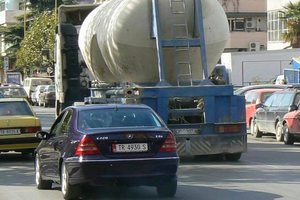
A serious accident that occurred this Wednesday with the c...
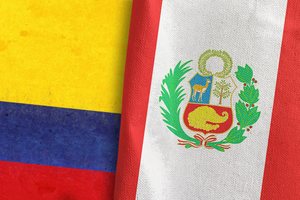
Peru and Venezuela will restore diplomatic relations, the ...

United States President Donald Trump has left open the pos...
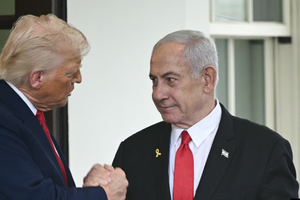
Israeli Prime Minister Benjamin Netanyahu will travel to t...
A bipartisan group of US lawmakers is calling for a Europe...
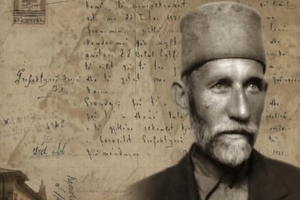
In my research at the Central State Archives, specifically...

At a time when industrial products are increasingly taking...

Trust among people is not just a three-syllable word. It c...
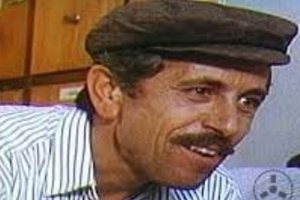
Master of humor Todi Llupi has passed away at the age of 7...

War, weather and supply disruptions could send gas prices ...
The number of active enterprises in Albania continued to g...
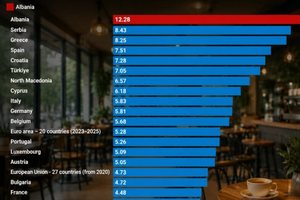
In Albania, the bar-cafe has long become an almost unique ...

This Friday, one US dollar is bought for 81.7 lek and sold...