


Press of the day, Friday, May 24, 2024/ Get to know the main newspaper headlines
This Friday, we are introducing you to some of the mai...


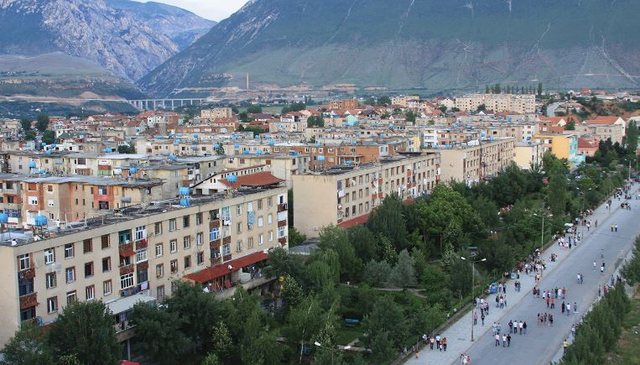
In the Southern counties the number of births per 1,000 inhabitants is much lower than in the Northern counties, a data that shows that the population in this region is older.
INSTAT data processed by Monitor show that in 2023 the district with the lowest number of births per 1000 inhabitants was Vlora with 5.7 births, followed by Korça with 6.3, Fieri with 6.9 and Gjirokastra with 7.1 births per 1000 inhabitants.
On the other hand, Dibra was the district with the highest number of births per 1000 inhabitants, at 9.6, followed by Kukësi with 9.3, Lezha with 8.8 and Tirana with 8.8.
The Southern regions of the country went through the peak stages of immigration earlier in the young ages. Fewer births in these counties indicate an older population and lower fertility rates (number of births per woman of reproductive age).
Comparing the births per 1000 inhabitants from 2019 and 2023, it can be seen that the Northern counties have the fastest decline, suggesting that this Region experienced during the last decade the peak of emigration, especially among young people.
From 2019-2023, Kukësi recorded the largest drop in births per 1000 inhabitants. In 2019, there were 14.4 births per 1000 inhabitants in this district, while in 2023 there were 9.3 births. In Kukës, the birth rate per 1000 inhabitants decreased by 5.1 percentage points, the highest in all districts.
After Kukës, Dibra has the largest decrease in births per 1000 inhabitants, from 13.5 births in 2019 to 9.6 in 2023. On the other hand, Berati and Lezha had the lowest decrease in births per 1000 inhabitants between 2019 and 2023, from 1.1 to 1.2 % points each.
Fertility rates have fallen steadily in these three decades, but in the last two years they have accelerated, signaling a worsening of the phenomenon in the years to come.
In 2023, only 22,210 babies were born across the country, the lowest level since 1934 when official annual data was reported. The data show that even in the second world war, more people were born in Albania than today. For example, in 1942, over 36,000 babies were born at a time when the number of women of reproductive age was lower than today.
In 1950, when the communist dictatorship regime was installed, 47,291 babies were born, according to data from the INSTAT archives, while the number of women of reproductive age (15-49 years old) was only 259,472 thousand. Just over 22,000 babies were born last year, while the number of women of reproductive age was 647,884 or three times higher than in the 1950s.
It is understandable that since the 50s and 60s Albania, like Europe, has evolved in terms of family planning, gender equality, the integration of women in the labor market, but in our country there is still a greater percentage of women who give birth less than they want. Demographers and sociologists are concerned that births in Albania have fallen beyond all predictions./Monitor

This Friday, we are introducing you to some of the mai...
Journalist Klodiana Lala revealed tonight details from...

MP Plarent Ndreca acted as Erion Veliaj's lawyer this even...
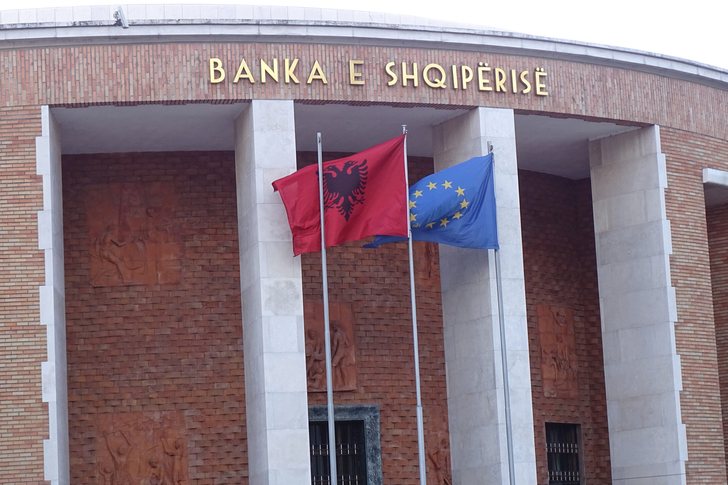
The Bank of Albania has revoked the licenses of two fi...
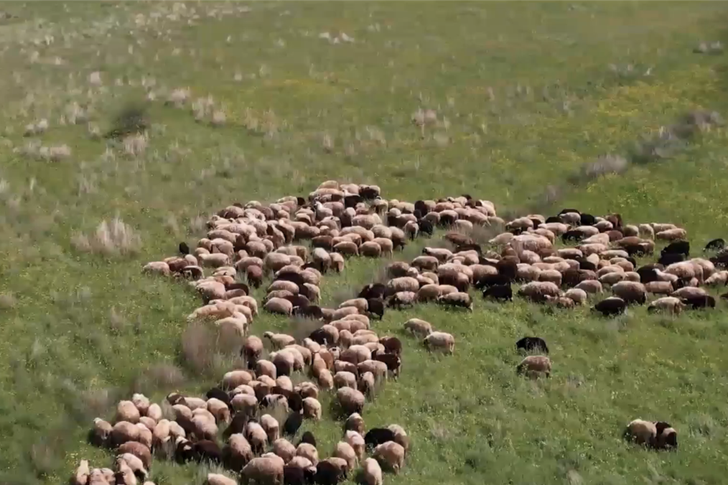
Every year, in the spring and autumn, the shepherds organi...

Representatives of civil society, led by the Albanian ...

MP Plarent Ndreca debated and attacked today the High ...
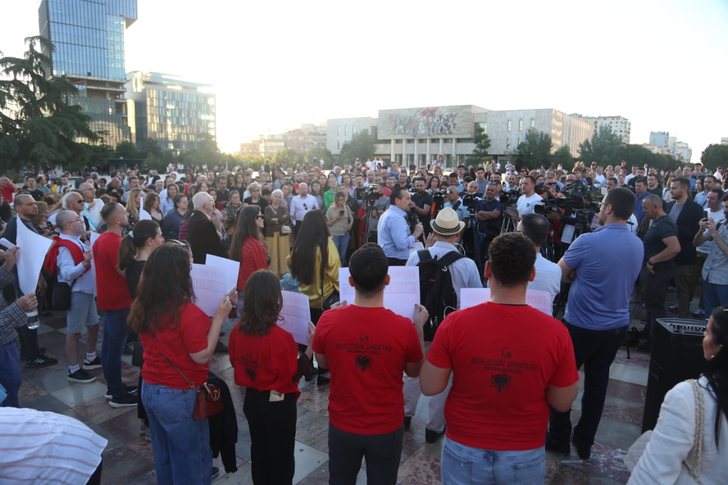
In "Skënderbej" square, in Tirana, a protest against the d...

The Supreme Court has overturned the appeal of the for...

Peter Zingraf, the former ambassador of Germany in Albania...
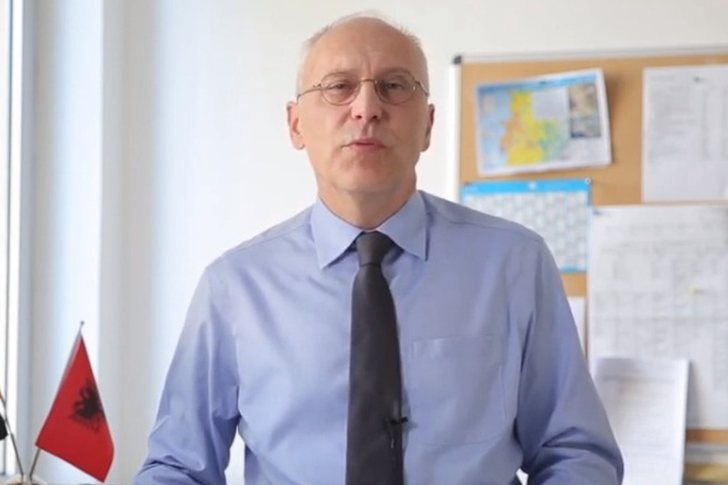
The former German ambassador in Tirana, Peter Zingraf,...

A draft regulation for the standardization and administrat...

The President of Slovenia, Natasha Pirc Musari, today deli...
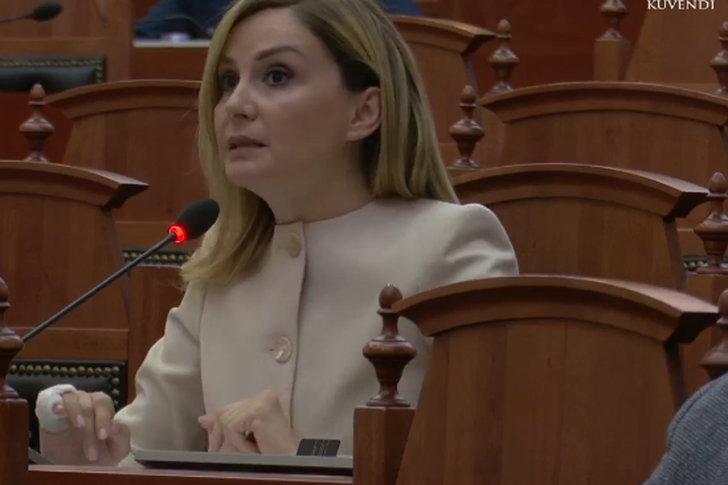
Deputy Jorida Tabaku, in a statement to the media from the...

The head of the ILD, Artur Metani, has not withdrawn from ...
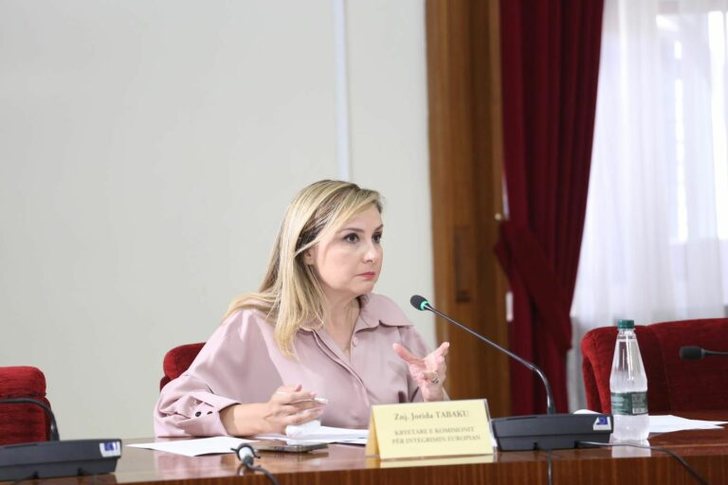
Details have been revealed from the meeting of the Confere...
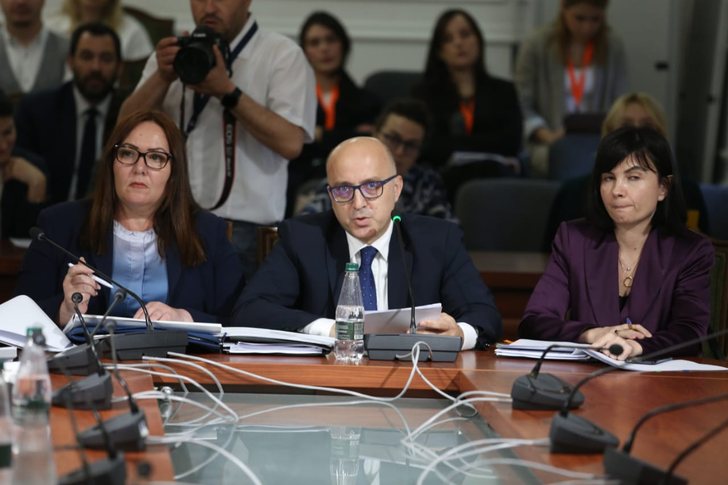
The head of the ILD, Artur Metani, while reporting to ...

The head of the ILD, Artur Metani, spoke about the draft r...
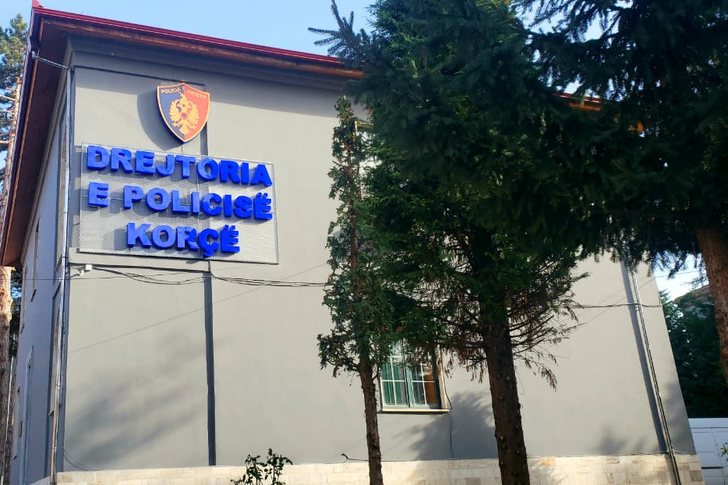
Devolli police have arrested 64-year-old Zenel Rushita...
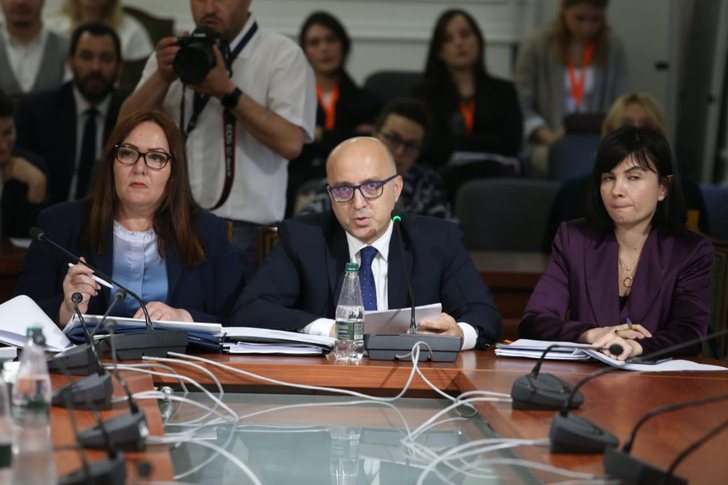
On Thursday, the head of the ILD, Artur Metani, is pre...

CNA has launched another investigation that could lead to ...

Irfan Hysenbelliu is a businessman that we call "Irfan the...

In March 2026, CNA launched another investigation centered...
The arrested mayor of Tirana, Erion Veliaj, with 13 charge...

The Special Board of Appeal (KPA) decided this Monday ...

The KPA vetting decided this Thursday to dismiss the p...

Suela Salavaçi, a prosecutor in the Prosecutor's Offic...

The Special Board of Appeal reinstated the prosecutor ...

Footage emerges from the serious accident that occurred th...

A Shkodra traffic police officer was hit with hard objects...

This Wednesday, around 4:00 PM, a serious accident occurre...

Tirana Police have shared details regarding the accident t...

On Thursday, our country will be under the influence of st...

A serious accident that occurred this Wednesday with the c...

The Institute of Geosciences has shared a forecast for wea...
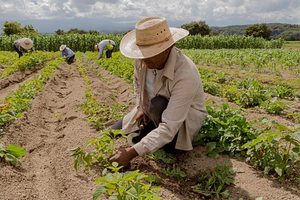
Rising energy and fertilizer prices are expected to contin...

Artificial intelligence (AI) models from the American comp...

At least 10 people have died after a fire broke out in a h...

Yemen's Houthis have claimed to have attacked two Saudi oi...

The trial of ousted Venezuelan President Nicolas Maduro on...

At a time when industrial products are increasingly taking...

Trust among people is not just a three-syllable word. It c...

Master of humor Todi Llupi has passed away at the age of 7...

The ninth edition of "MIK Festival" kicked off with one of...
The average sale price of apartments in Tirana reaches rec...

This Thursday, one US dollar is bought for 81.5 lek and so...

The price of diesel reached 206 lek per liter from 198 lek...

Businesses will no longer be required to simply register t...