


ICC votes to dismiss Chief Prosecutor Karim Khan
Member states of the International Criminal Court voted to...

Member states of the International Criminal Court voted to...

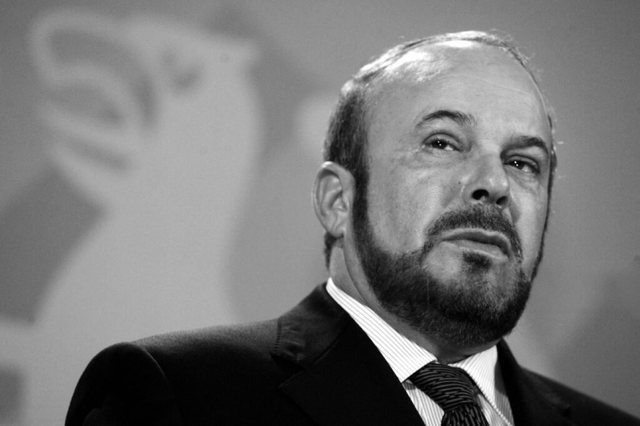
Fatos Nano (1952–2025) remains one of the most influential figures of the Albanian transition period, especially for his role in restoring stability after the 1997 crisis and in the efforts to modernize the economy during his 2002–2005 government. With an economic background and experience in state administration in the 1980s, he was among the first to bring to Albanian politics the rational approach to economic reforms and the idea of ??institutional-based governance.
Nano was first appointed prime minister in 1991, during a turbulent period of transition, during which his government had a short term. His decisive role came later, in June 1997, when, after the outbreak of the pyramid scheme crisis and financial collapse, he took over the leadership of the recovery government. Under the supervision of the International Monetary Fund, an emergency package for macroeconomic stabilization, limiting the budget deficit, and rebuilding the banking system was approved, as preconditions for resuming cooperation with international donors. According to the IMF, the Nano government's program at that time "marked the restoration of confidence in the Albanian economy after a complete financial collapse" (IMF, Press Release on Albania's Economic Recovery Program, 1997).
During his third term as prime minister, from 2002 to 2005, Nano focused on modernizing economic institutions and bringing them closer to European standards. One of the most important interventions was the reform of the energy sector, which aimed at the institutional separation of the functions of electricity production, distribution, and supply – a process that later became the basis for market liberalization. A national privatization strategy was also prepared, including the sale of state shares in strategic sectors, such as telecommunications and the cement industry.
In the fiscal area, the Nano government strengthened the collection of budget revenues and improved tax administration, significantly increasing budget revenues. According to the World Bank report for 2004 (World Bank Country Report: Albania), during this period economic growth stabilized at over 6% per year, while inflation remained at low levels, below 3%. In addition, the National Development Plan was prepared, which linked budget policies to European integration priorities.
During 2002–2005, Nano also promoted Albania's inclusion in regional free trade initiatives and rapprochement with the European Union, through the launch of the Stabilization and Association Agreement process. His economic policies were based on close partnership with international financial institutions, laying the foundations for a more technocratic and less populist model of governance.
Fatos Nano retired from active politics after 2005, but his influence on the structuring of modern economic policies in Albania remains evident. He belonged to a generation of politicians who believed that the country's development should be built on institutions and stability, not on political emotions.
His legacy is that of a quiet reformer, who brought economic logic and the concept of planned governance to politics, leaving behind an important period of consolidation for the Albanian economy./ Monitor.al


This Monday we are introducing you to some of the main hea...
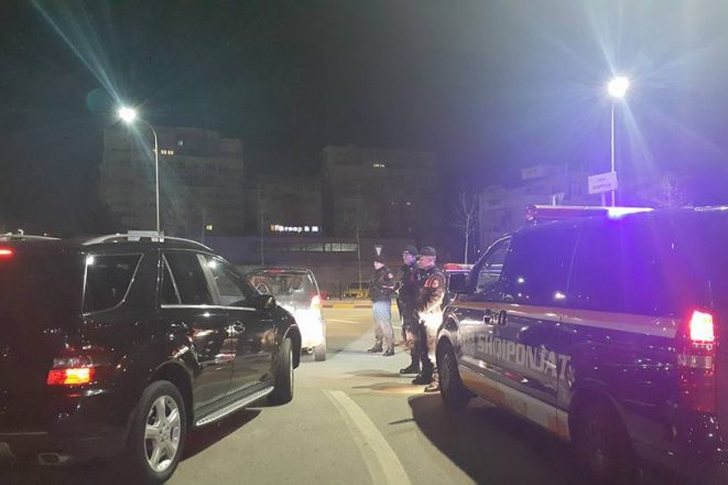
The Vlora Police, together with the Operational Forces and...
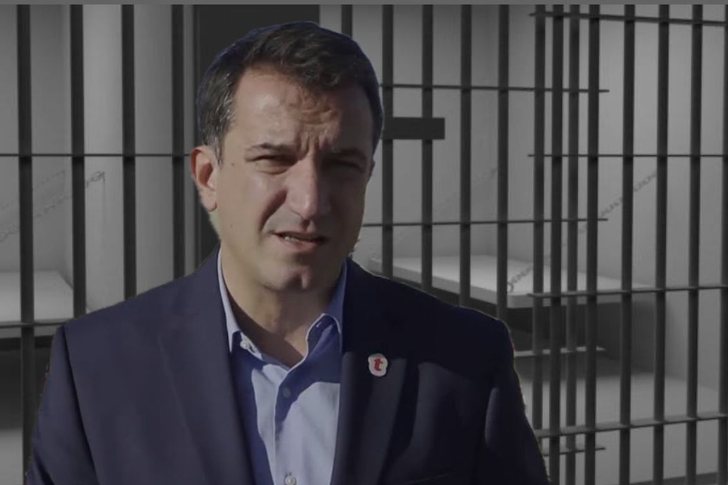
Pesë ditë më parë, dy zyrat ligjore që përfaqësojnë ish-kr...
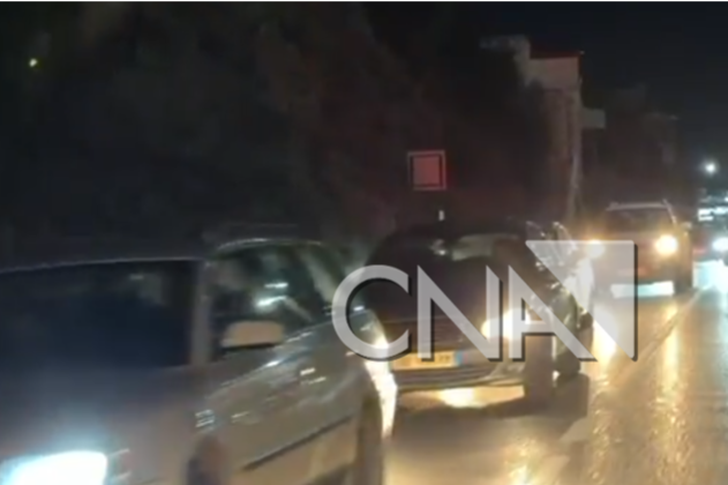
The Balldren-Milot axis is affected by extremely heavy tra...
Journalist Mentor Kikia today ironized the situation creat...
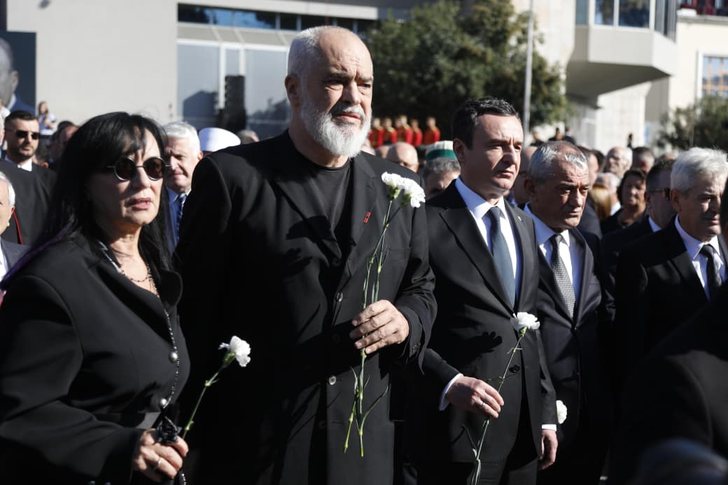
This Sunday, tributes were held in honor of former Prime M...
The Albanian Journalists' Union has issued a statement reg...

The Mayor of Shkodra, Benet Beci, was yesterday evening fo...

The state tributes in honor of former Prime Minister and f...
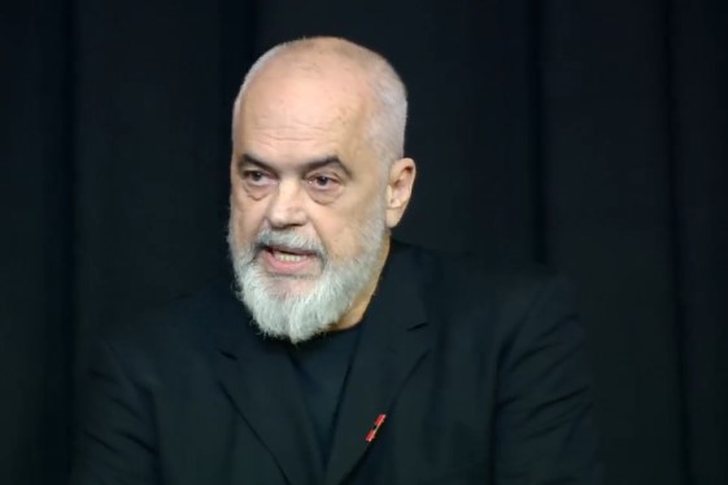
Prime Minister Edi Rama delivered his speech at the tribut...
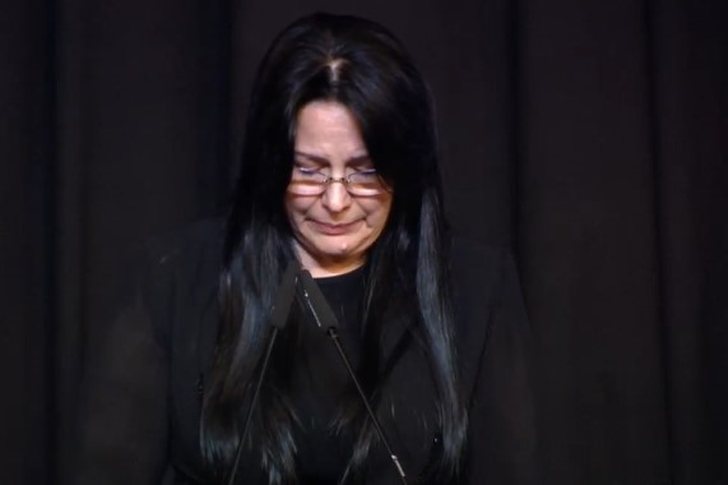
Fatos Nano's wife, Xhoana Nano, delivered her speech at th...
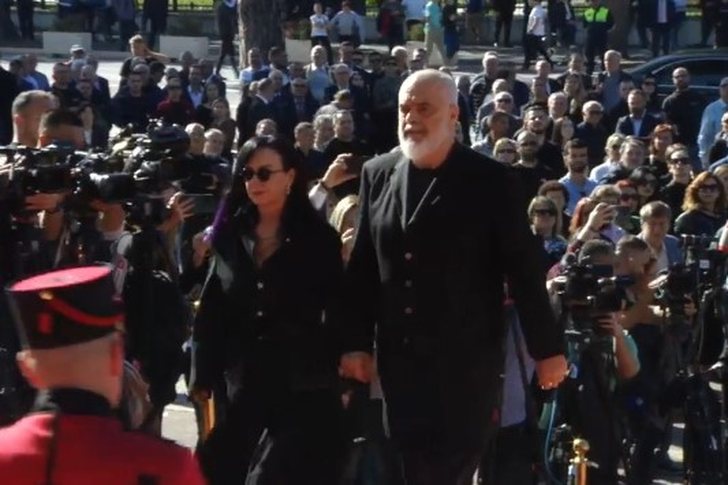
Prime Minister Edi Rama has arrived at the Palace of Congr...

Present at the tributes held at the Palace of Congresses i...
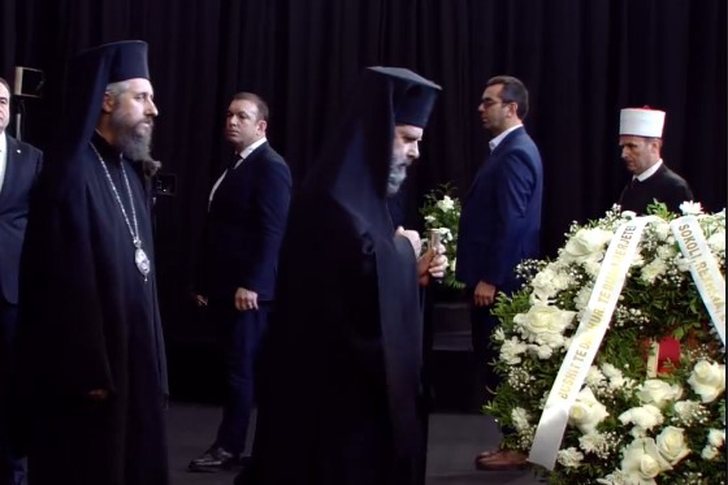
The Archbishop of Tirana, Durrës and all Albania, His Beat...
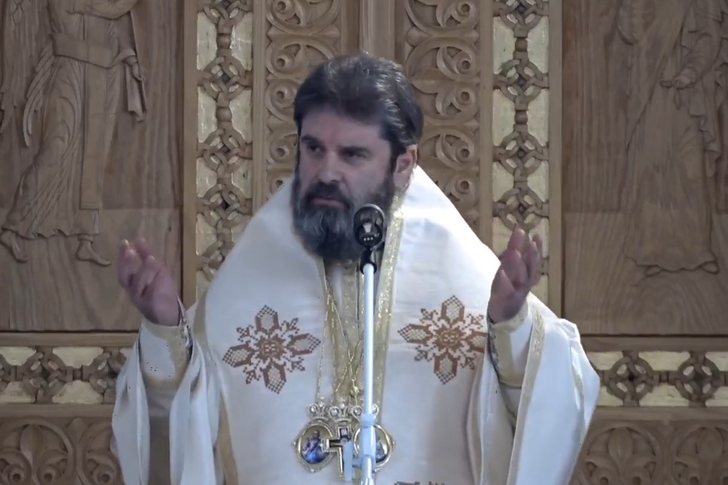
The Archbishop of Tirana, Durrës and all Albania, His Beat...
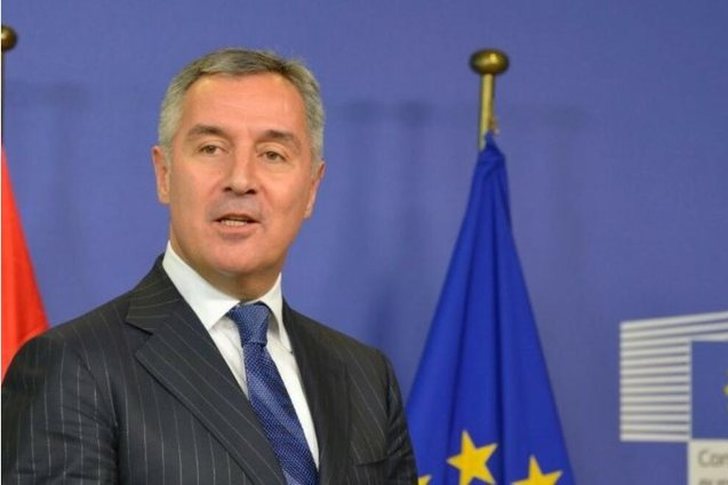
Former Montenegrin President Milo Djukanovic has reacted t...
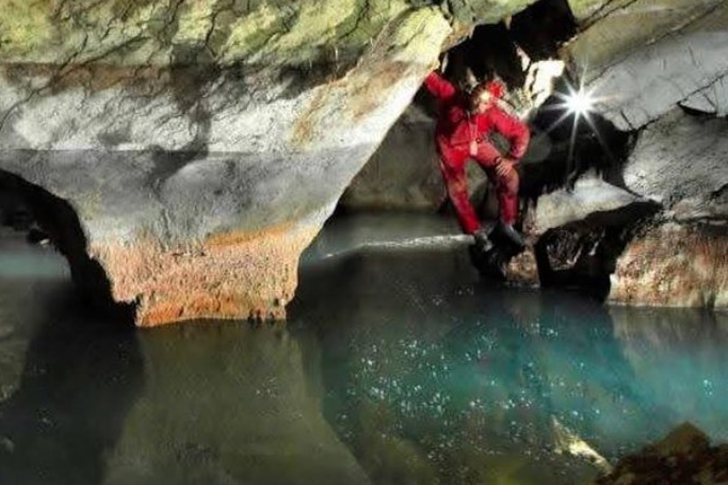
Bone remains have been found in the Kopiles Cave in Leskov...
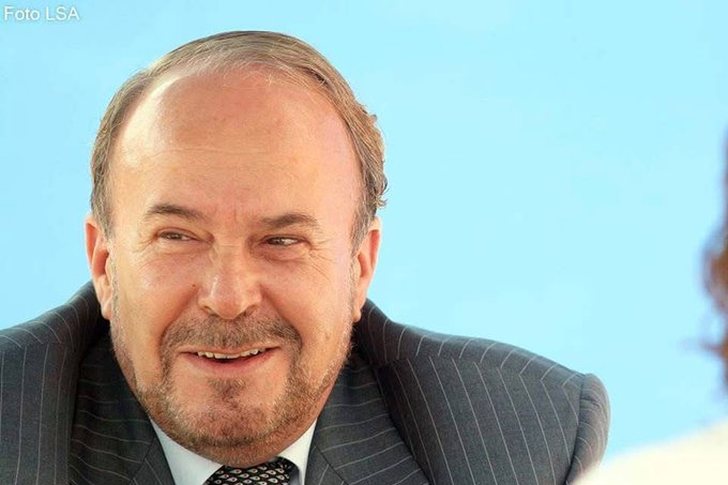
The Socialist International has reacted with a message of ...
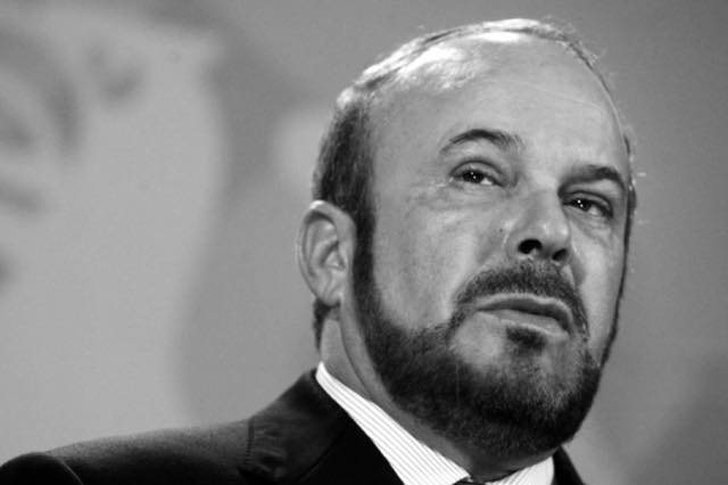
Former Prime Minister Fatos Nano passed away the day befor...
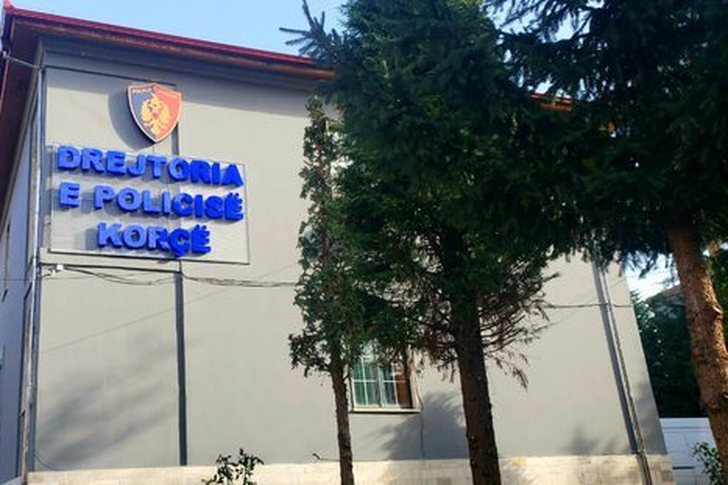
The Director General of the State Police, Ilir Proda, has ...
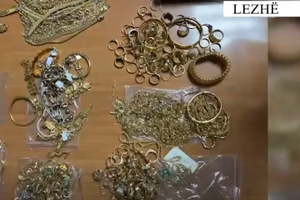
A 39-year-old citizen has been arrested in Lezha, after se...

CNA has launched another investigation that could lead to ...

Irfan Hysenbelliu is a businessman that we call "Irfan the...

In March 2026, CNA launched another investigation centered...

The Special Board of Appeal (KPA) decided this Monday ...

The KPA vetting decided this Thursday to dismiss the p...

Suela Salavaçi, a prosecutor in the Prosecutor's Offic...

The Special Board of Appeal reinstated the prosecutor ...
A conflict for weak motives was recorded today in the vill...

An accident involving three vehicles occurred a few minute...

55-year-old Belere Plaka, who was injured today with a sho...
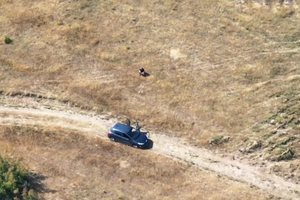
Police Announcement: Following preliminary information...

Today, our country will be under the influence of stable a...

By noon, cloudiness is expected to prevail in almost all o...

Children without parental care, for whom alternative famil...
On Thursday, our country will be under the influence of st...
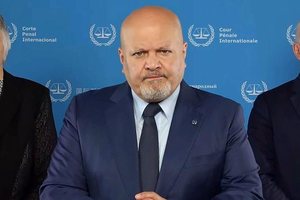
Member states of the International Criminal Court voted to...

From the declining role of exports to new public investmen...

South Korea is becoming one of the most sought-after desti...
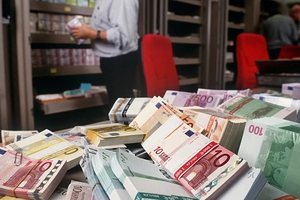
The average wealth per adult in Western Europe is less tha...
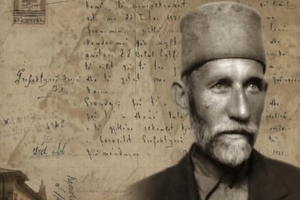
In my research at the Central State Archives, specifically...

At a time when industrial products are increasingly taking...

Trust among people is not just a three-syllable word. It c...

Master of humor Todi Llupi has passed away at the age of 7...
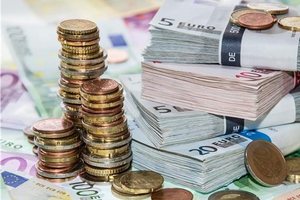
This Saturday, one US dollar is bought for 81.7 lek and so...
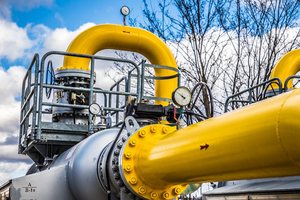
War, weather and supply disruptions could send gas prices ...
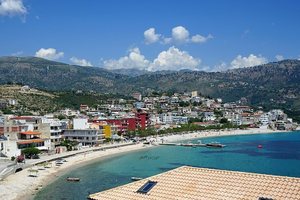
The number of active enterprises in Albania continued to g...
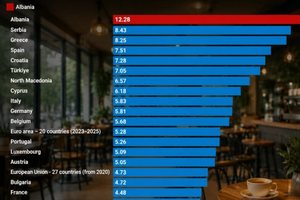
In Albania, the bar-cafe has long become an almost unique ...