

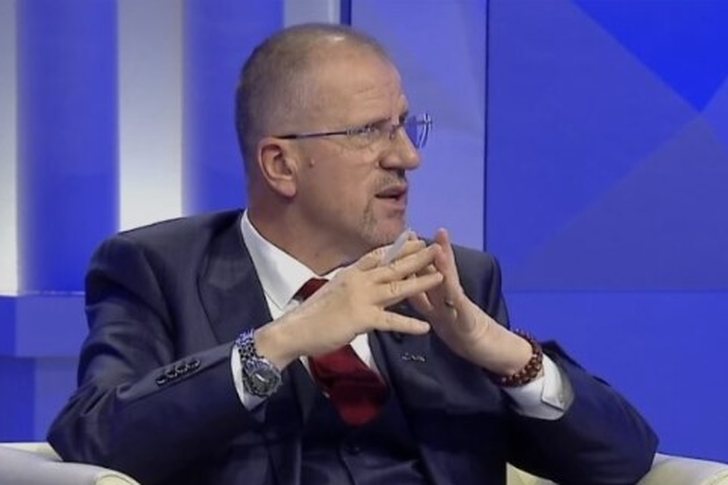
"The prosecution should not tolerate"/ Beçi: Buildings in Tirana with permits that restrict emergency exits
Former prosecutor Eugen Beçi shared a tough stance regardi...


Entrepreneur Gjergj Luca returns to the public communication scene with an intervention that goes beyond the usual reaction, taking the form of a genuine rhetorical act, where irony is used as an instrument of denunciation and unmasking.
"This greeting video is dedicated to the doctor, the tireless cavalier of Albanian politics, who with democratic generosity, gave millions of dollars to LaCivitas. Meanwhile, these "narco-state" people were more modest: they were satisfied with an Albanian passport to impress the former mayor of New York.
Each with their own way of leaving a mark on history..." writes Luca
In this short text, he builds a sharp parallel between two ways of doing politics, one that invests millions to buy influence, and the other that uses the symbolism of honor to produce gratitude capital.
“Where did this LaCivita go?” asks Luca, referring to the figure of Chris LaCivita, introduced by Sali Berisha as the leader of the Democratic Party’s electoral campaign for the May 11, 2025 elections. Displaying a photo of him with Berisha, Luca further pushes the irony with a denunciation: “What happened to this? As far as I know, he beat a sixer… and left without doing anything for us.” This question is not simply rhetorical; it aims to call into question the effectiveness and transparency of such a political investment.
At the same time, he shifts the focus to another case, mentioning the figure of Eric Adams, who was honored with Albanian citizenship through a decree signed by Bajram Begaj. This act, undertaken at Adams' own request, is related to his public positions in support of strengthening ties between New York and the Albanian world, considering Albanians as a "bridge" between the two continents.
Luca does not bring this parallelism by chance. Through the figure of LaCivita, he touches on one of the most discussed cases of the intervention of international political marketing in Albanian reality, where politics tries to compensate for its internal crisis by importing external expertise. In this prism, the millions mentioned do not remain simply a financial figure, but become a metaphor for a despair for legitimacy, when internal trust is lacking, certification from outside is sought.
On the other hand, the case of Adams and his provision of an Albanian passport by the Presidency of the Republic of Albania contrasts another paradigm, that of political symbolism. An act that aims to communicate gratitude and alliance, but which, in the context of Luca's irony, is interpreted as a minimalist gesture in the face of the other party's large "investments".
In essence, Luca does not simply make a comparison; he articulates an accusation disguised as humor. The “upside-down logic” he highlights becomes a diagnosis of a system where the label of “anti-corruption” coexists with dubious financial practices, while the party stigmatized as “narcostate” uses symbolic means to construct its international narrative.
This duality is not only political, it is also epistemological. It affects the way public truth is constructed in Albania, through perception, spectacle, and competing narratives. In this terrain, millions of dollars and a passport are no longer simply tools, but signs that speak of a deep crisis of trust and a desperate attempt to control the narrative.
In the end, his sentence, "Each in their own way to leave a mark on history ," sounds like a bitter epilogue, an admission that history is not always a product of merit or morality, but often the result of the ability to impose the strongest narrative, whether it is bought for millions or sealed with a symbolic gesture.

Former prosecutor Eugen Beçi shared a tough stance regardi...
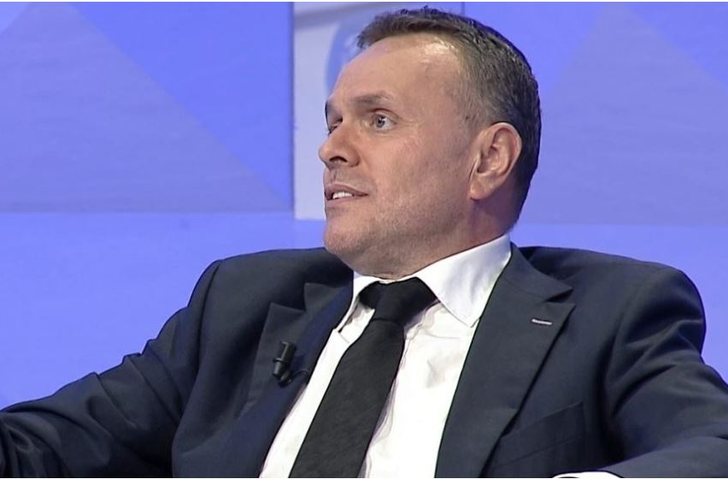
Security expert Ervin Karamuço spoke today about the fire ...
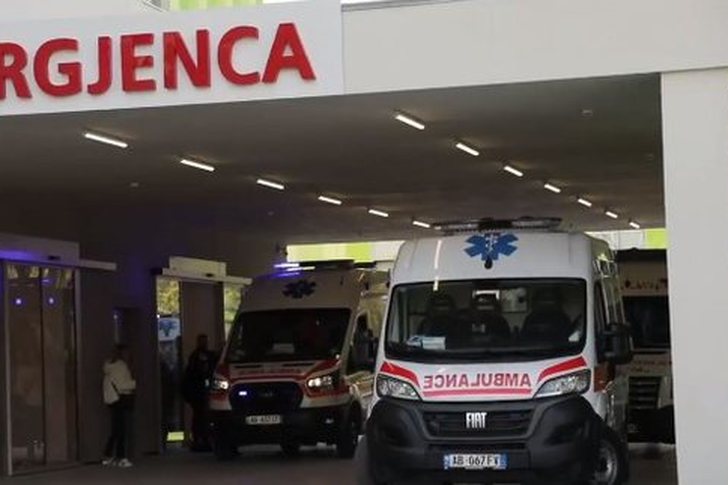
The General Director of Emergency Services, Skënder Brataj...

The Prefect of Tirana, Shkëlqim Hajdari, arrived in a few ...
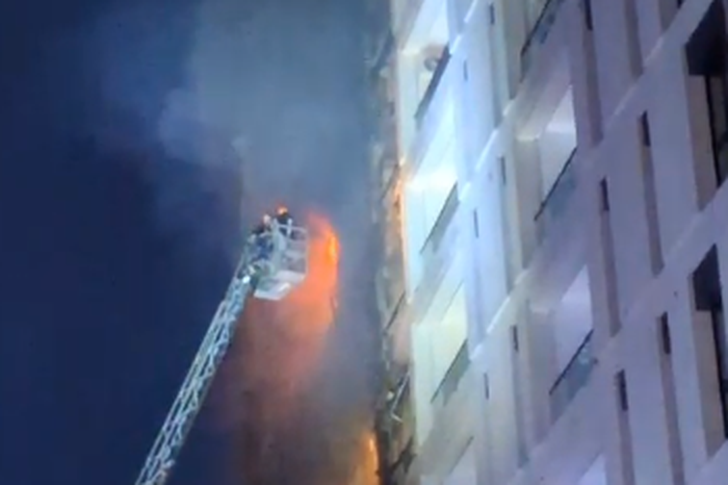
A fire has been raging for several hours, engulfing a resi...
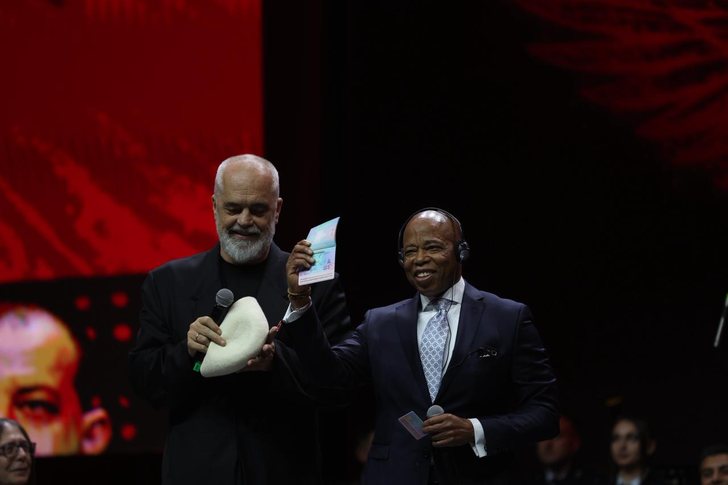
Prime Minister Edi Rama today presented the Albanian passp...
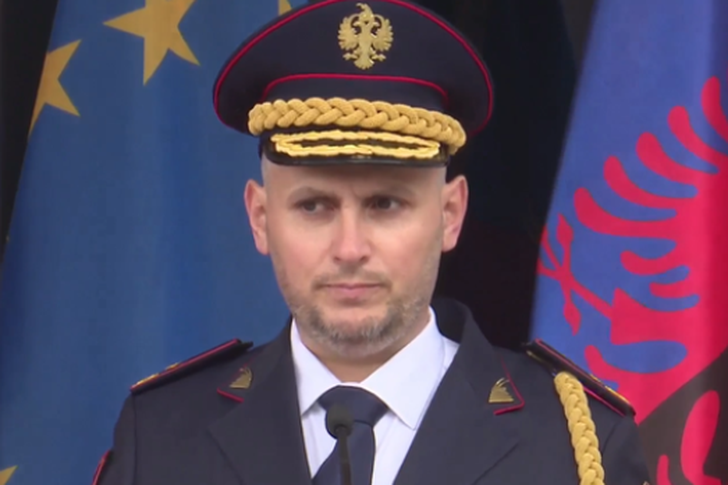
The Director of the State Police, Skënder Hita, arrived a ...
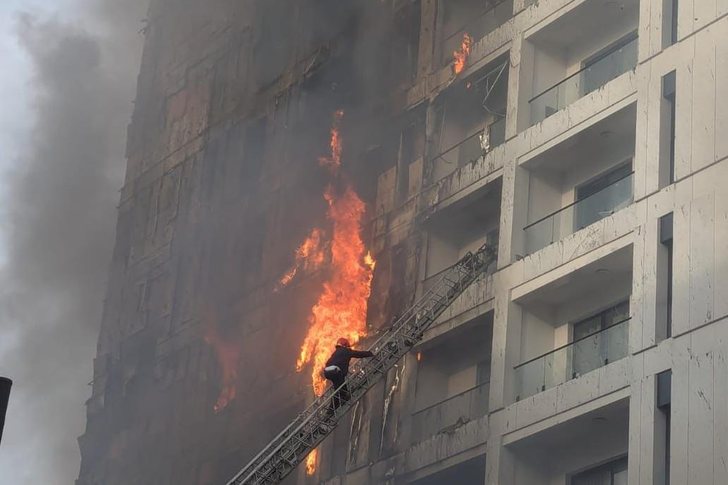
The Ministry of Defense has shared details of the situatio...
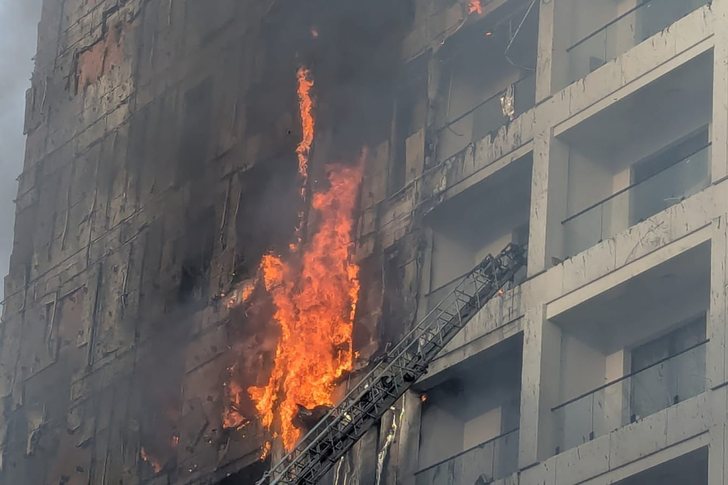
Engineer Arben Meçe said today that the facades of buildin...
Today, at around 1:00 PM, the tenth hearing of the lawsuit...
The law firm paid by Veliaj and his brother, Arbër Veliaj,...

This Tuesday, several changes have occurred in the leaders...

The leader of the Freedom Party, Ilir Meta, addressed an o...
The Head of the Special Prosecution Office, Klodjan Braho,...
The leader of the Democratic Party, Sali Berisha, declared...
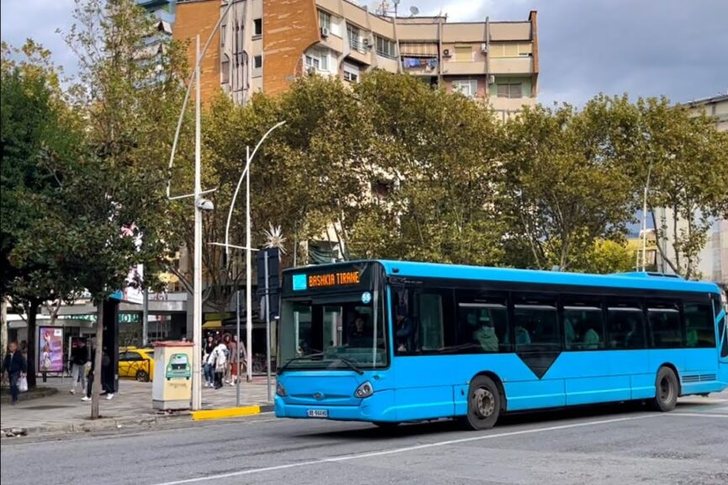
Public transport associations in Albania have announced to...

The court has again postponed the court session between Ca...
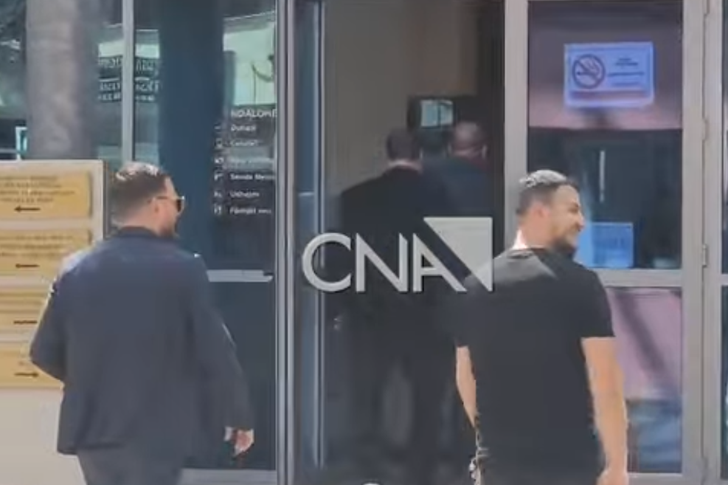
Former Prison Director Agim Ismaili appeared before the Sp...
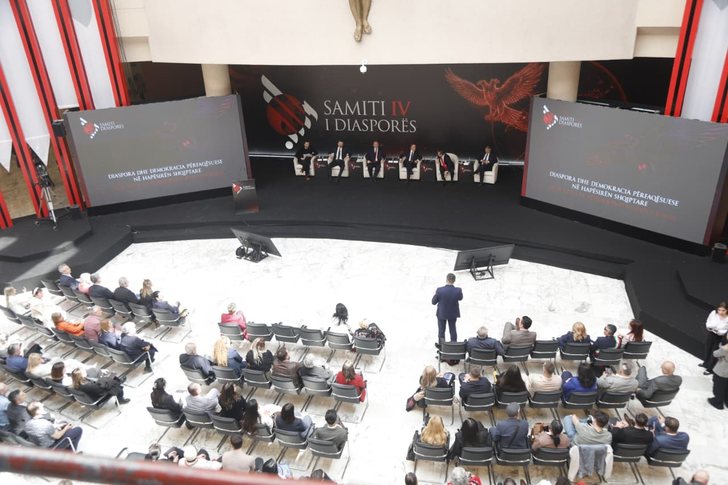
The Diaspora Summit in Tirana, although conceived as a pla...
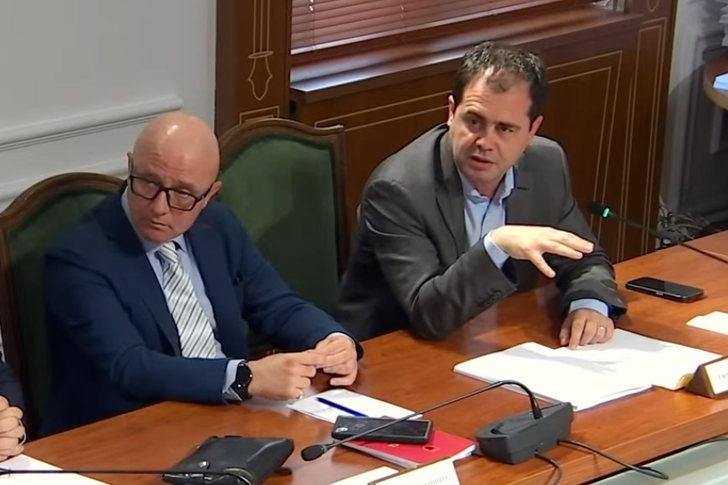
DP MP, Oerd Bylykbashi, at today's meeting of the Committe...
SPAK's standards, the way it investigates, how it secures ...
Irfan Hysenbelliu claims to be a big businessman, an hones...
The murder of officer Enea Mekolli in the line of duty has...
The next case broadcast on the show "Stop", this Thursday,...

The Special Board of Appeal (KPA) decided this Monday ...

The KPA vetting decided this Thursday to dismiss the p...

Suela Salavaçi, a prosecutor in the Prosecutor's Offic...

The Special Board of Appeal reinstated the prosecutor ...
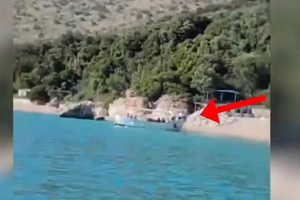
The Border Police blocked the vessel and fined the driver ...
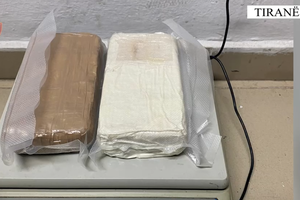
A police operation codenamed "Zonet" has ended with the se...
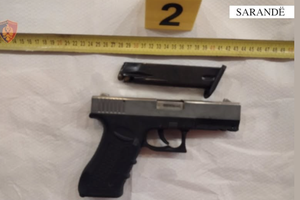
A 37-year-old citizen has been arrested in flagrante delic...
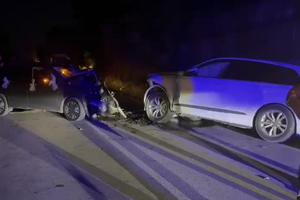
A road accident has been reported on the Fier-Levan axis, ...

More than 860 million people fall ill and 1.5 million die ...
The mother of Violand Braçellari, the perpetrator of the s...
The modern European traveler seeks a meaningful connection...
This Sunday, weather conditions are forecast to be clear a...
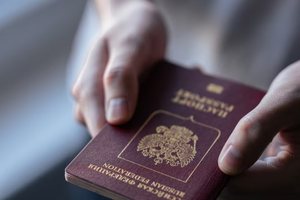
Megjithëse politika e shtetësisë është kompetencë e Serbis...
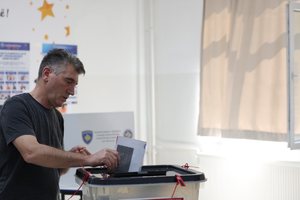
Kosovo citizens are voting in new snap parliamentary elect...
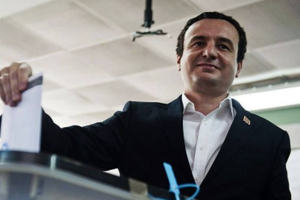
Kryeministri në detyrë i Kosovës, Albin Kurti, votoi sot n...
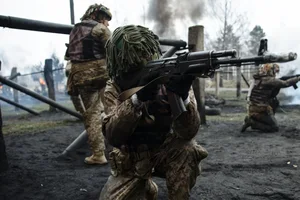
Presidenti rus Vladimir Putin është në pushtet prej 26 vit...
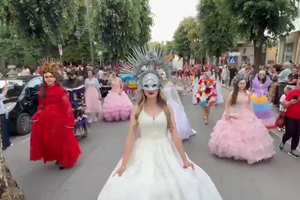
Korça has transformed this weekend into the capital of cel...

Korça is ready to open the summer season with one of the c...
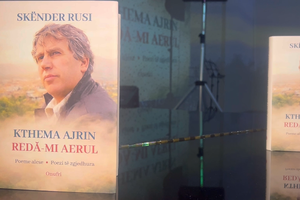
Two years after his passing, the renowned Korçë poet Skënd...
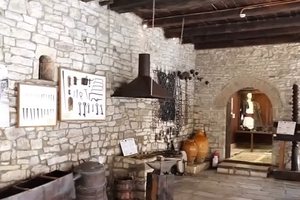
The Ethnographic Museum of Berat has opened its doors to v...
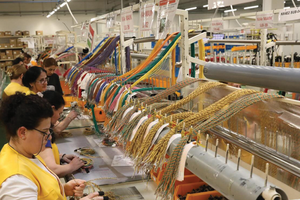
The automotive industry in Albania is currently at a turni...
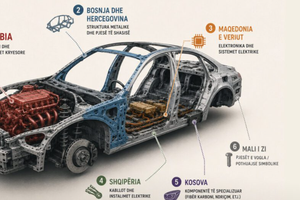
If you were to follow the industrial map of the Western Ba...
The Transparency Board, in today's meeting, decided to red...
This Saturday, one US dollar is bought for 81.4 lek and so...