


Elections, influenced by party leaders/ Berisha and Meta, autocratic rule
Another point addressed in the Freedom House report is Nat...



The Freedom House report highlights that most of the media in Albania are owned by business people who have close ties to politics or organized crime.
"Most of the media in Albania are owned by business people with close ties to politicians and/or organized crime networks and serve as mouthpieces for these interests," the report says.
The report also raises concerns about the state of the media, citing pressure from political interests to curb media surveillance and manipulate the media narrative to serve party agendas.
Freedom House also mentions Albania's drop by several positions in the Reporters Without Borders Index.
The report underlines that many journalists have been verbally or physically attacked during their coverage.
Part of the Freedom House report
The State of the Media and Civil Society
The report expresses concern about the state of the media, citing pressure from political interests to curb media surveillance and manipulate the media narrative to serve partisan agendas. Freedom House mentions Albania's drop by several positions in the Reporters Without Borders Index.
"Most of the media in Albania are owned by business people with close ties to politicians and/or organized crime networks and serve as mouthpieces for these interests," the report says.
Some journalists were verbally and/or physically attacked for their coverage. According to the report, the Albanian General Directorate of Taxes imposed high fines on various television networks and media, as well as the companies that own them, for coverage critical of the government.
"Given the ambiguous nature of media ownership and financing in Albania, it is difficult to analyze the exact motives behind such large fines or any possible connection between politics and media ownership," the report states.
The report mentions the defamation suit against the journalist Isa Myzyraj, after he reported on the unexplained wealth of former prosecutor Elizabeta Imeraj, her failure to pass the judicial vetting process and her dismissal.
Elvis Hila was threatened for publishing news about forged court documents in Lezha and he and his wife were physically attacked the day after he broke the news.
The Union of Albanian Journalists and Reporters Without Borders confirmed that Myzyraj, Hila and other journalists have been targeted by organized crime groups, politically connected individuals and corrupt officers within the police and justice system.
The Rapid Response Organization for Media Freedom (MFRR) notes that Albania is failing to protect journalists and the free press.
According to the report, in 2022, opinion-format TV shows became the main vehicle for disinformation driven by political interests and the connections of the owners rather than facts — "as seen in the coverage of the Basha-Berisha power struggle, allegations of corruption against officials government officials for abuse in the management of public contracts, and the role of organized crime in human trafficking and the migration of Albanians to Britain.
One example the report cites is the one following the US disclosure report on Russian money, which included the case of $500,000 of DP linked to Russia in the run-up to the 2017 general election.
"Journalists asked former DP leader Lulzim Basha if he would resign and take responsibility for the allegations about Russian money. Basha responded with disparaging comments and then several journalists were banned from future press conferences," the report states.
Also, some journalists were verbally attacked while covering the protests and violent clashes outside the DP headquarters and the rifts between Basha and Berisha for the leadership of the party.
"Senior members of the government also barred some journalists from their press conferences when their questions were deemed too strong, as happened in one case with questions to Foreign Minister Olta Xhaçka," the report said.
In response to this crackdown on press freedom, journalists protested outside the prime minister's office in July demanding better treatment of journalists by politicians across the political spectrum.
As for civil society, in 2022, citizen movements in Albania became more organized in support of issues that traditional non-governmental and civil society organizations have usually ignored.
The case of "Diaspora for a Free Albania" is mentioned here, which raised a case against the Assembly in the Constitutional Court, demanding recognition of the right of Albanians living abroad to vote in parliamentary elections.
"In December, the court ruled that the parliament had violated the constitution by not allowing Albanians living abroad to vote in the 2021 parliamentary elections and ordered that the diaspora be allowed to vote from abroad in future parliamentary elections," says the Albanian chapter that read the Albanian service of the Voice of America.
Also, the report states, researcher Fabian Zhilla organized a petition with over 10,000 signatures asking the Assembly to regulate "reality show" programs and order the Audiovisual Media Authority to strengthen and enforce current legislation on television programs that spread hate speech.
"These movements show that members of civil society are becoming more organized as the Albanian public becomes more aware of how to use democratic tools, in part due to social media platforms and technological advances," the report says.
According to the report, one of the key preconditions of EU membership for Albania is that Non-Governmental Organizations and Civil Society Organizations are included in consultations when laws are drafted.
However, according to the report, their concerns about the new judicial map even when the Ministry of Justice and the Supreme Judicial Council finally included them after initial neglect were dismissed.
The Albanian Helsinki Committee has repeatedly exposed how the Assembly and the newly reformed Supreme Judicial Council have not taken into account the proposals of NGOs and civil society, or citizens' concerns about access to justice, including the high costs and logistical challenges resulting from court reorganizations.
According to observers, these failures are a recurring theme in Albania./ CNA.al

Another point addressed in the Freedom House report is Nat...
Freedom House has published the report on Albania for 2022...
Albania and Great Britain will begin to implement the agre...
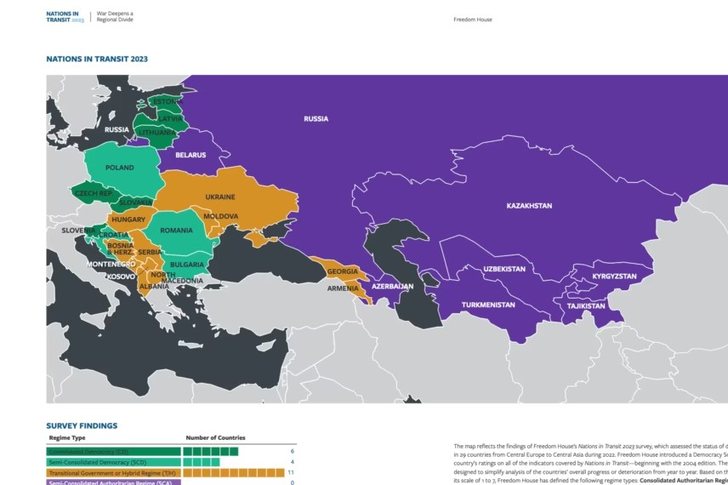
The organization Freedom House says that the impact of the...
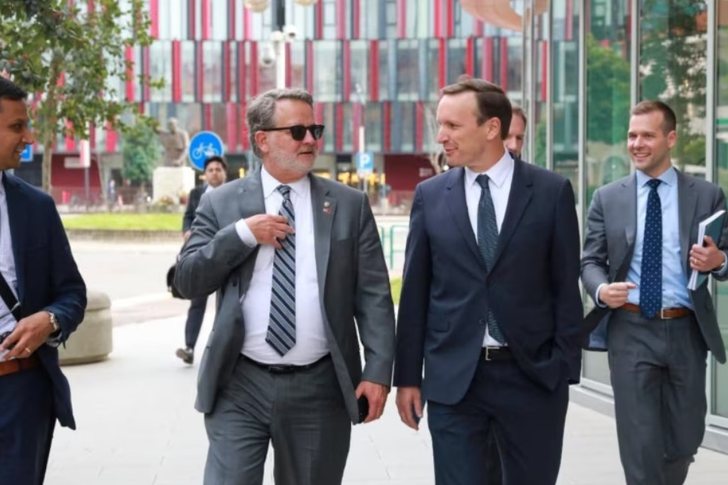
US Senators Chris Murphy, a member of the US Senate Foreig...
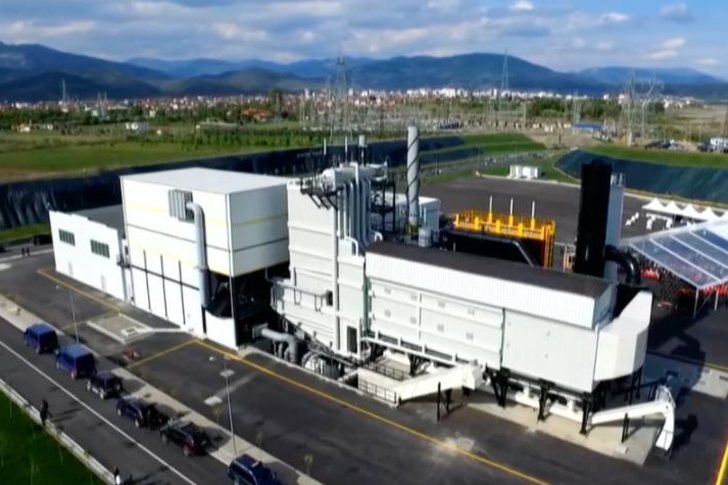
The Freedom House organization in its report has addressed...
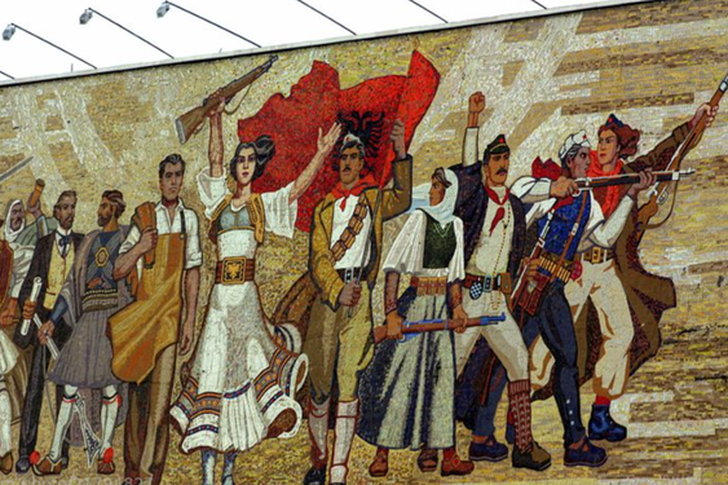
The "Albania" mosaic, as Prime Minister Rama calls it,...
The incinerators are a corrupt affair that starts in E...
Blendi Fevziu i është përgjigjur ofendimeve të Arjan Ç...
Academician Artan Fuga has described the approval of s...
Ekspertja e Komunikimit, Jonila Godole ka reaguar ashpër p...
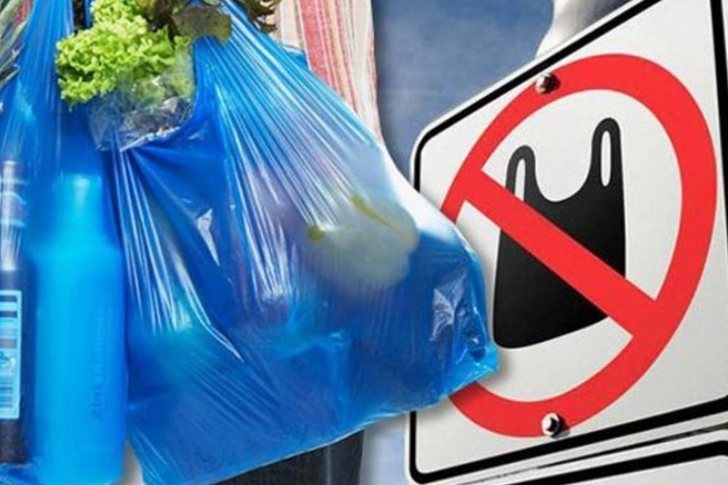
The Minister of Tourism and Environment, Mirela Kumbaro, a...
Shoqata e Himariotëve i ka bërë thirrje bashkëkombësve të ...
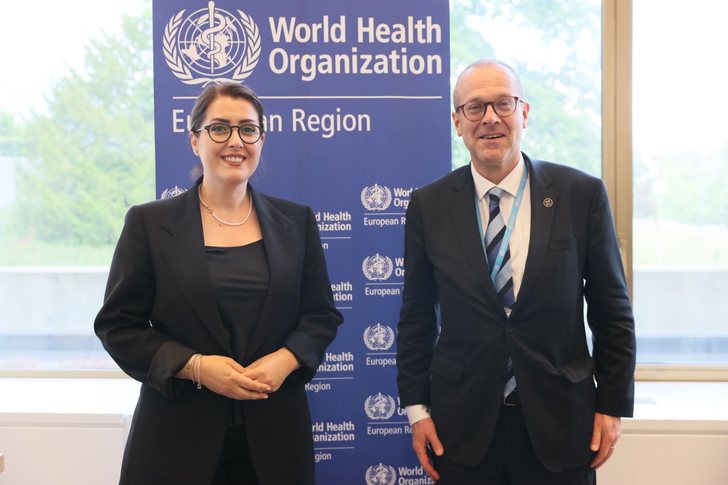
WHO Director for Europe, Dr. Hans Kluge evaluated Albania'...
Deputeti i PS-së, Erion Braçe ka luajtur sërish rolin ...
Ministri i Jashtëm i Greqisë, Nikos Dendias ka zbardhu...
The Shkodër Prosecutor's Office sends 10 people to cou...

The deputy of the Democratic Party, Flamur Noka, has infor...
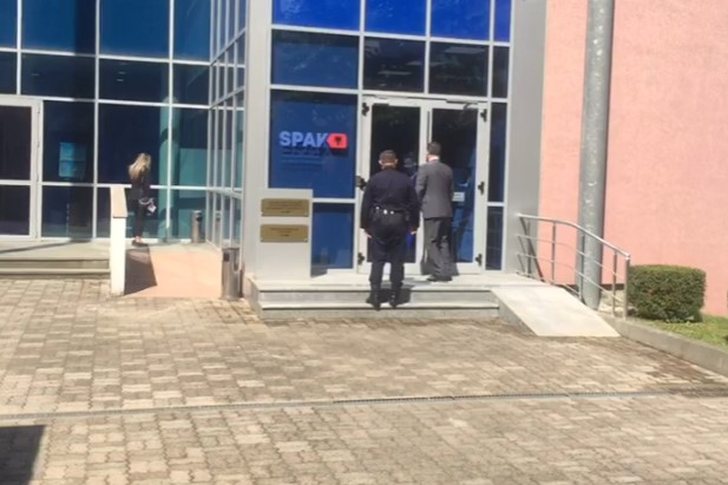
Sot, Deputeti i Partisë Demokratikë Flamur Noka është para...
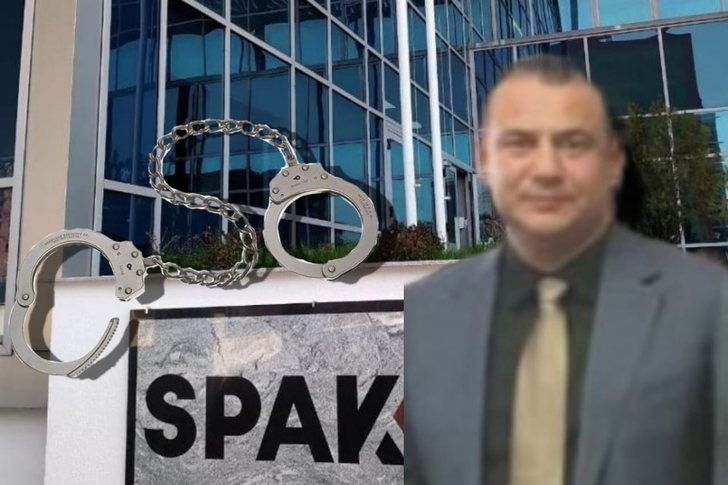
Mirel Mërtiri is often considered in the media as the "sha...

CNA has launched another investigation that could lead to ...

Irfan Hysenbelliu is a businessman that we call "Irfan the...

In March 2026, CNA launched another investigation centered...
The arrested mayor of Tirana, Erion Veliaj, with 13 charge...

The Special Board of Appeal (KPA) decided this Monday ...

The KPA vetting decided this Thursday to dismiss the p...

Suela Salavaçi, a prosecutor in the Prosecutor's Offic...

The Special Board of Appeal reinstated the prosecutor ...
A conflict occurred this Thursday evening in the toy area ...
A person has died today on Orikum beach. According to repo...
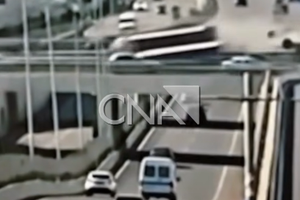
Footage emerges from the serious accident that occurred th...
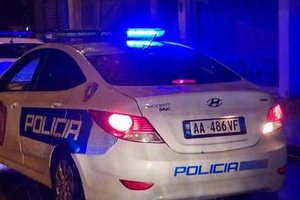
A Shkodra traffic police officer was hit with hard objects...

Children without parental care, for whom alternative famil...

On Thursday, our country will be under the influence of st...
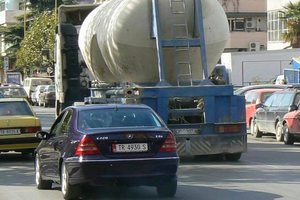
A serious accident that occurred this Wednesday with the c...

The Institute of Geosciences has shared a forecast for wea...
The European Union Office in Kosovo has called on all poli...
Serbian President Aleksandar Vučić, at a press conference ...
For the first time since the launch of the euro, European ...

Artificial intelligence (AI) models from the American comp...

At a time when industrial products are increasingly taking...

Trust among people is not just a three-syllable word. It c...

Master of humor Todi Llupi has passed away at the age of 7...

The ninth edition of "MIK Festival" kicked off with one of...
The average sale price of apartments in Tirana reaches rec...
This Thursday, one US dollar is bought for 81.5 lek and so...
The price of diesel reached 206 lek per liter from 198 lek...
Businesses will no longer be required to simply register t...