

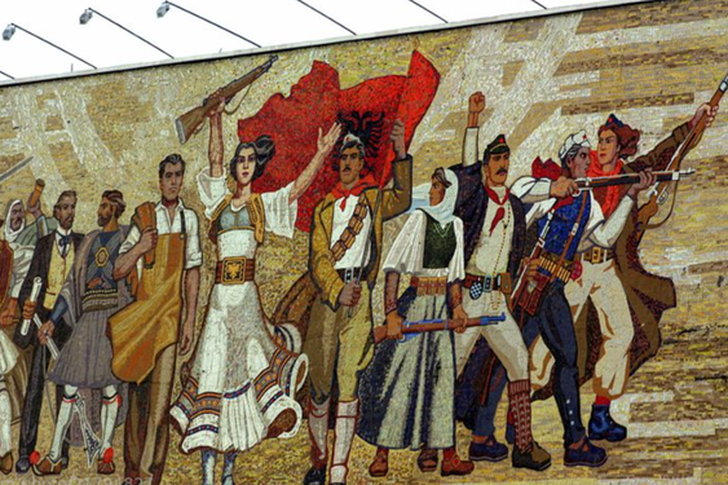
Eraser cannot erase history
The "Albania" mosaic, as Prime Minister Rama calls it,...


The Freedom House organization in its report has addressed several issues that have marked our country during the year.
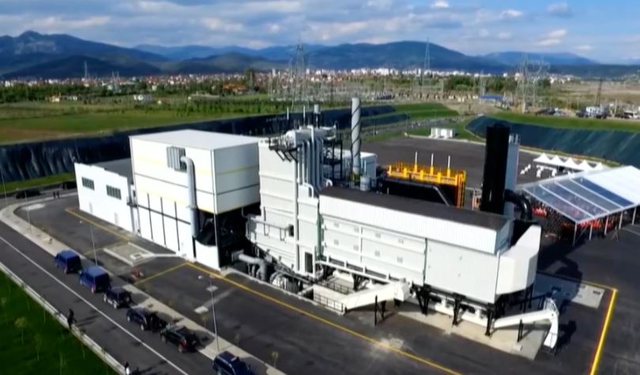
From the state of democracy in Albania to corruption and the independence of the judiciary, where the incinerator affair is also mentioned in the report.
"Given that public procurement contracts extend up to 30 years, it is estimated that these irregularities have cost Albanian taxpayers around 50 million euros. The exact amount of misused taxpayer money may never be known, making this procurement scandal one of the most controversial political issues in the country," the Freedom House report said, among other things.
Excerpts from the report
Corruption and Independence of the Judiciary
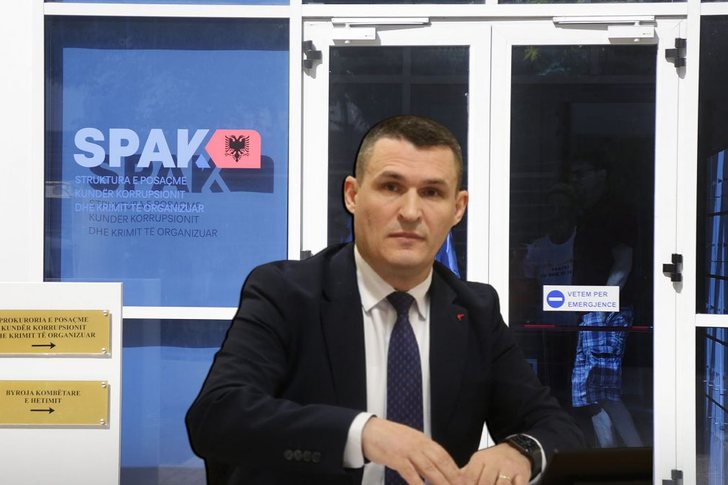
Thanks to the activity of SPAK, the fight against corruption was the only direction where Albania marked a slight improvement.
The report mentions the sentencing of former interior minister Saimir Tahiri to three and a half years in prison for abuse of office—the highest-profile case SPAK has successfully pursued since its establishment in 2019.
It is also mentioned the arrest of the deputy of the SP, Alqi Blako, under the charge of accepting a bribe of €120,000 while he was secretary general of the Ministry of Environment.
He is accused by SPAK of helping a company to win a public contract for incinerators. Blako was released from prison in October and is under house arrest while SPAK investigates three contracts for incinerators.
The report also mentions the arrest of several public officials related to these ongoing issues, who are already the subject of SPAK investigations for corruption and abuse of office.
Among those arrested is the former Minister of Environment Lefter Koka.
"Waste incinerators were the main subject of accusations of corruption in Albania during the year", says the report, which mentions that the accusations were first raised by Endri Shabani, of the #Thurje Initiative, and then by MP Monika Kryemadhi, former chairperson of LSI- now the Freedom Party, as well as the Democratic Party, which also opened the parliamentary investigation in March headed by the member of the Assembly Jorida Tabaku.
The investigation examined the legal process by which the government had awarded contracts for the construction of three waste incinerators in the municipalities of Elbasan (2014), Fier (2016) and Tirana (2017) - with a total value of 178 million euros.
"During the hearing, a government spokesperson indirectly admitted to some irregularities in the contract award criteria, where the companies that received the contracts were the only ones to bid," the report said.
"Given that public procurement contracts extend up to 30 years, it is estimated that these irregularities have cost Albanian taxpayers around 50 million euros. The exact amount of misused taxpayer money may never be known, making this procurement scandal one of the most controversial political issues in the country," the Freedom House report said.
As far as justice and the judiciary are concerned, the report mentions concerns about the delay of the vetting process, adding that under the pressure of the EU and the USA, the Assembly agreed to extend the verification process until December 31, 2024.
"The pressure from civil society and the political one on the process of judicial vetting has increased as delays in the justice system have caused legal, social, economic and political challenges in Albania. Access to justice has worsened and according to experts, it now takes more than three and a half years to start or finish proceedings due to a lack of judges," the report states, which continues that "since the 2017 reform, the judicial system has not has managed to attract new recruits and is on the verge of collapse".
Regarding the new judicial map, Freedom House says that while the international actors who defended judicial reform in Albania praised the map, it has been severely criticized by numerous lawyers' associations and civil society, which say that "reducing the number of courts will harm citizens' access to justice and will increase the cost of the judicial process as some citizens will have to travel over 200 kilometers to reach the court".
In protest of the new judicial map, the Albanian Bar Association instructed its members to boycott all court proceedings in July 2022, and lawyers across the country have refused to provide legal services.
"Despite the government's claims of increasing judicial effectiveness, rule of law observers argue that the reforms prioritize practicality over judicial effectiveness," the report states.
According to Freedom House, all these problems "have created distrust in justice"./ CNA.al

The "Albania" mosaic, as Prime Minister Rama calls it,...
The incinerators are a corrupt affair that starts in E...
Blendi Fevziu i është përgjigjur ofendimeve të Arjan Ç...
Academician Artan Fuga has described the approval of s...
Ekspertja e Komunikimit, Jonila Godole ka reaguar ashpër p...

The Minister of Tourism and Environment, Mirela Kumbaro, a...
Shoqata e Himariotëve i ka bërë thirrje bashkëkombësve të ...
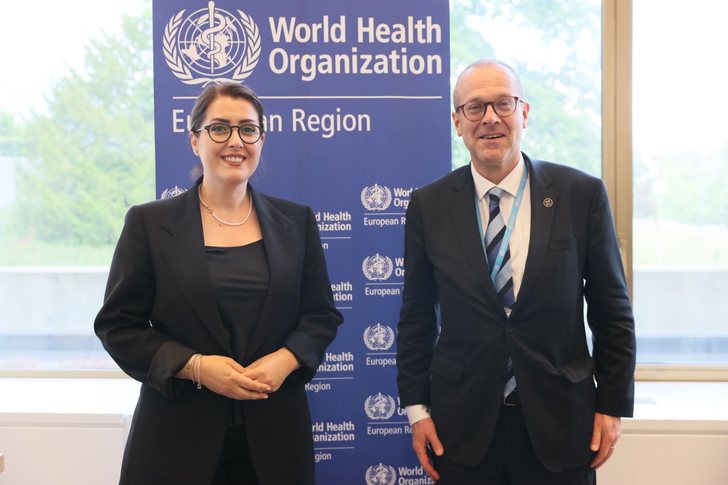
WHO Director for Europe, Dr. Hans Kluge evaluated Albania'...
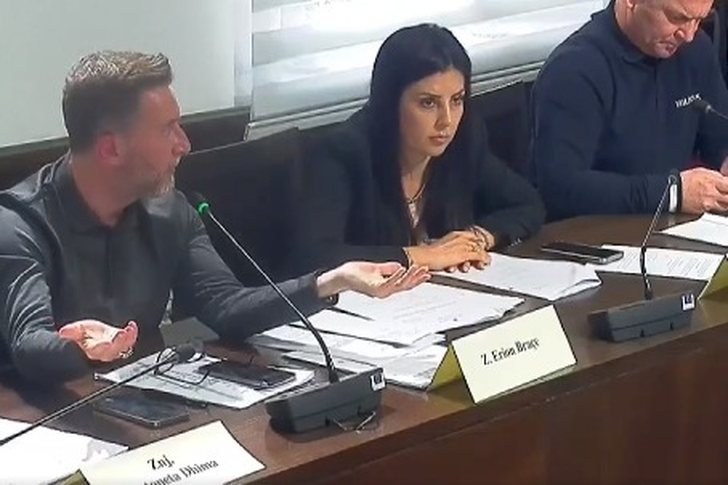
Deputeti i PS-së, Erion Braçe ka luajtur sërish rolin ...
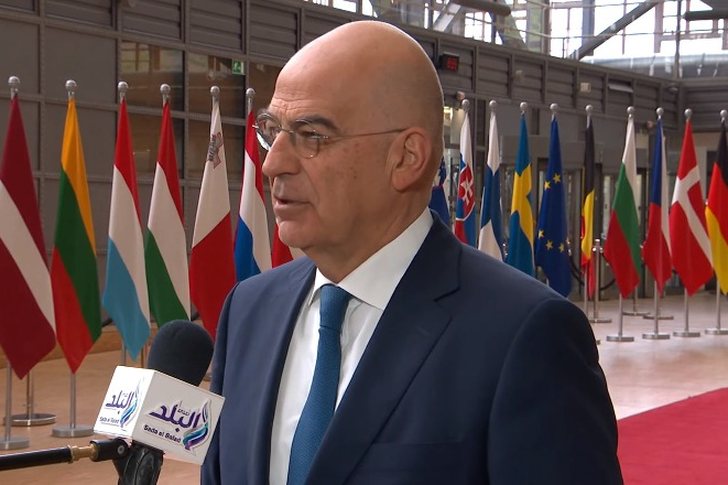
Ministri i Jashtëm i Greqisë, Nikos Dendias ka zbardhu...
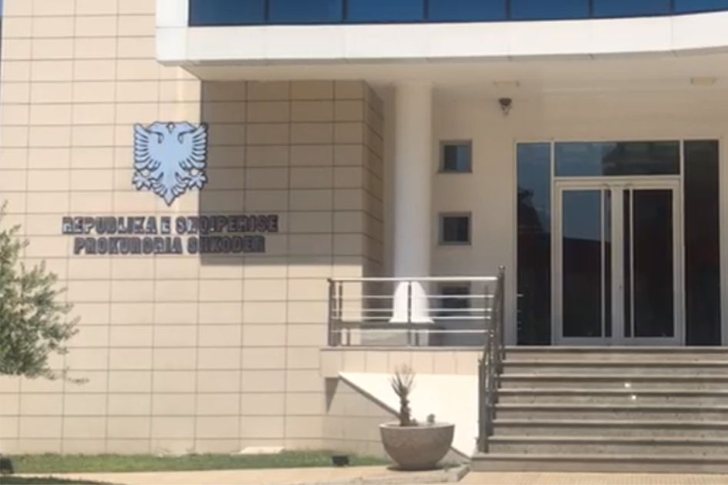
The Shkodër Prosecutor's Office sends 10 people to cou...

The deputy of the Democratic Party, Flamur Noka, has infor...
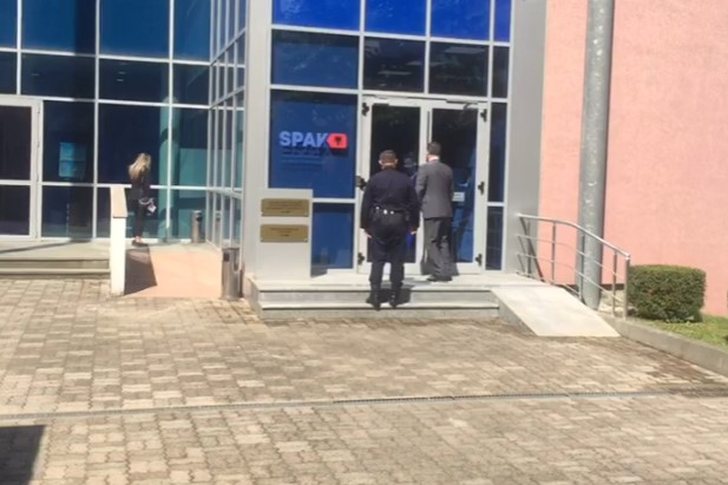
Sot, Deputeti i Partisë Demokratikë Flamur Noka është para...
Mirel Mërtiri is often considered in the media as the "sha...
Nesër fillon ndërhyrja për rehabilitimin e shtresave a...
Just like the Vlora court, the GJKKO decided the secur...
The winning candidate of the coalition "We win together" f...
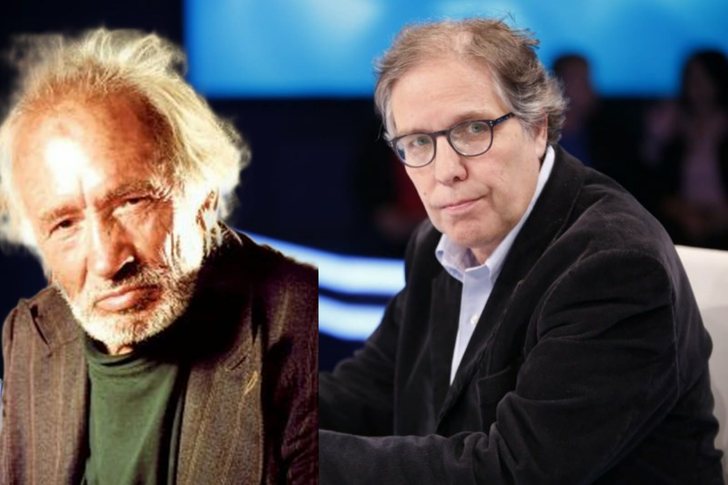
Pandi Gjiza is an iconic character in the city of Korç...
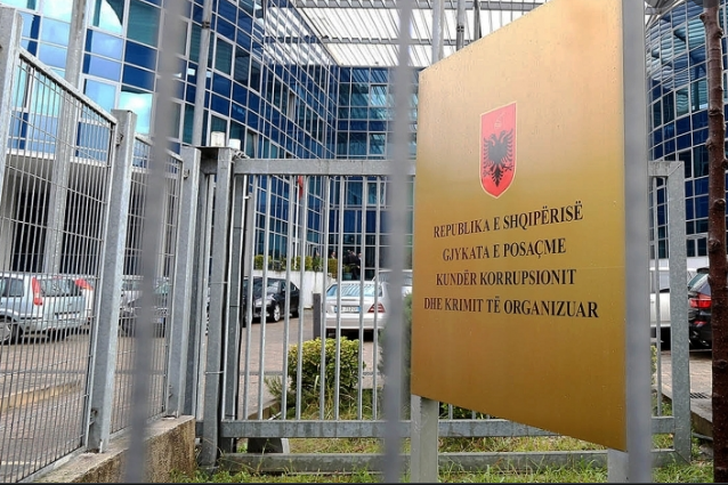
The court session for the Fier incinerator has been postpo...
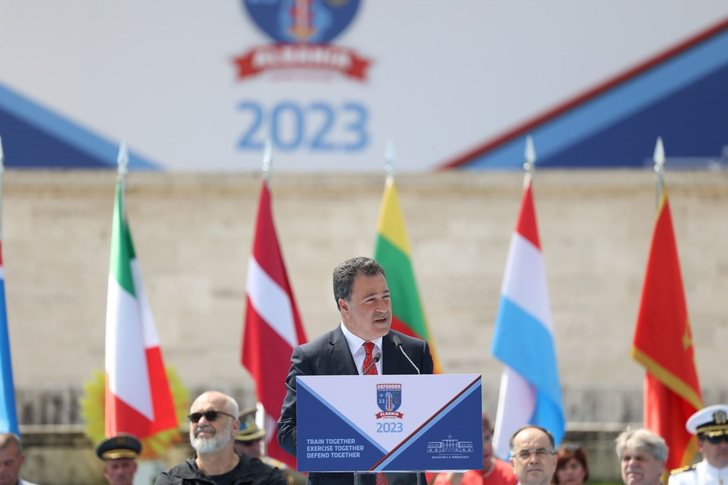
Today in Albania, the joint multinational exercise led by ...

CNA has launched another investigation that could lead to ...

Irfan Hysenbelliu is a businessman that we call "Irfan the...

In March 2026, CNA launched another investigation centered...
The arrested mayor of Tirana, Erion Veliaj, with 13 charge...

The Special Board of Appeal (KPA) decided this Monday ...

The KPA vetting decided this Thursday to dismiss the p...

Suela Salavaçi, a prosecutor in the Prosecutor's Offic...

The Special Board of Appeal reinstated the prosecutor ...
A conflict occurred this Thursday evening in the toy area ...
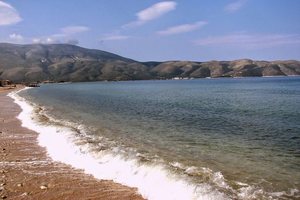
A person has died today on Orikum beach. According to repo...
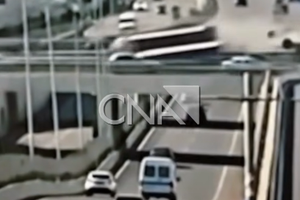
Footage emerges from the serious accident that occurred th...
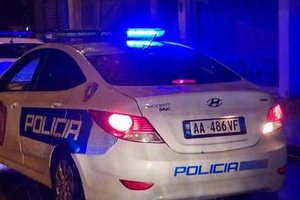
A Shkodra traffic police officer was hit with hard objects...

Children without parental care, for whom alternative famil...

On Thursday, our country will be under the influence of st...
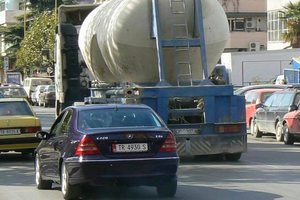
A serious accident that occurred this Wednesday with the c...

The Institute of Geosciences has shared a forecast for wea...

The European Union Office in Kosovo has called on all poli...
Serbian President Aleksandar Vučić, at a press conference ...

For the first time since the launch of the euro, European ...

Artificial intelligence (AI) models from the American comp...

At a time when industrial products are increasingly taking...

Trust among people is not just a three-syllable word. It c...

Master of humor Todi Llupi has passed away at the age of 7...

The ninth edition of "MIK Festival" kicked off with one of...
The average sale price of apartments in Tirana reaches rec...
This Thursday, one US dollar is bought for 81.5 lek and so...
The price of diesel reached 206 lek per liter from 198 lek...

Businesses will no longer be required to simply register t...