


Today's weather/ Here's how many degrees the thermometer will show
Today our country will be affected by stable weather condi...

Today our country will be affected by stable weather condi...

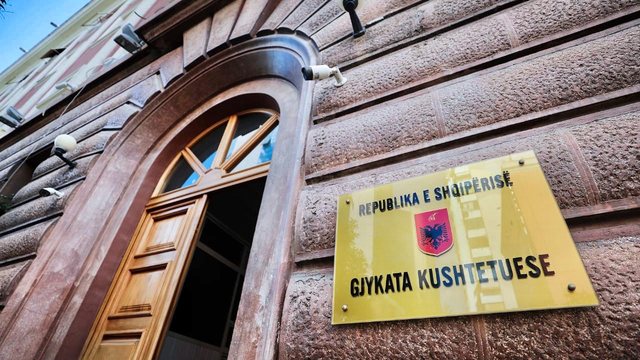
The Constitutional Court has clarified decision 44, where the appellant was Oneida Omeraj, who appealed the seizure of her cell phone by SPAK.
Oneida Omeraj's phone was seized due to the investigations being conducted by the Special Structure regarding former Deputy Prime Minister Arben Ahmetaj.
Eduard Halimi has provided an exhaustive explanation regarding the Constitutional Court's decision 44/2024 on the seizure of telephones and electronic devices and its importance.
He says that we are dealing with a balanced judicial decision, which strikes a balance between public interest (the fight against organized crime and corruption) and private rights.
It is in line with the highest standards established by over 45 decisions of the ECHR and relevant high courts in other CoE and EU countries. It has no retroactive effect, but serves as a strong guide for the future of criminal justice and human rights protection in Albania.
This was previously reported by CNA, which explained what the Constitutional Court's decision means. The phone is seized, in order to obtain relevant evidence of the communication of the person who has the phone, with a criminal, with another person for corruption, with a suspect who may be arrested, etc., the phone must be transferred to a court decision, to obtain from the mobile device only the segment that serves the investigation.
CNA reported that the Constitutional Court has granted the right for SPAK to seize phones, but says that before the phone is disassembled, permission must be obtained from the court for a specific segment to be taken from this phone.
So, not everything can be taken from the phone, because the phone has photos, it may have personal videos, with thousands of communications with other people, but according to the Constitutional Court, after seizing the phone, SPAK or prosecutors must go to court to obtain permission to disassemble the phone into segments that are of interest to the investigation.

"Issues we can learn from Decision 44/2024 of the Constitutional Court on the seizure of phones and electronic devices and its importance!"
The Court's decision 44/2024 comes after its fair decision regarding SkyECC and EncroChat a year ago, as well as after the controversial actions of wiretapping of members of this court by SPAK - issues that I myself analyzed a year ago.
Rasti në fjalë përmend gjithashtu se në telefonin e sekuestruar (objekt i këtij gjykimi) janë gjetur komunikime të një anëtari të GJK me familjarë të ankueses (faqe 5), duke ngritur sërish çështjen e konfliktitbtë interesit dhe përjashtimit të gjyqtarit (i cili më parë kishte dhënë dorëheqje).
Kjo ringre sërish diskutimin për proporcionalitetin, por edhe për presionin e mundshëm dhe për kompleksimin e palëve në proces.
Është e rëndësishme të theksojmë paraprakisht se sekuestrimi i telefonit u bë ndaj një personi që nuk ishte nën hetim dhe pa praninë e avokatit (f. 17). Ankuesja e dorëzoi telefonin me pëlqimin e saj dhe nënshkroi procesverbalin pa vërejtje.(Shënimi im: Mos e dorëzoni kurrë telefonin pa vendim gjykate. Mos jepni pëlqim verbal/oral dhe mos nënshkruani procesverbale pa konsultim me avokatin tuaj.)
Tani le të shohim pikat kyçe të vendimit që kanë interes të madh për praktikën penale:
1. Vendimi nuk ka efekt prapaveprues për raste të ngjashme sekuestrimësh apo hetimesh ku nuk është bërë ankim kushtetues më parë ose ku procesi është përfunduar. (F. 59) Ai ka fuqi vetëm për rastet e reja. (Shënimi im: Nëse mendoni se ju janë shkelur të drejtat, bëni menjëherë ankim kushtetues, sepse bien në dekadencë.)
2. Të dhënat që përmban një telefon celular në përdorim janë të dhëna personale dhe mbrohen nga neni 35 i Kushtetutës. (f. 20)
3. Komunikimet në telefon, ËhatsApp, Signal, Facebook, etj. (nëpërmjet telefonit, kompjuterit apo iPad-it, me SMS, email, etj.) janë forma të korrespondencës elektronike dhe ekuivalente me korrespondencën tradicionale me letra e zarfa, prandaj mbrohen nga neni 36 i Kushtetutës. (f. 23)
4. Sekuestrimi i telefonit/kompjuterit/iPad-it etj., si dhe i të dhënave elektronike dhe korrespondencës (përfshirë kopjimin dhe ruajtjen e tyre) pa vendim gjyqësor specifik përbën ndërhyrje intensive dhe shkelje të rëndë të nenit 8 të KEDNJ-së dhe neneve 35 & 36 të Kushtetutës. (f. 24–26)
5. Dhënia e pëlqimit nga personi për dorëzimin e celularit pa praninë e avokatit nuk përbën heqje dorë nga mbrojtja e neneve 35/36 të Kushtetutës. (f. 27)
6. Nënshtrimi pa vërejtje i procesverbalit të sekuestrimit apo këqyrjes së telefonit/PC/laptop nuk përbën heqje dorë nga të drejtat e neneve 35/36 të Kushtetutës. (f. 28–29)
7. "Modus operandi" i ndjekur deri tani (sekuestrim i telefonit + marrje dhe kopjim i të dhënave pa kontroll gjyqësor) është “ndërhyrje intensive” në privatësi dhe duhet të bëhet vetëm me autorizim paraprak nga gjykata. (f. 41–42)
8. Telefonat inteligjentë nuk janë “sende të zakonshme”. Marrja e të dhënave dhe aksesimi i gjerë i tyre përbën shkelje “veçanërisht të rëndë” dhe sensitive sipas GJEDNJ-së dhe GJK-së të neneve 8 KEDNJ dhe 35/36 Kushtetutë. (f. 42)
9. Marrja e telefonit nga OPGJ pa vendim paraprak gjyqësor (edhe në kushte emergjence) nuk justifikon kopjimin e të dhënave. Procesi i mëtejshëm duhet t’i nënshtrohet kontrollit gjyqësor "ex ante". (f. 42)
10. Even when the seizure has prior authorization from the court, the method of searching and selecting the data must be subject to judicial control at the request of the prosecutor and by decision of the court. (p. 43)
11. Seizure and retrieval of data must follow these rules:
a) be done in the presence of the individual and the lawyer
b) prohibit making copies without a court order
c) to separate data that is important from those that enjoy special legal protection
d) any intervention must have real judicial control
e) follow the principle of minimization (pages 48–49)
12. Copying data that is not related to the investigation seriously violates the confidentiality of correspondence and is not proportionate. This data should be destroyed even when the phone is seized for a long time by the prosecution.
This decision is a balanced judgment: it strikes a balance between the public interest (the fight against organized crime and corruption) and private rights. It is in line with the highest standards set by over 45 decisions of the ECHR and relevant high courts in other CoE and EU countries.
"It has no retroactive effect, but serves as a strong guide for the future of criminal justice and human rights protection in Albania," writes Eduard Halimi./ CNA

The Embassy of the Netherlands in Albania has reacted afte...
Gazetarja Klodiana Lala ka ndarë sot detaje lidhur me shty...
The leader of the Republican Party, Fatmir Mediu, has comm...
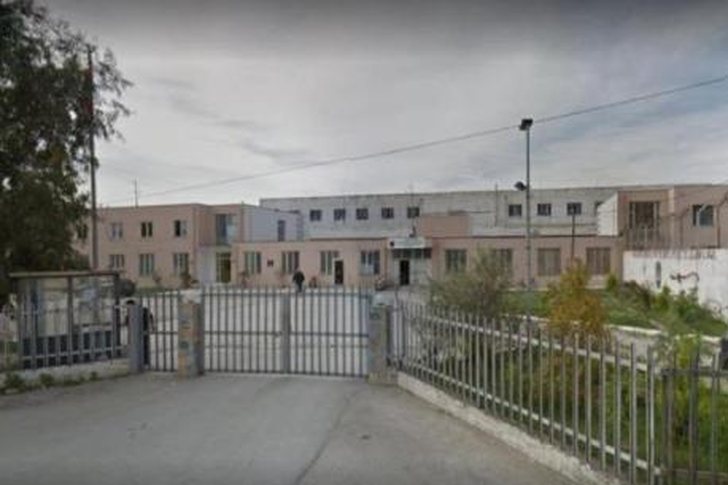
This Thursday, the new director of Durrës Prison was appoi...
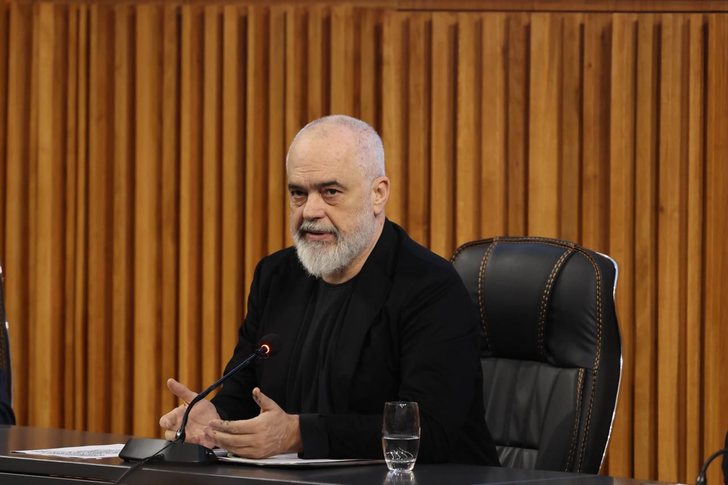
Prime Minister Edi Rama held a meeting today with 40 recto...
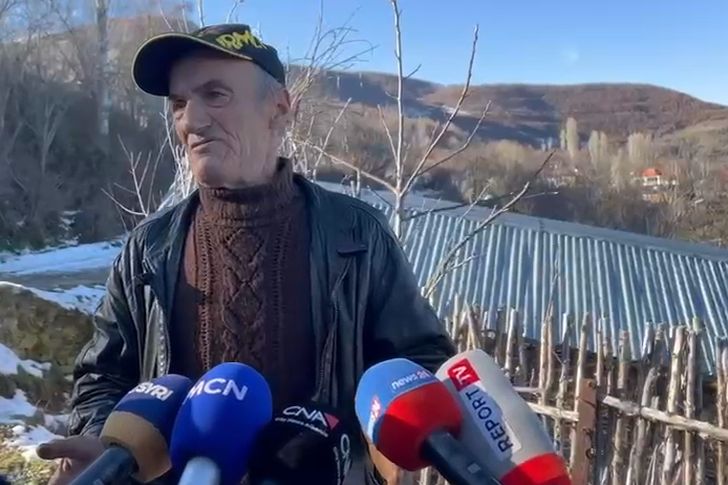
Gjykata e Apelit në Tiranë ka ndryshuar masën e sigurisë n...
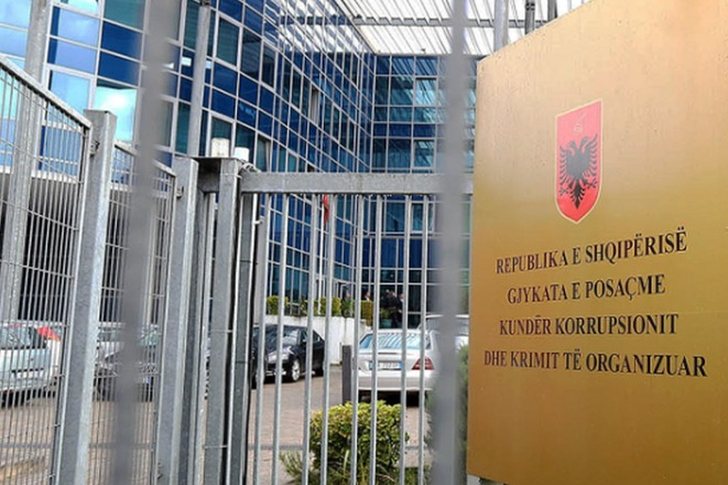
The trial for the kidnapping and disappearance of Jan Pren...
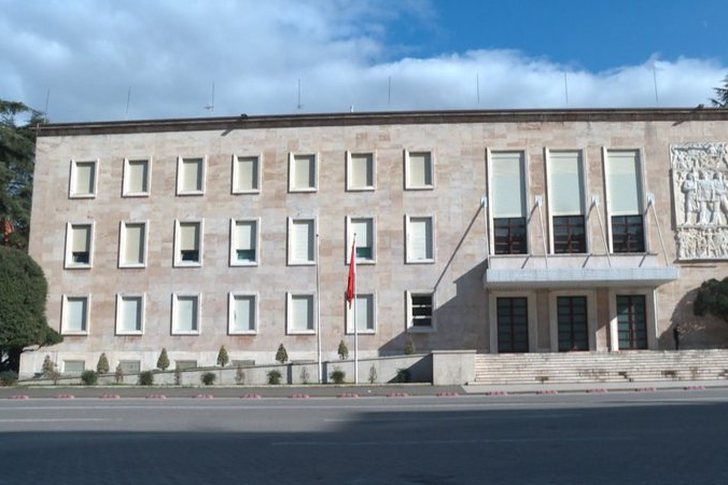
Sources for CNA confirm that Prime Minister Edi Rama has a...

The Constitutional Court has released decision 44, dated J...
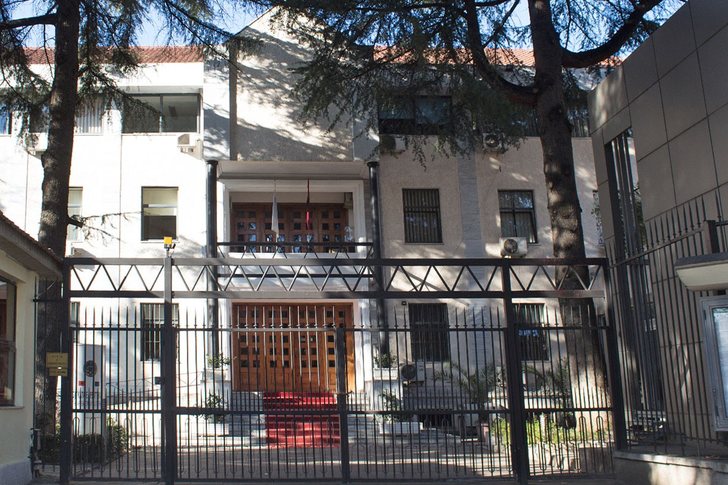
The Court of Appeal in Tirana has changed the security mea...

Agron Malaj's MP has lost the legal battle with MP Xhelal ...
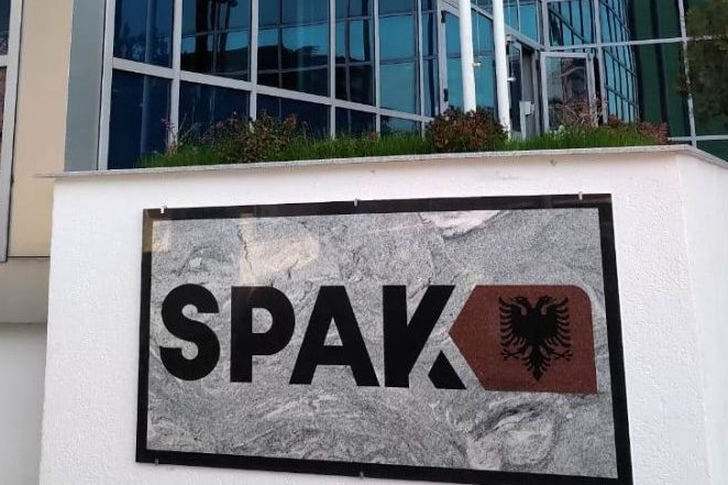
The Special Prosecution Office has closed the investigatio...
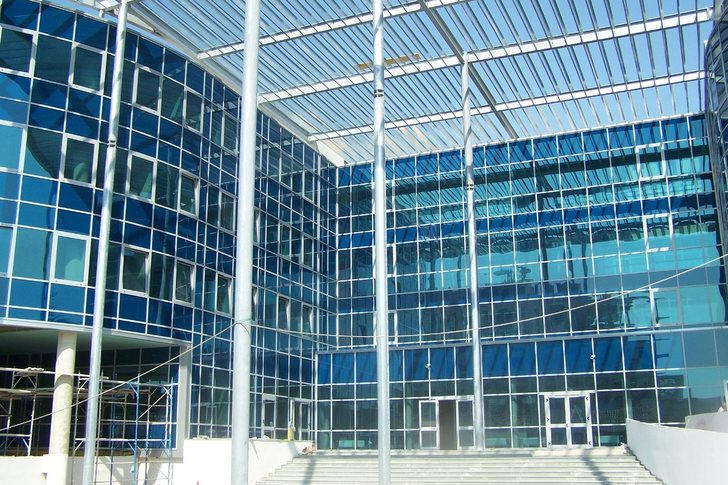
The Ambassador of the Netherlands to Albania, Reinout Vos,...

The hearing for the "Golden Bullet" case has been postpone...

Foreign Minister Elisa Spiropali has reacted to the opposi...
The search for Altin Ndocin, who escaped from detention in...
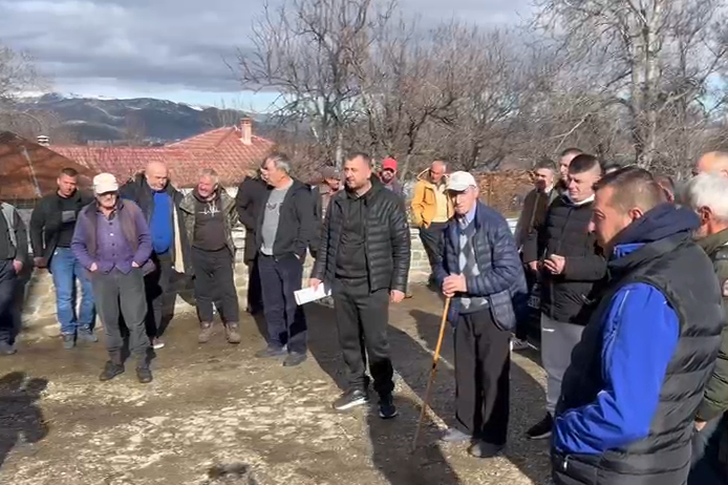
Banorët e fshatrave Taç i Sipërm dhe Prodan në Kolonjë kan...

DP Presidency Member Grigels Muçollari has reacted to the ...
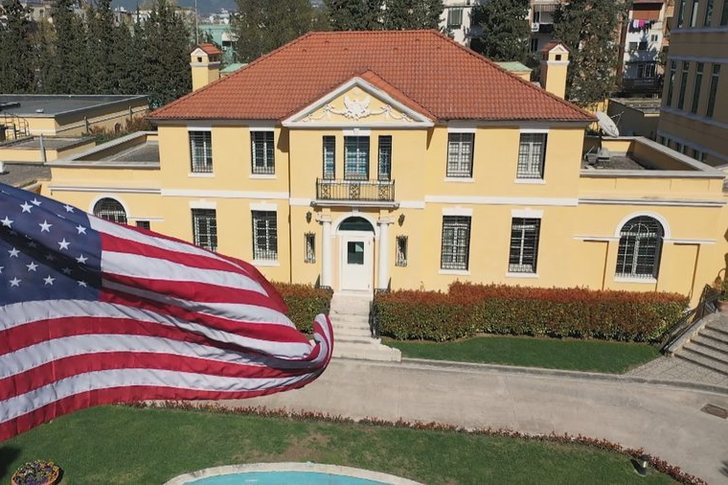
The US Embassy in Albania has reacted to the suspension of...
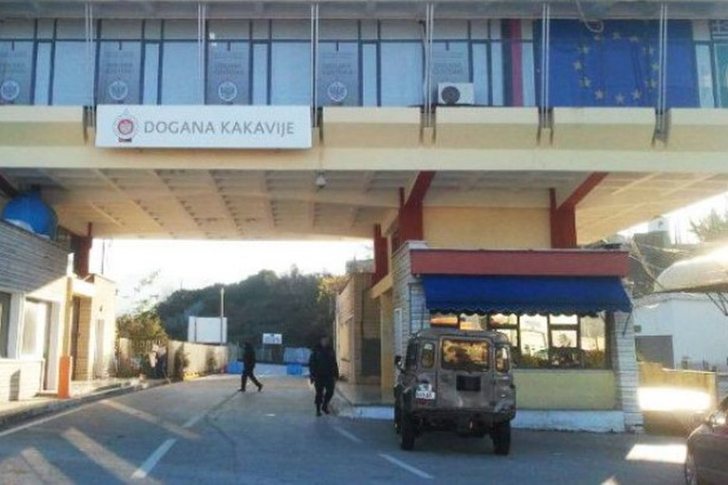
The Kakavija-Ioannina road will be closed again today due ...
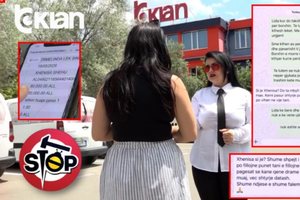
The next case broadcast on the show "Stop", this Thursday,...
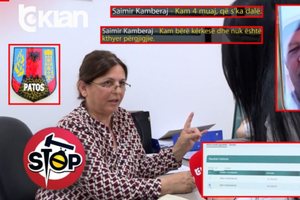
The case published this Thursday, June 4, on the show "Sto...

The protests of recent days related to the situation in Zv...
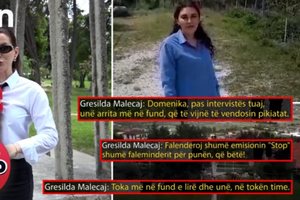
The case addressed this Wednesday, June 3, on the show "St...

The Special Board of Appeal (KPA) decided this Monday ...

The KPA vetting decided this Thursday to dismiss the p...

Suela Salavaçi, a prosecutor in the Prosecutor's Offic...

The Special Board of Appeal reinstated the prosecutor ...
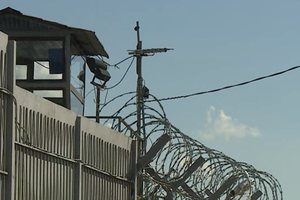
A convict was found dead today in the premises of the Pris...

Several images provided by CNA show the area where this mo...

A quantity of explosive material exploded this morning at ...
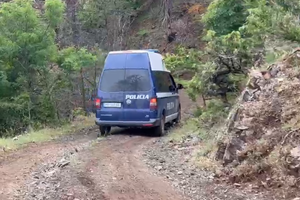
Witnesses in Lozhan, Maliqi, have shared details from the ...

Today our country will be affected by stable weather condi...

For many children and teenagers, the long summer holidays ...

Albania is facing an unprecedented demographic transition,...

On Thursday, our country will be affected by unstable weat...

Russian President Vladimir Putin said the war in Ukraine c...

An extraordinary story of survival has been recorded in Ne...
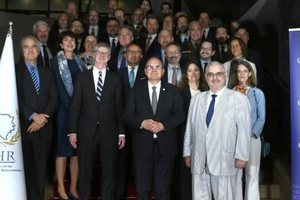
The Peace Implementation Council in Bosnia and Herzegovina...

John Bolton, the former national security adviser to US Pr...

Korça is ready to open the summer season with one of the c...
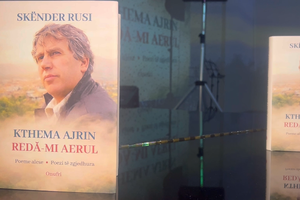
Two years after his passing, the renowned Korçë poet Skënd...

The Ethnographic Museum of Berat has opened its doors to v...
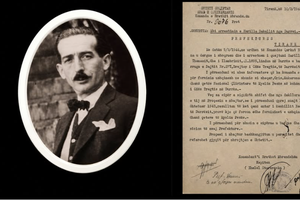
The story of Harilla Bakalli is one of the most chilling t...

The government aims to transform the country's industrial ...

Kursi i këmbimit të euros me lekun ka rënë më tej këtë jav...

Profit margins in the construction sector have increased s...

The Transparency Board, at its meeting today, decided to i...