


Tensions in protest/ Metal fence removed, eggs and tomatoes thrown at police
The first tensions have begun at the protest in front of P...

The first tensions have begun at the protest in front of P...

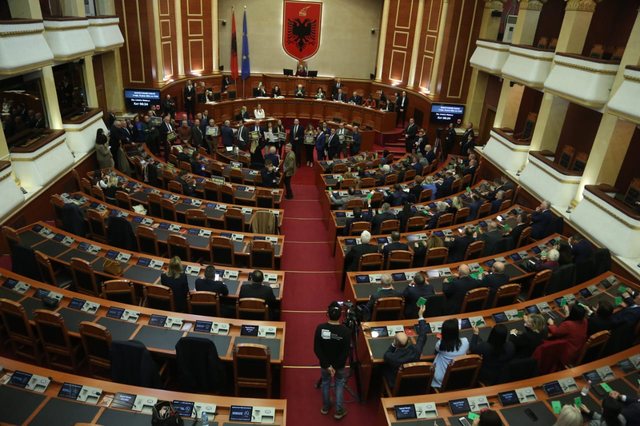
The Institute of Political Studies (ISP) has issued a statement regarding the end of the term of the Special Commission for Electoral Reform and the expectations for reform
The ISP declares that the failure of the Commission is the failure of the Assembly to address its responsibilities and the failure of the vision, ability and integrity of the main constituent political parties.
Also, ISP states that the Assembly did not address the decisions of the Constitutional Court, the suggestions of the Venice Commission, the recommendations of ODIHR, although Albania has entered an election year.
The Institute of Political Studies appeals to the Assembly to change its approach and reflect on the failure.
Full statement:
The Special Electoral Reform Commission requested at the beginning of the 2021 legislature and established in 2022 consumed the fourth parliamentary mandate without managing to fulfill its goals or implement any element of the electoral reform.
Debates about legitimacy and co-leadership dominated its activity, and only in recent months the commission organized partial hearings with civil society organizations, political parties and institutions involved in electoral processes.
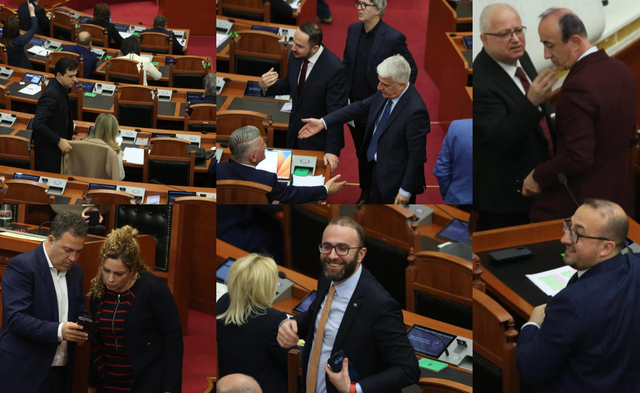
1. The failure of the Commission is in its essence the failure of the Assembly of Albania to address its responsibilities regarding the country's need for functional, comprehensive and transparent electoral reform. The Assembly contented itself with the extensions of the time mandates without analyzing, debating or demanding accountability regarding the product, as well as creating the wrong idea that the reform would take place.
2. The failure of the Commission is also a failure of the vision, ability and integrity of the main constituent political parties, especially the leaders of the commission, who allowed the political interests of the day to superimpose the public, institutional and legal interest and responsibility for electoral reform. They ignored calls from civil society, citizens, international partners and treated the reform as an internal issue of parties with a veto of direction.
3. Essential issues such as the decisions of the Constitutional Court on the vote of the diaspora, the initiator and independent candidates, the suggestions of the Venice Commission, as well as proposals and constructive ideas that were attached to the unresolved recommendations of the ODIHR, but also the worrying issues related to the legislation not effective on political parties, on electoral and periodical financing, as well as on the misuse of state resources in the electoral campaign, - still remain unaddressed by the Assembly, although Albania has entered an election year.
In the new circumstances when the Assembly has warned that a subcommittee within the Laws Commission will address electoral issues, i.e. an unstable structure, with a more limited mandate and no guarantee of concrete results, Albania risks going to the 2025 elections without reform election.
The Institute of Political Studies (ISP) appeals to the Assembly to change its approach and reflect on the failure, to enable and guarantee a comprehensive and transparent process, which addresses not only the recommendations of the ODIHR/OSCE and the decisions of the Constitutional Court, but also public expectations. and civil society recommendations for reforming the representative system, equality and standards, integrity and transparency.
This is the first test and condition that Albania must do in the EU alignment process, a status that requires from the candidate country fair and widely accepted elections, functional democracy and respect for the values ??of freedom, integrity and the rule of law. ./ CNA

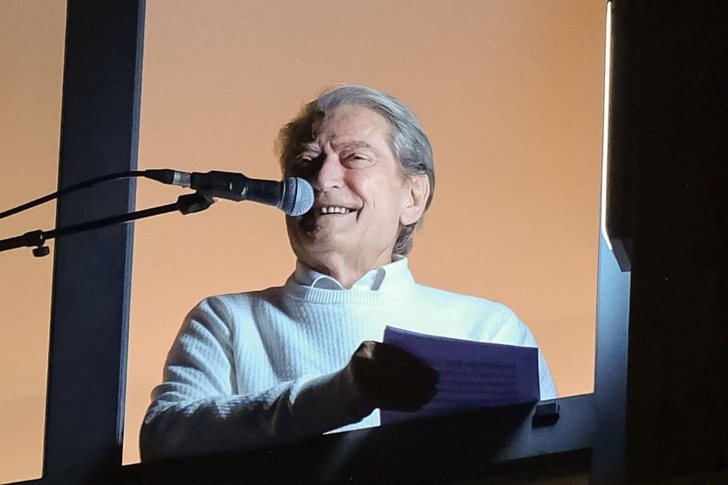
The chairman of the Democratic Party, Sali Berisha, ha...
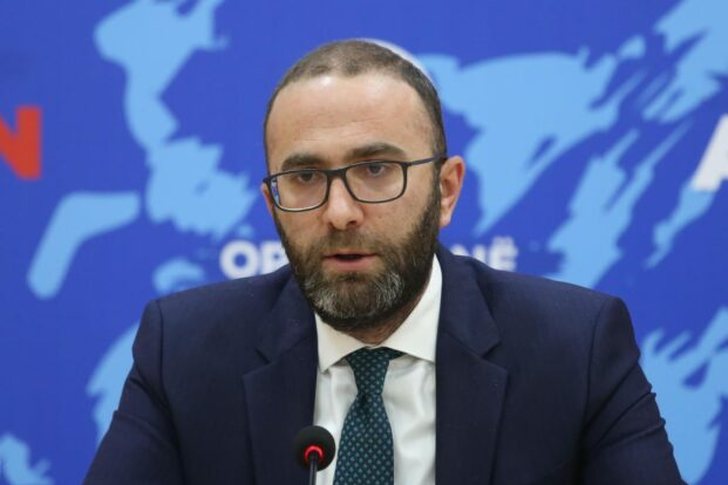
The vice president of the Democratic Party, Gazment Ba...

This Saturday, the acting mayor of Himara, Jorgo Goro,...
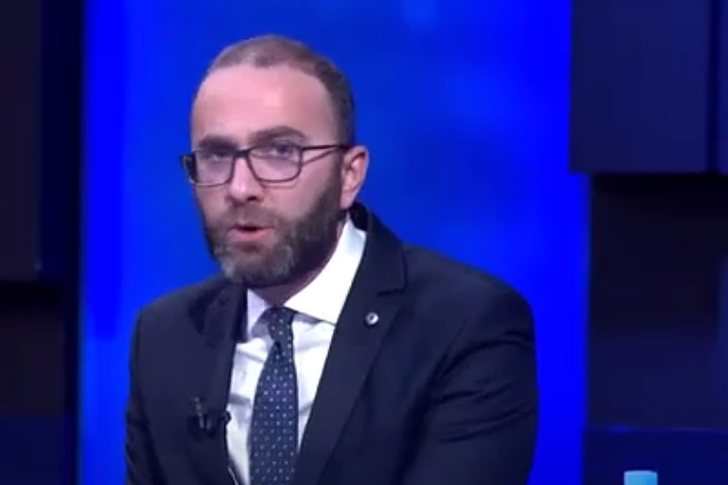
The vice-president of the Democratic Party, Gazment Ba...

A detail that attracted attention in Thursday's plenar...
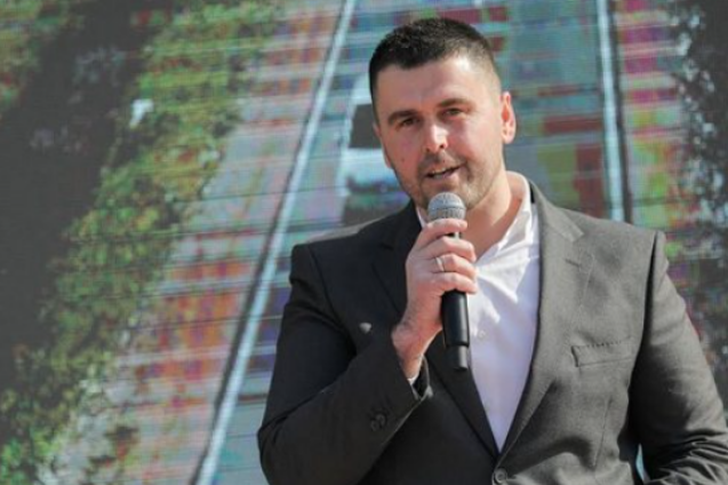
The mayor of Rrogozhina under investigation by SPAK, E...
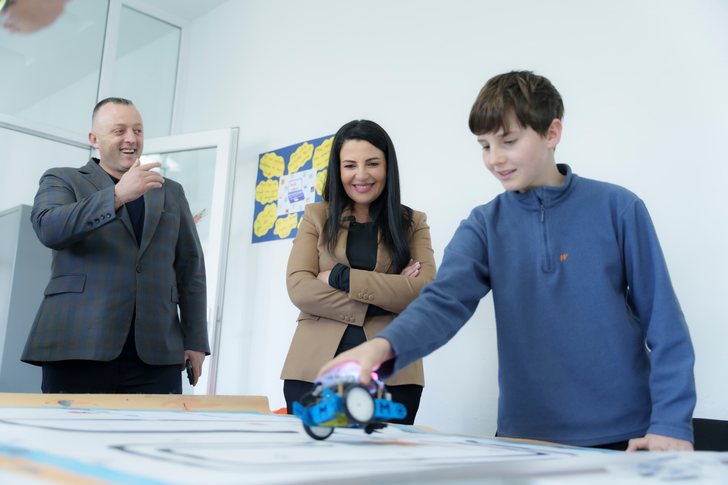
In the municipality of Mati, the ICT Innovation Center...
The spokeswoman for Anti-Corruption in the Democratic Part...
Të hënën do të mblidhet komisioni hetimor për Shëndetësinë...
On Friday, DP General Secretary, Flamur Noka, accompan...
The member of the leadership of the Democratic Party, ...
Dashnor Sula, deputy of the Democratic Party, has started ...
Gjatë intervistës së mbërmjes së djeshme në emisionin ...
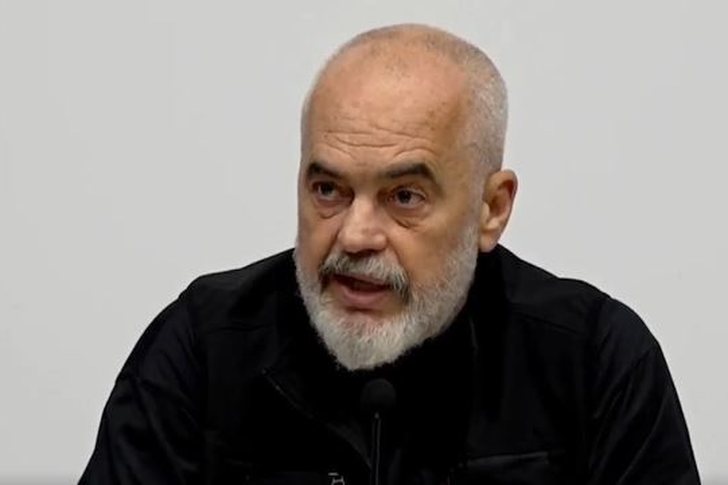
Prime Minister Edi Rama has congratulated all Bektash beli...
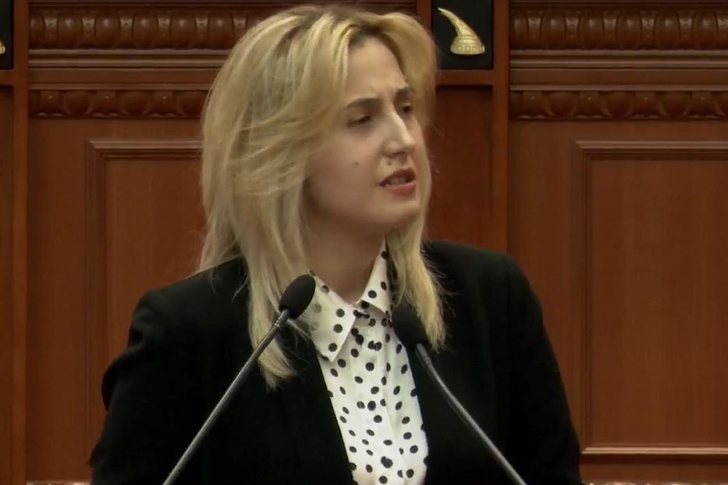
In Thursday's plenary session, the deputy of the Democ...
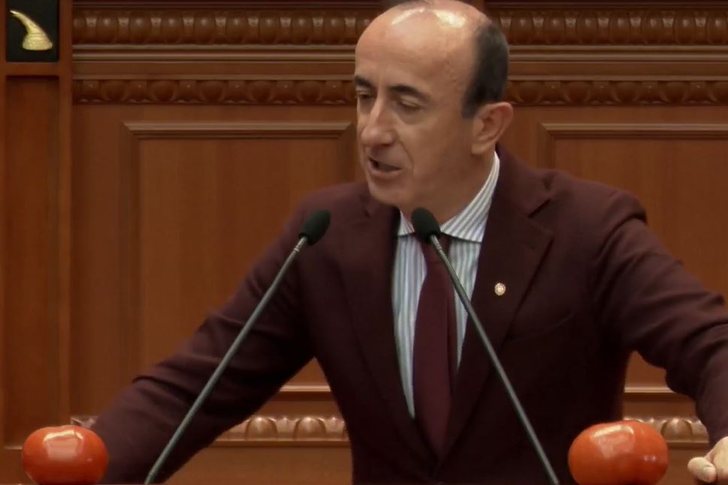
Deputy Dashnor Sula went to the Assembly today with tw...
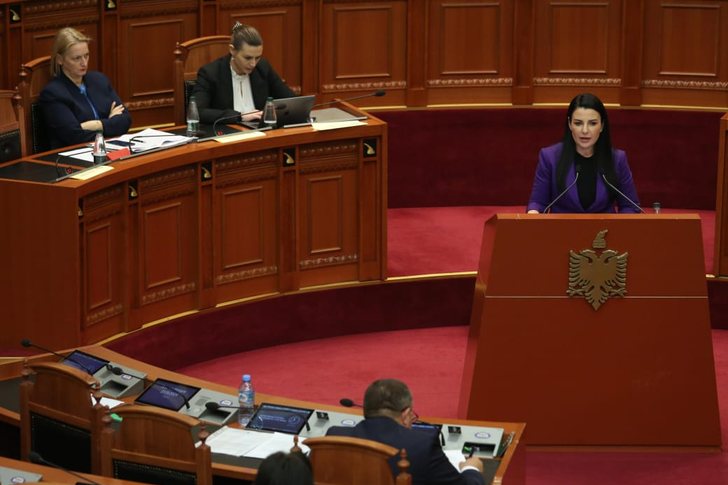
The Minister of Infrastructure and Energy, Belinda Bal...
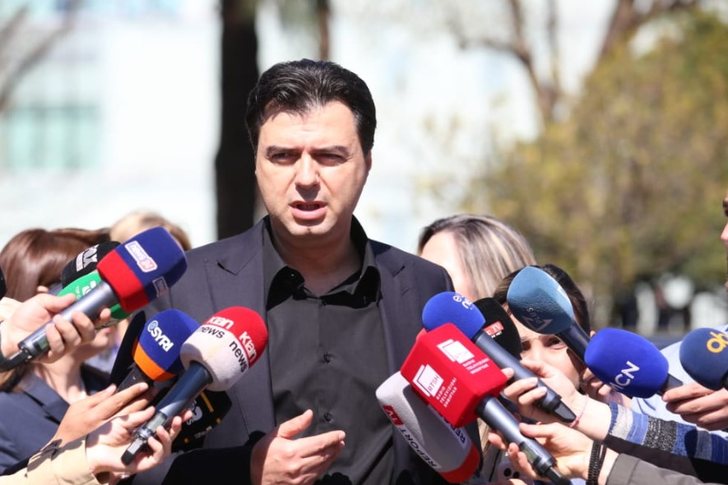
Lul Basha's beauty sleep was interrupted this Thursday...
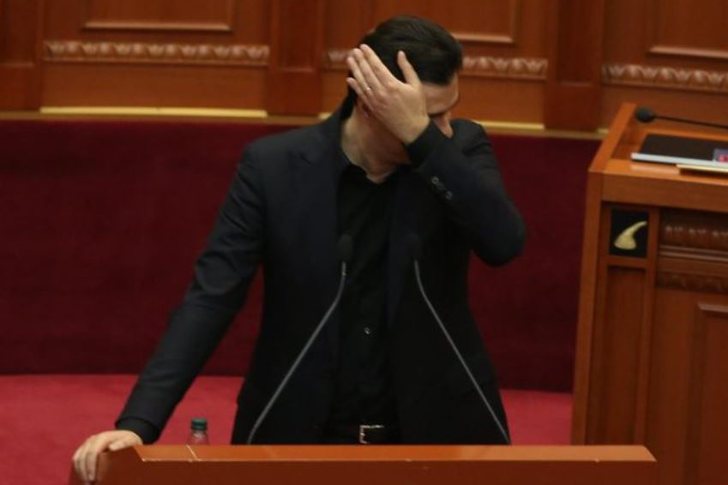
Unlike the other sessions, there was no chaos in today...
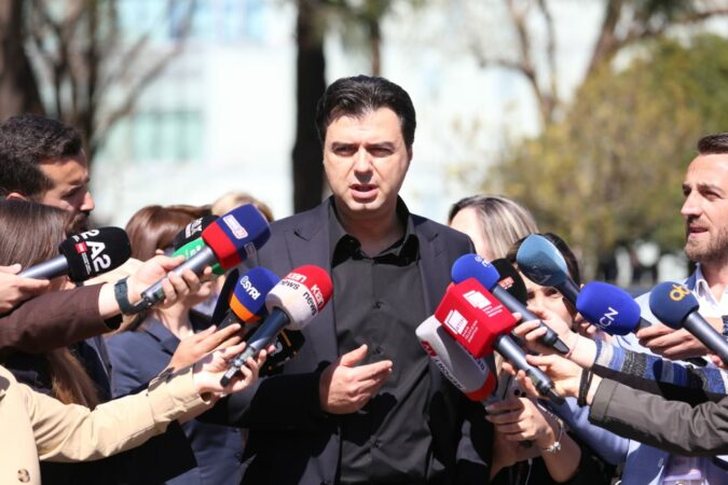
After the speaker of the Assembly, Lindita Nikolla, ex...

CNA has launched another investigation that could lead to ...

Irfan Hysenbelliu is a businessman that we call "Irfan the...

In March 2026, CNA launched another investigation centered...
The arrested mayor of Tirana, Erion Veliaj, with 13 charge...

The Special Board of Appeal (KPA) decided this Monday ...

The KPA vetting decided this Thursday to dismiss the p...

Suela Salavaçi, a prosecutor in the Prosecutor's Offic...

The Special Board of Appeal reinstated the prosecutor ...
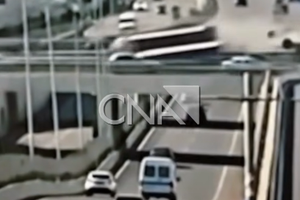
Footage emerges from the serious accident that occurred th...
A Shkodra traffic police officer was hit with hard objects...
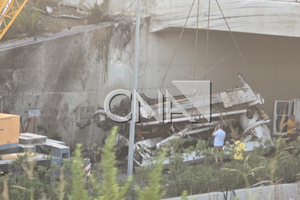
This Wednesday, around 4:00 PM, a serious accident occurre...
Tirana Police have shared details regarding the accident t...

On Thursday, our country will be under the influence of st...
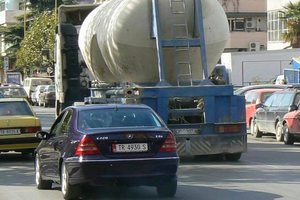
A serious accident that occurred this Wednesday with the c...

The Institute of Geosciences has shared a forecast for wea...
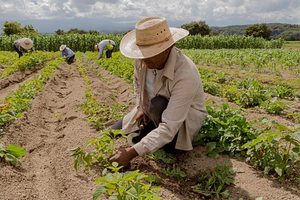
Rising energy and fertilizer prices are expected to contin...

Artificial intelligence (AI) models from the American comp...
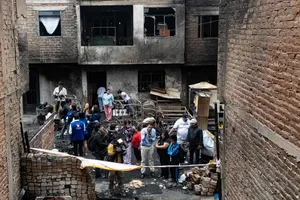
At least 10 people have died after a fire broke out in a h...
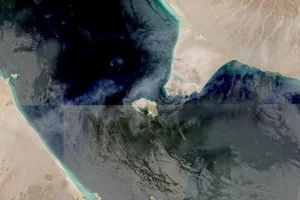
Yemen's Houthis have claimed to have attacked two Saudi oi...
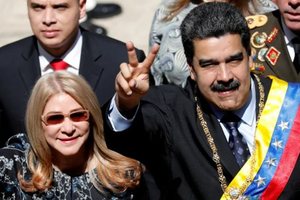
The trial of ousted Venezuelan President Nicolas Maduro on...

At a time when industrial products are increasingly taking...

Trust among people is not just a three-syllable word. It c...

Master of humor Todi Llupi has passed away at the age of 7...

The ninth edition of "MIK Festival" kicked off with one of...
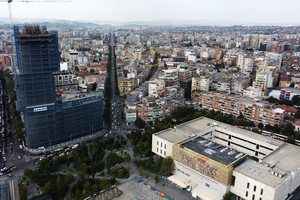
The average sale price of apartments in Tirana reaches rec...

This Thursday, one US dollar is bought for 81.5 lek and so...
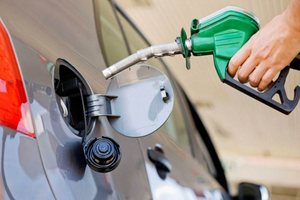
The price of diesel reached 206 lek per liter from 198 lek...

Businesses will no longer be required to simply register t...