


Second victim of bad weather/ Fisherman drowns in Ksamil
Citizen MH, 61, a fisherman, was found dead near the islan...

Citizen MH, 61, a fisherman, was found dead near the islan...

On December 18, Azerbaijani oil products began to be exported to Armenia as part of the peace agenda. This process includes the delivery of 22 tank cars of AI-95 fuel produced by the State Oil Company of Azerbaijan (SOCAR).
This step, in fact, marks a qualitative change in the very nature of Azerbaijani-Armenian interaction. For the first time in a long period, economic factors are coming to the fore, combined with political agreements, serving as an additional means of stabilization and confidence-building. The agreement reached on November 28 in Gabala, Azerbaijan, between the Deputy Prime Ministers of Azerbaijan and Armenia, Shahin Mustafayev and Mher Grigoryan, is of a practical nature and reflects the concept of economic dividends from the peace process.
This agreement contributes to the development of economic and trade relations between the two countries and to the expansion of ties between regional states in the future. In other words, the fuel delivery serves as a symbolic starting point for a new phase of economic contacts.
Such a scenario was difficult to imagine just a few years ago, but today the world is witnessing Baku and Yerevan returning to the basic principles of economic interaction. Mechanisms like these hold the greatest potential for long-term stability, as they create an objective interest for both sides in maintaining stable relations and a predictable environment.
In fact, a pattern is emerging in which countries in the region, marked for decades by bloody conflicts, are beginning to see stability and open communication as a collective interest.
While previous discussions focused solely on the transit of Kazakh and Russian grain through Azerbaijani territory to Armenia, today we are witnessing the export of Azerbaijani oil products to a neighboring country, which fits organically into the concept of economic dividends of peace.
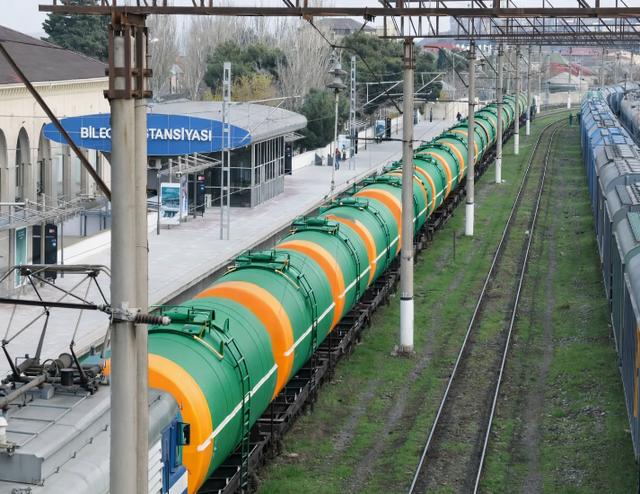
In this case, the peace process ceases to be an abstract political construct and takes on a concrete dimension, expressed through the flow of goods, capital, and investment. This lays the foundation for the gradual restoration of trade and economic ties severed by years of conflict, and contributes to the formation of a new system of regional interdependence, in which the breakdown of relations becomes economically disadvantageous.
In this context, the implementation of the Zangezur Corridor (the corridor connecting the main part of Azerbaijan with its exclave of Nakhchivan through Armenia) plays a particularly important role, as it has the potential to radically transform the configuration of transport and trade routes in Eurasia. Its launch will create additional transit opportunities, expand market access, and increase overall regional connectivity. Thus, economic logic is gradually replacing politicized approaches based on mutual accusations and distrust. In these conditions, the question of revising foreign policy constraints formed in a different historical and political context inevitably arises.
In particular, Amendment 907, which prohibits the US government from providing aid to Azerbaijan, looks increasingly outdated.
Originally adopted in 1992 based on Armenian claims of an alleged blockade, this amendment is today clearly undermined by current realities, including the resumption of trade contacts. Moreover, with the implementation of the Zangezur Corridor and its Armenian section supported by the US administration, previous objections have lost their political and practical relevance.
President Trump has frozen the application of the amendment, but only Congress can repeal it. The first step in this direction has already been taken: on December 9, U.S. Representative Anna Paulina Luna introduced a bill aimed at completely repealing Amendment 907.
US lawmakers should act now and support this effort by removing the provision of the 1992 Freedom Support Act, which currently stands as an obstacle to expanding cooperation between Baku and Washington.
It is also important to consider the broader international context. Azerbaijan's efforts to develop economic cooperation with Armenia objectively coincide with the peace initiative of US President Donald Trump. In this sense, Baku is not a passive participant, but an active actor, whose steps reinforce the peace process with concrete economic measures.
Finally, the export of the first batch of Azerbaijani oil products to Armenia marks a systemic signal to regional players and external actors. This shows that the peace agenda in the South Caucasus is being transformed into practical actions based on pragmatism, mutual benefit and a focus on long-term stability. In this way, economic ties have the potential to become the very foundation that ensures the irreversibility of positive change and sets a new trajectory for the development of the entire region./ CNA

President Donald Trump has suspended the US lottery scheme...

Chinese company ByteDance, the owner of TikTok, has signed...

The Australian government has announced a new national fir...
Bashkimi Evropian do t’i japë Ukrainës një kredi pa intere...
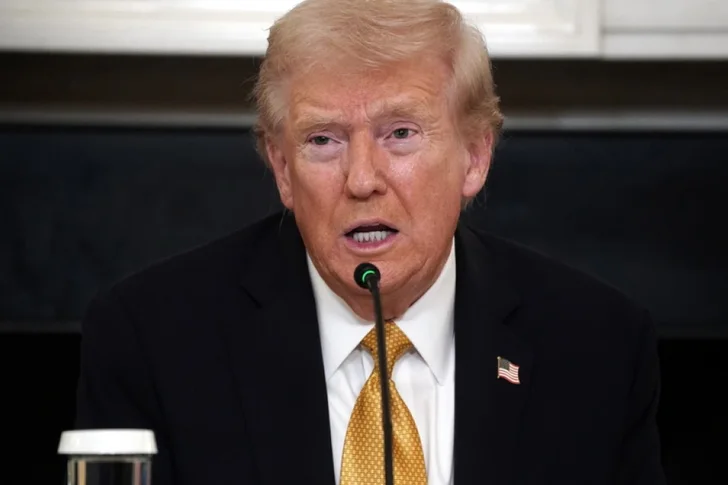
US President Donald Trump today signed an executive order ...
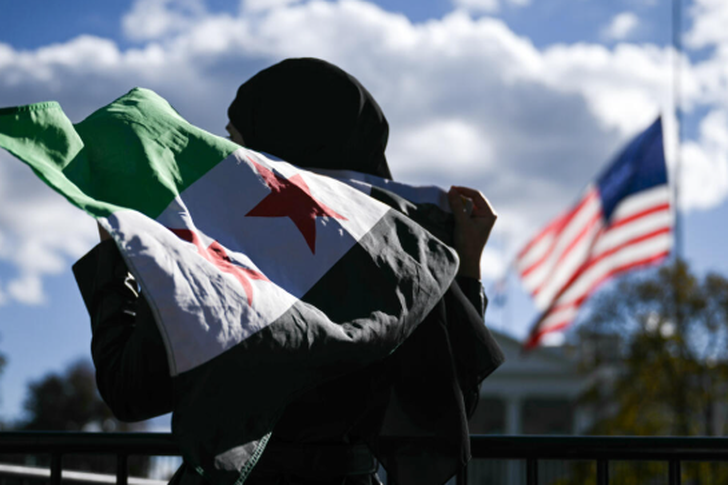
The head of the UN refugee agency in Lebanon said on Thurs...
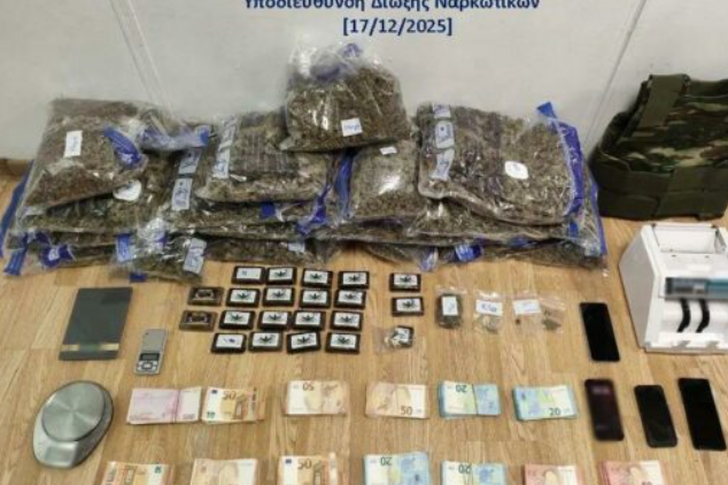
Greek police have dismantled a criminal organization that ...
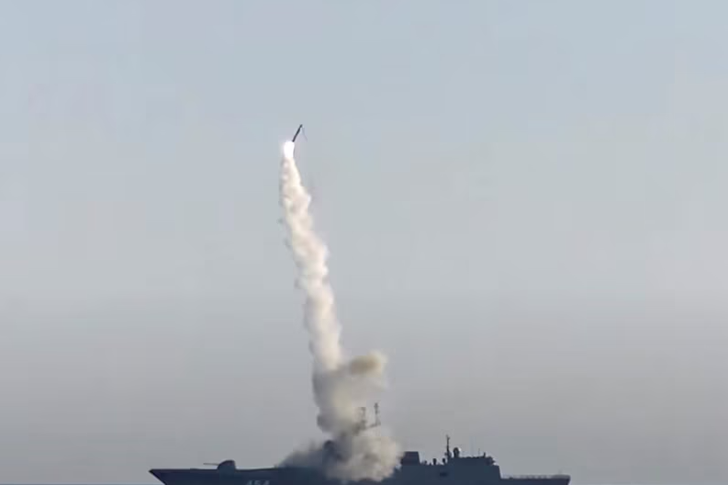
Belarusian leader Alexander Lukashenko announced that a ne...

This Thursday, mortal remains were found in the municipali...

At the last European Union-Western Balkans summit, the res...

A former anaesthetist has been sentenced to life in prison...

Estonia has reported that three Russian border guards ente...
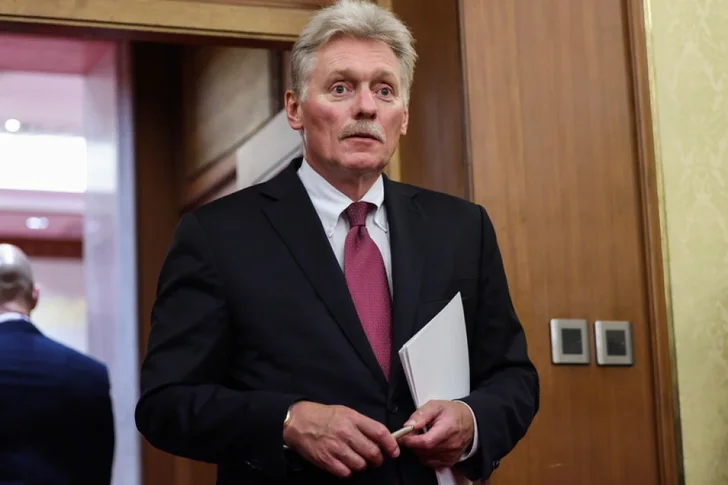
Kremlini ka deklaruar sot se Rusia do të kontaktojë me Sht...
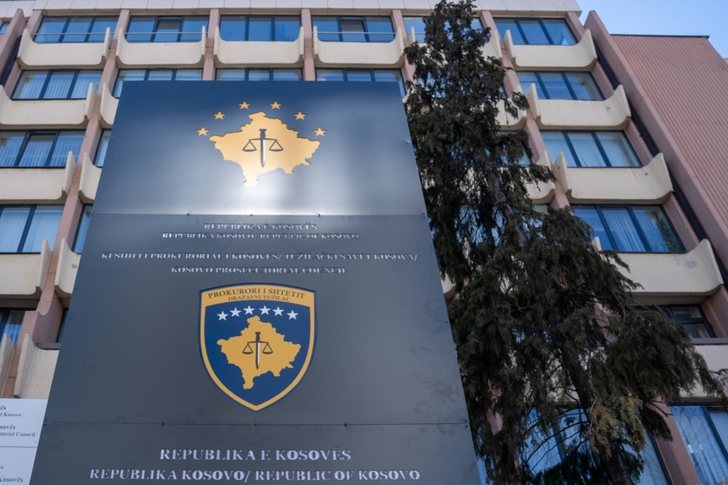
The Kosovo Special Prosecution Office filed an indictment ...
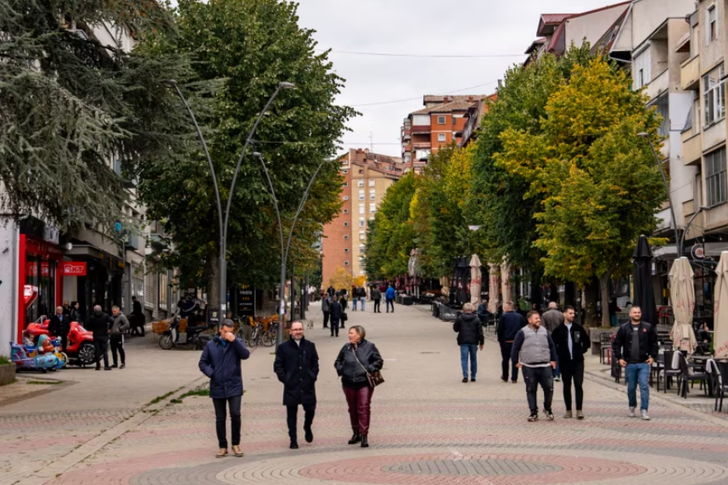
The Serb-majority municipalities in northern Kosovo – Nort...
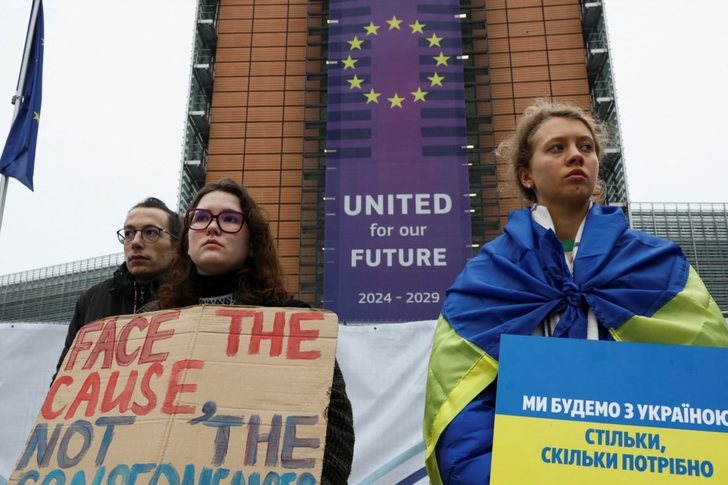
European Union leaders are meeting at a summit in Brussels...
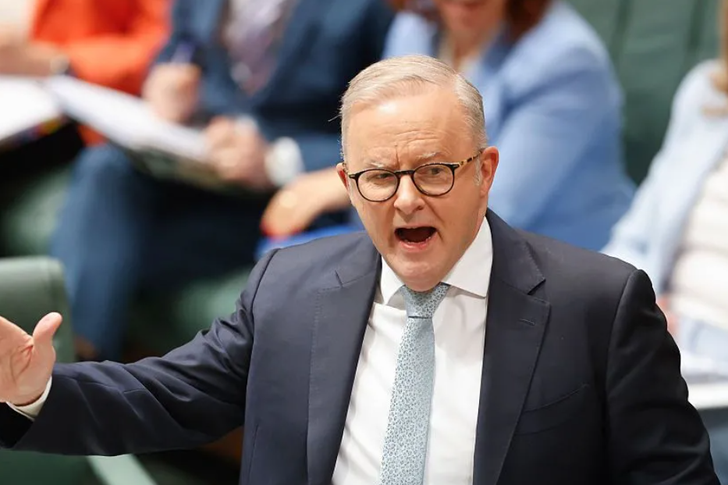
Australian Prime Minister Anthony Albanese has said his go...
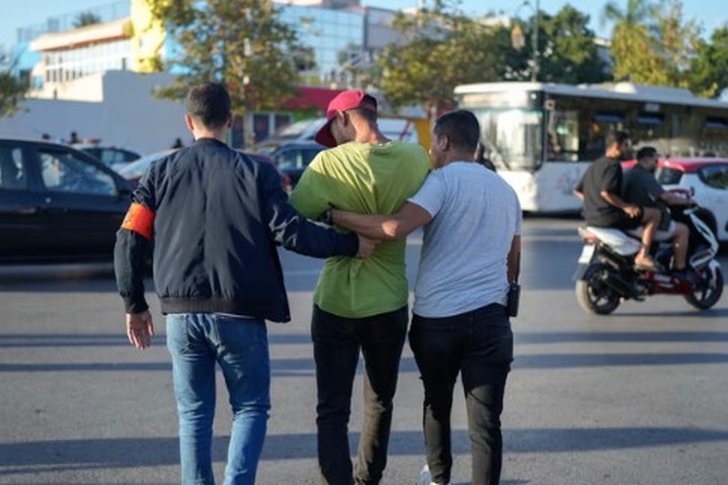
The arbitrary arrest of hundreds of Gen Z protesters in Mo...
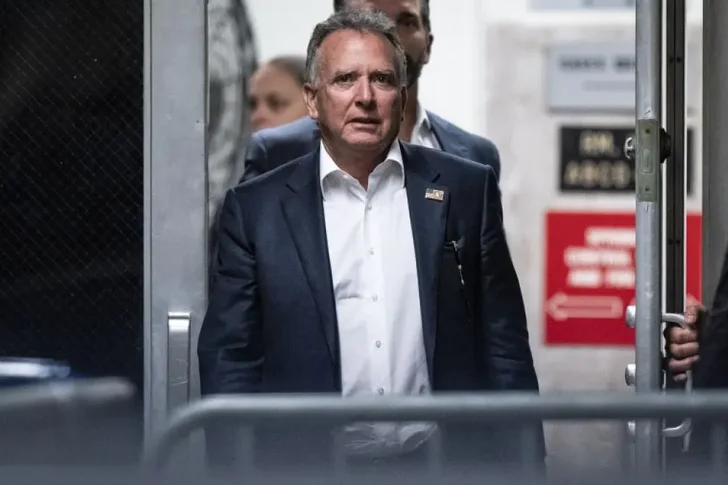
New talks between Russian and American envoys on the war i...
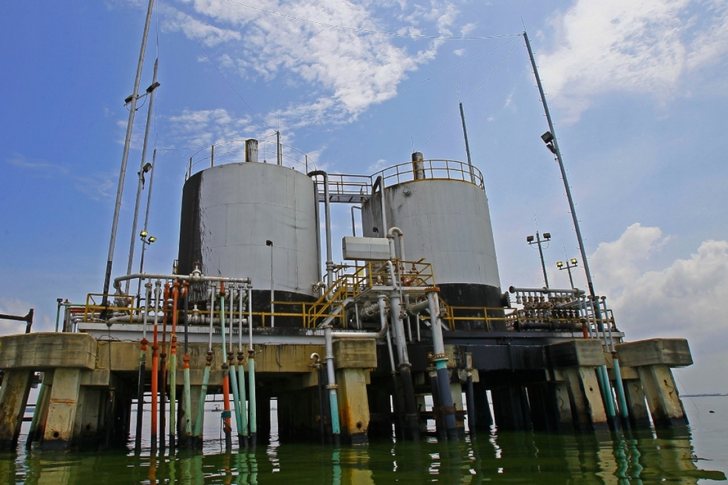
The Venezuelan government has stated that the naval blocka...

CNA has launched another investigation that could lead to ...

Irfan Hysenbelliu is a businessman that we call "Irfan the...

In March 2026, CNA launched another investigation centered...
The arrested mayor of Tirana, Erion Veliaj, with 13 charge...

The Special Board of Appeal (KPA) decided this Monday ...

The KPA vetting decided this Thursday to dismiss the p...

Suela Salavaçi, a prosecutor in the Prosecutor's Offic...

The Special Board of Appeal reinstated the prosecutor ...
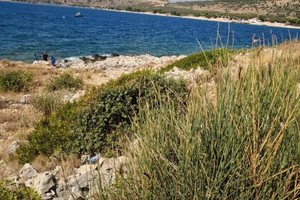
Citizen MH, 61, a fisherman, was found dead near the islan...

Another phase of the international operation, codenamed "T...

Police have arrested a 34-year-old woman at Rinas Airport ...

A serious accident has occurred on the Lezhë-Shëngjin axis...

This Wednesday, our country will be under the influence of...
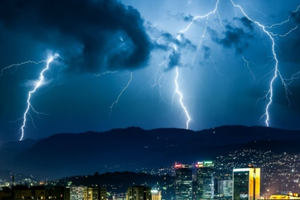
All of Southern Europe will face changing weather conditio...

Albania was hit by temperatures significantly higher than ...

For the first time, Pogradec welcomed the Inter-Lake Chess...
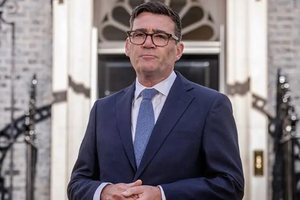
Prime Minister Andy Burnham has announced that most bus fa...

France's parliament has passed a law to ban social media f...

US Secretary of State Marco Rubio arrived in Manila on Jul...
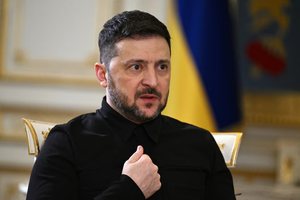
In the space of a few days, Ukrainian President Volodymyr ...

At a time when industrial products are increasingly taking...

Trust among people is not just a three-syllable word. It c...

Master of humor Todi Llupi has passed away at the age of 7...

The ninth edition of "MIK Festival" kicked off with one of...

Businesses will no longer be required to simply register t...

Despite economic growth and income in recent years, Albani...

This Wednesday, one US dollar is bought for 81.4 lek and s...
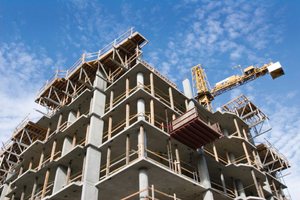
Construction company licenses will have a validity period ...