


Medical cannabis/ The guidelines for the purity criteria of the owners' image are clarified
After the approval of the law "On the control of the culti...


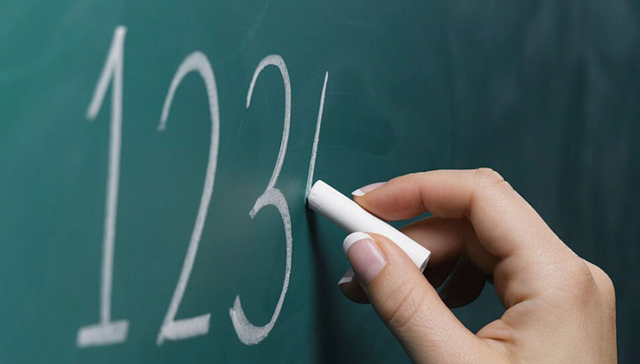
Poor education and health is negatively affecting human potential in Albania Human capital in Albania is being undermined by poor education and health services.
These services, instead of improving, seem to have further deteriorated, causing the potential of the people living in Albania to decrease instead of increasing.
The World Bank in the last regional report pointed out that throughout the Balkans and in Albania there is an increase in the prevalence of diseases that are negatively affecting the quality and productivity of people.
"The relatively lower productivity of citizens in the Balkan countries is explained by a high prevalence of risk factors for the health of adults, above the averages of the ECA region and the EU.
The average incidence of obesity among the adult population in Albania is 22.3%, while the regional average is 23 percent, compared to 20 percent in the ECA and 17 percent in the EU.
The average percentage of adult smokers in the Region is 35 percent, in Albania 22.9 compared to 28 percent in the ECA and 26 percent in the EU, while the prevalence of smoking is 28.9% in Albania, where the average in the region is 26 percent , compared to 20 percent in the ECA and 21 percent in the EU.
Across the Region in the region, the prevalence of smoking and alcohol consumption is significantly higher among men
than women, while the prevalence of obesity is slightly higher in women.
But the biggest gaps in human potential are being created by the poor quality of education.
International student tests have shown that the results in Albania, Kosovo and North Macedonia were among the lowest in the Region.
Beyond the low results of basic education, the same poor performance is observed in higher education, where the quality is low.
The average university quality score in the WB6 countries is 8.7 (on a scale from 0 to 100, where 100 corresponds to the highest ranked university in the world), while the average for ECA is 12.5, for the EU it is 28.8 and the leader in the world (Singapore) has a score of 50.3.
The Region's performance is supported only by Serbia, which has an average university quality score of 22.6, while the rest of the Region's countries have significantly lower scores.
In the Western Balkans Region on average, 29 percent of adults aged 30-34 have a university degree, compared to 33 percent in the ECA and 43 percent in the EU.
The World Bank points out that improving the quality of higher education is essential for countries to move towards a new growth model, which will lead them to achieve high-income status./ Monitor Magazine

After the approval of the law "On the control of the culti...

After 2016, the construction sector was involved in ra...
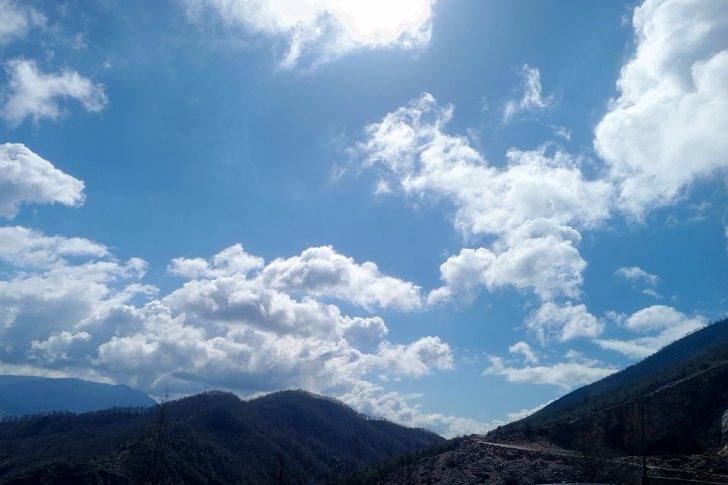
On Thursday, our country will be under the influence of st...
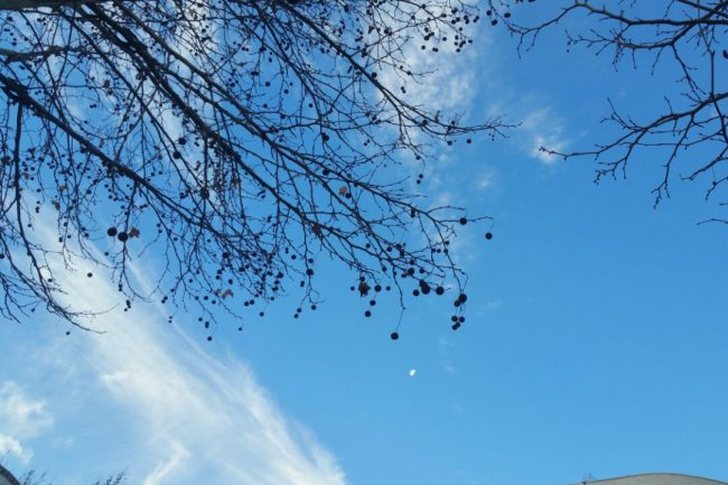
For today, our country will continue to be affected by sta...
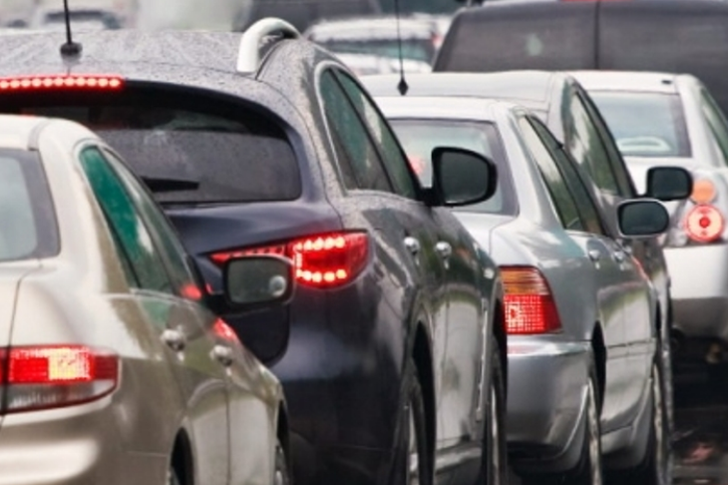
Infrastructure, roads, ports, railways help the movement o...

Our country will be affected by stable atmospheric conditi...

The construction sector has been involved in rapid develop...
The weather is expected to be clear, but there will be pas...
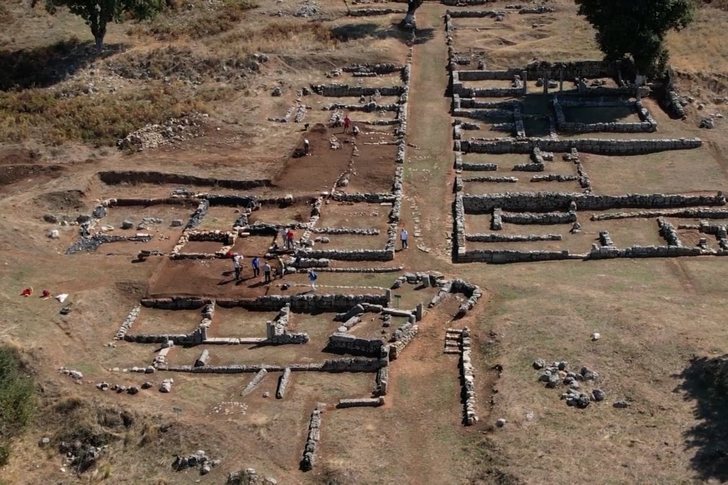
Most of the Archaeological Parks of Albania are undiscover...
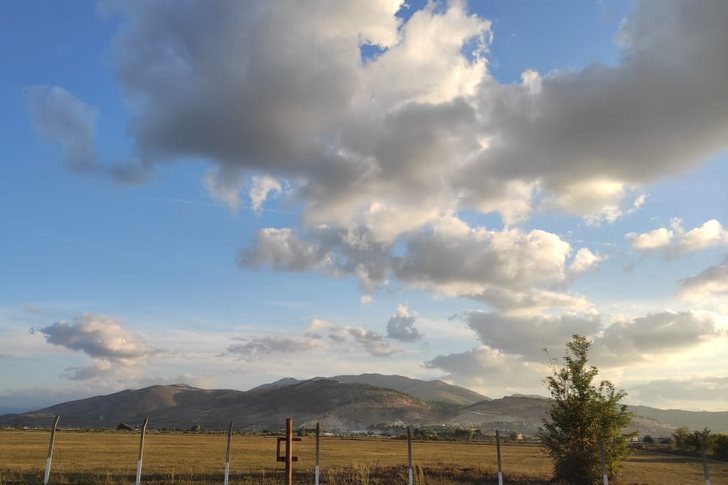
For the week ahead, our country will be affected by stable...

A sad story is that of Veko, 40 years old from Berat, ...
For today, our country will be affected by stable atmosp...
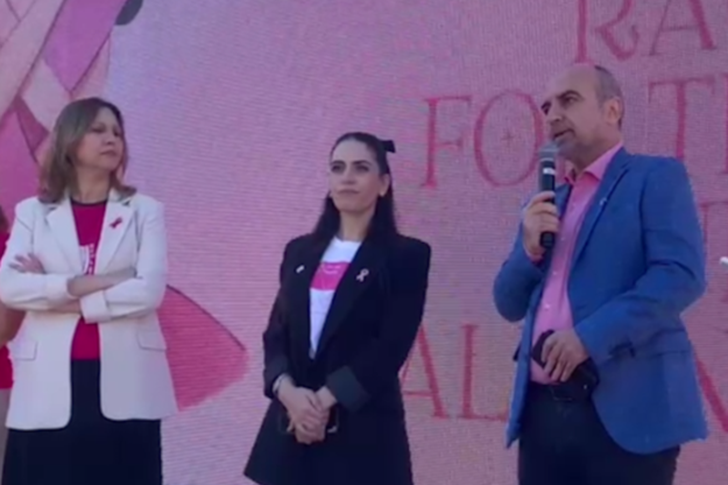
Tirana, breast cancer awareness gathering of activists and...
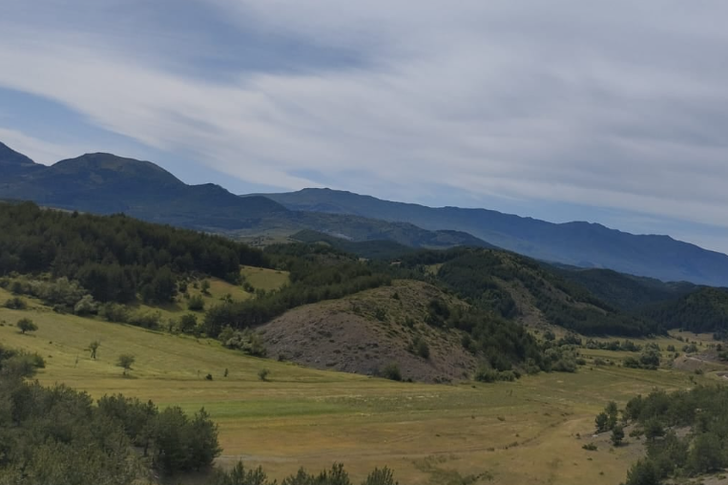
For the weekend ahead, our country will be affected by...

In 2023, 330,730 residence permits were granted in Italy, ...
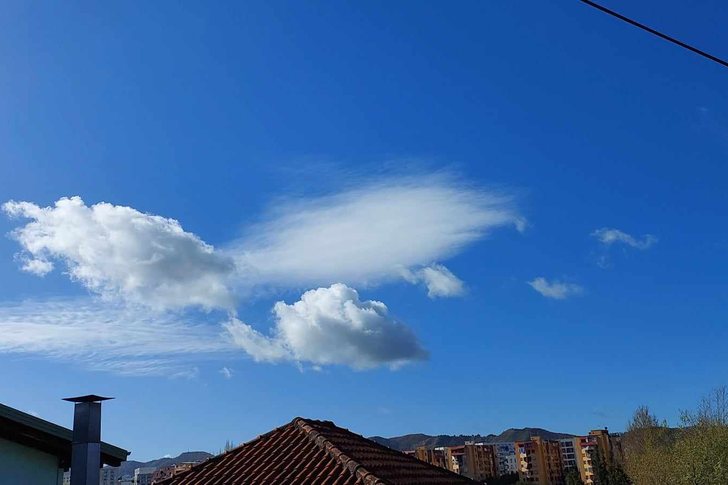
For the weekend ahead, our country will be affected by sta...
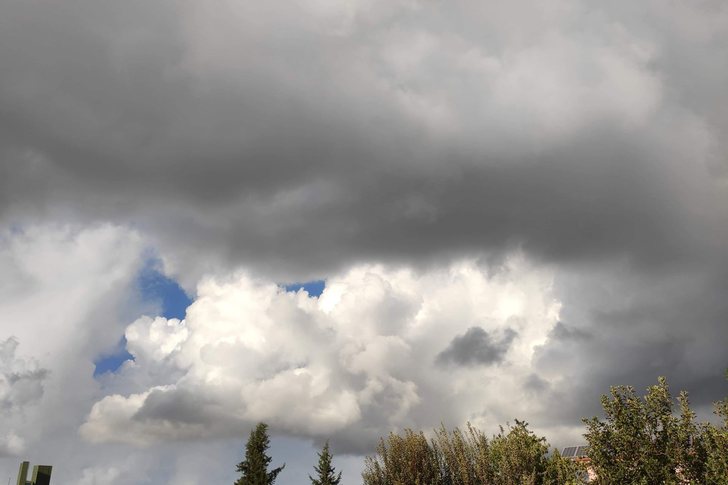
This Friday, our country will be affected by unstable weat...
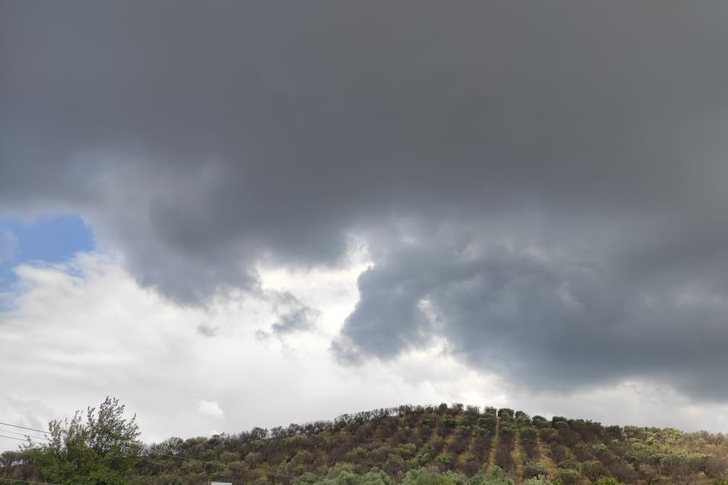
This Thursday, the weather is forecast to alternate be...
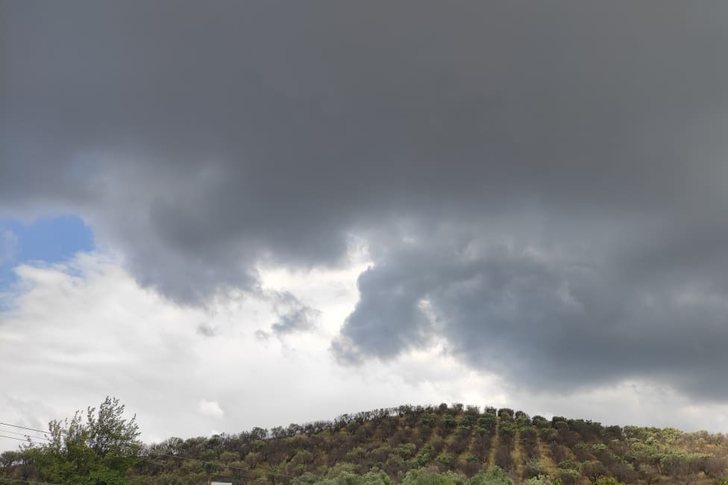
This Wednesday, our country is expected to be under th...
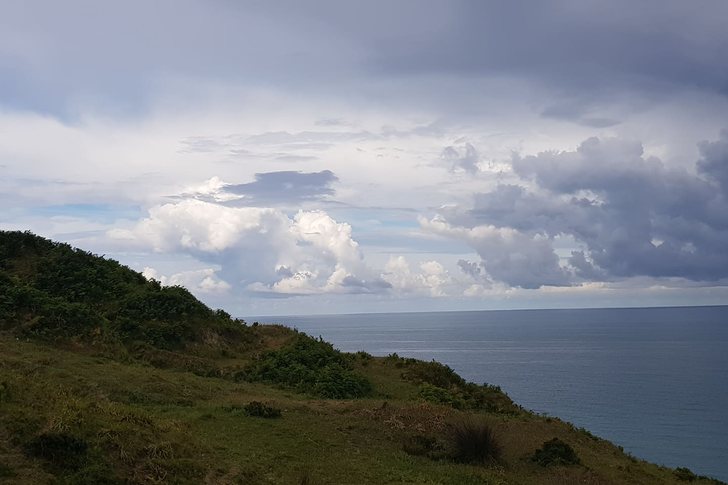
This Tuesday, the weather is forecast to be clear and ...

Irfan Hysenbelliu claims to be a big businessman, an hones...

The murder of officer Enea Mekolli in the line of duty has...
The next case broadcast on the show "Stop", this Thursday,...
The case published this Thursday, June 4, on the show "Sto...

The Special Board of Appeal (KPA) decided this Monday ...

The KPA vetting decided this Thursday to dismiss the p...

Suela Salavaçi, a prosecutor in the Prosecutor's Offic...

The Special Board of Appeal reinstated the prosecutor ...
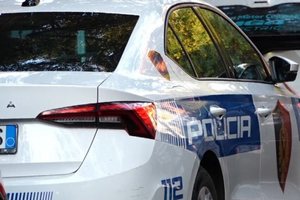
A 38-year-old man was arrested today near the Kamza turnof...

A money changer in Durrës lost 60 thousand euros after bei...
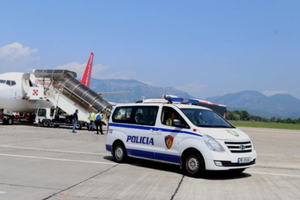
The 6 citizens captured in Dubai, members of criminal grou...
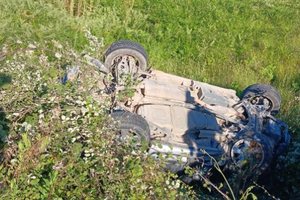
A serious accident occurred on the Kardhiq-Delvinë axis, i...
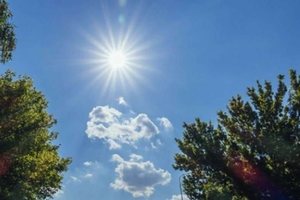
Today our country will be affected by stable weather condi...

For many children and teenagers, the long summer holidays ...
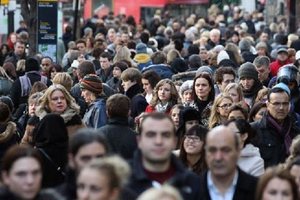
Albania is facing an unprecedented demographic transition,...

On Thursday, our country will be affected by unstable weat...
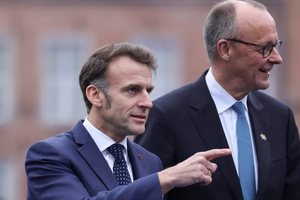
On the eve of the EU-Western Balkans summit, Germany and F...

Russian President Vladimir Putin said the war in Ukraine c...
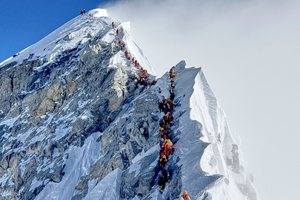
An extraordinary story of survival has been recorded in Ne...
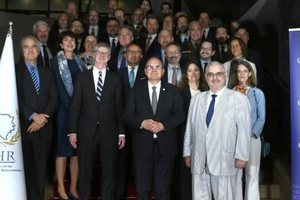
The Peace Implementation Council in Bosnia and Herzegovina...

Korça is ready to open the summer season with one of the c...
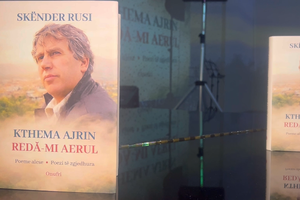
Two years after his passing, the renowned Korçë poet Skënd...
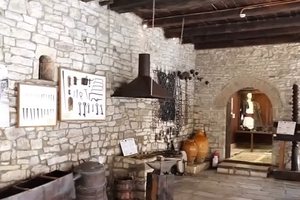
The Ethnographic Museum of Berat has opened its doors to v...
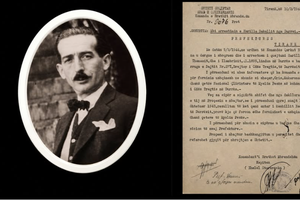
The story of Harilla Bakalli is one of the most chilling t...
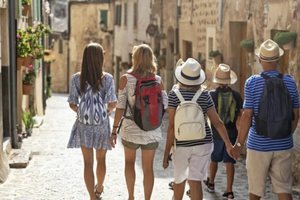
Despite years of efforts at regional cooperation and free ...

Albania is the country with the highest level of severe ma...

This Friday, one US dollar is bought for 81.3 lek and sold...
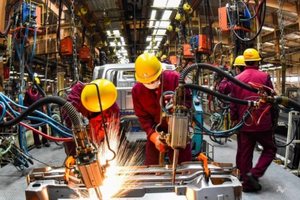
The government aims to transform the country's industrial ...