


Clear and passing clouds/ Weather forecast for Saturday
On Saturday, the weather will be influenced by relativ...


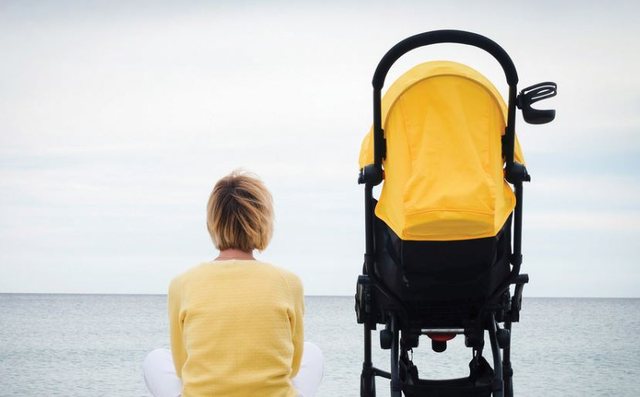
Returning from maternity leave as an implicit requirement to keep the job, choosing jobs with flexibility, but not good pay, or even leaving the labor market; these are some of the decisions women make after becoming mothers. Is parenthood a 'career killer' for women and not men in Albania?
Is a country's economy operating below its potential for growth, also due to the underrepresentation of women in the economy?
Women in Albania face many challenges, in the labor force, about 17% of women are inactive in the labor market due to the need to fulfill household duties and for the remaining women who are active, the unemployment rate is about 11.7%.
The biggest challenge they face is the possibility of continuing their career, where they left off, equal to men, after maternity leave.
"What will happen when I take maternity leave? Will my workplace still be there when I return? Will this decision affect my career?"
There is no career woman who has not asked these questions when she is about to leave for maternity leave. Albanian law provides for 365 paid days, which in theory is seen as a 'paradise'. Especially located on the global map, where the US only has 3 weeks paid.
But practice shows that the reality is different and that returning to work has other hidden costs. Demands for reduced hours, leave for children when they get sick, the lack of opportunity for any extended commitment, all these accompany a career mother, but never a father.
Analysis of data related to family-friendly policies in a 2023 study by IDRA Research & Consulting and UNFPA showed that the time women and men spend on paid and unpaid activities in a typical day has significant differences .
These differences highlight the fact that caring and domestic activities in a family are primarily the responsibility of women. These findings highlight that culture influences the perception that such jobs are women's responsibility.
The situation becomes more unbalanced when a woman becomes a mother. Women spend about three hours in unpaid work when they are childless and, by the time they become mothers, that time rises to eight hours.
In addition to the changes and improvements in the laws, the Labor Code, it seems essential to fundamentally shake the stereotypes and mindsets that put the entire burden of parenthood on the woman's shoulders.
Recent changes to the Labor Code introduced into national legislation the concept of parental leave, an unpaid leave that parents can take for a duration of no less than four months.
Legjislacioni i rishikuar reflekton se ka disa përmirësime në lidhje me lejen e lindjes për babain, por ende nevojitet një rregullim më i detajuar i kësaj lejeje, që duhet të jetë në të njëjtën linjë me Direktivën e BE-së për promovimin e ekuilibrit punë-jetë.
Për më tepër, kjo direktivë ka për qëllim jo vetëm të përmirësojë aksesin ndaj lejeve dhe marrëveshjeve për kushte fleksibël pune, por edhe të rrisë angazhimin e burrave në lejet e lidhura me familjen dhe kushtet fleksibël për punë.
Çdokush që i druhet faktit se marrja e lejes së lindjes mund të ndikojë në vendin e saj/tij të punës, duhet të dijë se kjo është një e drejtë ligjore. Ekzistojnë dy dispozita të veçanta që rregullojnë lejen e babait:
Neni 96, paragrafi 3 i Kodit të Punës dhe Neni 27, paragrafi, 7 i Ligjit për Sigurimet Shoqërore. Babai mund të përfitojë lejen e lindjes, 3 ditë të paguara gjatë lindjes së fëmijës dhe momenti tjetër është pas ditës së 63-të të lindjes së fëmijës.
Pas përfundimit të lejes së lindjes, si nëna ashtu dhe babai kanë të drejtë të kthehen në të njëjtin pozicion pune ose në një pozicion të barasvlefshëm me pozicionin e mëparshëm në kushte jo më pak të favorshme për ta. Sa ndodh në praktikë kjo? Rastet numërohen me gishtat e njërës dorë.
Sipas anketës së forcave të punës të INSTAT, gratë kanë më pak gjasa të marrin pjesë në tregun e punës. Për sa i përket popullsisë 15-64 vjeç, pjesëmarrja e grave në forcat e punës ka një rritje në vitin 2022, me 66,7% nga 61,4% që ishte në vitin 2021.
Sipas arsyeve të inaktivitetit, gratë mbeten jashtë forcës së punës kryesisht pasi janë nxënës, studentë, në trajnim të mëtejshëm, përvojë pune pa pagesë (18,3%) ose duke përmbushur detyrat shtëpiake (16,9%).
Vetëm 0,8% e burrave kanë si arsye të inaktivitetit përmbushjen e detyrave shtëpiake dhe 25,0% e tyre janë studentë ose nxënës.
Nëse do flasim për realitetin në vendin tonë, mëmësia shpeshherë është frenuese për zhvillimin në aspektin profesional – shprehet sociologia Marsida Simo.
“Duke marrë në konsideratë moshën mesatare kur gratë bëhen nëna, përkon me hapat e parë në karrierë. Këtu nisin vështirësitë e para që lidhen me shkëputjen nga tregu i punës dhe fokusimi te fëmija.
Kjo nuk është negative, por proces i jetës që gruas i duhet ta kalojë. Megjithatë duhet kuptuar sa ndihmuese dhe lehtësuese janë politikat brenda punës, si realizohet respektimi i kontratës së punës dhe fleksibiliteti i kësaj gruaje në profesionin e saj.
Në tërësi, gratë e kanë të vështirë rikthimin pas lindjes pasi oraret janë të zgjatura, ngarkesa e tyre emocionale është e shtuar, duke mos harruar dhe përgjegjësitë brenda shtëpisë që më së shumti i ngarkohen asaj.
Po të shohim dhe të dhënat e preferencave të punësimit gratë kërkojnë më shumë një punë në sektorin publik, pasi aty kontrata e punës zbatohet me përpikëri” -thotë znj. Simo.
Sipas saj, gratë të cilat janë në karrierë janë jo pak herë të paragjykuara me idenë se nuk kanë përparësi familjen. “Kjo është një tjetër arsye joreale, por ndikuese, e cila mund t’i frenojë ato të bëjnë hapa më tej në zhvillimin profesional”, – shton sociologia.
Eksperti i karrierës Erion Muça thotë se, kompanitë në Shqipëri kanë tendencën t’u kërkojnë një rikthim më të shpejtë grave nga leja e lindjes, se sa e parashikon ligji, herë-herë duke e lënë të nënkuptuar dhe herë-herë si kërkesë të drejtpërdrejtë edhe si kusht për ruajtjen e vendit të punës.
“Leja e lindjes është pengesë për gratë, pasi i rrit përgjegjësitë e tyre edhe në drejtim të familjes dhe fëmijës, duke i bërë të ulin rendimentin e të punuarit dhe të zgjedhin punë me orare fleksibël që të kenë më shumë kohë në dispozicion për fëmijën.
Kjo zgjedhje shpeshherë i privon gratë nga shumë punë të mira, por edhe nga paga shumë më të larta. Prandaj, një pjesë e tyre janë në kërkim të punëve me pak orë dhe këto punë, jo rrjedhimisht, i çojnë në një karrierë të suksesshme, por thjesht mbajnë mjaftueshëm në sigurimin e një page”, – thotë z. Muça.
Sipas ekspertit, në Kodin e Punës qeveritë duhet të parashikojnë lehtësi për punonjëset shtatzëna dhe më shumë siguri për to për ruajtjen e vendit të punës dhe rikthimin në të pas lejes së lindjes.
Po ashtu, një inspektim më rigoroz nga Inspektorati i Punës mbi platformat, manualet dhe mënyrat e trajtimit të grave shtatzëna brenda sipërmarrjeve dhe sa po zbatohen lehtësitë dhe detyrimet për to nga sipërmarrjet.
Ligji në Shqipëri
Në vendin tonë, leja e lindjes është 365 ditë kalendarike, ku përfshihet periudha minimale prej 35 ditësh të lejeve të zakonshme para dhe 63 pas lindjes së fëmijëve.
Kur gruaja shtatzënë ka në shtatzëni më shumë se një fëmijë, periudha e parë bëhet 60 ditë duke u bërë leja e lindjes 390 ditë në total. Pas periudhës 63-ditore pas lindjes, gruaja vendos nëse do të kthehet në punë apo të jetë nga sigurimet sociale.
Në rastin kur gruaja shtatzënë të rikthehet në vendin e punës pas periudhës 63-ditore të paslindjes, ajo mund të zgjedhë ndërmjet dy opsioneve përpara se fëmija të mbushë 1 vjec:
a. leje të paguar nga dy orë, gjatë orarit normal të punës; b. kohëzgjatje të reduktuar të punës, prej dy orësh, por e paguar si kohë e plotë.
Kushtet për të përfituar me lejen e lindjes janë dy: para fillimit të lejes së paralindjes, gruaja duhet të ketë punuar në sektorin e shtetit, privat ose e vetëpunësuar në bujqësi, në vend, 12 muaj kalendarik me ose pa ndërprerje në një ose disa qendra pune.
Gjatë shtatzënisë të ketë punuar në një javë. Pas mbarimit të lejes së parë të lindjes, për të përfituar lejen e dytë të lindjes duhet të kesh përsëri 12 muaj punë të sigurt.
Ditët e lejes së paralindjes dhe 150 ditë pas lindjes paguhen me 80 për qind të pagës së mesme të vitit të kaluar, ndërsa nga dita 151 deri në fund të lejes së lindjes me 50 për qind të pagës bruto mbi të cilat janë paguar kontributet e sigurimit shoqërore vitin e kaluar.
Gender inequality in parenting
This term was popularized by an economist at Harvard named Claudia Goldin. And she's done a lot of really interesting studies, where she follows groups of men and women who graduate from elite business schools, say, or start working at elite law firms.
So these are men and women who earn a lot, have high potential and earn similar amounts. And it follows the exact trajectory that by the time they have children, becoming a father has no effect on a man's salary.
But becoming a mother really does have an impact on a woman's salary. And her conclusion is that many of these jobs require a lot of commitment. So they require a large part of your time.
Basically, they want to have you on the phone all the time. And in a couple, both of them having very busy jobs just doesn't match up with having a child and all the kinds of things that entails.
Children often fall ill suddenly. Sometimes you have to pick them up from school early. You know, there are all kinds of things where you actually have to be able to put your family first.
And these jobs just don't allow that space. And so what happens is that if you're in a couple where you've both been in one of those demanding jobs and one person has to step away and do a job that's less ambitious and jobs like that, they just don't pay. the same amount of money.
You see more women working part-time, partly because they can't afford to be under constant stress or whatever.
Income after maternity
In a study by the National Bureau of Economic Research, three economists used a large amount of government administrative data to see what happened to the incomes of 470,000 Danish women who gave birth for the first time between 1985 and 2003. The results were drastic.
Before becoming parents, the researchers found that men's and women's wages grew at a similar rate. After the birth of children, their career paths diverge.
Fathers mostly carried on as if nothing had changed.
Mothers saw their earnings drop by 30% on average, compared to what they would have hypothetically earned without children. They earned lower wages and accepted jobs with fewer hours, if they worked.
Other findings indicated that their careers never fully recovered. After 10 years, women's wages were a fifth lower than before they had children. The report was published in 2020./Monitor

On Saturday, the weather will be influenced by relativ...
A part of "District 10" of the city of Korça seems totally...

On Friday our country will be under the influence of u...
Detailed data from the 2023 census show that 10.5 thousand...

Our country is expected to be affected by relatively u...
On Wednesday, our country is expected to be under the ...

The monitoring of sea waters on the country's beaches has ...
The weather for all days is expected to be mostly clea...
During the last three days, 3 serious cases of domesti...

Our country will be affected by mostly stable weather ...

For the week ahead, our country will be affected by mo...
The weather is expected to be clear and cloudy which w...

We are what we eat, this makes the consumer always looking...
The Minister for Youth and Children, Bora Muzhaqi, dis...
Saturday is expected to be influenced by relatively stable w...
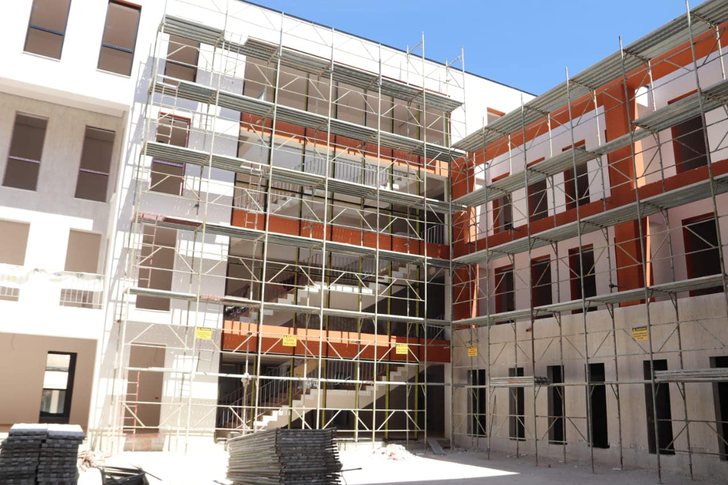
Construction flows will increase even further, especia...

The Military Meteorological Service announced that on ...

On Wednesday, our country will be under the influence ...

The weather is expected to be clear and cloudy, which will...
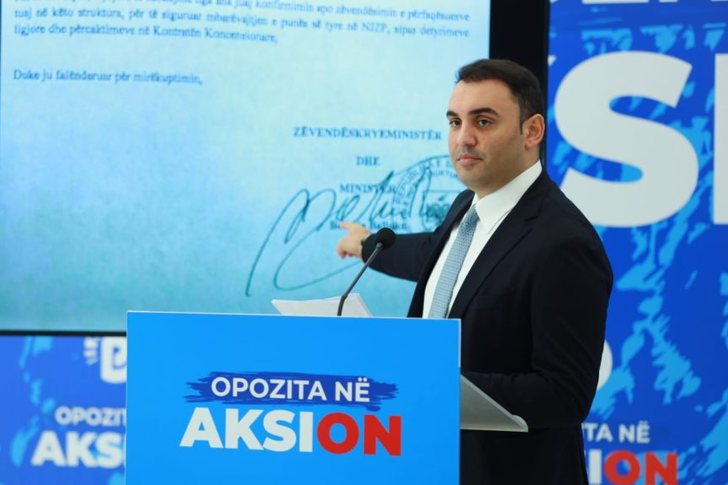
The member of the leadership of the Democratic Party, ...

Irfan Hysenbelliu claims to be a big businessman, an hones...

The murder of officer Enea Mekolli in the line of duty has...

The next case broadcast on the show "Stop", this Thursday,...
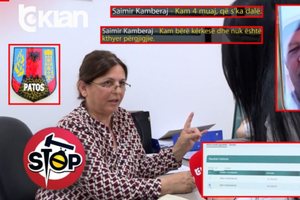
The case published this Thursday, June 4, on the show "Sto...

The Special Board of Appeal (KPA) decided this Monday ...

The KPA vetting decided this Thursday to dismiss the p...

Suela Salavaçi, a prosecutor in the Prosecutor's Offic...

The Special Board of Appeal reinstated the prosecutor ...

A 38-year-old man was arrested today near the Kamza turnof...

A money changer in Durrës lost 60 thousand euros after bei...
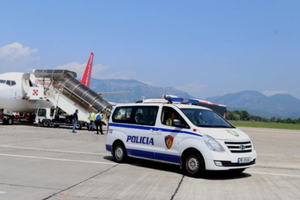
The 6 citizens captured in Dubai, members of criminal grou...

A serious accident occurred on the Kardhiq-Delvinë axis, i...

Today our country will be affected by stable weather condi...

For many children and teenagers, the long summer holidays ...

Albania is facing an unprecedented demographic transition,...

On Thursday, our country will be affected by unstable weat...
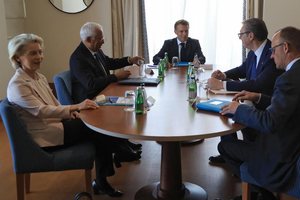
Leaders of the European Union and Western Balkan countries...

On the eve of the EU-Western Balkans summit, Germany and F...

Russian President Vladimir Putin said the war in Ukraine c...

An extraordinary story of survival has been recorded in Ne...

Korça is ready to open the summer season with one of the c...

Two years after his passing, the renowned Korçë poet Skënd...

The Ethnographic Museum of Berat has opened its doors to v...
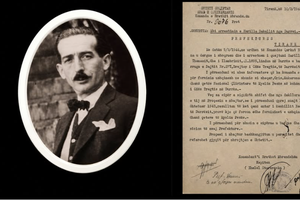
The story of Harilla Bakalli is one of the most chilling t...

Despite years of efforts at regional cooperation and free ...

Albania is the country with the highest level of severe ma...

This Friday, one US dollar is bought for 81.3 lek and sold...
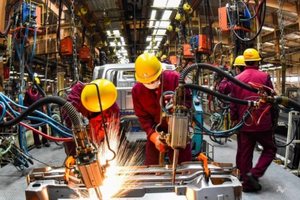
The government aims to transform the country's industrial ...