


"No, come on, build"/ Rama in Theth: Only with a system, permits and quality works
Prime Minister Edi Rama was present this Tuesday in Theth,...

Prime Minister Edi Rama was present this Tuesday in Theth,...

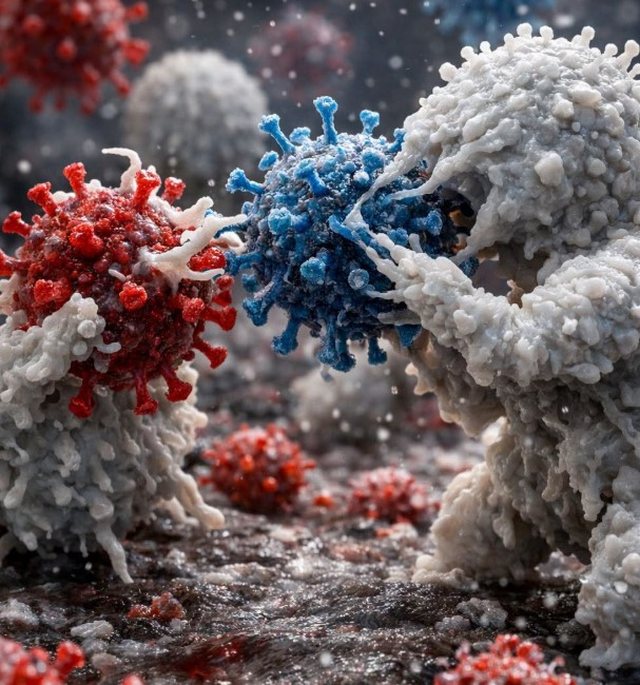
Have you ever been curious about how our body reacts when sweat dries in cold air, and what immune army is involved in this fierce battlefield?
For a long time, the idea that "if you sit in a draft or are exposed to the cold while sweating, you will catch a cold and get sick" was considered a "grandmother's myth" by a good part of Western medicine. Their argument was simple: viruses and bacteria cause diseases, not cold.
However, recent decades and advanced studies in immunophysiology have proven that our grandmothers were absolutely right. The cold itself does not contain viruses, but it creates the perfect conditions for existing viruses to invade us.
When we sweat, our skin is covered with a layer of water. Water has an extremely high heat capacity and latent heat of vaporization.
When we are suddenly exposed to cold air or drafts, a rapid physical transition occurs, forced evaporation. The moving air increases the rate at which moisture evaporates from the skin, changing it from a liquid to a gas. But so does heat loss. Evaporation is a process that requires large amounts of energy. To accomplish this, it draws internal heat directly from our skin, causing a sharp and rapid drop in local temperature. This phenomenon is known as local thermal shock.
In response to this rapid drop in temperature, the body activates the sympathetic nervous system to conserve heat in vital organs. This induces peripheral vasoconstriction, the strong narrowing of blood vessels in the skin and in the mucous membranes of the upper respiratory tract (nose and throat).
Why does this reduced blood supply matter?
The blood is the main route through which our defense army travels, white blood cells (neutrophils, macrophages, lymphocytes) and antibodies that act as border "patrols." When blood vessels narrow and local circulation decreases, this area is temporarily left "unguarded" and immune surveillance is weakened.
A famous Yale University study, published in the Proceedings of the National Academy of Sciences (PNAS), showed exactly how low temperatures sabotage our defenses at the cellular level through two main mechanisms.
Interferon Blockade. When a cell is infected by a virus, it produces an alarm protein called Interferon, which instructs neighboring cells to block the replication of the virus. At low temperatures, the production and effectiveness of interferon drops significantly.
Ciliary Paralysis. Our airways are lined with microscopic "eyelashes" (cilia) that constantly move to push dust and viruses out of the lungs. Exposure to cold and drying of the mucous membrane temporarily paralyzes these cilia, allowing viruses to stick to the mucosa and easily penetrate inside the cells.
A virus doesn't become powerful overnight. It needs a passageway, suitable terrain, and a window of time with reduced resistance.
This temporary weakness created by thermal shock serves as an open invitation to two types of threats.
Viruses that are already dormant in our bodies, such as Herpes Simplex Virus 1 (HSV-1). It lies hidden in the facial nerve ganglia under the control of T cells. Once immune surveillance is down, the virus gets the green light, travels along the nerve to the skin of the lip and begins rapid replication.
Respiratory viruses newly acquired from the surrounding environment.
Once the immune system stabilizes and returns to its normal function, it detects this viral activity and launches a fierce counterattack. This conflict between viral replication and the immune response produces the familiar symptoms: sore throat, nasal congestion, fatigue, or the appearance of cold sores on the lips.
To prevent this dangerous window where the immune system remains unprotected, medicine recommends some simple but vital steps:
The difference between the outside and inside temperature (with air conditioning) should never be greater than 6 to 8 degrees. If you arrive sweating from the heat, stay in an intermediate area (shade or hallway) for a few minutes before entering a very cold room.
Make sure that cold air currents (from fans, air conditioners, or open car windows) do not directly hit your neck, back, and chest.
If you are soaked in sweat, immediately wipe yourself with a damp towel and change out of wet clothes into dry cotton clothes before you expose yourself to the cold. Cotton allows the skin to breathe without trapping moisture behind the body.
Avoid drinking ice water when you are very hot, as this causes local thermal shock directly to the throat (pharynx). Consume water at room temperature.
Rinse your nose with saline (salt water) to keep the mucous membranes hydrated and protected from drying out by the air conditioner. Also, taking Vitamin C and Zinc helps keep macrophages and neutrophils active at all times./ CNA

After buying fresh bread, the first question is where to s...
The constant use of smartphones and other digital devices ...
The World Health Organization has published practical advi...

Immunotherapy could offer a completely new way to treat pe...

Summer brings longer days, warmer temperatures, and the ne...
Extreme temperatures not only harm the body, but can also ...
A new scientific analysis has questioned the effectiveness...

A new study conducted by Penn State College of Medicine ha...

Refreshing, sweet and full of nutrients, this fruit is not...
The results of an international study, which shows that a ...
We all have a basic skincare routine, whether it's somethi...
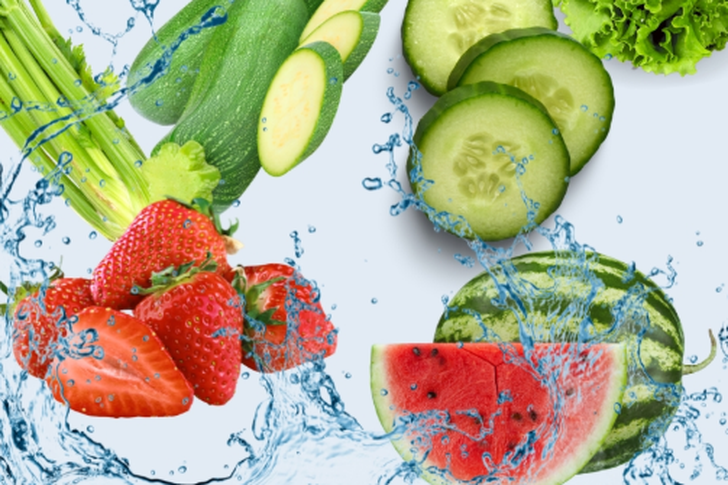
As temperatures rise, the importance of maintaining proper...
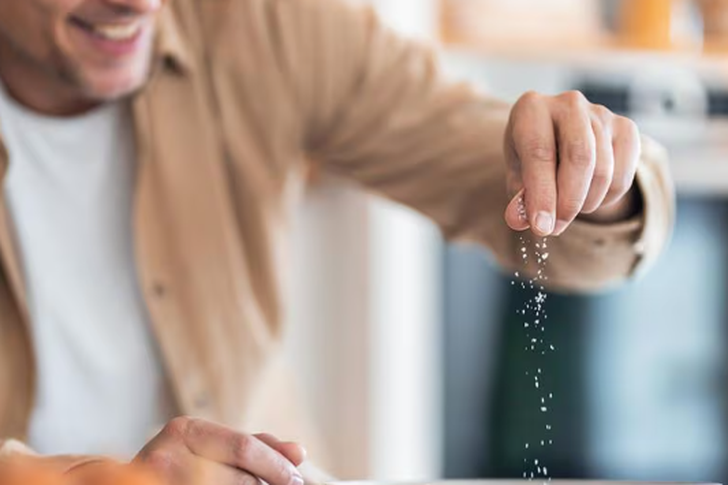
Men who consume more salt tend to experience faster deteri...
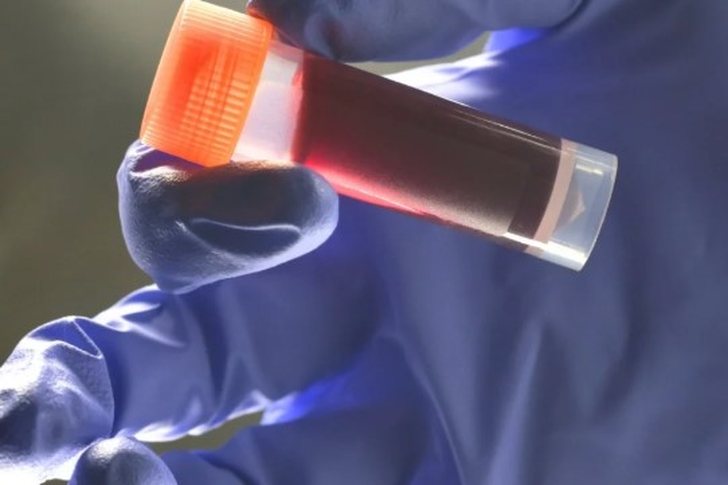
A study published in 2022 has found a significant link bet...
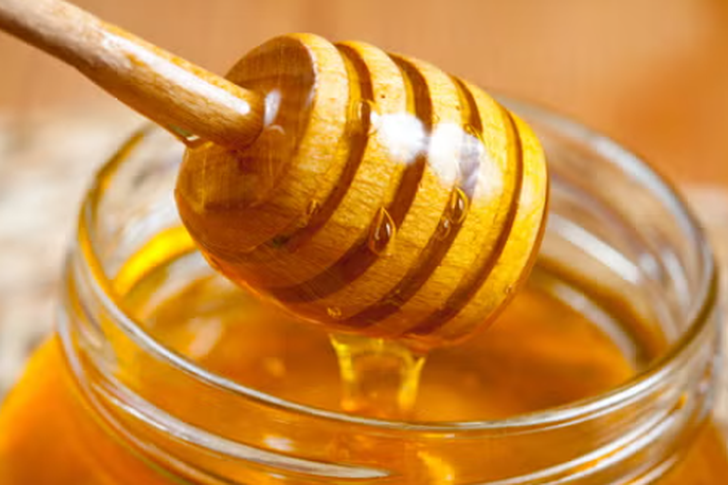
Honey is a natural substance that combines to create ingre...

The combination of olive oil and lemon juice is considered...
A large study of longevity in China suggests that very old...

An apple a day may not keep the doctor away, but it could ...

Lemon water is a refreshing, low-calorie drink made by mix...
Kur ndiheni të uritur midis vakteve, kokoshkat mund të jen...

CNA has launched another investigation that could lead to ...

Irfan Hysenbelliu is a businessman that we call "Irfan the...

In March 2026, CNA launched another investigation centered...
The arrested mayor of Tirana, Erion Veliaj, with 13 charge...

The Special Board of Appeal (KPA) decided this Monday ...

The KPA vetting decided this Thursday to dismiss the p...

Suela Salavaçi, a prosecutor in the Prosecutor's Offic...

The Special Board of Appeal reinstated the prosecutor ...

An accident occurred this Tuesday on "Dituria" street in K...
A tourist has lost her life on Orikum beach, where she was...

Two people were arrested and two others were prosecuted af...

At around 08:40, in neighborhood no. 10, Korça, a "Benz" t...
Albania was hit by temperatures significantly higher than ...

For the first time, Pogradec welcomed the Inter-Lake Chess...

Albania has achieved a record for the employment of foreig...
Today our country will be under the influence of relativel...
An earthquake measuring 5.0 on the Richter scale struck so...

The United Kingdom's new Prime Minister, Andy Burnham, has...

United States President Donald Trump has imposed 50% tarif...

US President Donald Trump responded with harsh rhetoric to...

At a time when industrial products are increasingly taking...

Trust among people is not just a three-syllable word. It c...

Master of humor Todi Llupi has passed away at the age of 7...

The ninth edition of "MIK Festival" kicked off with one of...
The Centralized Purchasing Operator recently opened a tend...
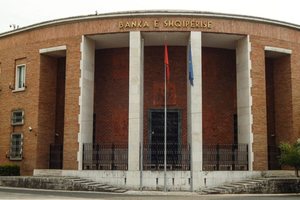
The new draft law "On the Bank of Albania" provides that t...

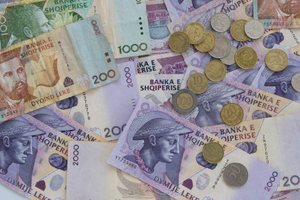
This Tuesday, one US dollar is bought for 81.2 lek and sol...
Deputy Minister of Economy and Innovation, Enkelejd Musabe...