


Ginger coffee/ Superpower for health
Coffee and ginger are two products described as superp...


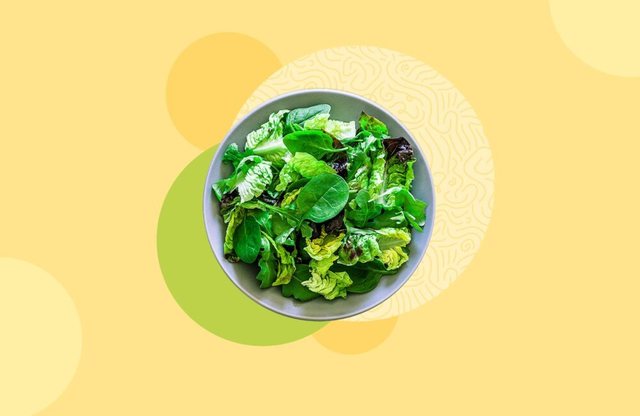
Fresh, low in calories and with a high amount of fiber, mineral salts and vitamins, lettuce is not only the star of classic summer salads but is also a precious ally for beauty and health.
It can be consumed raw or cooked, alone or combined with other vegetables. Being a very favorite vegetable, AgroWeb.org introduces you further to its values ??and uses.
Properties
Nutritionally, lettuce is one of the lowest calorie vegetables with only 22 calories per 100 grams. It consists mainly of water (more than 94 percent), carbohydrates and plant fibers.
The amount of protein is small and fat is practically zero. It is rich in mineral salts, especially potassium, calcium, phosphorus, magnesium and iron and full of vitamins A, B, C and carotenoids, such as beta-carotene.
benefit
An herb belonging to the Asteraceae family, widespread throughout the country and well known for its values ??since ancient times. Fiber and its exceptional water content are among the greatest benefits it gives to the digestive system, because they promote regular bowel function.
While high amounts of vitamin A strengthen the immune system and protect vision.
Also, the presence of vitamin C and chlorophyll give it antioxidant and detoxifying effects.
Being low in sodium and rich in potassium, it is also recommended for those with cardiovascular problems. Quercetin present in lettuce, in addition to being a natural antihistamine, lowers blood pressure, improves blood vessel elasticity and blood flow. Lettuce is a precious ally for the well-being and health of the body and even the psyche. It has a mild sedative effect and is especially recommended for those who suffer from insomnia.
It is used in the kitchen
Lettuce is produced and harvested throughout the year, but the tastiest and best quality varieties arrive in markets in the spring and summer.
Talking about each variety is a very long matter, since there are many types and each with its own characteristics. But based on appearance, cultivation techniques and nutritional properties, we can distinguish three main botanical forms.
Lettuce with voluminous and compact heads
This includes varieties that form compact heads. They consist of thick, broad, large, concave, wrinkled leaves that often have a purple hue.
Romaine lettuce
The plants of this group have raised, smooth leaves collected in not very compact bunches. This variety ripens mainly in the summer-autumn period.
Small lettuces
These include varieties that form small clumps, with smooth leaves. They are available all year round.
Lettuce is mainly consumed raw by including it in salads, combined with vegetables such as carrots, tomatoes, cucumbers, onions, etc. At the time of purchase, the leaves should be fresh, full of flavor and with the sharpest edges and green, not dried, yellowed or stained. Washing should be done in running water, gently passing the fingers through the leaves.
After rinsing and drying, wrap the leaves in a clean cloth and store in the refrigerator for up to 1-3 days.
The varieties with voluminous and compact heads are the ones that are mostly used for salad, while the novel ones are also used in hot soups.
To prepare a unique appetizer, you can mix the inner leaves of lettuce with cucumbers, onions and yogurt. At the end, you can decorate it with basil leaves and pieces of toasted bread. /Agroweb

Coffee and ginger are two products described as superp...
Sooner or later, autumn came, marking the start of a troub...
Dinner time is associated with an increased risk of br...
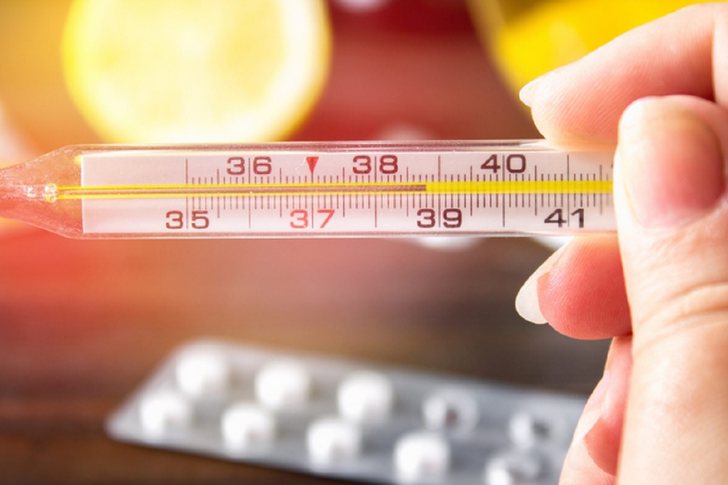
First of all, we must know that high temperature is a ...

Coffee has several different effects on the human body...
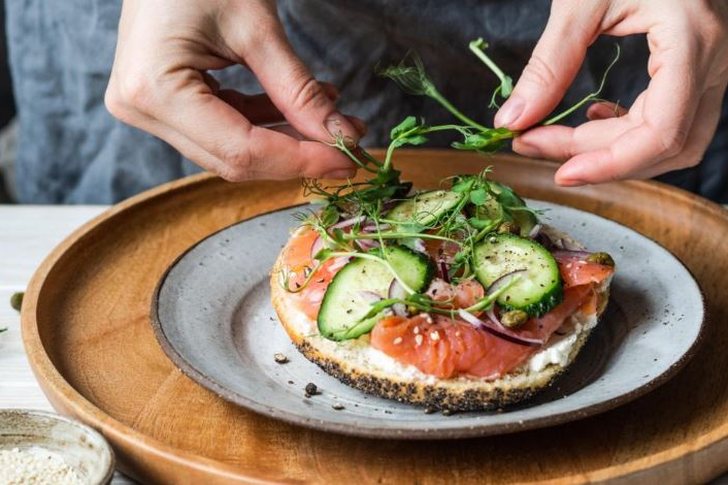
If you wake up late and eat breakfast late or avoid it...

With modern lifestyles full of stress and demands, sle...
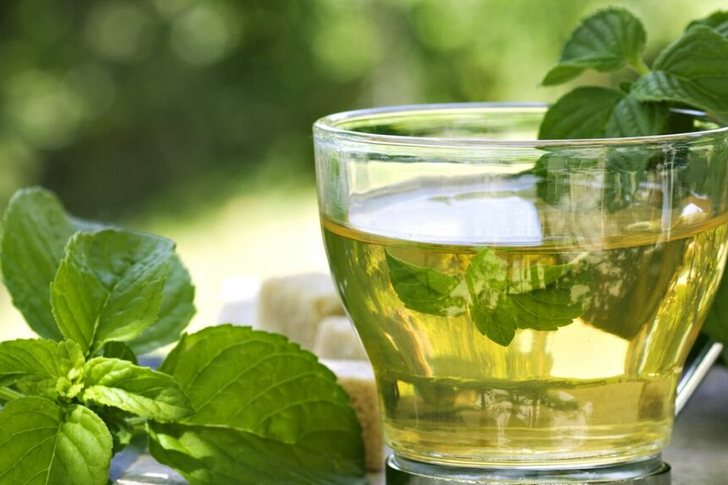
Green tea is one of the most popular types of tea and has ...
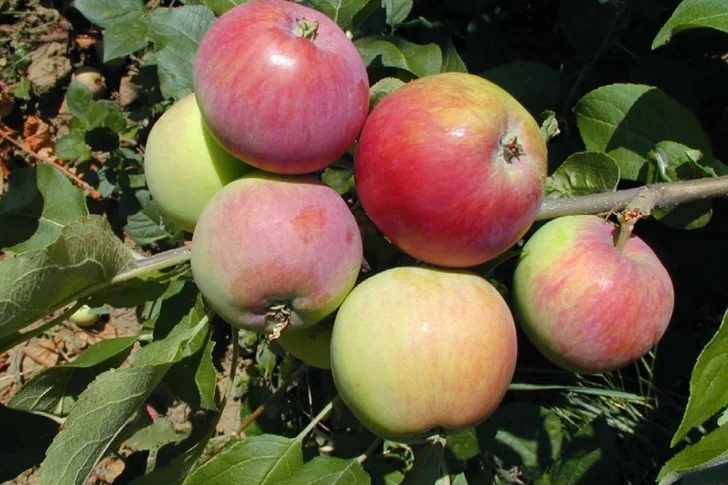
Apple is one of the most popular and consumed fruits i...
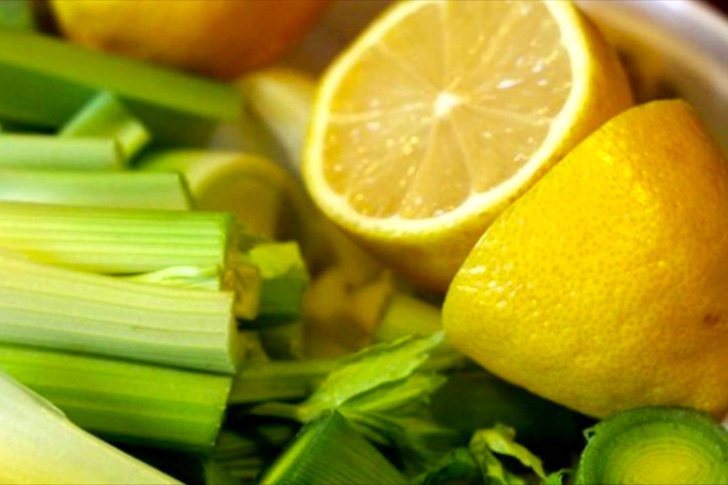
AgroWeb.org has published a series of effective natural re...
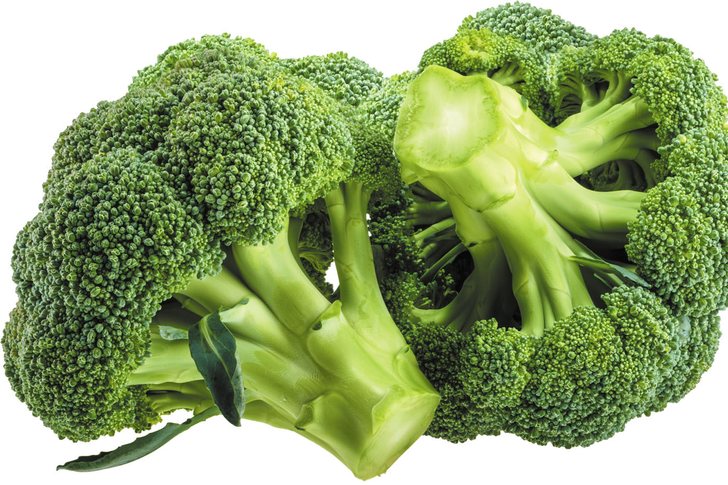
Broccoli is a popular and healthy vegetable that belon...

Various body aches do not necessarily have to be indic...

Social media has become a hub for many trends and challeng...

Fever strikes us from time to time at unexpected momen...

If you often experience bloating or gas, this does not...
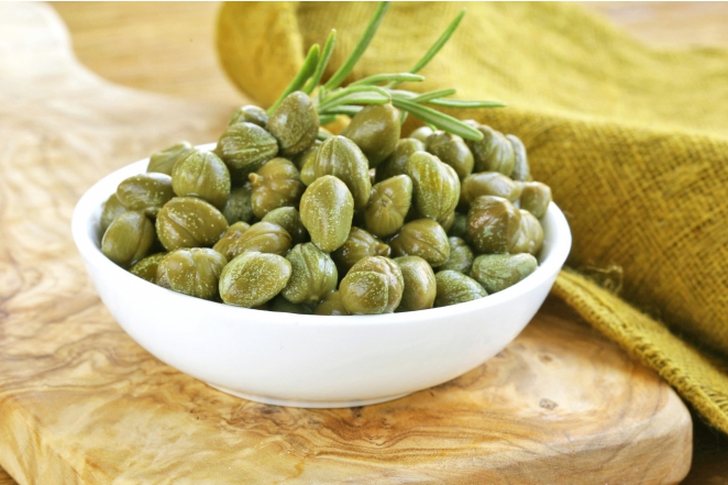
You can find capers on the shelves of many points of s...
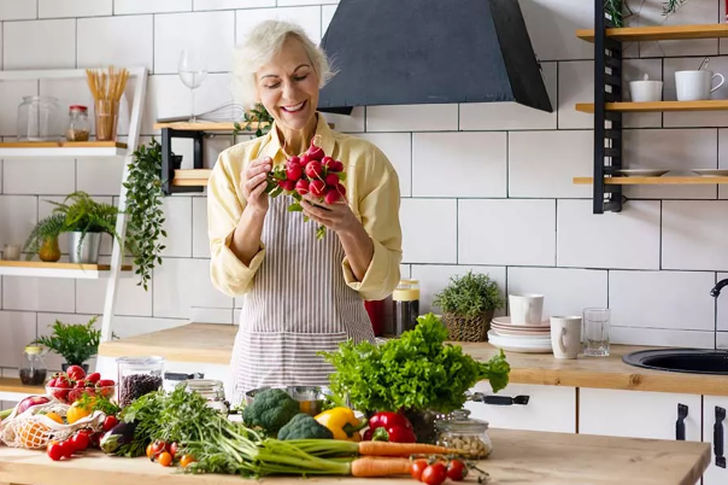
A healthy gut not only ensures a smoother daily life, but ...

Move as much as you can Running, cycling, swimming and an...

Primary headache tension Tension headaches are often...
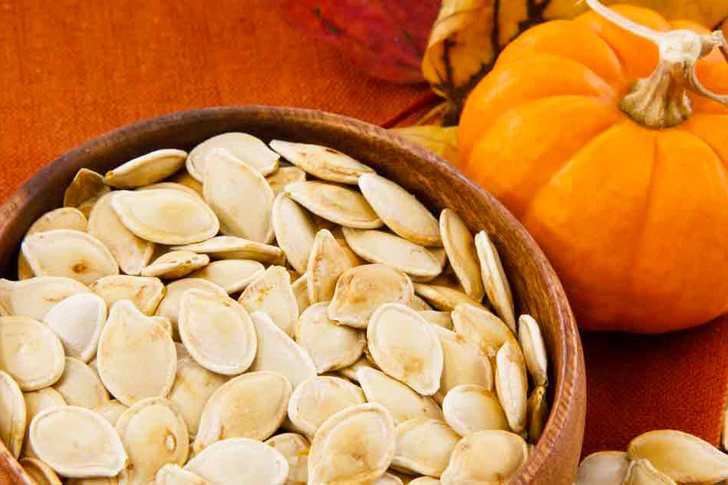
Nowadays, modern scientific research shows that at lea...

Irfan Hysenbelliu claims to be a big businessman, an hones...

The murder of officer Enea Mekolli in the line of duty has...

The next case broadcast on the show "Stop", this Thursday,...
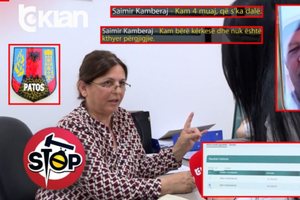
The case published this Thursday, June 4, on the show "Sto...

The Special Board of Appeal (KPA) decided this Monday ...

The KPA vetting decided this Thursday to dismiss the p...

Suela Salavaçi, a prosecutor in the Prosecutor's Offic...

The Special Board of Appeal reinstated the prosecutor ...

A 38-year-old man was arrested today near the Kamza turnof...

A money changer in Durrës lost 60 thousand euros after bei...

The 6 citizens captured in Dubai, members of criminal grou...
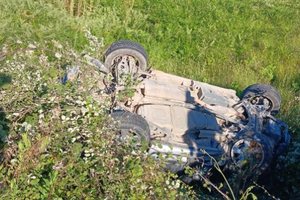
A serious accident occurred on the Kardhiq-Delvinë axis, i...
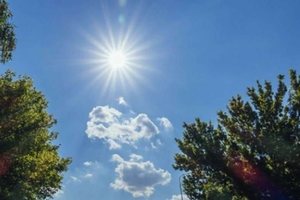
Today our country will be affected by stable weather condi...

For many children and teenagers, the long summer holidays ...

Albania is facing an unprecedented demographic transition,...
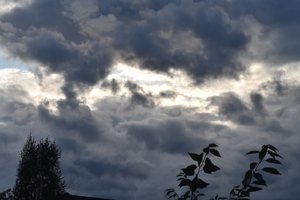
On Thursday, our country will be affected by unstable weat...

Leaders of the European Union and Western Balkan countries...

On the eve of the EU-Western Balkans summit, Germany and F...

Russian President Vladimir Putin said the war in Ukraine c...
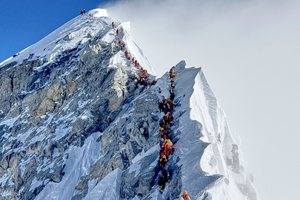
An extraordinary story of survival has been recorded in Ne...

Korça is ready to open the summer season with one of the c...
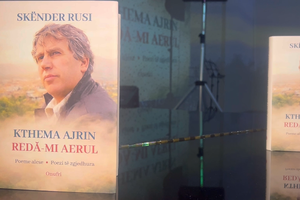
Two years after his passing, the renowned Korçë poet Skënd...
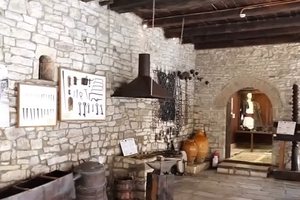
The Ethnographic Museum of Berat has opened its doors to v...
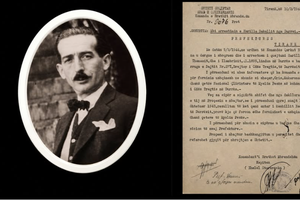
The story of Harilla Bakalli is one of the most chilling t...

Despite years of efforts at regional cooperation and free ...

Albania is the country with the highest level of severe ma...

This Friday, one US dollar is bought for 81.3 lek and sold...
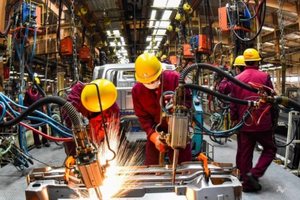
The government aims to transform the country's industrial ...