


Damage caused by aluminum foil in the body
Aluminum foil can kill you slowly, so aluminum pots, pans,...


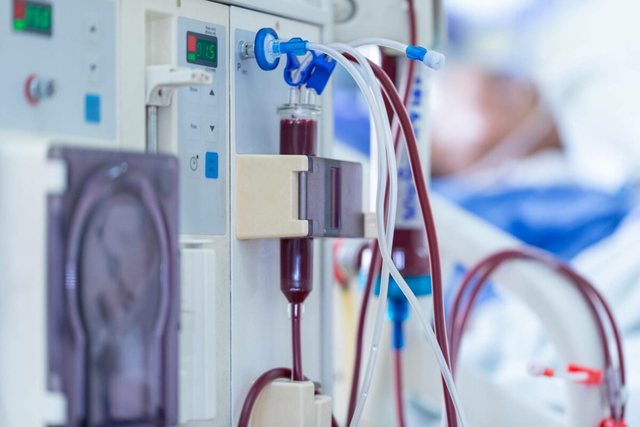
The Albanian government spends an average of 21 million Euros (2.3 billion ALL) per year for the dialysis service, almost 5% of the budget of the Health Care Insurance Fund, but the High State Control during an audit it did for the quality of this service in 13 indicators, 8 of them were rated as high risk with negative impact on patients' lives.
KLSH observed that public expenses for the hemodialysis service from 2026-2022 increased by 43%, reaching 2.3 billion ALL, but patients still do not receive the appropriate services even though a special concession has been activated for this purpose.
In Albania, the Hemodialysis Service is offered and performed through 3 ways:
1- It is carried out through the health service packages that are financed by FSDKSH, which contracts with public and non-public hospitals for cases that are beyond the medical capacities of public health institutions. Specifically, through these contracts, patients are offered service at QSUNT and in (in 3 hospitals). The dialysis session financed by the FSDKSH, based on the approved protocols, includes the necessary clinical biochemical and microbiological examinations and the performance of the procedure.
2- It is carried out by the Nephrology Clinic and the Dialysis Clinic at QSUNT. This service is performed by the nephrology clinic and the dialysis clinic (hemodialysis and peritoneal dialysis) for chronic patients who are hospitalized at QSUNT as well as for all patients with acute cases (from all over Albania) or other special cases.
3-Performed by the PPP of Hemodialysis. With the 2016 concession contract between the Ministry of Education and Culture and the DIa Vita commercial company for the provision of hemodialysis services, this service is provided in 5 centers near regional hospitals, Lezhë, Shkodër, Elbasan, Vlorë, Korçë. The object of the concession contract/PPP is the provision by the concessionaire company, (against a cost of 11,203 ALL per session).
The dialysis concession provides service to only 31% of dialysis patients and the rest is performed by private hospitals and QSUT.
The High State Control found that there are deficiencies in the management of kidney diseases in the last stage in Albania, especially in hemodialysis. There is a lack of guidelines and procedures for the National Registry of Hemodialysis Packages and policies, guidelines and criteria for the placement of fistulas and grafts in the predialysis phase in accordance with international standards and good practices. According to KLSH, these deficiencies affect the quality of treatment and the health of patients with kidney diseases, as well as the reduction of expenses for these activities.
The government has entered into a concession contract with Dia Vita LLC for a period of 10 years for a part of the dialysis service at a cost of ALL 11,203. Part of this cost is the value of the consumables used during a dialysis session.
KLSH notes that even if the number of sessions provided for in the contract is not fulfilled, the concessionaire will also be paid for the sessions not completed. Paying for an incomplete dialysis session at full price, without deducting consumables, fictitiously increases the unit cost of the dialysis service.
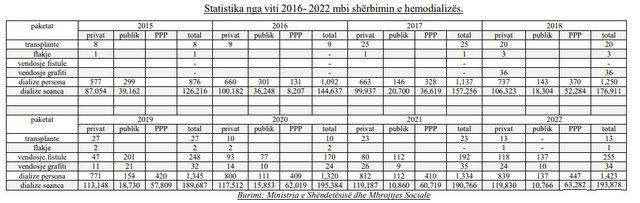
Based on the concession contract, dialysis sessions for acute cases of kidney diseases are not performed in the 5 centers of the concessionaire. Patients from all regions of the country with acute kidney cases go and receive service at QSUNT.
There is no identification of some chronic patients who were designed to perform the service near the dialysis center of the concessionaire, but chose to perform the service near other dialysis centers covered by the non-public hospital, which creates the premise for payment of twice a dialysis session.
According to the concession contract, the reinvestment in medical equipment will be 100% and will start in the last 4 years. The concessionaire has not started investing in medical equipment again, even though the concession contract has been entered into the eighth year of implementation. Medical equipment, after the end of the contract, will remain the property of public hospitals.
KLSH notes that the hospital treatment centers for hemodialysis patients present a number of problems that directly affect the health of the patients. A part of the staff of specialist doctors is employed in state hospitals, which has resulted in their constant absence near the patients performing hemodialysis, as well as their part-time employment, thus bringing about a reduction in the required level of service. for patients in concession service centers.
Absences identified in the medical and support staff in the HD service centers of the concessionaire, such as the lack of doctors specializing in endocrinology, gastrohepatology, radiology, and vascular surgery, the lack of dietitians, laboratory doctors, medical equipment technicians, and ambulance drivers can make it difficult to manage emergency situations and the general treatment of patients, it is further reported ./ Monitor.al

Aluminum foil can kill you slowly, so aluminum pots, pans,...

In a world where healthy eating is becoming more and m...
A study conducted by researchers at the Harvard TH Chan Sc...
A person living in the US state of Oregon has been ...

Love is a multidimensional concept and can be addictiv...
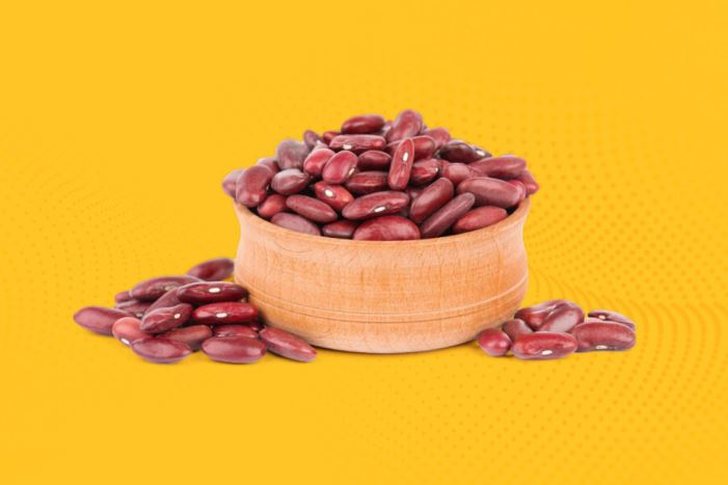
Consuming one serving of red beans per week can have s...

Experts have focused their efforts on discovering the ...

Air pollution is a great danger to the health of peopl...

Shkurti është muaji që shënon kalimin nga dimri në pra...
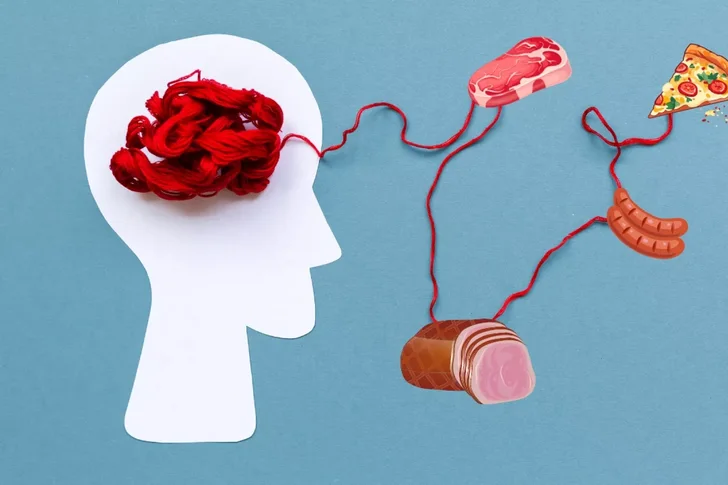
Daily consumption of meat-based and processed foods is...

Çokollata është konsideruar gjithnjë një eliksir lumturie ...
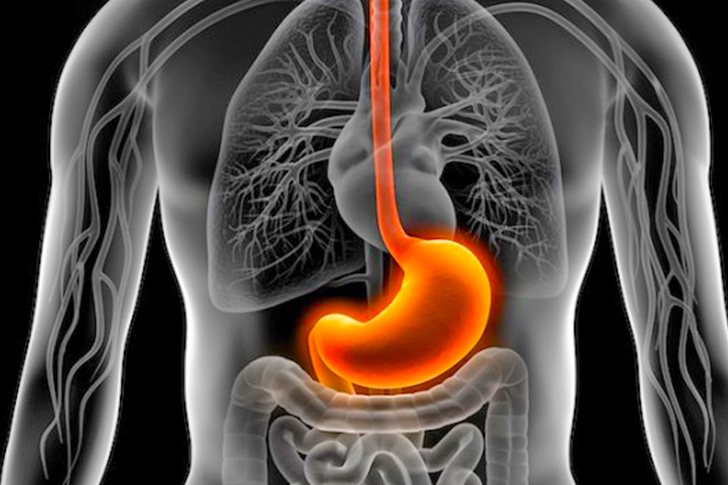
Gastric reflux and heartburn occur when acid from your...
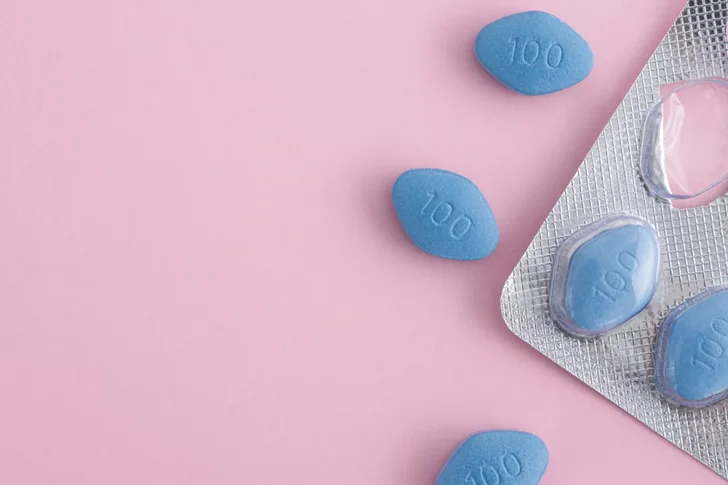
A new study has shown that men who used erectile...
Up to 30 trillion cells and 40 million bacteria can be...
Bone diseases are known to be degenerative and very pa...
One of the most common reasons why your stomach is bloated...
An incurable cancer diagnosis turns a man's life upside do...

Cleansing the body of toxins that accumulate regularly...
In the season of viruses, there are still quite a few ...
Chemicals present in tap water and hundreds of other c...

Irfan Hysenbelliu claims to be a big businessman, an hones...

The murder of officer Enea Mekolli in the line of duty has...
The next case broadcast on the show "Stop", this Thursday,...
The case published this Thursday, June 4, on the show "Sto...

The Special Board of Appeal (KPA) decided this Monday ...

The KPA vetting decided this Thursday to dismiss the p...

Suela Salavaçi, a prosecutor in the Prosecutor's Offic...

The Special Board of Appeal reinstated the prosecutor ...
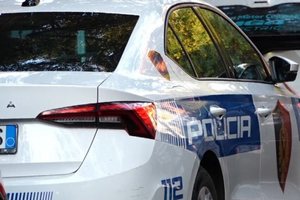
A 38-year-old man was arrested today near the Kamza turnof...

A money changer in Durrës lost 60 thousand euros after bei...
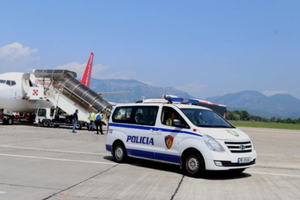
The 6 citizens captured in Dubai, members of criminal grou...
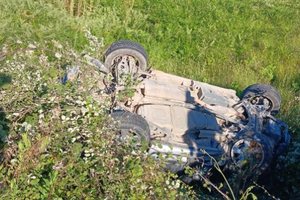
A serious accident occurred on the Kardhiq-Delvinë axis, i...

Today our country will be affected by stable weather condi...

For many children and teenagers, the long summer holidays ...

Albania is facing an unprecedented demographic transition,...

On Thursday, our country will be affected by unstable weat...
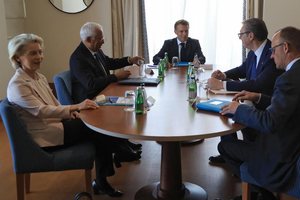
Leaders of the European Union and Western Balkan countries...

On the eve of the EU-Western Balkans summit, Germany and F...

Russian President Vladimir Putin said the war in Ukraine c...
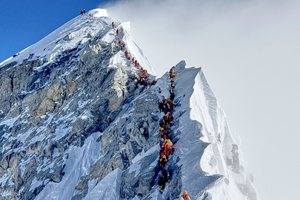
An extraordinary story of survival has been recorded in Ne...

Korça is ready to open the summer season with one of the c...

Two years after his passing, the renowned Korçë poet Skënd...

The Ethnographic Museum of Berat has opened its doors to v...
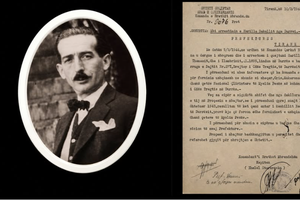
The story of Harilla Bakalli is one of the most chilling t...

Despite years of efforts at regional cooperation and free ...

Albania is the country with the highest level of severe ma...

This Friday, one US dollar is bought for 81.3 lek and sold...
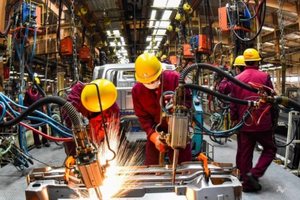
The government aims to transform the country's industrial ...