


Leg cramps at night/ Why it happens and how to prevent it
Muscular contractions in the ball of the foot cause a ...


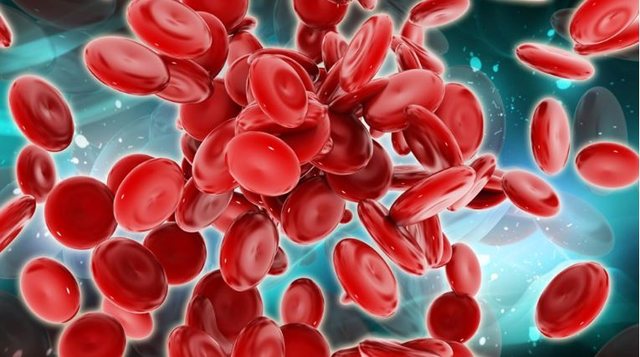
Hemoglobin is a protein found in red blood cells. These cells are responsible for transporting oxygen throughout the body.
But not only that! Hemoglobin helps the body to perform various functions. In cases where hemoglobin levels are low, your body can suffer in different ways.
Food and supplements can help increase hemoglobin levels. AgroWeb.org introduces you to them below as well as some very valuable advice on the care you should take.
Consume more iron-rich foods
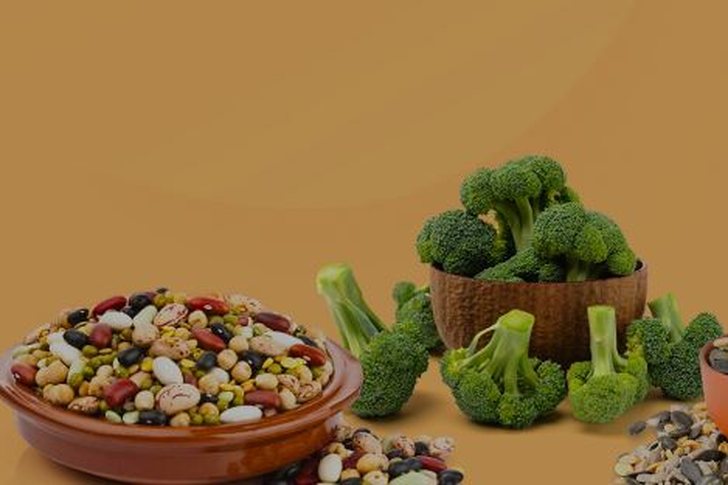
A person with reduced hemoglobin levels may benefit from consuming iron-rich foods. Iron works to increase hemoglobin production, which also helps make more red blood cells.
Foods rich in iron are:
-meat and fish
-eggs
-dried fruit
-broccoli
-green leafy
vegetables legumes
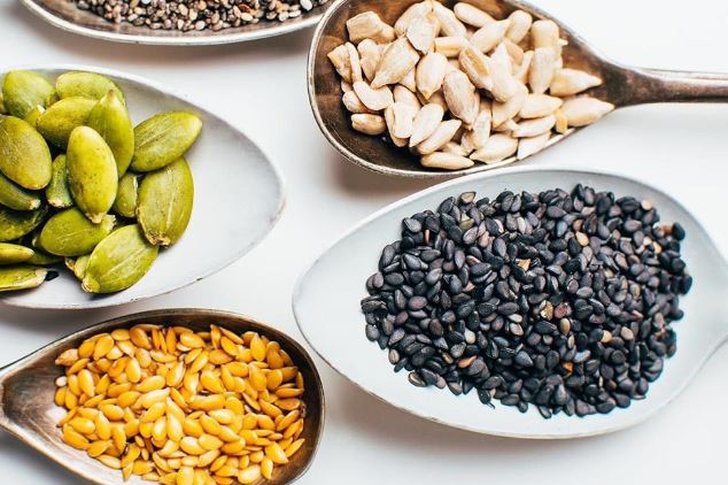
-nuts and seeds
-peanut butter
-Increase your intake of foods rich in folate
-Folate is a type of B vitamin that plays an essential role in the production of hemoglobin.
Good sources of folate include:
-Beef
-spinach
-rice
-peanuts
-peas
-beans
-avocados
-lettuce
Foods rich in vitamin A include:
- fish
- livers
- pumpkin
- sweet potatoes
- green cabbage
Foods high in beta-carotene include yellow, red, and orange fruits and vegetables, such as:
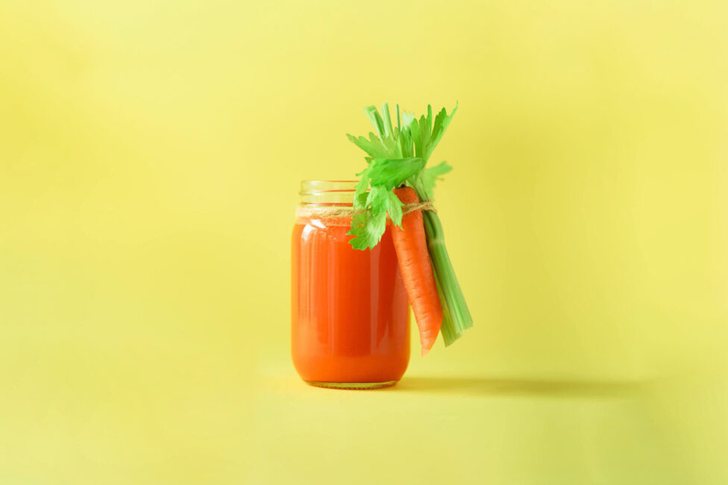
-carrots
-sweet potatoes
-pumpkin
-melon
-mango
If you choose to take vitamin A supplements you should be careful with the amount because it can be dangerous. It can cause symptoms such as bone and joint pain, severe headaches and increased pressure inside the brain.
Take iron supplements
A doctor may advise a person with extremely low hemoglobin levels to take iron supplements. The dose will depend on the person's condition. It is important to note that taking high amounts of iron can be dangerous.
What are normal hemoglobin levels?
A doctor will check for hemoglobin levels with a blood test. Low hemoglobin is diagnosed when a man has less than 13.5 grams per deciliter (g/dL) of hemoglobin in his blood, or when a woman has less than 12 g/dL.
A person can have a low hemoglobin level for a number of reasons, including:
-iron deficiency anemia
-pregnancy
-liver or kidney problems
-chronic illness
-It is also possible for hemoglobin levels to be reduced naturally without any significant cause. Some may have low hemoglobin and have no symptoms
Whereas in children, the appropriate hemoglobin levels vary depending on age. Anyone concerned about a child's hemoglobin levels should speak to a doctor.
People with very low hemoglobin levels may need additional treatment if taking supplements and changing their diet do not show sufficient results.
Symptoms of extremely low hemoglobin levels
Symptoms can be:
-fast or irregular heartbeat
-pale skin
-fatigue -muscle
weakness
-frequent or unexplained bruising
-recurring headaches
-Causes of low hemoglobin
A person with low hemoglobin may have anemia. Common causes of anemia include:
-lack of iron, vitamin B-12 or folate
-significant blood loss
-cancers that affect the bone marrow, such as leukemia
-kidney disease
-liver disease
-hypothyroidism, or a thyroid gland that does not produce enough hormones
-thalassemia, a hereditary disease that prevents the proper functioning of hemoglobin,
lung disease,
smoking, etc.
Many people can raise their hemoglobin levels with dietary changes and supplements. Talk to a doctor to determine the correct dosage of the supplement. But if hemoglobin levels remain low, a person may need further treatment, such as a blood transfusion. /AgroWeb.org

Muscular contractions in the ball of the foot cause a ...

Do you sometimes feel sluggish, unable to concentrate and ...
Jeni në kërkim të ideve të mëngjesit që janë të shijsh...
Most of us may not realize how our daily diet can affect o...
Ilaçi antiviral COVID-19 Paxlovid, i cili u ble në sasi të...
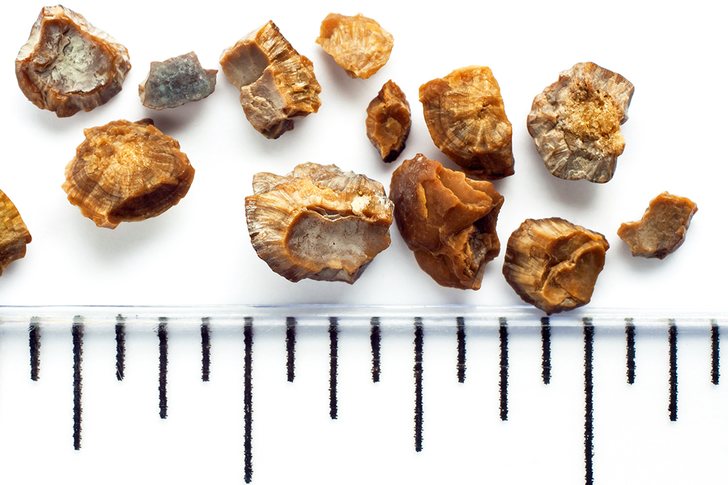
Gurët në veshka janë depozita mineralesh dhe kripërash...

A person can face dry mouth when the salivary glands a...
The Coalition of Experts Against Cancer has come out w...
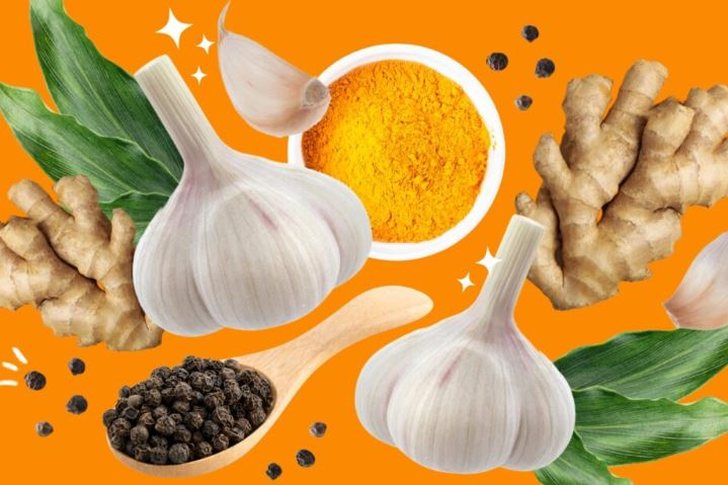
Including these foods in your diet can provide various lun...
Clogged blood vessels are the main reason for many dangero...
Në kërkimin e një zgjidhjeje natyrale për problemet me...

Arugula is the extraordinary food that we should eat not o...
According to them, one should limit the amount of fats...
Recent studies referred to by "AgroWeb.org" have revealed ...
Bananas are among the best fruits for the health of th...
The Albanian government spends an average of 21 million Eu...

Aluminum foil can kill you slowly, so aluminum pots, pans,...
In a world where healthy eating is becoming more and m...
A study conducted by researchers at the Harvard TH Chan Sc...
A person living in the US state of Oregon has been ...

Irfan Hysenbelliu claims to be a big businessman, an hones...

The murder of officer Enea Mekolli in the line of duty has...

The next case broadcast on the show "Stop", this Thursday,...

The case published this Thursday, June 4, on the show "Sto...

The Special Board of Appeal (KPA) decided this Monday ...

The KPA vetting decided this Thursday to dismiss the p...

Suela Salavaçi, a prosecutor in the Prosecutor's Offic...

The Special Board of Appeal reinstated the prosecutor ...

A 38-year-old man was arrested today near the Kamza turnof...

A money changer in Durrës lost 60 thousand euros after bei...

The 6 citizens captured in Dubai, members of criminal grou...
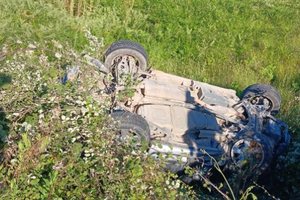
A serious accident occurred on the Kardhiq-Delvinë axis, i...
Today our country will be affected by stable weather condi...

For many children and teenagers, the long summer holidays ...
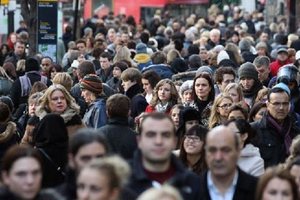
Albania is facing an unprecedented demographic transition,...

On Thursday, our country will be affected by unstable weat...

Leaders of the European Union and Western Balkan countries...

On the eve of the EU-Western Balkans summit, Germany and F...

Russian President Vladimir Putin said the war in Ukraine c...
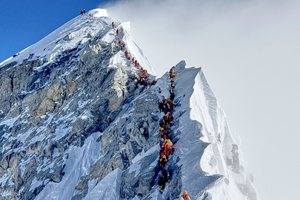
An extraordinary story of survival has been recorded in Ne...

Korça is ready to open the summer season with one of the c...
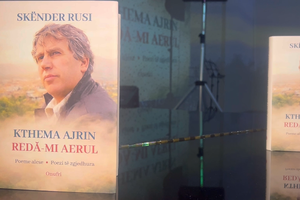
Two years after his passing, the renowned Korçë poet Skënd...
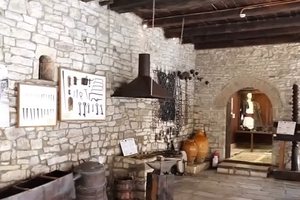
The Ethnographic Museum of Berat has opened its doors to v...
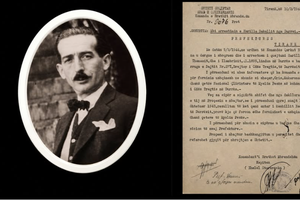
The story of Harilla Bakalli is one of the most chilling t...

Despite years of efforts at regional cooperation and free ...
Albania is the country with the highest level of severe ma...

This Friday, one US dollar is bought for 81.3 lek and sold...
The government aims to transform the country's industrial ...