

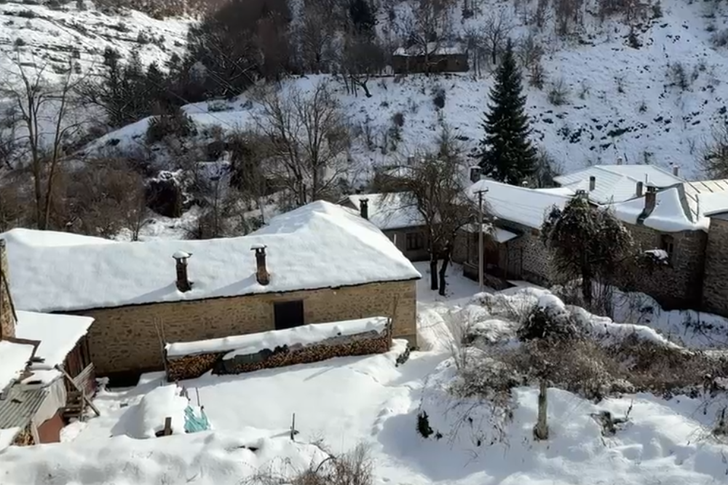
Sinica, the village of stone and tradition that is turning into a tourist destination
The picturesque village of Sinica, in the Upper Devoll are...


Handicrafts, heritage and passion are the foundations on which Meliha's workshop in Vau e Dejës was built, a story that began in childhood and has today become an important handicraft center for the area. Raised with handicraft lessons from her mother and grandmother, Melihaja has inherited this craft as part of her family identity.
After her marriage in 1991, the need to help her family and husband pushed her to take her first steps towards entrepreneurship, starting with quilts, during a difficult period for the country. Over the years, the work expanded and a small shop became a meeting point for women in the area, who began to work together. In 2020, this initiative took the form of a large craft center, where dozens of traditional crafts are produced today.
"My beginnings were when I was little. We grew up with the work of learning needlework from my mother and grandmother. After I got married, the idea came to help my husband with the income and we started with quilts at that time, I'm talking about 1991 here. After a few years, we managed to open a small shop and there we started gathering women from the area. In the 2020s, we managed to have this large center. A job that was inherited from my mother and then the need to help the family. The journey has been difficult because I also have to raise children, but when you do it with passion, you always succeed," said Meliha Zyberaj.
In Meliha's workshop you will find embroidery, loom work, carpets, recycled work, as well as custom-made folk costumes. Traditional costumes from Mirdita and Zadrima are among the most sought-after, while recently there has been a significant increase in interest in traditional clothing and tablecloths.
Today, about five women work at the center, while others work from home with a loom, enabling women with children or older women to be part of the process. In total, about 17–18 women benefit from this workshop, which has become a sustainable source of livelihood for many families.
"We have everything, we have embroidery, looms, carpets, recycled works. We have folk costumes that we make to order, vests, clothes that we rent for occasions. Costumes from Mirdita and Zadrima, because this area requires these the most. Recently, attention has turned to traditional clothing, both for clothing and for tablecloths. Handicrafts are of interest, especially crocheted works. There are 5 women in the center, and we have 5 others who work from their homes with looms. They are older women, some with children and work from home. In total, we are about 17-18 women! The most difficult works are the loom covers because they start from the weaving, the silk shawl also because there are very thin threads."
Three years ago, the workshop took another important step by cultivating silk cocoons. Initially, in a modest way, but later with institutional support, about 200 mani roots were planted. Currently, silk is produced to cover the workshop's internal needs, while the goal is to expand the market to Kosovo and Montenegro in the coming years, where the demand for silk scarves is growing.
"We have been cultivating silkworms for 3 years. We started with a small amount at first, but after receiving support from the Ministry of Entrepreneurship, we planted about 200 manioc seedlings. We extracted silk to cover the needs of the workshop but not for the wider market. We hope to enter Kosovo and Montenegro in the next 2 years. There is demand especially for silk scarves."
Participation in fairs has been another pillar of success. The workshop has not missed any fair, which has served as a connecting bridge with clients, hotels and restaurants, mainly for tablecloth orders. According to Meliha, fairs should be organized regularly, as they are spaces where artisans get to know each other, create contacts and strengthen cooperation between them.
"We haven't left a fair without participating, they have helped us a lot. We have orders from hotels, restaurants, mainly for tablecloths. Fairs are effective and should be organized at least 2-3 times a year. For crafts to come together. Because at fairs we get to know each other, we meet people, we create contacts. The Shkodra area has women who work a lot in crafts."
Special attention is also paid to the younger generation. Through cooperation with vocational schools in Shkodra and Lezha, courses and training are organized to inherit the craft. Although interest exists, support for young people remains essential to increase motivation and keep this tradition alive.
"I have dealt with the vocational schools of both Shkodra and Lezha. This is with the aim of passing on the craft. We conduct courses and trainings with the aim of passing it on to the new generation. There is interest, but not to the point that we would like. But young people also need to be supported to have more willpower.."
The history of Meliha's workshop is proof that passion, perseverance and joint work can turn tradition into economic and social development, empowering women and preserving the cultural identity of the Vau i Dejës area./ CNA

The picturesque village of Sinica, in the Upper Devoll are...
After the pandemic, a family idea born amidst sacrifices a...
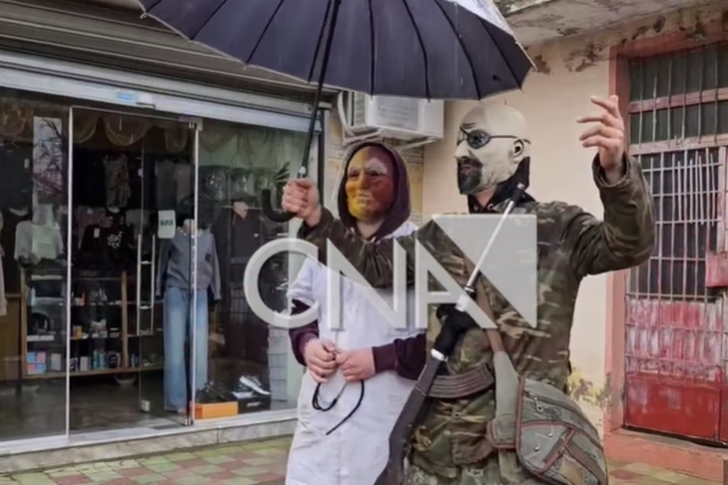
For the sixth consecutive year, the traditional Rrogeç rit...
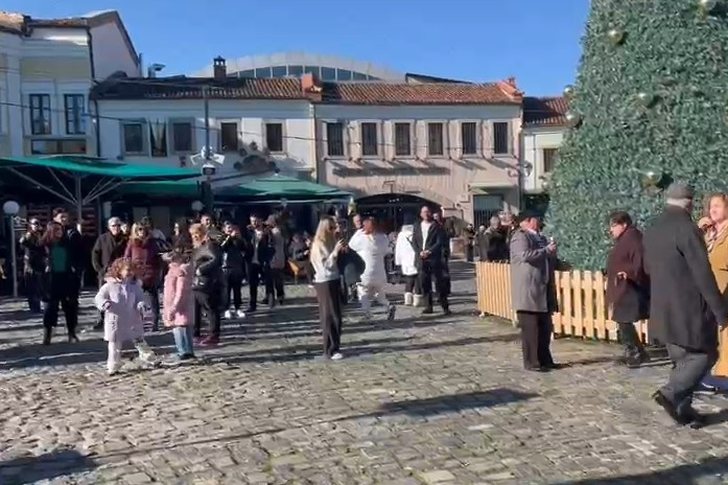
A magical atmosphere, traditional music and strong emotion...
From a student idea to a business that is growing every da...
The pedestrian area of the city of Korça was filled yest...
In the village of Hajmel in Vau Dejës, in the Christmas at...
On the eve of the end-of-year holidays, the streets and ne...

"Tempulli i Shijes" is not just a restaurant, but a story ...
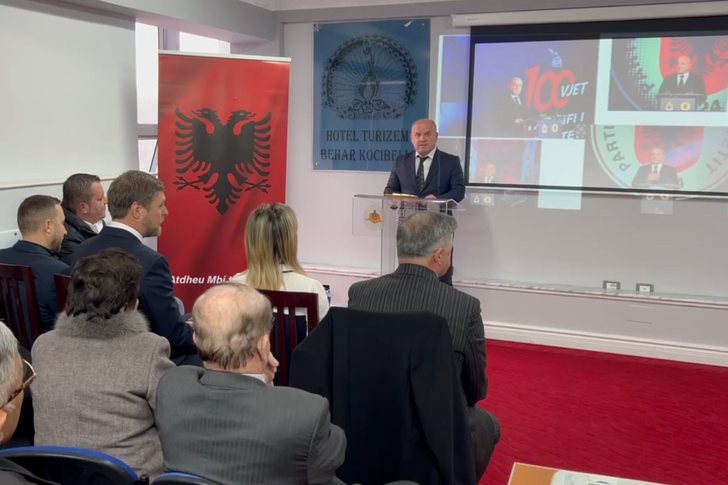
A special ceremony was held in the city of Korça, organize...
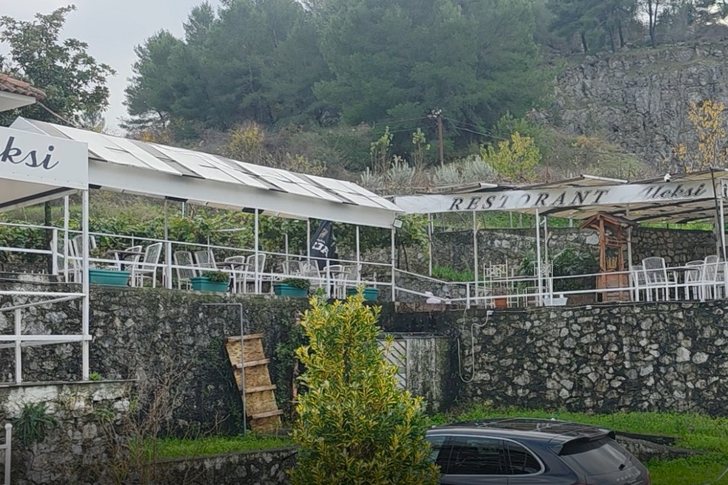
The restaurant's origins date back 25 years, when it all b...
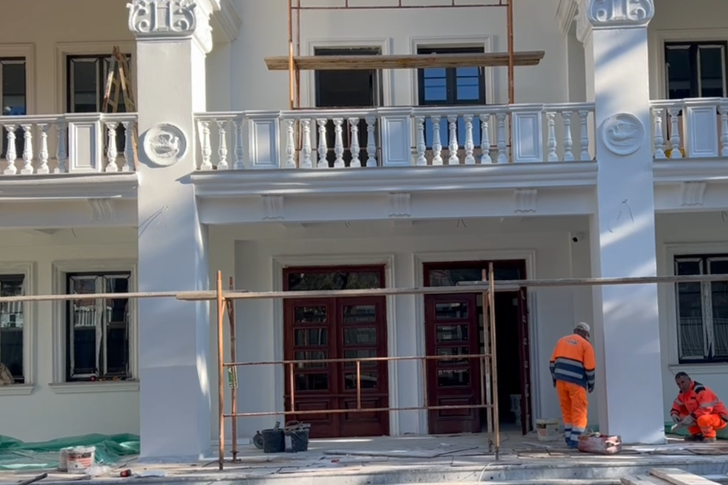
The “Dhimitër Orgocka” Community Cultural Center in Ma...

For the 31st consecutive year, Pogradec has organized the ...
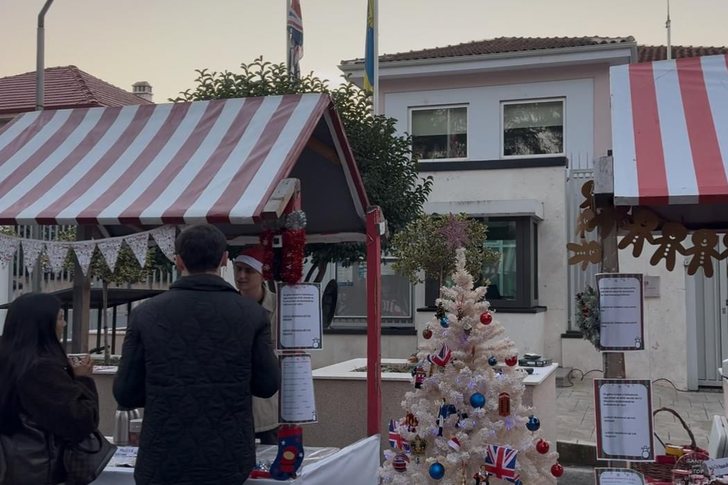
The Christmas Market lit up the streets of the embassies i...
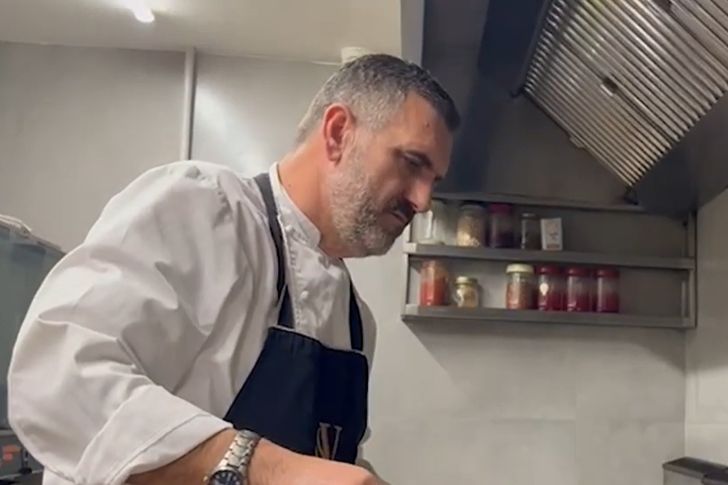
CNA TV brings to viewers a special report dedicated to one...
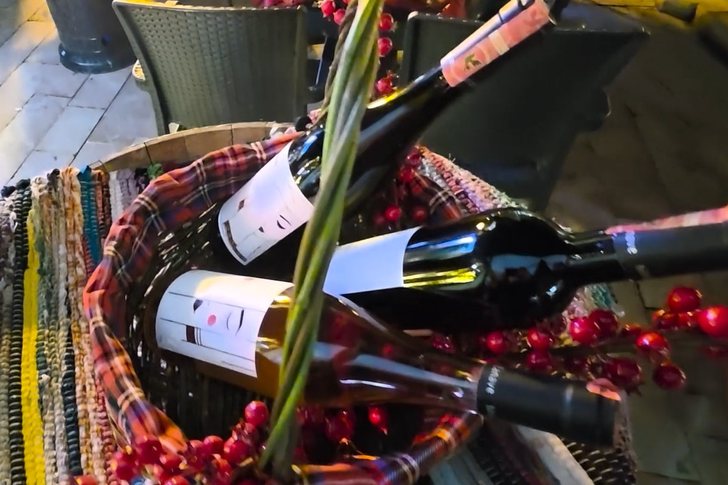
When she decided to return to Albania, Lola Lumi's first i...
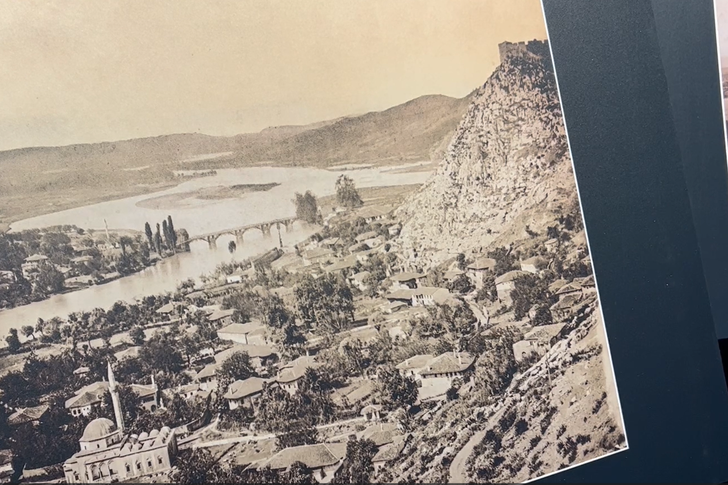
"The Photographic Collection of the Yildiz Palace and Alba...
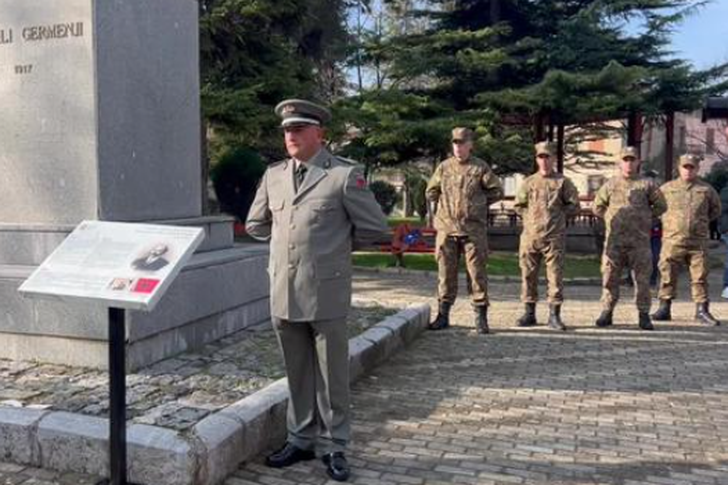
Today, numerous activities were held in Korça to commemora...
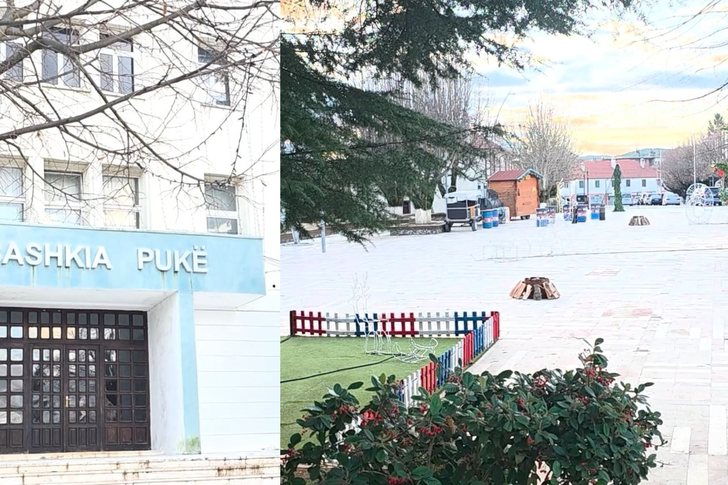
Puka mbetet ndër qytetet e cila është prekur masivisht nga...

In Korça, a city known for its tradition, culture, and exq...

The protests of recent days related to the situation in Zv...
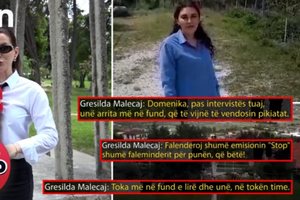
The case addressed this Wednesday, June 3, on the show "St...

The show "Stop" broadcast this Wednesday, June 3, the case...

Irfan Hysenbelliu claims to be a big businessman, an hones...

The Special Board of Appeal (KPA) decided this Monday ...

The KPA vetting decided this Thursday to dismiss the p...

Suela Salavaçi, a prosecutor in the Prosecutor's Offic...

The Special Board of Appeal reinstated the prosecutor ...
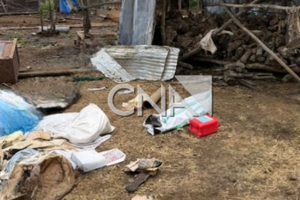
Several images provided by CNA show the area where this mo...

A quantity of explosive material exploded this morning at ...
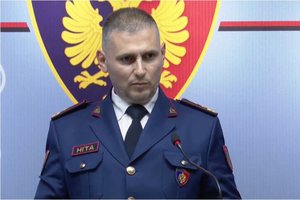
The Head of the State Police, Skënder Hita, expressed his ...

New details have emerged regarding the serious incident th...
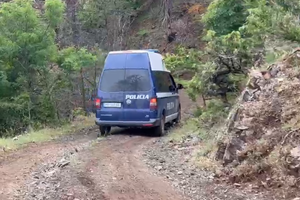
Witnesses in Lozhan, Maliqi, have shared details from the ...

Albania is facing an unprecedented demographic transition,...

On Thursday, our country will be affected by unstable weat...

An alarming figure of more than 166.4 thousand Albanians a...
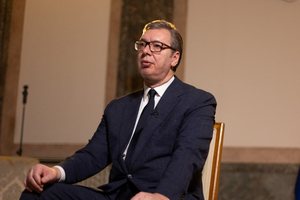
Serbian President Aleksandar Vučić has confirmed that he w...
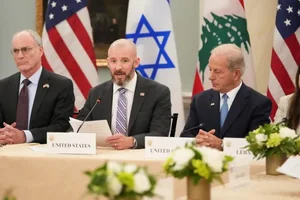
Israel and Lebanon have agreed to renew their fragile ceas...

United States President Donald Trump announced in a post o...
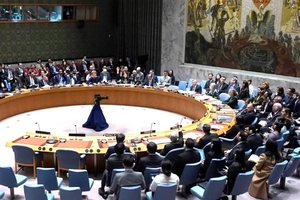
Asambleja e Përgjithshme e Kombet e Bashkuara ka përfundua...
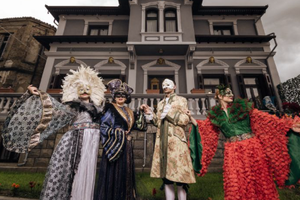
Korça is ready to open the summer season with one of the c...
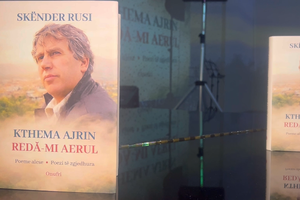
Two years after his passing, the renowned Korçë poet Skënd...
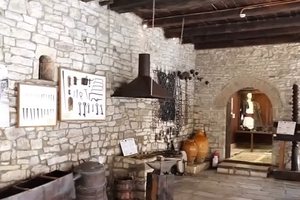
The Ethnographic Museum of Berat has opened its doors to v...
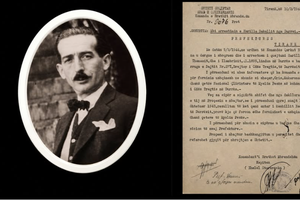
The story of Harilla Bakalli is one of the most chilling t...

Profit margins in the construction sector have increased s...

The Transparency Board, at its meeting today, decided to i...

Today, in the foreign exchange market, one US dollar is bo...

The Minister of Finance, Petrit Malaj, announced today a n...