


"Rama, resign!"/ The 55th protest against the government is being held today
This Friday, the 55th civic protest against the government...

This Friday, the 55th civic protest against the government...

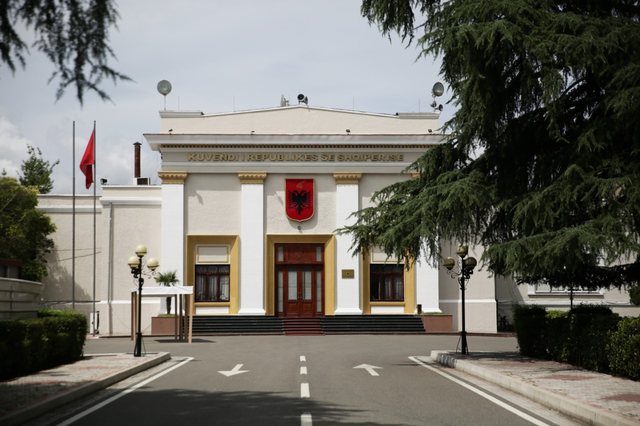
The Institute of Political Studies (ISP) has conducted a monitoring of parliamentary activity throughout 2023.
The ISP says that during 2023, the SP had all the space, means and opportunity to initiate reforms and implement its governing program.
Therefore, according to this institution, the Parliament should have a high performance, but the session was dominated by political conflict and numerous incidents, up to the restriction of the freedoms of the deputies.
The ISP states that the Assembly did not approve any important reforms in the fall and did not make progress in the constitutional function of control over the executive power.
In the findings, it is stated that the Assembly did not fulfill its electoral function, took steps backwards in the prevention of conflicts of interest and the integrity of MPs, did not invest in resolving conflicts, set a historical record with 63 disciplinary penalties against MPs, as well as knowingly ignored some procedures and important rules of parliamentary activity.
Key findings of the monitoring:
The Assembly as the representative body of the people, in the activity related to its legislative function (approval of laws and completion of the constitutional and legal framework necessary for the democratic functioning of the state and social life); with its electoral function (election of some of the highest state officials); as well as with the function of control and supervision (demanding accountability to public institutions respecting the principle of separation and balancing of powers), it must be guided by the main principles of the rule of law and respect for standards of ethics, conduct and transparency. From the general evaluation of the monitoring staff of the ISP, it results that during the parliamentary session September - December 2023:
I. The session was dominated by political conflict and numerous incidents, obvious weakening of parliamentary activity and the role of parliament in the political system, limitation of political freedoms of deputies and misuse of representation in function of personal political agendas. About 50% of the parliamentary activity was formal, with a majority that approves legal acts without debate and an opposition that tries to obstruct physically and by non-parliamentary means the functioning of the Assembly. Plenary sessions set a historical record for the minimum minutes, the 2024 state budget was voted in only 8 minutes and on average one law/decision was passed every 2 minutes of the plenary session.
II. The Assembly did not pass any significant reforms during the autumn session. The approved acts are mainly in function of the daily agenda and the needs of the Council of Ministers, which was the initiator of 100% of the approved laws. The initiatives of the deputies have increased significantly, but the permanent committees have not engaged in examining them, leaving them in oblivion for months. Several initiatives were defeated in the plenary session, a discouraging signal for the deputies in the greater exercise of the legislative right. Not all legal initiatives proposed by MPs are subject to public consultation. In cases where the process is carried out, only the legal initiative is published without including the updated law for which changes are proposed. The lack of the latter leads to difficulties in understanding the proposed changes.
III. The most active deputies with a positive balance in the parliament were Tabaku e Zhupa (PD), Brace e Bushka (SP). Women MPs had higher efficiency than the other gender. In total, 41 deputies did not have any discussion and about 30 deputies did not witness any real contribution in the committees or in the plenary sessions. In the Assembly, a minority of deputies continue to be overloaded with commitments, while the majority of deputies have formal activities.
IV. The Assembly did not make progress in the constitutional function of control over the executive power. The number of use of the constitutional mechanisms and those provided by the Regulation (interpellation, questions, motion with debate, request for information) was low. The parliamentary majority dismissed the minority's demands for the establishment of two investigative commissions on the grounds that the object and field of action do not respect constitutional standards and principles, while there was no attempt by this political wing to propose alternative formulations and give the minority the opportunity to reformulate its request, as assessed by the Constitutional Court (CJK).
V. The Assembly did not fulfill its electoral function, creating 23 vacancies, including the vacancy for the Ombudsman and the Commissioner against Discrimination, two important institutions in the protection of human rights. Non-compliance with deadlines by the bodies involved in the electing/appointing process negatively affects the stability and sustainability of the institution itself, despite the fact that the organic laws guarantee institutional continuity by leaving room for the member of the body to remain in office until replaced. Cases of resignations or dismissals create an institutional vacuum. In some cases, continuity is only guaranteed for three months. Likewise, the Assembly failed to take a decision on the rotation of civil society and interest groups in the important bodies of justice governance, the High Judicial Council and the High Prosecution Council, - a critical sign that can also be read as a silent pact to postpone the current mandates of officials whose mandate has ended in these bodies.
VI. The Assembly has taken steps towards the implementation of the standards for the prevention of conflict of interest and integrity in the activity of deputies. The ISP addressed in the Assembly at least one documented case of conflict of interest, while several cases of "ordered" laws were noted during the legislature. For example, in December, a leader of an independent institution publicly confirmed that the legal initiative to change a law in his favor and personal interest was written by him, although formally the initiative was presented to the Assembly in the name of two deputies of the majority.
VII. The Assembly was not invested and did not demonstrate the political and institutional will for the resolution and legal reflection of at least six decisions of the Constitutional Court (related to the provisions in the Code of Civil Procedure, with supplementary salaries and pensions, lawyers/road accidents, the vote of the diaspora, the provisions during the pandemic, as well as the mandate of the former foreign minister).
VIII. The separate legislative initiatives of the deputies, excluding those for the budget, were dominated not by attempts to initiate reforms or to solve governance problems, but mainly for daily political needs and against political rivals. Such were initiatives for changes in the law on investigative commissions and initiatives for changes in the Rules of the Assembly.
IX. During the session, the Assembly decided to remove the parliamentary immunity for the deputy SB, one of the 2-3 dominant political figures of the 32-year transition. Mr. Berisha is under investigation by SPAK. Although about a decade ago he was one of the initiators of the complete removal of parliamentary immunity in cases of corruption investigations, in his case he had the opposite approach. The request of SPAK and the subsequent decision of GJKO to stop the freedom of movement abroad and to seize the travel documents for the deputy SB constitutes a typical case of the conflict between legal and constitutional provisions. The deputy rejected the justice bodies by making a self-interpretation of the Constitution, but a lawsuit in the Constitutional Court related to this case resulted in its downfall and indirectly, in leaving the current practice in force.
X. The AA deputy continued to exercise his parliamentary function, although since July he has been wanted internationally, accused of corruption. The Assembly had no mechanisms to deal with such practices and in contrast to the standards of decriminalization and integrity, the political party refused to expel him even from the parliamentary group.
XI. The legislative activity was also based on about 120 meetings of the Assembly's committees, discussions on draft acts and hearings. The standing committees faced difficulties to function normally (due to the opposition deadlock the meetings were held online), to ensure the quorum of the meetings and to have effective results. About 39 decisions of the Assembly were taken in violation of the parliamentary procedures defined in the Regulations, as well as about 32% of the meetings of the parliamentary committees were held online, through an unfounded legal decision taken by the Assembly, a decision which, as resulted from the investigation of The ISP was taken after the "fait accompli", i.e. after the online meetings had started. Voting from MPs' cars became a trend in at least 12 cases, including the vote for the 2024 state budget.
XII. The Assembly set a historical record with 63 disciplinary penalties against MPs, including 55% of opposition MPs. The cases of penalties during the year 2023 mark higher statistics than the 2005 legislatures. The level of implementation of ethical and behavioral rules is weak and this is evidenced in the lack of political will to ensure the implementation of established standards although the standards have a good approach thinking about ethics, harmonizing with international standards. The Assembly initiated unilateral changes to the Regulations and the Ethics Secretariat made collective disciplinary decisions not based on verifications, facts and due process. The President of the Assembly, in some cases, took the disciplinary measure "Exclusion from the plenary session" against the opposition MPs, but in none of these cases the measure taken was formalized with the concrete legal act determined by the Assembly Regulations. The Secretariat for Procedures, Voting and Ethics in taking disciplinary measures has referred to the calculation of the deadline in calendar days, while the provisions of the Regulation, specifically article 65/2, point 4, define the calculation in working days. This has caused clashes between the majority and the opposition regarding the expiration of the 10-day deadline.
XIII. Referring to the provisions of the Regulation, the authority of the Assembly and its bodies, to respect the rules of ethics in communication, also extends to the Speaker of the Assembly, the Prime Minister, members of the Council of Ministers, leaders/representatives of constitutional institutions or established by law as well as to other persons present in the Assembly, but monitoring data shows that the principle of equal treatment (among MPs of the entire political spectrum) has not been respected. In many cases, the use of improper and unparliamentary, insulting or threatening language by the Prime Minister, ministers or majority MPs has been found, however, no penal measures have been taken.
XIV. The Assembly consciously ignored some important procedures and rules of parliamentary activity, bringing decisions with an accelerated procedure or violating legal deadlines in other initiatives, delaying the documentation of legal acts and public consultation, as well as ignoring almost all practice of the mechanism of review and approval of laws in the session. In none of the sessions of the period October 30 - December 21, there was no counting of votes, but a formal declaration, taking for granted the 100% votes in favor of the majority.
XV. ISP staff identified several cases when heads of parliamentary committees held individual consultations in their offices with leaders of institutions and interest groups, without protocol and without reporting them in the parliamentary documentation. Such practices create doubts about the integrity of decision-making in parliament and the negative impacts that informal lobbying can bring./ CNA

The former Minister of Culture, Elva Margariti, reacte...

On Tuesday, in the Institution of the President of the...

The EU delegation in Tirana has reacted in relation to...

The Deputy of the Democratic Party, Ina Zhupa, in a st...
"Coward", "Mediocre", "Irresponsible", "Don't use faki...
Një ditë më parë, të hënën, avokatët kreut të opozitës...

Ministrja e Jashtme e Kosovës, Donika Gërvalla në një ...

Blendi Gonxhja, whom Prime Minister Edi Rama rewarded ...
Deputetët e grupit parlamentar të Partisë Demokratike ...

Journalist Blendi Fevziu revealed this evening the sce...
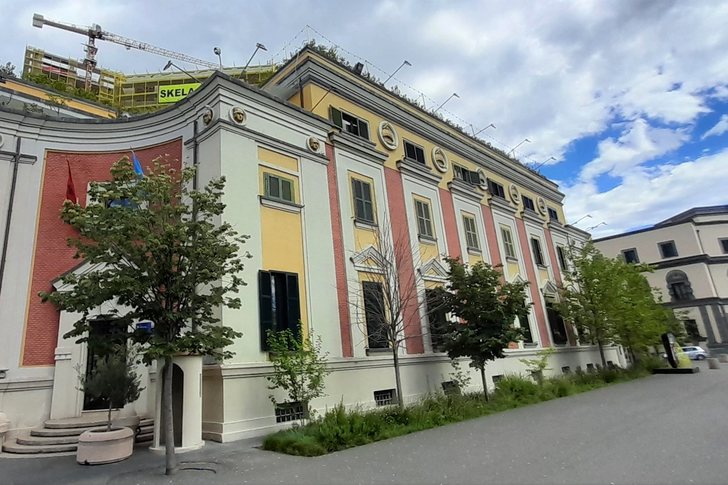
Changes happened this Monday in the Municipality of Ti...
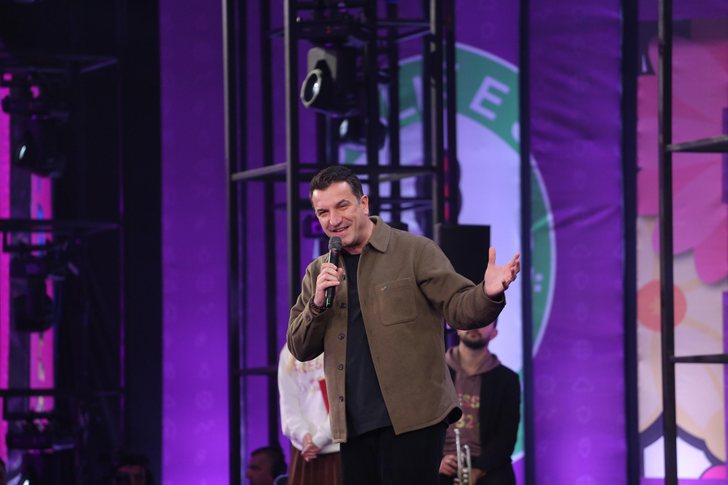
This Monday, the Socialist Party held an activity on the o...
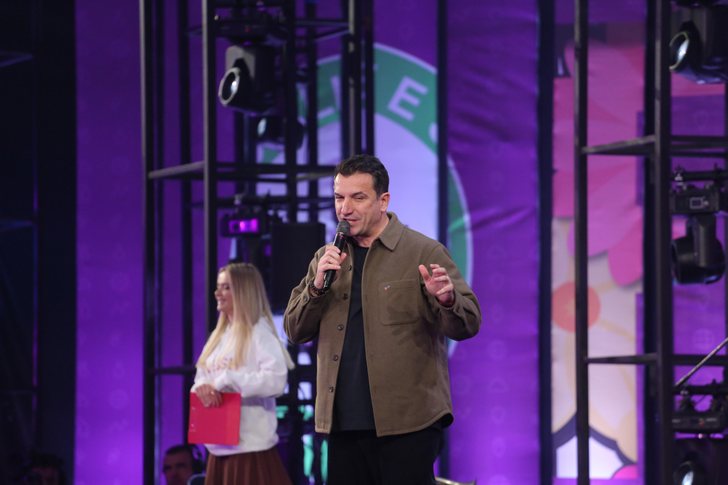
The mayor of Tirana, Erion Veliaj, mocked the oppositi...
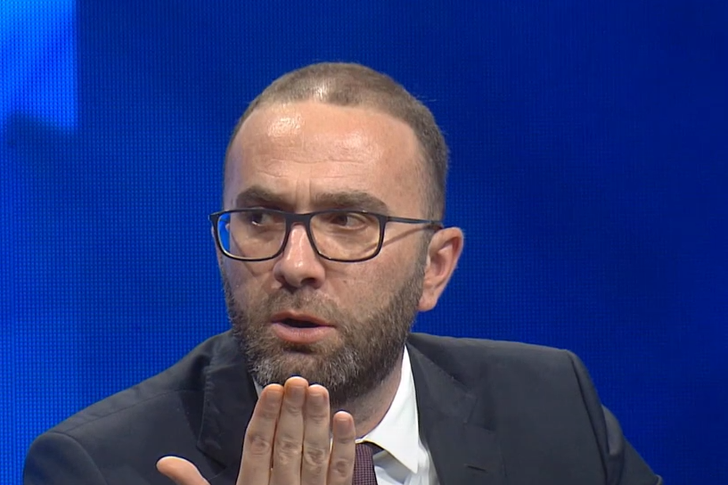
Gazment Bardhi has reacted to the statement of the Hea...
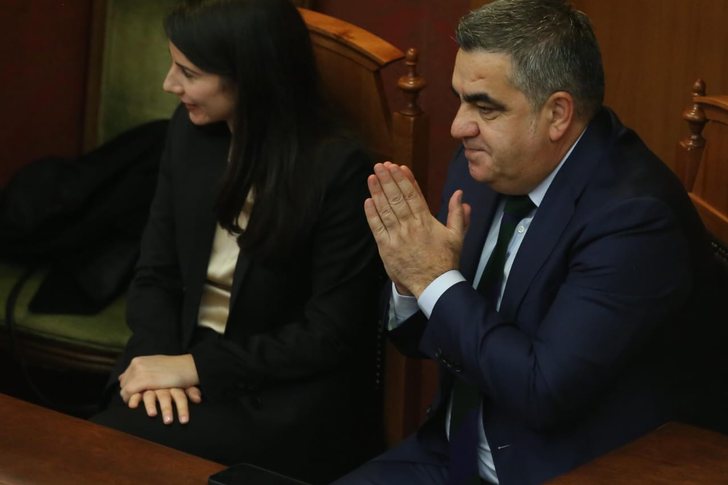
Një denoncim i fortë ka ardhur nga ish-kryeministri Sali B...
Former Prime Minister Sali Berisha made a strong call ...
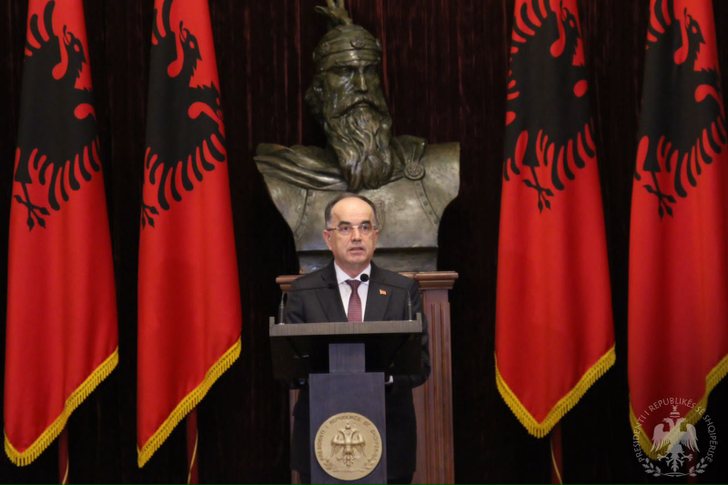
In today's plenary session, the first of 2024, it was ...
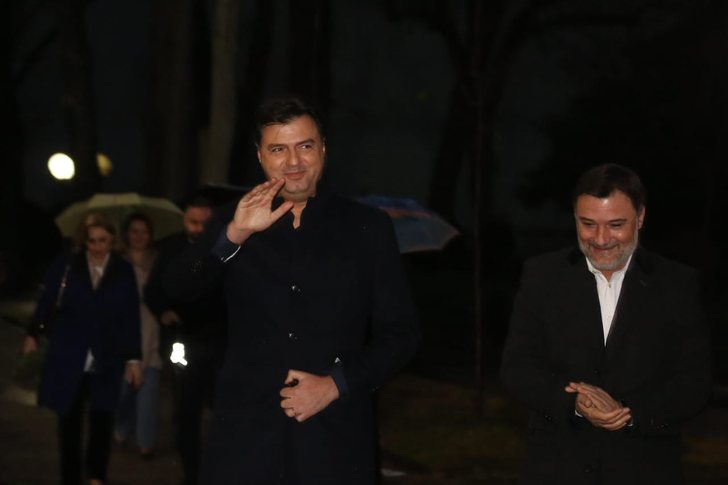
Lulzim Basha has done the next service for the majorit...
The presence of the OSCE in Albania has reacted to the sit...
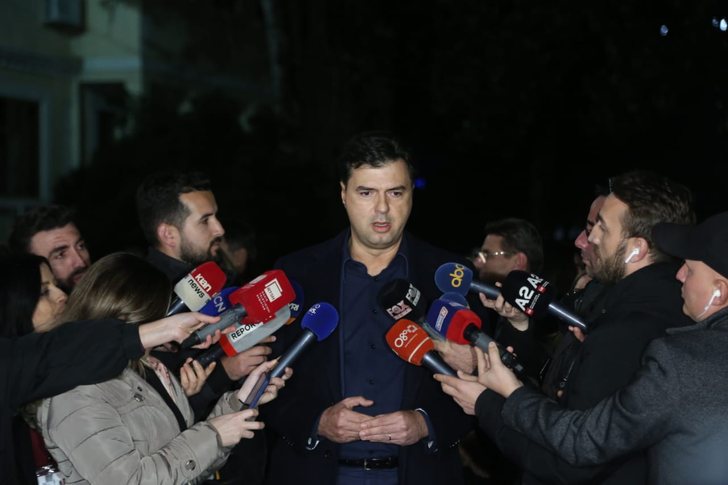
Why didn't you protest with the opposition in Parliament? ...
A 39-year-old citizen has been arrested in Lezha, after se...

CNA has launched another investigation that could lead to ...

Irfan Hysenbelliu is a businessman that we call "Irfan the...

In March 2026, CNA launched another investigation centered...

The Special Board of Appeal (KPA) decided this Monday ...

The KPA vetting decided this Thursday to dismiss the p...

Suela Salavaçi, a prosecutor in the Prosecutor's Offic...

The Special Board of Appeal reinstated the prosecutor ...
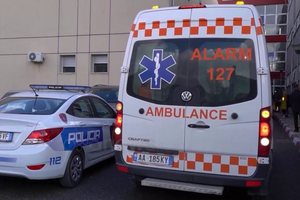
55-year-old Belere Plaka, who was injured today with a sho...
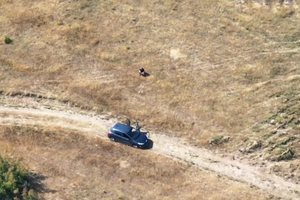
Police Announcement: Following preliminary information...
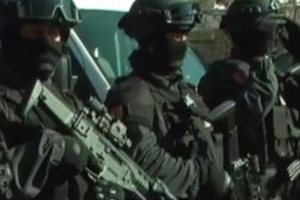
New details from the operation being carried out in Fier t...
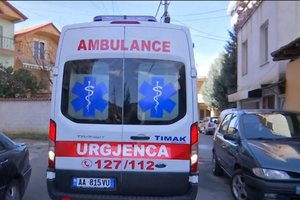
The 17-year-old, who was seriously injured yesterday after...

By noon, cloudiness is expected to prevail in almost all o...

Children without parental care, for whom alternative famil...

On Thursday, our country will be under the influence of st...
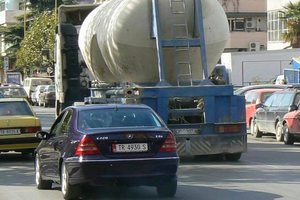
A serious accident that occurred this Wednesday with the c...
A bipartisan group of US lawmakers is calling for a Europe...
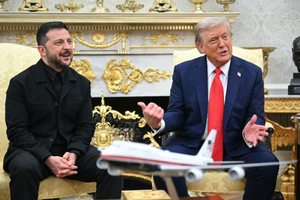
US President Donald Trump will host his Ukrainian counterp...
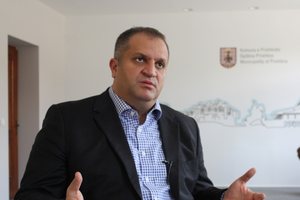
The Basic Court in Pristina found the former mayor of Pris...
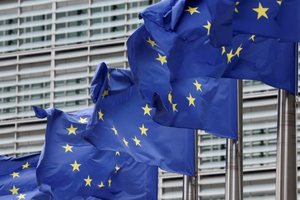
The European Union Office in Kosovo has called on all poli...

At a time when industrial products are increasingly taking...

Trust among people is not just a three-syllable word. It c...
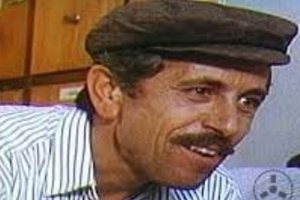
Master of humor Todi Llupi has passed away at the age of 7...

The ninth edition of "MIK Festival" kicked off with one of...
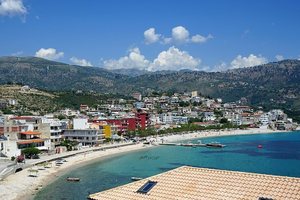
The number of active enterprises in Albania continued to g...
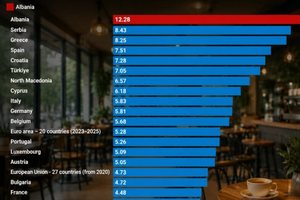
In Albania, the bar-cafe has long become an almost unique ...

This Friday, one US dollar is bought for 81.7 lek and sold...
The average sale price of apartments in Tirana reaches rec...