

Rama: Better Saliu than Salianji and the two Doctors, the harsh and the delicate
Once, with cynicism and black humor, Edi Rama sincerely be...


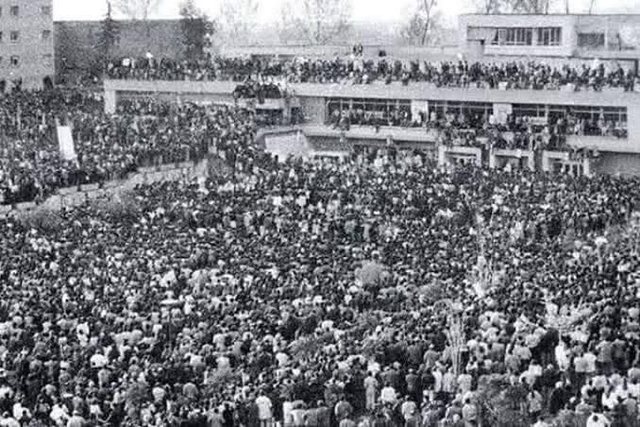
Albania marks today the 35th anniversary of the beginning of the student movement to overthrow the communist dictatorship. The students' taking to the streets triggered a chain of events that culminated in the establishment of political pluralism and the formal fall of the communist system in March 1992.
“We love Albania like all of Europe” became the leitmotif of the students in the streets and squares of Tirana on those cold December days. Isolated for half a century, Albania ended up as one of the poorest countries in the world, with less than two dollars per capita per day according to the World Bank.
However, after opening up to the Western world and establishing a kind of rudimentary pluralism, hopes were high that Albania would join the European family by building a functional democracy, the rule of law, and a market economy.
This has not happened yet, and I think mainly because Albanians have dreamed badly. Dreaming as a political concept is linked to the realization of a desired, but difficult objective in the future. Hope also has this motivating function and vision towards a better future.
When we dream and hope for the best, it is assumed that we work towards achieving goals or are willing to sacrifice for the desired betterment. For example, an occupied nation endures the difficult conditions of occupation but does not give up and fights, just as a seriously ill person, even though he knows that the chances of survival are small, hopes for medical treatment and struggles with the disease.
Despite this motivating side, dreaming can be disastrous for the individual or a state. Because hope must be based on realism and above all must be accompanied by organic, concrete acts in achieving the goal. So, if a society simply dreams of achieving a goal (to make Albania like the rest of Europe) but does not work and think critically about the set objective, hope is lost and what remains is despair.
Albania is not today the second poorest economy in the world, but it is a country where despair has driven half of the population from the country. Demographically unbalanced, with empty cities and villages, the failure to make “Albania like the rest of Europe” is killing the country’s future. Even though 35 years have passed since the formal fall of the communist regime, Albania remains a hybrid regime, even regressing in terms of building democracy and functional institutions. Above all, the country has created an oligarchic economic model that has killed the opportunity to produce well-being, especially for the young.
The failure to build Europe here first and then to join in Brussels is not simply a consequence of the lack of capacity for action such as holding regular elections, pressuring the elite for change, resisting endemic corruption, critical thinking within political parties and leadership.
But Albanians have also had bad dreams in another form; they have hoped that foreigners will build a European Albania. Thus, Albania has been engaged for three decades in an unhealthy relationship of dependence with internationals, expecting salvation from them. Look, all major economic, constitutional or political reforms have been delegated to internationals without any critical approach to whether they are working or not. The shock therapy in the 1990s, the construction of dysfunctional institutions, the occasional constitutional changes and the inability to resolve political impasses without the presence of internationals are just some of the examples of this unhealthy dependence.
And the reforms imposed by the internationals have certainly never been organic because the Albanian elite has not internalized them. Therefore, it is not in vain that Albania has ended up with a democracy and market economy on paper, but which in essence remains an autocracy. Because the Albanian elite has embraced democratic values, as Ivan Krastev says, as imitation.
To bring up the analogy of the sick person and hope once again, Albania has not managed to be analytical and dream well at any point in these decades. Even though the therapy often prescribed from abroad has not worked, Albanians have not raised any question as to why the body politic is not healing or manifesting serious side effects. Nor have they attempted to understand and heal the body politic itself in light of new clinical facts.
Today, when the country celebrates Youth Day, it has been left without youth, without hope and without a future. And this, to a large extent, because it has dreamed badly. To dream badly means to create clinical addiction, to kill your ability to act and think critically. Therefore, this December 8th finds Albania in despair because it thought that democracy, the rule of law and national interest are built on illusions and delegation of self-government.

Once, with cynicism and black humor, Edi Rama sincerely be...
December 8 is not just a date or a historical event; nor i...
Even Pilate thought that by remaining silent he would esca...
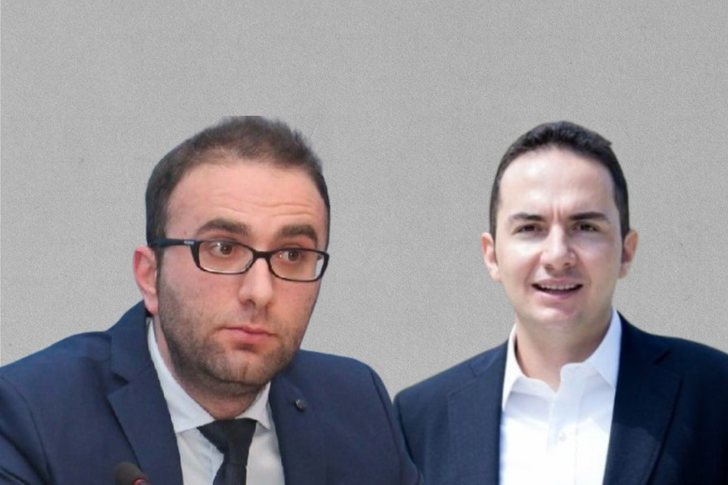
The movement in the Democratic Party, which seemed dead be...

The region of ancient Illyricum, which corresponds to pres...
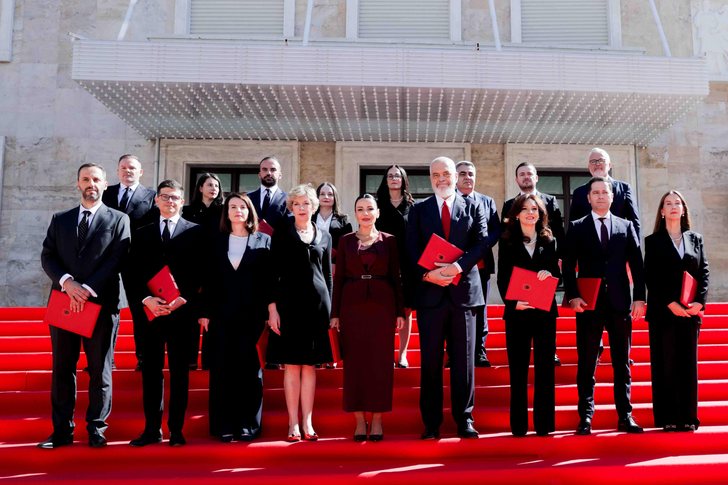
The most voted and unvoted.. This is a harmful idea with d...
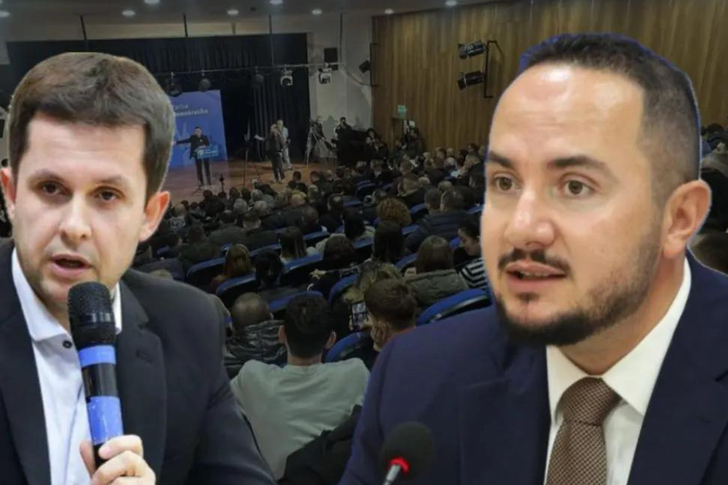
For Salianji, my opinion has always been clear, even when ...
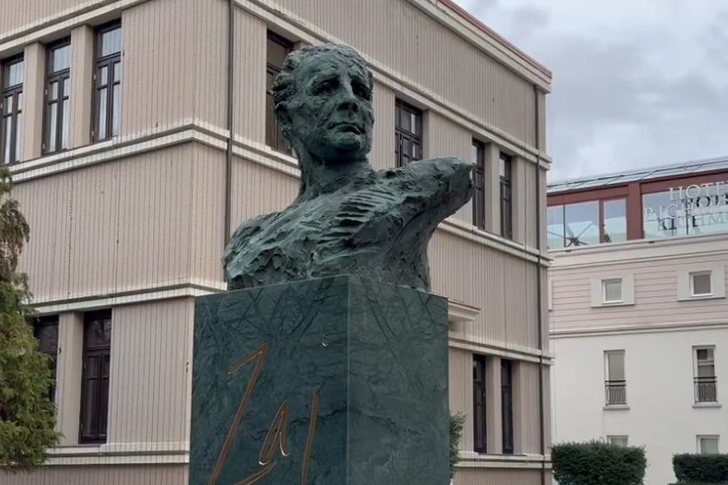
It's been a few days since the bust of Zai Fundo was u...
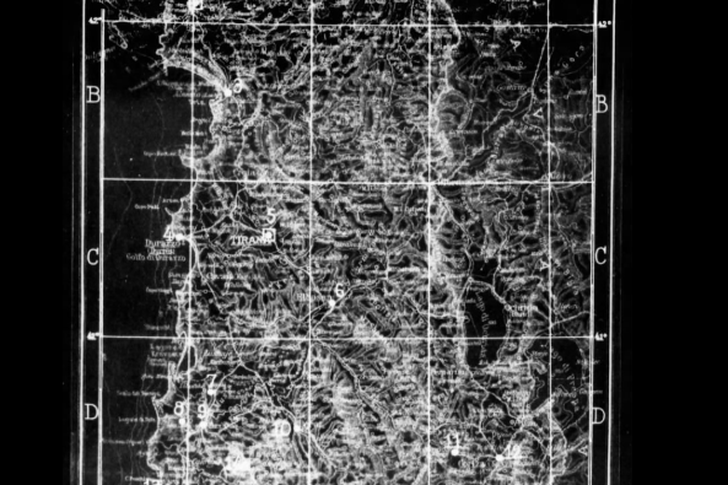
The following map comes from the American World War II arc...
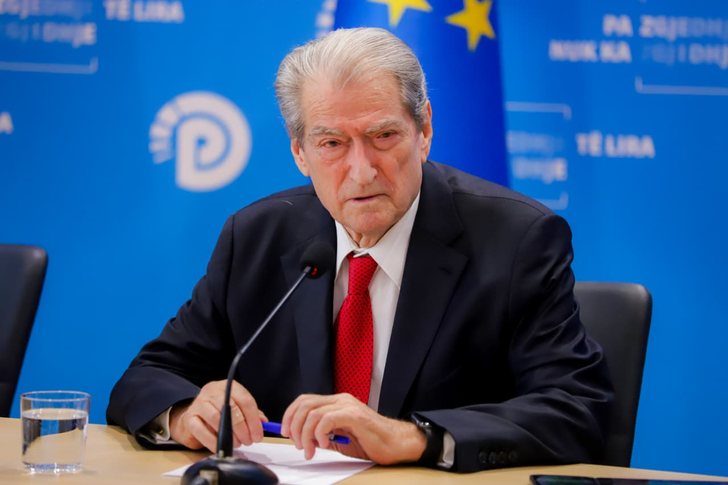
There was a lot of noise these days about the Salianji...
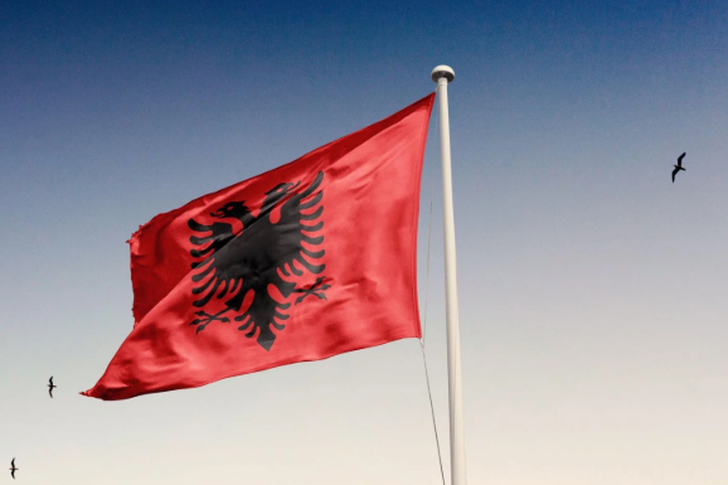
Albanians in the Republic of Serbia living in the Presevo,...

Independence is the greatest act of self-determination tha...
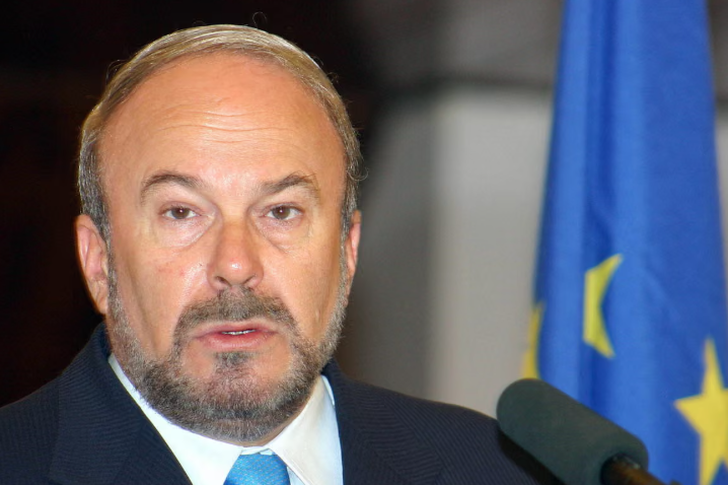
Whether in government or in prison, Fatos Nano was one of ...
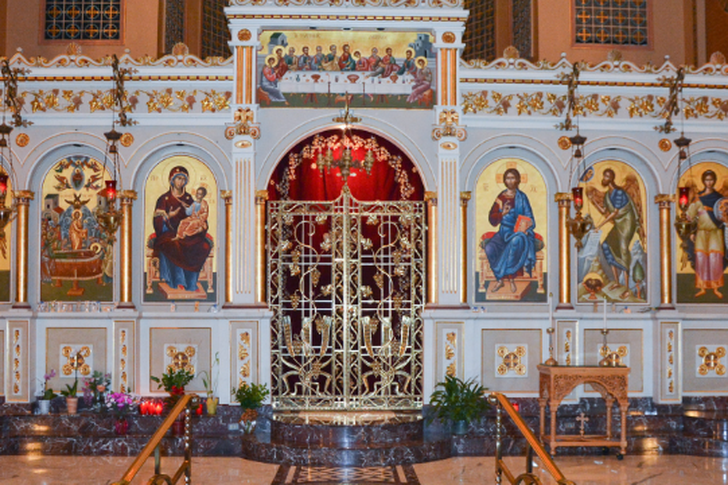
*Written by the Archbishop of Tirana, Durrës and All Alba...
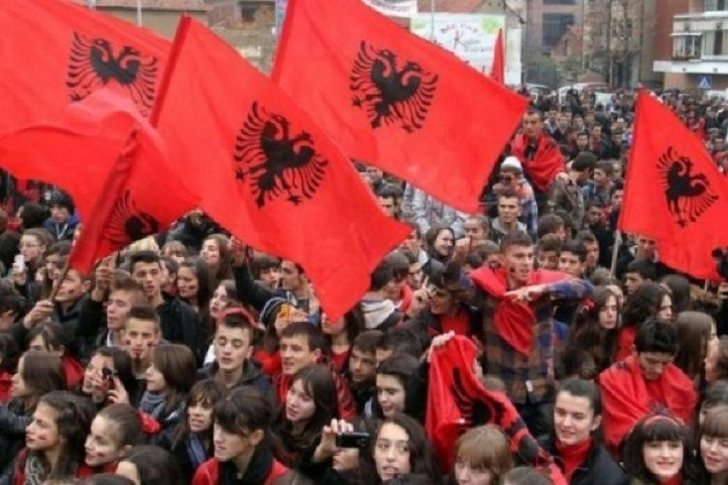
I. Yes, we Albanians have been searching for 500 years and w...
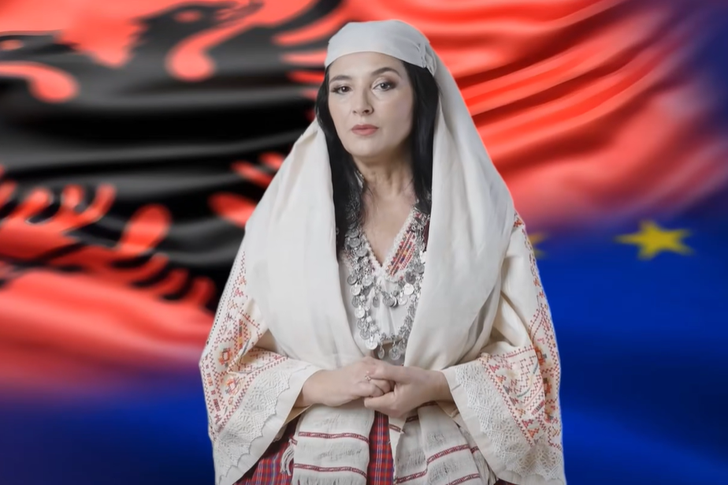
When an exhaustive answer has not yet been given to the qu...
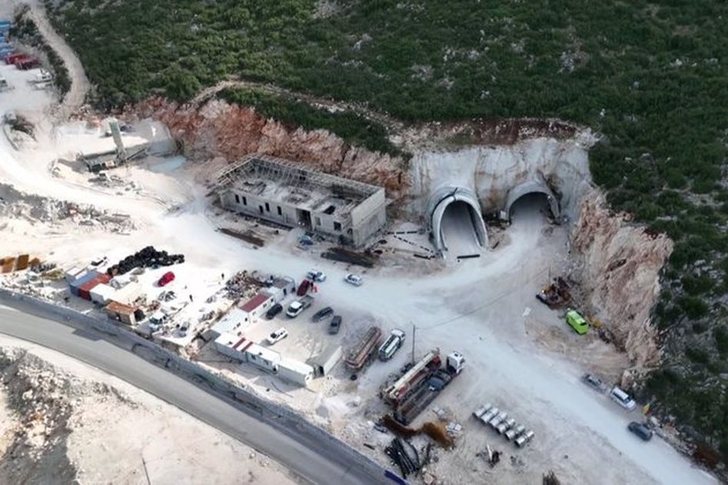
In our country, every major public project has a predeterm...
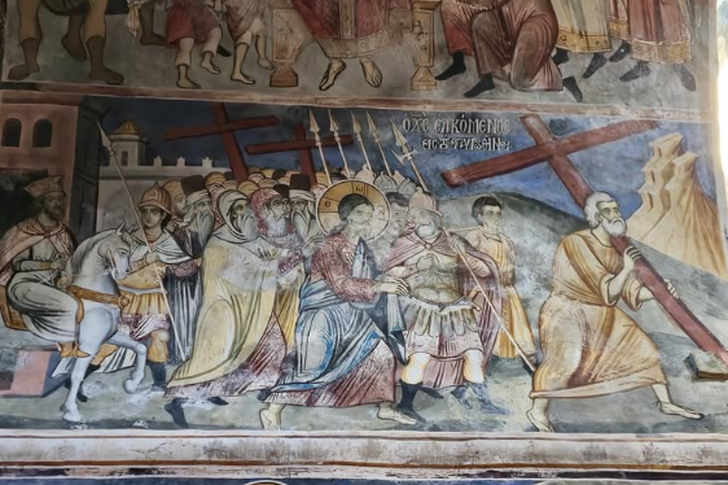
Once upon a time, a king known for his compassion and gene...
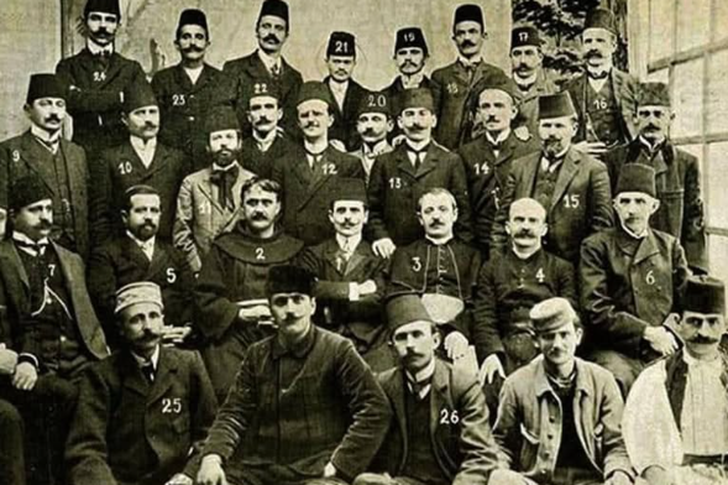
The first light of knowledge began in this city, with the ...
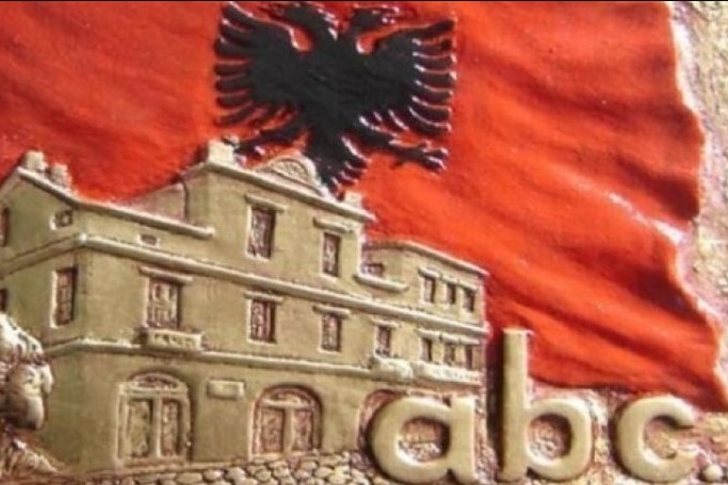
If there is a miracle worth believing in, it is the surviv...
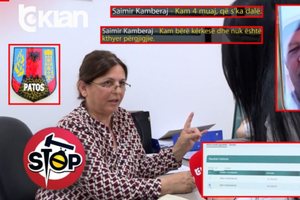
The next case broadcast on the show "Stop", this Thursday,...
The case published this Thursday, June 4, on the show "Sto...
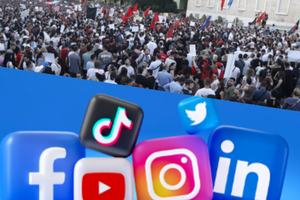
The protests of recent days related to the situation in Zv...
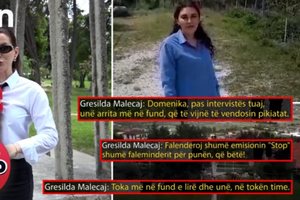
The case addressed this Wednesday, June 3, on the show "St...

The Special Board of Appeal (KPA) decided this Monday ...

The KPA vetting decided this Thursday to dismiss the p...

Suela Salavaçi, a prosecutor in the Prosecutor's Offic...

The Special Board of Appeal reinstated the prosecutor ...
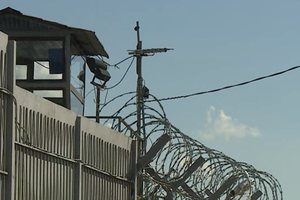
A convict was found dead today in the premises of the Pris...
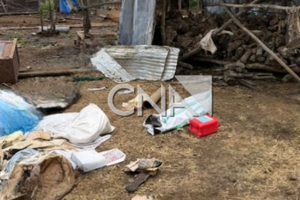
Several images provided by CNA show the area where this mo...
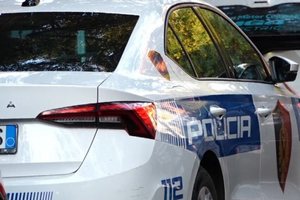
A quantity of explosive material exploded this morning at ...
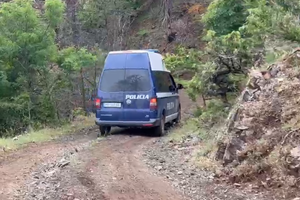
Witnesses in Lozhan, Maliqi, have shared details from the ...
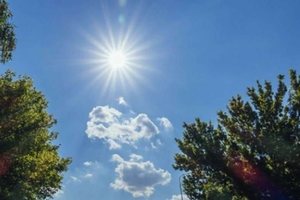
Today our country will be affected by stable weather condi...

For many children and teenagers, the long summer holidays ...
Albania is facing an unprecedented demographic transition,...
On Thursday, our country will be affected by unstable weat...
Russian President Vladimir Putin said the war in Ukraine c...
An extraordinary story of survival has been recorded in Ne...
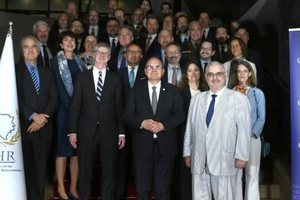
The Peace Implementation Council in Bosnia and Herzegovina...
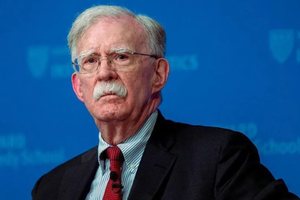
John Bolton, the former national security adviser to US Pr...
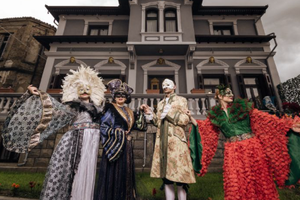
Korça is ready to open the summer season with one of the c...
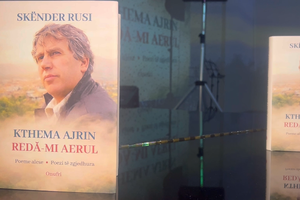
Two years after his passing, the renowned Korçë poet Skënd...
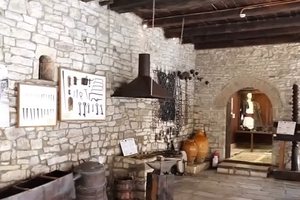
The Ethnographic Museum of Berat has opened its doors to v...
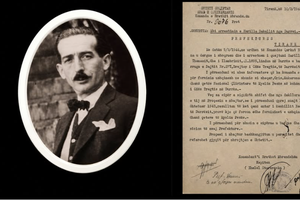
The story of Harilla Bakalli is one of the most chilling t...
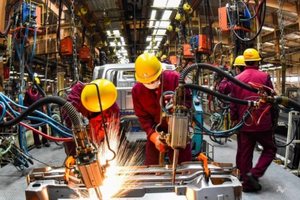
The government aims to transform the country's industrial ...
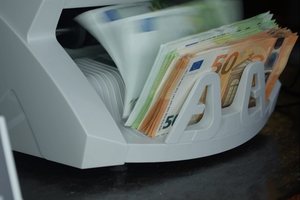
Kursi i këmbimit të euros me lekun ka rënë më tej këtë jav...
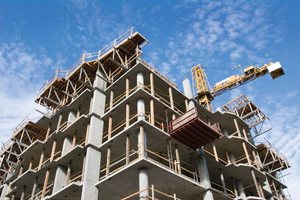
Profit margins in the construction sector have increased s...
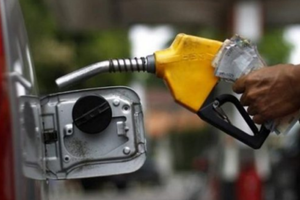
The Transparency Board, at its meeting today, decided to i...