


Today, session in the Parliament/ Protest announced in front of the parliament
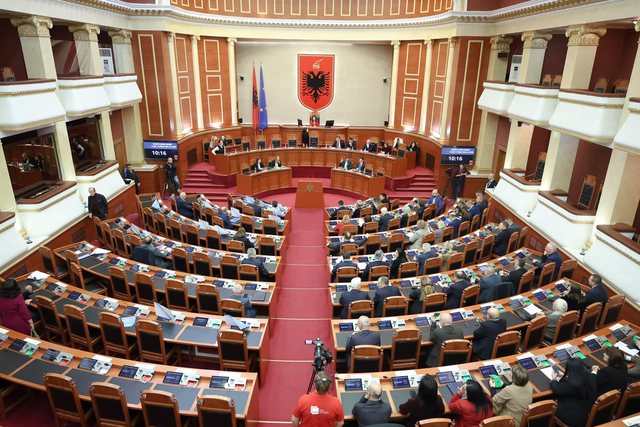
The next session of the Assembly will take place today. Ac...

The next session of the Assembly will take place today. Ac...

“But this year’s budget doesn’t have fiscal reform!” – the journalist asserted in a critical tone. “How good that there isn’t!” – I replied. “When there are no changes to taxes and regulations, it’s a good thing for business. The unpredictability of the future is an obstacle for businesses to plan and invest. It’s good when taxes don’t change often.”
After I left the studio, I thought about the journalist's surprise at my opposition to the 'reforms'.
The term 'reform' entered our vocabulary rapidly after the fall of communism as a description of the transformations that Albania had to undertake in order to establish a market economy and democracy. These transitional reforms (transition) were not only necessary, but also implied something good. Thus, from the very beginning, 'reform' was equated with 'good'.
The transition is now over. For every year under communism, we have had almost a year in transition to undo the consequences of communism. What could be done, was done—we have now reached the final station, the destination, the home. The political, economic, and social structure we have is what we will have forever.
In the 'home' we have arrived, we do not feel happy. The transition was more attractive: when we were unhappy with the situation, we gave ourselves hope by thinking that it was temporary, that once the transition reforms were completed, we would be better off. Therefore, every time governments announced new reforms, we felt good because we believed that they would accelerate the achievement of happiness at the end of the transition. This could be the reason why the journalist felt that something was missing this time that the budget was not accompanied by fiscal reform.
But the transition reforms so far have often been superficial, often misguided, and always driven by political pragmatism. Despite the 'historic', 'renaissance', and 'transformative' reforms we have undertaken, the country's fundamental political and economic institutions have not changed much from the form they took immediately after the fall of communism.
So, for example, we have carried out 9 electoral reforms so far—far more than any other country in the world—and we still have an electoral system that does not guarantee representation and good governance. We have carried out an unparalleled reform in justice, but justice still does not function properly. We have adopted a new Constitution and many amendments to it, but it does not guarantee either the separation of powers or the checks and balances, which is the main task of a constitution.
Paradoxically, after many reforms, Albania still needs to reform its political-economic system. It needs to reform the 'reformation' of transition.
But while some minor reforms are widely discussed, some fundamental, necessary reforms have been left completely silent. I will mention the most important ones below.
Financing of political parties
Kam shkruar disa herë për mungesën e demokracisë së partive politike (shih këtu dhe këtu). Por problemi më i madh i partive është fakti se ato janë ricikluese parash të dyshimta dhe nga evazore të mëdha fiskale. 43 mijë euro, 18 mijë euro dhe 11 mijë euro janë dhurimet nga bizneset që deklaruan respektivisht tre partitë kryesore për fushatën parlamentare 2021. Në të vërtetë, ato marrin miliona euro—të gjitha të padeklaruara, si nga partitë ashtu edhe nga dhuruesit.
Financimi i paligjshëm dhe deklarimet e rreme financiare i korrupton dhe kompromenton partitë që para se ato të vinë në pushtet. Prandaj pa reformuar financimin e tyre, në Shqipëri do të ketë përherë korrupsion e klientelizëm në përmasa të mëdha dhe keqqeverisje kronike.
Menaxhimi financiar i bizneseve
Si partitë, bizneset në masë falsifikojnë raportet financiare, duke mbajtur bilance te dyfishta, për të shmangur taksat. Nuk është rastësi, që Shqipëria ka nivelin më të ulët në Evropë të raportit të ardhura tatimore—prodhimi i përgjithshëm.
Nga ana tjetër, raportimet e rreme financiare janë pengesë madhore për zhvillimin e sipërmarrjes dhe kapitalizmit në Shqipëri. Lindja, në fillim të Shekullit XVII, e shoqërive aksionere—si shkëputje nga bizneset familjare—është novacioni që solli lindjen dhe fuqizimin e kapitalizmit dhe transformimin e shoqërive perëndimore. Forma aksionere u mundësoi bizneseve burime të mëdha financimi (praktikisht nga çdo individ në shoqëri); shpërndau rrezikun e sipërmarrjes mes shumë personave; mundësoi menaxhimin profesional të bizneseve; dhe mundësoi gradualisht zëvendësimin e kapitalit me dijen si faktorin më strategjik të prodhimit.
Kompanitë aksionere kanë të domosdoshme transparencën financiare dhe nuk mund të egzistojnë atje ku raportimet financiare fallsifikohen në masë. Ky është shkaku kryesor që sipërmarrja shqiptare është zhvilluar pak në këto 35 vjet: bizneset vendase vazhdojnë të mbeten kryesisht biznese me bazë familjare apo partneritete të pak individëve; bizneset nuk kanë ndarë pronësinë nga menaxhimi—vazhdojnë të kontrollohen e menaxhohen nga pronarët; dhe janë kufizuar kryesisht në tregti dhe sektorë ku kërkohet pak dije dhe përparim teknologjik.
Pa u zgjidhur problemi i bilancave të dyfishta (raportimeve të rreme) sipërmarrja shqiptare do të mbetet njësoj e pazhvilluar dhe ekonomia e vendit anemike.
Financimi i mediave
Një rast kritik i informalitetit financiar është ai i mediave. Në një sistem demokratik, media ka mision t’i shërbejë interesit publik duke informuar qytetarët për vendim-marrjen publike dhe duke i kërkuar llogari pushtetit. Por tek ne, mediat i shërbejnë pushtetit dhe interesave të tjera ekonomike, në dëm të interesit publik.
Shkaku është financimi—mediat financohen përgjithësisht në mënyrë informale, direkt ose indirekt, nga pushteti dhe grupe ekonomike të lidhura me pushtetin. Më keq, kohët e fundit shantazhi dhe gjobvënia janë bërë burim i rëndësishëm financimi për shumë media.
The informality (often criminalization) of financing and the falsification of finances lead to the capture of the media by the government and private interests. Therefore, if the problem of financial transparency is not solved, the media will not assume the necessary and irreplaceable role they have in a democratic society.
Professional public administration
Without a professional public administration, there can be neither good governance nor democracy. But in Albania, the administration mostly serves the interests of the party in power. Political parties are, first and foremost, structures for state employment and the distribution of government favors to their members, activists, and funders.
People support the party to win elections to become or remain directors, bosses, inspectors and employees in the administration. Police officers, teachers, doctors, lawyers, experts, specialists should gather votes for the party instead of protecting, educating, healing, helping, enforcing the law, drafting sound public policies.
The consequences are devastating: widespread corruption and cronyism; mediocre civil servants without integrity; illegal influence in elections. In this way, politics ceases to be a competition of legitimate programs and interests and turns into a preliminary auction for the loot that will be stolen later.
This is perhaps the most difficult and important challenge of all: creating a professional administration that serves the law and the public interest, not the party.
Non-partisan election administration
35 years after the fall of communism, elections at all levels are still administered in a partisan manner. This increases the cost of elections, creates room for partisan maneuvering and manipulation, and disadvantages small and new parties. In particular, centralized vote counting creates delays in the release of results and multiplies the opportunities for partisan maneuvering.
The result of this system is flawed elections, contested election results, and political unrest. Therefore, non-partisan election administration, at least at the grassroots level, is a necessity to improve elections and remove one of the main causes of political instability in the country.
This reform will enable the reduction of clientelism and the pressure of party pressures, freeing parties from the 'need' to reward thousands of commissioners and vote counters with employment and favors.
More could be added to the above list of unspoken reforms, but it would be a longer article. The bottom line is that none of these fundamental problems will be touched by any of the parties, not even in these elections.
All parties seem to prefer no change, despite many talking about major changes and deep reforms. But the changes they have made so far do not touch the essence of the country's political-economic system. These changes resemble the statement 'the more it changes, the more it remains the same'./ CNA


In less than 24 hours, Veliaj lost both the battle with ju...
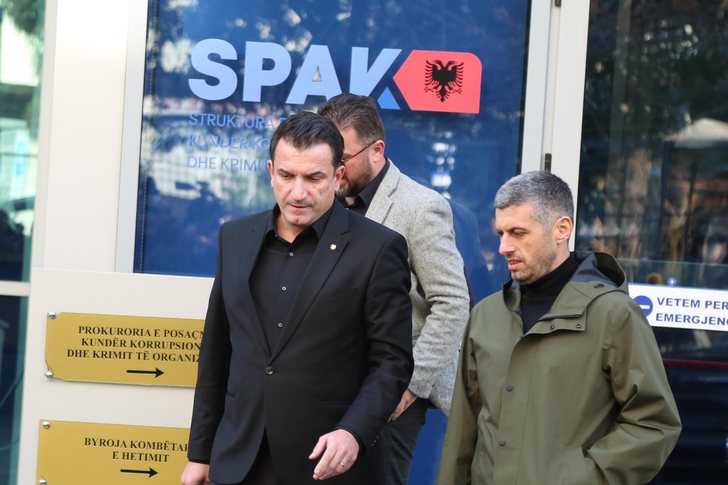
Finding new evidence against Erion Veliaj is impossible. A...
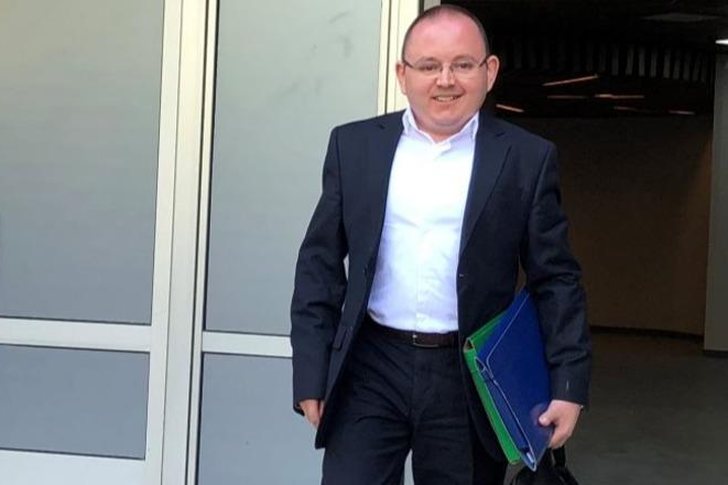
Italian publisher Carlo Bollino, who has been reported to ...
The party's candidate lists for MPs were published! Nothin...
by Ilir Levonja The event that dominated the internet yes...
Albanian televisions cover political topics (news, intervi...
Two months before the vote, Edi Rama has openly revealed h...
A few days ago I read that cases of domestic violence ...
(I am motivated by the government's decision to close the Ti...
Prime Minister Rama seems to have reflected today on SPAK ...
The moment has come. Now we can breathe a sigh of relief. ...
Among the organizations that have been funded by the Munic...

The effort to imitate Donald Trump’s slogan, “Make America...
1. Recently, the so-called opposition members have been ta...
An article by French diplomat Michel Tarran, Head of the O...
In SPAK, Driant Zeneli explained that, as executive direct...
by Elsa Demo The file on the Veliaj-Xoxa couple and other...
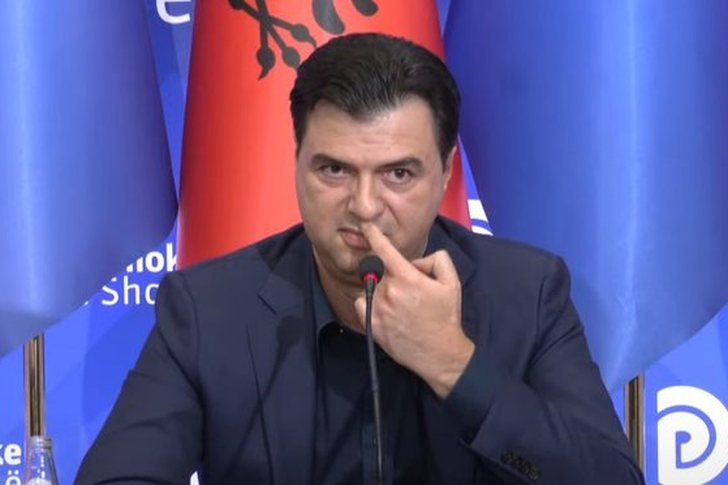
Whoever thinks that Bashirism is dead is terribly wron...
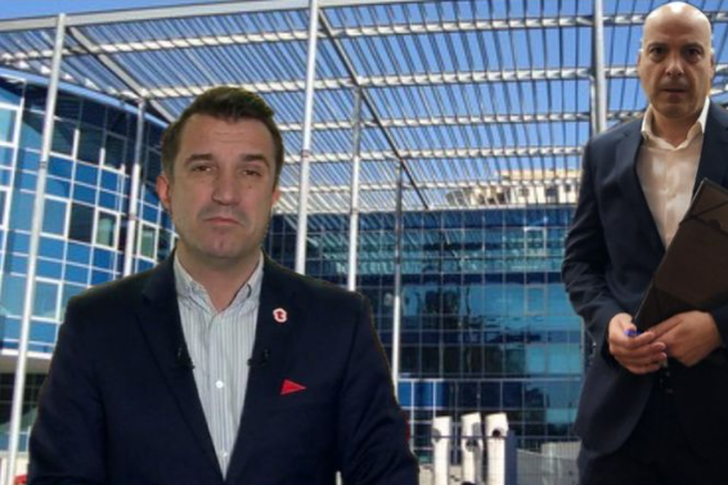
Does this procedure in the ILD provide me with a better ju...
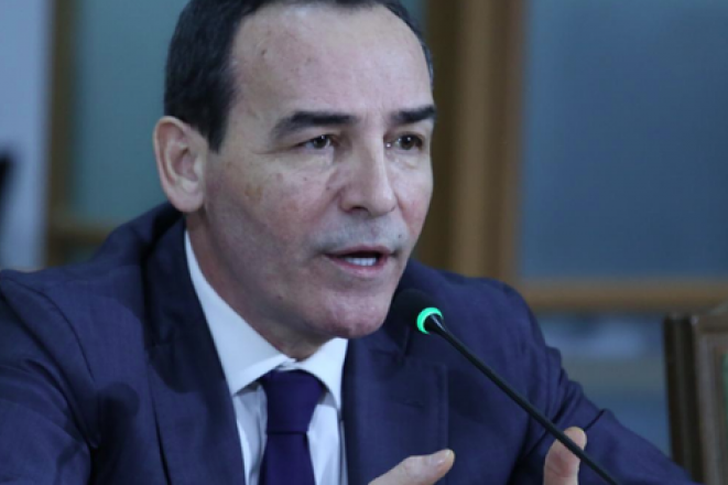
Engjëll Agaç's position was until yesterday the highest ci...
CNA has put under scanner the assets of Sokol Sadushi, the...
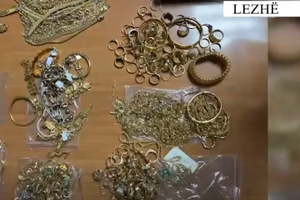
A 39-year-old citizen has been arrested in Lezha, after se...

CNA has launched another investigation that could lead to ...

Irfan Hysenbelliu is a businessman that we call "Irfan the...

The Special Board of Appeal (KPA) decided this Monday ...

The KPA vetting decided this Thursday to dismiss the p...

Suela Salavaçi, a prosecutor in the Prosecutor's Offic...

The Special Board of Appeal reinstated the prosecutor ...
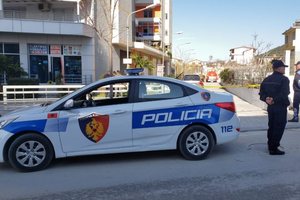
Police have revealed details of the incident that occurred...
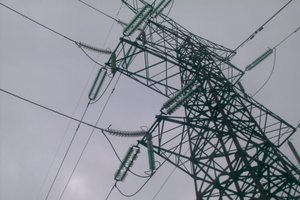
According to preliminary information, a person in his 60s ...
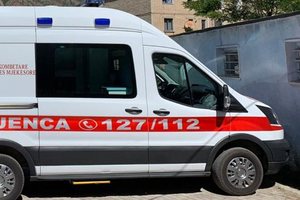
A triple accident occurred on the Peqin-Elbasan axis n...
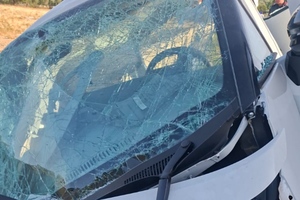
The police have provided details regarding the accident th...

Today, our country will be under the influence of unstable...
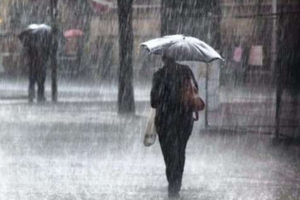
The Institute of Geosciences has today shared a forecast r...
Company leaders can improve productivity by investing in a...
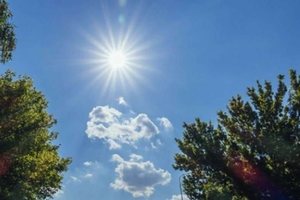
Today, our country will be under the influence of stable a...
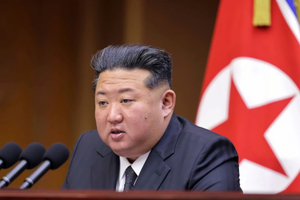
North Korea is said to have achieved some impressive resul...
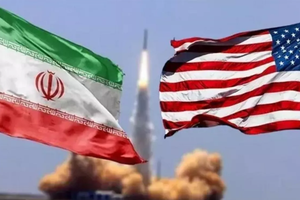
US Ambassador to the United Nations, Mike Waltz, said toda...
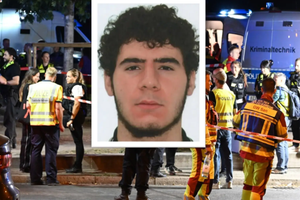
The suspect in the Berlin Pride attack was shot and killed...
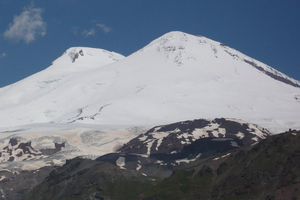
A tragic event occurred this Sunday on Mount Elbrus in the...
Two windows, a century of history and the metaphysics of p...
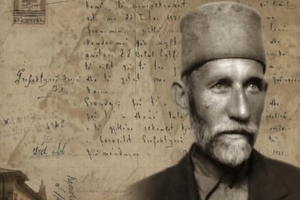
In my research at the Central State Archives, specifically...

At a time when industrial products are increasingly taking...

Trust among people is not just a three-syllable word. It c...

This Monday, one US dollar is bought for 81.5 lek and sold...
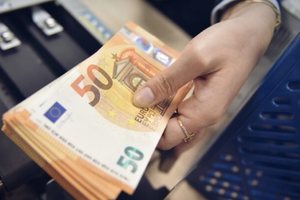
This Sunday, one US dollar is bought for 81.5 lek and sold...
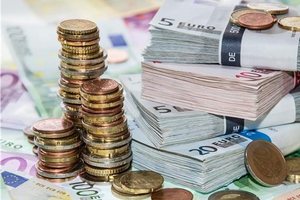
This Saturday, one US dollar is bought for 81.7 lek and so...
War, weather and supply disruptions could send gas prices ...