

By Ditmir Bushati/ FOR THE WORKS OF ALBANIA
Albania's EU accession process is being shrouded in a fog ...


There is a subtle irony in the way Albanian justice occasionally reveals principles that it has always had at its disposal. Today, there is talk of the need for “further development of judicial practice” on security measures, as if the exceptional character of detention, proportionality and concrete risk analysis were innovations of recent years. In fact, these are the foundations on which the Code of Criminal Procedure and the jurisprudence of the European Court of Human Rights were built from the beginning.
Why a new unifying decision, a new debate, a “reinvention” of the standard? When a legal system feels the need to solemnly reaffirm what the law has long said, the problem is usually not the lack of a norm, but the lack of its implementation.
It is difficult to avoid the perception that this exercise does not stem from calm doctrinal reflection, but from the pressure of a concrete context. When justice moves with great energy to clarify well-known principles precisely at certain moments, the legitimate question arises: is a general standard being constructed, or is a general justification being sought for a particular case?
Because, in essence, nothing has ever prevented the court from seeking concrete evidence of risk, from realistically analyzing proportionality, or from avoiding stereotypical formulas. There has been no legal vacuum. There has been, in many cases, simply a lack of will to apply the law rigorously. And this is a problem that is not solved by a new unifying decision, but by a different judicial culture.
Instead of acknowledging that the standard has always been there and that the deviation came from practice, the system chooses to present the situation as a need for “further development.” It is an elegant way to avoid the more difficult question: why has what has long been known not been implemented until now?
In a climate where every move in the justice system is also read politically, this initiative risks being seen not as an improvement in the system, but as a reaction to a specific case. And in justice, perception is as important as reality. A standard that is reaffirmed only when the system needs it, and not when the law needs it, loses some of its credibility.
In the end, the question remains open and uncomfortable: if the law has always been clear, why does it take such a huge judicial exercise to say the same thing again? And most importantly — will it really change anything, or will it simply change the way decisions are written?/ CNA

Albania's EU accession process is being shrouded in a fog ...
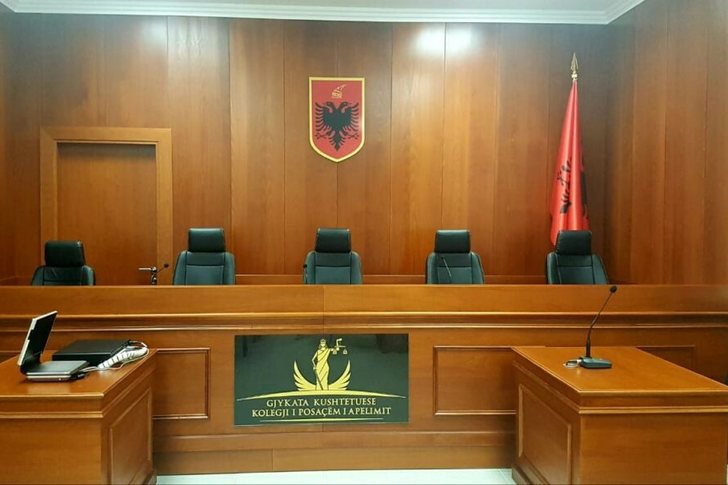
The members of the Special Appellate Panel have officially...
By lawyer Florian Bonjaku There are texts that, without t...
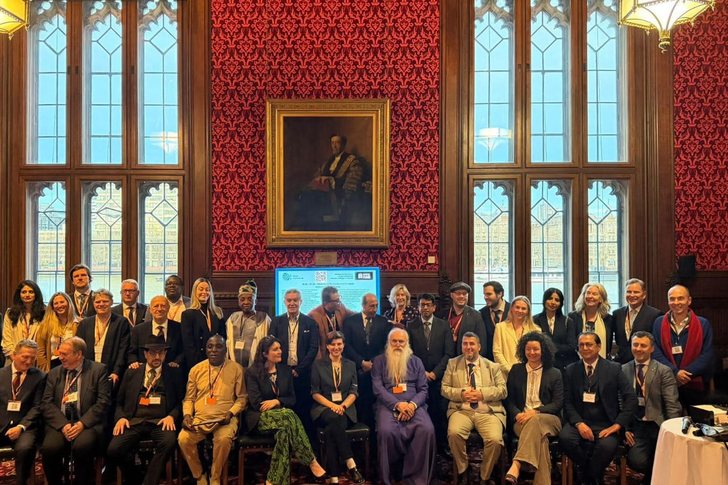
A new international initiative to limit the political use ...

The Sun sat down to meditate. Not for long. As for a statu...
Even today, after three quarters of a century, the history o...
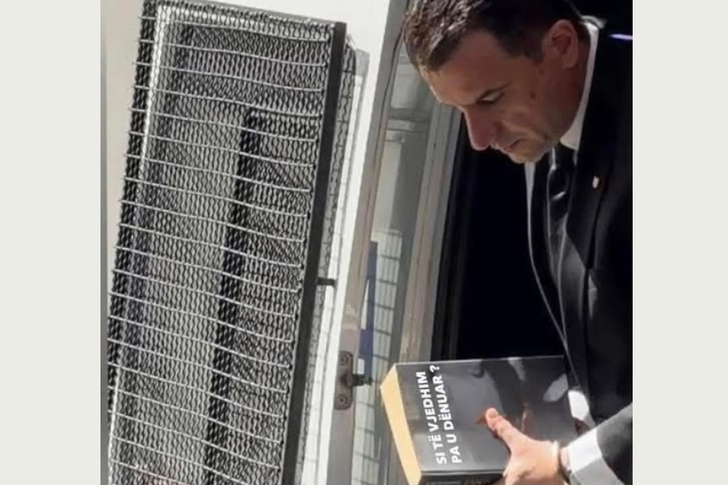
Impunity and impunity are reaching levels never seen befor...
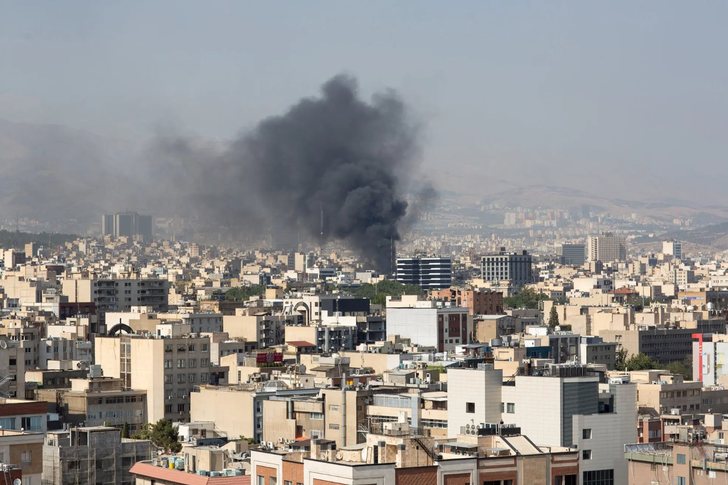
Global market movements appear to be largely driven by dev...
Erion Veliaj is finally being tested in the first battle o...
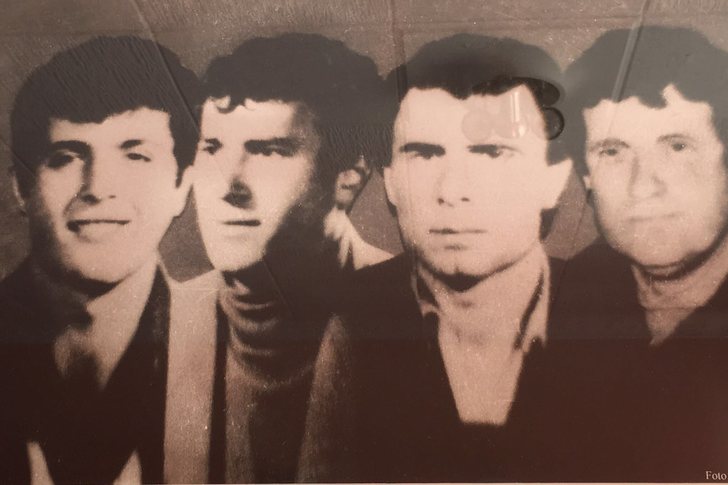
There are countries where the dead are honored. There are ...
Enthusiastic promises to conclude negotiations by 2027 and...

Mimosa is a fragile, early, evocative, but also very delic...
To all of Salianj's followers and supporters, I would say ...
The Prime Minister, who yesterday morning increased the pr...
Then this guard, the last communist in the entire comm...

In politics, there are figures who build narratives. There...

Last night, the Polish football team beat the football tea...

Artificial intelligence company Anthropic, inspired by 'an...
Agron Shehaj's latest action to collect 100,000 signatures "...
At a time when Albania is suffering from the consequences ...

The protests of recent days related to the situation in Zv...
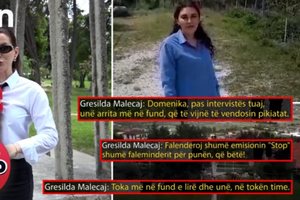
The case addressed this Wednesday, June 3, on the show "St...
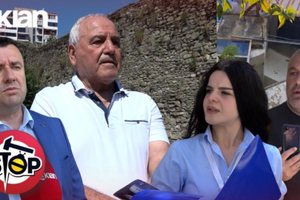
The show "Stop" broadcast this Wednesday, June 3, the case...

Irfan Hysenbelliu claims to be a big businessman, an hones...

The Special Board of Appeal (KPA) decided this Monday ...

The KPA vetting decided this Thursday to dismiss the p...

Suela Salavaçi, a prosecutor in the Prosecutor's Offic...

The Special Board of Appeal reinstated the prosecutor ...
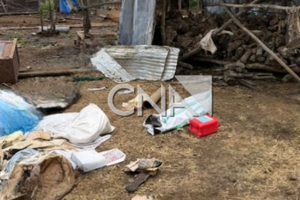
Several images provided by CNA show the area where this mo...

A quantity of explosive material exploded this morning at ...
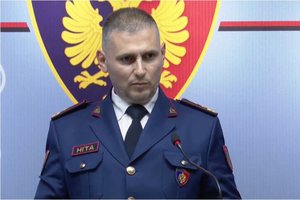
The Head of the State Police, Skënder Hita, expressed his ...

New details have emerged regarding the serious incident th...
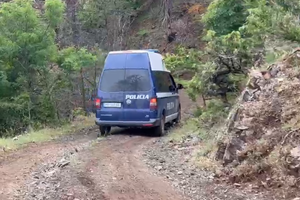
Witnesses in Lozhan, Maliqi, have shared details from the ...

Albania is facing an unprecedented demographic transition,...

On Thursday, our country will be affected by unstable weat...

An alarming figure of more than 166.4 thousand Albanians a...
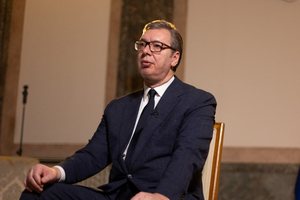
Serbian President Aleksandar Vučić has confirmed that he w...

Israel and Lebanon have agreed to renew their fragile ceas...

United States President Donald Trump announced in a post o...
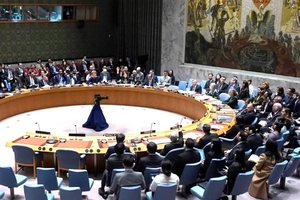
Asambleja e Përgjithshme e Kombet e Bashkuara ka përfundua...

Korça is ready to open the summer season with one of the c...
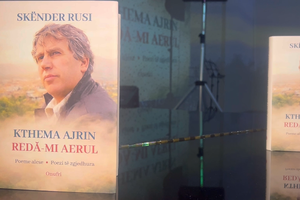
Two years after his passing, the renowned Korçë poet Skënd...

The Ethnographic Museum of Berat has opened its doors to v...
The story of Harilla Bakalli is one of the most chilling t...

Profit margins in the construction sector have increased s...

The Transparency Board, at its meeting today, decided to i...

Today, in the foreign exchange market, one US dollar is bo...
The Minister of Finance, Petrit Malaj, announced today a n...